
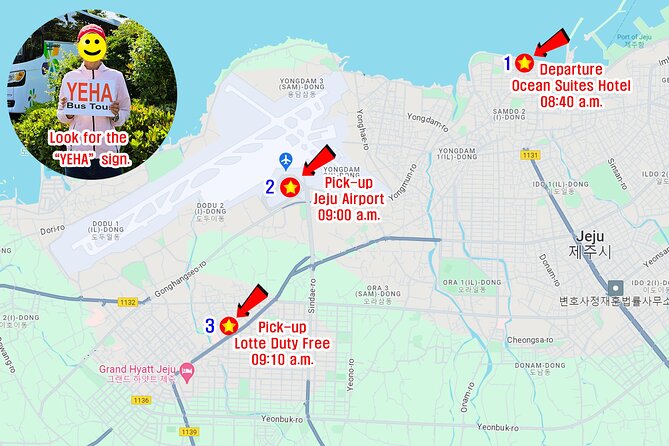
Reviewed · JEJU TOURS
South-West Jeju Essentials: Hallasan & Signature Highlights
Jeju’s southwest packs volcanic cliffs, forested waterfalls, tea fields, and broad sea views into one busy day. I like the way this tour links major sights without requiring a rental car, and I like that guides such as Elin, Clara, Eric, and Zin bring local stories, humor, photos, and even Jeju snacks into the day.
The main trade-off is pace. Six major stops in about eight hours means you get a useful overview, but not much time for long walks. The first wetland stop can feel like a filler, and Songaksan and the coast near Bomunsa deserve more time than the schedule allows.
Key points at a glance
- A practical no-car route: Cover southwest Jeju by air-conditioned bus instead of arranging several taxis or navigating rural roads.
- Volcanic scenery: See the hexagonal basalt pillars at Jusangjeolli Cliff and the sea views around Songaksan.
- Short nature walks: Visit Cheonjeyeon Falls, a highland wetland, and possible substitute sites such as Saebyeol Oreum or Eorimok.
- Tea culture with a commercial side: O’sulloc offers green tea fields, tastings, desserts, exhibits, and a large shop.
- Flexible weather planning: The first and fifth stops can change with weather, traffic, and seasonal access.
- Good guide support: Elin, Clara, Eric, and Zin are repeatedly praised for clear explanations, energy, photos, and care for older members of the group.
Why this southwest Jeju tour works

At $56.86 per person, this is priced as a sightseeing sampler rather than a slow, specialist outing. You pay for transportation, a licensed guide, and most entrance fees, then move from the highlands to the coast and across the island’s southwest in one day.
That matters on Jeju. The island is spread out, and its most interesting sights are not gathered around one compact town center. If you do not have a car, assembling this route on your own could mean several bus changes or costly taxi rides. Here, the air-conditioned vehicle handles the long links between stops while your guide keeps an eye on the clock.
The tour has a maximum of 42 people, so this is not an intimate walk with a naturalist. It is a group outing with a fixed route and shared timing. The upside is efficiency and company. The downside is that you cannot linger whenever a viewpoint catches your eye.
The high rating of 4.9 from 620 ratings and a 98 percent recommendation figure reflect the tour’s strongest feature: the human side. Guides often make the difference. Elin, also called Jeju Mama by some groups, is praised for her energy, jokes, local explanations, small gifts, snacks, and willingness to take photos. Clara is described as organized, cheerful, and attentive, including with older people who needed shade or a seat. Eric earns praise for clear instructions and his interest in Jeju’s nature and culture. Zin is noted for keeping the group on schedule while making the ride fun.
Guide assignments can change, so you should not book expecting one specific person. Still, the repeated pattern is useful: the company appears to put real effort into guiding rather than simply transporting people from one stop to the next.
Other Jeju days worth booking alongside this:
- Jeju: Eastern Jeju UNESCO Spots Day Tour
★ 4.9 · 1,148 reviews - Jeju: Western and Southern Sightseeing Day Tour
★ 4.8 · 972 reviews - East Jeju Essentials – Seongsan Ilchulbong (UNESCO) & Haenyeo
★ 5.0 · 939 reviews
The 1100 Highland area and its changing first stop
The day begins at 9:00 a.m. The first destination is selected according to weather and traffic. Possible choices are 1100 Highland, Saebyeol Oreum, or Eorimok. If all three are unavailable, the route uses Camellia Hill instead.
The 1100 Highland wetland offers a short wooden trail through quiet highland nature. Plan on about 30 minutes. It is a simple introduction to Jeju’s volcanic uplands, not a demanding hike or a major attraction that will fill half your morning.
This is the stop most likely to test your patience. Some people will enjoy the calm path and untouched surroundings. Others will finish the trail in five to ten minutes and find themselves waiting, with little nearby beyond a convenience store. The stop makes logistical sense as the bus travels from the north toward the south, but it is not the strongest part of the day.
The substitutes can change the mood. Saebyeol Oreum and Eorimok offer different highland settings, while Camellia Hill shifts the focus toward cultivated gardens. You will not know the exact first stop until weather and traffic conditions are considered, so keep your expectations flexible.
One important point: despite the tour title mentioning Hallasan, this is not a summit hike. You may pass through the Hallasan highland area or visit a related upland site, but the schedule does not take you to the mountain’s summit.
Jusangjeolli Cliff, where lava becomes geometry
The 30-minute visit to Daepo Haean Jusangjeolli Cliff is one of the day’s clearest highlights. Here, cooling lava formed tall basalt columns with striking hexagonal shapes. The sea has cut into the edge, leaving dark stone walls and crashing water.
You reach a viewing area rather than setting off on a long coastal walk. Thirty minutes is enough to see the formations, take photographs, and hear the guide explain how fire and waves shaped the coast. It is also one of the places where a guide adds value, since the rock pattern is more memorable once you understand that it came from volcanic cooling rather than human construction.
The footing and stairs at several stops can require care. Bring shoes you can walk in comfortably, especially if the surface is damp. You do not need serious hiking equipment, but sandals with poor grip will make the day less pleasant.
Cheonjeyeon Falls and a short forest walk
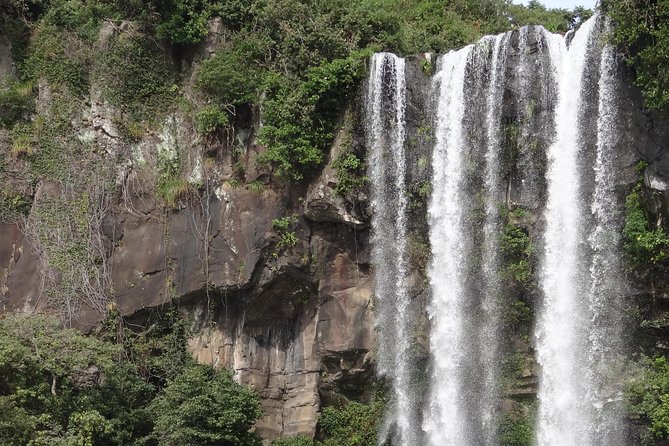
Cheonjeyeon Falls receives about 40 minutes, and it gives the schedule a welcome change from open coastal views. The waterfall has several tiers, with forest around the paths and local folklore tied to the site.
This is not a quick roadside photograph. You should expect a short walk with stairs and some uneven sections. The forest makes the stop feel cooler and quieter, and the sound of falling water gives you a proper break from the bus.
Forty minutes is enough to see the main area if you keep moving. If you like taking your time with plants, water, and photographs, you may wish for longer. Still, this stop has more atmosphere than the first wetland visit and is one of the best places to slow your pace for a few minutes.
Same country, a completely different kind of day:
- Jeju: Southern Top UNESCO Spots Bus Tour
★ 4.9 · 648 reviews - Jeju Island English Private & Flexible Tour any number anywhere
★ 5.0 · 561 reviews - East Jeju: Day Tour with Seongsan Peak & Haenyeo Performance
★ 4.9 · 478 reviews - South-West Jeju Essentials: Hallasan & Signature Highlights
★ 5.0 · 443 reviews
O’sulloc Tea Museum and the limits of the name
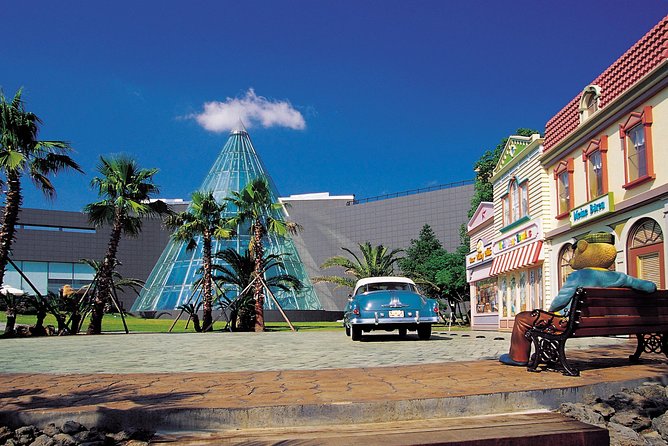
The tour spends about an hour at O’sulloc Tea Museum, one of Jeju’s best-known tea stops. You will see neat rows of green tea, sample tea, and find desserts, drinks, exhibitions, and souvenirs.
The name can create the wrong expectation. The museum display itself is small, while much of the visit centers on the café, shop, and tea-growing grounds. That does not make the stop worthless. If you like Korean tea, sweets, or clean field views, an hour passes easily. If you want a large museum devoted to tea history, you may feel shortchanged.
This is also the most commercial stop. You can enjoy the tea fields and tastings without buying anything, but the facility clearly encourages purchases. Treat it as a tea and food stop with a small exhibition, not as a major museum visit.
Lunch, black pork, and the useful $10 option
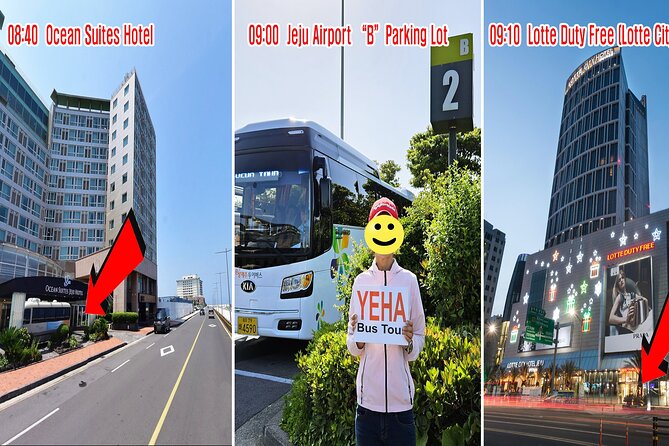
Lunch is not included in the base price. On the day, you can choose black pork barbecue or vegetarian bibimbap for $10.
The food stop is a practical part of a full-day outing. You do not need to spend time finding a restaurant while the bus waits, and the barbecue is a chance to try one of Jeju’s well-known local foods. The bibimbap gives vegetarians a defined alternative instead of leaving them to piece together side dishes.
One meal experience is described as a buffet with fresh food and an offered cup of makgeolli. Exact dishes and service may vary, so I would regard lunch as convenient and reasonably priced rather than the main reason to book.
If you have strict dietary needs, ask the operator before the day. The supplied information confirms a vegetarian bibimbap option, but it does not promise a wider range of dietary accommodations.
Songaksan Mountain and the view you may want more time for
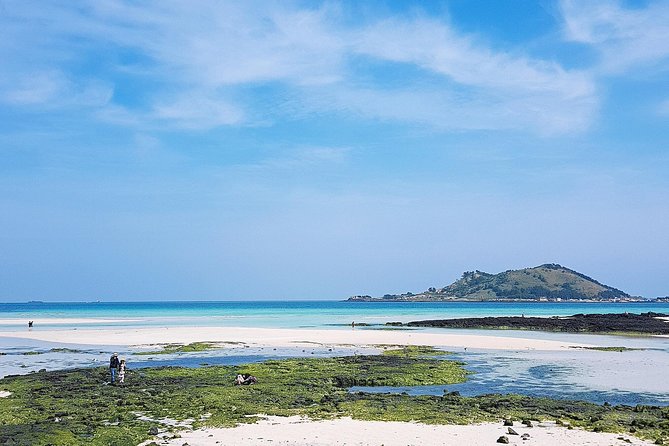
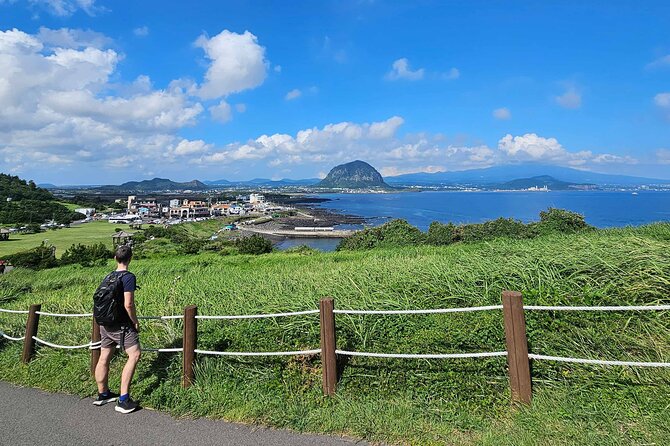
Songaksan receives about 50 minutes, though the exact time can vary in practice. This is one of the most scenic stops, with volcanic coastal terrain, sea views, and a trail around the cliffs. A viewpoint can provide wide views in several directions, and the coast below adds another layer to the scene.
The difficulty is not the attraction. It is the clock. You can walk toward the viewpoint, follow part of the coastal route, or spend time near the beach and nearby cafés, but you probably cannot do all of it before the bus leaves.
If you prefer photography and broad sea views, use your time here carefully. Listen to the guide’s departure instructions, then choose one target instead of trying to cover every path. One person described the views from the peak as breathtaking, and that assessment makes sense, but the short visit favors a quick look over a complete walk.
There is also a seasonal change. From January 5 through February, and again in July and August, Sanyang Keunkot replaces Songaksan. If Songaksan is the sight you most want, check the date before booking.
Bomunsa Temple beneath Sanbangsan
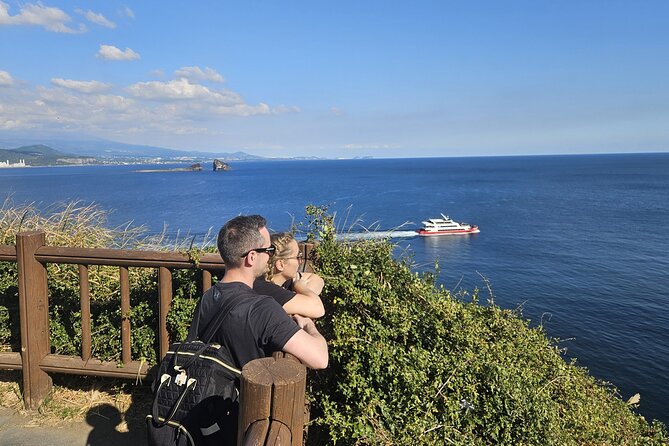
The Sanbangsan Bomunsa Temple stop lasts about 40 minutes. The temple gives you a cultural counterpoint to the cliffs, waterfalls, and tea fields, with the massive Sanbangsan area nearby.
The temple itself can be seen fairly quickly. The larger appeal is the setting and the possibility of walking toward the beach and nearby cliff views. As with Songaksan, the schedule does not give you enough time to explore every nearby path.
This is a good stop for a short introduction to Jeju’s Buddhist sites and for photographs that show how religion, rock, and sea fit together on the island. It is less satisfying if you want a long, quiet temple visit.
The same seasonal substitution applies here: Sanyang Keunkot replaces Bomunsa from January 5 through February and during July and August. The tour therefore changes its balance at different times of year, with some dates offering a flower or garden stop instead of the mountain temple.
What the day feels like in a group of up to 42
The tour begins and ends at the meeting point, with an air-conditioned vehicle carrying the group between sites. The bus is a major advantage on Jeju’s spread-out southwest side, but comfort depends partly on how full it is. Small seats have been a complaint, so do not expect coach-level luxury.
Your guide will give you instructions for meeting back at the vehicle. That structure lets you visit several places without worrying about directions, though it also means you must watch the time. A late return from one viewpoint can affect everyone else’s stop.
The day includes walking and stairs. Most people can take part, but you should be honest about your pace. One guide was especially praised for helping older people find seats and shade, which suggests attentive staff, but the fixed schedule remains a real consideration.
The WhatsApp requirement is practical and important. Provide a valid number with the country code so the operator can add you to the tour information group and contact you about pickup details. Confirmation is received when you book, and the activity is near public transportation.
Weather can reshape the experience
Jeju weather changes quickly, especially around the highlands and coast. This tour requires good weather, and poor conditions can lead to a new date or a full refund.
Even when the tour runs, the route may shift. The first stop is selected based on weather and traffic, and the seasonal replacements alter the later part of the day. Snow has already required itinerary changes on some outings, but a flexible guide can keep the day enjoyable when the original plan is not possible.
Pack for movement and changeable conditions. Comfortable walking shoes are the priority. A light rain layer is sensible, though the supplied details do not promise that every stop will operate exactly as shown in poor weather.
How to get the best value from $56.86
The price makes the most sense for a first visit, a short stay, or anyone without a car. You receive a full day of transportation, a licensed guide, and entrance fees for the paid attractions listed in the route. Lunch costs another $10 if you choose the offered meal, and personal expenses are extra.
The value is less obvious for a slow-paced hiker. You will probably want longer at Songaksan, Bomunsa, and Cheonjeyeon Falls. A rental car or private tour would give you more control, though it would change the cost and remove the convenience of having someone else handle the route.
I would also separate the value of the guide from the value of the attraction list. The sights are varied, but some are brief visits and O’sulloc has a strong retail element. A warm, funny guide can turn those transitions into part of the experience. A detached guide would make the same schedule feel much more mechanical.
You can request a drop-off at Dongmun Market at the end, but it is not part of the guided tour. The market is Jeju’s large central food and shopping stop, so this can be useful if you want to continue your evening there. The request is optional, and the activity officially ends back at the meeting point.
Who should book this tour
I would book this if you want a broad first look at southwest Jeju and do not want to drive. It suits solo visitors, couples, families, and people who like a guide to explain what they are seeing. The bus, fixed schedule, and photo help are especially useful when you are unfamiliar with the island.
It is also a good choice if you value variety over depth. In one day, you can see volcanic rock, a waterfall, highland nature, tea fields, a temple, and coastal views. That range helps you decide which places deserve a return visit.
I would hesitate if you dislike group schedules, commercial stops, or short walks. The wetland may feel too slight, O’sulloc may feel too sales-focused, and the best coastal areas may leave you wishing for another hour.
Free cancellation is available up to 24 hours before the start time for a full refund. Changes made within 24 hours are not accepted, and poor weather may result in a different date or a full refund.
Should you book South-West Jeju Essentials?
Book it if your priorities are efficient sightseeing, no-car convenience, and a lively guide. At $56.86, it is a fair way to connect far-flung southwest sights in one day, especially with entrance fees and transport included.
Skip it if you want long hikes or quiet time at each stop. For most first-time visitors with limited time, though, this is a useful orientation to Jeju, with enough standout scenery to make the tight schedule worthwhile.
FAQ
How long does the South-West Jeju Essentials tour last?
The tour lasts approximately eight hours and starts at 9:00 a.m.
What is the tour price?
The listed price is $56.86 per person.
Is lunch included?
No. You can purchase black pork barbecue or vegetarian bibimbap for $10 on the day.
What transportation is provided?
An air-conditioned vehicle is provided, along with a licensed guide.
Are entrance fees included?
Most entrance fees are included. The listed paid stops include Daepo Haean Jusangjeolli Cliff and Cheonjeyeon Falls.
Does the tour visit Hallasan’s summit?
No. The itinerary includes a possible stop in the 1100 Highland area or other highland locations, but it does not include a summit hike to Hallasan.
Can the first stop change?
Yes. The first stop depends on weather and traffic. Possible locations are 1100 Highland, Saebyeol Oreum, Eorimok, or Camellia Hill.
Does Songaksan always appear on the route?
No. Sanyang Keunkot replaces Songaksan from January 5 through February and during July and August.
Does Bomunsa Temple always appear on the route?
No. Sanyang Keunkot replaces Bomunsa Temple at Sanbangsan during the same periods, from January 5 through February and in July and August.
What happens if bad weather cancels the tour?
You will be offered a different date or a full refund if the experience is canceled due to poor weather.
Just added around Jeju
- Jeju island: Van tour with a guide who the most loves JEJU★ 5.0 · 7 reviews
- Full Day Jeju Private Customizable highlight Tour★ 5.0 · 5 reviews
- Jeju Unesco Eest course Package Private Van Guided Tour★ 5.0 · 17 reviews
- Full-day Customizable Private Jeju Island Tour★ 5.0 · 8 reviews
- Full Day Essential Jeju Island Private tour for West Course★ 5.0 · 15 reviews
- Jeju Private Tour Package-South of Jeju(Mt.Hallasan & Waterfalls)★ 5.0 · 5 reviews
- Customized private tour in Jeju island★ 5.0 · 19 reviews
- Private Jeju Geopark Gotjawal and Oreum Trekking Experience★ 5.0 · 3 reviews
Jeju Tours, compared.
East Jeju Essentials – Seongsan Ilchulbong (UNESCO) & Haenyeo
Read our review →
Jeju Island English Private & Flexible Tour any number anywhere
Read our review →
East Jeju: Day Tour with Seongsan Peak & Haenyeo Performance
Read our review →
South-West Jeju Essentials: Hallasan & Signature Highlights
Read our review →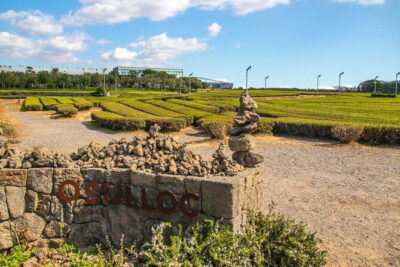
Jeju Southern UNESCO Full Day Tour with Mt.Halla
Read our review →Browse the lists this tour appears in