
Reviewed · JEJU TOURS
Jeju Island Private Taxi Tour : 2 Full days
Jeju is a big island with sights scattered around its coast and volcanic interior. This two-day private taxi tour gives you a practical way to see the main sights without renting a car, learning Korean road rules, or losing time to bus connections. Your driver can shape the days around the east and west-south routes, and weather can help decide the order.
I like two things right away: the flexible schedule and the chance to eat at local restaurants recommended by the driver. The private car also works well for families, couples, and small groups, since the $240 price covers up to four people rather than charging each person separately.
The main thing to check before paying is the guide option. Some drivers speak only basic English, and the simple transport package may not include much explanation. If you want history, local stories, and help throughout each stop, book an English-speaking driver-guide rather than transportation only.
Key points at a glance
- Two full days, two broad routes: The usual plan covers Jeju’s east on one day and the west and south on the other.
- Private car for up to four people: The $240 group price can be good value when shared by a small party.
- Weather-aware planning: Yongmeori Coast may be replaced by Songaksan Mountain in rough conditions, and snowy or rainy days can be shifted toward indoor sights.
- Strong driver service: Named drivers such as Lucas, Mr. Koh, Mr. Kim, and Mr. Yoon have different English abilities, so choose carefully.
- Many famous volcanic sights: Seongsan Ilchulbong, Sanbangsan, Yongmeori Coast, Jeju Stone Park, and Jusangjeolli show off the island’s unusual geology.
- Admission costs are extra: Budget about $35 per person for entrance fees, plus meals and any overtime or distance charges.
Why a private taxi makes sense on Jeju
Jeju rewards careful planning, but its attractions are spread far apart. A public bus can get you to many major places, yet fitting several coastal stops, a folk village, a waterfall, and a tea museum into two days is much easier by car.
You get pickup and drop-off at a hotel in downtown Jeju City, along with the vehicle, fuel, parking, and car insurance. The vehicle price is fixed for your group of up to four, which means the cost works out to $60 per person if four people share it.
I see this as a convenience purchase, not a bargain tour. Admission fees, food, and drinks are not included, and the extra costs can add up if you stay beyond the planned hours or travel farther than the daily 130-kilometer limit. Still, the ability to change the order of stops is valuable on Jeju, where wind, rain, and tides can affect outdoor sights.
The company uses regular taxis, jumbo taxis, vans, and minibuses. Confirm the vehicle and language level at booking, especially if you have luggage or need more room. Pickup outside downtown Jeju City costs an additional 30,000 to 120,000 Korean won, depending on the location.
A few more Jeju trips to weigh up
- Jeju Island English Private & Flexible Tour any number anywhere
★ 5.0 · 561 reviews - Jeju Island Popular Sightseeing Private Car Charter Tour 5/9hours
★ 5.0 · 382 reviews - Jeju Island: Private Car Charter Tour
★ 4.9 · 157 reviews
Day one: Seongsan Ilchulbong and Jeju’s eastern coast
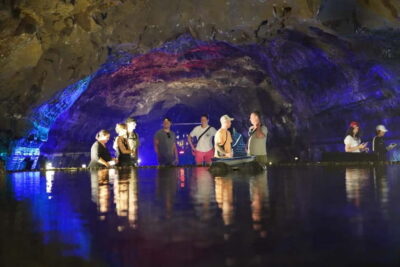
The eastern route is the stronger day for volcanic scenery and traditional Jeju culture. A typical plan includes Manjanggul Cave, Woljeongri Beach, Seongsan Ilchulbong, Seopjikoji, and Seongeup Folk Village.
Manjanggul Cave is a UNESCO-listed lava tube and one of the island’s signature natural sites. At present, it is closed for construction intended to prevent falling hazards, with reopening slated for August 2025 in the supplied information. Check the latest status before your trip because the substitute may be Jeju Stone Park or the Jeju Haenyeo Museum.
Jeju Stone Park is a useful replacement if you want more context about the island’s volcanic rock and stone culture. The Haenyeo Museum gives you a closer look at the haenyeo, Jeju’s famed female divers, and their demanding work at sea. Neither substitute is the same as walking through a lava tube, but both keep the day tied to Jeju’s natural and cultural identity.
Woljeongri Beach is a short, easy stop with pale sand, clear green-blue water, and a line of cafés near the shore. Thirty minutes is enough for a look and a few photos, though you may want longer if you prefer a quiet coffee break.
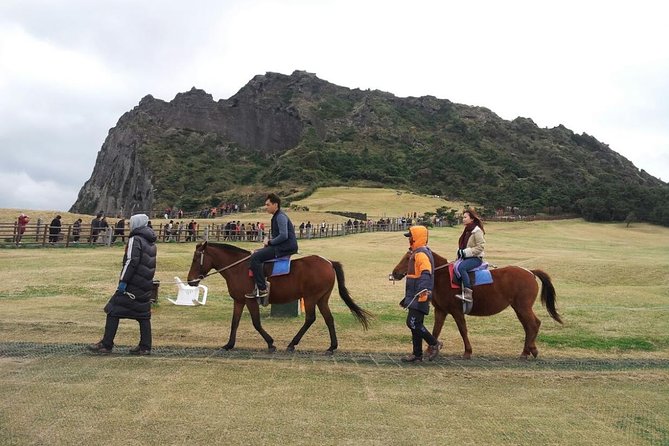
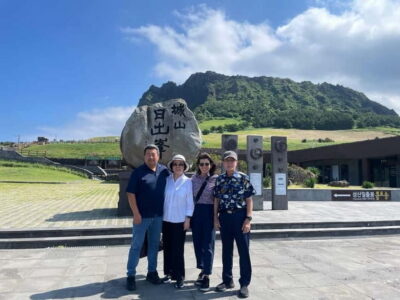
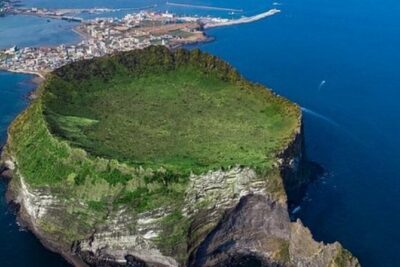
The centerpiece is Seongsan Ilchulbong, also called Sunrise Peak. This volcanic tuff cone formed from eruptions in shallow seawater about 5,000 years ago. The visit is scheduled for around 90 minutes, which allows time for the approach and some walking, but the climb can feel demanding because of stairs and exposed weather.
You do not need to race to the top if you would rather enjoy the view from lower down. Tell the driver how much walking you want before setting off. That matters for older family members, and it helps the driver shape the day without leaving you short of time.
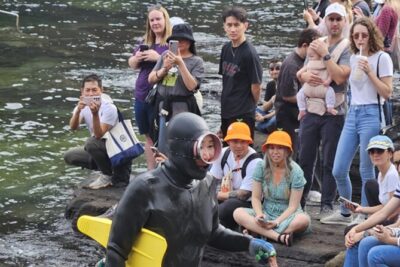
A haenyeo women diver show is included with this stop in the basic plan. Timing can vary, so ask the driver to confirm the performance schedule. This is one of the more distinctive parts of the route because it connects the sea directly to Jeju’s living traditions.
Lunch is normally arranged around Seongsan Ilchulbong. Food and drinks are extra, but drivers can recommend local places. Several visitors appreciated restaurant suggestions and help reserving lunch, so this is a good chance to ask for seafood or another Jeju specialty rather than settling for a familiar chain.
Seopjikoji, Sangumburi, and the eastern countryside
Seopjikoji reaches out from Jeju’s eastern shore, where open sea views meet dark volcanic rock and grassy headlands. In April, yellow canola flowers add a bright seasonal touch. The stop is free and lasts about an hour, but wind can be strong, so bring a layer even on a mild day.
For October and November, the route may use Sangumburi Crater instead of Seopjikoji. This is one of the best seasonal adjustments in the plan. The crater is especially recommended in those two months, when autumn color makes the setting more appealing.
Seongeup Folk Village gives you a look at older Jeju homes and village design. Stone walls and carefully stacked stones helped protect roofs and buildings from the island’s strong winds. The stop lasts about 40 minutes, and admission is not included.
This is not a polished theme park in the usual sense. I like it best when you treat it as a short cultural stop, look closely at the stonework, and listen to the driver’s explanation. If you prefer a museum setting, Jeju Folk Village Museum may be substituted.
Some versions of the east route also include Saryeoni Forest Path, a quiet wooded trail known for its protected setting. The scheduled visit is about 40 minutes, with no admission charge. It is a pleasant change from the busy coastal sights, though you should tell the driver if you want to prioritize hiking over extra photo stops.
Day two: tea, cliffs, and volcanic coast
The west and south route packs several different types of scenery into one day. The usual choices include Hallim Park, O’sulloc Tea Museum, Sanbangsan Mountain, Yongmeori Coast, Cheonjeyeon Falls, and Daepo Haean Jusangjeolli Cliff.
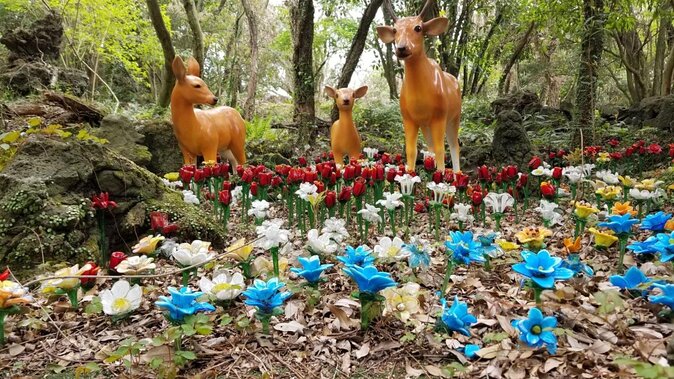
Hallim Park is a broad garden and attraction area with seasonal flowers and several themed sections. Allow about 90 minutes. Spring can bring flower events such as the tulip festival, while other months have their own plant displays.
This stop is easy to adjust for different interests. It gives you gardens and maintained paths rather than a strenuous hike, making it useful for a mixed-age group. Admission is extra, so compare your interest in gardens with the other paid options before committing.
At O’sulloc Tea Museum, you get a gentler hour with Korean tea culture. The museum opened in 2001 and was later joined by O’sulloc Tea Stone, which offers tea experiences and cultural activities. The visit lasts about 70 minutes, and the museum itself is listed as free, although purchases and optional activities are your responsibility.
I would not treat this as just a shopping stop. It is a good pause after several outdoor attractions, and you can learn why tea has become part of Jeju’s modern identity. If you like green tea, allow time for the café and shop rather than rushing through.
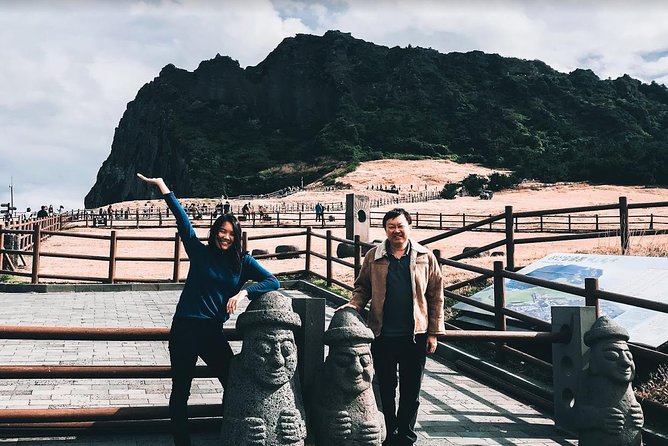
Sanbangsan Mountain is a 395-meter, dome-shaped volcanic formation without a crater. Its name refers to a natural stone cave in the mountain. The scheduled stop is about 30 minutes, with admission extra, so confirm exactly which areas are open and included on the day.
Nearby Yongmeori Coast is one of the most dramatic stops on the island. Layers of volcanic ash formed the shore when hot magma met cold seawater. A narrow path leads down toward the water, and the route can involve uneven footing and stairs.
Tide and weather are important here. The coast may close during high tide or bad weather, in which case Songaksan Mountain is the substitute. This is not a minor detail. You should expect the itinerary to change if the coast is unsafe, and you should wear shoes suitable for walking rather than smooth sandals.
Same country, a completely different kind of day:
- Jeju: Eastern Jeju UNESCO Spots Day Tour
★ 4.9 · 1,148 reviews - Jeju: Western and Southern Sightseeing Day Tour
★ 4.8 · 972 reviews - East Jeju Essentials – Seongsan Ilchulbong (UNESCO) & Haenyeo
★ 5.0 · 939 reviews - Jeju: Southern Top UNESCO Spots Bus Tour
★ 4.9 · 648 reviews
Waterfalls and the black stone coast
Cheonjeyeon Falls, or the Pond of God, has three sections and a one-hour visit. The surrounding vegetation includes rare reeds, and one area has cold water flowing from a cave. Admission is extra, and the paths may include stairs, so allow enough time rather than trying to squeeze it in at the end of a long day.
Daepo Haean Jusangjeolli Cliff is a quick but memorable coastal stop. Its black hexagonal columns look like a giant stone folding screen, created by cooling volcanic rock. The site was designated Natural Monument No. 433 in 2004.
Thirty minutes is usually enough for the main viewpoint. If you want more time at the falls or Yongmeori Coast, this is one of the shorter stops that can be adjusted.
The west-south plan may offer a choice between Cheonjeyeon Falls, a teddy bear museum, and an optical illusion museum. I would choose the falls if nature is your priority. The teddy bear museum suits families and collectors, while the trick art attraction offers five sections built around optical illusions, digital art, sculpture, and themed displays.
Another possible west stop is Raon The Ma Park, a horse-themed park with a permanent riding performance based on the story of Jumong and the Goguryeo dynasty. It is a more entertainment-focused choice, so ask the driver to explain the schedule and admission cost before selecting it.
The driver matters more than the car
This experience is only as good as the person behind the wheel. Some drivers act mainly as transport, while others provide history, restaurant advice, photography help, and day-to-day planning.
Lucas is praised for strong English, punctuality, organization, and local knowledge. He previously worked as an English teacher, according to the information provided, and is a good choice if clear explanations matter to you.
Mr. Koh is often described as warm, punctual, and helpful with tickets, maps, walking times, and group photos. His English is limited compared with Lucas or Mr. Yoon, so he may suit you better if transportation and flexible sightseeing matter more than long conversations.
Mr. Kim is described as an advanced English speaker, and Mr. Yoon, also called Donny, is noted for professional service, patience, and useful food recommendations. Mr. Lee has also been praised for speaking English well and explaining Jeju and Korea during the drive.
The company works with a larger pool of contracted drivers, so a named driver is not guaranteed unless you confirm it directly. This is where past disappointment has come from: some people expected a full guide but had selected a transport-focused option. Read the language and guide details closely, then send your preferred sights in advance.
A driver may also take photos for you, help with tickets, or point out the best route through a site. That is helpful, but it is not the same as a licensed museum guide at every attraction. Keep your expectations clear.
What the $240 price really buys
At $240 per group, the price is reasonable for four people who want a private vehicle for two full days. Split four ways, the base cost is $60 each, before admissions, meals, and optional charges. For two people, it becomes a convenience splurge at $120 each.
Included costs cover downtown Jeju pickup and drop-off, the vehicle, fuel, parking, insurance, and the driver or guide option you select. You pay admission fees separately, listed at about $35 per person in total, though the exact amount depends on your chosen stops.
The 130-kilometer daily distance limit is important. The east or west-south route should remain within that limit, but adding far-flung custom stops can create a mileage charge of 15,000 to 20,000 won per extra 10 kilometers.
Overtime is charged directly to the driver. Depending on the vehicle, each extra 30 minutes costs 15,000 won for a regular taxi, 20,000 won for a jumbo taxi, 25,000 won for a van, or 35,000 won for a minibus. Ask about the planned start and finish times so you are not surprised at the end of the day.
Free cancellation is available up to 24 hours before the start time. Changes or cancellations inside that window are not accepted for a refund.
Who should book these two days
I would choose this tour if you do not want to drive, have only two days, or are traveling with a senior who would find multiple buses and transfers tiring. It also suits couples and families who want to set their own pace and stop for local meals.
The tour is especially useful in unsettled weather. Drivers can rearrange the route, substitute indoor museums, or replace Yongmeori Coast when tides and wind make it unsafe. That flexibility helped keep sightseeing moving during rain and snow.
You should think twice if you want a tightly scripted walking tour with a guide explaining every monument in fluent English. In that case, confirm the premium guide option and the driver’s language before booking. If you mainly need a car and local routing, the simpler option may be enough.
Should you book the Jeju private taxi tour?
Book it if your priority is seeing a lot of Jeju in two days without driving. The best value comes with four people, a clear list of must-see places, and a willingness to let the driver adjust the route for tides and weather.
Before you commit, confirm three things: your pickup address, the exact guide language, and the admission and overtime budget. Ask for Lucas, Mr. Kim, or Mr. Yoon if fluent English is central to your trip, and consider Mr. Koh if you mainly want a friendly, efficient driver with basic English support.
With those expectations set, this is a practical way to connect Jeju’s volcanic coast, haenyeo culture, tea traditions, waterfalls, and countryside in a short visit.
FAQ
Is this a private tour?
Yes. Only your group participates, and the price is fixed per vehicle for up to four people.
What does the $240 price include?
The price includes pickup and drop-off at a downtown Jeju City hotel, the vehicle, fuel, parking, car insurance, and the selected driver or guide service.
Are meals and attraction tickets included?
No. Personal expenses, food, drinks, and attraction admission fees are extra. Admission is listed at about $35 per person.
Can I customize the itinerary?
Yes. You can request your own itinerary, and the driver can adjust the route for your interests, weather, tides, or attraction closures.
Is hotel pickup available outside downtown Jeju City?
Pickup and drop-off outside downtown Jeju City are available for an extra charge of about 30,000 to 120,000 Korean won per booking.
What happens if Manjanggul Cave is closed?
Jeju Stone Park or the Jeju Haenyeo Museum may be used as an alternative, depending on the closure and the planned route.
What happens if Yongmeori Coast is closed?
Songaksan Mountain is offered as the alternative when Yongmeori Coast is closed because of high tide or bad weather.
Are English-speaking drivers available?
Yes, but English ability varies. English, Chinese, and Japanese driver-guide options are available, and you should select the appropriate guide option when booking.
What are the overtime charges?
For each additional 30 minutes, the charge is 15,000 won for a regular taxi, 20,000 won for a jumbo taxi, 25,000 won for a van, and 35,000 won for a minibus. Payment is made directly to the driver or guide.
Just added around Jeju
- Jeju island: Van tour with a guide who the most loves JEJU★ 5.0 · 7 reviews
- Full Day Jeju Private Customizable highlight Tour★ 5.0 · 5 reviews
- Jeju Unesco Eest course Package Private Van Guided Tour★ 5.0 · 17 reviews
- Full-day Customizable Private Jeju Island Tour★ 5.0 · 8 reviews
- Full Day Essential Jeju Island Private tour for West Course★ 5.0 · 15 reviews
- Jeju Private Tour Package-South of Jeju(Mt.Hallasan & Waterfalls)★ 5.0 · 5 reviews
- Customized private tour in Jeju island★ 5.0 · 19 reviews
- jeju island Jumbo taxi Private tour with Mr.Hong East of jeju★ 5.0 · 19 reviews
Jeju Tours, compared.
East Jeju Essentials – Seongsan Ilchulbong (UNESCO) & Haenyeo
Read our review →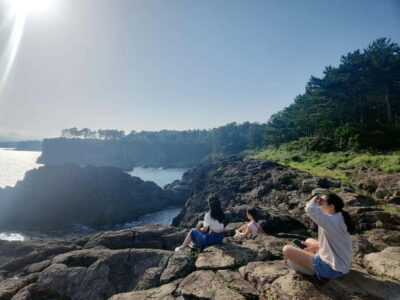
Jeju Island English Private & Flexible Tour any number anywhere
Read our review →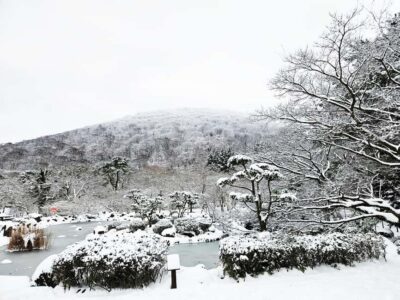
East Jeju: Day Tour with Seongsan Peak & Haenyeo Performance
Read our review →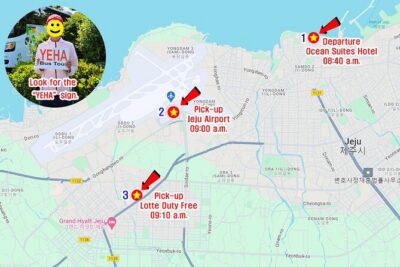
South-West Jeju Essentials: Hallasan & Signature Highlights
Read our review →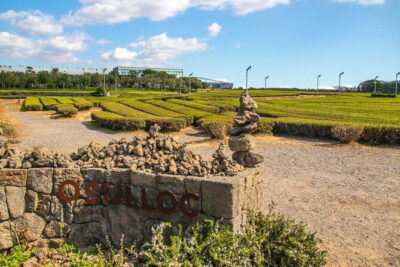
Jeju Southern UNESCO Full Day Tour with Mt.Halla
Read our review →Browse the lists this tour appears in