
Reviewed · KOREAN TEMPLE TOURS
Jeonju Hanok Village and Maisan Tapsa Temple Day Tour From Seoul
Jeonju Hanok Village gives you two memorable Korean experiences in one stop: wearing a hanbok among hundreds of traditional houses and tasting Jeonju’s famous bibimbap. The day then shifts from city heritage to the quiet stone pagodas of Maisan Tapsa Temple, a striking change of pace from Seoul.
I like the included 1.5-hour hanbok experience and the small group size, capped at nine. I also like that guide Dos of Dream Journey Korea has kept the tour running even for a single participant, which suggests a personal approach rather than a rigid coach outing.
The main catch is the long day. Jeonju and Maisan are well beyond Seoul, and the listed stops add up to only a few hours, so much of your 8 to 10 hours will be spent on the road. Lunch is also your responsibility, and hair accessories and hats cost extra.
Key points to know before booking
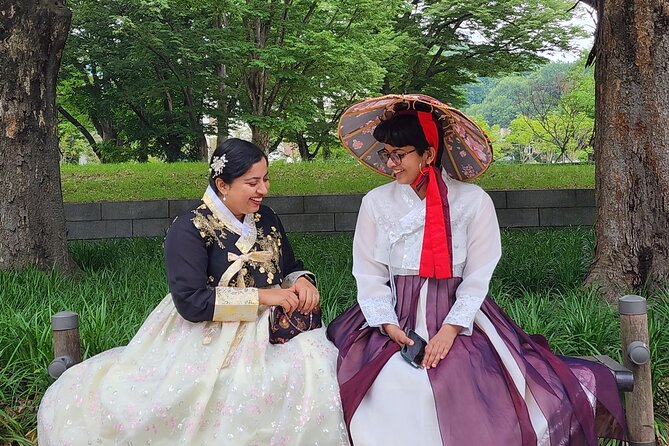
- Hanbok time is included: You receive a basic traditional outfit for 1.5 hours in Jeonju.
- Two very different destinations: Jeonju offers architecture, food, and royal history, while Tapsa brings unusual stone pagodas and mountain scenery.
- A small group matters: The maximum is nine people, and guide Dos may operate the tour even when only one person books.
- Jeonju’s main sights are compact: Gyeonggijeon Shrine, Hanok Village, Jeondong Catholic Church, and Pungnammun Gate fit into a tight sightseeing plan.
- Lunch is not included: Set aside money and time for bibimbap or other food in Jeonju.
- Expect some physical effort: The tour asks for a moderate fitness level, especially at the temple.
Why combine Jeonju with Maisan Tapsa?
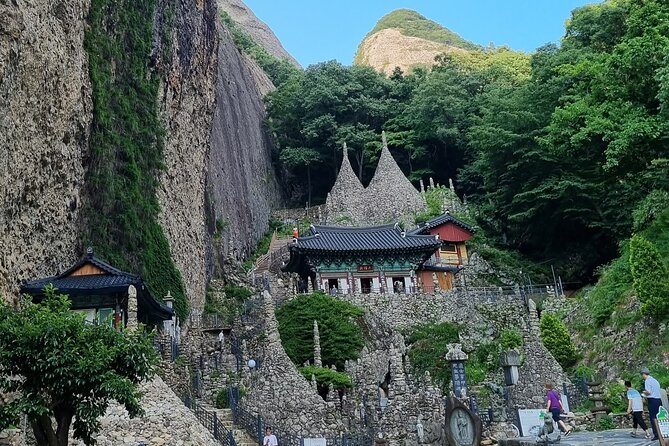
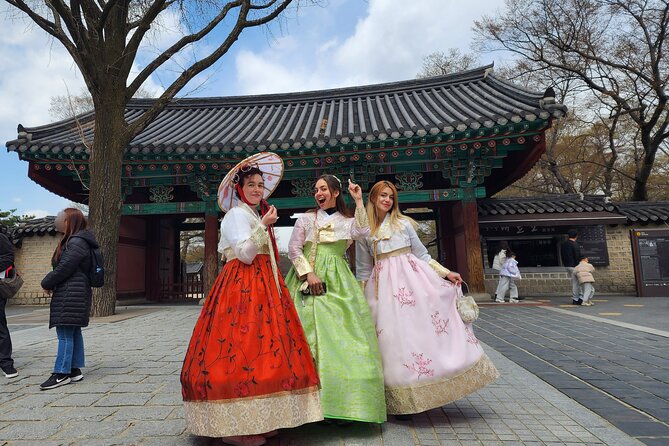
This tour works because the two destinations show different sides of Korean culture. Jeonju is a living historic district, where old tiled roofs sit beside food shops and clothing studios. Maisan Tapsa is quieter and more reflective, with stone towers gathered around a Buddhist temple.
I like this contrast. You are not spending the whole day looking at similar buildings or repeating the same kind of stop. The morning or early part of the day has the color and activity of Jeonju, while the temple visit gives you time to slow down and look closely.
The tradeoff is distance. An 8 to 10 hour excursion from Seoul is a serious day out, not a quick side trip. Since the tour includes round-trip transportation, you avoid the work of arranging the journey yourself, but you should still expect a substantial amount of travel time.
That makes this a good choice if you want to see beyond Seoul without changing hotels. It is less suitable if you prefer a relaxed schedule with long meals, shopping, or hours spent wandering one neighborhood.
More Jeonju Hanok Village Tours in South Korea:
- Jeonju Hanok Village Full-Day Tour:Jangtaesan Autumn Foliage
★ 4.7 · 45 reviews - Jeonju Hanok Village Full-Day Tour: Jangtaesan Autumn Foliage
★ 5.0 · 16 reviews - Maisan Cherry Blossom and Jeonju Hanok Village
★ 5.0 · 8 reviews
Gyeonggijeon Shrine and the first Joseon king
Gyeonggijeon Shrine is the first major sightseeing stop. It was built to house the portrait of the first king of the Joseon dynasty, giving the visit a clear link to Korea’s royal past.
The one-hour allocation is useful because the shrine is more than a quick photo stop. You can look at its traditional buildings, courtyards, and formal design while your guide explains why the site matters. The architecture also makes a strong setting for hanbok photographs.
If you plan to wear a hanbok here, the timing is sensible. You have enough time to see the shrine without spending the whole morning adjusting clothing or posing. The basic hanbok rental is included, but hair accessories and hats are not, so budget separately if you want a more elaborate look.
A practical point: a hanbok is not just a costume for this tour. It changes how you experience Jeonju’s historic spaces. You become part of the visual scene, and the old buildings make your photographs feel tied to the place rather than taken in a modern studio.
One hour among Jeonju’s traditional houses
Jeonju Hanok Village is the heart of the experience. The area contains roughly 700 to 800 traditional houses, and the scale gives you a strong sense of a preserved Korean neighborhood rather than a single reconstructed building.
You will have about an hour to see the village. That is enough for a general look and some food shopping, but it is not enough to explore every lane in detail. Jeonju is known for bibimbap, so this is the natural place to arrange lunch if the schedule allows.
The short visit creates a choice. You can focus on photographs in hanbok, sample food, browse the streets, or listen closely to the guide. You probably will not have time to do all four at length. I would decide before arriving which matters most to you.
The village is also the most social part of the day. Unlike the shrine and temple, it is a place where history and present-day life sit together. You may find shops, snacks, and other people enjoying the same old-house setting. That gives the stop energy, but it also means the hour can pass quickly.
The tour description notes that 15 million people visited in 2024. That figure signals the village’s popularity, but it also hints at the limitation: this is not an empty historical quarter. If you want quiet streets and extended architectural study, the schedule and popularity may frustrate you. If you want traditional houses, clothing, food, and easy photographs in one place, it makes good sense.
Jeondong Catholic Church and Korea’s religious past
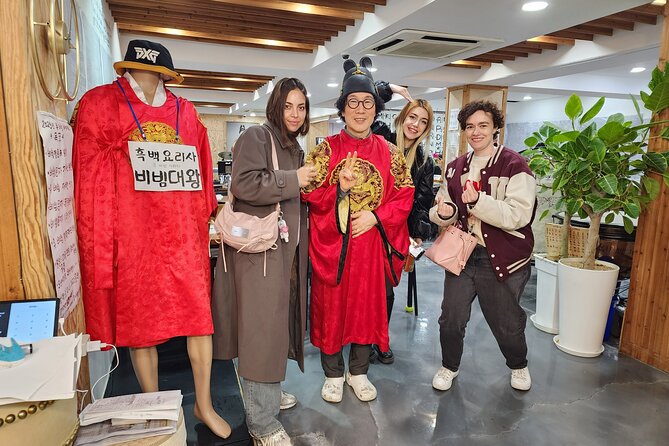
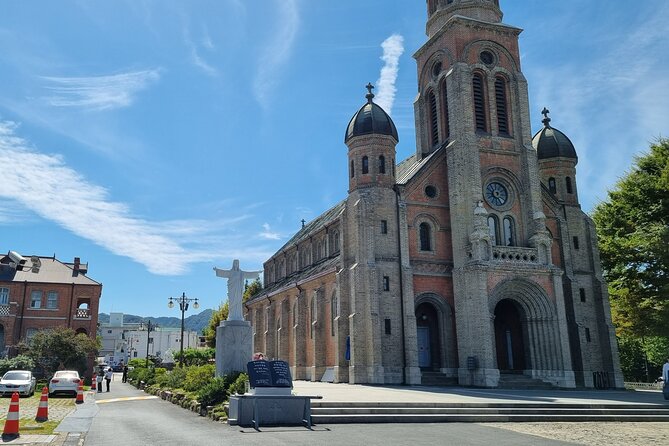
Jeondong Catholic Church receives only 10 minutes, so treat it as a brief architectural and historical pause. It is described as Korea’s first Catholic martyrium, connecting the church to the country’s early Catholic story and the sacrifices made by its followers.
You will have time to see the exterior and hear a short explanation. Do not expect a full church tour or a long period for quiet observation. The stop works best as a contrast with the royal shrine and the Buddhist temple later in the day.
That religious range is one of the tour’s strongest features. In a short span, you encounter Joseon royal tradition, Catholic history, and Buddhist practice. The stops are brief, but together they show that Jeonju and the surrounding area cannot be reduced to old houses and food.
More Korean Temple Tours in South Korea:
- Seoul: Mt Seorak + Naksansa Temple or Nami Island Group Tour
★ 4.7 · 422 reviews - Best Things to Do – Half Day Seoul Trip (Seoul Palace & Temple)
★ 5.0 · 190 reviews - Mount Seorak and Naksansa Temple One Day Tour from Seoul
★ 4.5 · 167 reviews - Busan Tour: Gamcheon Village & Haedong Yonggungsa Temple + Lunch
★ 5.0 · 119 reviews
Pungnammun Gate in ten minutes
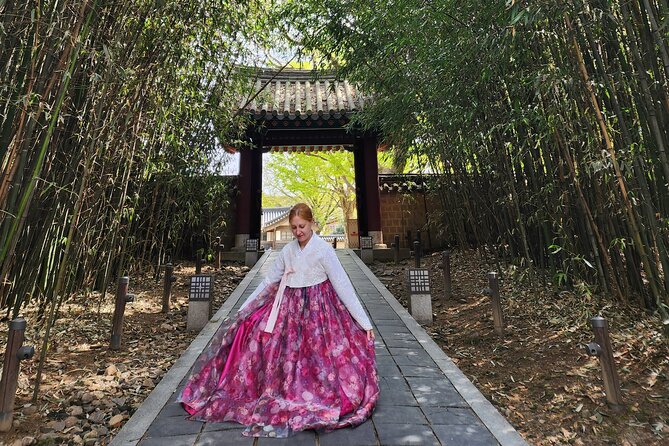
Pungnammun Gate was the main gate of Jeonju’s city fortress. The visit lasts about 10 minutes, which makes it a quick orientation stop rather than a full fortress walk.
The gate helps you picture Jeonju as a defended historic city. It also breaks up the Hanok Village portion and gives you another piece of the city’s old structure. You will likely have time for photographs and a short explanation before moving on.
Some people may find this stop too short to matter. I see it as useful if you enjoy connecting individual sights to a larger city plan. If your priority is food or shopping, you may wish the time were added to the village instead.
Maisan Tapsa Temple and its upside-down icicle pagodas
The final major stop is Maisan Tapsa Temple, with about 1 hour and 10 minutes set aside. The temple is known for mysterious stone pagodas shaped like upside-down icicles, a form unlike the standard pagoda image many people carry.
This is the part of the day that changes the mood. After tiled roofs, street food, and historic city landmarks, you arrive at a peaceful Buddhist setting with striking natural scenery. The stone towers give you something unusual to study, while the surrounding mountain setting adds space and calm.
The temple visit is included in the admission cost, as are the other listed entrance fees. That matters because the tour combines several paid elements rather than asking you to handle each ticket during the day.
You should take the fitness warning seriously. The activity calls for moderate physical fitness, and temple grounds can involve walking and uneven surfaces. The supplied information does not give a step count or a detailed accessibility description, so anyone with mobility concerns should ask Dream Journey Korea for current access details before paying.
The 70-minute stop is long enough to appreciate the pagodas without turning the day into a temple hike. Still, you will need to manage your time. Use part of the visit to look closely at the stonework, part to take in the setting, and part to follow the guide’s explanation.
What the hanbok experience adds
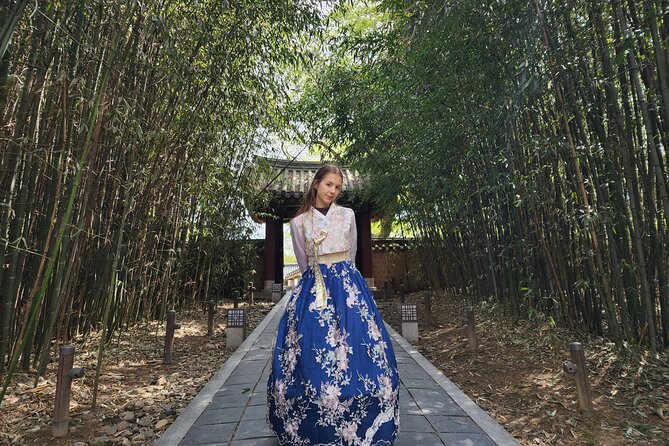
The basic hanbok experience lasts 1.5 hours and is included in the $60 price. That is a meaningful inclusion, especially if you already planned to rent traditional clothing in Jeonju.
The clothing changes the tone of the visit. You are not only looking at Joseon-era buildings; you are seeing them while dressed in a style associated with Korea’s past. The result is especially useful for photographs at Gyeonggijeon Shrine and around the Hanok Village.
Keep your expectations practical. Basic hanbok is included, while hair accessories and hats are not. If styling matters to you, ask what the basic package contains and decide if the add-ons are worth the extra cost.
The 1.5-hour period also does not cover the whole Jeonju visit. You may need to change before or after the main village sightseeing, depending on how the operator organizes the day. Follow the guide’s timing closely, since the group still has to reach Maisan Tapsa and return to Seoul.
Is $60 good value for a Seoul day trip?
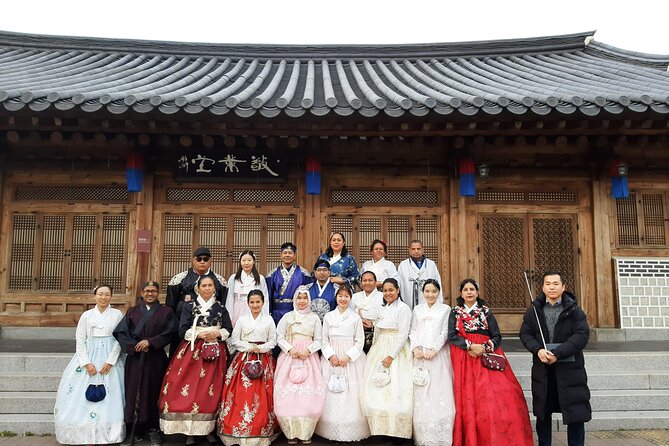
At $60 per person, the tour offers solid value if you want transportation and a guided introduction rather than an independent trip. The price includes round-trip transportation, the basic hanbok experience, every listed entrance fee, and car accident insurance.
It does not include lunch, travel insurance, or hanbok hair accessories and hats. Those exclusions are ordinary, but they affect the real budget. You should allow extra money for food in Jeonju and any clothing extras you want.
The value improves if you are traveling alone or with a small family group. Arranging Seoul to Jeonju and then Maisan independently would require more planning, while this outing links both places in one day. You also get a guide to explain the royal, Catholic, and Buddhist stops.
The value is weaker if you want a slow, self-directed day. The schedule has several short stops and a long transport component. Independent visitors who want to linger in cafés, shop extensively, or explore every Hanok Village lane may prefer to spend a night in Jeonju.
The average booking lead time is 53 days, so popular dates may fill well ahead. That does not guarantee every date will sell out, but it is a good reason to reserve early if your Seoul plans are fixed.
The small group and guide Dos
The group maximum is nine people, a useful middle ground between a private tour and a large bus outing. A group this size can move through city streets more easily, and you have a better chance to ask questions than on a mass tour.
Guide Dos, who runs Dream Journey Korea, is named in the tour information. One particularly useful sign is that Dos operated the day even when other bookings had cancelled and only one participant remained. That suggests the operator can be flexible rather than automatically cancelling a lightly booked departure.
You should still confirm the final group size and meeting details when booking. The available information confirms round-trip transportation and mobile tickets, but it does not specify the exact pickup point, vehicle type, or rest stops. Those details matter on a long day from Seoul.
The tour allows service animals and is near public transportation. It also requires moderate physical fitness. These points make it broadly practical, but they do not replace asking about specific mobility needs or the exact route at Tapsa.
Who will enjoy this day most?
I would recommend this tour to you if you want a first look at Jeonju, enjoy guided context, and like the idea of wearing a hanbok without arranging a separate rental. It is also a good fit for families, couples, and solo visitors who want transportation handled for them.
It suits people who prefer variety. In one day, you see a royal shrine, traditional homes, a Catholic church, a fortress gate, and a Buddhist temple. You also have room for local food, though lunch is not organized for you.
The tour may not suit you if you dislike long road journeys or need a slow pace. The short 10-minute church and gate stops are designed for orientation, not deep exploration. The one-hour village visit is enough for highlights but not for a full day of wandering.
I would also think carefully if your main goal is food. Jeonju is strongly associated with bibimbap, but lunch is not included, and the schedule may leave limited time for a leisurely meal. You can eat in the village, but you will need to keep an eye on the departure time.
Practical details before you reserve
You receive confirmation at booking, and the experience uses a mobile ticket. Free cancellation is available up to 24 hours before the local start time. Changes or cancellations inside that window are not accepted for a refund.
Wear comfortable shoes and keep your clothing manageable under or around the hanbok. The tour does not provide travel insurance, so arrange your own if that matters to you.
The day lasts approximately 8 to 10 hours. Because the exact transport details are not provided, ask Dream Journey Korea about the meeting point, departure time, return estimate, and how lunch fits into the Jeonju schedule.
Should you book the Jeonju and Tapsa day tour?
Book it if you want an efficient introduction to Jeonju with hanbok rental, entrance fees, transport, and a guide included for $60. The strongest part is the mix: royal architecture and traditional homes in Jeonju, followed by the unusual stone pagodas and calm setting of Tapsa Temple.
Skip it if you want to explore Jeonju slowly or avoid a long day on the road. You will get the best value by choosing your priorities in advance, eating promptly, and treating the Jeonju stops as highlights rather than a complete city tour.
For a small group, a clear cultural focus, and a chance to see two very different Korean destinations from Seoul, this is an appealing day trip. Just bring comfortable shoes, budget for lunch, and accept that the convenience of covering so much ground comes with a brisk schedule.
FAQ
How long does the tour last?
The tour lasts approximately 8 to 10 hours.
What is included in the price?
The $60 price includes round-trip transportation, a basic 1.5-hour hanbok wearing experience, every listed entrance fee, and insurance for car accidents.
Is lunch included?
No. Lunch is not included in the tour price.
Are hanbok accessories included?
Basic hanbok is included, but hair accessories and hats are not included.
What places does the tour visit?
The stops are Gyeonggijeon Shrine, Jeonju Hanok Village, Jeondong Catholic Church, Pungnammun Gate, and Maisan Tapsa Temple.
How many people can join the tour?
The maximum group size is nine people.
Can I cancel for a full refund?
Yes. You can cancel at least 24 hours before the experience start time for a full refund. Cancellations or changes made less than 24 hours before the start time are not accepted for a refund.
Just added around South Korea
- Gyeongbokgung palace,seoul with gigibebe hanbok rental★ 4.5 · 12 reviews
- Private tour guide service in Seoul, Korea★ 5.0 · 6 reviews
- Alpaca, Nami, Petite Fr, Italian Village, Garden of Morning Calm★ 3.5 · 5 reviews
- Gyeongju UNESCO Sites Tour by KTX train; The Museum Without walls★ 4.5 · 11 reviews
- Private day trip to Korean Folk Village & Dae Jang Geum Park★ 5.0 · 7 reviews
- Private tour Lotte World,Tower,Aquarium(All Tickets are included)★ 5.0 · 12 reviews
- Full Day Private Seoul Tour for foodies★ 5.0 · 3 reviews
- Seoul Private Custom Walking Tour with A Guide (Private Tour)★ 4.5 · 28 reviews
Korean Temple Tours, compared.
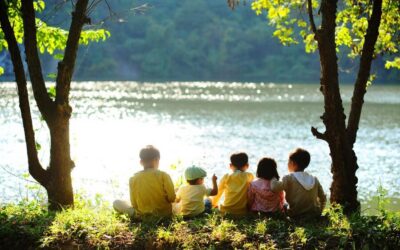
Mt Seorak + Naksansa Temple or Nami Island Group Tour
Read our review →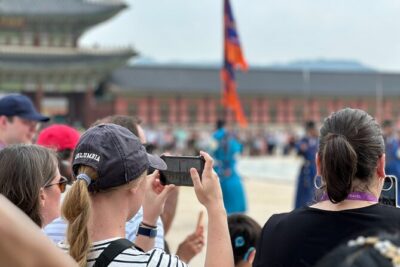
Best Things to Do – Half Day Seoul Trip (Seoul Palace & Temple)
Read our review →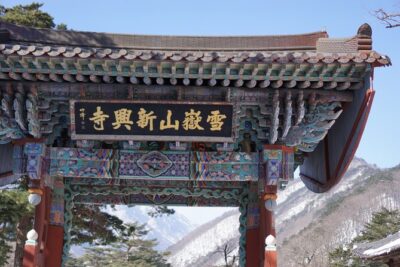
Mount Seorak and Naksansa Temple One Day Tour from Seoul
Read our review →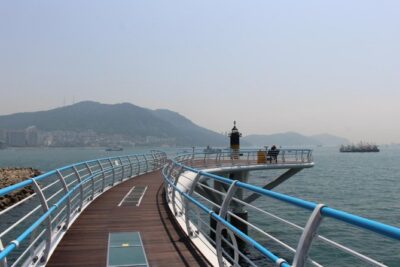
Busan Tour: Gamcheon Village & Haedong Yonggungsa Temple + Lunch
Read our review →
UNESCO Heritage Tour Including Bulguksa Temple
Read our review →
Full Day Busan Tour Including Haedong Yonggungsa Temple
Read our review →
Private Busan tour with gamcheon culture village and the temple (Customizable)
Read our review →
Day Tour of Suwon Hwaseong Fortress Starfield Waujeongsa Temple
Read our review →Browse the lists this tour appears in