
Reviewed · WALKING TOURS
Gangnam Walking Tour on Youth and Society in Seoul Korea
Gangnam is more than luxury shops, K-pop billboards, and polished towers. This walking tour uses the district to explain the pressures behind South Korea’s success, including housing costs, private education, appearance standards, dating, and low birth rates. You get a serious look at modern Korean life, not a parade of postcard sights.
I like the small group of up to 15 and the chance to ask direct questions as you walk. I also like the guides’ personal approach. June brings historical context to Korea’s rapid development, while Jessica is praised for clear comparisons with American culture and for keeping the conversation open and relatable.
The main drawback is simple: this is a discussion-led walk, not a sightseeing tour packed with unusual buildings or major attractions. You spend much of the time on ordinary Gangnam streets, and the walking can be tiring for older people. The subject matter also includes suicide and other difficult topics.
Key points before you book
- Gangnam becomes a classroom: Learn how housing, exam culture, and economic success affect young people.
- The route covers sensitive subjects: Beauty standards, plastic surgery, love hotels, relationships, marriage, birth rates, and suicide all enter the discussion.
- June and Jessica bring different strengths: June adds historical background, while Jessica offers warm, clear explanations and cultural comparisons.
- One subway ride is part of the tour: Bring 1,800 won for transportation, which is not included in the price.
- The finish is by the Han River: The tour ends near Apgujeong Station Exit 4 after reaching Hangang Park.
- This is best for curious adults: You will get more from the walk if you want context and conversation rather than classic sightseeing.
Gangnam beyond the glossy surface
At $31.98 per person, this is a fair price for a two-and-a-half-hour small-group walk if you value a local guide’s explanations. You are paying less for admission tickets than for interpretation. There are no major entry fees along the route, and gratuities are included.
That distinction matters. If you want palaces, panoramic views, or photo stops, this is not the strongest use of your morning. If you want to understand why Seoul looks so prosperous while many young people feel squeezed by that success, the price makes better sense.
The walk begins at 10:30 am at 820-10 Yeoksam-dong in Gangnam District. The route then moves through five areas before finishing near the Han River. A mobile ticket keeps arrival simple, and the meeting point is close to public transportation.
A few more Seoul trips to weigh up
- Seoul moonlight walking tour with local historian
★ 5.0 · 940 reviews - Seoul: Nighttime Hidden Gems Walking Tour
★ 5.0 · 775 reviews - Seoul: Evening Dark History, Folklore & Ghost Story Walking Tour
★ 5.0 · 593 reviews
Yeoksam and the price of success

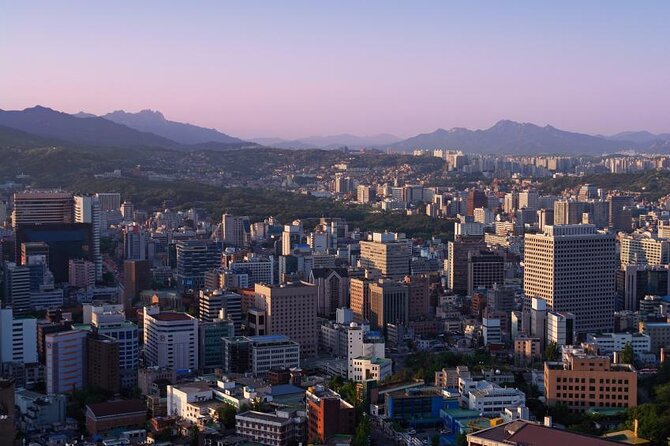
The first stop is Gangnam Station Intersection, where June explains housing problems and Korea’s modern development. This is a useful place to begin because Gangnam represents the country’s economic achievements in a very visible way.
You may see a district associated with wealth, offices, shopping, and status. The guide turns that setting into a conversation about who can afford to live here, how development changed Seoul, and what younger Koreans face when trying to build an independent life.
The stop lasts about 15 minutes. It is not a formal historical site, so do not expect plaques or a museum-style presentation. The value comes from connecting the streets around you with larger social questions.
June is especially well suited to this part of the walk. He is praised for explaining Korea’s rapid transformation over the past seven decades and for linking present-day pressures to earlier decisions about development and education. Jessica can also lead the experience, bringing a friendly and accessible tone to difficult subjects.
Love hotels and changing ideas about relationships
The next stop is the Hotel Seattle area, described as a love hotel district. Here, the guide discusses Korean dating culture and the place of love hotels in adult relationships.
For many first-time visitors, this is an eye-opening part of the route because it shows how a familiar urban business district can serve private social needs that are rarely discussed on ordinary sightseeing tours. The subject is handled as a cultural topic, not as a sensational detour.
You spend roughly 10 minutes here. That short stop is enough to set up questions about privacy, dating, marriage, and changing expectations among younger Koreans. The discussion fits with the wider theme of the tour: modern life does not always match the polished image presented abroad.
The stop may feel less visually interesting than a temple or market. That is part of the point. You are looking at a normal working district and learning how to read what is around you.
Cram schools and the pressure to keep up
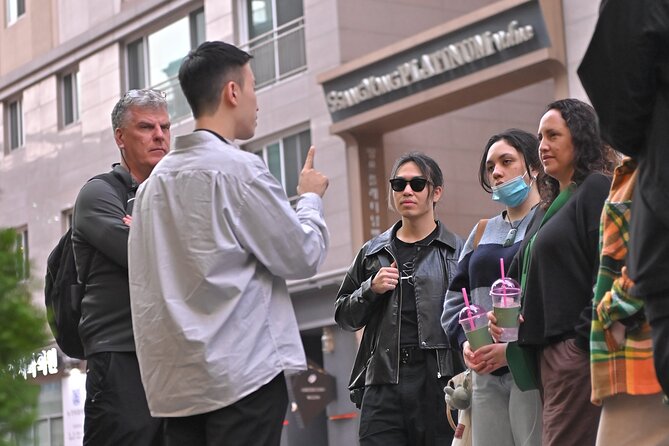
At Gangnam Daeseong Cram School, the focus turns to private education. This is one of the tour’s strongest stops because the building itself represents a major force in Korean family life.
The guide explains the role of private institutes, often called hagwons, and the pressure placed on students to perform. The subject also connects to marriage decisions and South Korea’s low birth rate. Education costs, long study hours, and the fear of falling behind can affect how young adults think about work, family, and the future.
You spend about 20 minutes here. That gives the guide time to explain the system without reducing it to a simple good-or-bad story. You can ask how the culture affects children, parents, and young adults, and how economic success can create its own demands.
I would pay close attention here if you have visited Seoul and wondered why education appears to carry such weight in everyday life. The stop helps you see that a cram school is not just another school building. It is part of a system tied to status, opportunity, family spending, and anxiety.
Same country, a completely different kind of day:
- Best DMZ Tour Korea from Seoul (Red Suspension Bridge Optional)
★ 5.0 · 41,422 reviews - DMZ Tour: 3rd Tunnel, Option(Suspension Bridge, Boat) from Seoul
★ 5.0 · 21,373 reviews - DMZ tour south Korea from Seoul (NK experience hall, defector)
★ 5.0 · 20,599 reviews - Seoul: DMZ Tour with Optional Suspension Bridge
★ 4.8 · 5,277 reviews
Sinsa-dong and the business of appearance
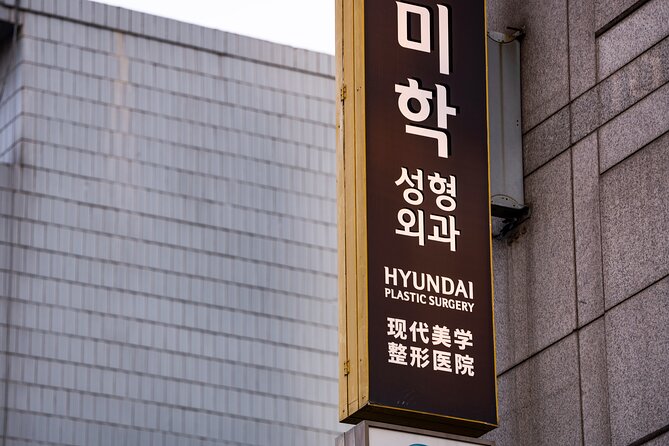
The walk continues to Sinsa-dong, identified as a major area for plastic surgery. The guide uses the neighborhood to discuss beauty culture, lookism, and the pressure to meet social expectations.
You are not being taken to a clinic for treatment, and this is not a medical tour. Instead, you examine how appearance can affect confidence, employment, dating, and social judgment. The guide also addresses the possible causes behind South Korea’s strong beauty industry.
This section lasts around 20 minutes. It works best when you treat it as a chance to ask careful questions rather than as a quick look at unusual storefronts. The topic can be uncomfortable, but it gives useful context for understanding advertising, celebrity culture, and the way appearance is discussed in Korean society.
Jessica receives particular praise for being patient, friendly, and honest during conversations like this. Her ability to compare Korean and American customs can help you avoid easy assumptions. June brings a more historical angle, showing how current standards fit into the country’s wider social development.
Reaching the Han River

The final major stop is Hangang Park Playground beside the Han River. The guide discusses the river’s role in Seoul’s development and its connection to suicide.
This is the most emotionally serious part of the tour. The Han River can appear to be a place for recreation and city views, yet it also carries difficult associations. The guide uses the setting to discuss social pressure and mental health without pretending that Seoul’s success story is complete.
The subject needs a respectful approach, and the tour is not light entertainment at this point. If you prefer a cheerful introduction to Seoul, you may find the tone heavy. If you want a fuller understanding of the pressures faced by young people, this stop gives the earlier discussions about school, money, appearance, and relationships a more sobering frame.
The tour ends near Apgujeong Station Exit 4. The route does not return to the starting point, so plan your next stop from the southern Gangnam area. You can continue exploring nearby or use the station for onward travel.
What the two-and-a-half hours feel like
The schedule adds up to about 85 minutes at the named stops, leaving the rest of the time for walking, explanations, questions, and one subway ride. This is not a rushed march from one landmark to another. The pace allows the guide to talk, but the route still requires steady walking.
One subway journey is included in the route, but the fare is not included. Set aside 1,800 won. Since the experience takes place outdoors, comfortable shoes and weather-appropriate clothing make sense.
The group limit is 15 people. That is large enough for a lively exchange but small enough for questions to reach the guide. Your experience may depend somewhat on the guide assigned that day. June and Jessica are both repeatedly praised for their ability to explain difficult material clearly, but their styles differ slightly.
June is the choice for historical background, structure, and links between past development and current social life. Jessica is a strong fit if you value warmth, cultural comparisons, and an easy question-and-answer style. Both are described as professional and engaging.
A thoughtful look at difficult subjects
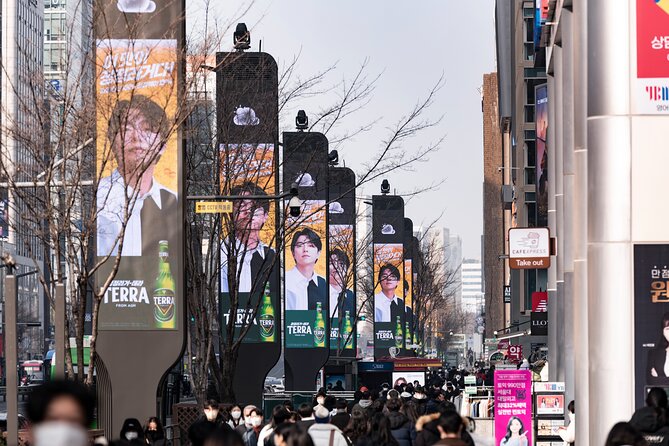
This tour does not present South Korea as either a perfect success story or a bleak society. Its strength is the balance between the two. You see the wealth and development of Gangnam while discussing the costs that can sit behind them.
The topics are serious:
- Housing problems and the price of independence
- Private education and exam pressure
- Plastic surgery and appearance standards
- Dating, marriage, and love hotels
- Low birth rates
- Social pressure and suicide
- The effects of Korea’s rapid economic development
The guide’s perspective is central. You are not simply handed statistics or asked to inspect buildings. You hear explanations about how these issues can shape daily choices for younger Koreans.
That makes the walk especially useful after you have already seen Seoul’s popular side. A palace visit can show you royal traditions. A food tour can introduce local flavors. This walk asks you to think about present-day society and the demands placed on people living in one of Asia’s most successful cities.
What this tour does not provide
You should book with realistic expectations. The walk is not built around major monuments, dramatic viewpoints, or hands-on activities. Much of the route passes along regular streets in Gangnam, and one portion may involve sitting at a cafe while the guide explains social issues.
That can feel like a weakness if you expected constant visual variety. One person specifically wanted more unique sights and found that the experience involved a lot of walking through ordinary streets. That is a fair criticism.
I see the ordinary setting as both a limitation and a strength. The tour does not use a staged attraction to explain Korean society. It points to places where people actually study, work, date, shop, and seek services. Still, you should choose another tour if photographs and famous landmarks are your main goal.
The walking also deserves attention. The total route lasts about 2.5 hours, and one older participant found it demanding. Most people can take part, but anyone with limited stamina should consider the distance and outdoor format before booking.
Timing, weather, and practical value
The tour starts in the morning, which leaves much of your afternoon free. You can combine it with lunch and further sightseeing in Gangnam or around Apgujeong. Since the end point differs from the start, check your route afterward rather than assuming you will return to Yeoksam.
Good weather is required. If poor weather cancels the experience, you are offered another date or a full refund. The same applies if the minimum number of participants is not reached. You can cancel for a full refund up to 24 hours before the start time, but changes or cancellations inside that window are not accepted.
The $31.98 cost includes gratuities, but not the 1,800-won subway fare. With no attraction admissions to pay, the main question is how much you value guided interpretation. I think the price is reasonable for people who want social context and a small group. It is less attractive if you mainly want to see more of Seoul in a limited amount of time.
Who should book this Gangnam walk
I recommend it to first-time visitors who want to look beyond entertainment, shopping, and food. It also suits repeat visitors who have already seen the main sights and want a more serious conversation about present-day Korea.
K-drama and K-pop fans may find it especially helpful because it adds context to the polished images often shown on screen. Families with older teenagers may also appreciate the discussion of education, beauty standards, and youth pressure, though the suicide topic should be kept in mind.
I would not choose it for very young children or for anyone who wants only light conversation. The tour deals with adult relationships, plastic surgery, social pressure, and death. It asks for attention and some emotional maturity.
Should you book it?
Book this tour if you want to understand the forces behind modern Gangnam, not just photograph its signs and shops. The strongest reasons are the direct access to guides such as June and Jessica, the small group, and the way ordinary streets become evidence of larger social issues.
Skip it if you want palaces, markets, or a long list of famous sights. Also think twice if two-and-a-half hours of walking sounds difficult. For the right audience, though, this is a useful counterweight to Seoul’s glossy image and one of the better ways to ask what prosperity costs the people who live inside it.
FAQ
How long does the Gangnam Youth and Society Walking Tour last?
The tour lasts approximately 2 hours and 30 minutes.
What time does the tour start?
The start time is 10:30 am.
Where does the tour begin?
The meeting point is 820-10 Yeoksam-dong, Gangnam District, Seoul, South Korea.
Where does the tour end?
The tour finishes near the Han River, with Apgujeong Station Exit 4 listed as the closest station.
How many people can join the tour?
The maximum group size is 15 participants.
Is public transportation included?
One subway ride is used during the tour, but the transportation fare is not included. The stated fare is 1,800 won.
Are gratuities included in the price?
Yes. Gratuities are included.
Can I cancel for a full refund?
Yes, if you cancel at least 24 hours before the experience start time. Cancellations made less than 24 hours before the start are not refunded.
Just added around Seoul
- Gyeongbokgung palace,seoul with gigibebe hanbok rental★ 4.5 · 12 reviews
- Private tour guide service in Seoul, Korea★ 5.0 · 6 reviews
- Alpaca, Nami, Petite Fr, Italian Village, Garden of Morning Calm★ 3.5 · 5 reviews
- Gyeongju UNESCO Sites Tour by KTX train; The Museum Without walls★ 4.5 · 11 reviews
- Private day trip to Korean Folk Village & Dae Jang Geum Park★ 5.0 · 7 reviews
- Private tour Lotte World,Tower,Aquarium(All Tickets are included)★ 5.0 · 12 reviews
- Full Day Private Seoul Tour for foodies★ 5.0 · 3 reviews
- Seoul Private Custom Walking Tour with A Guide (Private Tour)★ 4.5 · 28 reviews
Walking Tours, compared.
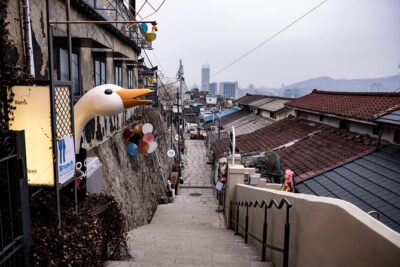
Seoul moonlight walking tour with local historian
Read our review →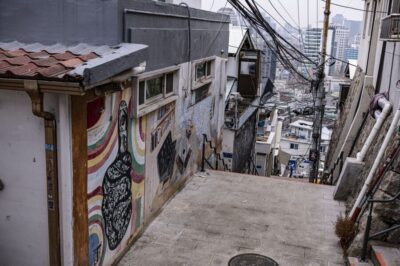
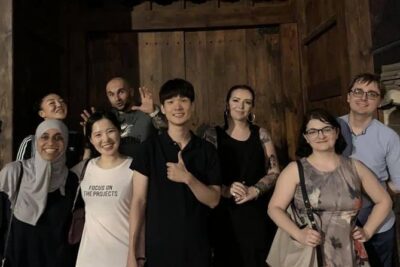
Evening Dark History, Folklore & Ghost Story Walking Tour
Read our review →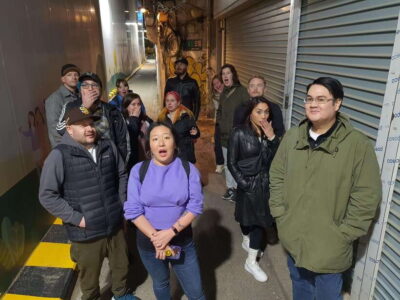
Dark Side of the City and Ghost Stories Walking Tour
Read our review →
Gyeongbok Palace and Bukchon Hanok Walking Tour
Read our review →
Best Walking Tour to Gyeongbok Palace Bukchon Hanok Village
Read our review →
Highlights & Hidden Gems With Locals: Best of Seoul Private Walking Tour
Read our review →
Street photoshoot and Seoul Hidden gem History Walking Tour
Read our review →Browse the lists this tour appears in