
Reviewed · DMZ TOURS
DMZ tour south Korea from Seoul (NK experience hall, defector)
The most striking part of this Seoul day trip is the Third Infiltration Tunnel, a steep passage built beneath the border for a possible North Korean attack. You walk into a place that feels part museum, part warning, and part living history. Later, binoculars at Dora Observatory offer a distant look toward North Korea, including the model village of Kijongdong.
I like the tour for two clear reasons: the guides, including Katie, Sadie, Felicity, Yeoni, and others, bring order and warmth to a complicated subject, and the North Korean defector conversation gives the DMZ a human voice. The main drawback is that the border zone is controlled by military conditions, so stops can change or close without a refund.
At a glance: what makes this DMZ tour useful
- Walk through the Third Infiltration Tunnel: Expect a steep, narrow route that gets warm on the way back.
- See toward North Korea from Dora Observatory: Provided binoculars help you look across the border toward Kijongdong.
- Hear a personal account from a North Korean defector: The live question-and-answer session is one of the most meaningful parts of the day.
- Visit symbolic sites: Freedom Bridge and Dorasan Station connect the Korean War with the hope of future reunification.
- Choose half-day or full-day timing: The longer option adds Gamaksan Chulleong Bridge or Majang Lake Suspension Bridge.
- Travel from central Seoul: The standard meeting and drop-off point is City Hall, with some booking information also describing hotel pickup.
Why the DMZ is worth a day from Seoul
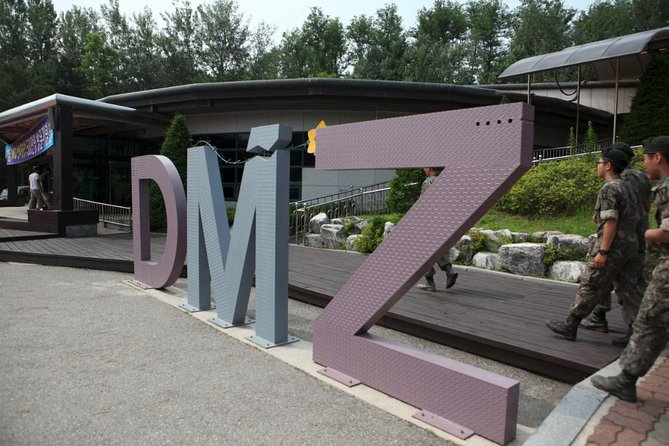
The Korean Demilitarized Zone is not a normal sightseeing district. It is a 2.5-mile, or 4-kilometer, strip created after the Korean War armistice in 1953. The zone separates South Korea from North Korea, and much of what you see here still carries military and political weight.
I like this tour because it gives you several ways to understand that reality. You see physical remains, such as wartime artillery and the tunnel. You see symbolic places, such as Dorasan Station. You also hear explanations about present-day life and the long division of the Korean Peninsula.
This is an educational trip rather than a scenic outing. You will get views from Dora Observatory, but the main reward is context. A strong guide matters, and the repeated praise for guides such as Katie, Sadie, Felicity, Chloe, Lily, Yoon, and Lizzy points to the tour’s greatest strength: clear storytelling makes each stop easier to understand.
At about $26.04 per person, the tour offers good value if admissions and coach transport are included as described. You are covering several sites north of Seoul, with a guide and air-conditioned transportation, for less than the cost of arranging separate transport. The low price also means you should not expect a private tour or a small, slow-paced group. The maximum group size is 40.
More DMZ Tours in Seoul:
- Best DMZ Tour Korea from Seoul (Red Suspension Bridge Optional)
★ 5.0 · 41,422 reviews - DMZ Tour: 3rd Tunnel, Option(Suspension Bridge, Boat) from Seoul
★ 5.0 · 21,373 reviews - Seoul: DMZ Tour with Optional Suspension Bridge
★ 4.8 · 5,277 reviews
Leaving Seoul for Imjingak Park
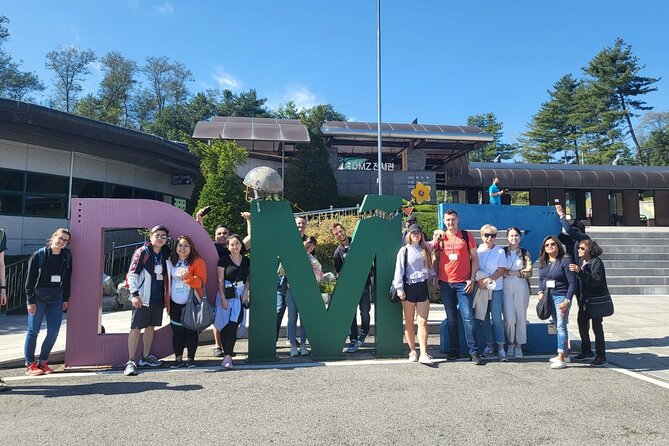
The day begins in central Seoul, with City Hall listed as the standard start and finish point. Some descriptions refer to round-trip hotel pickup, while the practical meeting-point information says City Hall. Check your confirmation and contact the local operator for the exact pickup arrangement. Incheon is not available for pickup.
The drive north takes about 50 minutes to an hour. This is useful time for your guide to explain the Korean War, the armistice, the creation of the DMZ, and the rules that shape the visit. Sadie was especially good at giving clear meeting times and helping people identify the correct bus, while other guides used the ride to set up the story before arrival.
That advance explanation matters. At the DMZ, you move through several controlled sites, and the schedule is fairly tight. If you know why a place matters before you reach it, you can spend your short stop looking and thinking instead of trying to work out the basic facts.
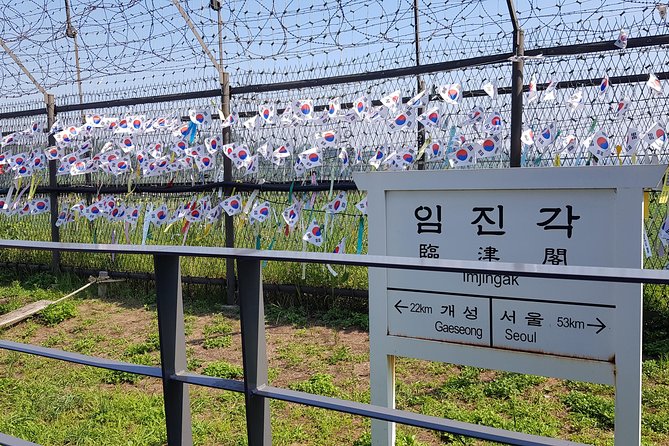
Imjingak Park sits beside the Imjin River. You will see artillery and other war artifacts connected with the Korean conflict. This is also the approach to Freedom Bridge, where nearly 13,000 Korean prisoners of war crossed at the end of the war.
The park can feel more public and memorial-like than the military sites that follow. That contrast is helpful. It shows how South Korea remembers the conflict in an open setting before you enter the more restricted DMZ area.
Freedom Bridge and the weight of divided families
Freedom Bridge is a simple but powerful stop. Its importance comes from what happened there, not from elaborate architecture. Korean POWs crossed it after the war, and the bridge has become a symbol of separation, return, and the hope of reunification.
Your guide will add meaning to what could otherwise be a quick photo stop. Listen closely here, since the tour may allow only about 30 minutes in the Imjingak area. The historical detail is what turns the bridge from a crossing into a reminder that the war ended without a peace treaty that reunited the country.
The wider Imjingak area includes memorial features and military objects. It is worth taking a moment to notice the uneasy mix of parkland, public displays, and active border politics. This is not a reconstructed battlefield. The division is still part of modern Korean life.
The DMZ exhibition hall and NK experience
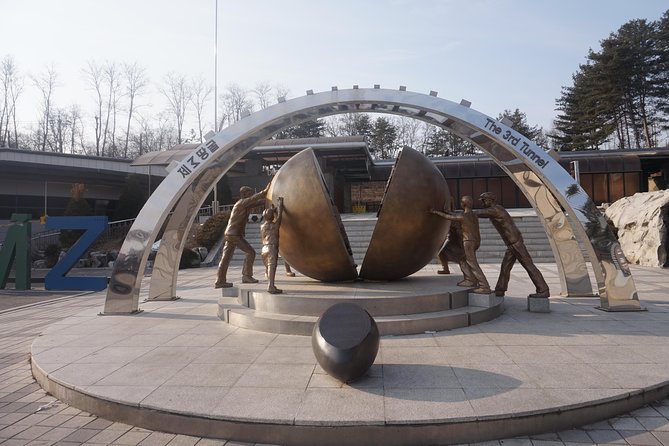
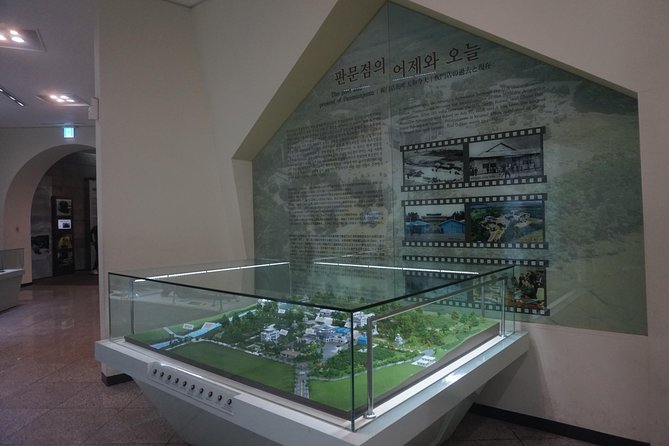
The DMZ Theater and Exhibition Hall provide a more structured introduction to the border. Expect photographs, artifacts, and displays related to the Korean War and the DMZ. The stop lasts about an hour, giving you time to absorb the basic timeline and see material that cannot be understood from the roadside.
The North Korean defector session is a major reason to select this experience. A live conversation and question-and-answer period with someone who left North Korea puts individual experience beside the military history. It can help you understand the contrast between life in North and South Korea in a way that maps and monuments cannot.
I would treat this part with respect. The session is not simply entertainment, and the value depends on listening carefully and asking thoughtful questions. It is also one of the few parts of the day that gives you a direct personal perspective rather than an institutional one.
The supplied tour details emphasize an NK experience hall and a defector component, while the stop names focus on the DMZ exhibition hall. Confirm the exact format at booking if this conversation is essential to your plans. The reviews repeatedly describe the defector Q&A as a highlight, so it is clearly an important part of many departures.
Same country, a completely different kind of day:
- Signature DMZ Tour: Exclusive Defector Talk & Suspension Bridge
★ 5.0 · 4,459 reviews - Thrilling Korean DMZ 3rd Tunnel Tour from Seoul + Red Bridge Rush
★ 5.0 · 3,097 reviews - DMZ Past and Present: Korean Demilitarized Zone Tour from Seoul
★ 5.0 · 2,481 reviews - Ultimate Korea DMZ Tour from Seoul (Gondola & Suspension Bridge)
★ 5.0 · 2,396 reviews
Walking the Third Infiltration Tunnel

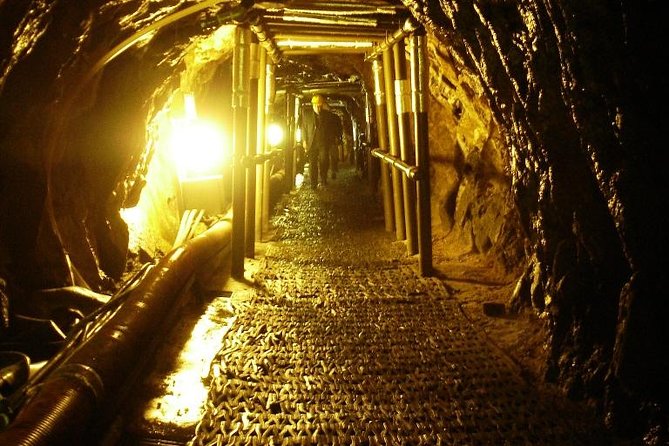
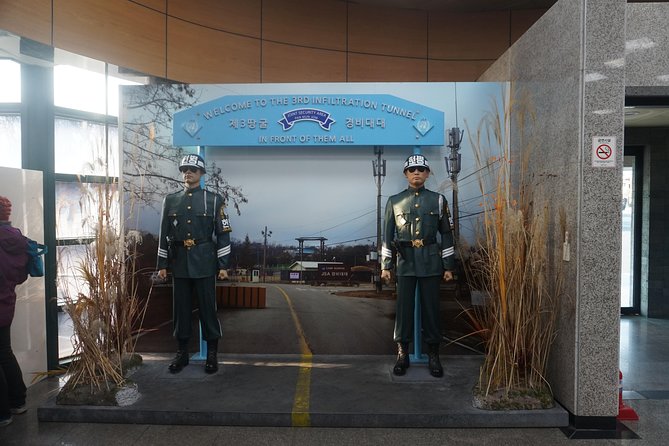
The Third Infiltration Tunnel is the most physical part of the standard tour. South Korean authorities discovered the passage in 1978 and believe North Korea built it for a military invasion. The tunnel was blocked at the Military Demarcation Line, and the route open to the public ends before the border.
You will walk through a steep and narrow section underground. The return climb is the harder part, and the tunnel gets warm. One useful tip is to leave a heavy coat in a locker before going down, as the extra layers become uncomfortable on the way back. Wear comfortable shoes and clothes.
The tunnel is fascinating because it makes military planning tangible. You are not only hearing that infiltration routes existed. You are moving through one. At the same time, the payoff is not a grand underground chamber or dramatic final view. The passage is confined, and the experience can be tiring if you have mobility limits.
A moderate amount of walking is required throughout the day. The tour is open to most people, but the steep tunnel deserves honest consideration. If you have mobility concerns, tell the guide early. One guide, Lisa, was particularly attentive to a family member with limited mobility and helped the group make the most of the visit, but the physical setting cannot be changed.
Looking toward North Korea at Dora Observatory
After the tunnel, the coach takes you to Dora Observatory. Here you can use provided binoculars to look across the border. On a clear day, you may see North Korean territory and the model village of Kijongdong, while your guide explains what you are looking at.
This is a short stop, listed at about 20 minutes, so use the time well. Get your view first, then listen for details about the village and the border. Clear weather makes a real difference. On a good day, you might even spot people moving about in the distance, though you should not treat that as guaranteed.
Dora Observatory is where the tour’s political tension becomes visible. The view is distant, and you are not seeing everyday North Korea in a normal sense. The village seen across the border has a complicated history and is often discussed as a model or display village. The guide’s explanation is essential, since the buildings alone reveal very little.
Do not expect a long photography session. The stop is brief, and military rules can affect access or viewing conditions. Still, this is one of the tour’s most memorable moments because you are looking across an international border that remains heavily guarded.
Dorasan Station and Unification Village
Dorasan Station carries a different mood. It once connected North and South Korea and now serves mainly as a symbol of possible future connection. Your guide explains the station’s role as you look around the site.
The station helps you understand that reunification is not only an abstract political idea. Rail lines, roads, families, and trade routes were split by the division. Dorasan represents the possibility of reopening those links, even though present conditions keep the dream largely symbolic.
The route also passes Unification Village, known here as a small farming community producing soybean milk, traditional soy sauce, and corn goods. It offers a glimpse of ordinary South Korean rural life near one of the world’s most tense borders.
This is a useful counterpoint to the tunnel and observatory. The DMZ is often presented through soldiers, fences, weapons, and headlines. Unification Village reminds you that people live and work close to the zone, even as the military boundary shapes their daily surroundings.
The full-day upgrade: bridges at Majang Lake or Gamaksan
The half-day version returns to Seoul after the DMZ visits, with a short stop at a ginseng center and drop-off at City Hall. The full-day option continues for about an hour at either Gamaksan Chulleong Bridge or the Majang Lake Suspension Bridge, depending on the selected course.
This extension changes the character of the day. The DMZ portion is serious and tightly controlled. A suspension bridge adds an outdoor activity after the historical sites. Choose it if you want more time outside Seoul and do not mind a longer day.
The additional bridge stop is not part of the central DMZ story, so I would not choose the full-day option only for more border history. Choose it for the extra activity and the chance to break up the day with a different setting. If your main goal is the tunnel, observatory, and defector session, the half-day tour may be enough.
The descriptions list both Gamaksan Chulleong Bridge and Majang Lake as possible full-day options. Confirm which one applies to your booking, since the exact course matters if you have a preference.
Guide quality and group rhythm
The guide can make or break a schedule like this. You need someone who explains history clearly, gives firm return times, and keeps the group moving without making the day feel rushed.
The strongest guide feedback centers on energy, humor, clear English, and personal attention. Katie is repeatedly singled out for her enthusiasm and ability to speak with people throughout the group. Sadie is praised for practical communication, including sending a photo of the bus and its license plate before departure. Felicity is noted for connecting past events with modern life, while Yeoni, Chloe, Lily, Yoon, Lizzy, Miel, Erica, and AJ are also described as engaging and well prepared.
Guide assignments are not guaranteed, so do not book expecting a specific person. Still, the pattern is encouraging. The best guides balance a light tone with respect for the subject, answer questions, and explain the significance of each stop before you arrive.
Groups can reach 40 people. That is a manageable coach group but not an intimate private outing. Stay alert for the guide’s meeting times, especially at Imjingak and Dora Observatory, where the schedule continues whether you are ready or not.
Timing, transport, and what to bring
The full experience takes about seven hours, though the exact duration depends on the half-day or full-day option and traffic returning to Seoul. The coach is air-conditioned, and transport between widely separated sites is included.
Bring your current passport. You do not need to send a copy in advance, but you must have the original with you on the day. Military access rules make this non-negotiable.
Wear walking shoes. The tunnel is steep and narrow, and the tour includes outdoor stops where conditions may vary. Pack layers, but remember the advice about storing a heavy coat before entering the tunnel.
The tour ends at Seoul City Hall for the half-day course. Breakfast and lunch are not included, and the listed inclusions do not cover the tunnel tram. Check whether you need to pay separately for the tram if you do not want to walk the tunnel route.
Chinese and Japanese departures require at least three participants. If that minimum is not met, the tour operates in English.
Military conditions can cancel or alter part of the route. The operator states that an alternative DMZ-related course may be provided, but no refund is offered for a site removed because of military or local circumstances. Free cancellation applies if you cancel at least 24 hours before the start time. Changes or cancellations inside that window are not accepted.
Is this tour good value at $26.04?
At roughly $26.04, this is a strong-priced introduction to the DMZ. The cost covers the guide, coach transportation, and admission fees listed for the main sites. Doing the same route independently would require more planning and would not guarantee access to the controlled border sites.
The value is especially good if you are staying in central Seoul and want one organized day covering the tunnel, observatory, exhibition hall, and symbolic sites. The defector conversation adds something that a basic bus transfer cannot provide.
The tradeoff is structure. You follow a fixed route, spend limited time at each stop, and travel in a group. The possibility of closures also means you are paying for access and explanation, not a guarantee that every listed site will be open.
Who should book it?
I recommend this tour if you are visiting Seoul for the first time and want a clear introduction to the Korean War, the present border, and the human cost of division. It suits people who enjoy history, current affairs, museums, and guided explanation.
It is also a good choice for solo visitors. A friendly guide can make the group feel easier to join, and Erica was especially attentive to a solo participant by offering help with photos and making sure the person felt included.
Think twice if you dislike group schedules, steep walks, or uncertain military access. The tunnel is not suitable for everyone, and the tour is not designed as a relaxed countryside excursion. For a more personal experience, you would need a smaller private arrangement, but that would likely cost more.
If you book, prioritize the defector session, wear proper shoes, carry your passport, and confirm the meeting point. Those simple steps will make the day smoother.
FAQ
How long does the DMZ tour take?
The experience lasts about seven hours. The half-day option returns to Seoul after the main DMZ sites, while the full-day option adds a suspension bridge visit.
Where does the tour start and finish?
The listed start and end point is Seoul City Hall. Some tour information also describes hotel pickup, so check your confirmation and contact the local operator for the exact arrangement.
Is hotel pickup included?
The tour overview describes round-trip hotel pickup, but the inclusion details say hotel pickup and drop-off are not included. Confirm the pickup arrangement before departure, especially if you are not meeting at City Hall.
Do I need my passport?
Yes. You must bring a current, valid passport on the day of the tour. You do not need to send a passport copy in advance.
Is the Third Infiltration Tunnel difficult to walk?
The tunnel involves a steep and narrow walk. The return route is tiring for some people, and it becomes warm underground. Comfortable clothing and shoes are recommended.
Is the tunnel tram included?
The listed inclusions do not include the tram. Check with the operator if you want to use it instead of walking the route.
Does the tour visit the Joint Security Area?
The supplied tour details note that the JSA is not part of this tour when it is closed. The route described here focuses on Imjingak, Freedom Bridge, the exhibition hall, the Third Infiltration Tunnel, Dora Observatory, Unification Village, and Dorasan Station.
Can I see North Korea from Dora Observatory?
Dora Observatory provides binoculars for views toward North Korea. You may see the model village of Kijongdong, and clear weather improves visibility.
Is the North Korean defector session included?
The experience includes an NK experience and defector component in its description, and the session is presented as a live conversation and question-and-answer activity. Confirm the exact format when booking if it is essential to your plans.
What happens if a DMZ site closes?
Military or local conditions can cancel part of the route. An alternative DMZ-related course may be offered, but the operator states that no refund is provided for changes caused by those conditions.
Just added around Seoul
- Gyeongbokgung palace,seoul with gigibebe hanbok rental★ 4.5 · 12 reviews
- Private tour guide service in Seoul, Korea★ 5.0 · 6 reviews
- Alpaca, Nami, Petite Fr, Italian Village, Garden of Morning Calm★ 3.5 · 5 reviews
- Gyeongju UNESCO Sites Tour by KTX train; The Museum Without walls★ 4.5 · 11 reviews
- Private day trip to Korean Folk Village & Dae Jang Geum Park★ 5.0 · 7 reviews
- Private tour Lotte World,Tower,Aquarium(All Tickets are included)★ 5.0 · 12 reviews
- Full Day Private Seoul Tour for foodies★ 5.0 · 3 reviews
- Seoul Private Custom Walking Tour with A Guide (Private Tour)★ 4.5 · 28 reviews
DMZ Tours, compared.
Best DMZ Tour Korea from Seoul (Red Suspension Bridge Optional)
Read our review →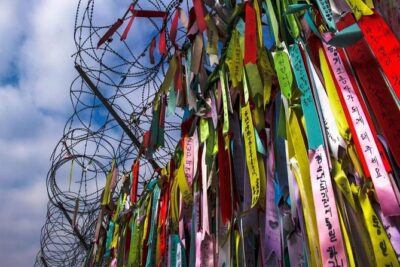
DMZ Tour: 3rd Tunnel, Option(Suspension Bridge, Boat) from Seoul
Read our review →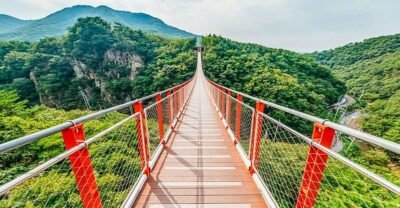
DMZ Insider Tour: 3rd Tunnel, NK Defector Meet & Red Bridge
Read our review →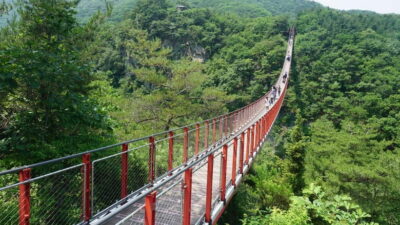
Thrilling Korean DMZ 3rd Tunnel Tour from Seoul + Red Bridge Rush
Read our review →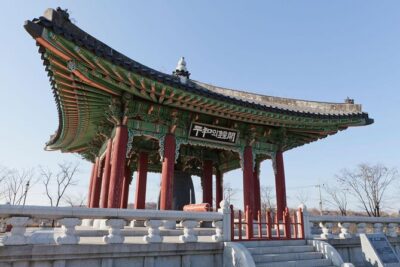
DMZ Past and Present: Korean Demilitarized Zone Tour from Seoul
Read our review →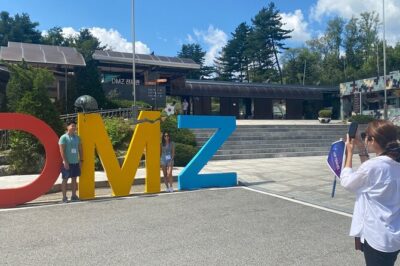
Ultimate Korea DMZ Tour from Seoul (Gondola & Suspension Bridge)
Read our review →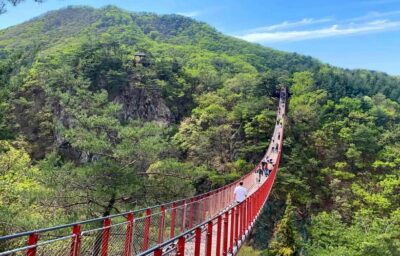
DMZ; NK Defector, 3rd Tunnel, Suspension Bridge,Hotel pickup
Read our review →Browse the lists this tour appears in