
Reviewed · DMZ TOURS
DMZ Insider Tour: 3rd Tunnel, NK Defector Meet & Red Bridge
The most affecting part of this DMZ tour is not the lookout or the tunnel. It is meeting a North Korean defector and hearing how escape can mean years of fear, uncertainty, and sheer endurance. The live question-and-answer session gives you a chance to ask about daily life north of the border, though the subject calls for respect and careful listening.
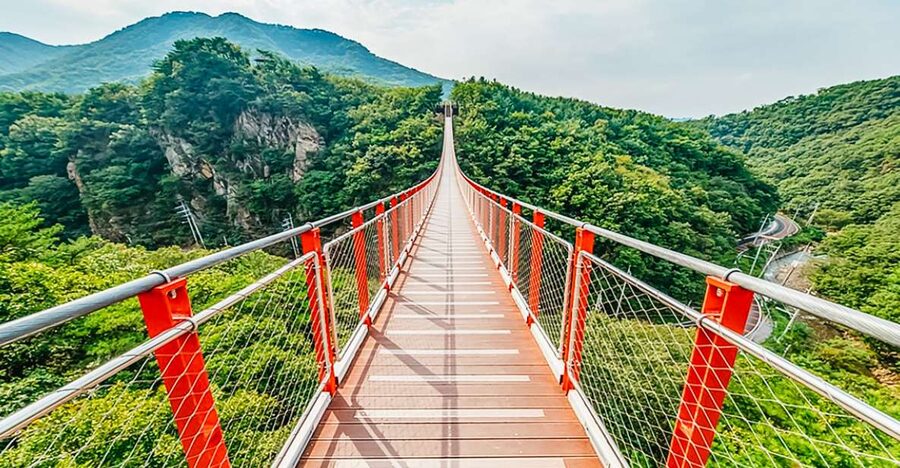
I like the range of options. You can keep the trip to a half-day DMZ visit, add Gamaksan or Majang Lake Suspension Bridge, take a boat ride on the Imjin River, or book a private version with hotel pickup. I also like the guides’ energy. Names such as Julie, Jay, Cindy, Paul, Chloe, Dennis, Charles, and Simba appear often in praise for clear explanations, humor, and good timekeeping.
The main drawback is that this is a military-controlled area, so plans can change without warning. You must carry your passport, large bags are not allowed, and the 3rd Tunnel involves a moderate walk with a demanding uphill return. At about $50 per person, it is strong value, but you are paying for access and context rather than a relaxed sightseeing day.
Key points at a glance
- A rare personal account: Hear a North Korean defector describe her escape and take part in a live Q&A.
- The 3rd Tunnel: Walk into an invasion tunnel dug from the North Korean side and learn how it fit into military planning.
- Dora Observatory: Look across the border toward North Korea when weather and access conditions allow.
- A choice of add-ons: Pick Gamaksan Suspension Bridge, Majang Lake Suspension Bridge, or an Imjin River boat voyage.
- Flexible formats: Choose a half-day group tour, a longer group option, or a private Seoul hotel pickup.
- Strong guide feedback: The most praised guides include Julie, Jay, Cindy, Paul, Chloe, Dennis, Charles, and Simba.
Why this DMZ tour has real value
A visit to the Korean Demilitarized Zone can easily become a quick photo stop with little sense of what you are seeing. This experience gives the sites a human and military context. You see the physical border, enter a tunnel built for an attack, and hear directly from someone who crossed the divide.
That combination matters. The DMZ is not just a strip of land between two countries. It is a place shaped by war, separation, surveillance, and families divided for generations. At Imjingak, the Mangbaedan Altar and an old steam locomotive help you grasp the emotional cost of that separation before you reach the restricted zone itself.
The price is around $50 per person, depending on the option selected. That includes round-trip transport from Seoul, a licensed guide, DMZ admission, and the guided tunnel visit. Add-ons take more time and may involve extra costs for lunch or optional activities, but the basic package covers the main access points that are difficult to reach independently.
The activity is rated 4.9 out of 5 from more than 15,000 ratings, with 96 percent of ratings receiving the top score. The strongest pattern is not simply satisfaction with the sights. It is appreciation for guides who explain difficult subjects in plain English, keep the group moving, answer questions, and add humor without making the topic feel trivial.
More DMZ Tours in South Korea:
- Best DMZ Tour Korea from Seoul (Red Suspension Bridge Optional)
★ 5.0 · 41,422 reviews - DMZ Tour: 3rd Tunnel, Option(Suspension Bridge, Boat) from Seoul
★ 5.0 · 21,373 reviews - DMZ tour south Korea from Seoul (NK experience hall, defector)
★ 5.0 · 20,599 reviews
From Seoul to Imjingak Park
The day begins at a designated meeting point, usually in Seoul or at Imjingak Park, depending on the option you book. Private departures include pickup from your Seoul hotel lobby, while groups of 10 or more receive free hotel pickup under the stated conditions.
The journey toward the border takes about an hour by coach. This transfer is useful preparation time. Guides such as Paul Lee and Julie have been praised for explaining dates, military events, and the political background on the way, helping you arrive with more than a collection of unfamiliar names.
Expect the schedule to depend on traffic, military permission, and the selected departure. Drop-off is generally planned for Hongik University Station or Myeongdong, with the half-day version returning around 1:30 or 2:00 pm and longer options around 4:00 or 4:30 pm. These are estimates, not promises.
Imjingak, Mangbaedan, and the steam locomotive
Imjingak Park is the emotional opening to the visit. It sits outside the main restricted area and contains reminders of Korea’s division, including Mangbaedan Altar and a historic steam locomotive damaged during the Korean War.
Mangbaedan has particular meaning for families separated by the border. It is associated with people who cannot return to their hometowns in North Korea and who use the site to remember relatives they may never see again. Your guide explains this before the more technical military stops, which gives the day a human starting point.
The steam locomotive offers a different kind of lesson. Its bullet marks and wartime damage turn a large historical event into something visible and immediate. You do not need to be a military-history enthusiast to appreciate the stop. It is brief, easy to reach, and useful for understanding why the border remains such a sensitive place.
Meeting a North Korean defector
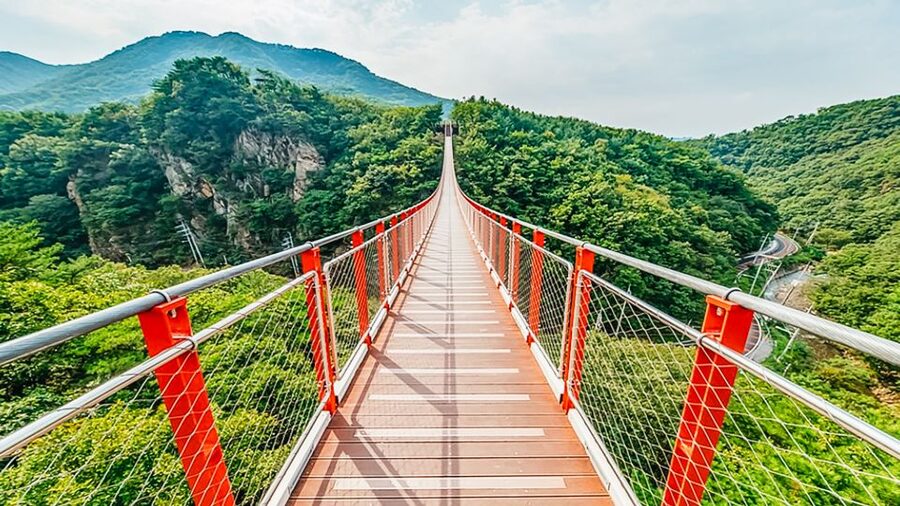
The defector session is the tour’s most unusual feature. You hear a firsthand account of leaving North Korea, where survival was never guaranteed, followed by a live Q&A.
The value here is personal rather than theatrical. Statistics can explain a political system, but a direct account can show what fear, family separation, and uncertainty feel like at an individual level. You can ask questions about life on the other side of the border and receive answers from someone with direct experience.
Keep your questions thoughtful. The session deals with trauma and displacement, so this is not the place for sensational questions or political point-scoring. I would treat it as a listening opportunity first and a Q&A second.
The exact placement of this meeting in the day can vary with the selected package and operating arrangements. It is promoted as part of the experience, but military access and scheduling can affect the order of stops.
Same country, a completely different kind of day:
- Seoul: DMZ Tour with Optional Suspension Bridge
★ 4.8 · 5,277 reviews - Signature DMZ Tour: Exclusive Defector Talk & Suspension Bridge
★ 5.0 · 4,459 reviews - Thrilling Korean DMZ 3rd Tunnel Tour from Seoul + Red Bridge Rush
★ 5.0 · 3,097 reviews - DMZ Past and Present: Korean Demilitarized Zone Tour from Seoul
★ 5.0 · 2,481 reviews
Entering the 3rd Infiltration Tunnel
The 3rd Tunnel of Aggression is the physical center of the tour. It was dug by North Korea as a route for invasion and later discovered by South Korea. You walk down into the tunnel and then make the return climb.
The descent is easier than the climb back up. That simple detail matters. Wear shoes with a good grip, take your time, and do not treat the walk as a race. The route includes an incline, and the activity is not suitable for people with mobility impairments. Some sections may feel tight or tiring, especially if you are not accustomed to walking underground.
The tunnel is powerful because it is not a museum reconstruction. You are standing inside a military project intended to move forces toward Seoul. Guides explain how it was built and how it fitted into North Korea’s attack plans. Photography rules and access limits apply inside the DMZ, so follow instructions from your guide and military personnel.
This stop also gives the tour a physical scale. A lecture can tell you that the tunnel was built for invasion. Walking through it helps you understand the labor, planning, and danger involved. It is a sober experience, not a funhouse attraction.
Looking north from Dora Observatory
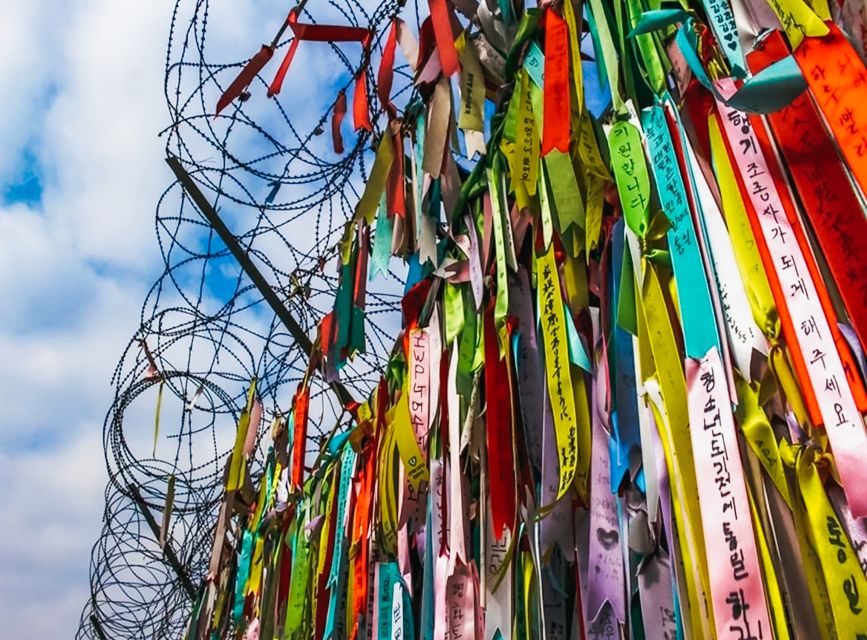
Dora Observatory offers one of the clearest chances to look toward North Korea. On a clear day, you may see across the border, though weather can reduce visibility to little more than haze.
The view is not guaranteed, and that uncertainty is part of the experience. The DMZ is a military zone, not a standard sightseeing platform. Access, viewing areas, and time on site can change according to military conditions.
Your guide adds meaning to what you see. Without explanation, distant hills and fields can look like any rural view. With context, the lookout becomes a place where geography, politics, and military tension meet. Bring patience rather than expecting a dramatic panorama every time.
Choosing a suspension bridge add-on
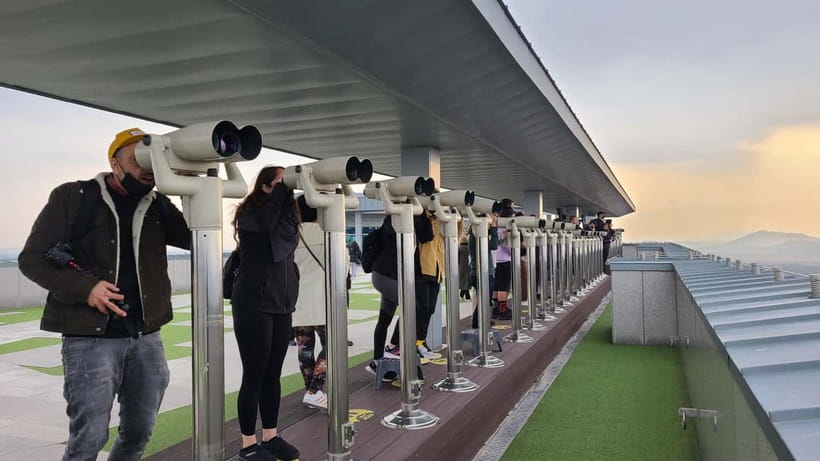
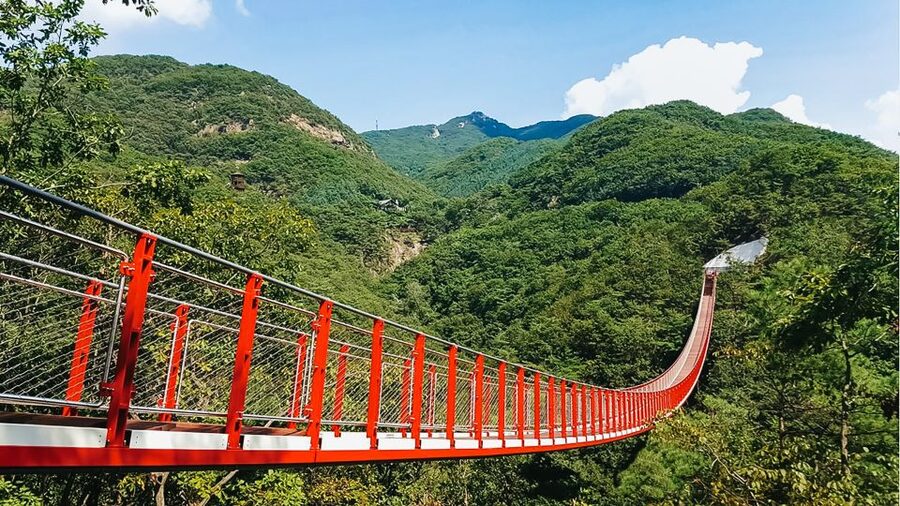
The longer versions add either Gamaksan Suspension Bridge or Majang Lake Suspension Bridge. Both extend the day beyond the core DMZ route and give you a more active finish.
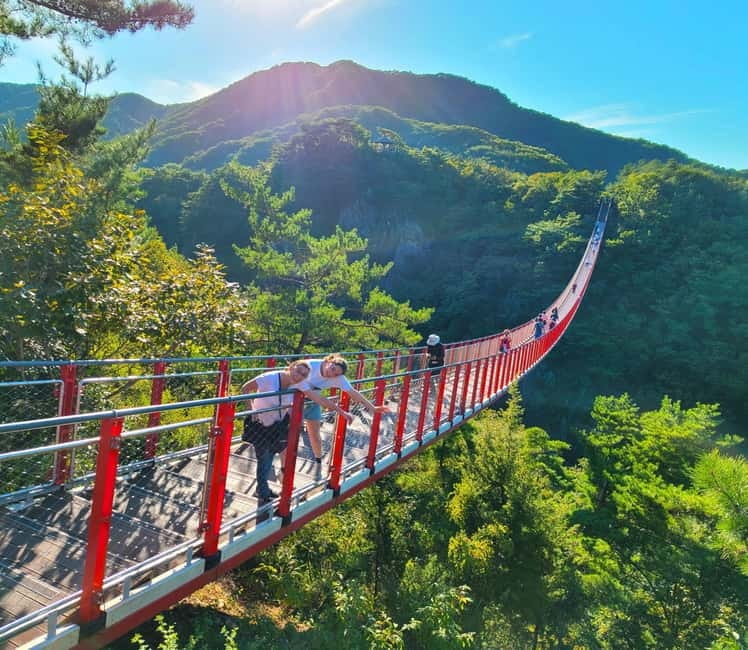
Gamaksan requires about 15 minutes of hiking to reach the bridge, followed by the return walk. The route adds a moderate outdoor element and views over the surrounding area. It is a good match if you want the day to include exercise rather than only museums, buses, and military sites.
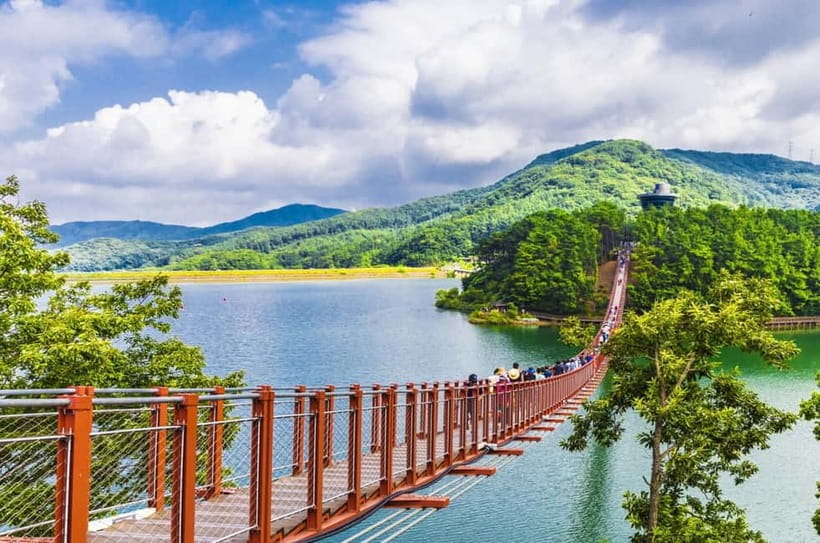
Majang Lake Suspension Bridge offers a different setting around the water. The walk is still a useful way to stretch your legs after the tunnel and coach rides. The suspension bridge options are not substitutes for the DMZ itself, but they make the longer package feel less repetitive and help balance the serious subject matter with open-air sightseeing.
You should choose based on your energy and priorities. Pick the half-day tour if the border is your main goal. Choose a bridge option if you want a fuller day and do not mind returning to Seoul later. The 9:00 am to roughly 5:30 pm version with the red bridge is a practical choice for people who want both the DMZ and an outdoor stop.
The Imjin River boat option
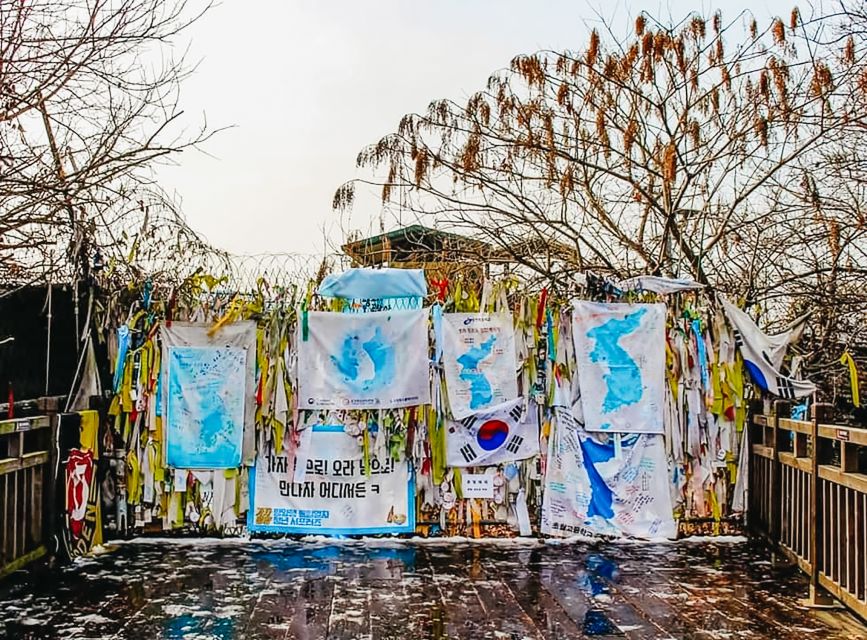
The full-day version can replace the bridge addition with a boat voyage on the Imjin River. This gives you another way to view the border region and adds a calmer stretch after the main military sites.
The boat is subject to maintenance and may be replaced by an alternative if unavailable. Weather and operating conditions can also affect the schedule. If the river is your main reason for booking, check the current arrangements rather than assuming the cruise is guaranteed.
I see this as the best choice for you if you prefer scenery and a slower pace over a hill walk. The bridge versions are more active. The boat version is easier on the legs, though the day remains long and includes the tunnel walk.
Guides make or break the day
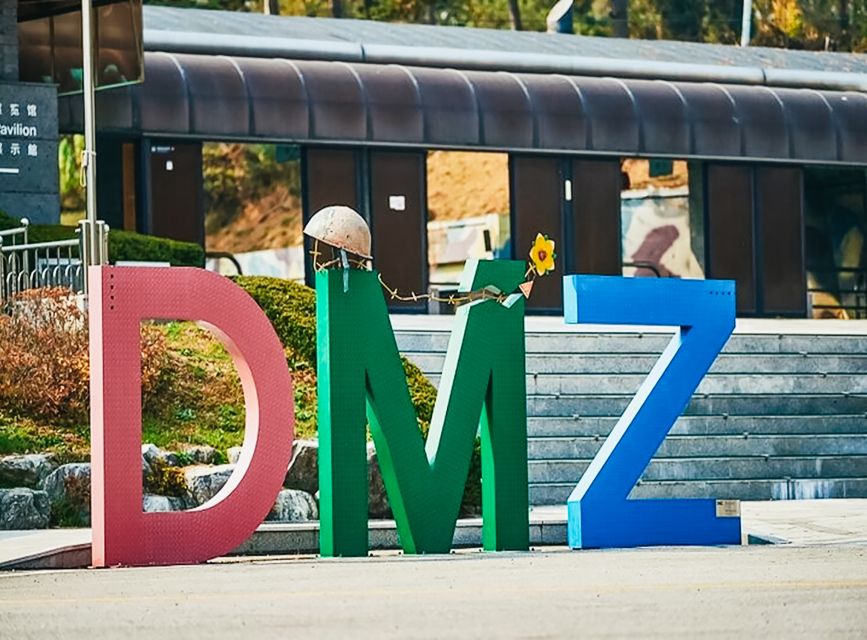
The guide is central to this experience because many stops need explanation. The repeated praise for Julie, Jay, Cindy, Paul, Chloe, Dennis, Charles, and Simba points to a consistent strength: guides who keep the group engaged during long transfers and serious historical discussions.
Julie is often praised for remembering names, using humor, and making the day feel personal. Jay is noted for detailed explanations and a friendly manner. Cindy is described as energetic and good at handling questions, while Paul Lee is praised for strong English, historical context, and reminders about bathroom and snack breaks.
That style matters. The day includes waiting, coach travel, military procedures, and changing access times. A guide who keeps instructions clear can save you from confusion. A guide who explains the dates and places can also stop the tour from feeling like a checklist.
English and Japanese tours are available. Guide assignments can change, so you should not book on the assumption that one specific person is guaranteed. The names above give you an idea of the guide team’s strengths, not a promise of who will lead your departure.
Lunch, transport, and the practical details
Lunch is not included. Plan to pay separately, and expect the stop to vary by option and timing. One vegetarian visitor found an available meal, but you should still tell the guide about dietary needs rather than assume every restaurant will suit you.
The coach transfer is included and has been described as comfortable, but the day can involve about two hours of road travel plus site transfers. Traffic may delay both arrival and return. Leave your Seoul evening open if you have a train, show, or restaurant reservation.
Bring your passport. Every person must show a valid passport to enter the DMZ, and a photo or copy is not stated as an acceptable substitute. Large bags and luggage are not allowed, so carry only what you need for the day.
Wear comfortable shoes. This is especially important for the 3rd Tunnel and the Gamaksan bridge option. The activity involves a moderate amount of walking and may be difficult for older people or anyone who is not fit.
The DMZ can close suddenly without notice. If that happens, an alternative tour is provided, but the stated conditions do not offer a refund for the closure. This is the trade-off for visiting a live military area instead of a normal historical attraction.
Which option should you choose?
The half-day DMZ-only version is the efficient choice. It includes Imjingak, the 3rd Tunnel, and Dora Observatory, then returns to Hongik University Station or Myeongdong around early afternoon. Choose it if you are short on time or want to avoid a full-day commitment.
The DMZ plus Gamaksan Suspension Bridge option suits you if you want a hill walk and outdoor views. The Majang Lake version is another good full-day choice, especially if you prefer a bridge near water rather than a more uphill approach.
The boat voyage is best for a longer day with a gentler final activity. The private option gives you hotel pickup and a more personal guide arrangement, but DMZ regulations still mean the restricted-area portion operates as a group tour.
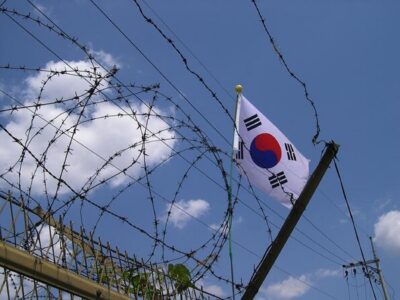
This is not a JSA tour. You will not be visiting the Joint Security Area, so do not book it expecting the famous blue negotiation buildings or the same close-up border experience. This tour focuses on Imjingak, the tunnels, the observatory, the defector meeting, and optional nearby attractions.
Should you book the DMZ Insider Tour?
Book it if you want a strong first visit to the Korean border region, especially if the defector Q&A matters to you. The price is fair for transport, admission, a licensed guide, and access to places that are difficult to arrange alone.
I would choose the half-day version for a focused introduction. I would choose the bridge option for a fuller day, provided you are comfortable with walking and a later return. Bring your passport, wear proper shoes, skip the large bag, and keep your schedule flexible.
You should pass if you need guaranteed timings, easy access, or a relaxed sightseeing day. The DMZ is controlled by the military, not by the tour company. For everyone else, this is a serious, well-organized way to understand Korea’s division through places, infrastructure, and one person’s account of escape.
FAQ
How much does the DMZ Insider Tour cost?
The listed price is $50 per person. The final cost can depend on the option you select, such as the half-day DMZ route, a suspension bridge, a boat voyage, or a private tour.
How long does the tour take?
The experience lasts about 7 to 9 hours. The half-day DMZ-only option generally returns around 1:30 pm to Hongik University Station or 2:00 pm to Myeongdong. Longer options generally return around 4:00 pm to 4:30 pm.
Is hotel pickup available?
Hotel pickup and drop-off are available for Seoul City only when the applicable option is selected. Private tours include pickup from your hotel lobby, and groups of 10 or more receive free hotel pickup under the stated conditions.
Do I need my passport?
Yes. Every person must bring a valid passport to access the DMZ.
Is lunch included?
No. Lunch is not included in the tour price.
Can I bring luggage?
No. Luggage and large bags are not allowed.
Is this a JSA tour?
No. This is a DMZ tour, not a JSA tour.
What happens if the DMZ closes?
The DMZ may close suddenly because it is a military area. If access is cancelled, an alternative tour is provided, but the stated conditions do not provide a refund for that closure.
Is the tour suitable for people with mobility impairments?
No. The tour involves a moderate amount of walking, including a demanding return climb from the 3rd Tunnel. It is not suitable for people with mobility impairments.
Just added around South Korea
- Gyeongbokgung palace,seoul with gigibebe hanbok rental★ 4.5 · 12 reviews
- Private tour guide service in Seoul, Korea★ 5.0 · 6 reviews
- Alpaca, Nami, Petite Fr, Italian Village, Garden of Morning Calm★ 3.5 · 5 reviews
- Gyeongju UNESCO Sites Tour by KTX train; The Museum Without walls★ 4.5 · 11 reviews
- Private day trip to Korean Folk Village & Dae Jang Geum Park★ 5.0 · 7 reviews
- Private tour Lotte World,Tower,Aquarium(All Tickets are included)★ 5.0 · 12 reviews
- Full Day Private Seoul Tour for foodies★ 5.0 · 3 reviews
- Seoul Private Custom Walking Tour with A Guide (Private Tour)★ 4.5 · 28 reviews
DMZ Tours, compared.
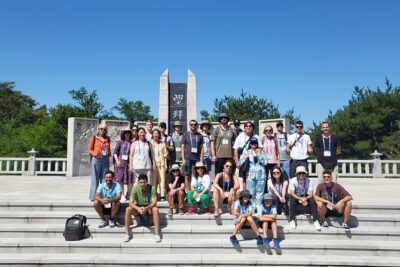
Best DMZ Tour Korea from Seoul (Red Suspension Bridge Optional)
Read our review →
DMZ Tour: 3rd Tunnel, Option(Suspension Bridge, Boat) from Seoul
Read our review →
DMZ tour south Korea from Seoul (NK experience hall, defector)
Read our review →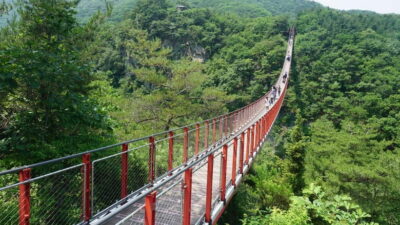
Thrilling Korean DMZ 3rd Tunnel Tour from Seoul + Red Bridge Rush
Read our review →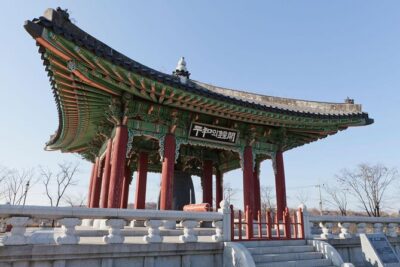
DMZ Past and Present: Korean Demilitarized Zone Tour from Seoul
Read our review →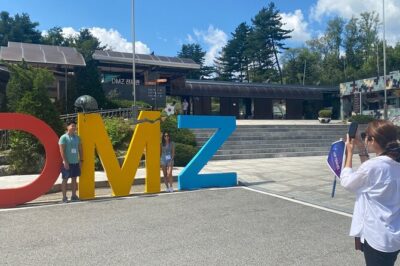
Ultimate Korea DMZ Tour from Seoul (Gondola & Suspension Bridge)
Read our review →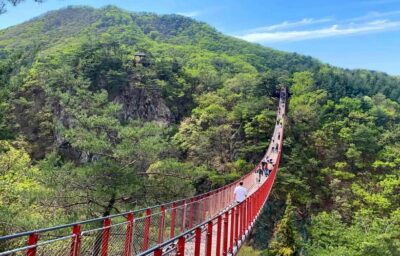
DMZ; NK Defector, 3rd Tunnel, Suspension Bridge,Hotel pickup
Read our review →Browse the lists this tour appears in