
Reviewed · DMZ TOURS
Ultimate Korea DMZ Tour from Seoul (Gondola & Suspension Bridge)
The most striking part of this DMZ tour from Seoul is the mix of sobering history and open countryside. In one day, you can walk beside a scarred steam locomotive, cross the Imjin River by gondola, peer toward North Korea from Dora Observatory, and crawl through a tunnel built for invasion. It is a lot more than a bus ride to a border fence.
I like the strong English-speaking guides, especially the repeated praise for Nancy, Emily, Diane, Hana, and Alex, and I like the variety of stops. You get war history, memorials, river views, a gondola, and a suspension bridge rather than one long museum visit. The drawback is the pace: the day is packed, the group may be large, and the Third Tunnel and bridge involve steep walking.
Key points at a glance
- The Third Tunnel is physically demanding: Expect a long downhill walk into a narrow tunnel and a tiring uphill return.
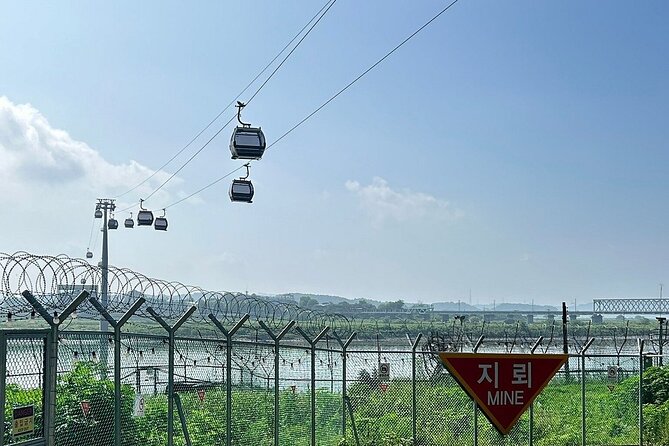
- The Peace Gondola crosses the Imjin River: It travels beyond the Civilian Control Line and offers a different view of the border area.
- Dora Observatory brings North Korea into view: Telescopes help you look across the border, but military rules can restrict photography.
- The Bridge of Freedom carries real emotional weight: It was used to bring 12,773 prisoners back to South Korea after the armistice.
- The route can include a 150-meter suspension bridge: Gamaksan Red Suspension Bridge adds a scenic, active finish, with Majang Lake listed as another optional bridge stop.
- The $35 price covers transport and entry fees: Lunch, hotel drop-off, and optional extras are not included.
Why this DMZ day trip feels different
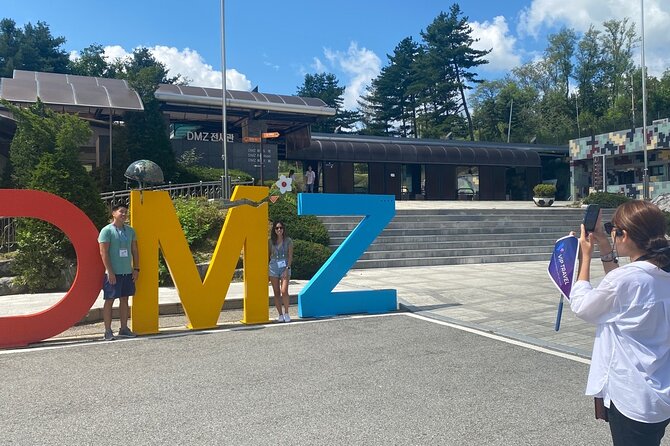
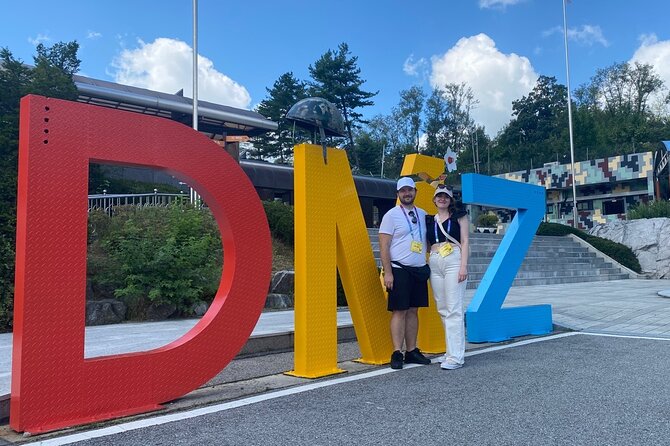
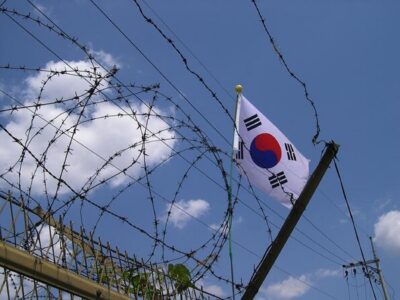
The Korean Demilitarized Zone is not a normal sightseeing district. It is a 4-kilometer-wide buffer created after the 1953 armistice, and parts of it remain closely controlled by the military. You are visiting a place where barbed wire, checkpoints, memorials, and quiet riverbanks sit side by side.
That contrast gives the day its power. The tour does not treat the DMZ as a simple photo stop. It connects the Korean War to families separated from relatives, prisoners returning south, villages living near the border, and the continuing hope of reunification.
You travel in an air-conditioned vehicle from central Seoul, which matters because the DMZ sites are spread across Paju. The full outing lasts about 7 hours and 30 minutes, though the exact order and timing can shift because of military checks, traffic, and site access.
The three listed meeting points are Myeongdong Subway Station Exit 9, Seoul City Hall Subway Station Exit 6, and Hongdae Subway Station Exit 3. You finish at one of those same central areas rather than at your hotel. I would choose the meeting point closest to your plans for the evening, not simply the one closest to your accommodation.
More DMZ Tours in Seoul:
- Best DMZ Tour Korea from Seoul (Red Suspension Bridge Optional)
★ 5.0 · 41,422 reviews - DMZ Tour: 3rd Tunnel, Option(Suspension Bridge, Boat) from Seoul
★ 5.0 · 21,373 reviews - DMZ tour south Korea from Seoul (NK experience hall, defector)
★ 5.0 · 20,599 reviews
Imjingak Park begins the story
Imjingak Pyeonghwa-Nuri Park is a fitting first major stop. It was created around the idea of peace and reunification, but it is not a quiet memorial garden. You will find colorful pinwheels, public displays, the Peace Bell, and relics from the war.
The park also includes the old steam locomotive associated with Jangdan Station. Its bullet scars and rust make the conflict feel less distant than a textbook can. The train once ran along the Gyeongui Line, which connected areas now divided by the border.
At Mangbaedan Memorial Altar, the focus shifts from military events to family separation. The altar was built in 1987 for people who honor relatives in North Korea, particularly during major holidays. Ribbons and memorial offerings give the place a personal feeling, even if your visit lasts only about ten minutes.
The Peace Bell is another brief stop. This 21-ton bronze bell was cast in 2002 as a symbol of reunification. You may not spend long there, but the guide’s explanation helps connect the park’s objects to the larger story.
The Bridge of Freedom and Dokgae Bridge
The Bridge of Freedom is one of the day’s most meaningful sights. A temporary wooden bridge built after the armistice, it replaced a destroyed railroad bridge over the Imjin River. Some 12,773 prisoners crossed it to return to South Korea in 1953.
You will have around 30 minutes here. That is enough to take in the structure and hear why it matters, though it is not enough for a slow, private visit. The bridge is a place where the idea of freedom becomes concrete: people crossed it not as tourists, but as prisoners finally going home.
Dokgae Bridge offers a more physical reminder of the war. Built in 1950, it once linked the two sides across the Imjin River and still shows wartime damage. The stop is short, around 15 minutes, but the river setting gives the visit a quieter pause.
The bus also crosses the Imjin River, where the surrounding area has remained relatively undisturbed since the armistice. Watch for birds and other wildlife, but keep the military setting in mind. This is not a free-roaming nature excursion, and your guide will tell you where photography is allowed.
The Peace Gondola crosses beyond the control line
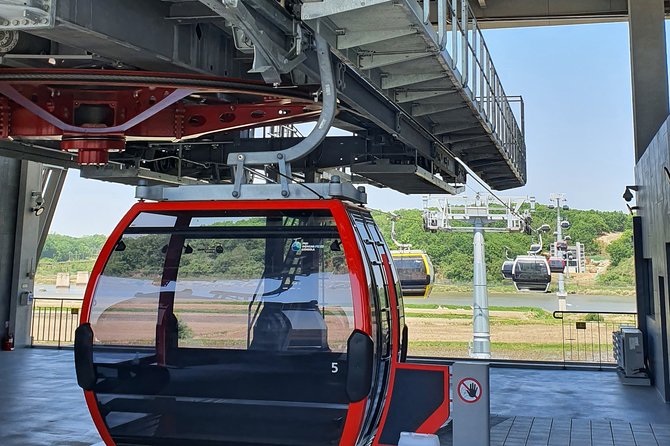
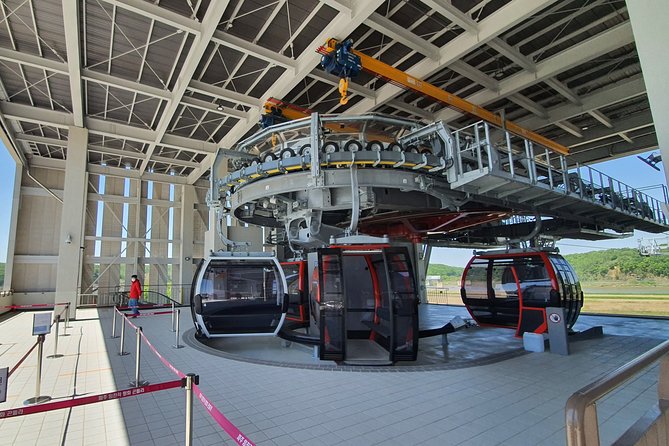
The Paju Imjingak Peace Gondola is one of the tour’s most unusual features. Opened in 2020, it carries you across the Imjin River and beyond the Civilian Control Line, giving you a bird’s-eye view of the river and nearby border area.
The ride lasts about an hour as a scheduled stop. It is not a dramatic mountain cable car, and you should not expect a clear view into every part of North Korea. Its value is the perspective: you see the river, wooded ground, security barriers, and the controlled zone from above rather than only from a roadside lookout.
The gondola is marked optional in the route description, while admission is also listed among the included fees. That wording is not perfectly clear. Check the exact booking terms before you pay, especially if the gondola is the main reason you are choosing this tour.
I think it is worth adding if available. The Third Tunnel is underground and enclosed; the gondola gives the day some air, light, and room to think. It also breaks up the sequence of memorials and military sites.
More Korea Suspension Bridge Tours in Seoul:
- Seoul: DMZ Tour with Optional Suspension Bridge
★ 4.8 · 5,277 reviews - Signature DMZ Tour: Exclusive Defector Talk & Suspension Bridge
★ 5.0 · 4,459 reviews - DMZ; NK Defector, 3rd Tunnel, Suspension Bridge,Hotel pickup
★ 4.9 · 2,055 reviews - DMZ Tour from Seoul – Optional Suspension Bridge Experience
★ 5.0 · 1,918 reviews
Unification Bridge and the rules of the border
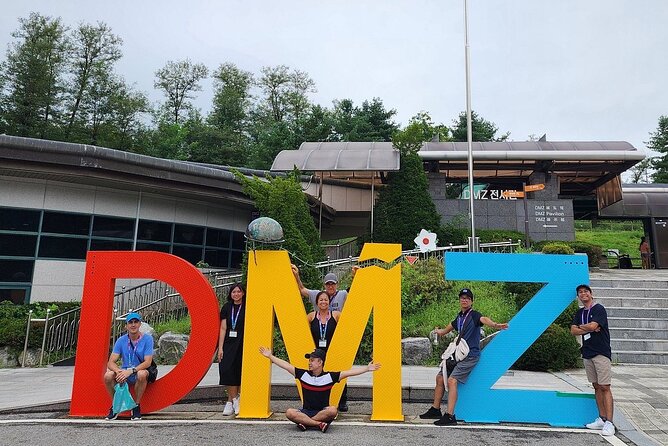
The bus stops at Unification Bridge for a military checkpoint. Soldiers inspect the vehicle and verify identification, so you must carry your passport, military ID card, or South Korea-issued ARC.
This is an important practical detail, not a minor formality. Without the required identification, you may not be able to continue through the checkpoint. Keep your passport accessible rather than buried in a suitcase.
Photography rules can also change by location. You may be told not to photograph certain views of North Korea or military installations. Treat these instructions seriously. The restriction is imposed by the authorities, not by the tour company, and ignoring it could cause trouble for the entire group.
The controlled access is part of what makes the visit real, but it also means the day is not fully predictable. A military check, temporary closure, or traffic delay can shorten time at another stop.
The Third Tunnel demands honest preparation
The Third Tunnel is usually the most talked-about physical section of the tour. North Korea dug it beneath the border, and South Korea discovered it in 1978. The tunnel lies about 12 kilometers from Munsan and 52 kilometers from Seoul.
You walk down into a narrow underground passage, then turn around and climb back out. The descent can feel manageable at first. The return is where your legs and breathing are tested, particularly because the route is uphill for a considerable distance.
Several practical points matter:
- Wear shoes with a firm grip.
- Expect limited space inside the tunnel.
- Allow extra effort for the uphill return.
- Do not plan this as an easy sightseeing day.
- If hills or enclosed spaces are difficult for you, the tunnel may be the hardest stop.
The tunnel’s visual payoff is modest. At the end, a barricade and limited viewing area show where access stops. Some visitors may find the long walk disproportionate to the brief view. The museum and displays at the site can provide more explanation than the tunnel itself.
Still, I would not dismiss it. The tunnel helps you understand the practical scale of the conflict. This was not an abstract military plan. It was a passage carved underground toward Seoul, intended to move troops south.
Dora Observatory gives you the border view
Dora Observatory sits on Dorasan and offers one of the closest public views from South Korea toward North Korea. The current building was rebuilt in 2018, replacing an observatory established in 1986.
Telescopes help you study the opposite side when conditions are favorable. You might see distant towns, fields, or other features across the border, but visibility depends on weather and official restrictions. Do not expect a cinematic panorama every day.
This is also where photography limits can matter most. You may be allowed to photograph some views but not others. Listen closely to the guide before taking out your camera.
The observatory works best after the guide has explained the geography. Without context, you may see only distant hills and buildings. With a map and a clear explanation, the view becomes a lesson in how close the two Koreas remain despite the political distance.
Tongilchon adds a civilian side
Tongilchon-gil and Tongilchon Jangdankong Maeul show a more ordinary side of the border region. The village sits just beyond the Civilian Control Line, where local agriculture includes the famous Jangdan soybean.
This stop lasts around 20 minutes and may include time to buy local or North Korean products, depending on the operating schedule and exact route. It is not a full village tour. Think of it as a short break where the DMZ story shifts from soldiers and memorials to food, farming, and daily life.
Lunch is not included. The route information refers to a possible meal in Unification Village, but you should budget separately and not assume a particular menu. One useful tip is to ask what the meal is before ordering, since the food arrangement may not be obvious to every visitor.
The suspension bridge adds scenery and effort
Gamaksan Chulleong Bridge, also called the Gamaksan Red Suspension Bridge, is an optional stop near the DMZ. Built in 2018, it stretches 150 meters and is about 1.5 meters wide. It was created to honor Korean War heroes and can hold up to 900 adults.
The bridge is a good counterpoint to the heavier historical stops. You get open views, greenery, and the mild thrill of a bridge that moves underfoot. The approach involves uphill walking, so it is not a rest stop in disguise.
Majang Lake is listed as another optional stop, with a 220-meter suspension bridge over a reservoir. The bridge crosses a former farm area developed into a public recreation site. If both bridge options are part of your departure’s route, you could spend roughly two hours on active outdoor stops.
Because the route includes many locations, do not assume every optional activity will operate on every departure. Confirm which bridge and gondola are included in your selected booking. If you have limited time or energy, the Gamaksan bridge is the more directly connected choice because of its Korean War setting.
Guides make the packed schedule work
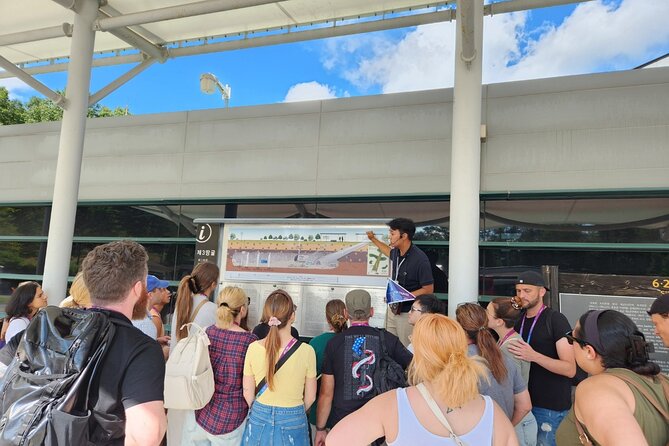
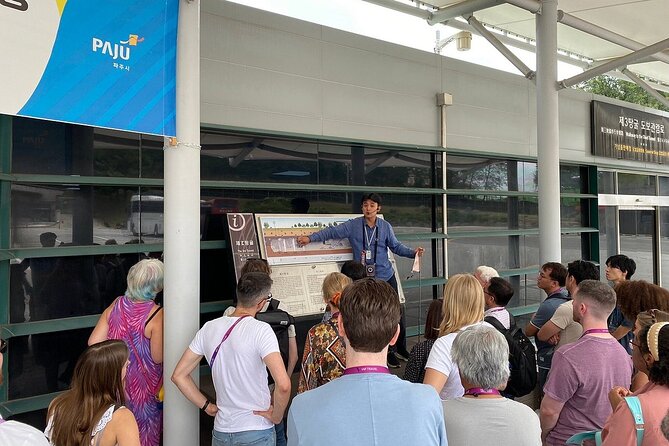
The guide is central to the quality of this experience. There are many short stops, several military rules, and plenty of history to explain between locations. A good guide keeps the group moving without making the day feel like a race.
Nancy receives especially strong praise for her energy, clear stories, organization, and reminders about where photography is permitted. Emily is noted for her history knowledge, courtesy, and personal touch. Diane is praised for warmth and detailed explanations, while Hana is described as patient, lively, and passionate about Korea’s divided past.
Alex, also called MJ, is recognized for keeping a group of 31 on time while adding family stories and context. Kelly, Jenny, Crystal, Gogo, Moon, Ray, and Alice are also named positively for their explanations, humor, care, or practical help.
You cannot usually choose your guide in advance, so treat these names as examples of the tour’s guide team rather than a guarantee. The repeated pattern is useful, though: expect an active guide-led day, not a silent transfer between attractions.
The maximum group size is listed as 150 people. That is a large possible group, though one departure mentioned a group of 31. Your experience may depend on the actual number booked and how well people follow meeting times.
Is $35 good value?
At $35 per person, this is an inexpensive way to reach a difficult area outside Seoul. The price includes round-trip transportation in an air-conditioned vehicle, admission fees, and a guide. Reaching the DMZ independently would require more planning, and you would still need to arrange access to several restricted sites.
The value is strongest if you want several sites in one day. You get the major historical points, the Third Tunnel, Dora Observatory, Imjingak, and at least the possibility of a gondola or suspension bridge.
The price does not include lunch, and hotel drop-off is not provided. You return to Hongdae, Seoul City Hall, or Myeongdong, so add the cost and time of getting from there to your hotel.
The low price also comes with a group-tour tradeoff. You cannot linger wherever you want, and some stops are only ten or fifteen minutes long. I would choose a more private or slower tour if you want long museum visits, quiet photography, or detailed time at every memorial.
Who should book this experience?
I would recommend it to first-time visitors who want a clear introduction to the Korean War and the modern border. Families can enjoy the mix of transport, views, memorials, tunnel, and bridge, though children need to manage a long day and the tunnel’s uphill return.
It suits you if you are comfortable walking hills, following military instructions, and staying on schedule. It is less suitable if you need step-free access, dislike enclosed spaces, or want a relaxed day with few transitions.
Bring your passport, comfortable walking shoes, water, and a little money for lunch or purchases. Keep your camera ready, but wait for permission at military sites. An early start may be required because access to popular DMZ sites is limited and demand can be high.
Should you book the Seoul DMZ gondola and bridge tour?
Book it if you want the widest range of DMZ experiences for a modest price. The strongest parts are the guide commentary, the emotional weight of Imjingak and the Bridge of Freedom, the Third Tunnel, Dora Observatory, and the unusual Peace Gondola.
Skip it if you want a slow, private visit or cannot manage steep walking. Before booking, confirm whether your departure includes the gondola, Gamaksan bridge, or Majang Lake, since these are marked optional and the route may change.
For most fit visitors with one free day in Seoul, this is a worthwhile and unusually full introduction to Korea’s divided border. The free-cancellation policy allows cancellation up to 24 hours before the start time for a full refund, which gives you some flexibility while planning.
FAQ
How long does the DMZ tour from Seoul last?
The experience lasts approximately 7 hours and 30 minutes.
Where can I meet the tour?
You can meet at Myeongdong Subway Station Exit 9, Seoul City Hall Subway Station Exit 6, or Hongdae Subway Station Exit 3.
Where does the tour finish?
Drop-off is available at Hongdae, Seoul City Hall, or Myeongdong. Hotel drop-off is not included.
Is transportation included?
Yes. Round-trip transportation in an air-conditioned vehicle is included.
Is lunch included?
No. Lunch is not included in the tour price.
Do I need to bring my passport?
Yes. You must have your passport, military ID card, or South Korea-issued ARC for the identification check at Unification Bridge.
Is the gondola included?
The Paju Imjingak Peace Gondola is marked optional in the route information, while admission fees are also listed as included. Confirm the exact gondola arrangement when booking.
Can I take photographs of North Korea?
Photography is restricted in certain areas. Your guide will explain where photographs are permitted.
Is the Third Tunnel difficult to walk?
The Third Tunnel includes a downhill walk into a narrow space and a demanding uphill walk on the way back. A reasonable level of fitness is recommended.
Can I cancel for a full refund?
You can cancel at least 24 hours before the experience start time for a full refund. Cancellations or changes made less than 24 hours in advance are not accepted for a refund.
Just added around Seoul
- Gyeongbokgung palace,seoul with gigibebe hanbok rental★ 4.5 · 12 reviews
- Private tour guide service in Seoul, Korea★ 5.0 · 6 reviews
- Alpaca, Nami, Petite Fr, Italian Village, Garden of Morning Calm★ 3.5 · 5 reviews
- Gyeongju UNESCO Sites Tour by KTX train; The Museum Without walls★ 4.5 · 11 reviews
- Private day trip to Korean Folk Village & Dae Jang Geum Park★ 5.0 · 7 reviews
- Private tour Lotte World,Tower,Aquarium(All Tickets are included)★ 5.0 · 12 reviews
- Seoul Private Custom Walking Tour with A Guide (Private Tour)★ 4.5 · 28 reviews
- Private day tour Korea(Seoul trip) with Professional Photographer★ 5.0 · 6 reviews
DMZ Tours, compared.
Best DMZ Tour Korea from Seoul (Red Suspension Bridge Optional)
Read our review →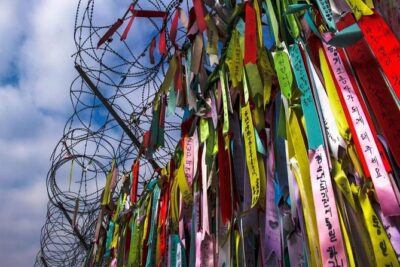
DMZ Tour: 3rd Tunnel, Option(Suspension Bridge, Boat) from Seoul
Read our review →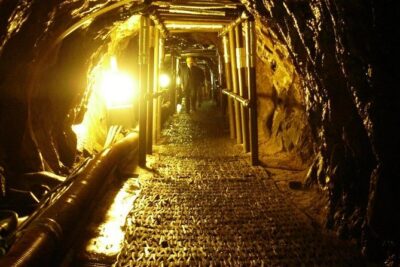
DMZ tour south Korea from Seoul (NK experience hall, defector)
Read our review →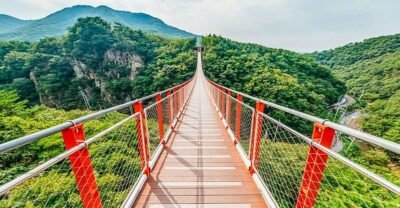
DMZ Insider Tour: 3rd Tunnel, NK Defector Meet & Red Bridge
Read our review →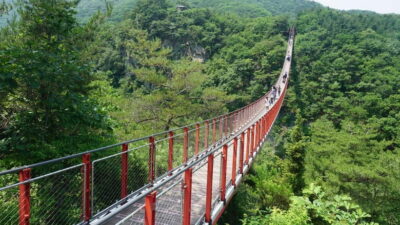
Thrilling Korean DMZ 3rd Tunnel Tour from Seoul + Red Bridge Rush
Read our review →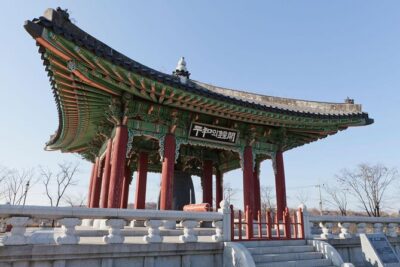
DMZ Past and Present: Korean Demilitarized Zone Tour from Seoul
Read our review →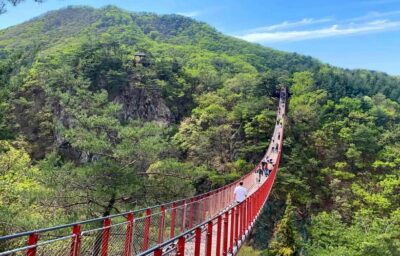
DMZ; NK Defector, 3rd Tunnel, Suspension Bridge,Hotel pickup
Read our review →Browse the lists this tour appears in