
Reviewed · SHOPPING TOURS
Small Group (7pax) Seoul Tour with Pickup/Dropoff (No Shopping)
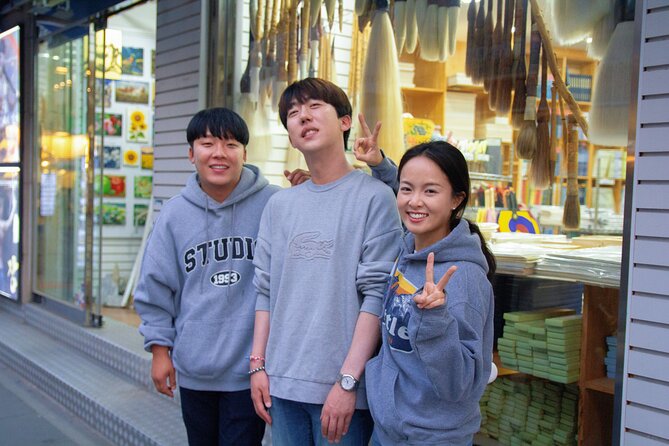
Seoul’s main sights come together neatly on this 7-person, no-shopping tour. You begin at Gwanghwamun Square, enter Gyeongbokgung Palace for the changing guard ceremony, walk through Bukchon Hanok Village, take in the city from N Seoul Tower, and finish among food stalls, temple courtyards, and traditional shops.
I like two things right away: the genuinely small group, which keeps the day moving, and the hotel pickup and drop-off in a clean minivan or SUV. Guides such as Sean, Han, Hun, and Jeewon are described as warm, attentive, and ready with photos, historical background, and practical help. The main drawback is the pace. With seven stops in eight to nine hours, you will walk a lot and have limited free time unless you ask for it.
Key points to know before booking
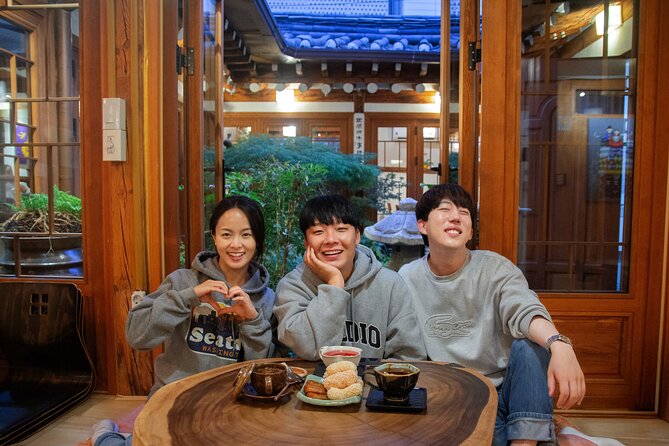
- Seven people maximum: This is small enough for face-to-face guiding and quick movement between sights.
- No forced shopping: The day stays focused on palaces, neighborhoods, food, religion, and city views.
- Gyeongbokgung comes early: You get a guided palace visit and may see the changing guard ceremony.
- Gwangjang Market is part of the day: Food is not included, but your guide can explain local dishes and market customs.
- Hotel pickup is included in Seoul: Gangnam and locations outside Seoul may cost extra, and very distant hotels may require help arranging a taxi.
- Bring energy for walking: Bukchon takes about two hours, and the schedule keeps moving through hills, streets, courtyards, and market lanes.
A compact way to see central Seoul
At $100 per person, this tour sits in a useful middle ground. You are not paying for a fully private day, but you get private-tour treatment in a group capped at seven. The price includes a professional guide, hotel pickup and drop-off within Seoul, a private-feeling minivan or SUV, and entrance tickets where listed.
That matters in Seoul, where the central sights are spread across several districts. You could reach them by subway, but you would spend time studying routes, finding exits, buying tickets, and keeping a group together. Here, the driver and guide handle the transitions while you concentrate on the city.
The no-shopping policy is another real benefit. Some organized tours lose time at ginseng shops or other commercial stops. This one is designed for sightseeing, so your day is not built around sales pitches. Insadong does offer shopping at the end, but it is optional rather than a required stop.
I would not call this a leisurely tour. The plan gives you a broad first look at Seoul, not long museum visits or hours to sit at a café. The guide leads the group from place to place, and the company says it avoids unnecessary free time. That suits you if you want structure. If you prefer to linger over lunch, browse every alley, or take long breaks, you should say so early.
A few more Seoul trips to weigh up
- Seoul Street Food Market Tour
★ 5.0 · 1,226 reviews - Local Home Korean Cooking Class & Market Adventure in Seoul
★ 5.0 · 1,024 reviews - Seoul: Night Market Food Tour with Local Guide
★ 4.9 · 943 reviews
Gwanghwamun Square sets the scene
The morning starts at 9:00 am, usually with hotel pickup. Gwanghwamun Square is a strong opening point because it places you in the historic heart of Seoul, facing the main gate of Gyeongbokgung Palace.
The square gives you a useful orientation before entering the palace grounds. It is also an easy place for photographs and a chance to begin asking questions about Joseon-era Seoul, the royal compound, and the modern city around it. The planned visit is short, about 10 minutes, so do not expect a long walk through the square.
The practical advantage is timing. Starting here lets the guide explain the setting before you reach the palace gate, rather than dropping you straight into a large complex with little context.
Gyeongbokgung Palace and the changing guard
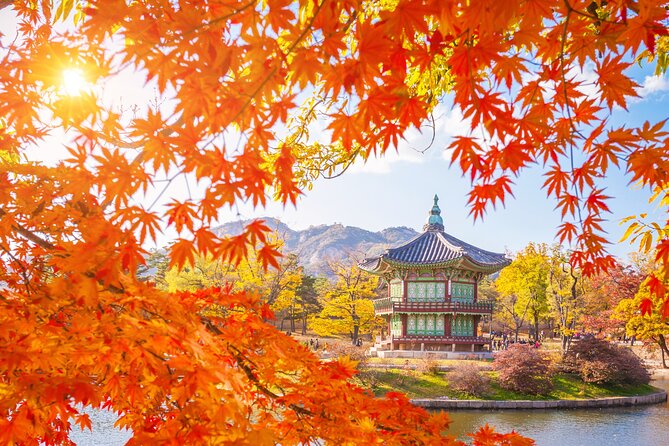
Gyeongbokgung is the main palace of the Joseon dynasty and the historical centerpiece of the morning. The scheduled visit lasts about an hour, with entry included. Your guide leads the way, explains the important buildings, and points out good places for photographs.
The changing guard ceremony adds a visual moment to the visit. Ceremony times can be affected by the palace schedule, so the tour information does not promise that every departure will see the full event. Still, the palace visit remains worthwhile even without it, especially with a guide to explain what you are seeing.
This is where a small group helps. A guide can answer questions without shouting across a busload of people, and the group can stop briefly for photos without causing a major delay. Jeewon, one of the guides associated with the experience, is praised for handling tickets and taking photos, a small service that can make a difference when you are visiting alone.
There is one important calendar detail: Gyeongbokgung is closed on Tuesdays. On that day, the tour visits a secondary palace instead. If the main palace is at the top of your Seoul wish list, check the date before booking.
Bukchon Hanok Village takes the most time
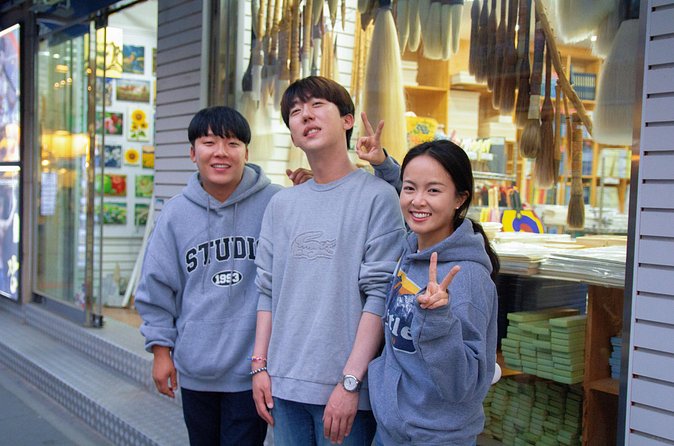
The tour allows about two hours in Bukchon Hanok Village, making it the longest scheduled stop. This area is known for traditional Korean houses, narrow lanes, sloping streets, and views across old and new Seoul.
Bukchon is not a museum frozen in time. People live and work here, so the visit calls for quiet voices and care around residential doors. Your guide connects the buildings to Korea’s past and explains the area’s sad wartime and modern story, rather than treating it as a simple photo stop.
You should expect walking on hills and uneven streets. The tour requires a moderate level of physical fitness, and Bukchon is the clearest reason why. Comfortable shoes will help more than stylish ones, especially if the weather is hot, cold, or wet.
Two hours gives you enough time to see several lanes and pause for photographs, but it may still feel quick if you want to explore every corner. The guide keeps the group together and avoids leaving long stretches of unplanned time. That is useful for a first visit, though you may want to return independently if you find a particular lane or café worth a slower look.
Same country, a completely different kind of day:
- Best DMZ Tour Korea from Seoul (Red Suspension Bridge Optional)
★ 5.0 · 41,422 reviews - DMZ Tour: 3rd Tunnel, Option(Suspension Bridge, Boat) from Seoul
★ 5.0 · 21,373 reviews - DMZ tour south Korea from Seoul (NK experience hall, defector)
★ 5.0 · 20,599 reviews - Seoul: DMZ Tour with Optional Suspension Bridge
★ 4.8 · 5,277 reviews
N Seoul Tower brings the city into view
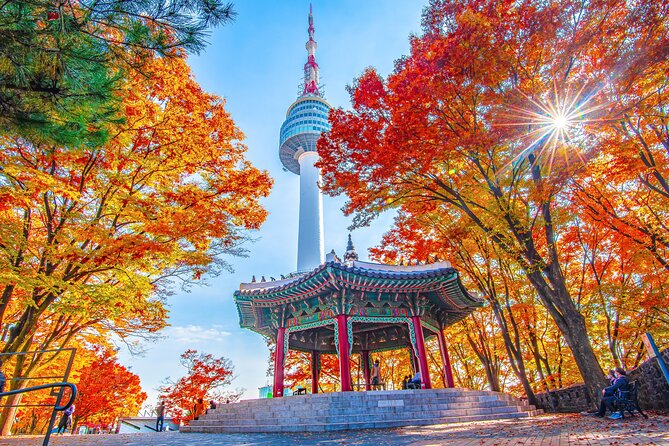
The next major stop is N Seoul Tower, with about an hour set aside. The tower sits on Namsan and offers wide views over Seoul. The tour description gives the tower visit as free, but the cable car costs an additional $11 per person.
That extra cost is worth noticing when you compare the $100 tour price. The tour itself includes transportation, but not every optional transport charge at the attraction. Ask your guide how the group will reach the tower and confirm whether the cable car is part of the planned route or an optional choice.
The viewpoint is especially useful after the palace and village visits. From above, you can see how Seoul’s older districts fit beside its dense modern center. The stop also gives the day a change of rhythm after the concentrated walking in Bukchon.
You should not assume the hour means a full hour at the observation deck. Time may include moving through the tower area and handling the cable car. Still, this is one of the tour’s best chances to get a broad sense of Seoul’s scale.
Gwangjang Market turns the tour toward food
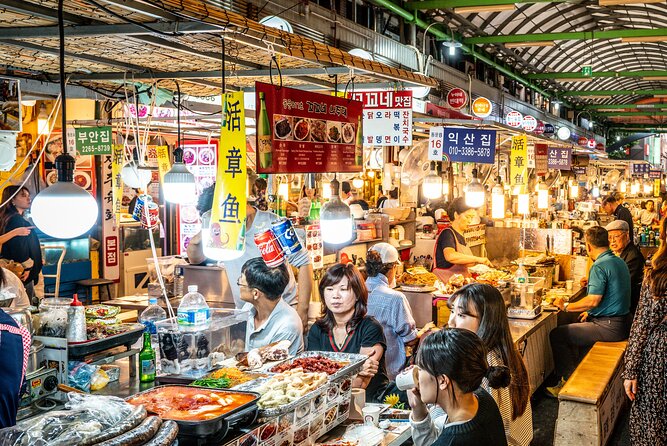
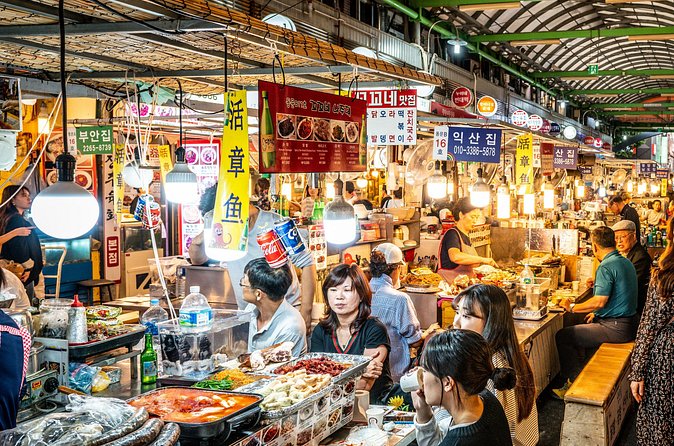
Gwangjang Market is scheduled for about an hour and shifts the focus from buildings and viewpoints to everyday food culture. The guide explains the market’s background and introduces local specialties.
Meals are not included, so bring money for anything you want to taste. The useful part of having a guide here is not only finding a food stall. It is learning what you are looking at, how the market fits into Seoul life, and which local dishes the guide recommends.
An hour is enough for an introduction and a snack, but not an extended meal with many courses. If you are hungry, tell the guide. The schedule is structured, and you should not expect a long, unhurried lunch unless the group agrees to adjust the timing.
This stop also adds a more ordinary side of Seoul. Palaces and traditional houses show national heritage, while the market gives you a direct look at food, trade, and local routines. That contrast makes the day feel more complete.
Jogyesa Temple offers a quiet pause
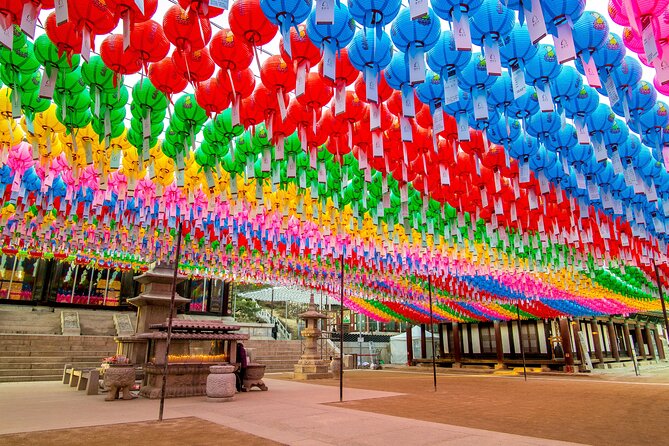
Jogyesa Temple is a shorter stop, about 30 minutes. The temple provides a calm change after the market and introduces Korean Buddhist traditions. Buddhism was Korea’s national religion for roughly 1,000 years, and the guide explains that background while you look around the modern temple grounds.
Do not expect a large temple complex or a lengthy religious tour. The value here is the contrast: after royal architecture, residential lanes, a high viewpoint, and a food market, you get a brief place for reflection and cultural context.
Your guide can help explain what you are seeing and how the temple fits into Seoul today. Dress and behavior should be respectful, as this remains an active place of worship rather than only a sightseeing site.
Insadong is the natural finish
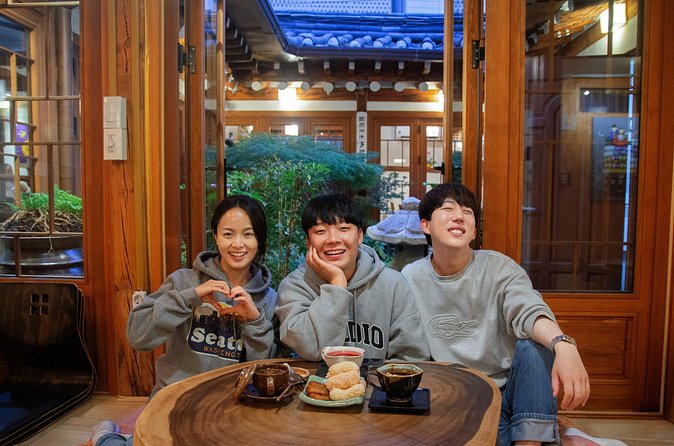
The final stop is Insadong, a traditional street lined with Korean pottery, artwork, antiques, and Korean-style cafés. The scheduled visit is about 20 minutes, and the tour can finish here.
That short time is enough for a quick orientation but not a serious shopping session. If you want to browse, the guide says you can stay longer after the formal tour ends. This gives you a useful choice: finish with the group and return to your hotel, or remain in Insadong for a slower afternoon.
Insadong also works well as an ending because it brings together several themes from the day: traditional craft, food, old Seoul, and modern tourism. It is more commercial than Bukchon or Jogyesa, but the shopping is optional and does not replace the sightseeing stops.
How the guides shape the experience
The strongest part of this tour is the guide-led format. Sean is described as polite, courteous, and able to make the day feel friendly rather than formal. Han is noted for messaging the day before, arriving on time, bringing a prepared itinerary, and carrying hand warmers on a cold day.
Hun is associated with local insight into Seoul’s customs, history, market life, palace, and tower. Jeewon is praised for her clear explanations, friendly manner, help with tickets, photographs, and extra recommendations after the tour.
Guide assignments can change, so you should not book on the assumption that one particular person is guaranteed. What you can reasonably expect is an active guide who walks with the group, explains the sites, manages admissions, and keeps the day moving.
The small size matters here. A solo guest may receive nearly one-on-one attention if the departure is lightly booked. A family can ask questions without losing the guide in a crowd. On the other hand, a group of seven still means you share the pace and food decisions with other people.
Pickup, vehicle, and daily pace
Hotel pickup and drop-off are included for hotels in Seoul, with an extra fee for Gangnam and locations outside the city. If you stay too far from central Seoul, the company can help you arrange a taxi instead. Confirm the pickup details before the morning, especially if your hotel is outside the central areas.
The vehicle is described as a fancy minivan or SUV. That is more comfortable than joining a large coach, and it keeps transfers simple. It does not eliminate Seoul traffic, so the eight to nine-hour duration is approximate.
Plan for a full day. You will walk through palace grounds, Bukchon streets, temple areas, market lanes, and Insadong. Weather also matters, since the experience may be canceled in poor conditions. Carry water in hot weather and dress for the forecast in colder months.
The tour is recommended for people with moderate physical fitness. It is not presented as an accessibility-focused activity, and no detailed accessibility information is provided. If you have mobility concerns, contact the operator before booking and ask about the hills, walking distance, vehicle, and palace route.
What the $100 price really buys
The $100 fee is easiest to justify if you value time and guidance. You receive hotel transport, a small group, a professional guide, a vehicle, and included entrance tickets. Meals, gratuities, and the $11 N Seoul Tower cable car are extra.
Compared with planning the same route alone, you are paying for coordination and local explanation. Compared with a private tour, you give up some flexibility but keep the group small and the cost lower. The no-shopping promise also has financial value in a broader sense: your sightseeing hours are not diverted to stores you did not choose.
The price is less compelling if you already know Seoul’s transit system, prefer independent wandering, or want to spend half a day at only one palace or neighborhood. In that case, several shorter self-guided visits may suit you better.
The tour has a five-star rating from 24 published ratings and a 100 percent recommendation figure. That is a strong early signal, though the sample remains small. I would treat it as evidence of consistent satisfaction with the guides and organization, not as a guarantee that every departure will match the best day.
Who should book this Seoul day tour?
I would choose this tour for a first Seoul visit, especially if you want the major sights in one organized day. It suits solo visitors, couples, and families who value conversation, photos, and direct help more than complete independence.
It is also a good fit if you dislike compulsory shopping stops. The route gives you history, food, religion, traditional neighborhoods, and a city view without making you sit through a sales presentation.
I would think twice if you want a slow day, dislike hills, or need exact control over meal length and departure times. The schedule is broad and energetic. You get a strong introduction to central Seoul, but not unlimited time at any one place.
Book it if your priority is seeing the city’s main sights efficiently, with a real guide and a small group. Skip it if your ideal day is an unplanned wander with long café stops. Before paying, check the Tuesday palace change, the pickup surcharge for Gangnam, and the extra cable car cost. Free cancellation is available up to 24 hours before the start time, while poor-weather or minimum-group cancellations offer a new date or full refund.
FAQ
How long does the Seoul small-group tour last?
The tour lasts approximately eight to nine hours and starts at 9:00 am.
How many people can join the tour?
The maximum group size is seven travelers.
Is hotel pickup and drop-off included?
Hotel pickup and drop-off are included within Seoul. Gangnam and locations outside Seoul may require an extra fee. If your accommodation is far from central Seoul, the operator may help you arrange a taxi.
Is food included at Gwangjang Market?
No. Meals are not included. You can visit the market, learn about local specialties, and purchase food separately.
Is the N Seoul Tower cable car included?
No. The cable car costs $11 per person. The tower stop itself is listed as free admission.
What happens if Gyeongbokgung Palace is closed?
Gyeongbokgung is closed on Tuesdays. On that day, the tour visits a secondary palace instead.
Just added around Seoul
- Gyeongbokgung palace,seoul with gigibebe hanbok rental★ 4.5 · 12 reviews
- Private tour guide service in Seoul, Korea★ 5.0 · 6 reviews
- Alpaca, Nami, Petite Fr, Italian Village, Garden of Morning Calm★ 3.5 · 5 reviews
- Gyeongju UNESCO Sites Tour by KTX train; The Museum Without walls★ 4.5 · 11 reviews
- Private day trip to Korean Folk Village & Dae Jang Geum Park★ 5.0 · 7 reviews
- Private tour Lotte World,Tower,Aquarium(All Tickets are included)★ 5.0 · 12 reviews
- Full Day Private Seoul Tour for foodies★ 5.0 · 3 reviews
- Seoul Private Custom Walking Tour with A Guide (Private Tour)★ 4.5 · 28 reviews
Shopping Tours, compared.
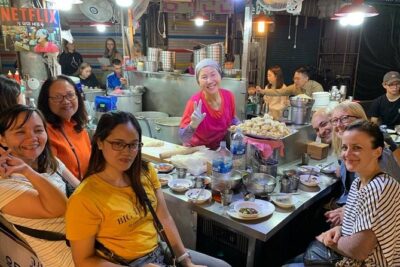
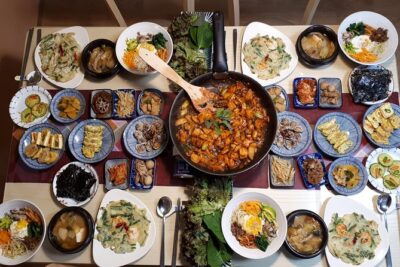
Local Home Korean Cooking Class & Market Adventure in Seoul
Read our review →
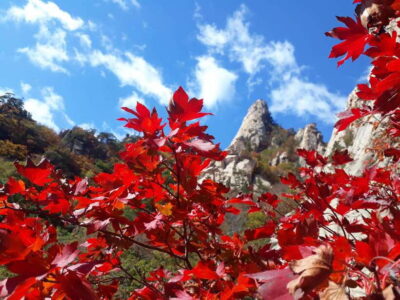
Mt.Seorak, Nami Island & Korean Garden, No Shopping
Read our review →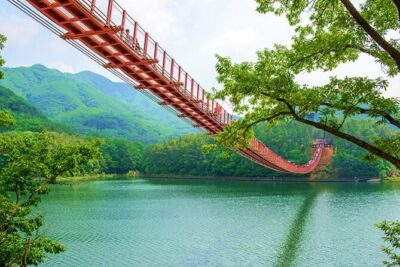
Private DMZ Tour (No Shopping): 3rd Tunnel & Suspension Bridge
Read our review →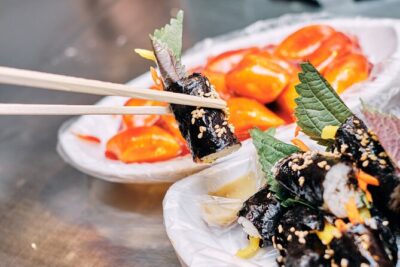
Downtown Seoul Guided Food & Market Tour with 8+ Local Tastings
Read our review →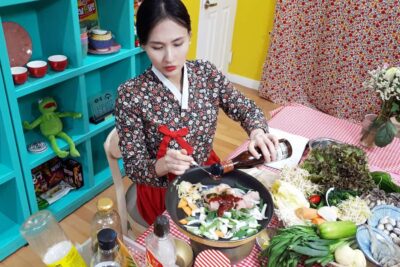
Korean Cooking Class at a Local Home and Market Tour
Read our review →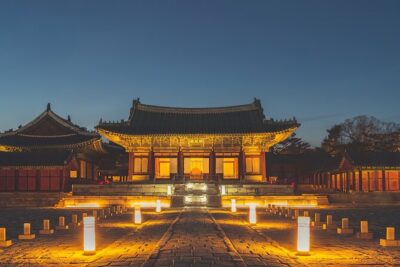
Seoul Night Palace & Market Food Tour with Vehicle
Read our review →Browse the lists this tour appears in