Reviewed · MORNING
Seoul Palace Morning Tour
The best part of this morning tour is the way it links Buddhist Seoul with royal Seoul in just three hours. You begin beneath the old trees of Jogyesa Temple, pass the presidential Blue House by vehicle, then walk through Gyeongbok Palace and finish at Gwanghwamun Gate for the changing of the royal guard.
I like the hotel pickup and included admissions, since they remove some of Seoul’s morning logistics. I also like the route’s variety: temple, palace, museum and ceremonial gate, with enough context to help you make sense of what you are seeing. The main drawback is the added ginseng-center stop, which can feel like a sales detour, especially when palace time already feels tight.
The tour works best for a first morning in Seoul, families, and anyone who wants a guided introduction rather than a solo visit. Guide Chloe has been specifically praised for her stories, practical help and willingness to take photographs. Still, group size can reach 30, and the guide’s pace may not suit you if you want long, quiet stretches at each sight.
Key points at a glance
- Jogyesa’s 500-year-old trees: See the locust and baeksong trees in front of the temple’s main hall, including a baeksong tree protected as a Natural Monument.
- Gyeongbok Palace’s royal rooms: Visit the throne hall, king’s office, royal living quarters, queen’s quarters and banquet pavilion.
- The Blue House by vehicle: You pass the presidential residence on the way to the palace, but cannot stop in front of it.
- Changing of the guard at Gwanghwamun: The ceremonial finale is one of the morning’s most memorable sights.
- Easy transport for $40: Hotel pickup, an air-conditioned vehicle, guide services and entrance fees are included.
- City Hall finish: The tour ends near other central attractions, but you must arrange your own way back to your hotel.
A compact morning built around Seoul’s royal center
At $40 per person, this is a reasonably priced introduction to central Seoul if you value convenience. You are paying for roughly three hours of transport, a driver-guide or professional guide, hotel pickup, and entrance fees to the included sights. Lunch is not included, and there is no hotel drop-off.
The tour begins at about 9:00 a.m. Pickup details matter here. The service offers hotel pickup, but the exact arrangement can vary, and one booking issue arose when a pickup time and location were not clearly confirmed. I recommend checking the pickup point and time carefully before the morning of the tour, especially if you are staying at a guesthouse or smaller property.
The vehicle is air-conditioned, a useful comfort in Seoul’s hot or cold seasons. The group can be as large as 30 people, so this is not a private sightseeing outing. You get the efficiency of shared transport, but you may need to stay close to the guide and accept a quicker pace.
The ending is also important. You finish at Seoul City Hall rather than returning to your hotel. That sounds like a limitation, but it can work in your favor. City Hall is close to many central sights, so you can continue your day from there instead of losing time riding back across town.
A few more Seoul trips to weigh up
- Mt. Seorak+Nami Island+Garden of Morning Calm Day Trip from Seoul
★ 5.0 · 959 reviews - Seoul: Nami Island and Garden of Morning Calm opt Railbike
★ 4.6 · 907 reviews - Day Trip to Nami Island with Rail bike and The Garden of Morning Calm
★ 4.5 · 459 reviews
Jogyesa Temple and the old trees at its entrance
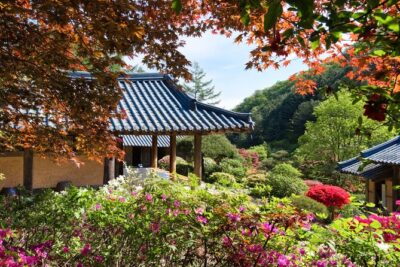
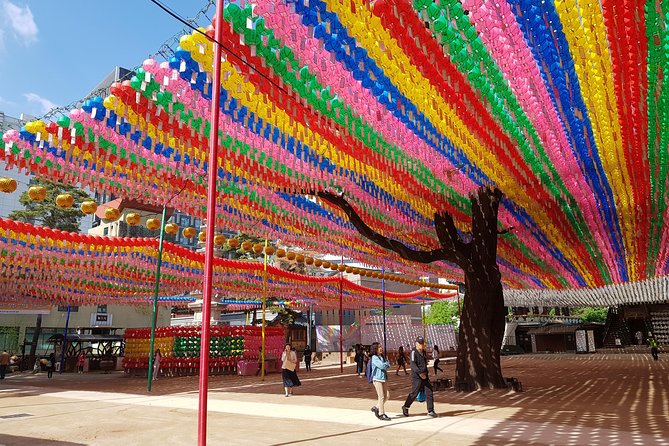
Jogyesa Buddhist Temple gives the morning a calm opening before the palace crowds and ceremony. It is described as a center of Korean Zen Buddhism, and the first details to look for are the old locust trees and baeksong trees in front of Daeungjeon, the main hall.
These trees are about 500 years old. The baeksong tree has Natural Monument status, making it more than a bit of pleasant greenery beside the temple. It connects the present-day city with a much older Korea, even though modern streets surround the temple.
Daeungjeon itself dates from 1938 and is known for its strong painted colors. Inside, you see a statue of Seokgamoni. In front of the hall is a seven-story stone pagoda said to contain Jinsinsari.
This stop is short, so take a moment to notice the roofline, paintwork, trees and pagoda before listening to the guide. A guide can point out details you might otherwise miss, but you should not expect an extended meditation visit or a long period for independent wandering.
Passing the Blue House without a photo stop
After Jogyesa, the vehicle passes the Blue House on the way to Gyeongbok Palace. The Blue House is the presidential residence and workplace, but it is treated as a security area. You cannot stop in front of it, so this is a drive-by view rather than a formal visit.
That distinction is easy to miss when reading a short tour description. If seeing the Blue House is a major reason for booking, keep your expectations modest. You will see it from the transportation, but you will not walk around the grounds or take time for a dedicated explanation on site.
Still, it fits the morning’s theme. The route moves from religious authority to the modern seat of national government, then into the royal center of the Joseon Dynasty. The Blue House is a quick visual link between present-day South Korea and the older institutions you explore next.
Gyeongbok Palace, the morning’s main event
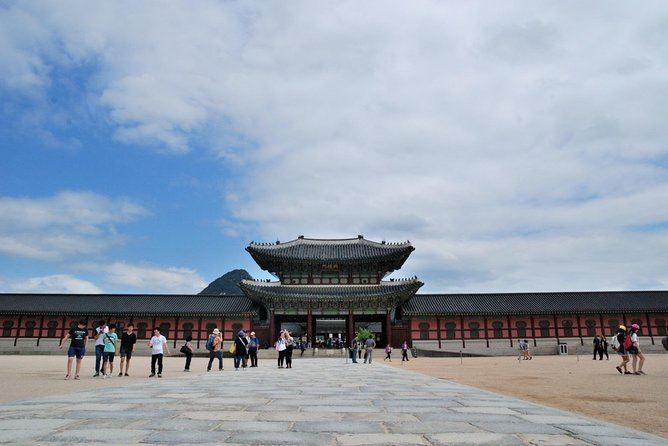
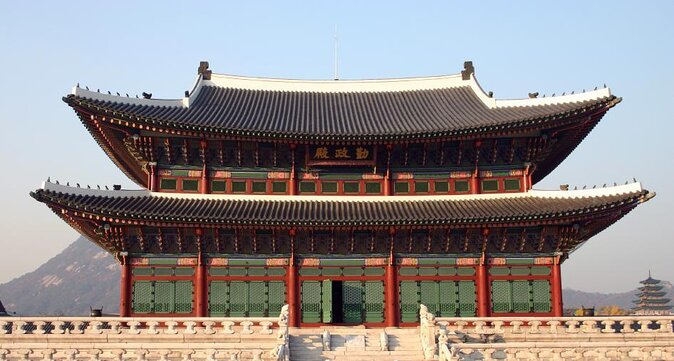
Gyeongbok Palace is the heart of the tour. It served as the main palace during the Joseon Dynasty, which ruled Korea for about five centuries. For many first-time visitors, this is the clearest place in Seoul to understand how the royal court was organized.
The palace grounds include many buildings, and the tour focuses on several key spaces:
- Geunjeongjeon: The main throne hall, used for formal royal business and ceremonies.
- Sajeongjeon: The king’s office, where everyday government work took place.
- Gangnyeongjeon: The king’s living quarters.
- Gyotaejeon: The queen’s living quarters.
- Gyeonghoeru: The pavilion where the king held formal banquets for foreign envoys.
This list gives you a useful framework. Instead of seeing a collection of traditional roofs, you can follow the movement from public ceremony to government, then to private royal life and diplomatic entertainment.
I especially like the mix of practical and ceremonial spaces. Geunjeongjeon shows the public face of monarchy, while the living quarters make the palace feel less abstract. Gyeonghoeru adds a social and diplomatic angle, showing how architecture was used for formal hospitality.
The tradeoff is time. Gyeongbok Palace is large, and a three-hour tour also includes Jogyesa, the Folk Museum, the guard ceremony and a shopping stop. You will see important buildings, but you will not have the freedom or time to inspect every courtyard at your own pace.
Some guides keep the group moving quickly. That can be useful when you want to cover the main sights, but less useful if you need extra time for photographs, reading signs or simply looking. Chloe is a good name to request if the operator allows guide selection, since her service has been praised for clear stories, practical information and helping with photographs. The tour does not promise that she will lead your departure, so treat that as a possibility rather than a guarantee.
Same country, a completely different kind of day:
- Best DMZ Tour Korea from Seoul (Red Suspension Bridge Optional)
★ 5.0 · 41,422 reviews - DMZ Tour: 3rd Tunnel, Option(Suspension Bridge, Boat) from Seoul
★ 5.0 · 21,373 reviews - DMZ tour south Korea from Seoul (NK experience hall, defector)
★ 5.0 · 20,599 reviews - Seoul: DMZ Tour with Optional Suspension Bridge
★ 4.8 · 5,277 reviews
The National Folk Museum and everyday Korean life
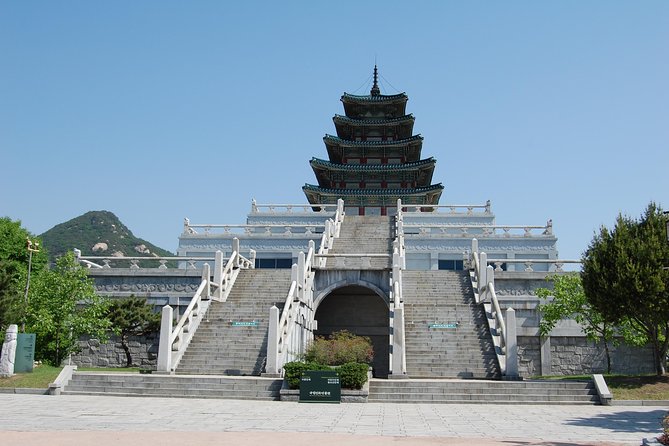
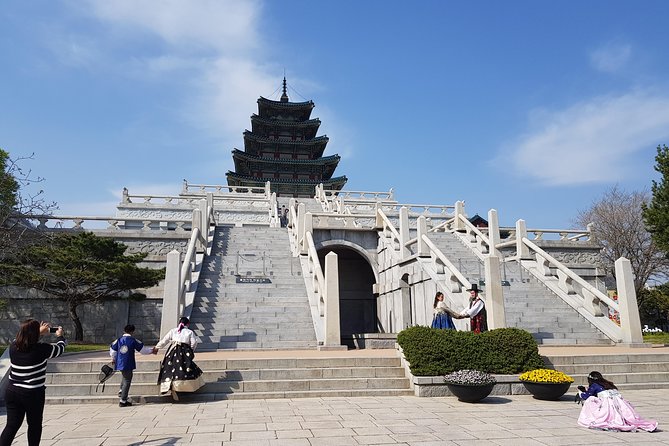
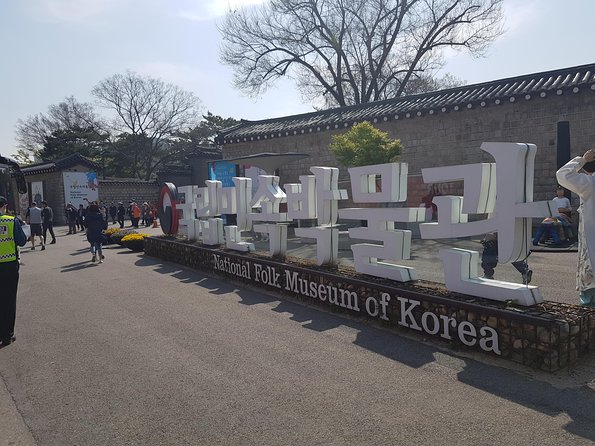
The National Folk Museum is part of the Gyeongbok Palace complex, making it a natural continuation rather than a separate cross-town stop. Its purpose is to explain daily life and traditional Korean culture.
This adds an important layer to the palace visit. Royal halls show the court from the top down, while a folk museum helps place that court within the routines of ordinary life. You get a broader view of Korea than a palace-only tour can provide.
The stop is educational and cultural, but the itinerary does not specify how long you spend inside or which exhibits the guide will cover. If museums are your main interest, you may find the visit too brief. If you prefer a quick orientation before exploring Seoul on your own, it should give you useful background without taking the entire morning.
Gwanghwamun Gate and the changing of the guard
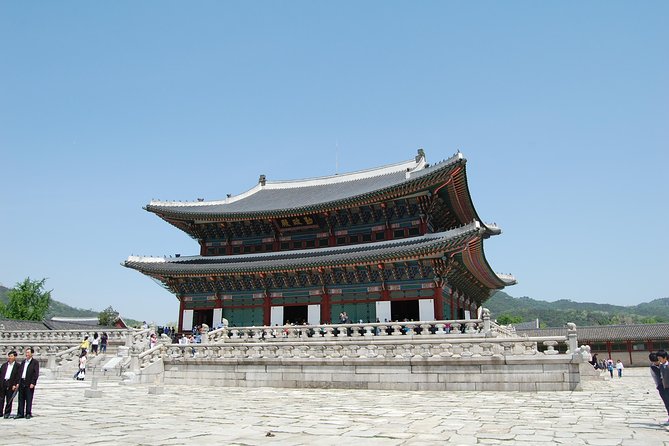
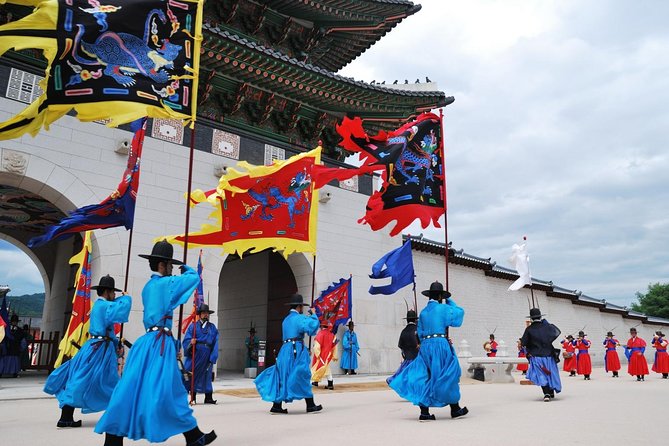
The tour returns to Gwanghwamun Gate, the south gate of Gyeongbok Palace. This is where the changing of the royal guard ceremony takes place, and it is likely to be the most visual part of the morning.
The ceremony gives the palace a sense of public occasion. Bright uniforms, formal movement and the gate’s grand scale make a strong finish after the quieter temple and the palace interiors. It is also a good spot for photographs, though the exact view you get will depend on where the group is positioned and how busy the area is.
Because the guard ceremony is tied to a schedule, the tour’s timing matters. The operator presents it as part of the planned route, but ceremonies can be affected by site operations or other practical changes. Your guide should direct you to the viewing area and explain what is happening, which is one reason a guided visit can be more useful than simply arriving at the gate alone.
The ginseng-center stop deserves careful consideration
After the main sightseeing, the tour includes a stop at a ginseng center. This is the clearest weak point for many people. Some visitors are not interested in shopping, and the stop can feel long when you would rather spend more time at the palace or continue independently.
The operator identifies one shopping center as part of the trip, so it should not come as a surprise. You should think of it as part of the package, not an optional bonus. If you dislike retail stops, this may be enough reason to choose a palace-only tour instead.
On the other hand, you may be curious about Korean ginseng or looking for a packaged food product to take home. In that case, the stop could be useful. Just do not book this experience expecting three uninterrupted hours of temples, palace buildings and museum exhibits.
Guide quality and the pace of the group
The guide is central to the value of this tour. The best version of the experience gives you a clear story tying together Jogyesa, the Blue House, Joseon royal life and the guard ceremony. Chloe has been singled out for sharing stories, offering helpful information, taking photos and recommending a restaurant for lunch after the tour.
That kind of personal help is valuable on a short visit. You can ask about lunch, get a better sense of what to see next, and avoid spending the rest of the day figuring out Seoul from scratch.
Guide quality may vary, though. One account describes a guide speaking too quickly and moving on before the group had enough time to look. With a possible group of 30, this is a real consideration. Stay near the guide, listen for the next meeting point, and take your own photographs promptly rather than waiting until the end of an explanation.
The tour is family-friendly in structure. Hotel pickup, short transfers and a clear sequence of sights can help families manage a morning. Young children may find the historical commentary long, while older children may enjoy the palace rooms and guard ceremony. The lack of lunch and hotel drop-off means you should plan the next step before setting out.
Who gets the best value from this $40 tour?
I would choose this tour if I had one free morning and wanted a guided introduction to Seoul’s central historic sights. It is also a sensible choice if navigating palace transport, admission counters and the city center feels like more trouble than it is worth.
The $40 price is strongest when you use all the included pieces: pickup, air-conditioned transportation, a professional guide, entrance fees and the linked route. Paying separately for transit and admissions might not save enough to justify losing the guide’s explanations, especially on a first visit.
I would hesitate if you already know Gyeongbok Palace well, want to set your own pace, or dislike shopping stops. You can also find the three-hour schedule restrictive if your priority is detailed photography or museum time.
The tour is best for:
- First-time visitors who want a quick orientation.
- Families seeking a structured half-day outing.
- People with a spare morning before another Seoul activity.
- Anyone who values hotel pickup and included admission.
- Visitors who want the guard ceremony without planning the timing alone.
It is less suitable for:
- Independent sightseers who prefer public transport and flexible timing.
- People who want a private guide.
- Shoppers who have no interest in the ginseng stop.
- Anyone needing a return to their hotel.
- Visitors who want a slow, detailed palace visit.
Practical details before you book
The advertised start time is 9:00 a.m., and pickup is included. Confirm your hotel details and pickup time in advance, especially if the property is not a standard hotel or if you have received a different time through messages.
The tour accepts mobile tickets, and confirmation is provided at booking. Most people can participate, according to the supplied information, but the itinerary includes walking through a palace complex and moving between several stops, so comfortable shoes are a sensible choice.
The group may contain up to 30 people. That keeps the cost down but can make it harder to hear every explanation or linger at a favorite building. If your booking is important, save the operator’s contact details and ask questions before the 24-hour cancellation deadline.
Free cancellation is available up to 24 hours before the local start time for a full refund. Cancellations or changes made inside that window are not accepted for a refund.
Should you book the Seoul Palace Morning Tour?
Book it if you want a practical first look at Seoul’s royal center with transport, admissions and a guide bundled into one affordable morning. Jogyesa, Gyeongbok Palace, the National Folk Museum and Gwanghwamun form a sensible route, and the guard ceremony gives the outing a strong finish.
Skip it if the ginseng-center stop will annoy you, if you need hotel drop-off, or if you want several quiet hours inside Gyeongbok Palace. The tour gives you breadth rather than depth. For many first visits, that is exactly the point, but you should accept the shared group pace and shopping stop before booking.
FAQ
What time does the Seoul Palace Morning Tour start?
The tour starts at 9:00 a.m.
Is hotel pickup included?
Yes. Hotel pickup in Seoul is included. Hotel drop-off is not included, and the tour ends at City Hall in Seoul.
What attractions does the tour visit?
The route includes Jogyesa Buddhist Temple, a drive-by view of the Blue House, Gyeongbok Palace, the National Folk Museum and Gwanghwamun Gate.
Can I stop at the Blue House?
No. The Blue House is in a security area, so the vehicle passes it on the way to Gyeongbok Palace without stopping in front.
Is the ginseng-center visit included?
Yes. One shopping-center stop at a ginseng center is included in the tour.
What happens if I need to cancel?
You can cancel at least 24 hours before the local start time for a full refund. Cancellations or changes made less than 24 hours before the start are not refunded or accepted.
Just added around Seoul
- Gyeongbokgung palace,seoul with gigibebe hanbok rental★ 4.5 · 12 reviews
- Private tour guide service in Seoul, Korea★ 5.0 · 6 reviews
- Alpaca, Nami, Petite Fr, Italian Village, Garden of Morning Calm★ 3.5 · 5 reviews
- Gyeongju UNESCO Sites Tour by KTX train; The Museum Without walls★ 4.5 · 11 reviews
- Private day trip to Korean Folk Village & Dae Jang Geum Park★ 5.0 · 7 reviews
- Private tour Lotte World,Tower,Aquarium(All Tickets are included)★ 5.0 · 12 reviews
- Full Day Private Seoul Tour for foodies★ 5.0 · 3 reviews
- Seoul Private Custom Walking Tour with A Guide (Private Tour)★ 4.5 · 28 reviews
Morning, compared.
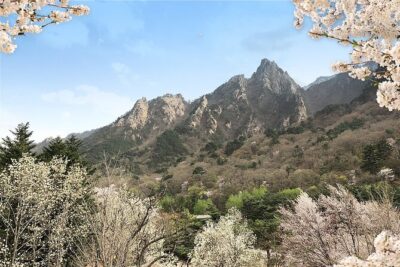
Mt. Seorak+Nami Island+Garden of Morning Calm Day Trip from Seoul
Read our review →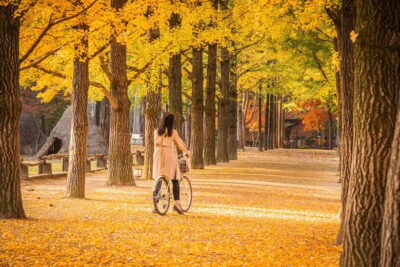
Nami Island and Garden of Morning Calm opt Railbike
Read our review →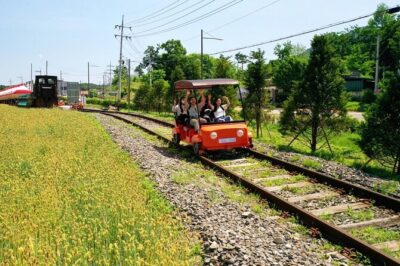
Day Trip to Nami Island with Rail bike and The Garden of Morning Calm
Read our review →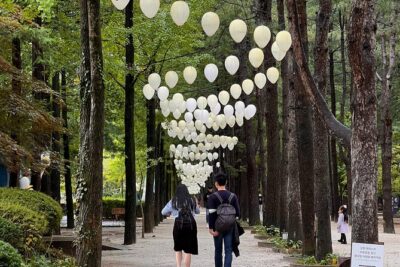
Trip to Nami Island with Petite France & Italian Village, Garden of Morning Calm
Read our review →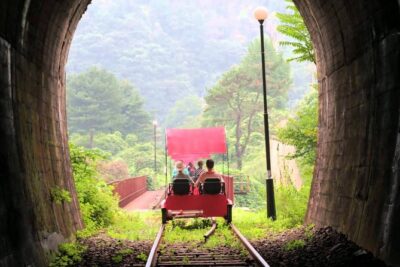
Nami Island & Garden of Morning Calm & Gangchon Railbike Tour
Read our review →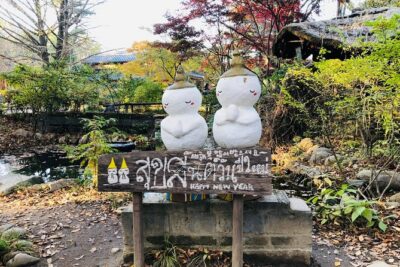
Nami+Alpaca+Garden of Morning Calm (+Rail Bike Option)
Read our review →
Alpaca, Nami, Morning Calm or Eobi (+Rail Bike)
Read our review →