
Reviewed · MARKETS
Cook 3 Authentic Korean Dishes with Local Market Tour
Mangwon Market is the star of this experience. You meet Jomin at Mangwon Station, walk through a working neighborhood market, taste street foods, and see the ingredients that later become your meal. Then you cook three Korean dishes at a private station in her studio.
I like the maximum-four-person class and the way the market visit gives meaning to unfamiliar foods. I also like that this is hands-on, not a cooking demonstration. The main caution is that the menu can vary, and the class may be rescheduled or canceled if the minimum number of four people is not reached.
Key Points
- Mangwon Market first: Learn about Korean ingredients in a real local market before cooking with them.
- Three dishes in one class: Possible dishes include sundubu jjigae, bibimbap, bulgogi, japchae, kimchi stew, and stir-fried pork.
- Your own cooking station: You prepare the food yourself with individual cookers and fresh ingredients.
- Jomin leads the class: Her instructions are clear, patient, and suited to beginners as well as confident home cooks.
- Lunch or dinner choice: The roughly three-and-a-half-hour class fits either part of your Seoul day.
- Recipes to take home: A professionally designed cookbook helps you repeat the dishes after your trip.
Mangwon Market Turns Ingredients Into a Story
Many Korean cooking classes begin in a studio with bowls already lined up. This one starts at Mangwon Station, where Jomin meets you at Exit 2. From there, she leads you through Mangwon Market and points out ingredients used in the class.
That order matters. Korean cooking relies on ingredients that can look ordinary or unfamiliar when separated from their context. Soft tofu, anchovies, prawns, clams, vegetables, kimchi, and sauces make more sense when you see how they are sold and used in daily Korean cooking.
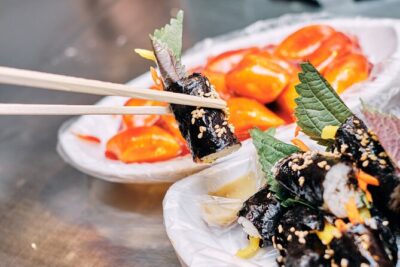
You may also have time to taste street foods during the walk. Jomin can explain what you are seeing and suggest foods to try, so the market visit works as both a short food tour and a practical introduction to Korean shopping habits.
The market is not a stage set built for tourists. It is a local place where people buy food, and that gives the opening part of the class an everyday quality. It also means the experience can change with the season, holidays, and market schedules. One class took place during Chuseok, when some stalls were closed, but enough remained open to give a useful look at the market.
Allow a little flexibility here. The market walk is an important part of the experience, but it is not a long formal tour with a fixed list of stops. Its value comes from Jomin’s explanations and from seeing ingredients in their normal setting.
A few more Seoul trips to weigh up
- Seoul Street Food Market Tour
★ 5.0 · 1,226 reviews - Local Home Korean Cooking Class & Market Adventure in Seoul
★ 5.0 · 1,024 reviews - Seoul: Night Market Food Tour with Local Guide
★ 4.9 · 943 reviews
A Clean Studio With Real Work at Your Station
After the market, you return to Jomin’s cooking studio. The studio is described as clean, spacious, and well organized, with a personal cooking table and cooker for each participant.
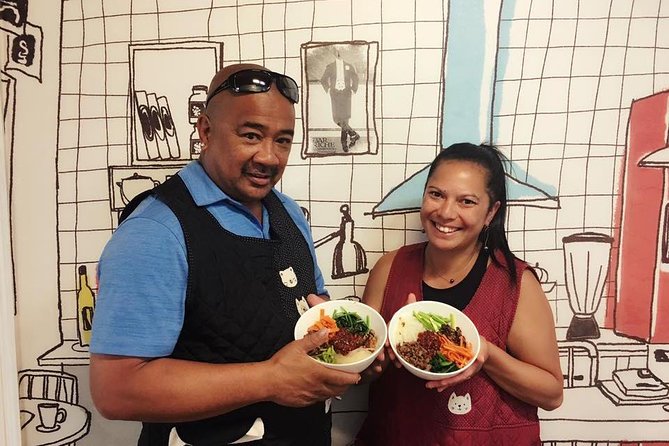
This is not a watch-and-copy demonstration. You chop, mix, season, and cook your own food while Jomin explains each step. She sets out the ingredients and equipment, then guides you through the work at a pace that allows questions and corrections.
That setup is especially helpful if you are new to Korean cooking. You can learn how vegetables should be cut, how a marinade comes together, and how to manage several parts of a meal without simply watching someone else do it. More experienced cooks still get useful information about Korean ingredients and methods.
The class is social without being a large group event. The advertised cooking class has a maximum of four people, which gives Jomin time to assist each person. A separate activity detail lists a maximum of 11 participants, so if group size is a deciding factor for you, confirm the expected class size when booking. The main description presents this as a small class of up to four.
Three Korean Dishes, Prepared One Step at a Time
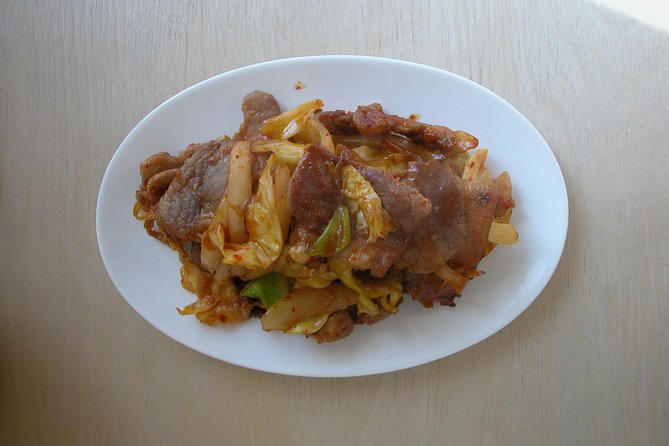
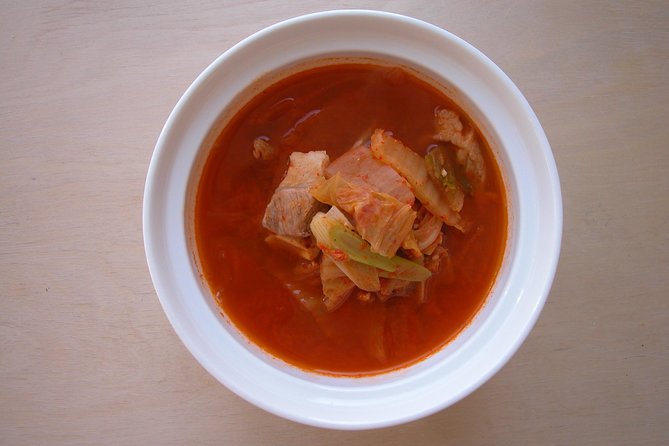
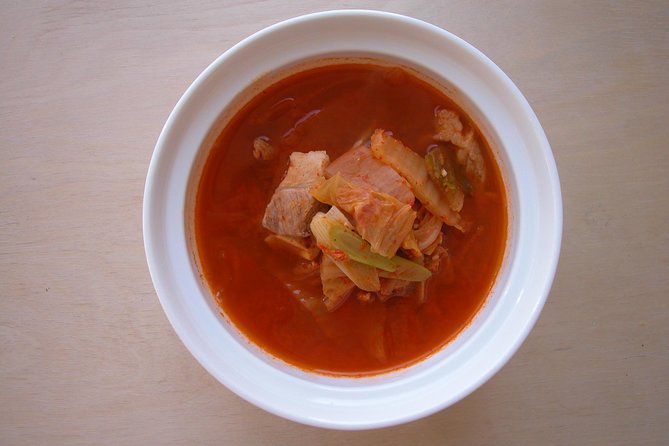
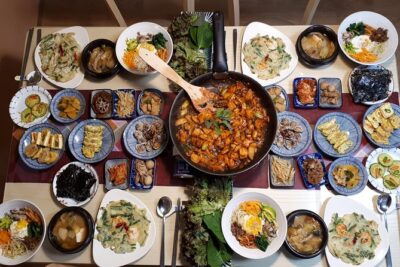
The menu is not always identical. The possible dishes include soft tofu stew, bibimbap, bulgogi, kimchi stew, japchae, and stir-fried pork. Several classes have included sundubu jjigae, beef bibimbap, and bulgogi, a combination that gives you soup, rice with vegetables, and marinated meat.
Sundubu jjigae, or soft tofu stew, offers a good lesson in Korean flavor. You may help prepare stock from ingredients such as anchovies, and the stew can include seafood such as clams or prawns. If you do not usually eat seafood, tell Jomin in advance. One class found the stew enjoyable even with limited enthusiasm for seafood, but personal tastes vary.
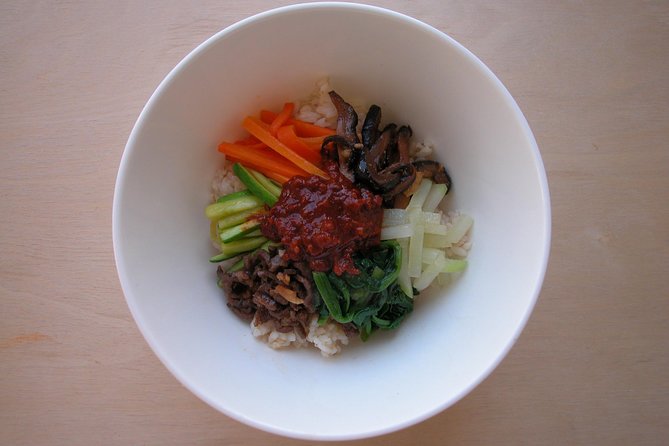
Bibimbap shows how Korean meals bring separate ingredients together at the table. You prepare and cook the vegetables, then combine them with rice and seasoning. It is a useful dish to learn because you can adjust the ingredients at home and make use of whatever vegetables are available.
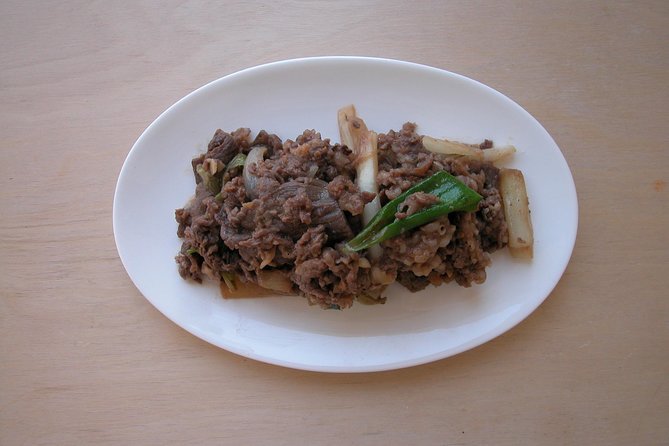
Bulgogi focuses on the marinade and the cooking of thinly prepared meat. Jomin explains how to build the marinade before you cook it. Japchae, another possible dish, teaches a different texture and preparation method, with glass noodles and vegetables.
The class may serve the dishes in stages. One description explains that students took the finished stew to the dining room while preparation for the next dish was arranged. That rhythm keeps the meal from becoming one large pile of food at the end and lets you eat each dish while it is fresh.
You may also prepare side ingredients or learn about foods such as banchan, kimchi, prawns, and anchovies. Rice wine has been included as a tasting in at least one class. These details help connect the three main dishes to the wider Korean meal.
The Teaching Style Works for Beginners
Jomin’s teaching is one of the strongest reasons to choose this class. Her instructions are described as clear and step by step, with personal help at each cooking station. She explains the ingredients and the cooking process rather than assuming you already know Korean techniques.
You do not need to be a serious cook. The class has worked for people who rarely cook, as well as for enthusiastic home cooks. The format gives beginners a clear path through each dish, while the market and food culture discussion add more than a basic recipe lesson.
I also like the balance between instruction and independence. You are not left alone with a recipe, but Jomin does not simply do everything for you. The result is a meal you can reasonably feel you prepared yourself.
Dietary restrictions can be accommodated, and vegetarian and vegan options are available. You should state your needs when booking rather than waiting until you arrive. Since the menu may include meat, seafood, and fish-based stock, early notice is particularly important.
Same country, a completely different kind of day:
- Best DMZ Tour Korea from Seoul (Red Suspension Bridge Optional)
★ 5.0 · 41,422 reviews - DMZ Tour: 3rd Tunnel, Option(Suspension Bridge, Boat) from Seoul
★ 5.0 · 21,373 reviews - DMZ tour south Korea from Seoul (NK experience hall, defector)
★ 5.0 · 20,599 reviews - Seoul: DMZ Tour with Optional Suspension Bridge
★ 4.8 · 5,277 reviews
What the Meal and Take-Home Material Add
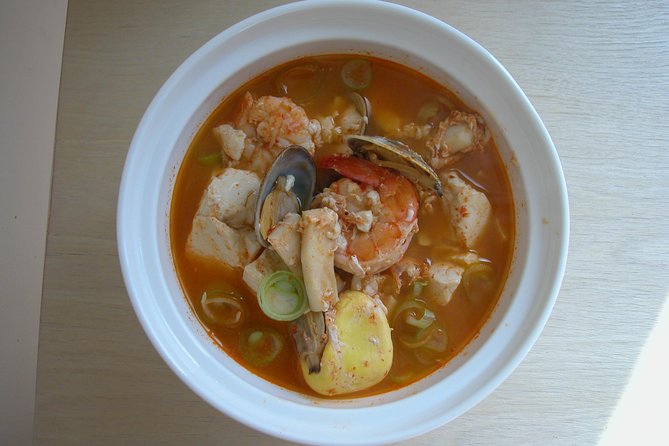
At the end, you sit down and eat the food you made. You may take leftovers with you in containers, which is useful because three dishes can make a very filling meal.
The meal is not just a reward at the end. It lets you taste the difference between ingredients prepared in separate ways, and it gives you time to ask follow-up questions about Korean food customs. The class has also included photographs, according to the supplied experience details, adding a small record of the day.
You receive a professionally designed cookbook with the dishes prepared in class and other Korean favorites. This is more useful than a single printed recipe sheet. If you want to repeat the meal at home, having several recipes and the notes from the class gives you a better starting point.
Still, the cookbook cannot replace local ingredients or the guidance of the class. Korean sauces, kimchi, tofu, noodles, and stock ingredients may taste different depending on what you can find at home. Think of the book as a practical reminder and a foundation, not a guarantee that your first attempt will taste exactly the same.
Is $79 a Fair Price?
At $79 per person, this is not the cheapest meal or short market walk in Seoul. It is a fairer comparison to a small cooking workshop, a guided food outing, and a three-course meal combined.
The price includes more than food. You receive roughly three and a half hours of instruction, the Mangwon Market visit, ingredients, equipment, your prepared meal, and the cookbook. The personal station and small group also matter. In a large class, you might watch a chef prepare the food. Here, you spend much of the time doing the work yourself.
I would consider the price good value if you enjoy cooking, want to understand Korean food beyond restaurant menus, or need a structured activity for a lunch or dinner period. It is less appealing if you only want a quick market snack or a simple meal. The class takes most of half a day, so plan around it rather than trying to squeeze it between several tightly timed sights.
The lunch or dinner choice helps. You can use the class as a daytime activity or make it part of your evening meal. Since the meeting point is Mangwon Station on Line 6 and the activity returns there, it is easy to connect with public transportation, though you should allow enough time to reach the station before the start.
Who Will Get the Most From This Class?
This is a good fit for first-time visitors who want a friendly introduction to Korean food. The market gives you local context, while the class provides a clear structure and a meal you can enjoy immediately.
It also suits couples, families, and small groups who want to cook together. Since the class is designed for up to four people, it works especially well if you can fill a small group with people you know.
You do not need advanced cooking skills. In fact, beginners may get the most from the careful instruction. Confident cooks should choose it for the Korean techniques, ingredients, and food culture rather than expecting a highly technical chef-training session.
Food-focused visitors will appreciate the chance to connect market ingredients with finished dishes. The experience is also useful for anyone who has eaten Korean food in restaurants but wants to understand how dishes such as bibimbap, bulgogi, and sundubu jjigae are built.
It may not suit you if you dislike group activities, have severe dietary restrictions that require a fixed menu, or want a class focused on only one dish. The menu is selected from several Korean favorites, so you should ask about the planned dishes if one particular recipe is your main reason for booking.
Practical Details Before You Book
Meet Jomin at Mangwon Metro Station, Exit 2. The activity ends back at the meeting point, and mobile tickets are accepted.
The class lasts about three hours and 30 minutes. Choose a lunch or dinner session when available, and plan to eat a substantial meal because you will cook and consume three dishes.
Vegetarian and vegan options are available. Tell the provider about food restrictions when you reserve, since the standard menu may include beef, pork, seafood, fish stock, or other animal products.
Free cancellation is available up to 24 hours before the start time for a full refund. Changes or cancellations inside that 24-hour window are not accepted for a refund. The class also requires a minimum of four participants, and if that minimum is not met, you will be offered another date or experience, or a full refund.
The activity has a high overall rating of 4.9 from 231 ratings, with 98 percent recommending it. Those figures do not tell you everything, but they match the consistent strengths of the format: Jomin’s patient instruction, the local market walk, the clean studio, and the chance to cook rather than simply watch.
Should You Book Cook 3 Authentic Korean Dishes?
I would book this class if you want more than a restaurant meal and prefer a small, practical experience. The combination of Mangwon Market, three dishes, personal workstations, and a cookbook gives you a clear sense of how Korean food moves from market stall to dining table.
The best reason to choose it is the balance. You get local food culture without a long lecture, hands-on cooking without pressure, and a full meal without giving up the market experience.
Before booking, confirm the menu, tell Jomin about dietary needs, and check the expected group size if the four-person limit matters to you. If those details fit your plans, this is a strong choice for a food-centered half day in Seoul.
FAQ
Where does the cooking class meet?
Meet Jomin at Mangwon Metro Station, Line 6, at entrance 2.
Where does the activity end?
The activity ends back at the Mangwon Station meeting point.
How long does the experience last?
The experience lasts approximately three hours and 30 minutes.
How many people can join the cooking class?
The cooking class is described as having a maximum of four people. The additional activity information lists a maximum of 11 travelers, so confirm the expected group size if this is important to you.
What dishes will I cook?
The three-course menu may include soft tofu stew, bibimbap, bulgogi, kimchi stew, japchae, or stir-fried pork. The exact menu can vary.
Is the class hands-on?
Yes. You cook at your own personal table with your own cooker, fresh ingredients, and equipment. This is not only a chef demonstration.
Are vegetarian or vegan options available?
Yes. Vegetarian and vegan options are available.
Can I choose lunch or dinner?
Yes. You can choose between a lunch class and a dinner class.
What do I receive after the class?
You eat the food you prepare and may take home leftovers. You also receive a professionally designed cookbook.
Can I cancel for a full refund?
Yes. You can cancel at least 24 hours before the experience start time for a full refund. Cancellations or changes made less than 24 hours before the start time are not accepted for a refund.
Just added around Seoul
- Gyeongbokgung palace,seoul with gigibebe hanbok rental★ 4.5 · 12 reviews
- Private tour guide service in Seoul, Korea★ 5.0 · 6 reviews
- Alpaca, Nami, Petite Fr, Italian Village, Garden of Morning Calm★ 3.5 · 5 reviews
- Gyeongju UNESCO Sites Tour by KTX train; The Museum Without walls★ 4.5 · 11 reviews
- Private day trip to Korean Folk Village & Dae Jang Geum Park★ 5.0 · 7 reviews
- Private tour Lotte World,Tower,Aquarium(All Tickets are included)★ 5.0 · 12 reviews
- Full Day Private Seoul Tour for foodies★ 5.0 · 3 reviews
- Seoul Private Custom Walking Tour with A Guide (Private Tour)★ 4.5 · 28 reviews
Markets, compared.
Local Home Korean Cooking Class & Market Adventure in Seoul
Read our review →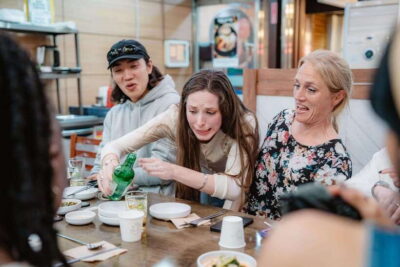
Downtown Seoul Guided Food & Market Tour with 8+ Local Tastings
Read our review →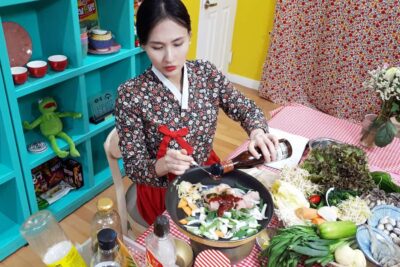
Korean Cooking Class at a Local Home and Market Tour
Read our review →
Seoul Night Palace & Market Food Tour with Vehicle
Read our review →
Korean Palace and Market Tour in Seoul Including Insadong and Gyeongbokgung Palace
Read our review →
Nighttime Tour of Palace, Market, Naksan Park & More
Read our review →Browse the lists this tour appears in