Reviewed · FULL-DAY
Ganghwa Island – Full day private tour
Ganghwa Island puts Korea’s border history, rural life, and religious traditions into one long day. At the Peace Observatory, North Korea lies only about 2 kilometers away, and binoculars let you look toward villages on the other side. That unusual view gives this trip a sharper edge than a standard countryside outing.
I like the private vehicle and guide, which make it easier to move between scattered sights without working out local transport. I also like the mix of fortresses, a Buddhist temple, a market, and an Anglican cathedral. You get more than one story about Korea here.
The main drawback is the packed schedule. Eight hours covers a lot of ground, but several stops last only 30 or 40 minutes, and lunch is not included. The optional luge stop can also use up time if you choose to ride.
Key points to know before you book
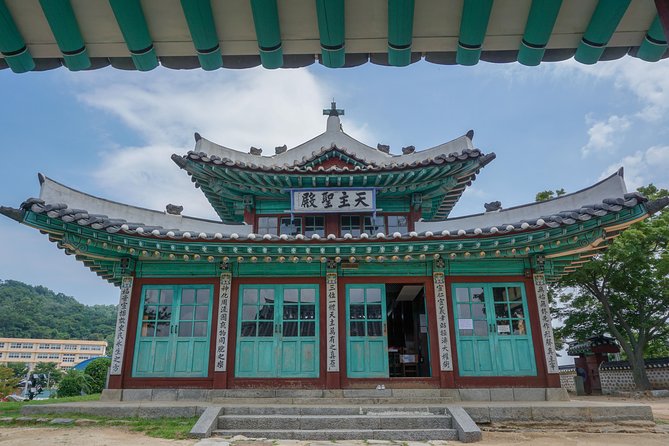
- North Korea is about 2 kilometers away: The Peace Observatory uses binoculars to show life across the border.
- Seven stops fit into roughly eight hours: Expect a full day with short visits at most sites.
- Your own guide and minivan: The private setup suits families, couples, and small groups who value flexibility.
- History comes in layers: Gwangseongbo Fortress recalls the 1871 battle with the United States, while Jeondeungsa Temple connects to the 1866 conflict with France.
- Lunch is your responsibility: Food is not included, though the market and local food stops give the day some room for a meal.
- The luge ride is optional: Ganghwa Seaside Resort adds a recreational break, but tickets cost extra.
Why Ganghwa Island makes a good break from Seoul
Seoul can fill several days with palaces, shopping streets, museums, and tall buildings. Ganghwa Island offers a different view of South Korea, with rural roads, older religious sites, farmland, markets, and military history tied to the island’s position near the capital.
The island was important during the Joseon dynasty because it helped protect access to Seoul. Its position also brought foreign military pressure. That context ties the day together: the fortresses are not isolated ruins, and the Peace Observatory is not simply a scenic lookout. Ganghwa has long been a place where Korea watched the outside world approach.
I like this kind of day trip because you do not need to choose between culture and scenery. You can walk through a mountain temple in the morning, inspect traditional products at a market later, and finish with a view toward North Korea. The sights are varied enough to keep the day moving.
The private format matters here. Ganghwa’s stops are spread across the island, so a vehicle saves time and avoids the stress of arranging several separate journeys. Your guide can also explain why each place matters instead of leaving you to read brief signs and guess at the larger story.
A few more Seoul trips to weigh up
- Full Day Tour In The Soop BTS Ver in PyeongChang Filming Location
★ 5.0 · 1,709 reviews - Seoul City Private Full-Day Tour Including Lunch
★ 5.0 · 469 reviews - Full-day Customizable Private Seoul Highlight Tour
★ 5.0 · 301 reviews
Starting at Gwangseongbo Fortress
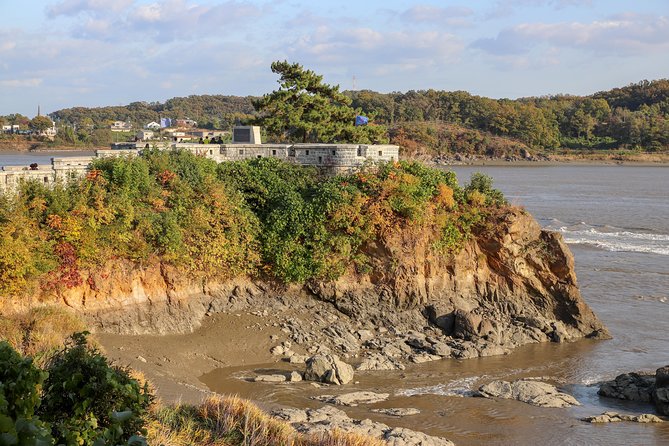
The first stop is Gwangseongbo Fortress, where you spend about 30 minutes. This was a battlefield during the 1871 conflict with the United States, an episode that shows how strongly Joseon Korea tried to control foreign access.
The visit is brief, so you should not expect an extended museum tour or a long walk through every defensive feature. Instead, treat it as a focused introduction to Ganghwa’s military role. Your guide can connect the fortification to the island’s position near Seoul and explain why this ground mattered.
I find this an effective opening because it gives the day a clear purpose. Ganghwa is not only a quiet island with attractive views. It was a guarded approach to the capital, and its fortresses reflect the pressure Korea faced from outside powers.
The admission fee is included, as it is for the other listed paid sights. Comfortable shoes still make sense, since the tour requires a moderate level of physical fitness and includes several stops where you will be on foot.
Walking through Jeondeungsa Temple
Jeondeungsa Temple sits inside Samrangseong Fortress and receives about 40 minutes of the day. The site also connects to conflict with France in 1866, so it continues the military story begun at Gwangseongbo.
The temple itself provides a calmer change of pace. You can look at traditional Buddhist architecture and get a direct sense of Korean religious culture in a mountain setting. The contrast between a sacred place and a former battlefield is part of what makes the stop memorable.
Forty minutes is enough for a meaningful visit, but not for a slow, detailed study of every building. If you enjoy temple architecture, you may wish the schedule allowed more time. Still, the private guide can help you focus on the main features and explain how the temple fits into Korean Buddhism.
Admission is included. Because the tour covers multiple sites afterward, keep your pace comfortable rather than trying to inspect every corner. This is one place where a little quiet observation is more rewarding than rushing for photographs.
Choosing the optional luge ride
Ganghwa Seaside Resort is scheduled for about 50 minutes, but the luge ride is optional and admission is not included. You can ride a luge down the hill if that activity appeals to you, or use the stop as a break from fortresses and religious sites.
This is the least essential part of the cultural program. If your main goal is history, rural Korea, and the North Korean border, you may prefer to spend the available time at another stop or have a more relaxed break. If you want some light recreation, the luge adds variety and may suit families or groups with different interests.
Ask about the timing before committing, since a paid activity inside an already full day can make later stops feel rushed. The tour is private, so your group has more room to discuss the choice with the guide, but the total outing still lasts about eight hours.
Same country, a completely different kind of day:
- Best DMZ Tour Korea from Seoul (Red Suspension Bridge Optional)
★ 5.0 · 41,422 reviews - DMZ Tour: 3rd Tunnel, Option(Suspension Bridge, Boat) from Seoul
★ 5.0 · 21,373 reviews - DMZ tour south Korea from Seoul (NK experience hall, defector)
★ 5.0 · 20,599 reviews - Seoul: DMZ Tour with Optional Suspension Bridge
★ 4.8 · 5,277 reviews
Sampling island life at Ganghwa Pungmul Sijang
Ganghwa Pungmul Sijang, the traditional market, lasts about 30 minutes and has no admission fee. This is where the tour moves from national history to everyday island life.
A market visit gives you a chance to see what Ganghwa produces and sells, rather than only looking at monuments. The stop is also useful for understanding the island as a working rural community. You may find traditional products and local foods, though the exact selection can vary.
Thirty minutes is enough for a quick walk and perhaps a purchase, but it is not a long food tour. Since lunch is not included, ask your guide how the meal fits into the day. One account of the tour included fish barbecue, and another included food and coffee, but neither is guaranteed as a fixed part of the package. Use the market as an opportunity to discuss local options rather than assuming a specific restaurant or dish is included.
I like having a market in the schedule because it keeps the day grounded. Fortresses tell you about rulers and wars. A traditional market shows you what people buy, sell, and eat now.
Looking toward North Korea at the Peace Observatory
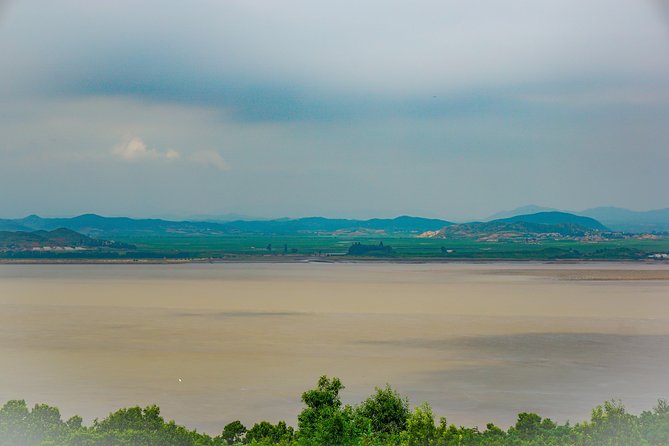
The Peace Observatory is the day’s headline stop. You have about 40 minutes to use binoculars and look toward North Korea, which is described as only 2 kilometers from the island.
That distance changes the feeling of the visit. North Korea is not an abstract place on a map here. You are looking across a narrow stretch of water toward another country with a very different political system and daily life. The view will depend on weather and visibility, so do not expect a perfectly clear look every time.
The observatory is valuable because it adds present-day meaning to the older fortresses. Ganghwa has spent centuries guarding access to Seoul, and it remains a place where the border is close and visible.
The guide can help you understand what you are seeing through the binoculars. This is also a stop where your questions matter. Ask about the distance, the border, and the local setting. The visit is short, so take a moment to look before turning the experience into a series of photographs.
Admission is included. If the border aspect is your main reason for booking, this stop should be the deciding factor. If you are uncomfortable with military history or simply want a relaxed nature day, Ganghwa offers other pleasant sights, but the tour still gives the observatory a central place.
Taking in the view at Yeonmijeong Pavilion
Yeonmijeong Pavilion provides about 30 minutes for views of Ganghwa and another look toward North Korea. It is free to visit and offers a different setting from the formal observatory.
The pavilion is a good place to slow down after the information-heavy border stop. You can look across the island and see how close the two countries are. Since the itinerary includes two border viewpoints, the experiences overlap, but the change in setting helps keep the second view from feeling identical.
This stop also gives your guide another chance to explain the island’s geography. Ganghwa’s position is the reason its military sites, rural communities, and border viewpoints all fit together in one trip.
The main limitation is time. Thirty minutes passes quickly, especially if you want photographs and a quiet look at the view. I would make this a simple, unhurried stop rather than expecting a large attraction with many facilities.
Understanding Ganghwa’s western connection at the Anglican Cathedral
Ganghwa Anglican Cathedral lasts about 30 minutes and is free to enter. The island served as an entrance toward Seoul, which brought Western visitors, and the cathedral reflects that contact.
Its presence adds a useful religious contrast to Jeondeungsa Temple. Earlier, you see Korean Buddhist tradition in a mountain temple. Here, you see evidence of Anglican activity and Western influence on the island. The two sites help you compare different religious and cultural currents without leaving Ganghwa.
The cathedral is not presented as a long standalone church tour, so keep your expectations measured. The value comes from its place in the island’s wider story. Ganghwa was a meeting point between Korea and outside powers, sometimes through trade or religion and sometimes through armed conflict.
This final cultural stop works well near the end of the day because it brings the historical strands together. You have seen defense, Buddhism, rural trade, the modern border, and Western religious presence.
What the private format is worth at $220 per person
At $220 per person, this is not a budget day trip. The price makes more sense when you consider that it includes hotel pickup and drop-off at Seoul hotels, an air-conditioned minivan, a driver-guide, bottled water, and the listed admission fees.
The minimum booking is two people, so the cost is built around a private group rather than a shared bus. For a couple, family, or small group, the ability to travel alone and discuss timing with one guide may justify the premium. You are paying for transport across a spread-out island and for help making sense of sites that would be harder to connect on your own.
The value is less clear for a solo visitor, since at least two people are required to book. It is also less compelling if you only want one fortress or one border viewpoint. The tour earns its price by combining seven stops into one organized day.
The listed average booking lead time is 32 days. That suggests you should plan ahead, especially if you want a particular date. Confirmation is sent within 48 hours, subject to availability.
Guides, pace, and practical comfort
The experience includes a driver who also serves as your guide. Names praised in the supplied tour information include Mr. Lee and Miae. You may not receive either guide, but their strong personal approach shows how much the day depends on the person leading it.
This is a tour where good explanation matters. Gwangseongbo Fortress and Jeondeungsa Temple connect to specific conflicts, while the observatory raises current political questions. A guide who can provide context for a Western audience makes the stops easier to understand.
The schedule begins at 8:30 a.m. and lasts about eight hours. Seoul hotel pickup and drop-off remove the need to reach a distant meeting point, which is useful for an early start. Bottled water is included, but lunch is not, so plan to ask about the meal stop at the beginning of the day.
You should have moderate physical fitness. The tour includes walking at historic sites, a temple, viewpoints, and the cathedral. It is not described as a demanding hike, but it is more active than sitting in a vehicle all day.
Who should book this Ganghwa day trip
I would recommend this tour to you if you want to see a less urban side of South Korea without giving up historical context. It suits people who enjoy a mixture of military sites, religious buildings, local markets, and unusual border views.
It is especially useful for:
- Couples or families who want a private day rather than a large group outing
- First-time visitors seeking a wider view of Korea beyond Seoul
- History-minded visitors interested in the Joseon dynasty and foreign conflicts
- People curious about the Korean border and the chance to look toward North Korea
- Small groups that value hotel pickup and a dedicated vehicle
You may want another plan if you prefer a slow day with long visits at only two or three places. The schedule is full, the luge costs extra, and lunch requires planning. You also should not book solely for a guaranteed clear view of North Korea, since visibility is not stated as guaranteed.
Should you book it?
Book this Ganghwa Island tour if you want a broad, well-organized day that connects Korea’s past with its present. The strongest reasons are the private transport, the range of stops, and the Peace Observatory’s unusually close view toward North Korea.
At $220 per person, it is best value for two or more people who would otherwise need to arrange several rides and admissions. Before booking, confirm the lunch plan, decide if the optional luge ride interests your group, and accept that most stops are short.
If that sounds right, this is a practical way to get out of Seoul and see a quieter, more complicated side of Korea.
FAQ
How long does the Ganghwa Island tour last?
The tour lasts approximately eight hours and begins at 8:30 a.m.
Is hotel pickup included?
Yes. Pickup and drop-off are included for hotels located in Seoul.
Is this a private tour?
Yes. Only your group participates, and the tour uses a private vehicle and guide.
How many people are required to book?
A minimum of two people is required per booking.
Is lunch included?
No. Lunch is not included in the tour price.
Are entrance fees included?
Admission is included for the listed paid stops, including Gwangseongbo Fortress, Jeondeungsa Temple, and the Peace Observatory. Ganghwa Seaside Resort admission is not included because the luge ride is optional.
Can I cancel for a full refund?
Yes. You can cancel at least 24 hours before the experience start time for a full refund. Cancellations or changes made less than 24 hours before the start time are not accepted for a refund.
Just added around Seoul
- Gyeongbokgung palace,seoul with gigibebe hanbok rental★ 4.5 · 12 reviews
- Private tour guide service in Seoul, Korea★ 5.0 · 6 reviews
- Alpaca, Nami, Petite Fr, Italian Village, Garden of Morning Calm★ 3.5 · 5 reviews
- Gyeongju UNESCO Sites Tour by KTX train; The Museum Without walls★ 4.5 · 11 reviews
- Private day trip to Korean Folk Village & Dae Jang Geum Park★ 5.0 · 7 reviews
- Private tour Lotte World,Tower,Aquarium(All Tickets are included)★ 5.0 · 12 reviews
- Full Day Private Seoul Tour for foodies★ 5.0 · 3 reviews
- Seoul Private Custom Walking Tour with A Guide (Private Tour)★ 4.5 · 28 reviews
Full-Day, compared.
Full Day Tour In The Soop BTS Ver in PyeongChang Filming Location
Read our review →
Seoul City Private Full-Day Tour Including Lunch
Read our review →
Jeju Southern UNESCO Full Day Tour with Mt.Halla
Read our review →
Full-day Customizable Private Seoul Highlight Tour
Read our review →