

Reviewed · UNESCO WORLD HERITAGE TOURS
Jeju Island UNESCO Heritage Bus Tour
Jeju’s greatest strength is its variety, and this tour brings that variety together across three full-day routes. You’ll walk volcanic coastlines, visit a stone-built folk village, see the women divers of Seongsan, and sample Jeju’s quieter side at tea fields and mountain trails. The eastern route is the strongest choice for first-time visitors.
I like the mix of nature and local culture, especially Seongeup Folk Village and the Seongsan women divers’ performance. I also like the practical transport, since an air-conditioned vehicle, fuel, parking, hotel-area transfers, and airport drop-off are included. The main catch is pace: you cover a lot of ground, and the exact stops or guide format can change.
Key points to know
- Three routes cover much of Jeju: Choose eastern, western, or south and western sights, with each day lasting roughly a full touring day.
- Seongsan includes the women divers’ show: This is a picture visit rather than a hike up Sunrise Peak, and the performance costs KRW 5,000 extra.
- The western day mixes cliffs, flowers, temples, and tea: Jusangjeolli Cliff, Camellia Hill, Bomunsa Temple, and O’sulloc make a varied route.
- Weather changes the plan: Hamdeok can become the Haenyeo Museum, and Jeongbang Waterfall can become Cheonjiyeon Waterfall.
- Your guide setup depends on group size: Groups of up to four may have an English-speaking taxi driver, while larger groups can receive a professional English guide.
- Seasonal changes matter: Camellias, hydrangeas, canola flowers, pink muhly, silver grass, and cherry blossoms each alter the look of the stops.
Jeju in three long days, not one rushed loop
At $56 per person, this experience offers good value if you want to see several sides of Jeju without arranging separate taxis, buses, and entrance stops. The price covers the air-conditioned vehicle, round-trip transfers from the meeting location, fuel, parking, and a licensed guide or English-speaking driver.
Meals, drinks, tips, the Seongsan women divers’ show, and winter tangerine picking cost extra. That keeps the base price reasonable, but you should carry some money for lunch and optional activities.
The structure is best understood as three separate day routes. You may book the eastern day for volcanic scenery and village culture, the western day for cliffs and gardens, and the south and western day for markets, waterfalls, and countryside. The published information also notes a maximum of 40 people, but groups of four or fewer may travel in a regular taxi with an English-speaking driver rather than with a formal tour guide.
That distinction matters. Terry, Lucas, Andy, Mr. Kim, and Mr. Lee are among the named drivers and guides associated with different departures. Lucas was praised for his history explanations and attention, while Terry was described as an accommodating English-speaking driver who waited at the sights. Still, the exact person and guide format are not guaranteed, so check what applies to your group before paying.
More UNESCO World Heritage Tours in Jeju
- Jeju: Eastern Jeju UNESCO Spots Day Tour
★ 4.9 · 1,148 reviews - East Jeju Essentials – Seongsan Ilchulbong (UNESCO) & Haenyeo
★ 5.0 · 939 reviews - Jeju: Southern Top UNESCO Spots Bus Tour
★ 4.9 · 648 reviews
Eastern Jeju: forest, village, coast, and women divers

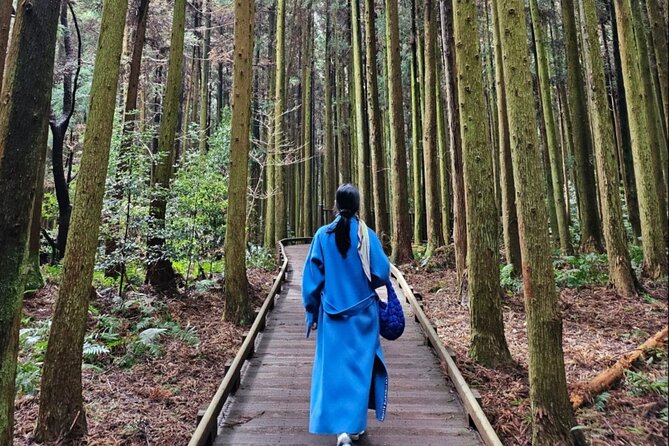
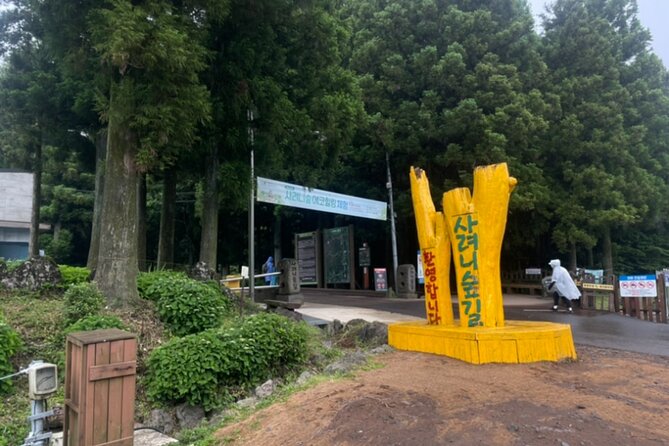
The eastern route is the most rounded introduction to Jeju. It starts at Saryeoni Forest Path, where you get about 50 minutes among protected woodland and easy outdoor scenery. This is not a demanding mountain hike. It is a chance to stretch your legs in a cool, quiet setting before the day moves toward the coast.
Saryeoni works well for people who want a little walking without committing to a serious climb. You will want comfortable shoes, since the appeal is the path itself rather than a quick photo from a roadside viewpoint.
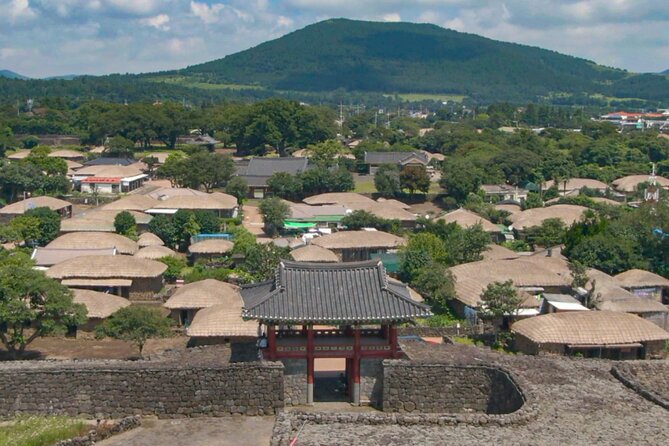
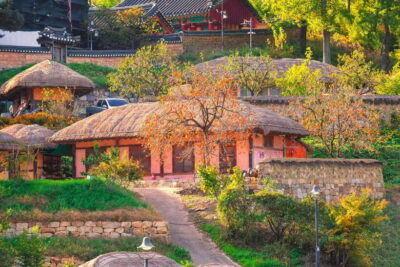
Next comes Seongeup Folk Village, a compact look at old Jeju homes and rural life. The village is especially recognizable for its black stone walls and heavy stone piles used to shield roofs from the island’s strong winds. The stop lasts about 50 minutes and adds cultural context that the coastal viewpoints cannot provide.
I would pay attention here to the construction details rather than simply photographing the buildings. Jeju’s stonework reflects the island’s volcanic ground and rough weather. This is also one of the better stops for understanding how people adapted to local conditions.
Seopjikoji takes you to the eastern shore for about 40 minutes. The headland is known for open sea views and canola flowers, with April often offering the most colorful display. The stop is short, so expect a scenic walk and photographs rather than a long coastal ramble.
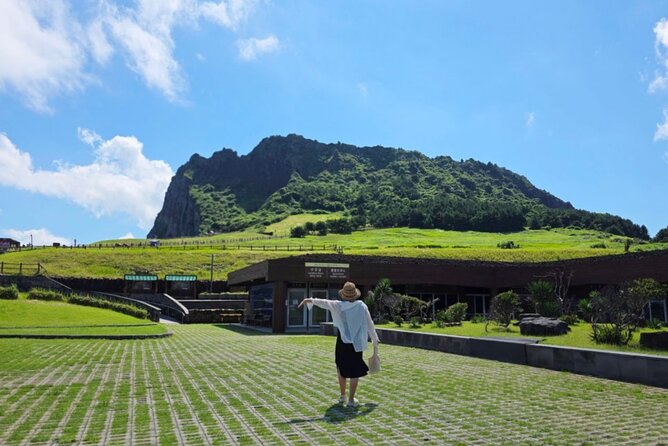
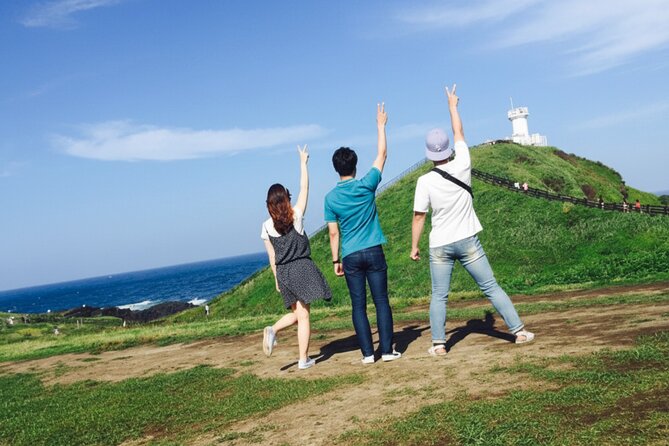
The day’s main event is Seongsan Ilchulbong, or Sunrise Peak. The schedule allows about 1 hour and 20 minutes, but the visit is for photographs and the women divers’ performance, not for hiking up the peak. The show is usually held at 2 p.m., and admission to the performance is not included. The listed cost is KRW 5,000 per person.
This is a key point to understand before booking. If you picture yourself climbing the volcanic crater, this tour does not provide that experience. Instead, you see the famous formation from the visitor area and watch the women divers perform without modern gear, a tradition closely tied to Jeju’s coastal culture. If sea conditions or weather cancel the show, the program may shift to the Haenyeo Museum.
The final listed stop is Hamdeok Beach, with about an hour to enjoy one of Jeju’s best-known sandy shores. On rainy days, this may be replaced by the Haenyeo Museum. Other notes also mention Jeju Stone Park as a possible weather replacement, so the exact backup can depend on conditions.
This eastern day suits you if you want the best balance of culture, scenery, and a distinctive local tradition. It is less suitable if your main goal is hiking Seongsan Ilchulbong or spending a lazy afternoon at the beach.
Western Jeju: black cliffs, flowers, temples, and tea
The western route begins around Mt. Halla at the Eoseungsaengak Trail. You get roughly an hour to walk in the mountain area, with free admission. The trail gives you a taste of Jeju’s central highlands without requiring the much longer commitment of a full Mt. Halla ascent.
From April 11, 2026, this stop is scheduled to change to the 1100 Altitude Wetlands. The change may appeal to you if you prefer wetland scenery and high-altitude plant life, but it also means the route is not fixed for all future departures.
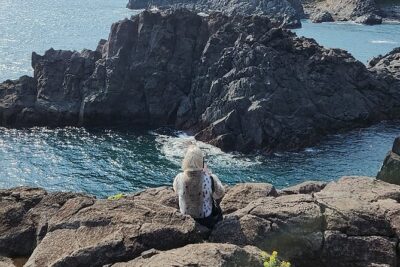
Jusangjeolli Cliff follows, with about 40 minutes at the coast. Here, dark hexagonal stone pillars line the shore, shaped by old volcanic activity and erosion. The formations resemble a huge folding screen, and the viewpoint is designed for a quick but memorable look at Jeju’s geology.
This is one of the places where the tour format works well. You do not need to organize transport to a remote coastal viewpoint, and the stop is long enough for photographs without consuming half a day.
Winter may add a tangerine-picking option. It costs KRW 5,000 per person on site and is not available year-round. Since the timing and availability depend on the season, treat it as a bonus rather than a central part of the booking.
Camellia Hill gives the western route its softer side. The botanical garden has more than 500 camellia species, with red blooms in winter, hydrangeas in summer, and golden reeds in autumn. You have about 1 hour and 10 minutes here, enough for a relaxed walk through planted gardens and seasonal displays.
The garden is particularly useful if you are visiting during a flower season. Jeju’s appearance shifts sharply through the year: cherry blossoms and yellow canola flowers arrive at different times, while pink muhly, silver grass, hydrangeas, and camellias create very different scenes. Do not book this route expecting one fixed floral display.
Bomunsa Temple near Sanbangsan offers a quieter pause. The stop lasts about 40 minutes and includes ocean views, a cliffside setting, and historic Buddha carvings. It is free to enter and provides a spiritual and architectural counterpoint to the cliffs and gardens.
From April 11, 2026, this part of the route is scheduled to follow the Sinchang Windmill Coastal Road instead. That is a major change for anyone choosing the western day after that date. Check the current route if Bomunsa Temple is one of your priorities.
The western day finishes at O’sulloc Tea Museum, where you can walk among green tea rows, learn about tea, and look at the museum displays. Tea tastings, desserts, and drinks are available, but personal purchases are not included. The stop lasts around 50 minutes.
The tea fields are a pleasant place to slow down, though the museum and shop can feel more commercial than the folk village or mountain trail. From April 11, 2026, this stop is scheduled to change to Aewol Café Street, a hop-on hop-off stop. Again, confirm the version of the route offered on your date.
South and western Jeju: market food, waterfalls, and easy countryside walks
The south and western route begins with another visit to the Eoseungsaengak Trail, allowing about 1 hour and 15 minutes. Weather may switch this to the 1100 Wetland, Eorimok, or Saebyeol Oreum. That flexibility is practical on Jeju, where wind, rain, and mountain conditions can affect access.
O’sulloc Tea Museum follows for about 50 minutes. If you choose this route, you get a second chance to see the tea fields and taste tea-based products. The stop is more about scenery and a short cultural visit than a long guided lesson.
Seogwipo Maeil Olle Market is the lunch stop. You have about an hour to choose your own meal and browse for souvenirs. This is a strong feature for independent eaters because lunch is not preselected in a fixed restaurant. It also lets you see a working local market rather than spending every meal in a tour group dining room.
Keep your expectations practical. One hour is enough for a meal and quick browsing, not for a slow, detailed market visit. Personal food and drink costs are extra.
Jeongbang Waterfall is one of the route’s most striking natural stops. It is known for dropping directly into the sea, a rare sight that gives the visit a very different feel from an inland waterfall. The scheduled stop lasts around 40 minutes, and admission is included.
If bad weather restricts access, the backup is Cheonjiyeon Waterfall. That still gives you a waterfall visit, but it is not the same coastal setting, so weather can change the character of this part of the day.
Hueree Natural Life Park finishes the route with about 1 hour and 10 minutes of easy walking. The park features seasonal flowers, quiet paths, and rural scenery. You can end the tour here, which may be useful if this location is closer to your accommodation or if you have had enough sightseeing for the day.
This route is a good fit if you want a less strenuous day with food, flowers, water, and countryside. It has fewer major geological icons than the eastern route, but the market makes it feel more flexible and local.
Same country, a completely different kind of day:
- Jeju: Western and Southern Sightseeing Day Tour
★ 4.8 · 972 reviews - South-West Jeju Essentials: Hallasan & Signature Highlights
★ 5.0 · 620 reviews - Jeju Island English Private & Flexible Tour any number anywhere
★ 5.0 · 561 reviews - East Jeju: Day Tour with Seongsan Peak & Haenyeo Performance
★ 4.9 · 478 reviews
What the schedule changes mean for your plans
Jeju weather is not a minor detail. The program may replace Hamdeok Beach with the Haenyeo Museum, switch the Seongsan performance if sea conditions are poor, and replace Jeongbang Waterfall with Cheonjiyeon Waterfall when access is restricted.
The mountain stops are also flexible. Eoseungsaengak can become the 1100 Altitude Wetlands, Eorimok, or Saebyeol Oreum. These changes protect the day from a total washout, but they mean you should think of the tour as a route theme rather than a guaranteed checklist.
Flower seasons bring another layer of change. Canola and cherry blossoms, hydrangeas, camellias, pink muhly, and silver grass appear at different times. If a particular flower matters to you, ask about current conditions before booking rather than relying only on a seasonal label.
The guide, vehicle, and group experience
Transport is one of the clearest reasons to consider this tour. Jeju’s sights are spread across the island, and an air-conditioned vehicle saves you from piecing together buses or paying separate taxi fares. Fuel and parking are covered, and airport drop-off is available.
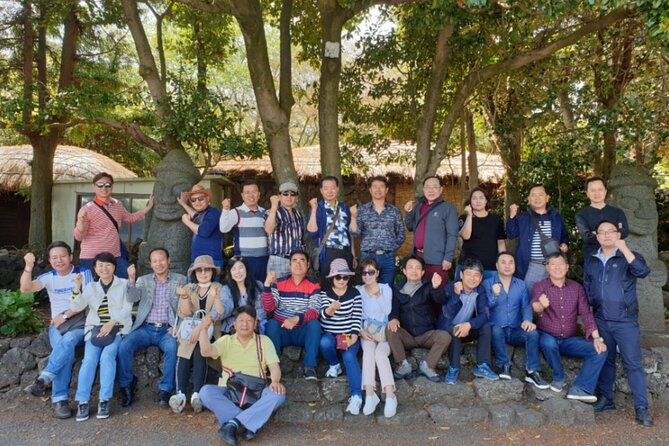
The experience can feel personal with a small group. Up to four people may travel with a regular taxi driver who has advanced English skills. For groups of five to ten, a professional English guide is offered according to the supplied booking information. Larger departures can reach 40 people.
That range creates two very different experiences. With a small group, you may get a friendly driver who shares local knowledge and waits while you explore. With a formal guide, you are more likely to receive structured explanations. One account specifically expected a professional guide but received a driver instead, even though the driver spoke English well and was patient.
Named staff include Lucas, Andy, Terry, Mr. Kim, and Mr. Lee. Lucas is noted for explaining Korean and Jeju history, while Andy is described as thoughtful and attentive. Your actual guide may be different, so regard these names as examples of the people connected with the service, not a promise.
Who will get the best value from $56?
I think the price is strongest for solo visitors, couples, and small groups who want transport across distant parts of Jeju. A single day of private taxi touring can cost much more, while public transport may limit how many remote sights you can combine.
The value is also good for short stays. You can cover eastern, western, and southern highlights without spending your holiday solving transport problems. The airport drop-off is an extra practical touch if your departure timing matches the tour schedule.
The price is less attractive if you want long walks, independent meals, or plenty of time at each sight. Stops usually last between 40 minutes and 1 hour 20 minutes, so you will often be taking photographs, walking a short route, and moving on.
Bring comfortable shoes, water, and some Korean won for lunch, drinks, the Seongsan performance, and winter tangerine picking. Tips are recommended but not compulsory.
Should you book the Jeju UNESCO Heritage Bus Tour?
Book it if you want a broad first look at Jeju and value door-to-door transport over a slow, independent pace. The eastern route is my first pick because it combines Saryeoni Forest, Seongeup Folk Village, Seopjikoji, Seongsan, and Hamdeok in one well-rounded day.
Choose the western route for cliffs, flower gardens, mountain scenery, and tea fields. Choose the south and western route for the market, waterfalls, and gentler countryside stops.
Skip it if hiking Seongsan Ilchulbong is essential, since this visit does not include the climb. Also check the guide arrangement and post-April 11, 2026 route changes carefully. With a 4.9 rating from 54 ratings and a 98 percent recommendation rate, the service has a strong record, but the best match depends on your tolerance for a full schedule and changing weather plans.
Free cancellation is available until 24 hours before the start time. The tour requires at least three people and may be canceled or moved if that minimum is not met or if weather makes the route unsafe.
FAQ
How long does the Jeju UNESCO Heritage Bus Tour last?
The experience is arranged across three days, with each route taking approximately a full touring day. Individual stops usually last between 40 minutes and 1 hour 20 minutes.
Is hiking Seongsan Ilchulbong included?
No. The Seongsan Ilchulbong stop is for photographs and the women divers’ performance. Hiking is not included.
How much does the women divers’ performance cost?
The performance costs KRW 5,000 per person and is not included in the tour price. It is usually scheduled for 2 p.m., but weather and sea conditions can affect it.
Are meals included?
No. Lunch, drinks, and personal expenses are not included. The south and western route includes time at Seogwipo Maeil Olle Market so you can choose and purchase your own meal.
Can I pick tangerines during the tour?
Tangerine picking is an optional winter-season activity. It costs KRW 5,000 per person, paid on site, and is subject to seasonal availability.
What happens if the weather is poor?
Stops may change. Hamdeok Beach can be replaced by the Haenyeo Museum, Jeongbang Waterfall can become Cheonjiyeon Waterfall, and mountain stops can change to the 1100 Wetland, Eorimok, or Saebyeol Oreum. If the whole experience is canceled because of poor weather, you can request another date or a full refund.
More Historical Tours in Jeju
- Private Full Day Tour World Natural Heritage & UNESCO in jeju
★ 5.0 · 9 reviews - Jeju Day Tour – World Heritage & UNESCO
★ 5.0 · 4 reviews - From Busan: Gyeongju UNESCO World Heritage Guided Day Tour
★ 4.8 · 1,250 reviews - Gyeongju UNESCO World Heritage Guided Day Tour from Busan
★ 5.0 · 660 reviews
Just added around Jeju
- Jeju island: Van tour with a guide who the most loves JEJU★ 5.0 · 7 reviews
- Jeju Unesco Eest course Package Private Van Guided Tour★ 5.0 · 17 reviews
- Full Day Jeju Private Customizable highlight Tour★ 5.0 · 5 reviews
- Full-day Customizable Private Jeju Island Tour★ 5.0 · 8 reviews
- Full Day Essential Jeju Island Private tour for West Course★ 5.0 · 15 reviews
- Jeju Private Tour Package-South of Jeju(Mt.Hallasan & Waterfalls)★ 5.0 · 5 reviews
- Customized private tour in Jeju island★ 5.0 · 19 reviews
- jeju island Jumbo taxi Private tour with Mr.Hong East of jeju★ 5.0 · 19 reviews
UNESCO World Heritage Tours, compared.
Gyeongju UNESCO World Heritage Guided Day Tour
Read our review →
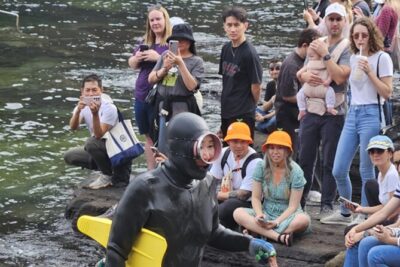
East Jeju Essentials – Seongsan Ilchulbong (UNESCO) & Haenyeo
Read our review →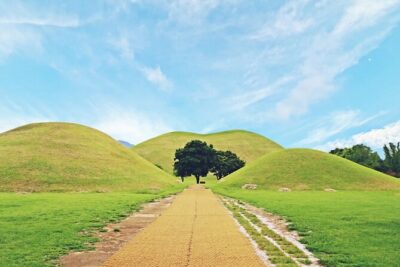
Gyeongju UNESCO World Heritage Guided Day Tour from Busan
Read our review →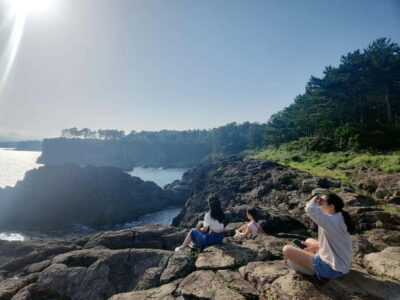
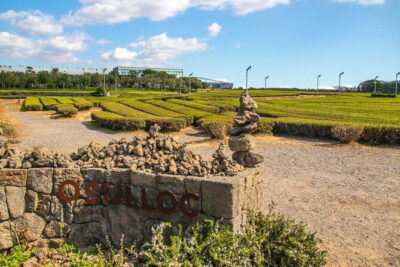
Jeju Southern UNESCO Full Day Tour with Mt.Halla
Read our review →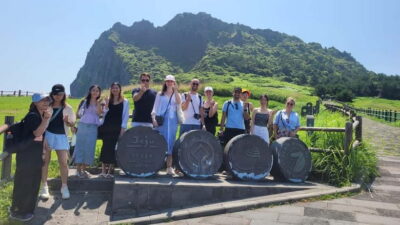
Jeju island Southern UNESCO Day Tour With Hallasan MT
Read our review →Browse the lists this tour appears in