
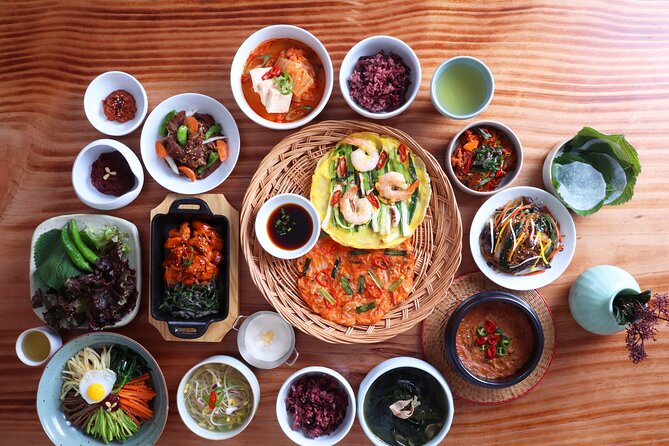
Reviewed · COOKING CLASSES
Master Korean traditional cooking with a Kimchi chef
Seoul’s Gyeongdong Market is the real opening act here. You walk through its enormous food and traditional medicine stalls with your chef, choose ingredients, then carry that market knowledge into a Korean-style home kitchen. It feels more connected to daily life than a class held in a sealed studio.
I like the hands-on format, where you prepare portions of the whole menu rather than simply watch a demonstration. I also like the small group, usually limited to seven, which gives the instructor time to help beginners. The main catch is that the menu changes by day, so you need to choose your date carefully if kimchi or bibimbap is your priority.
Key points to know before booking
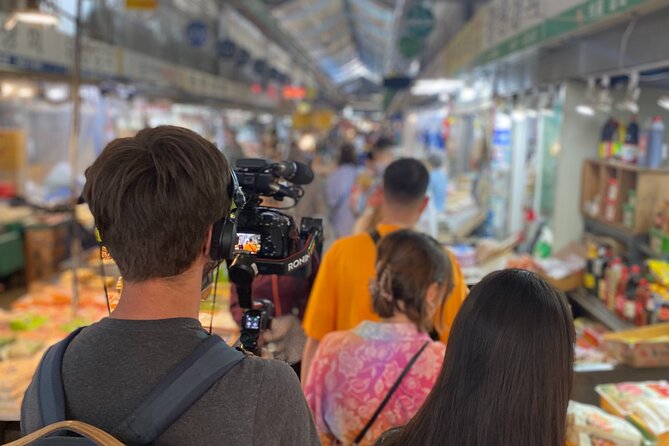
- Market first, cooking second: The class begins with a walk through Gyeongdong Market to select ingredients and learn how they fit into Korean cooking.
- A different menu each day: Thursday is kimchi day, Monday is samgyetang, Friday is bibimbap, and Tuesday and Saturday focus on bulgogi, japchae, and doenjang jjigae.
- Small, social classes: The advertised group size is limited to seven people, creating a more personal setting than a large demonstration class.
- You do the cooking: You prepare the dishes yourself with step-by-step help from the chef.
- A local neighborhood setting: The class takes place in a Korean-style house near the market, not at a major sightseeing site.
- Good dietary flexibility: Vegan and halal options are available when arranged for the class.
Why the market walk makes this class different
Many cooking classes begin with ingredients already measured and lined up. This one begins at Jegi-dong Station and leads you into Gyeongdong Market, one of Seoul’s major food and traditional medicine markets. That change in order matters. Before you cook, you see the raw materials in their everyday setting.
Your guide introduces ingredients as you move through the market, explaining the foods and seasonings used in Korean kitchens. You might encounter vegetables, spices, herbs, medicinal products, and prepared snacks. Traditional Korean doughnuts have also been sampled along the way during some classes, adding a small treat to the walk.
The market can feel huge and busy, and that is part of its appeal. It is not arranged mainly for sightseeing. You are moving through a working local market where food and medicine are sold side by side. Some people may find the scale a little overwhelming, especially early in the morning, but the guide gives the walk a clear purpose: find the ingredients for the meal and understand how Korean flavors begin.
I especially like this part for first-time visitors to Korea. A market walk gives context that a recipe card cannot. You see the vegetables, fermented foods, seasonings, and unfamiliar ingredients before they appear in your bowl. The cooking later feels less like following instructions and more like understanding a food tradition.
A few more Seoul trips to weigh up
- Local Home Korean Cooking Class & Market Adventure in Seoul
★ 5.0 · 1,024 reviews - Seoul: Korean Cooking Class at a Local Home and Market Tour
★ 5.0 · 348 reviews - Seoul: Korean Cooking at Seoul Cooking Club!
★ 5.0 · 311 reviews
Meeting at Jegi-dong Station at 10am
The meeting point is Jegi-dong Station, at Exit 2, near the Seoul Oriental Medicine Market. The experience starts at 10am, and you should arrive a little early. Subway station entrances in Seoul can be busy, and a few minutes spent checking the exit number is better than starting the class in a panic.
The tour ends back at the same meeting point. Subway pickup and drop-off are not included, so you are responsible for reaching Jegi-dong Station and paying for your own transport. The location is near public transportation, which makes the start and finish practical for a morning activity.
One useful warning comes from the meeting arrangement: at least one participant must book, and the activity is subject to availability. Confirmation is sent within 48 hours of booking. Since the experience is often booked well in advance, around 48 days on average, it is sensible to reserve early if you need a specific cooking day.
The group is described as limited to seven people, while the booking information also lists a maximum of 10 people per booking. For the most personal experience, expect the smaller advertised class size, but check the final confirmation if your party is large.
Choosing the right menu day
The day you select determines what you cook. This is not one fixed Korean menu offered every morning. That variety is useful if you plan ahead, but it can also cause disappointment if you book the class title without checking the schedule.
Here is the weekly menu:
- Monday: Samgyetang, a traditional chicken and ginseng soup
- Tuesday and Saturday: Bulgogi, japchae, and doenjang jjigae
- Thursday: Kimchi
- Friday: Bibimbap
- Sunday: A selection of Korean desserts
The experience is described as including three different menu items, though Sunday is focused on desserts and the precise dishes can vary. The included food is served as lunch, dinner, or dessert depending on the selected class and time. Morning tea is included on all tours.
If you want the broadest introduction to Korean home cooking, Tuesday or Saturday offers a strong mix. Bulgogi gives you a familiar grilled meat dish, japchae introduces glass noodles, and doenjang jjigae shows how fermented soybean paste works in a soup. If your interest is specifically in fermentation and Korean pantry staples, Thursday is the clear choice.
Friday’s bibimbap class is a good fit if you want a dish that is easy to understand and recreate. The ingredients are arranged, seasoned, and combined, so you can see how separate vegetables and sauces become one meal. Sunday’s dessert class is better for anyone who wants a less savory introduction to Korean food.
Because the menu changes, check the date before paying. This is the single most important booking detail.
Cooking in a Korean-style home
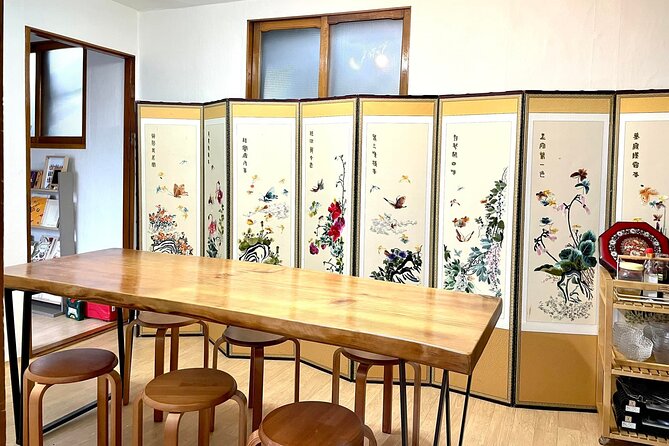
After the market, the guide leads the group through a nearby neighborhood to a Korean-style house. The setting gives the class a sense of place. You are not only learning recipes, but also stepping into a domestic style of Korean space.
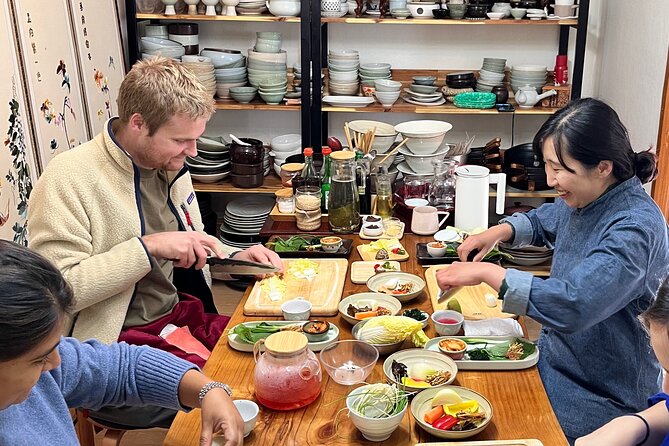
The instructor sets up the kitchen and explains the recipes for the day. This is a practical class rather than a demonstration where you sit and watch. You prepare small portions of each dish, work through the steps, and receive help as you go.
That format is especially friendly to beginners. You do not need to arrive as a confident cook. Chef Minseon is named in several bookings and is praised for clear explanations, patience, and steady help, though the assigned chef can depend on the date. English-speaking instruction is available, and the cooking pace is designed to give each person a turn.
The class is organized so you can focus on the food rather than worry about managing every preparation detail alone. Some ingredients may be prepared in advance at the cooking space, allowing you to spend your time learning techniques and assembling the meal. At the same time, the market walk shows you where those ingredients come from.
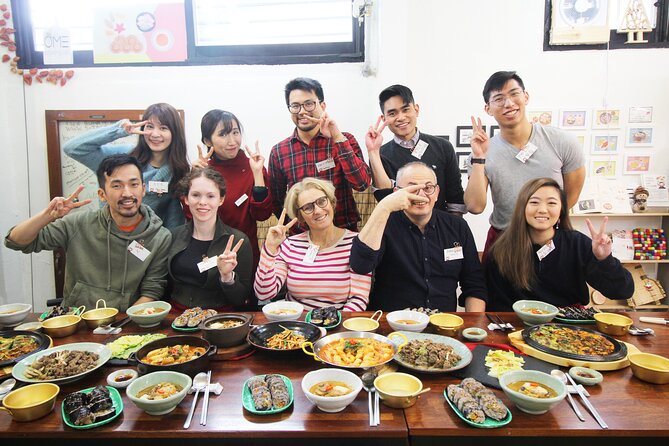
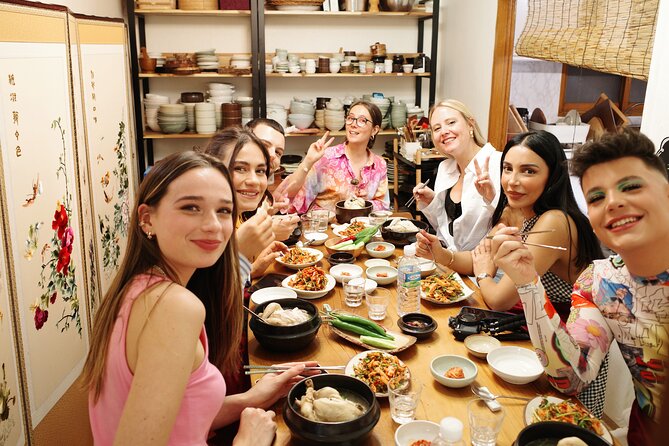
Expect a social atmosphere. The guide introduces the participants, and the small group has time to talk while cooking and eating. That can be a real benefit for solo visitors, couples, and families who want a shared activity instead of another sightseeing stop.
Same country, a completely different kind of day:
- Best DMZ Tour Korea from Seoul (Red Suspension Bridge Optional)
★ 5.0 · 41,422 reviews - DMZ Tour: 3rd Tunnel, Option(Suspension Bridge, Boat) from Seoul
★ 5.0 · 21,373 reviews - DMZ tour south Korea from Seoul (NK experience hall, defector)
★ 5.0 · 20,599 reviews - Seoul: DMZ Tour with Optional Suspension Bridge
★ 4.8 · 5,277 reviews
What you actually learn in the kitchen
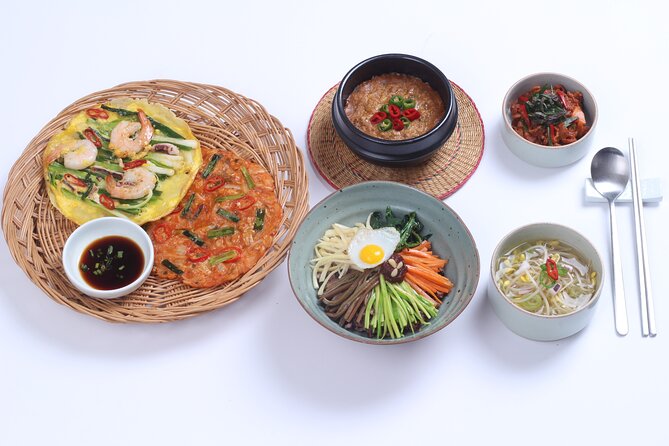
The value here comes from understanding how Korean food is built. The class covers more than a finished plate. You learn about ingredients, seasonings, preparation, and the balance between different dishes in a Korean meal.
The exact skills depend on your date. Kimchi day focuses on seasoning and preparation for fermentation. A bulgogi class shows how meat is flavored, while japchae gives you a different texture and method. Doenjang jjigae introduces the savory depth of fermented soybean paste.
The class can also help you understand Korean sauces and pantry terms. One session included explanations of jjang and kimchi, and the food market walk adds useful context about Korean ingredients. Bibimbap is particularly visual, since you prepare several components before bringing them together.
You eat what you make once the cooking is complete. The meal is not an afterthought. Sitting down together allows the chef to discuss the dishes, compare flavors, and answer questions that come up after tasting. Some participants have also received a recipe book or cookbook to use at home, but treat that as a possible extra rather than a guaranteed inclusion.
The recipes are intended to be manageable at home. That is important. A cooking class can be fun in Seoul but useless later if it depends on restaurant equipment or ingredients you cannot find. Here, the focus is on traditional dishes and methods that participants can try again after returning home. You may still need to visit an Asian grocery store for certain ingredients, especially for kimchi or fermented sauces.
Price and value at $85
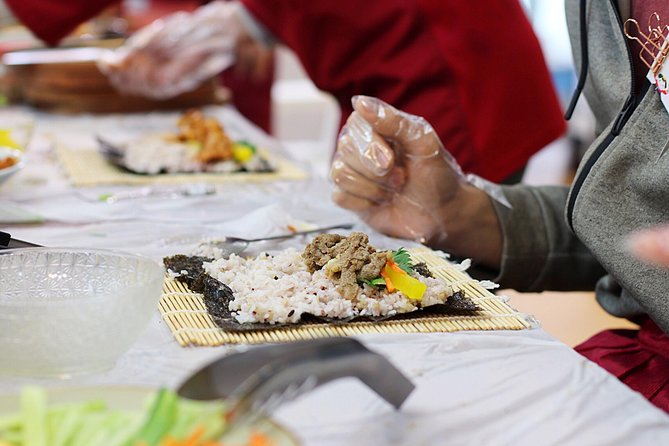
At $85 per person, this is not the cheapest meal in Seoul. It is also not simply a lunch. The price covers roughly three and a half hours, a guided market visit, an instructor, the cooking class, the food you prepare, and morning tea.
The strongest value comes from the combination of activities. A market walk by itself might be interesting but brief. A cooking class without the market would miss the ingredient context. Put together, they create a fuller lesson in Korean food culture.
The small group also matters. With as many as seven people in the advertised format, the chef can watch your technique and answer questions. That is more useful than a large class where you only copy the person at the front.
I would consider the price fair for someone who wants a structured cultural activity and a substantial meal. It is less compelling if you only want to taste Korean food or if you already know the cuisine well. You are paying for instruction, access to a local market, and the time spent preparing the meal, not just for the food itself.
The class can also replace several separate activities in your schedule. You get a neighborhood walk, market visit, cultural explanation, and meal in one morning. If you value active sightseeing, the cost makes more sense.
Dietary needs, ages, and group fit
Vegan and halal options are available, which makes this class more flexible than many traditional cooking experiences. You should provide those details when booking so the kitchen can plan properly.
Participants over 14 are charged the adult price. Up to one child per class may participate, but children under six are not permitted for safety reasons. This means the experience can work for a family with an older child, but it is not designed as a young-child activity.
The class is also listed as a private activity for your group, while the main description emphasizes a small-group format. The practical point is that you should expect a limited, personal class rather than a large public tour. If you are booking for a couple or a small family, ask how the group arrangement will apply to your date.
This activity suits people who enjoy doing rather than just seeing. It is a good choice for solo visitors who like meeting people, couples looking for a shared morning, and anyone who regularly takes cooking classes on trips. It is less suitable if standing, walking through a large market, or working in a kitchen would be difficult for you.
The main drawbacks to keep in mind
The menu schedule is the biggest limitation. You cannot assume a class called a Korean cooking experience will include kimchi. Kimchi is specifically associated with Thursday, while Monday, Tuesday, Friday, Saturday, and Sunday offer different food.
The market walk may also be more intense than a polished food tour. Gyeongdong Market is large, and the class takes place in a local neighborhood rather than beside Seoul’s major palaces or shopping streets. That is exactly why it feels local, but it may not suit someone seeking a central sightseeing route.
The experience lasts about three and a half hours, so it takes a meaningful part of your day. The upside is that the class never feels like a rushed tasting. The downside is that you need to plan around the 10am start and return to the station around lunchtime or later, depending on the menu and pace.
Finally, confirmation is subject to availability. Free cancellation is available up to 24 hours before the start time for a full refund. Changes or cancellations within 24 hours are not accepted for a refund, and if the minimum number is not met, you are offered another date, another experience, or a full refund.
Who should book this Seoul cooking class
Book it if you want to connect food with place. The market walk gives you a look at a part of Seoul that many sightseeing routes skip, and the class turns those market ingredients into a meal you can understand.
Book it if you are a nervous cook. The instructors, particularly Chef Minseon when she leads the class, are described as patient and encouraging. The hands-on format lets you learn by doing without requiring professional skills.
Book it if you want to take home more than photographs. The dishes are traditional, the recipes are designed to be repeatable, and some sessions provide a cookbook or recipe material.
Think twice if you want a fixed menu. First choose the dish you care about, then choose the matching day. For kimchi, book Thursday. For bibimbap, choose Friday. For the three-dish savory menu of bulgogi, japchae, and doenjang jjigae, choose Tuesday or Saturday.
Should you book it?
Yes, if Korean food is part of the reason you are visiting Seoul and you want an active, local morning. The market, small class, Korean-style home, and shared meal make this more personal than a standard restaurant stop.
The $85 price is justified by the length, ingredients, instruction, and market visit, especially if you would otherwise pay separately for a food tour and lunch. Just confirm the menu day, arrive early at Jegi-dong Station Exit 2, and tell the provider about vegan or halal needs when booking.
FAQ
Where does the Korean cooking experience begin?
It begins at Jegi-dong Station, Exit 2, in the area of Seoul’s Oriental Medicine Market.
What time does the experience start?
The start time is 10am. You should arrive a little before then.
How long does the class last?
The experience lasts approximately three hours and 30 minutes.
Where does the cooking class take place?
After the market visit, the group goes to a Korean-style house in a nearby local neighborhood.
Which day includes kimchi making?
Thursday is the kimchi class.
Which day includes bibimbap?
Friday is reserved for bibimbap.
What do you cook on Tuesday or Saturday?
Those classes include bulgogi, japchae, and doenjang jjigae.
Is food included?
Yes. Lunch, dinner, or dessert is included depending on the selected class and time. Morning tea is included on all tours.
Are vegan and halal options available?
Yes, vegan and halal options are available.
What is the cancellation policy?
You can cancel up to 24 hours before the start time for a full refund. Cancellations or changes made less than 24 hours before the start time are not accepted for a refund.
Just added around Seoul
- Gyeongbokgung palace,seoul with gigibebe hanbok rental★ 4.5 · 12 reviews
- Private tour guide service in Seoul, Korea★ 5.0 · 6 reviews
- Alpaca, Nami, Petite Fr, Italian Village, Garden of Morning Calm★ 3.5 · 5 reviews
- Gyeongju UNESCO Sites Tour by KTX train; The Museum Without walls★ 4.5 · 11 reviews
- Private day trip to Korean Folk Village & Dae Jang Geum Park★ 5.0 · 7 reviews
- Private tour Lotte World,Tower,Aquarium(All Tickets are included)★ 5.0 · 12 reviews
- Seoul Private Custom Walking Tour with A Guide (Private Tour)★ 4.5 · 28 reviews
- Private day tour Korea(Seoul trip) with Professional Photographer★ 5.0 · 6 reviews
Cooking Classes, compared.
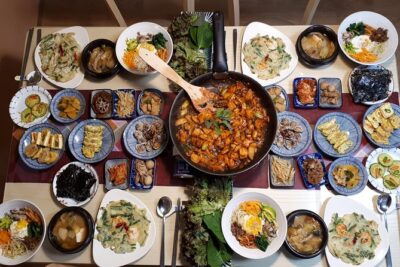
Local Home Korean Cooking Class & Market Adventure in Seoul
Read our review →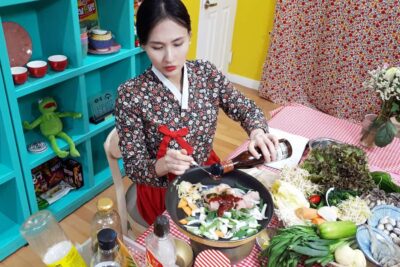
Korean Cooking Class at a Local Home and Market Tour
Read our review →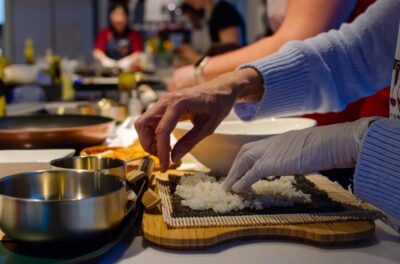
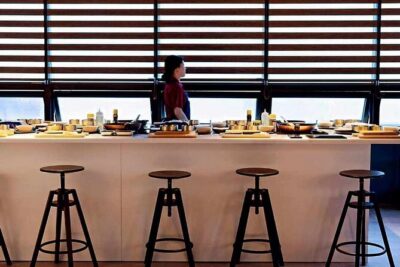
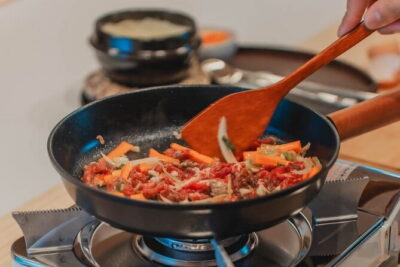
Korean Cooking Class with Grocery Shopping at Seoul Local Market
Read our review →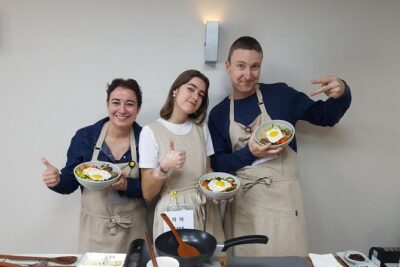
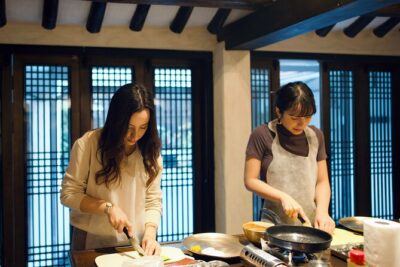
Royal Seoul Cooking Class in a 100-Year-Old Hanok
Read our review →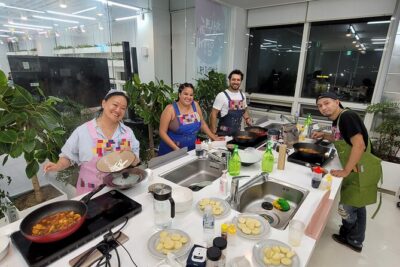
Busan Tailored Korean cooking class (Vegan OK)with market tour
Read our review →Browse the lists this tour appears in