
Reviewed · FOOD & DRINK
Soju Tasting at Distillery – story of 3 pigs
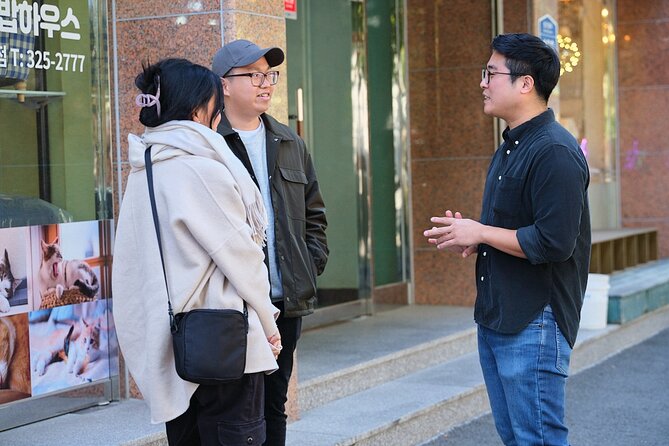
The most surprising part of this Seoul experience is discovering that the familiar green bottle is only one small corner of Korean drinking culture. Inside a distillery not open to the public, Sam LEE explains the difference between industrial soju and traditional spirit, then pours at least seven Korean alcohols, including high-proof bottles made by a master distiller.
I like two things right away: the tasting takes place in a working distillery, not a polished bar, and the story reaches back to Joseon-era Samhae soju. I also like the relaxed, social format. Sam is funny, patient, and happy to answer questions, while the group size stays small enough for real conversation.
The main caution is the alcohol itself. Premium soju here reaches 45% ABV or more, and seven tastes can catch up with you. Eat before arriving, pace yourself, and remember that the session lasts about 90 minutes, which some people may find a little short.
Key points to know before booking
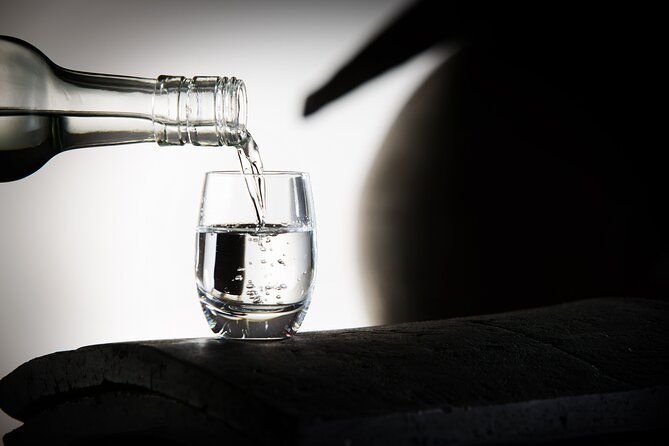
- Seven or more pours: Taste several kinds of soju, along with other Korean alcohols such as takju and cheongju.
- A real distillery setting: You enter a production space that is not open to the public and may see fermentation in progress.
- Joseon-era tradition: Learn why Samhae soju was once associated with the noble class and why rice shortages stopped its production.
- Strong spirits: The premium soju is at least 45% ABV, far stronger than standard green-bottle soju.
- Small-group conversation: The stated maximum is 10 people, making it easier to ask questions and speak with Sam.
- Mapo-gu location: Meet at Samhae Soju on World Cup buk-ro, near public transportation, and finish at the same place.
Why this is not a standard green-bottle soju tasting
Many people arrive in Seoul already familiar with soju. They may have seen the small green bottles in Korean restaurants or bought flavored versions at a local shop. This experience gives you a useful correction: the common commercial drink is generally diluted ethanol with artificial sweetener, while traditional soju is a distilled spirit with far more character and strength.
That difference matters. The industrial bottle is designed for easy drinking, group meals, and low cost. Traditional soju is made in smaller quantities and can show more aroma, texture, and warmth. It also demands more care because of its higher alcohol level.
Sam begins with the wider Korean drinking family. Takju is unfiltered rice wine. Cheongju is clear, filtered rice wine. Soju is distilled. You get a better sense of how these styles relate to one another, rather than treating every Korean alcohol as simply another kind of soju.
This is the sort of explanation that makes the tasting useful even if you are not already a soju fan. You can compare the drinks with a basic framework in mind: cloudy or clear, fermented or distilled, mild or powerful, sweet or dry.
A few more Seoul trips to weigh up
- Seoul Street Food Market Tour
★ 5.0 · 1,226 reviews - Seoul: Night Market Food Tour with Local Guide
★ 4.9 · 943 reviews - Downtown Seoul Guided Food & Market Tour with 8+ Local Tastings
★ 5.0 · 580 reviews
Inside the distillery on World Cup buk-ro
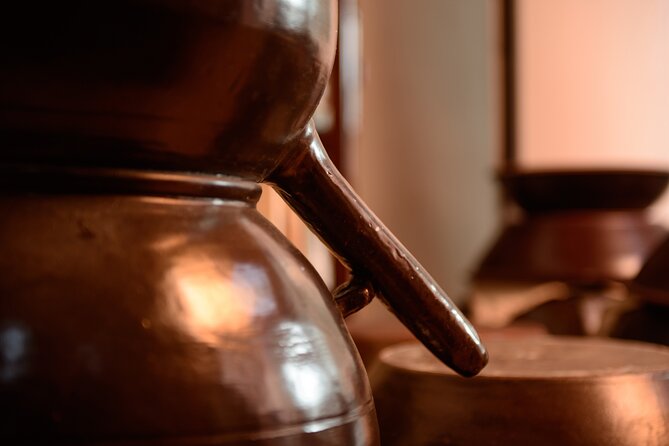
You meet at Samhae Soju, at World Cup buk-ro 109, basement level one, in Seoul’s Mapo-gu district. The location is near public transportation, and the activity ends at the same address. Since the venue is an active distillery rather than a public museum, you should focus on the experience itself rather than expect a large visitor center or a formal exhibition.
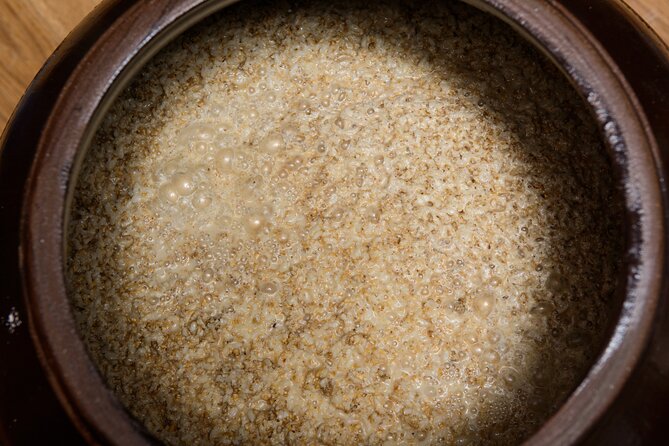
The production setting is part of the appeal. You may see fermentation in progress and get a sense of the work behind the bottle. That brings the subject down to earth. Instead of hearing only polished tasting notes, you see that Korean alcohol begins with rice, time, and careful handling.
The surroundings may feel more practical than stylish. One review noted that the company could improve its marketing and appearance. I consider that a fair trade for a more direct look at production, but it is worth knowing if you want a sleek cocktail-lounge setting with designer presentation.
The meeting point is especially convenient for a short evening activity. You do not need to spend half a day getting outside Seoul, and you can pair the tasting with a meal elsewhere in Mapo-gu. Since the drinks are strong, plan your route before the first pour rather than trying to make complicated transport decisions afterward.
The story of Samhae soju and the three pigs
The experience centers on Samhae soju, described as a prized spirit among the noble class during the Joseon dynasty, which lasted from 1392 to 1894. Its old recipe required a great deal of rice, so production stopped during periods of famine. That detail explains why this kind of spirit was luxurious: it used an important food crop in large amounts.
The recipe survived through a family tradition. Current master Hyeonjong Kim studied and practiced for more than 10 years under master Taeksang Kim, who had inherited the method within his family. Taeksang Kim died in 2021, giving the tasting a sense of continuity as well as loss.
The title, story of 3 pigs, is tied to the Samhae Soju experience, though the available tour details do not explain the full meaning of the three pigs. You can ask Sam about it during the session. That is one benefit of a small tasting led by a person connected to the distillery: the program leaves room for questions that a fixed audio guide could not handle.
Do not expect a long academic lecture. The experience is built around stories, conversation, and drinking. You get enough historical context to understand why the spirit matters, then return to the glass in front of you.
How the 90-minute tasting unfolds
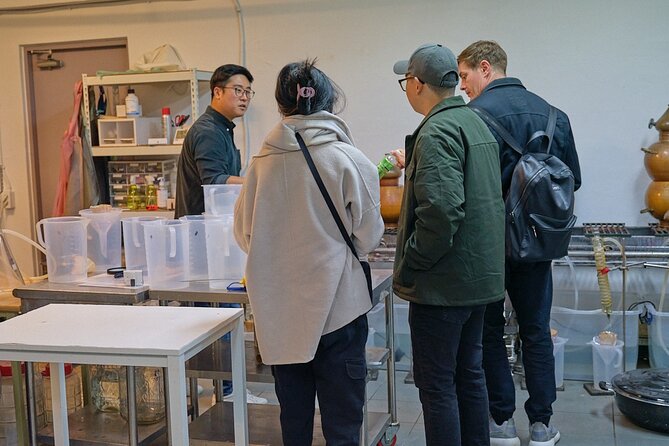
The exact order can vary, but the session combines an introduction to Korean alcohol, a look around the distillery, and a series of pours. The first part gives you the basic categories and the background of Samhae soju.
You then move into the making process. The available information includes a look at fermentation in progress, along with an explanation of how takju and cheongju fit into the path toward soju. This is useful because it shows that distillation is not the whole story. Fermentation and filtering come first.
The tasting includes at least seven different Korean alcohols made by a master distiller. Some are flavored with special aromas, and the selection covers different levels of strength and taste. You are not simply served seven identical shots. The point is to notice how ingredients, production methods, and alcohol levels alter the drink.
The group format keeps the mood informal. Sam answers questions carefully and explains the process in clear terms. He also shares Korean manners, cultural details, and practical suggestions for food and places to visit in Seoul. That extra advice can be valuable early in a trip, when you are still working out where to eat and how Korean drinking customs work.
By the final pour, you may feel the alcohol. One person described becoming a little tipsy, and another advised eating beforehand because there is a lot to taste. Take those warnings seriously. This is a tasting, but it is still a substantial amount of spirits in a short period.
Same country, a completely different kind of day:
- Best DMZ Tour Korea from Seoul (Red Suspension Bridge Optional)
★ 5.0 · 41,422 reviews - DMZ Tour: 3rd Tunnel, Option(Suspension Bridge, Boat) from Seoul
★ 5.0 · 21,373 reviews - DMZ tour south Korea from Seoul (NK experience hall, defector)
★ 5.0 · 20,599 reviews - Seoul: DMZ Tour with Optional Suspension Bridge
★ 4.8 · 5,277 reviews
What you will taste, from rice wine to 90-proof soju
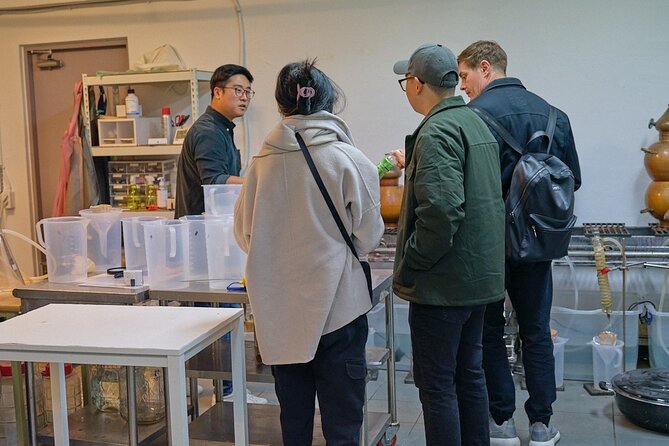
The tasting is strongest when you treat it as a comparison lesson. Takju gives you an unfiltered rice wine style. Cheongju shows the clear, filtered side of rice fermentation. Soju brings distillation and a sharper alcohol edge.
The traditional soju served here is 45% ABV or higher, equal to at least 90 proof. That is a major step up from the familiar green bottle. You may notice more heat, but high alcohol is not the only point. The tasting is designed to show different flavors and aromas, including versions with added special aromas.
You do not need specialist vocabulary. Pay attention to simple questions:
- Does the drink smell mainly of alcohol, rice, fruit, or another aroma?
- Does it feel clean, sweet, warm, dry, or heavy?
- Does the flavor fade quickly, or remain after you swallow?
- How does the stronger spirit compare with the more familiar commercial style?
Sam’s explanations help put those impressions into context. The session is not presented as a formal certification course, so you should not expect printed tasting sheets or technical scoring. It is better suited to curious drinkers who want to understand what they are tasting.
If you usually dislike soju, I would not rule this out. The industrial product and traditional distillery spirit can taste very different. If you already love green-bottle soju, you will gain a new point of comparison, though you may find the traditional versions much stronger than expected.
Sam LEE makes the difference
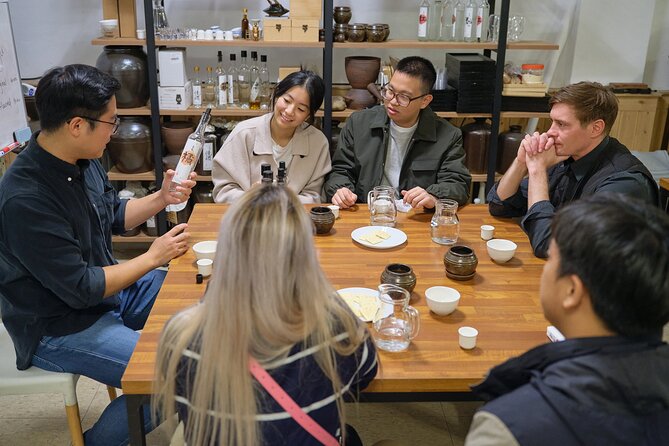
The host is a major part of the experience. Sam LEE guides the session with humor and patience, and the format allows the group to talk rather than simply listen. He explains the production process, answers questions, and adds Korean customs and food advice along the way.
That conversational approach suits this subject. Alcohol in Korea is tied to meals, manners, friendships, and social rhythm. Learning how to drink the spirit without learning anything about the culture around it would leave out half the story.
Sam also appears to be generous with practical Seoul suggestions. You may leave with restaurant recommendations and ideas for places to visit, which can be especially helpful if you book this early in your stay. I would bring a short list of questions about Korean drinking etiquette, food pairings, and the differences between home-style and commercial alcohol.
The social setting is usually a strength, but it is not guaranteed to work perfectly for everyone. Most people will enjoy sharing the table and comparing reactions. A solo participant could have a less satisfying time if the group is closed off or dominated by louder people. Sam can guide the conversation, but he cannot control every group dynamic.
Is $43.83 good value for 90 minutes?
At $43.83 per person, this is not the cheapest way to drink soju in Seoul. You can buy a green bottle for very little money. That comparison misses the point, though. You are paying for access to a private production space, a guided explanation, at least seven samples, historical context, and a chance to taste spirits that are not represented by the standard supermarket bottle.
The price makes the most sense if you value context. Seven pours alone might not justify the cost for someone who only wants a cheap night out. Add the distillery visit, the explanation of fermentation and distillation, and the chance to taste 45% ABV or stronger soju, and the fee becomes easier to defend.
The small group also matters. The stated maximum is 10 people, and the general format is described as accommodating up to 12. Since the booking information gives a maximum of 10, I would plan on a group of no more than that. A small table lets you ask questions and hear the host without the noise of a large tour.
Five or more bookings in the last month indicate steady interest, but the important point for you is fit. This is good value for a curious drinker, a couple, a small group of friends, or anyone who wants an alcohol-focused cultural activity. It is less attractive if you do not drink, dislike strong spirits, or prefer a long, formal distillery tour.
Practical tips for getting the most from the tasting
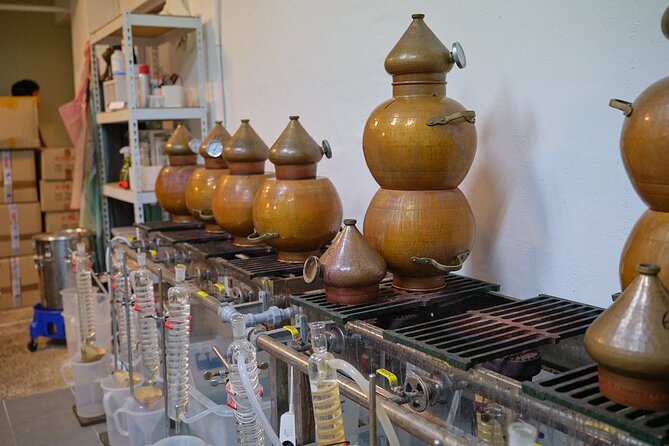
Eat before you arrive. This is the single clearest piece of practical advice. Seven or more samples of high-proof alcohol can affect you quickly, even if each pour is small.
Keep the rest of your evening light. The activity lasts about one hour and 30 minutes, but the effects may last longer. Since the session returns to the meeting point, you can arrange a simple meal nearby or head back to your accommodation afterward.
Ask questions early. If you want to know about the three pigs story, Joseon drinking customs, the family recipe, or the difference between the spirits, do not wait until the final pour. The conversation is part of the experience, and Sam is described as willing to answer questions in detail.
Use your phone carefully. The ticket is mobile, so keep the booking accessible before you enter the basement venue. Confirmation is provided at booking.
This experience requires good weather. If poor weather causes cancellation, you are offered another date or a full refund. Otherwise, the booking is non-refundable and cannot be changed for any reason, so choose your date carefully.
Who should book this Seoul experience?
I would recommend it to anyone who wants more than a quick taste of Korean drinking culture. It works particularly well for people interested in traditional food and drink, fermentation, local production, or the difference between a mass-market product and a small-batch spirit.
It also suits visitors who enjoy social activities. The mood is relaxed, and several accounts of the session describe it as feeling like an evening with friends. You should be comfortable talking with a small group and sharing a tasting table.
You do not need to arrive as a soju expert. In fact, beginners may get the most from the comparison between green-bottle soju and traditional high-proof versions. The explanations give you a starting point, and the tasting lets you form your own opinion.
I would be more cautious if you are looking for a quiet, alcohol-light activity. The drinks are powerful, the presentation may feel plain, and the session can pass quickly. Anyone with a low alcohol tolerance should also consider taking only small sips and eating well beforehand.
Should you book the Samhae Soju tasting?
Book it if you want a personal introduction to Korean alcohol inside a working Seoul distillery. The combination of Sam LEE’s easygoing guidance, the Joseon-era Samhae story, fermentation in progress, and seven or more pours offers far more insight than ordering a green bottle at a restaurant.
Skip it if your main goal is a cheap drink, a polished bar atmosphere, or a long technical tour. For most curious drinkers, though, $43.83 is a fair price for a short, focused cultural experience, provided you respect the 45% ABV pours and arrive ready to eat.
FAQ
Where does the soju tasting take place?
The tasting begins and ends at Samhae Soju, located at World Cup buk-ro 109, basement level one, in Mapo-gu, Seoul.
How long does the experience last?
The activity lasts approximately one hour and 30 minutes.
How many Korean alcohols will I taste?
You will taste at least seven different Korean alcohols made by a master distiller. The tasting focuses on soju but can also include takju and cheongju.
How strong is the soju?
The premium soju served during the experience is 45% ABV or higher, which is at least 90 proof.
How large is the group?
The stated maximum is 10 travelers. The experience is designed as a small-group activity, with a separate option for private group reservations.
Is the tasting held in a public museum or bar?
It takes place inside a distillery that is not open to the public. You may see fermentation in progress and learn about the production process.
What happens if bad weather cancels the activity?
If poor weather causes the experience to be canceled, you will be offered a different date or a full refund. Otherwise, the experience is non-refundable and cannot be changed for any reason.
Just added around Seoul
- Gyeongbokgung palace,seoul with gigibebe hanbok rental★ 4.5 · 12 reviews
- Private tour guide service in Seoul, Korea★ 5.0 · 6 reviews
- Alpaca, Nami, Petite Fr, Italian Village, Garden of Morning Calm★ 3.5 · 5 reviews
- Gyeongju UNESCO Sites Tour by KTX train; The Museum Without walls★ 4.5 · 11 reviews
- Private day trip to Korean Folk Village & Dae Jang Geum Park★ 5.0 · 7 reviews
- Private tour Lotte World,Tower,Aquarium(All Tickets are included)★ 5.0 · 12 reviews
- Full Day Private Seoul Tour for foodies★ 5.0 · 3 reviews
- Seoul Private Custom Walking Tour with A Guide (Private Tour)★ 4.5 · 28 reviews
Food & Drink, compared.
Downtown Seoul Guided Food & Market Tour with 8+ Local Tastings
Read our review →
Seoul Night Palace & Market Food Tour with Vehicle
Read our review →
Seoul Fun Food Tour: 12 different food tastings
Read our review →
The Award-Winning PRIVATE Food Tour of Seoul: The 10 Tastings
Read our review →
Baseball Game Ticket with Dinner/Beer with the host
Read our review →
4-Hours Hiking and Tasting Rice Wine in the Mountain of Busan
Read our review →Browse the lists this tour appears in