
Reviewed · JEONJU TOURS
Jeonju – Southern Korea (Private tour)
Jeonju’s best story is told through food, and this private tour gives you plenty of time to hear it. You move from old tiled-roof homes and royal shrines to a kimchi-making class, a family tea ceremony, and two substantial Korean meals. It is a full day, not a quick photo stop.
I like the mix of eating and culture. Jeonju Hanok Village is more meaningful when you understand the crafts, beliefs, and royal connections behind its buildings. I also like the private format, which keeps the pace in your hands and gives you a guide nearby when signs, menus, or customs become hard to follow.
The main drawback is the schedule. Thirteen stops in about eight hours means steady walking and short visits, and transportation to and from the attractions is not included. The description also uses Seoul food-tour wording in places, so confirm that your booking is for the Jeonju program at 99 Girin-daero.
Key points to know before booking
- Kimchi with a local master: You do more than sample Korea’s best-known side dish. You take part in a hands-on kimchi class.
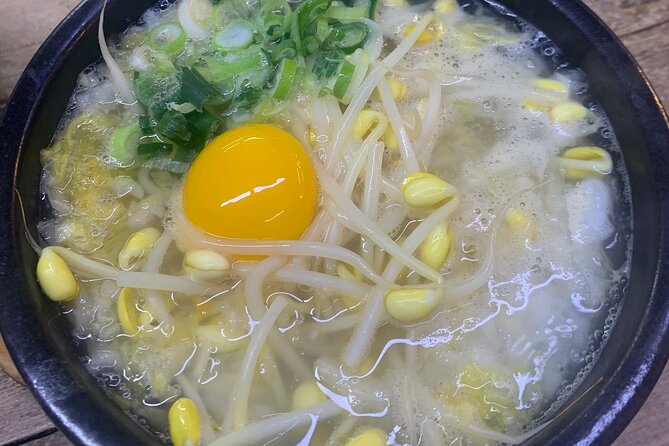
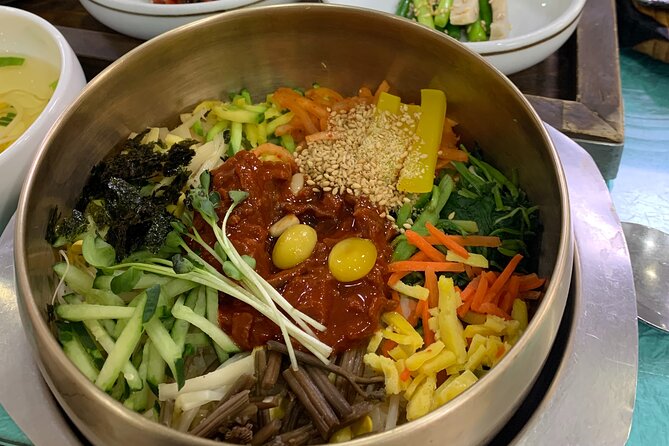
- Two proper Korean meals: Lunch is a full Hanjeongsik spread, while dinner brings Jeonju bean sprout soup with rice and bibimbap.
- A family tea ceremony: Tea is served in an old noble residence by descendants of the family connected with the home.
- Jeonju’s crafts are part of the day: Fan-making and hanji paper show the town’s artistic side beyond food.
- A private, walking-heavy format: Only your group takes part, with a maximum booking size of 15 people.
- Good value at $75: The fee includes a guide, lunch, dinner, admission tickets, and the kimchi class, but not transport or alcoholic drinks.
Why Jeonju works so well for a food tour
Jeonju Hanok Village gives you more than a line of restaurants. Its traditional homes, museums, shrines, workshops, and old academies let you connect Korean food with the customs that shaped it.
Jeonju is especially associated with bibimbap, the colorful rice dish served with vegetables, meat, egg, and other toppings. The city is also known for bean sprout soup with rice, a simple dish that is filling without being heavy. You get both at the end of this experience, after seeing how food fits into local craft and family traditions.
The day begins at 10:00 am and ends back at the meeting point. That makes the tour easy to fit into a stay based in Jeonju, but less convenient if you are trying to make a same-day return to Seoul or another distant city. No transport between stops is supplied, so you should expect to walk from one sight to the next.
A few more South Korea trips to weigh up
- Busan Private Tour with licensed tour guide + private vehicle
★ 5.0 · 1,143 reviews - Private DMZ Tour (No Shopping): 3rd Tunnel & Suspension Bridge
★ 5.0 · 607 reviews - Jeju Island English Private & Flexible Tour any number anywhere
★ 5.0 · 561 reviews
Poetry, fans, and the first glimpse of old Jeonju
The first stop is the Chae Myeong-sun Poetry Museum, where the focus is Korean poetry written in Korean rather than Chinese characters. The visit lasts about 20 minutes and admission is included.
That short stop helps set the tone. You are not simply being taken from one famous building to another. You are seeing how Korean language and culture developed on their own terms. The museum may appeal most to visitors who enjoy literature and small cultural collections, while anyone seeking a major landmark may find the visit brief.
Next comes the Jeonju Fan Culture Center. Handmade fans are both useful objects and works of art, and the center explains how design, craftsmanship, and elegance meet in this traditional product. You have about 20 minutes here.
These early stops are a good reminder that Jeonju’s appeal is not limited to food. The tour gives you several compact introductions to local arts, though the pace means you should not expect long workshops at each museum.
Jeondong Catholic Church and a first Korean feast
At Jeondong Catholic Church, you spend roughly 30 minutes admiring one of Korea’s first Western-style churches. Its location on sacred ground adds another layer to the stop, showing how different religious traditions became part of Jeonju’s story.
The church provides a visual change from hanok homes and traditional craft centers. If you are especially interested in architecture, the visit may deserve a little extra time, but the fixed schedule keeps it to a short look.
Then comes lunch in Jeonju Hanok Village. This is a Hanjeongsik meal, a Korean full-course spread served with many colorful side dishes, and 50 minutes is set aside for it. The appeal is variety: instead of ordering one main plate, you get a table filled with different tastes, textures, and small preparations.
Lunch is included, which matters when you compare the $75 price with ordinary sightseeing tours. You are not paying only for commentary and admissions. A full meal is built into the day, and the guide can help explain what you are eating.
The trade-off is that a 50-minute meal can feel short if you like to eat slowly or ask many questions. You should also tell the provider in advance if you need vegetarian food. A vegetarian option is available, but it must be requested when booking.
Rice wine, royal portraits, and paper craft
After lunch, the tour turns to Korean brewing at the Jeonju Korean Traditional Wine Museum. You spend about 30 minutes learning about old brewing methods and tasting regional rice wines.
Alcoholic drinks are not included in the tour price, although they can be purchased. That distinction is worth noting. If you want to keep costs predictable, you can treat the tasting as an optional purchase rather than part of the included food program.
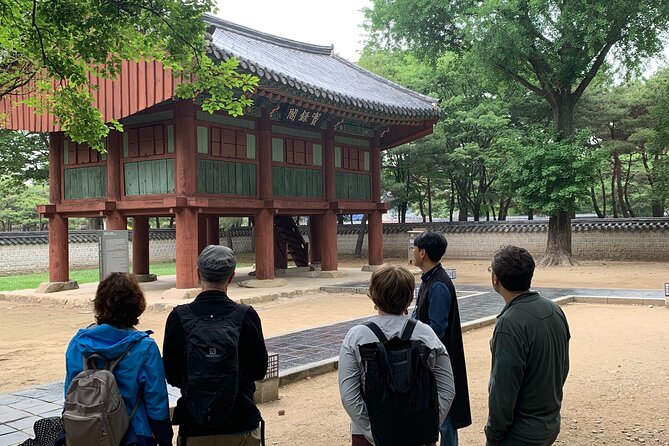
The next stop is Gyeonggijeon Shrine, with about 40 minutes inside. The shrine holds the portrait of King Taejo, founder of the Joseon Dynasty. This is one of the day’s strongest historical stops because it connects Jeonju to the royal family and the long Joseon period.
The visit also gives context to the area’s traditional buildings. You see that the hanok village is not only a restored setting for cafés and shops. It includes places tied to Korea’s royal and political past.
At the Hanji Museum, you spend about 30 minutes with traditional Korean paper. Hanji is known for its careful production and long place in Korean craft. The museum adds a hands-on, material quality to the day: after seeing what people ate and drank, you see what they wrote on, made, and used.
The three stops work well together. Wine explains an old food tradition, Gyeonggijeon explains royal authority, and hanji shows the patience behind a Korean craft. Still, the itinerary keeps each visit compact, so this is an introduction rather than a specialist study.
Same country, a completely different kind of day:
- Best DMZ Tour Korea from Seoul (Red Suspension Bridge Optional)
★ 5.0 · 41,422 reviews - DMZ Tour: 3rd Tunnel, Option(Suspension Bridge, Boat) from Seoul
★ 5.0 · 21,373 reviews - DMZ tour south Korea from Seoul (NK experience hall, defector)
★ 5.0 · 20,599 reviews - DMZ Insider Tour: 3rd Tunnel, NK Defector Meet & Red Bridge
★ 4.9 · 15,214 reviews
Noble life and views from Omokdae
The Yangban Culture Museum presents the refined lifestyle of the noble class during the Joseon period. Yangban refers to the scholar-official class that shaped government, education, and social customs. The visit lasts about 30 minutes.
This stop gives useful background before the tea ceremony later in the day. You get a sense of the manners, setting, and social world associated with old noble households. If you prefer food stops to social history, it may feel less immediately exciting, but it gives the tea experience more meaning.
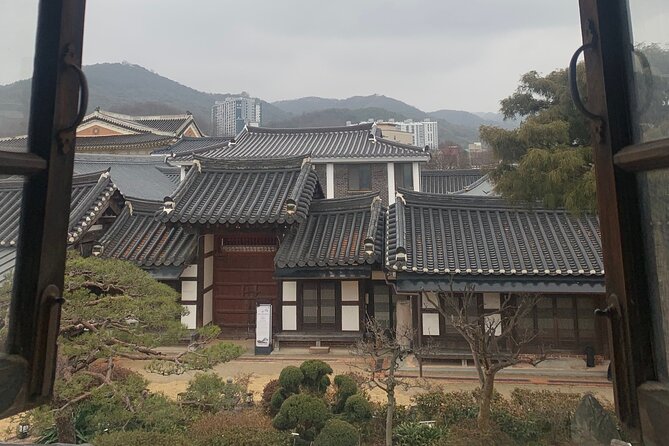
Omokdae and Imokdae follow, with about 40 minutes for the hilltop pavilions and views over the hanok village. This is one of the places where the walking becomes more physical. You gain a broader view of the traditional roofs and surrounding area, but you must manage an incline and outdoor conditions.
Comfortable walking shoes are a sensible choice. The tour operates in all weather, so rain, heat, or cold can affect how enjoyable this section feels. Dress for the forecast rather than assuming the village will be an easy indoor outing.
Jeonjuhyanggyo and the old scholar’s academy
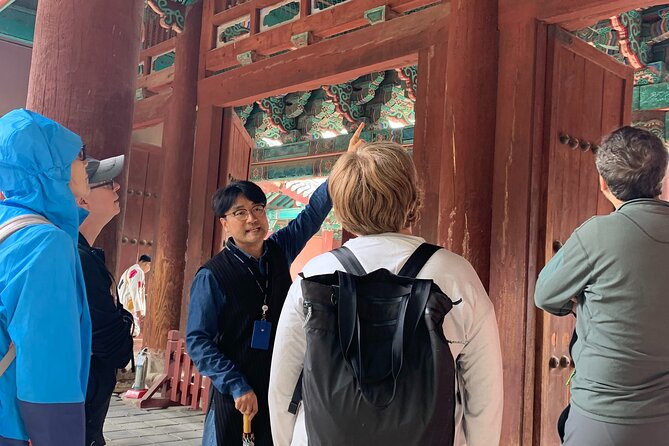
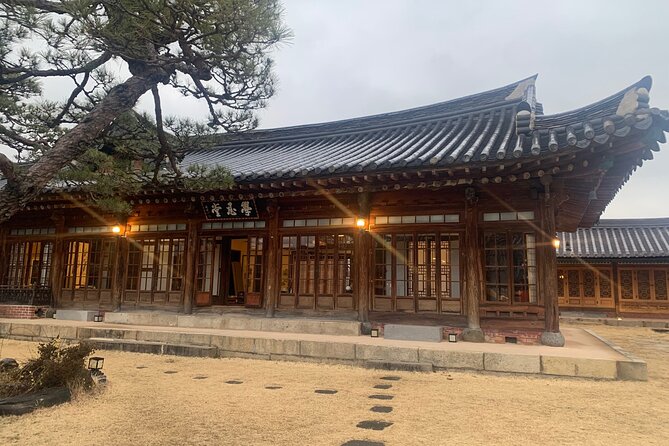
Jeonjuhyanggyo Confucian School is another 30-minute visit. This ancient academy was a place where Confucian scholars studied, and it shows the importance of education and moral training in the Joseon era.
The school is quieter in character than the food stops. I like that it slows the day down and gives you a different way to read the buildings around you. Traditional Korean culture was shaped not only by royal courts and kitchens, but also by schools, family rank, ritual, and study.
By this point, you will have covered a lot of ground. The school is a worthwhile stop for anyone interested in Korean history, but the schedule may feel demanding if you have limited mobility or prefer a relaxed pace. The stated fitness level is moderate, and that is a fair description.
Tea with descendants of a noble family
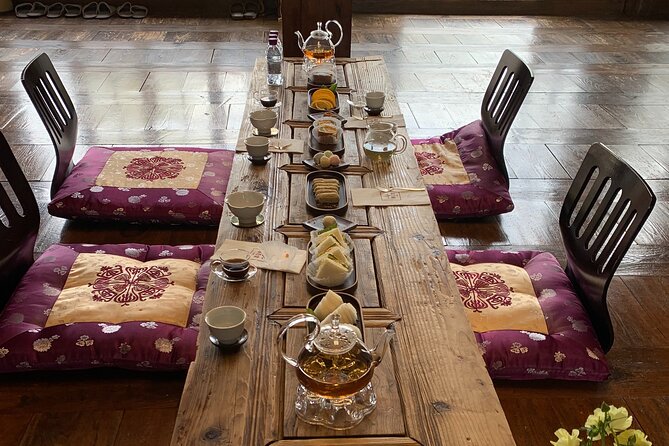
The Noble Family Tea Experience lasts about 50 minutes and takes place in an old noble residence. Tea is hosted by descendants of the family connected with the home.
This is one of the day’s most personal experiences. A museum can explain a tradition, but a family-hosted ceremony gives you a chance to sit, watch, and take part in a custom at a slower pace. The setting also connects directly with the earlier Yangban Culture Museum and the Confucian school.
Do not expect the ceremony to function like a casual café break. It is included as a cultural activity, so you should approach it with patience and attention to the host’s instructions. The private format can help here, since your guide can explain what is happening and help bridge language gaps.
Making kimchi with a local master
The 50-minute kimchi class is the most active food experience of the day. You make kimchi with a kimchi master rather than simply eating a prepared serving.
That distinction matters. Kimchi is a familiar word to most visitors, but the class gives you a better sense of the work behind it. You can ask questions as you go, learn how the ingredients are handled, and leave with a stronger understanding of why kimchi is central to Korean meals.
The tour description calls the instructor a local master, but it does not provide a personal name. The guide remains on hand, and the activity is included in the $75 fee. This is a strong value point for anyone who wants participation rather than a string of tastings.
The class follows a long series of cultural stops, so you may be ready for a rest by then. That is another reason to wear comfortable clothes and shoes, and to view the day as a full cultural program rather than a light afternoon walk.
Jeonju’s final bowls: bean sprout soup and bibimbap
The final 50-minute stop is dinner with two Jeonju staples: bean sprout soup with rice and bibimbap. The meal is prepared by the kimchi master.
Bibimbap is the more famous dish, but bean sprout soup gives you a useful contrast. One is a mixed rice dish with many components, while the other is a warm, comforting bowl built around a simple ingredient. Having both lets you compare a dish associated with Jeonju’s culinary identity with a more modest everyday comfort food.
Dinner is included, so the tour provides two full meals across the day. That can make the $75 price look very favorable, especially when admissions and the cooking class are also covered. You should arrive hungry enough to enjoy the final meal, though the lunch and snacks or tastings earlier in the day may make that difficult for some people.
Is $75 good value?
For an eight-hour private experience, $75 is a strong price if your group wants food, admissions, and cultural activities in one package. The included items are substantial:
- Professional guide
- Lunch
- Dinner
- Kimchi-making class
- Admission to the listed cultural stops
You still need to cover transportation to and from the attractions, and alcoholic drinks are extra. Since the meeting point is already in Jeonju Hanok Village, the main transport issue is the cost of reaching Jeonju itself, which is outside the tour price.
The private format adds value for couples, families, or small groups that want help with translation and local food choices. A booking can include up to 15 people, but a private group of that size may feel less intimate than a smaller party. Confirm the actual group arrangement when booking if personal attention is important to you.
The provider is Gastro Tour Seoul. Some of the supplied promotional wording refers to Seoul food tours, and one related tour review mentions a guide named Veronica. That praise concerns other Gastro Tour Seoul experiences, not a confirmed guide for this Jeonju day, so you should not assume Veronica will lead your booking.
What the day is really like
This is not a hop-on, hop-off sightseeing trip. You walk between cultural sites, eat on a schedule, and move through many short visits. The day starts at 10:00 am and returns to the same meeting point, which keeps the beginning and end simple.
A guide can be especially helpful in Jeonju because the program crosses several subjects at once: Korean writing, Christian architecture, royal history, Confucian education, traditional paper, rice wine, tea, and food. You will get more from the stops if you ask questions and stay curious rather than treating each one as a quick photograph.
The tour operates in all weather. Bring suitable clothing, use comfortable walking shoes, and allow enough energy for the hilltop pavilion. Service animals are allowed, and the tour is near public transportation, but the supplied details do not specify the exact transit route or travel time.
The activity may be canceled if the minimum number of two participants is not met. If the provider cancels for that reason, you are offered another date or experience, or a full refund. You can cancel for a full refund up to 24 hours before the local start time. Inside that window, payment is not refunded and changes are not accepted.
Who should book this Jeonju day?
I would choose this tour if you are visiting Jeonju for the first time and want help making sense of the food and old town in one day. It suits people who enjoy eating but also want museums, architecture, craft, religion, and history woven into the schedule.
It is also a good fit if Korean menus and customs feel difficult to manage on your own. The guide stays with you throughout, and the private format makes it easier to ask for explanations or request advice for the rest of your trip.
I would hesitate if you dislike structured days, have difficulty walking for several hours, or want long, unhurried visits at only two or three sights. The itinerary is broad and active. It gives you a useful first look at Jeonju, but it does not leave much spare time.
FAQ
Where does the tour start?
The tour starts at Jeonju Hanok Village, at 99 Girin-daero, Wansan-gu, Jeonju, Jeonbuk State, South Korea. Start time is 10:00 am.
Where does the tour end?
The activity ends back at the meeting point in Jeonju Hanok Village.
How long does the tour last?
The tour lasts approximately eight hours.
Are meals included?
Yes. Lunch and dinner are included. Lunch is a Hanjeongsik full-course meal with many side dishes, and dinner includes Jeonju bean sprout soup with rice and bibimbap.
Is a vegetarian option available?
Yes. A vegetarian option is available, but you must advise the provider when booking.
What happens if I need to cancel?
You receive a full refund if you cancel at least 24 hours before the experience start time. Cancellations or changes made less than 24 hours before the start time are not refunded or accepted.
Should you book it?
Book this Jeonju private tour if you want a full day that combines real participation with sightseeing. The kimchi class, family tea ceremony, two meals, traditional wine tasting, and broad range of historic stops give you far more than a standard village walk for $75.
Skip it if you want a slow food crawl or a short, easy outing. This is a packed day with moderate walking and weather exposure. For a first visit to Jeonju, though, it offers a practical way to understand why the city is loved for both its food and its traditions.
Just added around South Korea
- Gyeongbokgung palace,seoul with gigibebe hanbok rental★ 4.5 · 12 reviews
- Private tour guide service in Seoul, Korea★ 5.0 · 6 reviews
- Alpaca, Nami, Petite Fr, Italian Village, Garden of Morning Calm★ 3.5 · 5 reviews
- Gyeongju UNESCO Sites Tour by KTX train; The Museum Without walls★ 4.5 · 11 reviews
- Private day trip to Korean Folk Village & Dae Jang Geum Park★ 5.0 · 7 reviews
- Private tour Lotte World,Tower,Aquarium(All Tickets are included)★ 5.0 · 12 reviews
- Full Day Private Seoul Tour for foodies★ 5.0 · 3 reviews
- Seoul Private Custom Walking Tour with A Guide (Private Tour)★ 4.5 · 28 reviews
Jeonju Tours, compared.
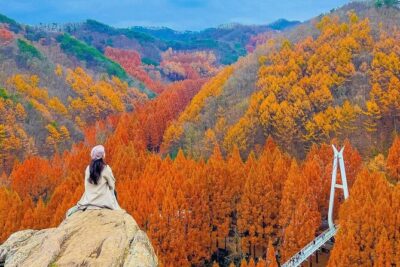
Jeonju Hanok Village Full-Day Tour:Jangtaesan Autumn Foliage
Read our review →Jeonju Hanok Village Full-Day Tour: Jangtaesan Autumn Foliage
Read our review →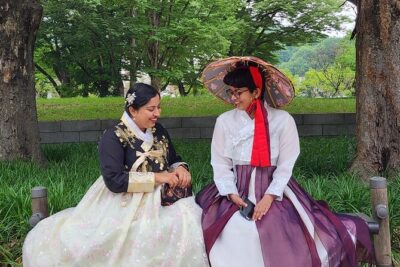
Jeonju Hanok Village and Maisan Tapsa Temple Day Tour From Seoul
Read our review →
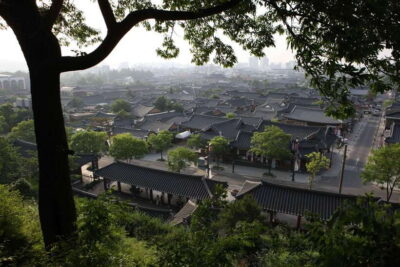
Essence of Jeonju, Hanok Village & Maisan Mountain
Read our review →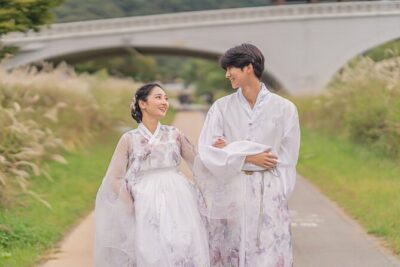
Jeonju Hanok Village Hanbok Rental Experience Hanboknam
Read our review →Browse the lists this tour appears in