
Reviewed · FOOD & DRINK
10day Small Group Discover Korea Tour : History, Food and Culture
South Korea packs a remarkable amount into a small space: volcanic beaches on Jeju, ancient Silla tombs in Gyeongju, seaside temples in Busan, royal palaces in Seoul, and the tense border zone near North Korea. This 10-day private tour links them all, with domestic flights and an air-conditioned vehicle doing the hard work.
I especially like the mix of food and history, from Jeju’s Dongmun Market and Busan’s Jagalchi Fish Market to bibimbap in Jeonju and a hands-on cooking class in Seoul. I also like the unusual overnight at Golgulsa Temple, which gives the trip a more personal cultural edge than a standard city tour.
The main drawback is the pace. You change bases several times, take a long drive from Gyeongju to Jinan and Jeonju, and have early logistics for the DMZ. At $3,800 per person, this is a serious investment, so you should be comfortable trading free time and independent planning for a tightly organized route.
Key Points at a Glance
- Jeju begins with volcanic wonders: See lava tubes, a volcanic crater, columnar rock cliffs, beaches, waterfalls, and the famous Sunrise Peak.
- Two domestic flights save time: Fly from Gimpo to Jeju, then Jeju to Busan rather than losing long hours on ferries or overland routes.
- Golgulsa Temple is the trip’s unusual overnight: Spend one night at a temple near Gyeongju, a change from ordinary hotel travel.
- Jeonju puts food at the center: Visit the Hanok Village, try bibimbap, and enjoy a traditional makgeolli meal.
- The DMZ requires patience: Tickets are first come, first served, and military-zone rules can change the morning’s schedule.
- A private format allows adjustment: You can discuss changes with your guide instead of following a fixed large-coach program.
Jeju’s Lava Tubes, Beaches, and Volcanic Cliffs
Your Korean adventure starts with a flight of about one hour from Gimpo Domestic Airport to Jeju. The plan allows for weather delays or cancellations, with alternate activities arranged if needed. After landing, a driver takes you to the hotel, where check-in and your first meal are on your own.
The first stop is Mysterious Road, also called Dokkaebi Road or Goblin’s Road. The uphill-looking road creates an optical illusion: a car with its engine off appears to roll uphill, and a ball placed on the pavement seems to move against the slope. It is a quick stop, but a fun way to begin.
ARTE MUSEUM JEJU changes the mood completely. This video and light art museum uses large projected installations to create shifting rooms of color, sound, and motion. You receive admission here, along with several other paid attractions, so you are not constantly reaching for your wallet.
Spirited Garden offers a quieter contrast. It is a bonsai park with carefully shaped trees and garden displays, and it has received awards in Korean tourism. If you like living art, patient gardening, and peaceful walks, this will be more rewarding than a quick photo stop.
Hyeopjae Beach is your chance to slow down. You can walk by the water, swim if conditions suit you, or settle into a cafe with a sea view. Bring swimwear only if you genuinely plan to enter the water. The itinerary allows about an hour, which is enough for a look but not a full beach afternoon.
Jusangjeollidae brings you face to face with Jeju’s volcanic geology. The coast is lined with distinctive columnar rock formations created as lava cooled. Cheonjiyeon Falls then adds a small waterfall and wooded scenery to the day.
The first day is attractive but busy. Six stops after a flight and hotel transfer leave limited room for lingering. I would treat the beach as a pleasant break, not expect a relaxed resort day.
A few more Seoul trips to weigh up
- Seoul Street Food Market Tour
★ 5.0 · 1,226 reviews - Seoul: Night Market Food Tour with Local Guide
★ 4.9 · 943 reviews - Downtown Seoul Guided Food & Market Tour with 8+ Local Tastings
★ 5.0 · 580 reviews
Jeju’s Sunrise Peak and Traditional Island Life
Day two starts underground at Manjanggul Cave, regarded as one of the world’s longest and finest lava tubes. The cave was created by volcanic activity, and the hour-long visit gives you a useful sense of how Jeju was formed. Cave surfaces can be uneven, so sensible shoes are a good idea.
Sangumburi Crater is a broad, relatively flat volcanic crater with a circumference of more than two kilometers. Seen from above, its round shape has been compared to a huge stadium. You will not simply be looking at a single dramatic cone. The interest is in the scale and unusual form of the crater.
At Gwangchigi Beach, black sand and basalt give the coast a different character from Jeju’s lighter beaches. The stop is free and lasts about an hour. It is well placed before Seongsan Ilchulbong, also known as Sunrise Peak.
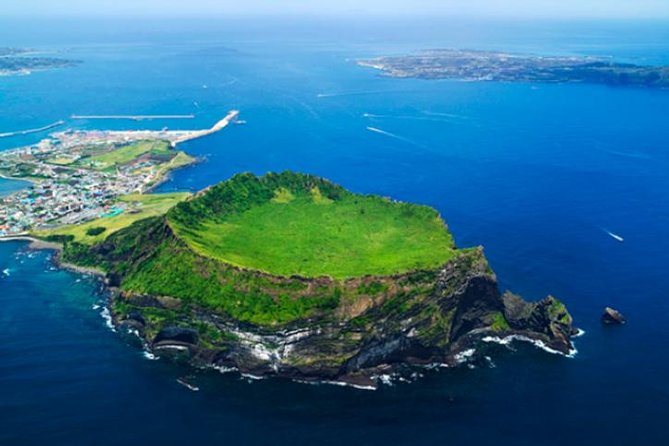
Seongsan Ilchulbong is a tuff cone formed by an eruption in shallow water about 5,000 years ago. A climb to the grassy crater rewards you with broad views, but the route does require effort. If you are managing limited mobility or simply prefer not to climb, ask the guide how much of the site you can enjoy from lower viewpoints.
Seongeup Folk Village shifts the focus from geology to local traditions. At the foot of Mount Halla, the village preserves older Jeju buildings and cultural features passed down through generations. It is one of the better places on this itinerary to connect the island’s scenery with its settled communities.
End at Dongmun Market, founded after Korean liberation in 1945. This is a practical place to browse local food and inexpensive goods, and it gives you a more everyday view of Jeju than a scenic lookout. Meals are not all planned, so market stops are useful opportunities to ask your guide what to try.
Busan’s Hillside Streets and Working Waterfront
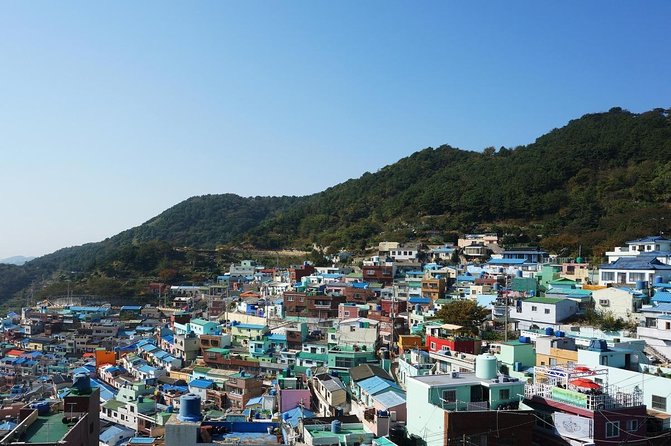
On day three, you fly from Jeju to Busan. The guide provides hotel and airport transfers, then takes you to Gamcheon Culture Village. Homes climb the coastal hillside in staircase fashion, creating one of Busan’s most recognizable views. The narrow lanes and painted buildings make this a strong photography stop, though the slopes require some walking.
Songdo offers a seaside break, with a skywalk and seafood restaurants nearby. The ocean cable car is optional, so confirm the extra cost before deciding. The stop is short enough that you may need to choose between the walk, the cable car, and time at the beach.
BIFF Square is both a film-festival area and a food street. This is where I would try a Korean sweet pancake from a vendor, then leave room for the next stop. Jagalchi Market, Busan’s large fish market, is close by and offers an eye-opening look at the city’s seafood trade. The visit is scheduled for only about 20 minutes, so you can spend longer at BIFF Square if the market is not your thing.
The itinerary also includes Busan’s long double-decker bridge, noted for its sea views and nighttime light events. The exact timing is not clearly specified, so ask your guide whether you will see it by day or night.
Haedong Yonggungsa is the day’s scenic finish. Unlike many inland temples, this Buddhist temple sits beside the sea, combining religious buildings with coastal views. It is one of Busan’s most memorable stops and deserves more than a hurried photograph if the schedule permits.
One Night at Golgulsa and Two Days of Silla History
Day four brings you to Gyeongju and Golgulsa Temple. The temple runs Templestay programs throughout the year, and your package includes one night there. This is a major reason to choose this trip over a conventional hotel circuit. You get a change of rhythm and a closer look at Korean Buddhist practice.
The itinerary lists the temple stay as a full-day stop, so expect the day to be shaped around the temple rather than packed with many unrelated sights. Ask in advance what participation is expected and what the overnight arrangements involve. The supplied details confirm the stay, but do not spell out a full program of activities.
Bulguksa Temple, associated with the Silla Kingdom and about 1,000 years of age, follows. Seokguram contains a famous Buddha statue in a mountain setting. Each stop is listed at about 40 minutes, which is enough for an introduction but not a slow study of every detail.
Day five is devoted to Gyeongju’s archaeological heart. Daereungwon Tomb Complex contains large ancient burial mounds spread across several areas of the city. Walking among the grassy mounds helps you see how unusual Gyeongju is: major historic remains sit within the modern city rather than being hidden away in one distant museum.
Cheomseongdae Observatory takes only about 10 minutes. It is identified as the oldest surviving astronomical observatory in Asia, so the stop is brief but worthwhile. The Gyeongju National Museum provides the fuller context, with artifacts from the Silla dynasty, which ruled from 57 BC to AD 935.
Donggung Palace and Wolji Pond is best saved for evening. Reflections on the pond and the palace lighting make this one of Gyeongju’s signature night views. Nearby Woljeonggyo Bridge and Kyochon Village continue the evening walk. This is a smart use of the schedule because the sites offer something different after the daytime museums and tombs.
Same country, a completely different kind of day:
- Best DMZ Tour Korea from Seoul (Red Suspension Bridge Optional)
★ 5.0 · 41,422 reviews - DMZ Tour: 3rd Tunnel, Option(Suspension Bridge, Boat) from Seoul
★ 5.0 · 21,373 reviews - DMZ tour south Korea from Seoul (NK experience hall, defector)
★ 5.0 · 20,599 reviews - Seoul: DMZ Tour with Optional Suspension Bridge
★ 4.8 · 5,277 reviews
Maisan, Stone Pagodas, and Jeonju’s Food Traditions
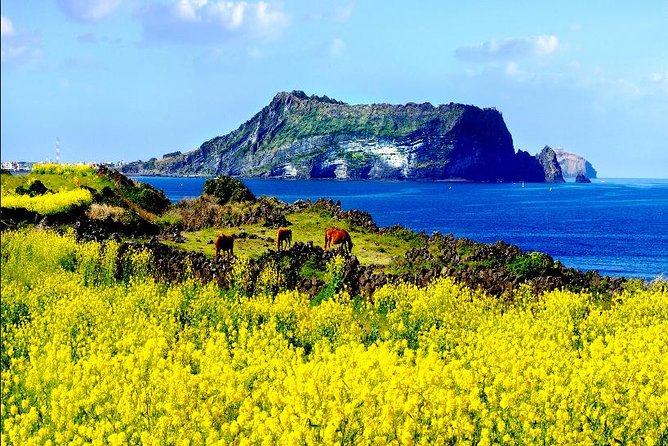
Day six includes the longest road journey of the tour. From Gyeongju, you travel roughly two and a half to three hours to Jinan. Maisan Mountain gets its name from its horse-ear shape, and the itinerary includes a viewpoint before continuing to Tapsa Temple.
Tapsa is known for more than 80 stone pagodas built by Lee Gapyong, a retired scholar. Their different sizes and hand-built appearance make the temple unusual. The setting is also a welcome change after several major historic complexes, but the long drive means this day will feel more like a road excursion than a gentle sightseeing day.
Jeonju Hanok Village brings you into a traditional neighborhood of tiled-roof houses. The planned visit lasts about two hours, followed by free time. The city is treated as a food destination, with bibimbap as the obvious first taste.
Gyeonggijeon Shrine dates to 1410 and holds a portrait of King Tae-jo, founder of the Joseon dynasty. Jeondong Catholic Church, built in honor of Catholic martyrs, adds another layer to Jeonju’s story. Omokdae and Imokdae provide viewpoints over the Hanok Village, though the scheduled visit is only about 30 minutes.
Dinner at a traditional makgeolli restaurant is included. The meal is served in a Korean-style pub setting, with more dishes appearing as you order additional rice wine. This is one of the tour’s strongest food experiences, but tell your guide clearly if you do not drink alcohol so you understand the meal arrangements.
Suwon Fortress on the Road to Seoul
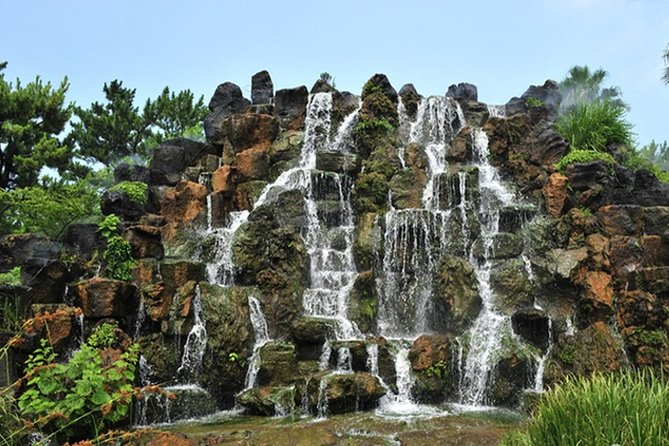
After breakfast on day seven, you drive about three hours toward Seoul, stopping in Suwon. Hwaseong Fortress, a UNESCO World Heritage Site, was built during the Joseon dynasty to protect the city. The walls and gates make the site easy to understand on foot, and the one-hour visit breaks up the long transfer.
Suwon is also known for its fried chicken street, with roughly 20 to 30 restaurants. The local version uses a Korean barbecue-style sauce, giving you a chance to replace a routine roadside lunch with a distinctly Suwon stop. Since not every meal is planned, this is a good time to ask your guide for a recommendation.
Palaces, Markets, and Seoul After Dark
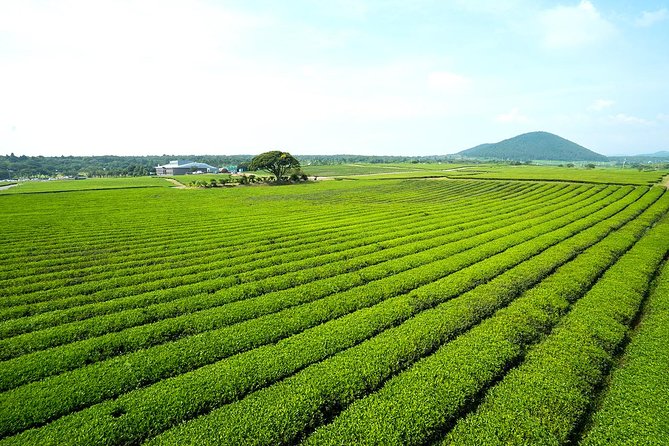
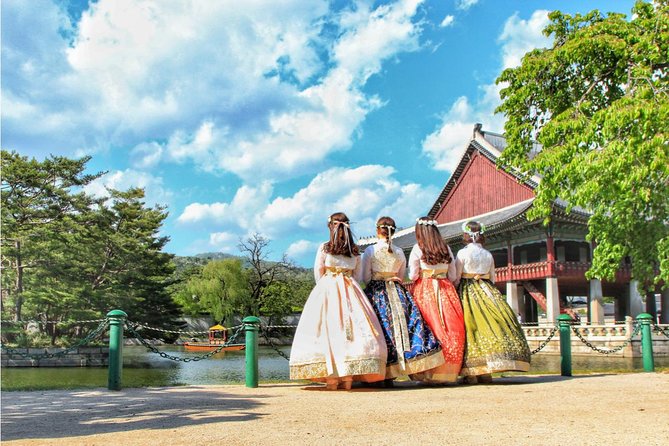
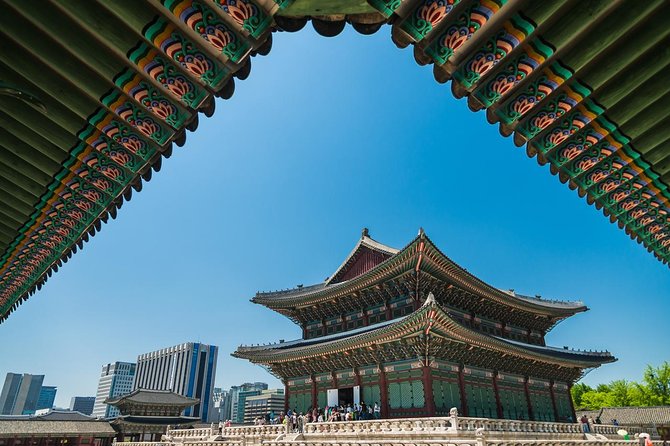
Day eight is Seoul’s big history-and-food day. Gyeongbokgung Palace was built in 1395 as the first and largest palace of the Joseon dynasty. Two hours gives you enough time to appreciate the courtyards and major buildings without reducing the visit to a quick photo.
Insadong follows with art galleries, souvenir shops, and traditional goods. Bukchon Hanok Village is nearby, a district of Joseon-era houses packed into hilly lanes. You should be respectful here because it is a residential area, not simply an open-air museum. Keep voices low and follow any posted restrictions.
Gwangjang Market is the place for snacks. You can find mung bean pancakes, Korean doughnuts, gimbap, tteokbokki, fruit juice, and many other foods. The market was Korea’s first permanent market, and the one-hour stop works best if you arrive hungry rather than after a large lunch.
Jogyesa Temple offers a quieter pause in the city center. It is an important Buddhist temple in Seoul and hosts seasonal festivals, especially in summer and autumn. N Seoul Tower then gives you a broad 360-degree view from almost 480 meters above sea level, including Namsan Mountain and the tower itself.
The day covers a lot of ground. Wear shoes you can walk in, and expect the market and historic neighborhoods to be more enjoyable if you do not rush every stop.
The DMZ, the Third Tunnel, and a Serious Change of Mood
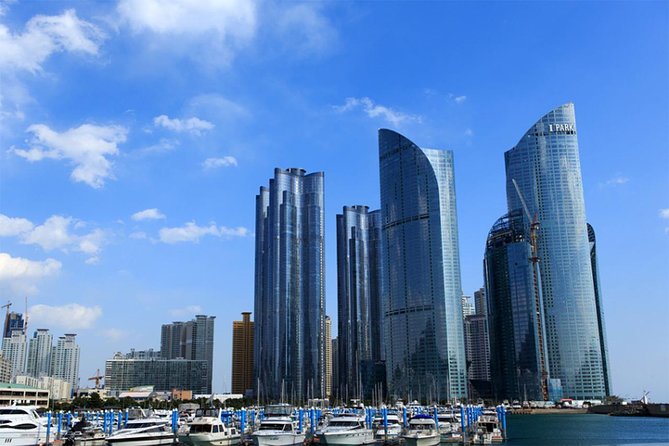
Day nine begins early because DMZ tickets are not reserved in advance. They are first come, first served, and entry involves military-zone procedures and policies. This is not a flexible sleep-in morning, and the order of stops may change.
The Third Tunnel is a former North Korean tunnel dug after the Korean War. You can walk down into the tunnel, making this more physical than a standard museum visit. If enclosed spaces or steep walks are difficult for you, ask about the conditions before committing.
Dora Observatory is the highlight for many people because you can look toward North Korea with the naked eye and binoculars. Views may include Gaeseong, the former jointly operated industrial complex, and North Korean villages, depending on conditions and access.
Tongil Park, or Unification Park, is the last stop on the DMZ shuttle route. It is described as the only village in the Civilian Control Zone where residents actually live, and there are local products and DMZ-related goods for sale.
Gamaksan Chulleong Bridge adds a short mountain walk. A 10-minute hike leads to the suspension bridge, in an area connected to fighting during the Korean War. The combination of mountain scenery and wartime memory gives the day a more reflective finish.
Cooking, NANTA, and Myeongdong’s Final Bite
The final day begins with NANTA in Myeongdong, a nonverbal comic performance that combines Korean traditional rhythm with physical comedy. Because there is no spoken dialogue, language is less of a barrier. The show lasts about 90 minutes and is designed for an international audience.
A three-hour small-group Korean cooking class follows. The menu changes monthly and may include bulgogi, gimbap, kimchi, and Korean pancakes. This is more useful than simply eating one final meal because you learn how the dishes come together and leave with a practical memory of Korea.
The itinerary then lists Seonyudo, Gunsan, described as a Han River park with walking paths and panoramic Seoul views. Since the location and description are not perfectly clear, confirm the exact stop and timing with your guide.
Myeongdong Shopping Street finishes the tour with cosmetics, shops, and street food. It is a lively final hour, but shopping is optional in spirit. If you would rather use the time to rest or buy gifts, say so.
What $3,800 Includes and What It Means
The $3,800 price includes an English-speaking guide, an air-conditioned vehicle, nine nights of 3.5 to 4-star accommodation, entrance fees on the planned route, the two domestic flights, seven breakfasts, seven lunches, two dinners, and one night at Golgulsa Temple.
That is a substantial bundle. The flights alone protect your time, while private transport removes the need to manage airport transfers, intercity connections, and several complicated sightseeing days. The guide can also adjust destinations and suggest local restaurants, which matters when the timetable leaves little room for research.
The value is weaker if you prefer slow travel, public transport, or choosing every meal yourself. Seven breakfasts, seven lunches, and two dinners are included, but other meals are not planned. You should budget for those separately, along with any optional ocean cable car ride.
The tour is private, meaning only your group participates, even though the product is described as small group. That is a useful distinction. You can discuss the pace and possible changes directly with your guide rather than adapting to a large busload.
Who Should Book This Korea Tour?
I would choose this trip if you want to see many sides of Korea in one visit and prefer help with transport, tickets, and restaurant choices. It suits first-time visitors who want Jeju, Busan, Gyeongju, Jeonju, Seoul, and the DMZ without building a complicated route themselves.
It is also a good fit for families or mixed-age groups who value private transport. One published review describes an elderly mother and daughter having the trip they hoped for and more, which supports the idea that personal guide assistance can make a demanding route easier.
I would hesitate if you need lots of unplanned time, dislike early starts, or want to spend several days in each city. The itinerary is full, the DMZ has fixed military procedures, and the long Gyeongju to Jinan transfer can be tiring.
The cancellation policy is strict: the experience is non-refundable and cannot be changed for any reason. Confirm your dates, flight connections, preferred meals, and the temple stay details before paying.
FAQ
How long is the tour?
The tour lasts approximately 10 days and includes nine nights of accommodation.
Where does the tour begin?
The tour begins in Seoul, with a flight from Gimpo Domestic Airport to Jeju Island on day one.
Which domestic flights are included?
The package includes a flight from Gimpo to Jeju and a flight from Jeju to Busan.
Is accommodation included?
Yes. Nine nights in 3.5 to 4-star accommodation are included, along with one night at Golgulsa Temple.
Are meals included?
Seven breakfasts, seven lunches, and two dinners are included. Other meals are not planned and are your responsibility.
Is the tour private?
Yes. Only your group participates. An English-speaking guide and air-conditioned vehicle are included.
Are DMZ tickets reserved in advance?
No. DMZ tickets are first come, first served, so the meeting time is early and the schedule may depend on availability and military-zone procedures.
Should You Book It?
Book this tour if your priority is coverage: volcanic Jeju, seafood-focused Busan, Silla-era Gyeongju, food-centered Jeonju, palace-filled Seoul, and the DMZ all appear in one carefully connected route. The temple overnight and cooking class add experiences you would be less likely to arrange on your own.
Skip it if you want a slow, independent holiday or if $3,800 leaves too little room for unplanned meals and optional activities. For the right person, this is an efficient and unusually broad introduction to Korea, but its full schedule demands energy and a willingness to keep moving.
More Historical Tours in Seoul
- Seoul: Evening Dark History, Folklore & Ghost Story Walking Tour
★ 5.0 · 593 reviews - Hanbok Photoshoot and History Tour at Gyeongbokgung Palace
★ 5.0 · 276 reviews - From Seoul: Dae Jang Geum Park Historic K-Drama Set Tour
★ 4.9 · 143 reviews - Seoul: City Highlights and Historical Experience No Shopping
★ 5.0 · 74 reviews
Just added around Seoul
- Alpaca, Nami, Petite Fr, Italian Village, Garden of Morning Calm★ 3.5 · 5 reviews
- Gyeongbokgung palace,seoul with gigibebe hanbok rental★ 4.5 · 12 reviews
- Private tour guide service in Seoul, Korea★ 5.0 · 6 reviews
- Gyeongju UNESCO Sites Tour by KTX train; The Museum Without walls★ 4.5 · 11 reviews
- Private day trip to Korean Folk Village & Dae Jang Geum Park★ 5.0 · 7 reviews
- Private tour Lotte World,Tower,Aquarium(All Tickets are included)★ 5.0 · 12 reviews
- Full Day Private Seoul Tour for foodies★ 5.0 · 3 reviews
- Seoul Private Custom Walking Tour with A Guide (Private Tour)★ 4.5 · 28 reviews
Food & Drink, compared.
Downtown Seoul Guided Food & Market Tour with 8+ Local Tastings
Read our review →
Seoul Night Palace & Market Food Tour with Vehicle
Read our review →
Seoul Fun Food Tour: 12 different food tastings
Read our review →
The Award-Winning PRIVATE Food Tour of Seoul: The 10 Tastings
Read our review →
Baseball Game Ticket with Dinner/Beer with the host
Read our review →Browse the lists this tour appears in