Reviewed · SEOUL TOURS
Tour Seoul’s oldest district with a storyteller from Bukchon
Bukchon is best understood through the people who lived there, not just through its handsome hanok roofs. On this private walk, Dong, a Bukchon-born storyteller, filmmaker, and university screenwriting professor, connects royal politics, feng shui, independence-era Korea, television culture, and neighborhood life.
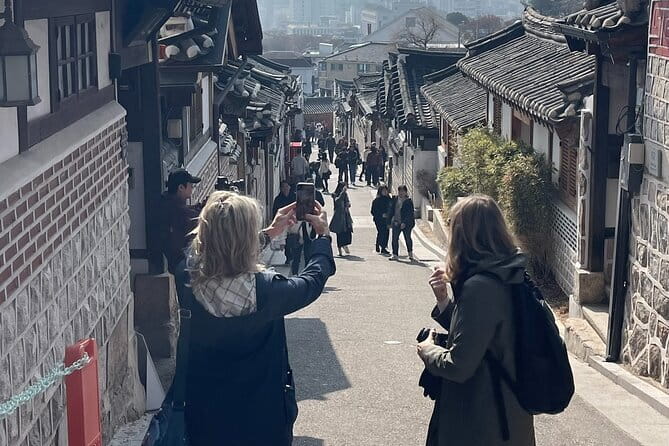
I especially like the personal angle and the unhurried pace. You get both famous sights, such as Bukchon Hanok Village and the school used in Winter Sonata, and quieter places such as an old well. The main consideration is physical: this is a 2 to 3 hour walk through historic lanes, and it is recommended for ages 12 and up.
Key things to know before you book
- A local guide with a real Bukchon connection: Dong grew up in the district and adds childhood memories to the historical narrative.
- Seven stops with different stories: The route moves from a royal residence and traditional homes to a school, well, political history, and modern redevelopment.
- More than a photo stop: Feng shui, power, social class, colonial-era history, and changing neighborhood life all shape the walk.
- Private experience for your group: You are not folded into a large public crowd, though the tour may be canceled if fewer than two people book.
- A relaxed morning schedule: Meet at Anguk Station Exit 4 at 10:00 a.m. and allow around 2 to 3 hours.
- Handicraft option available: The traditional Korean craft activity is included only with the Plus Tour.
Why Bukchon makes a better history lesson on foot
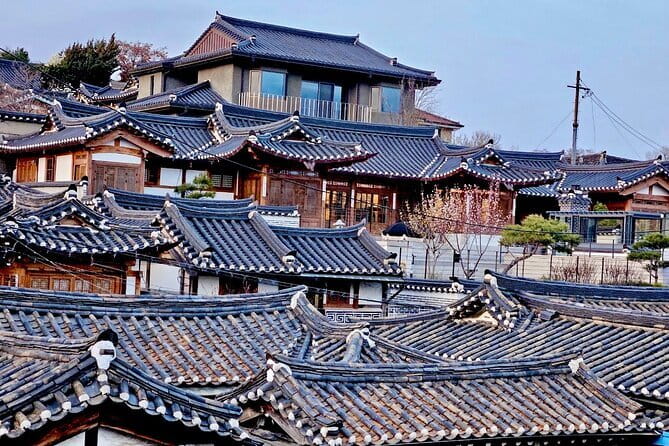
Bukchon sits between Seoul’s royal palaces and the modern city. That position gives the neighborhood unusual range. In one short walk, you can hear about Joseon rulers, the Yangban class, Japanese colonial rule, powerful politicians, business families, television dramas, and the district’s return to national attention.
The tour’s central idea is that Bukchon was a major center of Korean political, economic, and cultural life from 1392 through the 1980s. That is a large claim, but the route gives it shape by linking specific buildings and places to the people who used them.
I like this approach because Bukchon can otherwise become a quick photo stop. You climb a lane, admire the tiled roofs, take a few pictures, and move on. A storyteller can explain why the district mattered, who controlled it, and how ordinary life changed as Seoul grew.
Dong’s background adds another useful layer. He did not simply study Bukchon from a distance. He grew up there, and his stories connect the old district with the Seoul of recent decades. That is particularly helpful in a neighborhood where old houses now sit beside cafes, studios, and heavily photographed streets.
The tour is private, so the pace can feel more conversational than a large group walk. Several comments about the experience point to time for questions, practical city advice, and personal recommendations after the formal route ends. Still, the published duration is approximate, so your exact finish time may depend on the group’s questions and walking speed.
Other Seoul days worth booking alongside this:
- Best DMZ Tour Korea from Seoul (Red Suspension Bridge Optional)
★ 5.0 · 41,422 reviews - DMZ Tour: 3rd Tunnel, Option(Suspension Bridge, Boat) from Seoul
★ 5.0 · 21,373 reviews - DMZ tour south Korea from Seoul (NK experience hall, defector)
★ 5.0 · 20,599 reviews
Unhyeongung opens with a royal succession story
The first stop is Unhyeongung, a royal residence with free admission. The planned visit lasts about 20 minutes, making it one of the longer stops on the route.
The story here begins with a crisis of succession. When a king died without a crown prince, an 11-year-old royal boy who had been born and raised at Unhyeongung became the 26th king of Joseon. For the next ten years, his father ruled the country from this place.
That gives you an immediate lesson in how power worked in Joseon. The tour is not only about kings and palaces. It also looks at the relatives, households, and political forces behind the throne.
Unhyeongung is a good starting point because it provides a clear setting before the walk moves into narrower streets. You begin with court politics, then follow the district outward into architecture and neighborhood stories.
The stop is free, which keeps the price focused on the guiding rather than admission fees. You should not expect a long palace visit here. The emphasis is on the story and its place in Bukchon’s political past.
Anguk and Cafe Onion show centuries of change
The route then moves to Cafe Onion Anguk for about 10 minutes. The cafe itself is not included as a coffee stop, and coffee or tea is not part of the tour price. Instead, you look at architecture from roughly 600, 100, and 50 years ago.
That unusual time span is the point. Bukchon is not a perfectly preserved Joseon set. It is a living district where several periods overlap, and this stop helps you read those layers side by side.
You may want to buy a drink separately if you feel like taking a break, but do not assume that a cafe visit is built into the tour. The published plan treats Cafe Onion Anguk as a place for architecture and stories, not as an included refreshment stop.
This is one of the useful distinctions between a sightseeing walk and a history walk. The guide is asking you to look at buildings as evidence. Their age, shape, and use help explain how Seoul changed over time.
Yangban homes at the Traditional Culture Center
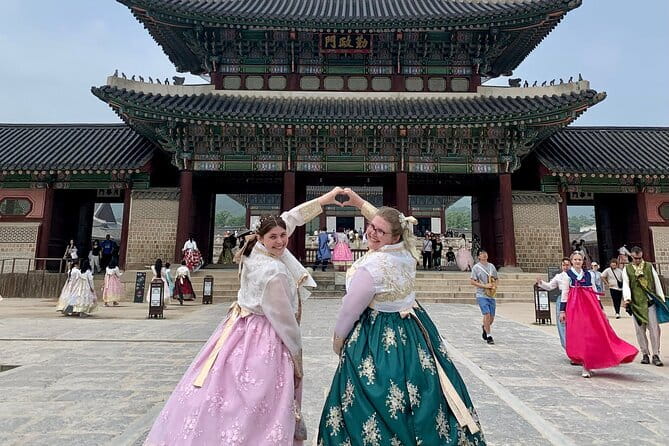
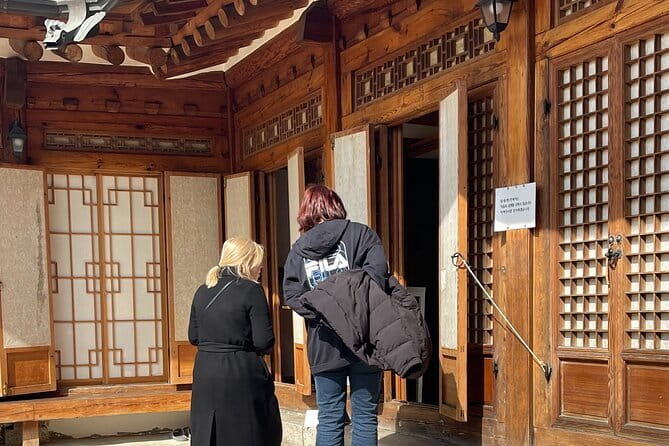
At the Bukchon Traditional Culture Center, the focus shifts to hanoks associated with the Yangban, the ruling class that generally lived in Seoul. The stop is about 10 minutes and has no admission charge.
Hanok houses are easy to admire as beautiful pieces of design. The more useful question is who could afford to live in them, and what their layout tells you about status and daily life.
This stop gives social context to the architecture. You are not only seeing curved rooflines and timber structures. You are learning how the homes of an elite class fit into a capital city shaped by rank, office, family, and tradition.
The short duration means this is an introduction rather than a full architectural workshop. If you want extensive technical detail on roof construction or restoration, this tour may not go far enough. If you want a readable explanation of why hanoks mattered socially, it fits the route well.
Same country, a completely different kind of day:
- Seoul: DMZ Tour with Optional Suspension Bridge
★ 4.8 · 5,277 reviews - Signature DMZ Tour: Exclusive Defector Talk & Suspension Bridge
★ 5.0 · 4,459 reviews - Thrilling Korean DMZ 3rd Tunnel Tour from Seoul + Red Bridge Rush
★ 5.0 · 3,097 reviews - DMZ Past and Present: Korean Demilitarized Zone Tour from Seoul
★ 5.0 · 2,481 reviews
Seokjeong Boreum Well and the stories below street level
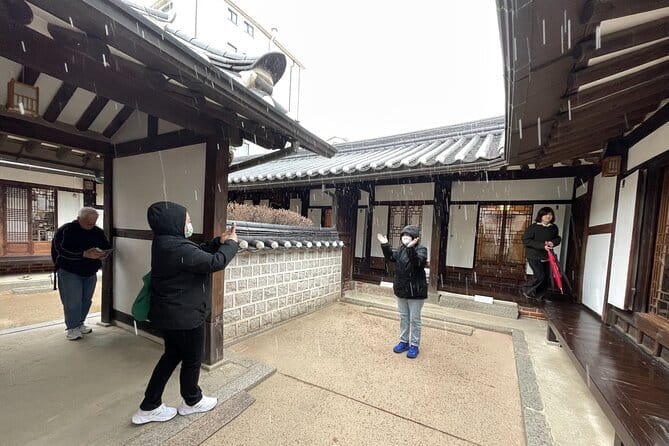
Seokjeong Boreum Well is a small stop, planned for about 10 minutes. Dong uses wells and childhood stories as a way into the history of the neighborhood.
This is the kind of place you could easily pass without noticing. That is part of its value. Bukchon’s story is not only found in grand residences and famous viewpoints. It also lives in shared water sources and the practical spaces that supported daily life.
The tour description links the well to stories you may have heard as a child, then contrasts those tales with what history has revealed. That suggests a storytelling style that separates folklore from documented events without losing the charm of either.
There is a practical limit here. A well is not a major monument, and the stop will not satisfy anyone who wants a long indoor visit. It works best as a brief pause that shows how the route keeps looking for meaning in ordinary places.
Choong Ang High School beyond its drama fame
Choong Ang High School is known as a filming location for Winter Sonata, along with many other dramas and music videos. The stop lasts about 10 minutes, but its real purpose is to move past screen fame.
Dong presents the school as a historic site that helped shape Korea. That makes it more interesting than a simple television-location photo stop.
Film and music have made parts of Bukchon familiar to people who have never visited Seoul. The tour uses that familiarity as a doorway, then turns toward the school’s political and national importance.
You should keep expectations sensible. The listed visit is an exterior-oriented stop in a public walking route, and no special admission is included. The reward comes from the explanation, not from touring the school as a museum.
Samcheongdong and the politics of good ground
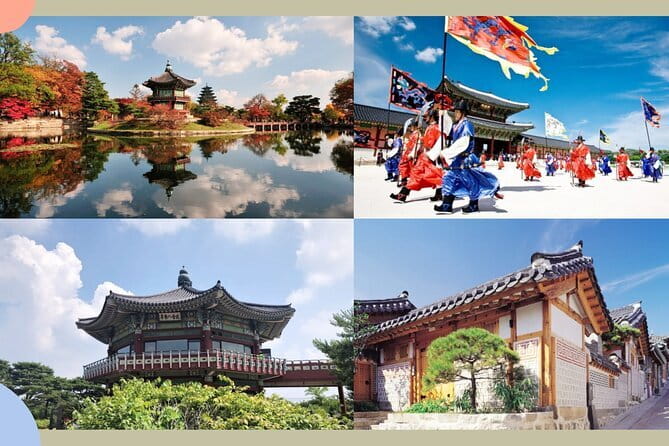
The Samcheongdong and Bukchon section lasts about 20 minutes. Here the subject broadens to the rise and fall of politicians and business tycoons who once owned land in the district.
This is also where feng shui becomes a major theme. Bukchon was selected as the capital under principles of auspicious placement, and the area was viewed as favorable ground by people seeking power and prosperity.
Feng shui is not treated as a decorative side note. It becomes a way to discuss why certain places attracted rulers, influential families, and political attention. You also hear how fortunes can rise and collapse, even in a district considered lucky.
I find this one of the tour’s more distinctive subjects because it ties physical geography to human ambition. You are not just looking at a hill or a street bend. You are considering why powerful people cared about location and how beliefs shaped decisions.
The section may feel more abstract than the royal story or the hanok visit. If you prefer a simple list of dates and monuments, feng shui and political cycles may seem less direct. If you enjoy understanding how ideas influence a city, this is likely a strong part of the walk.
Bukchon Hanok Village and the man who reshaped it
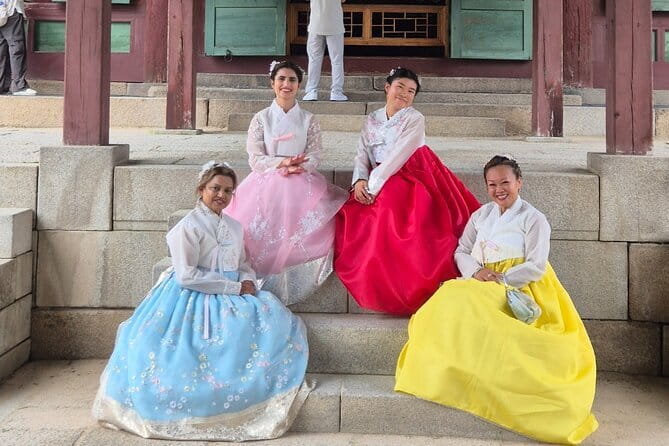
The final listed stop is Bukchon Hanok Village, with about 15 minutes devoted to the man who changed the face of Bukchon in the 1920s and 1930s.
This is an important detail because many people assume the village has looked the same for centuries. The present appearance of Bukchon also reflects more recent planning, construction, and social change.
The route’s earlier stops prepare you for this point. You learn about royal power, elite housing, old infrastructure, national history, and property ownership. At the village itself, those threads come together in the question of how Bukchon became the district you see today.
Expect the village to be the most recognizable part of the walk, but not necessarily the most revealing on its own. The value comes from knowing what to look for and understanding that the neighborhood is both historic and lived-in.
Because the end point is different from the meeting point, check the final location details before setting out. The tour begins at Anguk Station Exit 4, but you should not assume you will finish there.
What Dong adds that a standard route may miss
Dong is the key reason to choose this experience over a basic self-guided walk. He was born and raised in Bukchon, and he now works as a filmmaker and university screenwriting professor. That combination suggests a guide who thinks in scenes, characters, and connections rather than only dates.
His personal memories are especially useful for understanding recent change. Bukchon is not frozen in the Joseon period. It has shifted over the decades, and a local childhood perspective can show what has disappeared, what has returned, and how the area feels beyond its postcard image.
The guiding style also appears to include practical help. Dong has offered advice on getting around Seoul, recommended places based on personal interests, and even helped confirm an appointment for a participant. Those extras are not guaranteed tour services, but they indicate that you can ask questions beyond the formal script.
He also sometimes recommends further places in Korea, including temples outside Seoul, and has shared a short film with a participant for the flight home. Again, these are personal touches, not listed inclusions. Do not book expecting a movie or trip-planning session, but do make use of the chance to ask a local storyteller for ideas.
Pace, age, fitness, and weather
The walk starts at 10:00 a.m. from Anguk Station Exit 4 in Jongno District. The route lasts approximately 2 to 3 hours, with stops ranging from 10 to 20 minutes.
You need moderate physical fitness. Bukchon is a walking district, and the experience is built around lanes and streets rather than seated attractions. Wear shoes that can handle a sustained urban walk, and allow extra time if you plan to continue sightseeing afterward.
The experience is strongly recommended for people aged 12 and above. The concern is not a formal age rule so much as the storytelling format and the physical demands. Younger children may find a long history-focused walk difficult.
Weather will affect the experience. The route operates outdoors, and rain or cold can make the lanes less comfortable. The guide has led walks in rainy weather, but you should dress for the forecast and remember that there is no hotel pickup.
Price, private format, and what you receive
At $39.20 per person, the cost is reasonable if you value interpretation and a private setting. All listed stops have free admission, so you are paying mainly for Dong’s time, storytelling, local perspective, and the structure of the route.
That comparison matters. If you only want photographs of hanoks, you can explore parts of Bukchon without paying for a guide. If you want the stories behind the well, school, royal residence, political families, and neighborhood changes, the guide is the product.
The activity is private, meaning only your group participates. That is a strong advantage for couples, families with older children, or friends who want to ask questions without holding up a large crowd.
Group discounts are available, though the exact savings are not provided. A mobile ticket is offered, and confirmation is received at booking. Personal expenses, drinks, insurance, and hotel pickup are not included.
The Plus Tour adds a traditional Korean handicraft experience. Several participants particularly enjoyed making traditional Hopae tags, so this option may be worth comparing if you want a hands-on cultural activity rather than walking alone. Confirm that you are booking the Plus version if the craft is important to you.
The operator is Owl Tour. A minimum of two participants is required, and the activity may be canceled if fewer than two people join. You can cancel up to 24 hours before the experience for a full refund.
Who will get the most from this Bukchon walk
I would choose this tour if you want context rather than a checklist. It suits first-time visitors who have seen modern Seoul and want a clearer sense of the city’s older core.
It is also a good match for anyone interested in:
- Korean royal succession and Joseon politics
- Hanok design and the social world of the Yangban
- Feng shui and its link to power
- Japanese colonial-era traces and Korea’s independence story
- Film locations with a historical background
- Local memories of Bukchon’s recent changes
The tour may be less suitable if you need a fully accessible, seated, or child-focused activity. The route requires walking, and the recommended age is 12 and above.
It is also not the best choice if your priority is entering many historic buildings. The published route includes several short outdoor stops, and its strength is explanation rather than long interior visits.
Should you book the Bukchon Storytelling Tour?
I would book it if you want Bukchon explained by someone who grew up there. Dong’s local memories, filmmaking background, and interest in connecting old Seoul with the present give the walk a clear identity.
The best value comes from the quieter details: the well, the school’s less-known past, the politics of land, and the person who reshaped Bukchon in the 1920s and 1930s. The famous hanok lanes are part of the experience, but they are not the whole point.
Choose the Plus Tour if making a Hopae tag or another traditional craft matters to you. Otherwise, the standard tour should suit you well if you want a thoughtful private walk with free-entry stops and a relaxed pace.
FAQ
Where does the tour begin?
The tour begins at Anguk Station Exit 4 in Unni-dong, Jongno District, Seoul.
What time does the tour start?
The scheduled start time is 10:00 a.m.
How long does the tour last?
The walking experience lasts approximately 2 to 3 hours.
Where does the tour end?
The activity ends at a different location from the starting point. Check the end-point details when booking.
Is the tour private?
Yes. Only your group participates in the activity.
Who guides the tour?
The guide is Dong, also referred to as Donghwan in one participant account. He was born and raised in Bukchon and is a filmmaker and university screenwriting professor.
Is admission to the stops included?
The listed stops have no admission charge. Personal expenses, coffee, tea, and travel insurance are not included.
Is the traditional handicraft activity included?
The traditional Korean handicraft experience is available with the Plus Tour only.
Is the tour suitable for young children?
The experience is strongly recommended for people aged 12 and above. Children aged 12 and under may find the storytelling walk challenging.
What happens if fewer than two people book?
The tour may be canceled if fewer than two guests join. Confirmation is sent at the time of booking.
Can I cancel for a refund?
Yes. You can cancel up to 24 hours before the experience for a full refund.
Just added around Seoul
- Gyeongbokgung palace,seoul with gigibebe hanbok rental★ 4.5 · 12 reviews
- Private tour guide service in Seoul, Korea★ 5.0 · 6 reviews
- Alpaca, Nami, Petite Fr, Italian Village, Garden of Morning Calm★ 3.5 · 5 reviews
- Gyeongju UNESCO Sites Tour by KTX train; The Museum Without walls★ 4.5 · 11 reviews
- Private day trip to Korean Folk Village & Dae Jang Geum Park★ 5.0 · 7 reviews
- Private tour Lotte World,Tower,Aquarium(All Tickets are included)★ 5.0 · 12 reviews
- Seoul Private Custom Walking Tour with A Guide (Private Tour)★ 4.5 · 28 reviews
- Private day tour Korea(Seoul trip) with Professional Photographer★ 5.0 · 6 reviews
Seoul Tours, compared.
Best DMZ Tour Korea from Seoul (Red Suspension Bridge Optional)
Read our review →
DMZ Tour: 3rd Tunnel, Option(Suspension Bridge, Boat) from Seoul
Read our review →
DMZ tour south Korea from Seoul (NK experience hall, defector)
Read our review →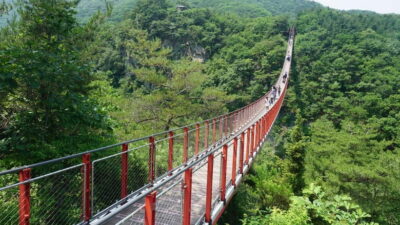
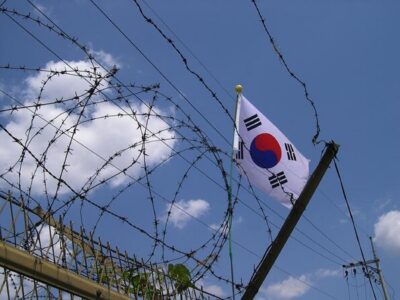
Thrilling Korean DMZ 3rd Tunnel Tour from Seoul + Red Bridge Rush
Read our review →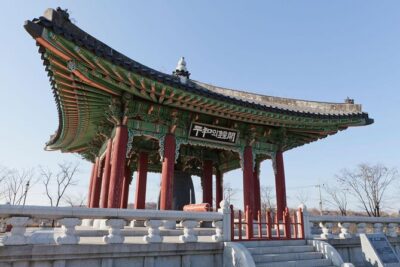
DMZ Past and Present: Korean Demilitarized Zone Tour from Seoul
Read our review →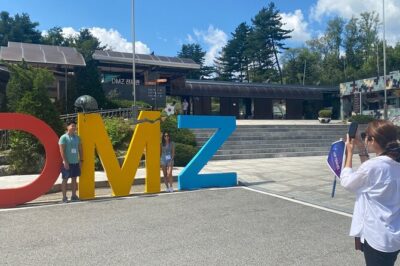
Ultimate Korea DMZ Tour from Seoul (Gondola & Suspension Bridge)
Read our review →