
Reviewed · CITY TOURS
Seoul City Walking Private Tour (3hours)
Seoul’s old center fits into a surprisingly neat morning here: Buddhist worship at Jogyesa Temple, royal grandeur at Gyeongbokgung Palace, hillside lanes in Bukchon, and the art-and-food streets of Insadong. The route gives you a quick read on Korean religion, royal life, traditional homes, and modern visitor culture without stopping at shops designed for tour groups.
I like the fixed, no-shopping plan, since your three hours stay focused on Seoul rather than sales pitches. I also like the human touch from guides such as Park and Frank, who offer practical Seoul tips along with the sights. The main drawback is pace: four major stops in three hours leave little room for lingering, and the route involves walking between locations.
Key details at a glance
- Four classic Seoul stops: Visit Jogyesa Temple, Gyeongbokgung Palace, Bukchon Hanok Village, and Insadong in one morning.
- A palace ticket is included: Gyeongbokgung admission is covered, while Jogyesa, Bukchon, and Insadong are free to enter.
- A no-shopping format: The tour keeps its attention on culture, architecture, food, and local orientation.
- Friendly named guides: Park is described as gentle and helpful, while Frank brings strong knowledge and enthusiasm to the city walk.
- Small-group scale: The maximum group size is 15 people, large enough to keep the price down but still manageable.
- Tuesday requires a change: Gyeongbokgung is closed then, so the palace stop is replaced by the Chancellor’s Palace.
A compact introduction to Seoul’s traditional core
This three-hour private walking tour is best understood as an orientation rather than a complete study of Seoul. You move through four places that explain why Jongno District matters: a major Buddhist temple, the leading Joseon-era palace, a neighborhood of traditional houses, and a street known for art, tea, crafts, and Korean food.
The $49 price is sensible if you want a guide to connect the dots quickly. You are paying for the route, guiding, and palace admission, not for lunch, insurance, or a full-day deep look at each site. For a first morning in Seoul, that can be good value, especially if you want help deciding what deserves more time later.
The route begins at 9 a.m. at Jogyesa Temple and ends in Insa-dong. That finish is useful. You can stay for lunch, browse on your own, or continue exploring central Seoul without having to return to the starting point.
The experience is limited to about three hours, with a maximum of 15 people. That is a reasonable size for an urban walk, though your enjoyment will depend on how efficiently the group moves and how much time the guide gives to questions. The mobile ticket and nearby public transportation make the meeting point fairly easy to reach, but the supplied information does not specify a hotel pickup.
A few more Seoul trips to weigh up
- Seoul moonlight walking tour with local historian
★ 5.0 · 940 reviews - Seoul: Nighttime Hidden Gems Walking Tour
★ 5.0 · 775 reviews - Seoul: Evening Dark History, Folklore & Ghost Story Walking Tour
★ 5.0 · 593 reviews
Jogyesa Temple at 9 a.m.
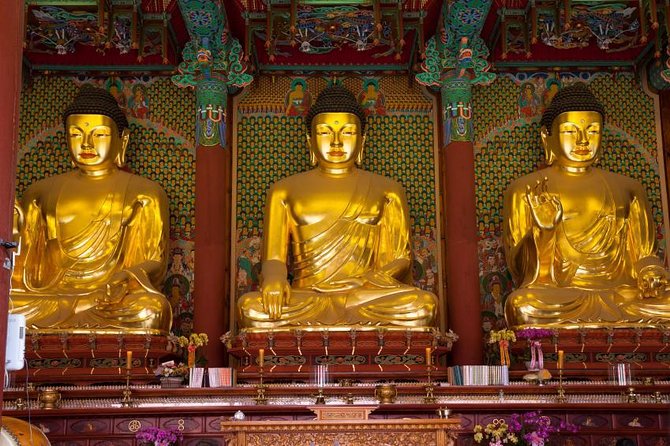
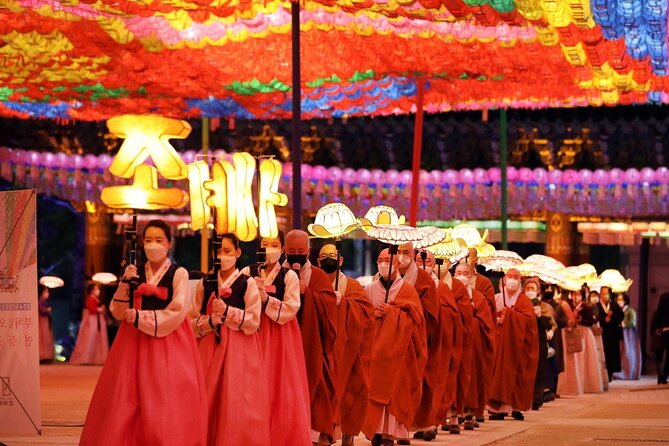
Jogyesa Temple gives the morning a calm start. It is described as the center of Buddhism in Seoul, so this is more than a quick architectural photo stop. You get an introduction to a living religious tradition before moving on to royal buildings and residential streets.
The scheduled visit lasts about 30 minutes. I like that length for a first look. It is long enough to take in the temple setting and hear an explanation, but short enough to keep the tour moving toward Gyeongbokgung.
Admission is free. You should treat the temple as a working place of worship, not just a sightseeing backdrop. The guide’s role matters here, since a little context can help you understand what you are seeing and how to behave respectfully.
Park’s style, based on the available feedback, sounds especially suited to this kind of opening. He is described as kind and gentle, and as someone who shares useful travel advice beyond the formal attractions. That can help you get your bearings early in a Seoul visit.
Gyeongbokgung Palace and the Joseon capital
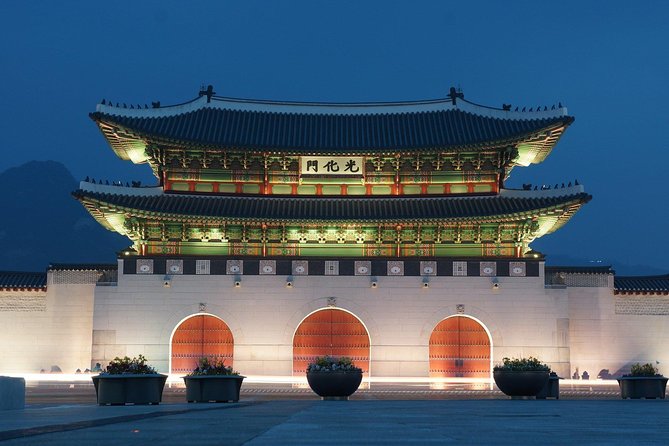
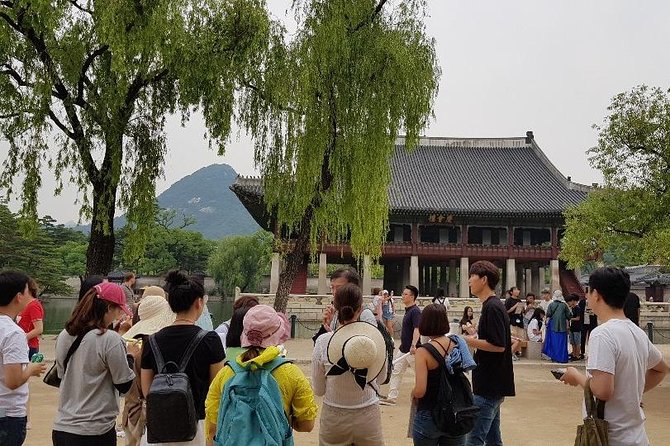
Gyeongbokgung is the tour’s major historical stop, with about an hour set aside for it. The palace is presented as the best-known royal complex in Korea and a symbol of Seoul’s long role as the capital during the Joseon Dynasty.
The main gate is an important part of the approach. It gives you a clear visual sense of scale and ceremony before you enter the palace grounds. Inside, the attraction is not one single room or building. It is the larger royal setting, with gates, courtyards, halls, and the arrangement of power that shaped the old capital.
The palace admission fee is included, which improves the value of the $49 cost. You will still need to budget for your own meal and travel insurance, since neither is part of the tour.
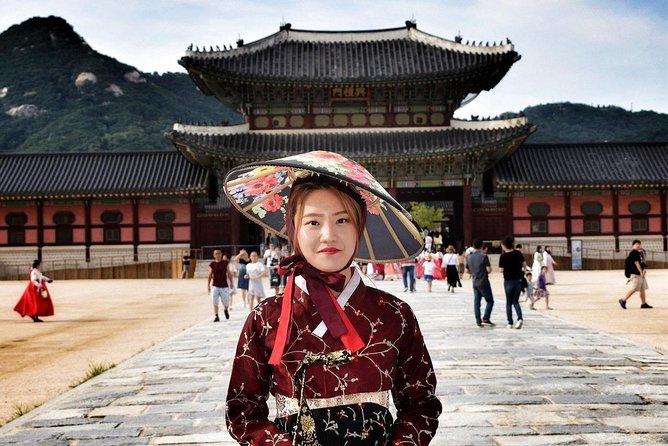
The description says you enter wearing hanbok, Korea’s traditional costume. It does not state that hanbok rental is included, so do not assume the $49 covers costume hire. If you already have an arrangement to wear hanbok, the palace visit may feel more special and can make photographs at the gates and courtyards memorable.
Tuesday needs careful planning. Gyeongbokgung is closed that day, and the tour replaces it with the Chancellor’s Palace. The supplied details do not explain that replacement in depth, so ask for the exact Tuesday route if the palace is your main reason for booking. If seeing Gyeongbokgung itself is essential, choose another day.
An hour is enough for a useful overview but not for every corner. Frank’s feedback points to a guide who brings strong knowledge and real enthusiasm to Seoul. That combination is valuable at a palace, where the buildings alone can blur together without a clear explanation of their purpose.
Bukchon Hanok Village and the cost of popularity
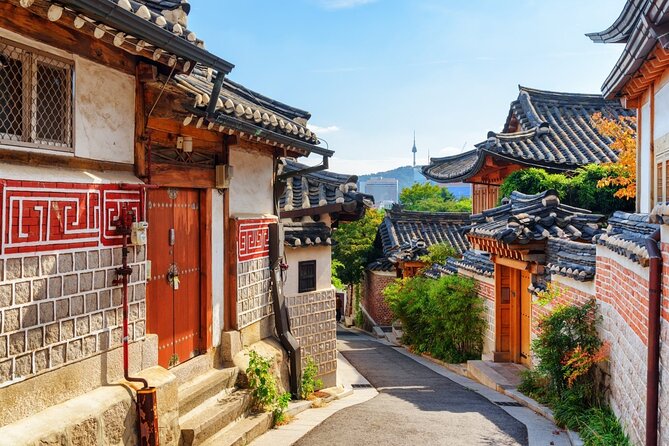
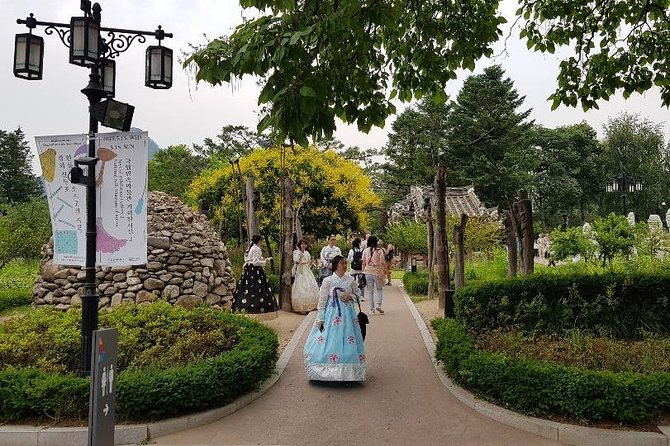
The next hour is given to Bukchon Hanok Village, an area between Gyeongbokgung Palace and Changdeokgung Palace. Its appeal comes from the traditional Korean houses, called hanok, lining the streets and slopes. About 900 traditional houses are associated with the area in the tour description.
This is the most photographic part of the walk. You can expect narrow lanes, tiled roofs, old-style façades, and views that feel very different from Seoul’s modern commercial districts. The route offers a useful look at how traditional architecture remains part of the city rather than being confined to a museum.
Bukchon is also where you should keep your expectations in check. The tour provides about an hour, but that does not mean you will see every lane or explore at a slow pace. The neighborhood is a real residential area, so you should keep your voice down and avoid treating private doorways as photo sets.
The walk between major sights is part of the experience, but it can make the morning feel active. Wear comfortable shoes and be ready for uneven streets or inclines. The supplied information confirms a walking itinerary, though it does not give a precise distance or accessibility rating.
I like this stop because it adds ordinary scale to the palace visit. Gyeongbokgung shows the world of kings and court ritual. Bukchon shows the older urban fabric that surrounded that royal center. In one morning, you get both the formal and residential sides of traditional Seoul.
Same country, a completely different kind of day:
- Best DMZ Tour Korea from Seoul (Red Suspension Bridge Optional)
★ 5.0 · 41,422 reviews - DMZ Tour: 3rd Tunnel, Option(Suspension Bridge, Boat) from Seoul
★ 5.0 · 21,373 reviews - DMZ tour south Korea from Seoul (NK experience hall, defector)
★ 5.0 · 20,599 reviews - Seoul: DMZ Tour with Optional Suspension Bridge
★ 4.8 · 5,277 reviews
Insadong, where the morning ends
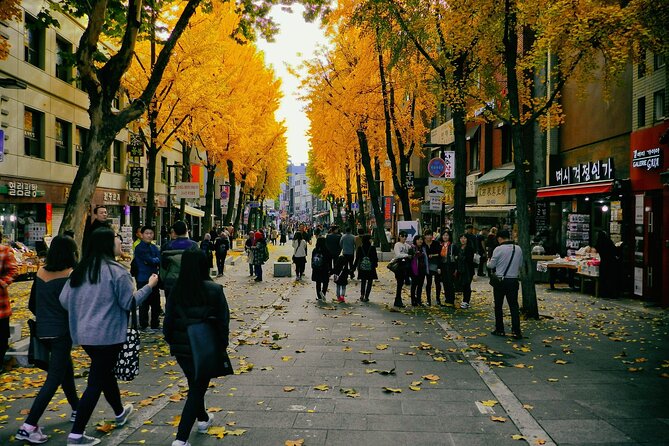
Insadong is the final stop, with about 30 minutes planned. This traditional street is known for art galleries, tea houses, hanji shops, and Korean food. It is a fitting place to finish because it shifts the focus from old institutions to the ways traditional culture is presented and enjoyed today.
The short visit gives you an introduction rather than a full shopping or food crawl. Since lunch is not included, the end point gives you a chance to choose your own meal afterward. You may also want to return later if you find a tea house, gallery, or food stall worth more time.
The no-shopping approach is important here. You are not required to buy anything, and the stated plan does not build in sales stops. You can listen to the guide’s explanation, note places that interest you, and decide for yourself how long to stay after the formal tour ends.
Finishing in Insa-dong is practical for independent plans. You are already in a central cultural district, and the end point is listed as Insa-dong in Jongno District. The tour does not include onward transportation, so plan your next step using Seoul’s public transportation network or your own directions.
What the guides add to the morning
The strongest human feature of this experience is the guiding. Park is praised for being friendly, kind, and gentle, with useful advice for the rest of a Seoul stay. That is exactly what a short orientation walk needs. You want more than dates and building names. You want help understanding how to use the city once the tour is over.
Frank is described as genuinely passionate and well informed about Seoul. His reported approach is to make the city interesting and exciting, rather than simply reciting facts. At Gyeongbokgung and Bukchon, that energy can help keep a compact schedule from feeling like a checklist.
Guide assignments can vary, so you should not book on the assumption that one specific person is guaranteed unless the provider confirms it. Still, Park and Frank give you a useful sense of the guiding style associated with the experience: personal, practical, and focused on making the city easier to understand.
The four available ratings are all five stars, which is encouraging but also a small sample. I would take the praise seriously for guide manner and city tips, while judging the tour’s pace and fixed route by the details provided.
Is $49 good value for three hours?
At $49 per person, the tour sits in a reasonable range for a guided half-day introduction, particularly because palace admission is included. The cost becomes more attractive if you value local explanation and do not want to work out the route between four central sights on your own.
The price is less compelling if you prefer long visits, private wandering, or detailed palace study. Three hours pass quickly once you allow for meeting, walking, photographs, and group movement. You will see the main ideas of each stop, not every room, lane, or food option.
Group discounts are available, though no discount amount is provided. The maximum group size is 15, so this is not necessarily a one-to-one private guide experience despite the product title. Ask about the actual group size for your date if a more personal format matters to you.
There are no listed lunch benefits, insurance benefits, or costume rental benefits. Add those costs yourself if needed. The value comes from the route, the guide, and the included admission fee.
Who should book this walking tour?
I would point this tour toward a first-time Seoul visitor with one morning to spare. It works well if you want a clear introduction to Korean traditional culture, a major palace, old residential architecture, and a central arts district without spending a full day on one attraction.
It also suits you if you like practical advice from a guide. Park’s reported tips for the rest of a Seoul visit and Frank’s enthusiasm for the city are useful extras, especially at the beginning of a trip when you are still learning the layout.
Families and most general visitors can participate, according to the supplied information. The group is capped at 15, and the route is close to public transportation. Still, you should be comfortable walking for much of the morning and keeping to a set schedule.
I would look elsewhere if you want shopping, a food-focused tour, a private car, or a slow architectural study. I would also avoid booking Tuesday without confirming the replacement palace, since Gyeongbokgung is closed then.
The experience is non-refundable and cannot be changed after booking. Poor weather or failure to meet the minimum number of participants can lead to a different date, another experience, or a full refund. That weather rule matters for a walking route, so check the forecast before committing, especially during a season of rain.
Should you book it?
Book this tour if you want a well-paced first look at old Seoul and prefer a guide to connect the sights. The route covers religion, royal life, traditional homes, art, tea, and food culture in one compact morning, and the end point in Insadong makes it easy to continue independently.
Skip it if you already know these districts or want to linger at Gyeongbokgung and Bukchon. For most first visits, though, $49 is fair value for a focused introduction, included palace admission, and the chance to gather practical advice from a guide such as Park or Frank.
FAQ
How long is the Seoul City Walking Private Tour?
The tour lasts approximately three hours.
What time does the tour start?
The morning course starts at 9:00 a.m.
Where does the tour begin?
The meeting point is Jogyesa Temple in Seoul, South Korea.
Where does the tour end?
The morning course finishes in Insa-dong, Jongno District, Seoul.
Which places are included in the route?
The route includes Jogyesa Temple, Gyeongbokgung Palace, Bukchon Hanok Village, and Insadong.
Is Gyeongbokgung Palace open every day for this tour?
Gyeongbokgung Palace is closed on Tuesdays. On Tuesdays, the palace stop is replaced by the Chancellor’s Palace.
Is admission included?
The admission fee is included. The information specifically lists Gyeongbokgung as including admission, while Jogyesa Temple, Bukchon Hanok Village, and Insadong are listed with free admission.
Is lunch included?
No. Lunch is not included in the tour price.
How many people can join the tour?
The activity has a maximum of 15 participants. Group discounts are available, but the discount amount is not specified.
Can I cancel or change the booking?
The experience is non-refundable and cannot be changed for any reason. If poor weather causes the provider to cancel, you can be offered another date or a full refund. If the minimum number of participants is not met, you can be offered another date or experience, or a full refund.
Just added around Seoul
- Gyeongbokgung palace,seoul with gigibebe hanbok rental★ 4.5 · 12 reviews
- Private tour guide service in Seoul, Korea★ 5.0 · 6 reviews
- Alpaca, Nami, Petite Fr, Italian Village, Garden of Morning Calm★ 3.5 · 5 reviews
- Gyeongju UNESCO Sites Tour by KTX train; The Museum Without walls★ 4.5 · 11 reviews
- Private day trip to Korean Folk Village & Dae Jang Geum Park★ 5.0 · 7 reviews
- Private tour Lotte World,Tower,Aquarium(All Tickets are included)★ 5.0 · 12 reviews
- Full Day Private Seoul Tour for foodies★ 5.0 · 3 reviews
- Seoul Private Custom Walking Tour with A Guide (Private Tour)★ 4.5 · 28 reviews
City Tours, compared.
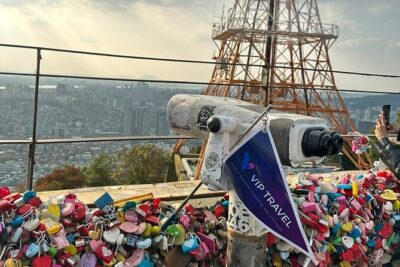
Best Seoul City Tour (Gyeongbokgung Palace,Insadong,Namsan Tower)
Read our review →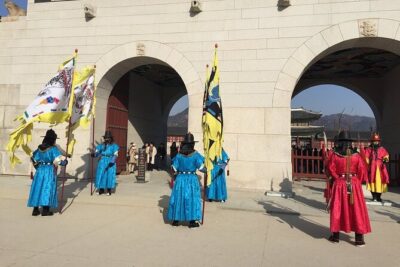
Small-Group Royal Palace and Seoul City Tour (hotel pick-up)
Read our review →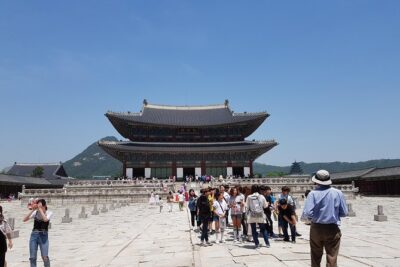
Seoul City Sightseeing Tour Including Gyeongbokgung Palace, N Seoul Tower, and Namsangol Hanok Village
Read our review →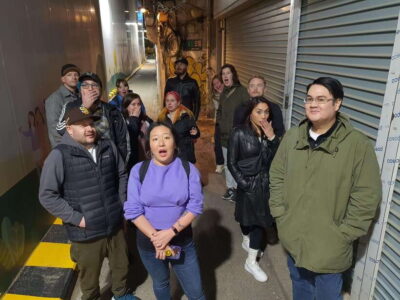
Dark Side of the City and Ghost Stories Walking Tour
Read our review →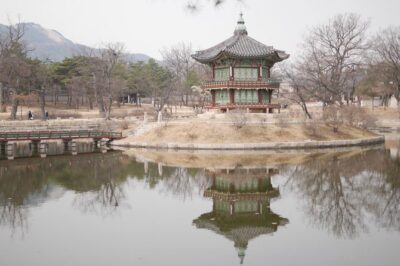
Seoul City Private Full-Day Tour Including Lunch
Read our review →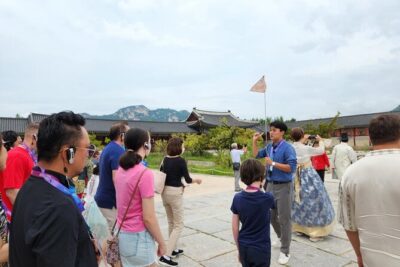
Seoul City Half Day Tour-Gyeongbok Palace Guard Changing Ceremony
Read our review →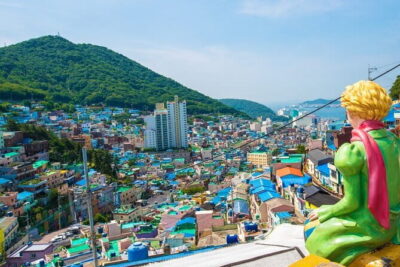
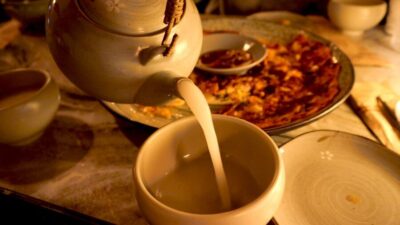
Guided City Wall Sunset Hike with Korean Dinner
Read our review →Browse the lists this tour appears in