
Reviewed · COOKING CLASSES
Korean Cooking at Seoul Cooking Club
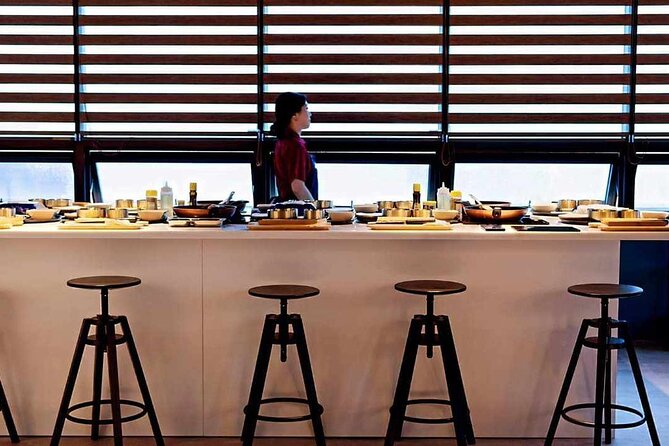
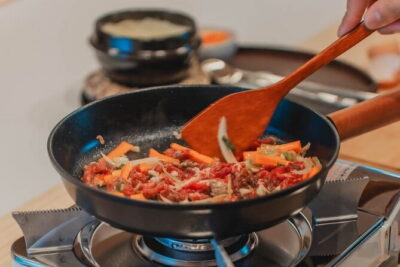
Korean Cooking at Seoul Cooking Club is less about watching a chef perform and more about getting your hands into the food. In roughly two and a half hours, you work through Korean favorites such as bulgogi, bibimbap, japchae, gimbap, and jeon, then sit down to eat what you prepared.
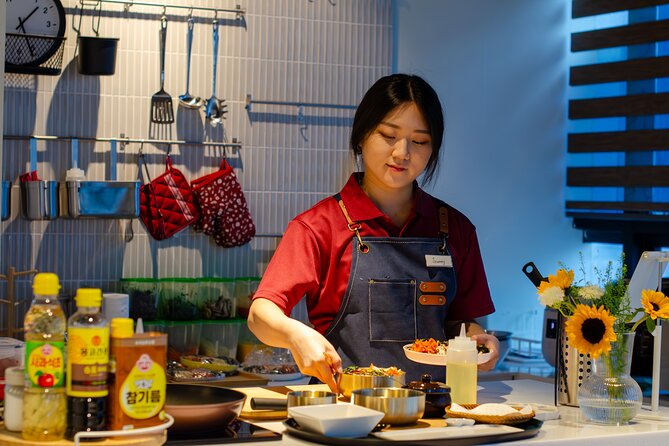
I like the broad menu and the friendly teaching style associated with instructors including Olivia, Sally, Elly, and Grace. I also like that the class can handle vegan, halal, vegetarian, pescatarian, gluten-free, and some personal dietary needs. The main consideration is that much of the preparation may already be done, so experienced cooks could find the class closer to guided assembly than a full kitchen lesson.
Key points at a glance
- A generous Korean feast: Expect several savory dishes, dessert, drinks, and sometimes enough food to pack away for later.
- Small class size: The maximum is 12 people, giving instructors room to help with shaping, seasoning, and technique.
- Useful menu education: Learning the dishes makes Korean restaurant menus and street-food stalls easier to understand during the rest of your trip.
- Good for beginners: Clear demonstrations and prepped ingredients keep the cooking manageable, even if you rarely use a kitchen.
- Dietary flexibility: Vegan, vegetarian, pescatarian, gluten-free, halal, and other dietary requests can be accommodated when arranged.
- A practical souvenir: A recipe cookbook is provided, and some sessions also include a tote bag.
What the 2.5-hour Seoul cooking class feels like
The class begins and ends at 71-6 Jongno 2(i)-ga in Seoul’s Jongno District, a central area near public transportation. The format is designed to work for brunch, lunch, or dinner, so it can fit neatly into a day of sightseeing.
The appeal is simple: Korean food is often easy to admire at a restaurant but harder to reproduce at home. Here, you see how the ingredients come together, take part in the preparation, and then eat the finished dishes at the same table.
The exact menu can vary, but the experience is built around a three-course Korean meal with a much larger tasting spread. The class description refers to ten Korean flavors across appetizers, main dishes, and dessert. Individual sessions described by the instructors have included seven savory preparations plus dessert, including three styles of jeon, japchae, bibimbap, bulgogi, and gimbap.
That is a lot of food for one class. You should arrive hungry. Several people have had enough left over to take home, which improves the value of the experience and may solve a later meal.
A few more Seoul trips to weigh up
- Local Home Korean Cooking Class & Market Adventure in Seoul
★ 5.0 · 1,024 reviews - Master Korean traditional cooking with a Kimchi chef
★ 5.0 · 385 reviews - Seoul: Korean Cooking Class at a Local Home and Market Tour
★ 5.0 · 348 reviews
Learning Korean flavors through several classic dishes
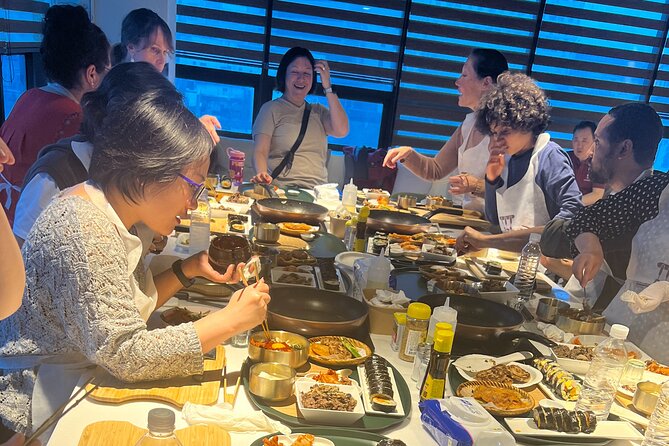
The strongest part of the class is the range. Instead of spending two hours on one difficult recipe, you get a tour of several Korean staples and learn how they fit together.
Bulgogi gives you a look at one of Korea’s best-known savory dishes. The lesson can show how seasoning creates the familiar sweet and savory balance. It is also useful context for restaurant meals, where bulgogi may appear in different forms.
Bibimbap is especially helpful for beginners because it teaches the logic of combining rice, vegetables, sauce, and toppings. You are not simply memorizing a recipe. You are learning how separate components become a complete bowl.
Japchae introduces a different texture and a different way of building flavor. The noodles are soft and springy, while vegetables and seasoning keep the dish from feeling heavy. Preparing it alongside bibimbap and bulgogi helps you see how Korean meals use contrast.
Gimbap is one of the more hands-on parts of the menu. Elly has been praised for making the rolling process clear and approachable, with practical tips that help you feel able to repeat it at home. The dish also connects directly to the food you may see in convenience shops, markets, and casual restaurants.
The jeon, or Korean savory pancakes, add variety. Making three types in one session gives you a better sense of how the same basic idea can produce different flavors and textures.
Dessert rounds out the meal rather than leaving you with only savory dishes. You also may taste Korean drinks, including tea, water, and sujeonggwa, a sweet cinnamon-based beverage served chilled. The drink service adds a small cultural detail without turning the class into a separate beverage workshop.
The teaching style: clear, friendly, and beginner-friendly
The instructors are a major part of the experience. Olivia, Sally, Elly, Grace, and Ally are named by the school as teachers or hosts, and the class format allows them to demonstrate each step before you try it.
That matters in Korean cooking, where small choices can affect the result. The instructors explain ingredients, seasoning, and basic methods in plain language. They also encourage questions about Korean culture and food traditions, so the class is not just a sequence of kitchen tasks.
If you are new to cooking, this setup should feel reassuring. Ingredients are prepared in advance, directions are broken into manageable steps, and the food is assembled in stages. You can sit and eat between parts of the session rather than working nonstop.
If you cook often, the class may feel too simple at times. One honest drawback is that some ingredients are already chopped, measured, or cooked. You get a useful introduction to Korean dishes, but not necessarily a full lesson in shopping, knife work, raw-meat preparation, or the long preparation behind every recipe.
This is a fair trade for a short class with a large menu. Prepping everything from scratch would take much longer and would leave less time for tasting, conversation, and explanation.
Why the small group size matters
The class has a maximum of 12 people. That is small enough for an instructor to keep an eye on the work without making the session feel private or formal.
For a solo visitor, the group format creates an easy social setting. You can meet people from different countries while sharing tasks and eating together. For couples and families, it offers interaction without requiring you to spend the whole session talking to strangers.
A smaller group also helps with dietary requests. The school advertises vegan, vegetarian, pescatarian, gluten-free, and halal options, and one participant was able to manage a peanut allergy and avoid beef and pork. You should still provide all restrictions when booking and confirm them before the class, since the information does not promise that every ingredient is handled in a completely separate kitchen.
The class can also suit families. A family of five prepared dishes including bulgogi and kimchi pancakes, had plenty to eat, and took leftovers for the next day. The main practical point is to tell the school about children or food restrictions in advance so the staff can prepare appropriately.
Same country, a completely different kind of day:
- Best DMZ Tour Korea from Seoul (Red Suspension Bridge Optional)
★ 5.0 · 41,422 reviews - DMZ Tour: 3rd Tunnel, Option(Suspension Bridge, Boat) from Seoul
★ 5.0 · 21,373 reviews - DMZ tour south Korea from Seoul (NK experience hall, defector)
★ 5.0 · 20,599 reviews - Seoul: DMZ Tour with Optional Suspension Bridge
★ 4.8 · 5,277 reviews
How much cooking do you actually do?
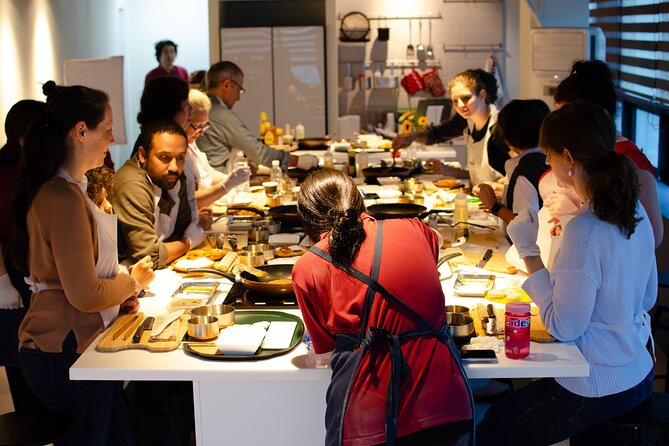
This is the point to understand before paying. You are taking part, but you are not running a professional kitchen from start to finish.
The staff prepares some ingredients ahead of time. That keeps the class moving and makes it possible to cover many dishes in 150 minutes. You will likely focus on combining ingredients, seasoning, shaping, rolling, and following demonstrations rather than doing every chopping, simmering, and prep task yourself.
For a first Korean cooking lesson, that structure works well. You can concentrate on the flavor balance and the sequence of each recipe instead of worrying about a long ingredient list. It also means you are more likely to finish with food that tastes good.
For an experienced home cook seeking advanced technique, the class may not go far enough. The experience is best viewed as a practical introduction and cultural food lesson, not a serious culinary certification or chef-training session.
I would especially recommend it if you want to leave Seoul with a few recipes you can realistically make at home. The cookbook provided at the end is useful because it gives you a reference after the aromas and demonstrations have faded.
What makes the food education useful after class
A cooking class can be a pleasant meal with a recipe card, or it can change how you eat for the rest of your trip. This one has the potential to do the latter because it covers dishes you are likely to encounter all over Seoul.
After making gimbap, you will recognize it more easily in casual food shops. After preparing bibimbap, you will have a better idea of how the toppings and sauce work together. Jeon, japchae, and bulgogi will no longer be just names on a menu.
The cultural explanations also add value. Instructors discuss why certain ingredients are used and explain the foundations of Korean flavor. That makes the experience useful on your first day in Seoul, when you are still learning what to order and how Korean meals are structured.
It is not a market tour, despite the occasional mention of shopping or ingredient guidance. If you already know how to buy Korean ingredients, you can ask to focus on the cooking and recipes. The class is flexible enough that one participant did exactly that.
Price and value at $109 per person
At $109 per person, this is not the cheapest way to eat Korean food in Seoul. You can buy an excellent restaurant meal for less, and street food will cost much less.
The value comes from the combination of instruction, food, cultural context, group interaction, drinks, dessert, and the recipe book. You are not paying only for a plate of bulgogi. You are getting several dishes and a skill you can take home.
The quantity helps. You may prepare seven savory dishes plus dessert, or sample around ten flavors across the class. Several sessions have produced enough food for leftovers, though you should not treat that as guaranteed. If you count the meal, the lesson, and the cookbook together, the price is reasonable for a central Seoul activity.
I would consider it good value for solo visitors, couples, and families who want one organized cultural activity. It is less compelling for someone focused only on eating cheaply, or for a serious cook wanting detailed instruction from raw ingredients.
Timing, location, and small practical details
The class lasts about two hours and 30 minutes. That is long enough to feel substantial but short enough to fit between major Seoul sights.
Because it starts and finishes at the same Jongno address, you do not need to arrange a separate return transfer. The meeting point is near public transportation, which is helpful in Seoul’s central districts. Check the confirmation carefully for the exact start time and arrive with enough margin to find the building.
The activity is offered for brunch, lunch, or dinner. A lunch session can work well between sightseeing stops, while dinner gives you an easy evening plan. Since the meal is substantial, avoid scheduling another large dinner immediately afterward.
A mobile ticket is provided, and confirmation arrives at booking. Service animals are allowed. Free cancellation is available up to 24 hours before the start time, but cancellations or changes inside that window are not refunded or accepted.
Who should book Seoul Cooking Club?
I would choose this class if you want a friendly introduction to Korean food without needing prior cooking experience. It is particularly good for:
- Solo visitors who want an easy way to meet people
- Couples looking for a shared activity beyond sightseeing
- Families who enjoy food and want a manageable class
- Beginners who prefer clear steps and prepared ingredients
- People with dietary restrictions who need advance menu planning
- Home cooks who want recipes for familiar Korean dishes
You may want another type of class if you expect a market visit, extensive knife practice, or every ingredient prepared from scratch. You should also be realistic about the pace. The menu is broad, so the lesson gives you a sample of many dishes rather than a long, detailed study of one recipe.
Should you book this Korean cooking class?
I would book Seoul Cooking Club if your priority is a generous meal, friendly instruction, and a broad introduction to Korean home-style flavors. The teachers make the process approachable, the group is limited to 12, and the food list is unusually varied for a short class.
The strongest reason to go is the balance between doing and eating. You take part in gimbap, pancakes, japchae, bibimbap, bulgogi, and other dishes, then sit down to enjoy the results. You may even leave with leftovers and a cookbook.
Book with dietary needs clearly stated, arrive hungry, and accept that some preparation is done for you. If that sounds like a fair exchange for learning several recipes in one Seoul afternoon or evening, the $109 price is justified.
FAQ
How long does the Korean cooking class last?
The experience lasts approximately two hours and 30 minutes.
Where does the class begin?
The meeting point is 71-6 Jongno 2(i)-ga, Jongno District, Seoul, South Korea.
Where does the experience end?
The activity ends back at the meeting point.
What dishes might I prepare?
The menu can include bulgogi, bibimbap, japchae, gimbap, kimchi pancakes, several types of jeon, appetizers, main dishes, and dessert. The exact selection may vary.
Can dietary restrictions be accommodated?
Yes. Vegan, vegetarian, pescatarian, gluten-free, halal, and other dietary preferences can be accommodated. Provide your requirements when booking.
How many people can join the class?
The group has a maximum of 12 participants.
What is the cancellation policy?
You can cancel at least 24 hours before the start time for a full refund. Cancellations or changes made less than 24 hours before the experience are not accepted and are not refunded.
Just added around Seoul
- Alpaca, Nami, Petite Fr, Italian Village, Garden of Morning Calm★ 3.5 · 5 reviews
- Gyeongbokgung palace,seoul with gigibebe hanbok rental★ 4.5 · 12 reviews
- Private tour guide service in Seoul, Korea★ 5.0 · 6 reviews
- Gyeongju UNESCO Sites Tour by KTX train; The Museum Without walls★ 4.5 · 11 reviews
- Private day trip to Korean Folk Village & Dae Jang Geum Park★ 5.0 · 7 reviews
- Private tour Lotte World,Tower,Aquarium(All Tickets are included)★ 5.0 · 12 reviews
- Full Day Private Seoul Tour for foodies★ 5.0 · 3 reviews
- Seoul Private Custom Walking Tour with A Guide (Private Tour)★ 4.5 · 28 reviews
Cooking Classes, compared.
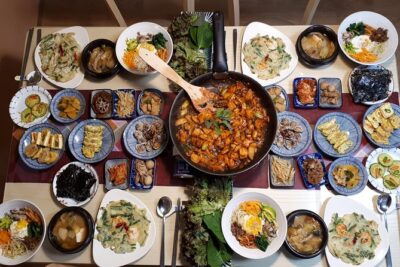
Local Home Korean Cooking Class & Market Adventure in Seoul
Read our review →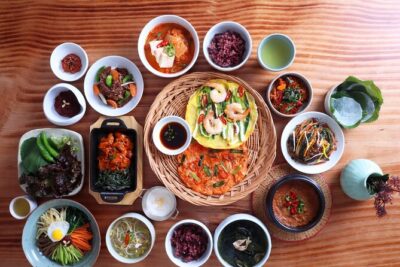
Master Korean traditional cooking with a Kimchi chef
Read our review →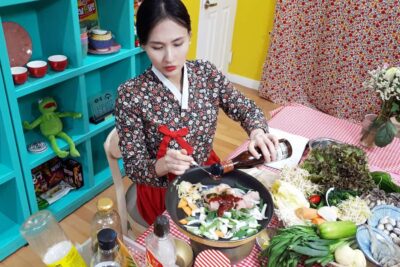
Korean Cooking Class at a Local Home and Market Tour
Read our review →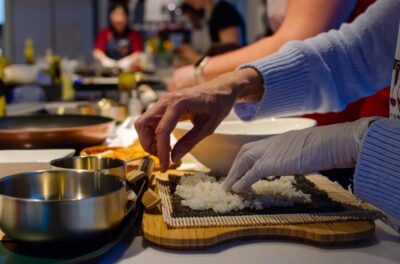
Korean Cooking Class with Grocery Shopping at Seoul Local Market
Read our review →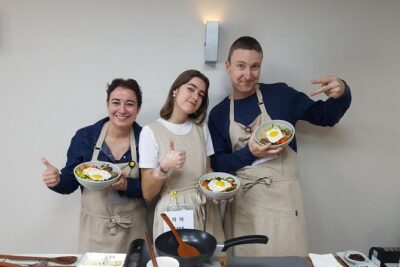
Royal Seoul Cooking Class in a 100-Year-Old Hanok
Read our review →
Busan Tailored Korean cooking class (Vegan OK)with market tour
Read our review →Browse the lists this tour appears in