
Reviewed · FOOD & DRINK
Seoul Food Tours, Eat Like a Local : 100% Personalized & Private
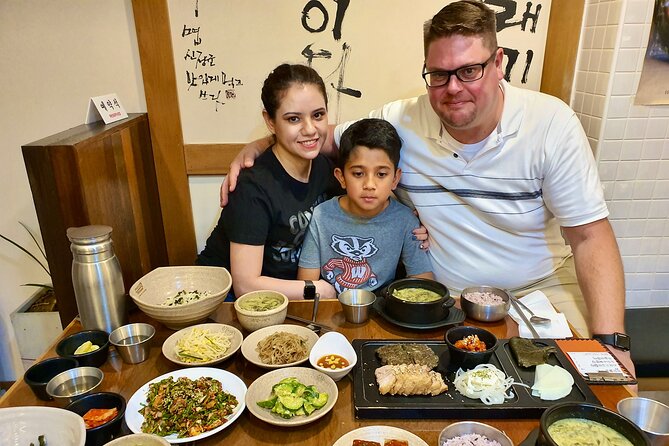
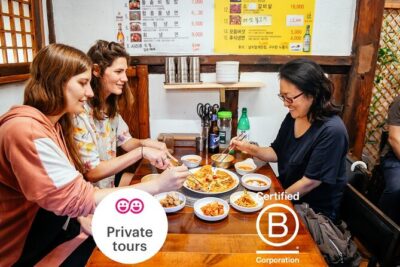
Seoul’s best food is often served in small neighborhood eateries, market stalls, and modest restaurants rather than polished tourist spots. This private tour lets you follow your appetite, with a host shaping the route around dishes such as mandu, Korean dumplings, BBQ, noodle soup, garlic chicken stew, rice cakes, and pancakes. I like the personal route and the useful hotel meet-up option. I also like that guides such as Andrew and Ben have added cultural and historical context, not just a list of dishes.
The main concern is value. At $221.45 per person, this costs more than an ordinary food walk, and transportation, extra food, and gratuities are not included. The three-hour length also means you get a focused introduction, not a full evening of eating across Seoul.
Key things to know before booking
- Your route is custom-built: Stops can include Yago Mandoo, Pumpkin Korean BBQ, Ikseondong, and Gwangjang Market, but the final plan depends on your interests.
- Six to eight tastings are included: You also receive two soft drinks per person, with other food and drinks charged separately.
- It is fully private: Only your group takes part, so you can ask questions, adjust the pace, and focus on foods you want to try.
- Hosts add local context: Andrew has shared historic insights, while Ben has guided food walks through traditional neighborhoods away from the main tourist areas.
- It is mainly a walking experience: Public transportation or taxis can be suggested, but you pay those costs yourself.
- The meeting point is central: The scheduled start is Starbucks Anguk at 5-1 Bukchon-ro in Jongno District, with hotel meet-up available on request for central locations.
Why this Seoul food walk works best as an introduction
I see this experience as a way to get your bearings through food. Seoul can feel hard to read at first. Menus may be unfamiliar, dining customs can differ from home, and some of the most appealing places have little English signage. A host gives you a path through that first layer.
You are not simply handed a plate and told what it is. The route can connect food with the part of Seoul around you. A walk through Ikseondong, for example, brings together old hanok buildings, cafés, and narrow streets. Gwangjang Market gives you a look at the city’s street-food habits. A small local restaurant can show you how everyday meals differ from dishes prepared for tourists.
The private format matters here. You are not trying to keep pace with a large group or waiting for ten other people to decide what they can eat. If you are especially interested in dumplings, BBQ, noodle dishes, tea, or less familiar foods, your host can shape the outing around that request.
There is also a useful social side. The strongest host experiences described for this tour include cheerful guides who made unfamiliar food easier to try. Andrew has been praised for bringing the city to life with historic detail. Ben has helped focus a route on requested dishes such as galbijjim and kalguksu. Van has guided a food-focused evening with market stops and local specialties.
A few more Seoul trips to weigh up
- Seoul Street Food Market Tour
★ 5.0 · 1,226 reviews - Seoul: Night Market Food Tour with Local Guide
★ 4.9 · 943 reviews - Downtown Seoul Guided Food & Market Tour with 8+ Local Tastings
★ 5.0 · 580 reviews
Starting near Anguk and Bukchon
The standard meeting point is Starbucks Anguk, at 5-1 Bukchon-ro in Seoul’s Jongno District. This puts you near an area well suited to a food-and-neighborhood introduction, with Bukchon and Ikseondong among the possible surroundings.
You should confirm the final meeting details after booking. A central hotel meet-up is available on request, but it is not presented as automatic for every address. If your hotel is outside the central area, plan to reach the stated meeting point yourself.
The tour lasts about three hours. That is enough time for several small tastings and a neighborhood walk, but you should not expect a long multi-district expedition. The route may involve public transportation or a private taxi if your host suggests it, and those fares are not part of the price.
Wear comfortable shoes and arrive hungry, but not starved. Six to eight samples can add up quickly, especially if some are filling dishes such as dumplings, BBQ, noodle soup, and stew. Since the route is personalized, the exact balance between snacks and proper meals may vary.
Small eateries and the taste of everyday Seoul
One of the most appealing parts of the experience is the chance to visit sikdang, the Korean word for small local eateries. These places can offer a more ordinary taste of Seoul than restaurants built mainly for sightseeing.
Pumpkin Korean BBQ is one possible stop. Korean BBQ is more than grilled meat. The meal often comes with side dishes and a shared-table rhythm, so your host can help explain what to do and how the meal fits into local dining culture. The experience does not promise a particular BBQ menu every time, so you should treat it as an example of the type of stop that may be included.
The same applies to garlic chicken stew and noodle soup. These are useful dishes for understanding the comfort-food side of Korean cooking. They are less about novelty and more about warmth, seasoning, texture, and the way people eat together.
This is also where the tour’s private format can save you from ordering blindly. Your host can point you toward a specialty and explain what you are trying. If you have already eaten BBQ or stews elsewhere, say so early. The route is meant to respond to your tastes, and the best use of the tour is to ask for something you might not find easily on your own.
Mandu, noodle soup, and requested dishes
Mandu, Korean dumplings, is one of the clearest examples of a practical food stop. Yago Mandoo is listed as a possible place to try them, along with noodle soup and garlic chicken stew.
Dumplings are a good choice for mixed groups because they are familiar enough to be approachable but still different in seasoning and preparation. A host can also help you compare the dumplings with other foods later in the walk. The tour includes six to eight Korean specialties, so a dish such as mandu can act as a comfortable starting point before you move toward foods that are less familiar.
The personalized planning is especially useful if you arrive with a short wish list. Ben has guided a route that included galbijjim and kalguksu, two requested dishes, in a traditional neighborhood away from the main tourist areas. That example suggests you should communicate your food priorities before the tour rather than waiting until the meeting point.
Do not assume every named restaurant or dish will appear. The exact places can change because this is a custom experience. That flexibility is a benefit if you want a route built around your interests, but it also means you cannot book this expecting a fixed restaurant itinerary.
Same country, a completely different kind of day:
- Best DMZ Tour Korea from Seoul (Red Suspension Bridge Optional)
★ 5.0 · 41,422 reviews - DMZ Tour: 3rd Tunnel, Option(Suspension Bridge, Boat) from Seoul
★ 5.0 · 21,373 reviews - DMZ tour south Korea from Seoul (NK experience hall, defector)
★ 5.0 · 20,599 reviews - Seoul: DMZ Tour with Optional Suspension Bridge
★ 4.8 · 5,277 reviews
Ikseondong’s hanok cafés
Ikseondong is known for its hanok-style café street. Traditional Korean houses have been adapted into cafés and small businesses, creating a setting that feels different from the broad avenues and modern towers associated with Seoul.
A café stop can provide a slower part of the walk. After several savory tastings, two soft drinks are included per person, and the route may include a tea house or café. One especially appealing possibility is finishing with tea and dessert, a combination that has worked well as a gentle close to the meal-focused outing.
The trade-off is that Ikseondong can be popular and atmospheric rather than purely local in the everyday sense. You are seeing a district that mixes restored traditional architecture with modern café culture. That makes it visually interesting, but it may not satisfy you if your only goal is old-fashioned food in a quiet neighborhood.
Still, this stop gives the tour some range. You are not spending all three hours at restaurant tables. You get food, streets, architecture, and a chance to discuss Korean culture with your host.
Gwangjang Market and Seoul street food
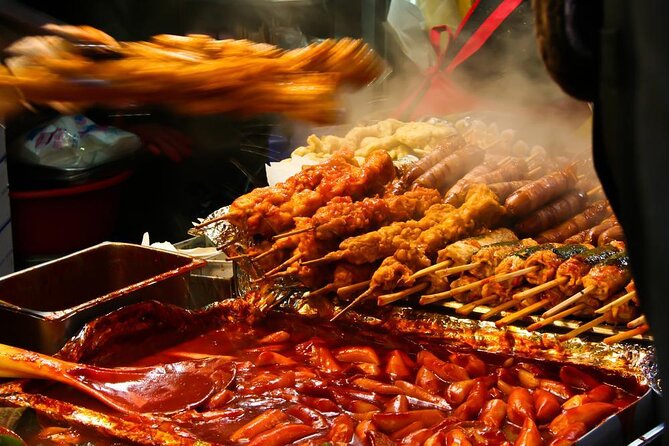
Gwangjang Market is the liveliest food-focused possibility on the route. This is where you may pick up a rice cake, pancake, or another street-food specialty while learning how market eating works.
The market portion is useful because it puts small bites in their natural setting. Instead of tasting one carefully arranged sample after another, you can see how food is bought, shared, and eaten on the move. A host can also help you make choices when stalls present unfamiliar dishes.
The market can be a busy and warm environment, so pace matters. A three-hour walk with several tastings may feel tiring, especially in hot or humid weather. One evening outing took place during extremely hot and sticky conditions, yet still included street vendors and Korean specialties. If the weather is poor or you tire easily, tell your host. A private route should give you more room to adjust than a fixed group schedule.
Gwangjang Market is also a place where your appetite can affect the value. The included tastings cover six to eight specialties and two soft drinks, but anything beyond those inclusions costs extra. At a market, it is easy to keep ordering. Set a food budget before you start if you want to avoid surprises.
What the guides add beyond the food
Food tours depend heavily on the host. Here, the guide’s role is not just to lead you from one address to the next. The best use of the three hours is conversation: ask why a dish is eaten, how a neighborhood changed, or what local families serve at home.
Andrew has been particularly effective at adding historic background while moving through Seoul. That can make this a strong first activity in the city, since you get both a meal orientation and a basic sense of the neighborhoods you may want to revisit.
Ben’s approach appears well suited to people who arrive with specific culinary goals. His route included galbijjim and kalguksu in a traditional area away from the tourist center. If you prefer less familiar streets to famous photo stops, make that clear when discussing your interests.
Van has led a food-focused evening with market visits and Korean specialties. Other guides may take a different tone. The provider is City Unscripted, and host assignment can vary, so you should not book on the assumption that one named guide is guaranteed unless the booking team confirms it.
The personal connection is one of the main reasons to choose a private tour. It is also the part you pay for. If you want only a cheap list of restaurants, this is likely too expensive. If you want help navigating food, customs, neighborhoods, and conversation, the added cost makes more sense.
What $221.45 per person really buys
The listed price is $221.45 per person. That is a high price for three hours, particularly because transport, extra food, and gratuities are not included.
The included value is the private host, a custom itinerary, six to eight specialty tastings, two soft drinks, and a walking route. For a couple or small group, the price may feel easier to justify because you are paying for a personal service rather than a seat on a large coach. Group discounts are available, so check the price for your party rather than judging only the individual rate.
You also avoid some common costs of trial and error. A host can direct you to places suited to your interests, explain what to order, and help you use the time well. That is useful on a first Seoul visit, especially if you want to try foods that you might skip when faced with an unfamiliar menu.
The value drops if you expect a full dinner, a private car, or unlimited tastings. None of those is included. A separate private tour with a dedicated car and a longer duration may suit you better if transport and broad sightseeing are your priorities.
Who should book this experience?
I would choose this tour for a first visit to Seoul, couples, families, and small groups who want a gentle introduction to Korean food. It is also a good fit if you have a short list of dishes and want someone to build a route around them.
Food-curious but cautious eaters may appreciate the guide’s help with less familiar options. The private setting lets you ask questions without feeling rushed or self-conscious. Most people can participate, and service animals are allowed.
I would think twice if you want a fixed schedule, a long evening, or a luxury dining experience. You should also be comfortable walking, since this is described as a walking activity, even though your host can suggest public transport or taxi options.
Book at least a little ahead if possible. The experience is booked, on average, 35 days in advance, which suggests that planning early is sensible during popular travel periods. Free cancellation is available if you cancel at least 24 hours before the start time. Changes or cancellations inside that window are not refunded.
My verdict: a strong first taste, at a premium price
I like this tour because it treats Seoul food as part of the city, not as a parade of isolated samples. The route may connect a small eatery, a market snack, a hanok café, and a traditional neighborhood, while your host fills in the practical details.
The decision comes down to how much you value personal guidance. At $221.45 per person, you are paying for access, planning, and company as much as for the food itself. Book it if you want a private introduction and plan to use your host’s local knowledge. Skip it if your main goal is the lowest possible food cost or a tour with a car and a longer schedule.
FAQ
How long does the Seoul food tour last?
The experience lasts approximately three hours.
How many food tastings are included?
You receive six to eight tastings of Korean specialties per person.
Are drinks included?
Two soft drinks per person are included. Other food and drinks are not included.
Is the tour private?
Yes. Only your group participates in the activity.
Where does the tour start?
The scheduled meeting point is Starbucks Anguk, 5-1 Bukchon-ro, Jongno District, Seoul.
Can I meet the host at my hotel?
A hotel meet-up is available on request for central locations.
Does the tour include transportation?
The experience is primarily a walking tour. Your host can suggest public transportation or taxi options, but transportation costs are not included.
Will I visit every place listed in the route?
No. The places visited can change because the experience is private and personalized.
Are attraction tickets included?
No. Tickets to attractions are not included.
Can I cancel for a full refund?
Yes, if you cancel at least 24 hours before the experience start time. Cancellations or changes made less than 24 hours before the start are not refunded.
Just added around Seoul
- Gyeongbokgung palace,seoul with gigibebe hanbok rental★ 4.5 · 12 reviews
- Private tour guide service in Seoul, Korea★ 5.0 · 6 reviews
- Alpaca, Nami, Petite Fr, Italian Village, Garden of Morning Calm★ 3.5 · 5 reviews
- Gyeongju UNESCO Sites Tour by KTX train; The Museum Without walls★ 4.5 · 11 reviews
- Private day trip to Korean Folk Village & Dae Jang Geum Park★ 5.0 · 7 reviews
- Private tour Lotte World,Tower,Aquarium(All Tickets are included)★ 5.0 · 12 reviews
- Full Day Private Seoul Tour for foodies★ 5.0 · 3 reviews
- Seoul Private Custom Walking Tour with A Guide (Private Tour)★ 4.5 · 28 reviews
Food & Drink, compared.
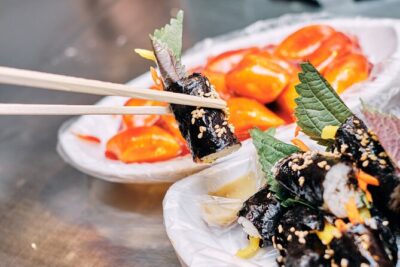
Downtown Seoul Guided Food & Market Tour with 8+ Local Tastings
Read our review →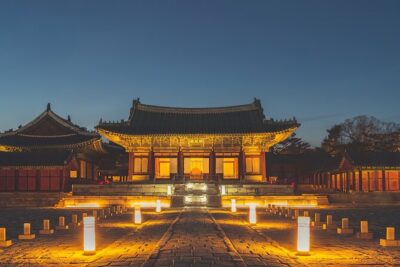
Seoul Night Palace & Market Food Tour with Vehicle
Read our review →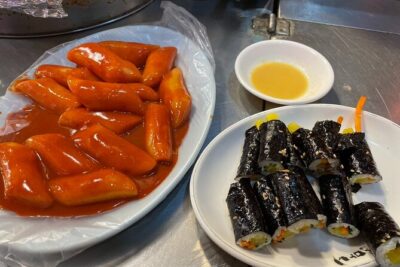
Seoul Fun Food Tour: 12 different food tastings
Read our review →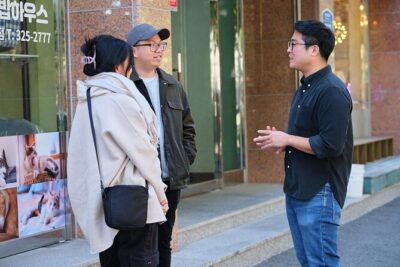
The Award-Winning PRIVATE Food Tour of Seoul: The 10 Tastings
Read our review →
Baseball Game Ticket with Dinner/Beer with the host
Read our review →Browse the lists this tour appears in