
Reviewed · MARKETS
Korean Market Adventure with Chef Yie – Noryangjin Fish market
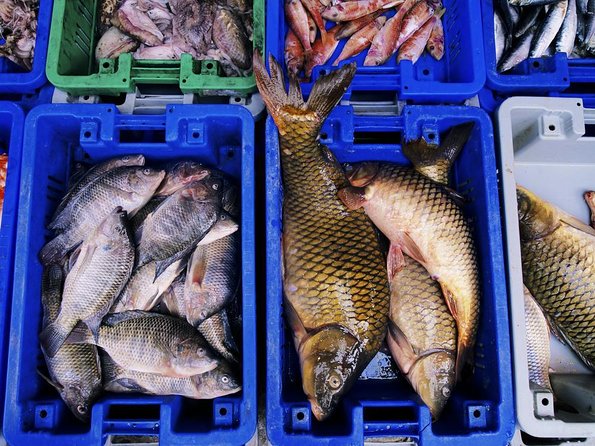
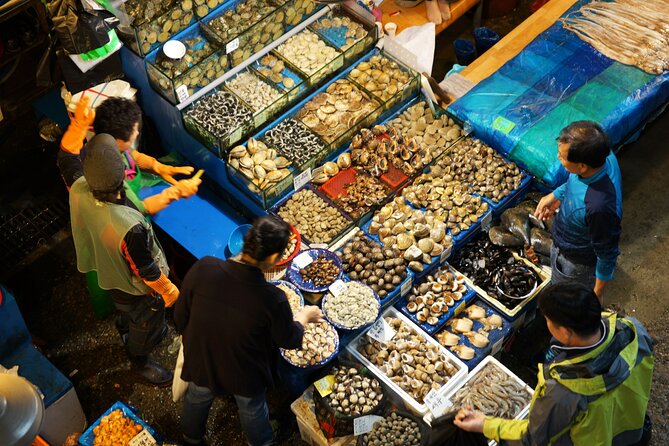
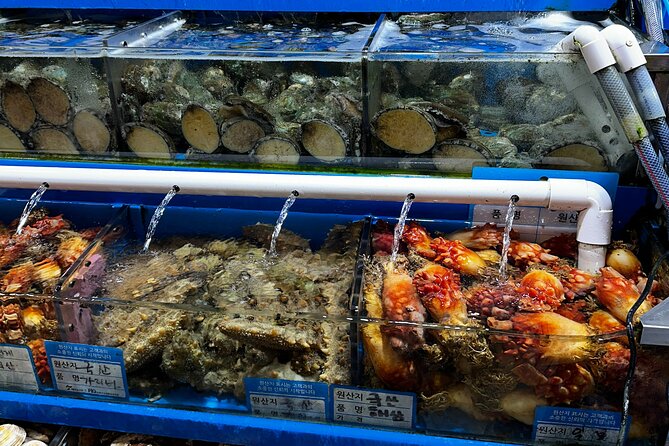
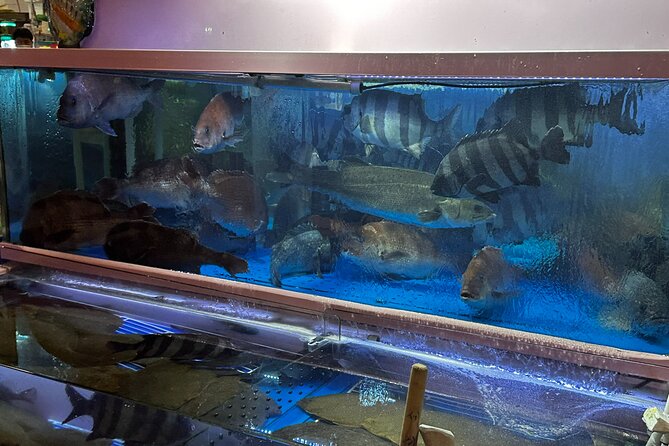
Noryangjin Fish Market is not a polished food hall. It is a working seafood market where you can look over tanks, compare fish, and choose lunch before it reaches the kitchen. Chef Yie guides you through that process, then helps turn your pick into a traditional Korean meal.
I especially like the hands-on choice of seafood and the small group size, capped at six people. You also get more than a meal: Chef Yie explains Korean food customs, seasonal choices, and the small clues that help you judge freshness.
The main point to consider is the price. At $150 per person, this is a serious spend for a two-and-a-half-hour activity, and crab costs extra if you want it. The value depends on how much you want personal guidance and a meal built around seafood you select yourself.
Key points at a glance
- Noryangjin Fish Market dates to 1927, giving you a look at one of Seoul’s long-running seafood centers.
- Chef Yie has more than 10 years of experience and guides you through buying, choosing, and eating seafood.
- You select the fish yourself, instead of receiving a set meal chosen in advance.
- The meal is prepared at a traditional restaurant inside the market, so the market visit leads directly to lunch.
- Groups are limited to six people, allowing room for questions and one-on-one help.
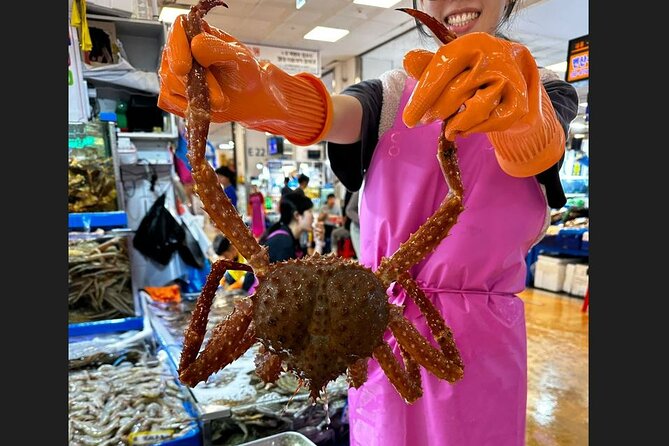
- Crab is optional and paid separately, with the cost based on its type and weight.
Starting at Seoul’s Noryangjin Fish Market
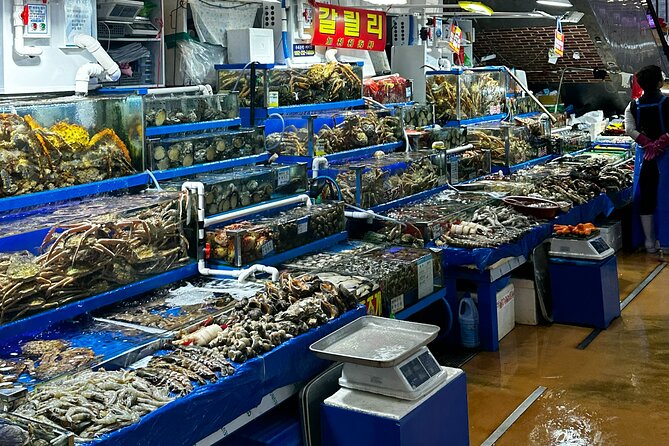
The meeting point is Noryangjin Fisheries Wholesale Market at 674 Nodeul-ro in Seoul’s Dongjak District. The activity begins and ends at this same location, which keeps the logistics simple and avoids a second meeting point across town.
Noryangjin is a place to watch how seafood moves from market stall to plate. The market opened in 1927, and its long working life gives the visit a sense of purpose. You are not simply walking through a food-themed attraction. You are learning how a Korean seafood purchase works.
That distinction matters. If you have never bought live or freshly handled seafood in Korea, the market can feel like a lot to take in at once. There are many choices, unfamiliar names, and pricing decisions. Chef Yie’s role is to make that process understandable rather than leaving you to guess.
The tour is open to locals and international visitors alike. That is useful if you want an experience built around Korean food culture rather than a tour aimed only at first-time foreign visitors.
A few more Seoul trips to weigh up
- Seoul Street Food Market Tour
★ 5.0 · 1,226 reviews - Local Home Korean Cooking Class & Market Adventure in Seoul
★ 5.0 · 1,024 reviews - Seoul: Night Market Food Tour with Local Guide
★ 4.9 · 943 reviews
Chef Yie’s role makes the difference
The guide is the heart of this experience. Chef Yie has more than a decade of experience in the kitchen, and that background shapes the tour in practical ways. He does not simply point out seafood and repeat names. He helps you understand what to choose and why.
You can expect guidance on the qualities of fresh fish and the differences between available choices. The exact fish on offer will depend on the market and the season, so this is not a fixed tasting menu. That changing element is part of the point.
Chef Yie is also described as friendly, easy to talk with, and fluent in English. Those details matter at a market, where the most useful questions are often quick and specific. You can ask about a fish, a price, a preparation, or a Korean custom and get an explanation in context.
The small group limit is another strength. With no more than six people, you have a better chance to ask questions while the buying decisions are being made. A larger group could make the experience less personal, especially when several people are trying to see the same seafood or follow the same purchase.
Choosing seafood instead of receiving a preset meal
The most distinctive part of the experience is the chance to select the seafood yourself. You are not handed a plate with no explanation. You learn how the selection works, then make a choice with Chef Yie’s help.
For many people, this will be the most useful part of the tour. Eating sashimi is one thing. Understanding how to choose the fish behind it gives the meal a little more meaning and helps you feel less dependent on guesswork the next time you visit a Korean market.
The tour description focuses on fish, but the meal can include a wider selection of seafood. Past experiences have included sashimi and Korean crab. If crab is your priority, you should tell Chef Yie in advance by message.
Crab is not part of the $150 price. You pay for it directly when selecting it, and the extra cost depends on the crab’s type and weight. Chef Yie helps with that purchase, which is especially useful when you want crab but are unsure how market pricing works.
This extra cost is the clearest place where you need to manage expectations. The advertised price covers the guided market experience and the meal based on the seafood you choose, but it does not cover every possible premium item. Ask about the price before agreeing to an additional crab purchase.
From market stall to traditional restaurant
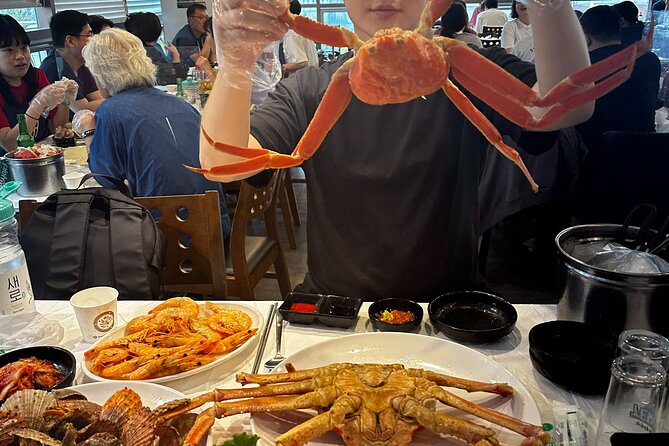
After choosing the seafood, you eat it at a traditional restaurant within the market. That keeps the experience connected from start to finish. You see the product, make the choice, and then sit down for the meal in the same market setting.
The food itself is the reward, but the setting adds context. You are not leaving the market for a separate restaurant with an unrelated menu. The meal reflects the selection process you have just taken part in.
You might eat sashimi or other seafood selected during the visit. The exact spread can change, and one of the strongest features of the experience is the generous amount of food served. If you enjoy tasting several preparations rather than ordering one main dish, this format should suit you well.
Still, seafood is the focus from beginning to end. You should not book this tour expecting a broad introduction to every area of Korean cuisine. Chef Yie may share stories about Korean culinary traditions, but the meal centers on fish and other seafood.
That makes the tour a particularly good match for people who already enjoy seafood or want to try it in a direct, local setting. It may be less suitable if you have strong seafood dislikes, dietary restrictions, or want a vegetarian food tour.
Same country, a completely different kind of day:
- Best DMZ Tour Korea from Seoul (Red Suspension Bridge Optional)
★ 5.0 · 41,422 reviews - DMZ Tour: 3rd Tunnel, Option(Suspension Bridge, Boat) from Seoul
★ 5.0 · 21,373 reviews - DMZ tour south Korea from Seoul (NK experience hall, defector)
★ 5.0 · 20,599 reviews - Seoul: DMZ Tour with Optional Suspension Bridge
★ 4.8 · 5,277 reviews
Why the market setting adds value
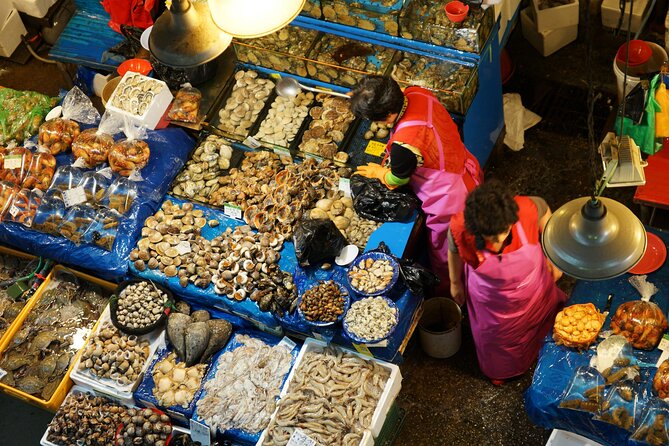
A restaurant meal alone would be easier, but it would not teach you much about how seafood is selected. The market visit gives you a working lesson in Korean food culture before the eating begins.
You can see the range of fish and seafood available, learn about seasonal choices, and hear how Korean diners approach freshness. Chef Yie also adds personal stories and explanations about culinary traditions. These details help turn a short meal into a broader look at how food is bought and shared.
I like this approach because it avoids treating Korean cuisine as a list of dishes. You get a practical connection between the ingredient, the market, the guide’s judgment, and the final plate.
The experience also gives you a chance to ask the kinds of questions that are hard to answer from a guidebook. What makes one fish a better choice than another? How does the price change with weight? What should you expect from crab? The answers come while you are looking at the actual seafood, not after the fact.
Timing, group size, and the $150 price
The activity lasts about two and a half hours, with some descriptions allowing up to three hours. That is enough time for the market visit, seafood selection, explanations, and meal without turning it into an all-day commitment.
The short duration makes the tour easy to fit into a Seoul itinerary. You could place it around another activity in the city, but leave yourself some flexibility because the end time is approximate. A market purchase and meal do not always move at the exact pace of a timed museum visit.
At $150 per person, the tour is not a budget lunch. You are paying for a private-feeling small group, Chef Yie’s guidance, the market education, and the meal. The cost makes more sense if you would otherwise feel uncertain about choosing seafood or communicating during a market purchase.
The value is also stronger for people who want context. If you only want to eat seafood at the lowest possible price, you can find cheaper options in Seoul. If you want someone to guide you through the market and explain what you are eating, this experience offers something that a standard restaurant meal does not.
Crab can increase the final cost. Since its price depends on type and weight, set your own limit before choosing it. Chef Yie can help make the purchase smooth, but the extra charge remains your responsibility.
Who will enjoy this most
This is a strong choice for seafood fans, curious eaters, and families who want a shared meal with a clear activity built around it. The small group and approachable guide also make it a good option if you prefer conversation and questions over a large group lecture.
It should suit first-time visitors who want to understand one specific part of Korean food culture. You do not need to know the names of fish in advance. The point is to learn while making the choice.
The tour can also work well for returning visitors to Seoul. If you have already seen the major palaces and shopping districts, Noryangjin offers a different side of the city, focused on food buying and everyday culinary practice.
I would think twice if you are looking for a cheap meal, dislike seafood, or need a fully fixed menu. I would also confirm any food concerns before booking, since the provided details center on seafood and do not describe alternative dishes.
Practical details before you book
The experience uses a mobile ticket, and confirmation is normally sent at booking. If you book within five hours of the start time, confirmation may take longer and depends on availability.
The market is near public transportation, which is helpful in Seoul. You should go to the specified meeting point at Noryangjin Fisheries Wholesale Market rather than assuming the tour begins at a separate restaurant.
The published opening information lists Monday hours from 10:00 a.m. to 5:00 p.m. Check your selected date and meeting instructions carefully before setting out, especially if your booking falls outside those listed hours.
Free cancellation is available until 24 hours before the start time for a full refund. Cancellations or changes made less than 24 hours before the experience are not accepted for a refund.
Should you book Chef Yie’s Noryangjin tour?
Book it if you want more than a seafood lunch. The best reason to go is the combination of market choice, expert help, and a meal prepared from your own selection. Chef Yie’s English, friendly manner, and kitchen background add real value in a setting where a little guidance can make a big difference.
Skip it if your main goal is simply to eat as cheaply as possible, or if you are not comfortable with a seafood-centered meal. Also budget separately for crab, since it is optional and not included.
For curious eaters who want a focused look at Korean seafood culture, this is a worthwhile splurge. You get a short, personal experience that links Seoul’s old fish market to the food on your table.
FAQ
Where does the Korean Market Adventure with Chef Yie begin?
It begins at Noryangjin Fisheries Wholesale Market, 674 Nodeul-ro, Dongjak District, Seoul, South Korea.
Where does the activity end?
The tour ends back at the same meeting point, Noryangjin Fisheries Wholesale Market.
How long does the tour last?
It lasts approximately two hours and 30 minutes, with the activity sometimes taking up to three hours.
Is crab included in the $150 price?
No. Crab costs extra and is paid directly when you select it. The price depends on the crab’s type and weight.
How many people can join the tour?
The activity has a maximum of six travelers.
Is the tour available by public transportation?
Yes. The meeting point is near public transportation.
Can I cancel for a full refund?
Yes, if you cancel at least 24 hours before the experience start time. Cancellations or changes made less than 24 hours in advance are not accepted for a refund.
Just added around Seoul
- Gyeongbokgung palace,seoul with gigibebe hanbok rental★ 4.5 · 12 reviews
- Private tour guide service in Seoul, Korea★ 5.0 · 6 reviews
- Alpaca, Nami, Petite Fr, Italian Village, Garden of Morning Calm★ 3.5 · 5 reviews
- Gyeongju UNESCO Sites Tour by KTX train; The Museum Without walls★ 4.5 · 11 reviews
- Private day trip to Korean Folk Village & Dae Jang Geum Park★ 5.0 · 7 reviews
- Private tour Lotte World,Tower,Aquarium(All Tickets are included)★ 5.0 · 12 reviews
- Full Day Private Seoul Tour for foodies★ 5.0 · 3 reviews
- Seoul Private Custom Walking Tour with A Guide (Private Tour)★ 4.5 · 28 reviews
Markets, compared.
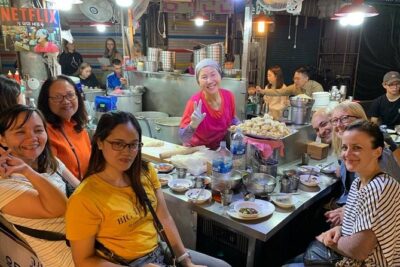
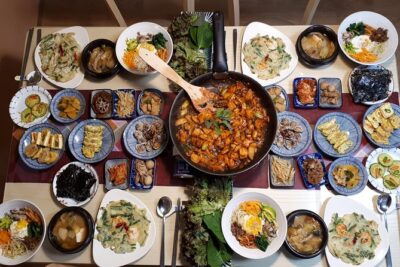
Local Home Korean Cooking Class & Market Adventure in Seoul
Read our review →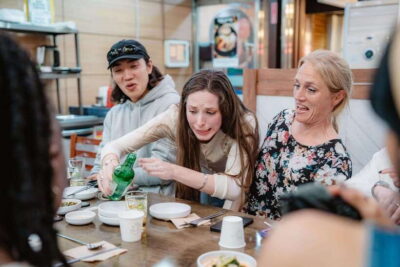
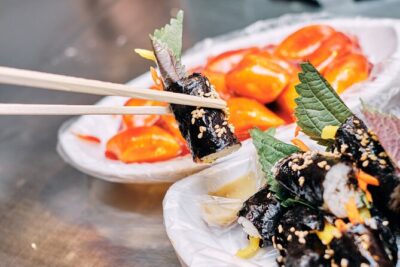
Downtown Seoul Guided Food & Market Tour with 8+ Local Tastings
Read our review →
Korean Cooking Class at a Local Home and Market Tour
Read our review →
Seoul Night Palace & Market Food Tour with Vehicle
Read our review →
Cook 3 Authentic Korean Dishes with Local Market Tour
Read our review →
Korean Palace and Market Tour in Seoul Including Insadong and Gyeongbokgung Palace
Read our review →Browse the lists this tour appears in