Reviewed · SEOUL TOURS
(Small Group) Palace & Seoul Old Town Highlights
Gyeongbokgung Palace is the star here, but the smart part of this tour is the route around it. In three hours, you move from tea houses and Buddhist lanterns to royal courtyards, a traditional market, and old hanok lanes. Guide Lee adds history, current Korean life, mini quizzes, and even traditional games.
I like the small maximum of 10 people, which gives you a fair chance to ask questions and keep up without a flag-waving crowd. I also like the useful first-day shape of the walk: it helps you get your bearings in central Seoul and points out places you may want to revisit.
The main drawback is the pace. Three hours covers a lot, and Gyeongbokgung alone receives about 90 minutes. You will see highlights rather than every corner, and the outdoor route depends on good weather.
Key points at a glance
- Gyeongbokgung gets the most time: About 90 minutes is set aside for Seoul’s grand Joseon palace.
- Lee brings a personal touch: Her guiding style combines historical facts, modern Korean culture, questions, and traditional games.
- The group stays small: The tour accepts no more than 10 people, with the possibility of a much smaller group.
- The route links old and current Seoul: Insadong, Jogyesa Temple, Gwanghwamun Square, the palace, and Bukchon form a useful introduction.
- The palace ticket is included: You do not need to buy separate admission for Gyeongbokgung.
- It is a strong orientation walk: The route helps you decide which central Seoul areas deserve more time later.
Why this three-hour route works
This walk is built for the first part of a Seoul stay, especially if you want a clear sense of the city before tackling it on your own. You begin at Anguk Subway Station, Exit 6, then move through several connected districts on foot.
That matters because Seoul can feel scattered at first. The subway is excellent, but a map does not always explain how the old royal center, shopping streets, temples, plazas, markets, and residential lanes fit together. This tour gives those places a story and a physical connection.
I also like the balance. You are not spending three hours inside one palace, nor are you rushing past famous sights just to collect photographs. The route gives you short introductions at several stops, then a longer period at Gyeongbokgung, where the architecture needs time to make sense.
The experience costs $60.27 per person. That is not a bargain basement walking tour, but the value improves if you want a guide to handle the palace visit, explain the historical setting, and answer questions about Seoul and Korea. With a maximum of 10 people, you are paying for a more personal format rather than a large coach-style introduction.
Other Seoul days worth booking alongside this:
- Best DMZ Tour Korea from Seoul (Red Suspension Bridge Optional)
★ 5.0 · 41,422 reviews - DMZ Tour: 3rd Tunnel, Option(Suspension Bridge, Boat) from Seoul
★ 5.0 · 21,373 reviews - DMZ tour south Korea from Seoul (NK experience hall, defector)
★ 5.0 · 20,599 reviews
Starting outside Anguk Station and entering Insadong
The meeting point is outside Anguk Subway Station at Exit 6. This is a practical start because the station is near the historic center and the route begins on foot. You do not need to find a remote hotel pickup point or spend time crossing the city before the tour starts.
The first walk takes about 10 minutes and leads into Insadong. This district is known for traditional goods, restaurants, and tea houses. It is a useful opening scene because it gives you an early look at the parts of Seoul that present older Korean arts and customs to the public.
Insadong is also a good place to mark for later. The tour does not spend hours shopping, so you can return afterward if you find a tea house, shop, or restaurant that catches your eye. I would treat this stop as an introduction, not a full shopping visit.
The short time here keeps the tour moving. That is helpful for a three-hour experience, though you should not expect a long browse through every side street. If shopping is your main goal, save extra time before or after the walk.
A quiet pause at Jogyesa Temple
Jogyesa Temple brings a different mood. It is the head temple of the Jogye Order of Korean Buddhism and was founded in 1910. Located in central Seoul, it offers a calm pause between the commercial feel of Insadong and the broad public spaces that follow.
You receive about 30 minutes here. That is enough time to look around, listen to Lee’s explanation, and notice how a working religious center fits into the middle of a major capital.
I value this stop because it prevents the tour from becoming a parade of royal buildings. Seoul’s history is not only palace history. Jogyesa gives you a glimpse of an active Buddhist tradition and a place where local religious life continues beside offices, shops, and traffic.
Lee’s style seems especially suited to this kind of stop. Her approach includes historical facts and present-day Korean culture, so you can expect more than dates and building names. She has also used mini quizzes and Korean traditional games during breaks, a detail that may appeal to families and anyone who prefers conversation to a nonstop lecture.
The temple visit is free, as are the other outdoor stops. Keep in mind that this is still a guided sightseeing visit, not a long period for private reflection. The group has several more places to cover.
Understanding Seoul at Gwanghwamun Square
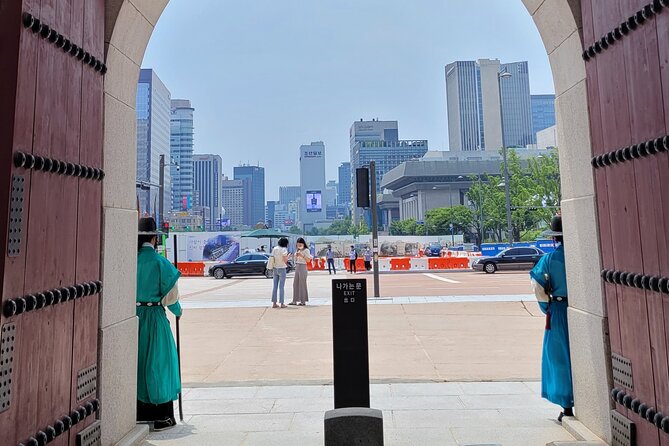
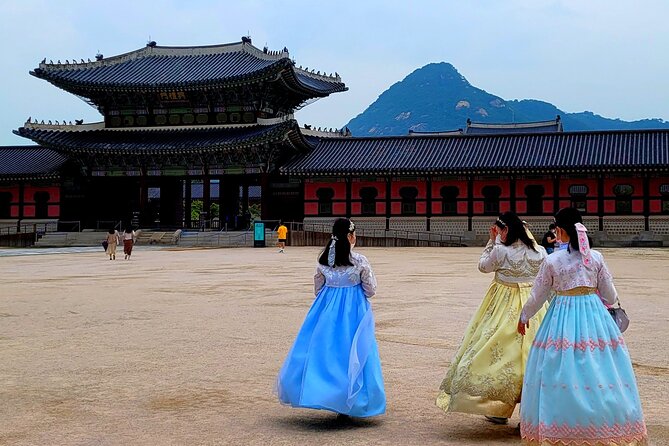
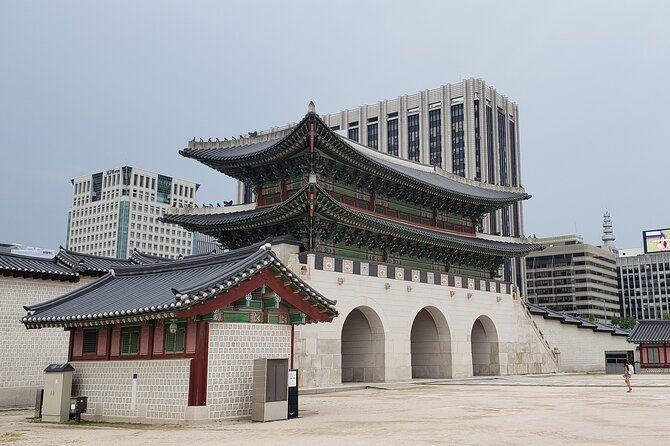
The route continues to Gwanghwamun Square, a central plaza in front of Gyeongbokgung Palace. You spend about 20 minutes here, with the space itself acting as a bridge between old Seoul and modern civic life.
The square features statues of King Sejong the Great and Admiral Yi Sun-sin, two major figures in Korean history. Their presence gives Lee useful points from which to explain Korea’s past, while the open plaza shows how the capital presents that past in a modern public setting.
This is one of the best orientation stops on the walk. From here, the palace is not an isolated attraction. You see how it relates to the city around it, and you get a clearer sense of why this part of Seoul is so important for first-time sightseeing.
Twenty minutes is enough for an explanation and photographs, but not for a leisurely survey of the entire plaza. That is a recurring feature of the tour: you get a well-chosen look at each place, then move on before the experience becomes slow.
Same country, a completely different kind of day:
- Seoul: DMZ Tour with Optional Suspension Bridge
★ 4.8 · 5,277 reviews - Signature DMZ Tour: Exclusive Defector Talk & Suspension Bridge
★ 5.0 · 4,459 reviews - Thrilling Korean DMZ 3rd Tunnel Tour from Seoul + Red Bridge Rush
★ 5.0 · 3,097 reviews - DMZ Past and Present: Korean Demilitarized Zone Tour from Seoul
★ 5.0 · 2,481 reviews
Spending 90 minutes inside Gyeongbokgung Palace
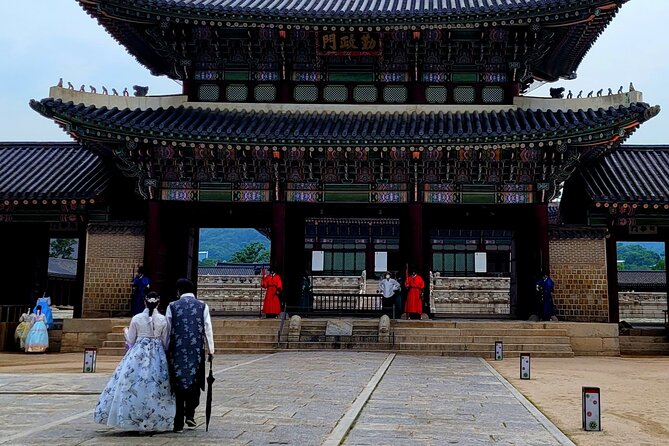
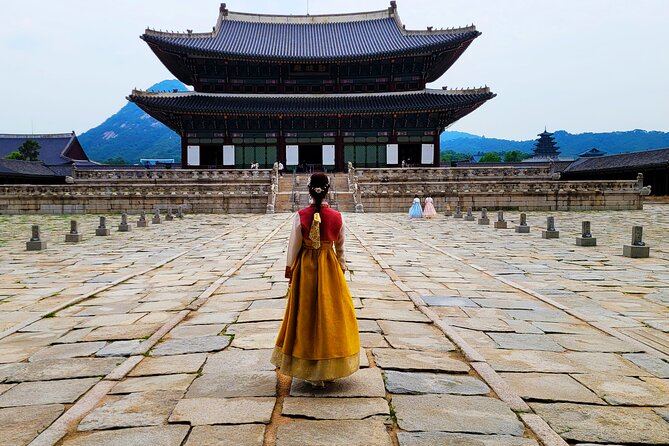
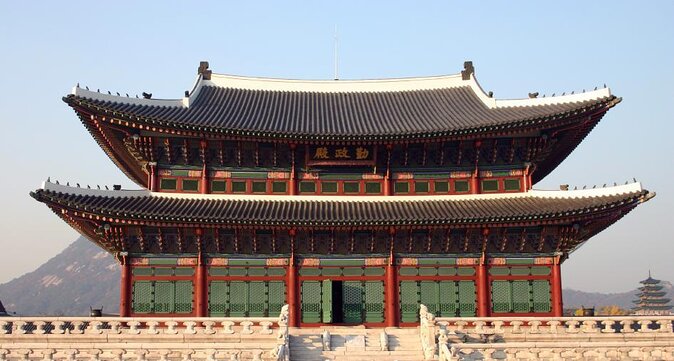
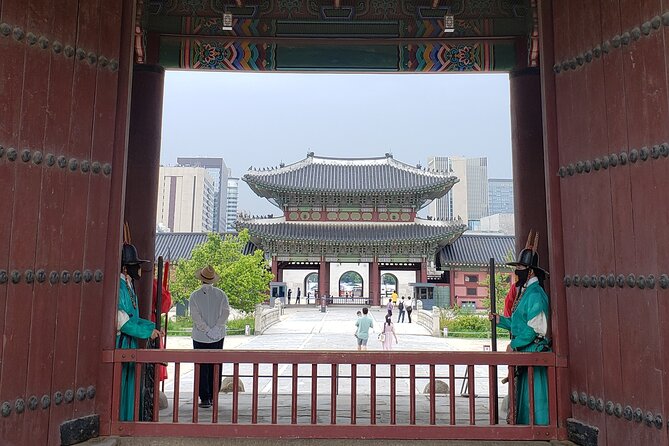
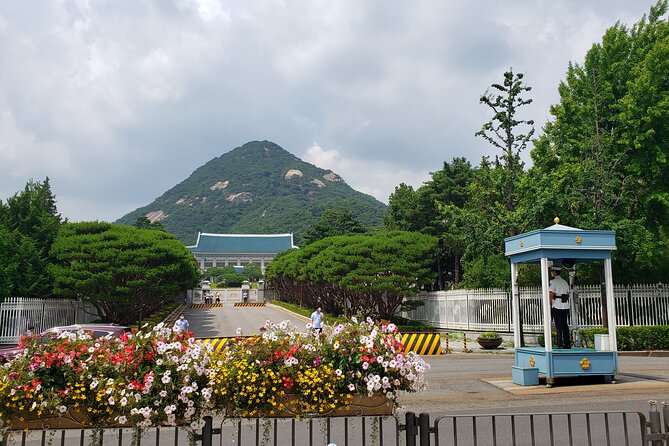
Gyeongbokgung is the heart of the tour. Built in 1395, it was the main royal palace of the Joseon Dynasty. Its setting, with mountains behind and the city in front, helps explain the traditional Korean idea of a royal center shaped by both nature and authority.
The scheduled 90 minutes here is the longest stop, and rightly so. The palace is not just one building. It is a group of courtyards, gates, halls, and open spaces, and a guide helps you understand how those pieces fit together.
Lee can provide the Joseon-era background while also connecting the site to present-day Korea. That mix is important. Without context, palace roofs and painted details can blur together after a while. With a guide, you have a better chance of understanding why the palace mattered and how it represented royal power, beauty, and traditional Korean ideas.
The included Gyeongbokgung ticket adds real convenience. You do not have to stop the group to sort out admission, and the price already covers the main paid entry on the route.
Still, do not expect an exhaustive palace study. Ninety minutes sounds generous, but Gyeongbokgung can occupy much longer if you want to examine every courtyard or photograph every roofline. This experience is designed to give you the main story and key views, not replace a full independent visit.
That limitation can actually work in your favor. If you have only a few days in Seoul, you may prefer a clear introduction now, followed by a return visit later if the palace captures your interest. The tour helps you decide.
Seeing everyday Seoul in Bukchon Hanok Village
Bukchon Hanok Village closes the sightseeing portion with a look at traditional Korean homes. The neighborhood sits between two royal palaces and is known for winding lanes and hanok, the traditional houses associated with the Joseon period.
You spend about 30 minutes here. That is enough to see the character of the area and understand how the old residential setting differs from the palace grounds. At Gyeongbokgung, you see royal power. In Bukchon, you see the kind of neighborhood where traditional homes shaped daily life.
This stop is especially useful for photographs, but it is not only a photo stop. The lanes and rooftops help you picture Seoul as a lived-in historic city rather than a collection of preserved monuments.
The short visit also deserves a practical warning. Bukchon is a residential area, so the experience is about observing the streets respectfully, not treating them like a theme park. You may want more time to wander, but the schedule does not allow a long independent exploration.
The tour ends back at the meeting point. That is convenient if you want to continue nearby, return to the subway, or revisit Insadong after the guide has pointed out its main character.
What Lee adds to the experience
The strongest personal thread is guide Lee, associated with Honey Trail. Her approach goes beyond reciting palace dates. She has been described as patient, caring, and willing to answer broad questions about Seoul and Korea.
That is valuable on a first visit. You can ask about modern Korean culture, daily life, or places to explore later, rather than limiting every question to the Joseon Dynasty. The experience seems particularly good for people who enjoy a two-way conversation.
Lee also uses small quizzes and Korean traditional games during breaks. These details give the walk a lighter rhythm, especially for families or anyone who finds three hours of historical explanation tiring.
A group of three has at times felt almost like a private tour, and that possibility is one reason to consider the small-group format. The official maximum is 10 people, so you should not assume a private experience, but you can expect a much more manageable group than a mass sightseeing tour.
Who will get the most from this walk
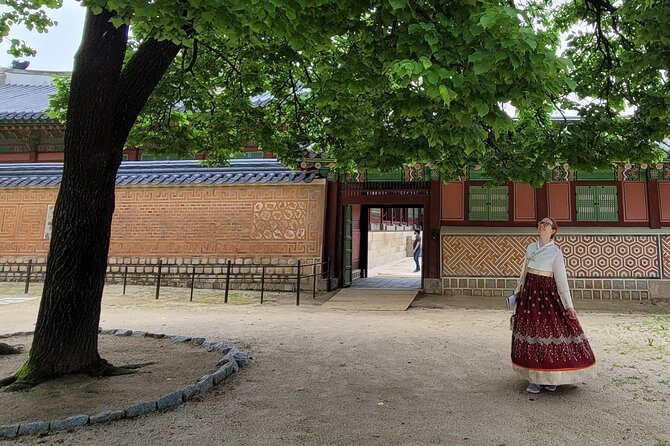
I would choose this tour if you are visiting Seoul for the first time and want a sensible introduction to the old center. It suits people who want history, architecture, and neighborhood views in one morning or afternoon without arranging several separate admissions and routes.
It is also a good fit if you like asking questions. Lee’s willingness to discuss both historical and modern Korea makes the tour more useful than a fixed script.
Families may appreciate the games and quizzes. The activity information says most people can participate, and service animals are allowed. It is near public transportation, which makes the start and finish fairly easy to reach.
You may want something else if you prefer slow photography, long shopping stops, or detailed palace study. The schedule is full, and every stop has a time limit. You should also plan around the weather because the experience requires good conditions and may be moved or canceled if rain or other poor weather makes the walk impractical.
The tour has a mobile ticket, and confirmation is provided at booking. You can cancel for a full refund up to 24 hours before the start time. Changes or cancellations inside that window are not refunded, so do not wait until the last day if your plans are uncertain.
Is $60.27 a fair price?
At $60.27, this is best viewed as a guided orientation rather than a simple palace admission. The ticket to Gyeongbokgung is included, but the bigger value comes from the route, the explanations, and the chance to ask questions in a small group.
If you were going to visit the palace and nearby areas on your own, you could spend less. Seoul’s subway and public streets make independent sightseeing quite manageable. The question is whether you want to spend your limited time figuring out the historical links yourself.
I think the price is fair for a first-day introduction, particularly if your group is small and you make active use of Lee’s local perspective. The value is weaker for repeat visitors who already know Gyeongbokgung, Bukchon, Insadong, and the central palace district.
Should you book it?
Book this walk if you want five central Seoul sights in a single, well-shaped route, with the palace receiving the most attention. It is a practical choice for a first visit, a short stay, families, and curious people who want more than photographs.
Skip it if you need a slow, highly specialized palace tour or plenty of free time in Bukchon and Insadong. For most first-time visitors, though, the combination of Lee’s personal guiding style, a maximum group of 10, and an included palace ticket makes this a useful way to begin exploring Seoul.
FAQ
Where does the tour start?
It starts outside Anguk Subway Station at Exit 6 in Seoul.
Where does the tour end?
The activity ends back at the meeting point near Anguk Station.
How long does the tour last?
The walk lasts approximately three hours.
What places are included?
The route includes Insadong, Jogyesa Temple, Gwanghwamun Square, Gyeongbokgung Palace, and Bukchon Hanok Village.
Is the Gyeongbokgung Palace ticket included?
Yes. Admission to Gyeongbokgung Palace is included in the tour price.
How large is the group?
The tour has a maximum of 10 participants.
Just added around Seoul
- Gyeongbokgung palace,seoul with gigibebe hanbok rental★ 4.5 · 12 reviews
- Private tour guide service in Seoul, Korea★ 5.0 · 6 reviews
- Alpaca, Nami, Petite Fr, Italian Village, Garden of Morning Calm★ 3.5 · 5 reviews
- Gyeongju UNESCO Sites Tour by KTX train; The Museum Without walls★ 4.5 · 11 reviews
- Private day trip to Korean Folk Village & Dae Jang Geum Park★ 5.0 · 7 reviews
- Private tour Lotte World,Tower,Aquarium(All Tickets are included)★ 5.0 · 12 reviews
- Full Day Private Seoul Tour for foodies★ 5.0 · 3 reviews
- Seoul Private Custom Walking Tour with A Guide (Private Tour)★ 4.5 · 28 reviews
Seoul Tours, compared.
Best DMZ Tour Korea from Seoul (Red Suspension Bridge Optional)
Read our review →
DMZ Tour: 3rd Tunnel, Option(Suspension Bridge, Boat) from Seoul
Read our review →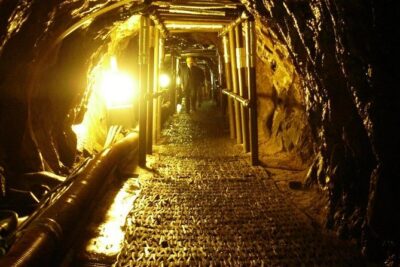
DMZ tour south Korea from Seoul (NK experience hall, defector)
Read our review →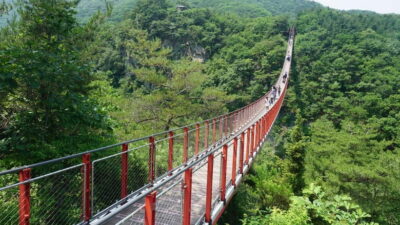
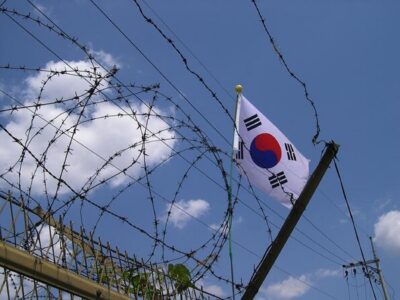
Thrilling Korean DMZ 3rd Tunnel Tour from Seoul + Red Bridge Rush
Read our review →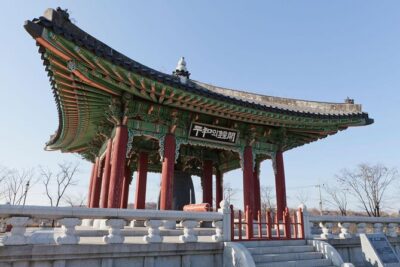
DMZ Past and Present: Korean Demilitarized Zone Tour from Seoul
Read our review →
Ultimate Korea DMZ Tour from Seoul (Gondola & Suspension Bridge)
Read our review →