Reviewed · FOOD
Jeonju & Yeosu: 4-Day Foodie & Artist Journey
Yeosu’s seafood and Jeonju’s food and crafts give this four-day trip a clear purpose: you are not simply checking off Korean sights, you are cooking, making, eating, and meeting people along the way. Guide Hyun leads a small group of no more than nine, which matters when you are sharing a seafood table or learning to fold kimchi.
I like the hands-on local activities, especially gat kimchi making, hanji paper craft, and Korean painting with a restoration master. I also like the generous food plan, from freshly steamed seafood and marinated crab to kongnamul gukbap and a full Jeolla-style table. The main consideration is pace: with many stops, two cities, KTX rides, late meals, and a sunset yacht, this is a busy four days rather than a slow retreat.
Key points at a glance
- Fresh seafood in Yeosu: Choose shellfish and other seafood at the fish market, then have it steamed upstairs.
- Local craft sessions: Make gat kimchi and hanji paper, then spend three hours on traditional Korean painting.
- Small group size: The van carries a maximum of nine people, allowing more personal contact with the guide and local hosts.
- A full Korean food schedule: Four lunches, three dinners, and four breakfasts are included, with only the pojangmacha soju stop listed as extra.
- Sunset from the water: The private yacht outing gives you a calm break from the many food and walking stops.
- Jeonju at its most atmospheric: Hanbok, Gyeonggijeon Shrine, Hanok Village, Deokjin Park, and Omokdae fill the final two days.
Why this Yeosu and Jeonju route feels different
Many short tours from Seoul focus on famous views and quick photo stops. This one is built around what people make and eat. In Yeosu, you handle ingredients, walk through a mustard leaf village, and sit down to seafood. In Jeonju, you work with paper and paint, wear hanbok, and eat dishes tied to the Jeolla region.
That focus gives the trip a warm, human scale. You meet sesame oil makers and kimchi sellers at Yeosu’s old market. You share food at a table instead of simply photographing it. The group size makes these moments easier, since a nine-person van is far less awkward than a large coach at a market or craft studio.
The guide named in the experience is Hyun, whose personal food picks shape much of the route. That is useful in Yeosu, where the appeal lies as much in knowing what to order as in seeing the sea. You should expect a host-led trip with plenty of conversation, not a formal history lecture at every stop.
A few more Seoul trips to weigh up
- Seoul Street Food Market Tour
★ 5.0 · 1,226 reviews - Seoul: Night Market Food Tour with Local Guide
★ 4.9 · 943 reviews - Downtown Seoul Guided Food & Market Tour with 8+ Local Tastings
★ 5.0 · 580 reviews
Day one: from Seoul to Yeosu’s seafood tables
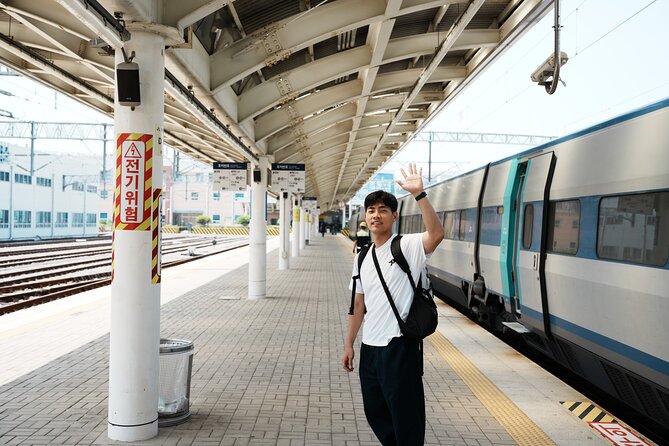
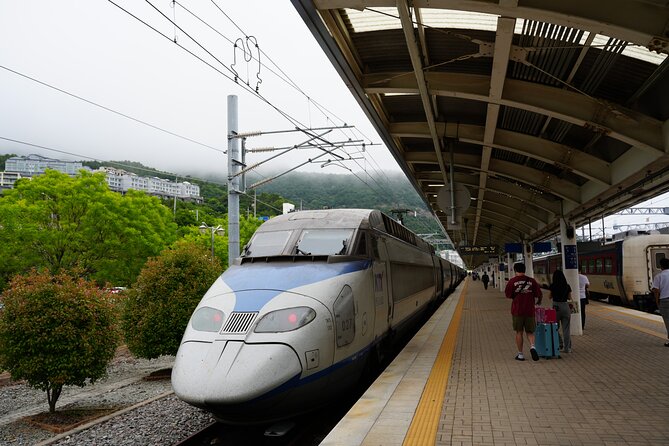
The journey begins at 8 a.m. at Yongsan Station, with KTX tickets included. High-speed rail is a sensible choice for this route. You avoid a long road transfer at the start and arrive ready for lunch, though the overall day remains full.
Your first meal is at Cargo Restaurant, a local favorite selected by Hyun. The menu centers on bold Yeosu flavors, including spicy sashimi and grilled meats. It is an assertive opening, not a mild introduction to Korean food, so this suits you best if you enjoy heat, seafood, and shared meals.
An easy coffee stop at Namsan Park follows. The oceanfront setting gives the group time to meet without the pressure of a formal activity. I like this sort of pause because it helps you get your bearings before the market visits begin.
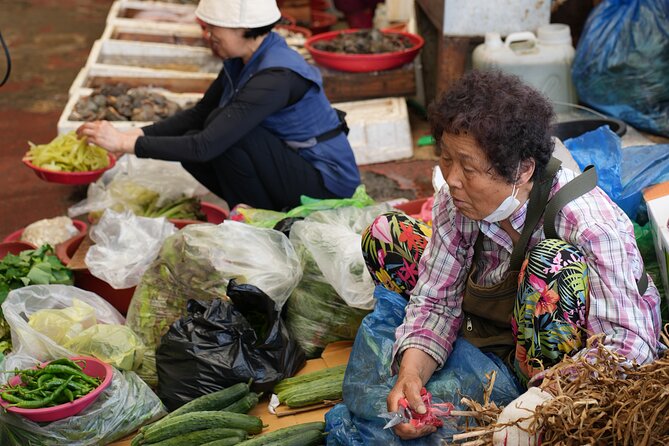
At Yeosu Seomun Market, you can see a more everyday side of the city. The market is described as a century-old trading place, with sesame oil makers, kimchi vendors, unusual snacks, and K-Ajumma clothing. The value here is not a grand monument. It is the chance to notice how food is sold, prepared, and discussed in a working local setting.
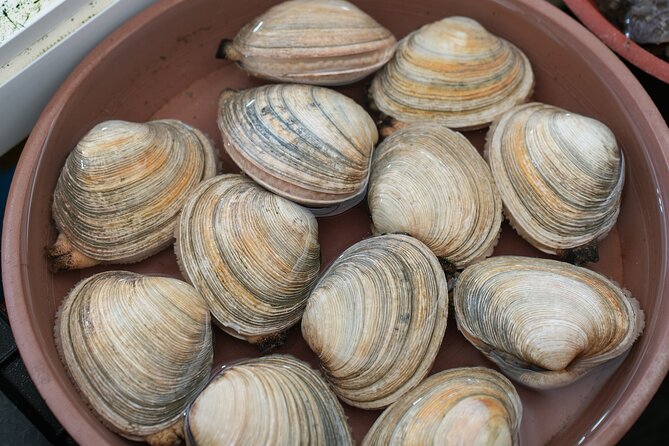
The Yeosu Fish Market is the day’s main food event. You choose clams, shrimp, and other seafood, then take your selection upstairs to be steamed and served. This makes the meal more personal than receiving a fixed course, but it also means the experience depends on how comfortable you are choosing seafood and eating at a communal-style meal.
After check-in at Shilla Stay Yeosu, you have a short chance to rest. Do not expect a long afternoon off. The evening returns to food, this time with fried chicken at Yeosu Marine Park. You sit on picnic mats by the water with cold drinks and a sea breeze.
That picnic is a good counterpoint to the market meal. It is casual, scenic, and social. It also gives you one of the clearest tastes of Korean leisure culture on the trip: simple takeaway food enjoyed outdoors with friends.
Day two: temple views, gat kimchi, and a sunset yacht
Day two opens at Palgakjeong Pavilion on Dolsando, with gimbap and coffee before a light hike. The early start is worthwhile for the views, but comfortable shoes will help. The schedule calls this a light walk, yet the next stop involves a seaside temple on cliffs, so you should be ready for steps and uneven ground.
Hyangiram Hermitage is one of Yeosu’s most peaceful settings. Its position above the southern coast brings together a quiet religious site and wide sea views. The stop is only about an hour, so you will not have time for a long visit, but it supplies a welcome change of rhythm after the previous day’s eating.
The most hands-on part of the morning comes at a countryside village where you mix Yeosu’s famous gat kimchi. Gat is mustard leaf, and this local specialty gives the cooking lesson a real sense of place. You then walk through nearby mustard leaf fields, connecting the prepared food with the crop itself.
Lunch is a Dolsan marinated crab set meal. Gejang can be a strong choice for diners who enjoy seafood, but it is less predictable for anyone cautious about shellfish or intense flavors. This is one of the stops where the tour’s food-first identity is clearest.
Dumun Village adds half an hour of fishing-village scenery and coastal photographs. It is a short stop, so treat it as a scenic breath rather than a full village visit.
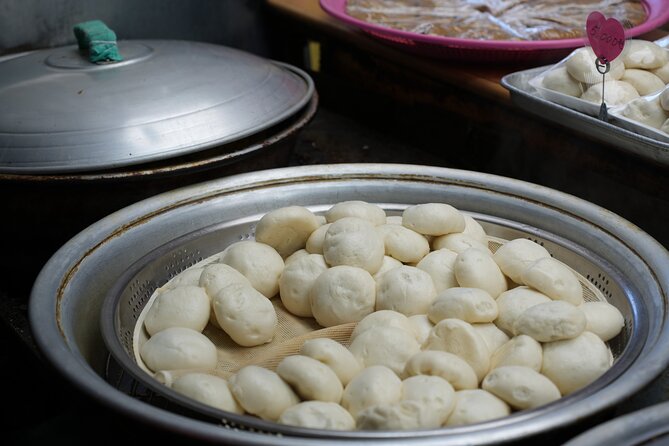
Later, the group has pajeon with makgeolli, followed by seafood kalguksu. Pajeon is savory and crisp, makgeolli is a traditional rice drink, and kalguksu offers a warm noodle dish after the seafood-heavy meals. The sequence makes for a substantial day of eating, and you may want to pace yourself at lunch.
The sunset yacht tour is the best chance to simply sit back. For one hour, you see the coast from the water as the light fades. A yacht trip can sometimes feel like a decorative add-on, but here it provides a useful pause between the countryside food stops and the evening street scene.
The final stop is a red-tent pojangmacha on Yeosu Romantic Carriage Street. Soju is not included, so bring extra money if you want to join this part. The setting gives you the classic Korean street-food atmosphere associated with late-night drama scenes, but the stop may feel long if you are already tired from the early start.
Day three: KTX to Jeonju and a hanbok afternoon
A local breakfast at Rotary Restaurant sends you toward Jeonju. After the KTX ride, lunch at Daebojang introduces Korean-style Chinese food, a useful reminder that Korean food culture is not limited to barbecue and spicy stews.
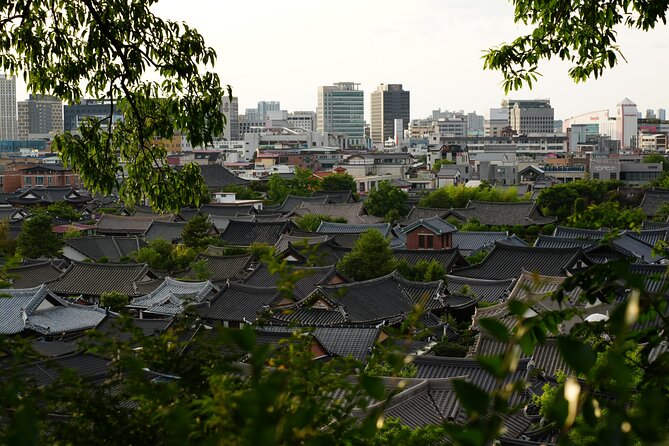
Jeonju begins with homemade patbingsu and a welcome to Hanok Village. Patbingsu is shaved ice with toppings, and the stop offers a sweet, relaxed entry into the city’s old-style streets. Hanok Village is one of Korea’s best-known areas for traditional houses, but the experience is stronger when you do more than walk past the buildings. This tour adds clothing, craft, and food to the visit.
At the Jeonju Hanji Center, you meet a master artisan and make your own hanji. Jeonju’s handmade paper tradition is a major part of the city’s identity, and a craft session helps you understand the time and skill behind an object you might otherwise see only in a shop.
Next comes hanbok rental and a visit to Gyeonggijeon Shrine. Dressing in Joseon-style clothing changes the pace of the afternoon. You are not only looking at the shrine and its portrait of King Taejo, you are using the setting for your own photographs and memories. Allow room for the fact that changing clothes and posing can take time within the two-hour stop.
Cycling beside Jeonjucheon River brings fresh air after the crowded lanes of Hanok Village. The route includes Hanbyeokgul Tunnel, known as a filming location, and combines greenery with a small piece of local screen culture. If you prefer not to cycle, check the activity details before booking, since the published plan includes this ride.
Dinner at Taepyeong Jinmi Jip centers on charcoal-grilled pork wrapped in fresh greens. The restaurant has four decades of pojangmacha tradition, giving the meal a street-side, informal feel. It is another shared-food stop, so this trip suits people who like trying several dishes rather than ordering privately.
Deokjin Park closes the sightseeing portion of the day. The pond and lotus flowers create a quieter night scene, with illuminated hanok architecture nearby. You then return to the Royal Room of King, identified as Wangyijiml Hanok Hotel, for free time.
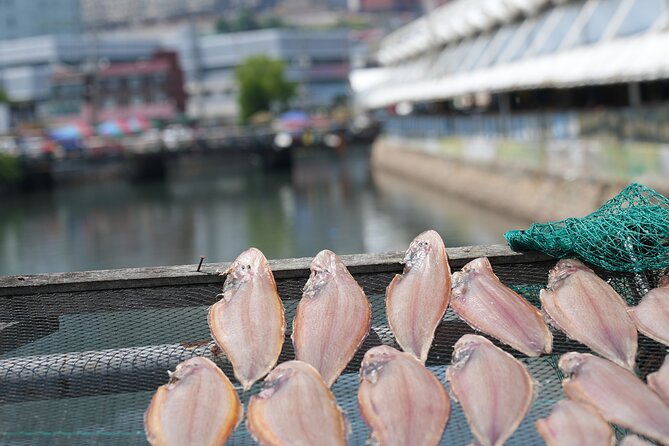
Free time is short-lived for anyone still hungry. Chowon offers a Jeonju gamak experience: beer with charcoal-grilled dried pollack. This is a simple drinking-and-snacking custom, and it gives the night a local neighborhood feel rather than another formal restaurant meal.
Same country, a completely different kind of day:
- Best DMZ Tour Korea from Seoul (Red Suspension Bridge Optional)
★ 5.0 · 41,422 reviews - DMZ Tour: 3rd Tunnel, Option(Suspension Bridge, Boat) from Seoul
★ 5.0 · 21,373 reviews - DMZ tour south Korea from Seoul (NK experience hall, defector)
★ 5.0 · 20,599 reviews - Seoul: DMZ Tour with Optional Suspension Bridge
★ 4.8 · 5,277 reviews
Day four: soup, painting, and a final Jeolla feast
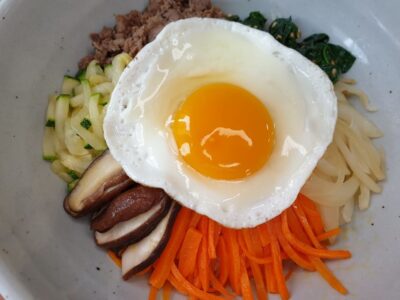
Breakfast is Jeonju’s famous kongnamul gukbap, a soybean sprout soup with rice and a poached egg. It is a practical final-day meal: warm, filling, and less heavy than another grilled dinner.
The longest activity is a three-hour traditional Korean painting class at Samwonhwabang. A certified restoration master leads the session, so this is more than a quick souvenir craft. You have time to pay attention to the delicate style and the work involved in preserving older techniques.
This is also the part of the trip that will divide people. If you enjoy making things with your hands, three hours gives the class real value. If you would rather spend the morning walking through Jeonju, it may feel like too much indoor time. The good news is that the schedule makes the choice clear before you book.
The final meal is a full Jeolla-style feast at Jeonju Bapsang Dajapsuso. The table is described as a table-bending spread, reflecting the region’s generous approach to side dishes and presentation. You should arrive hungry, since this meal is meant to be the grand food finish rather than a light farewell lunch.
At Omokdae, you look over Hanok Village and gather for a final goodbye. It is a fitting viewpoint because you can see the setting that framed much of the Jeonju portion from above. The return to Seoul is by KTX, ending at Yongsan Station.
Food, activities, and what the price covers
The price is $1,689 per person. That is a serious cost for four days, but the comparison should not be made against a basic rail pass or a sightseeing bus. The package includes private minivan transportation, KTX tickets, admission fees, the yacht, activities, four lunches, three dinners, and four breakfasts.
The meals alone form a major part of the value. You receive seafood selected at the market, marinated crab, pajeon and makgeolli, several Yeosu meals, Jeonju pork, kongnamul gukbap, and the final Jeolla spread. The craft sessions and yacht ride also replace several separate bookings.
One point needs checking before you pay: accommodation is not clearly listed among the included items, even though the schedule names Shilla Stay Yeosu and the Royal Room of King as lodging. Confirm whether the two hotel nights are part of the $1,689 price. International flights, personal spending, and travel insurance are not included, and soju at the red-tent stop costs extra.
Pace, group size, and practical fit
The maximum group size is nine. That is a real advantage for a route built around markets, workshops, and shared tables. You will spend less time waiting for people to board a coach, and the guide can give more direct help during cooking and craft sessions.
The tradeoff is a packed schedule. Day two begins with food and a hike, adds temple views, kimchi making, crab, village scenery, noodles, a yacht, and a late-night tent. Day three combines a city transfer with hanbok, paper craft, cycling, dinner, a park, and late-night snacks.
I would pack light for the KTX and minivan transfers, wear shoes suitable for walking and steps, and keep some Korean won for personal purchases and soju. Mobile tickets are supported, and the tour starts and ends at the Yongsan Station meeting point in Seoul. Most people can participate, and the route is near public transportation, but the schedule does not read as a good match for anyone seeking a slow or highly flexible holiday.
You can cancel for a full refund at least six full days before the start time. Cancellations two to six full days ahead receive 50 percent, while cancellations less than two full days ahead are nonrefundable. The tour also requires a minimum number of participants, so confirm the operating status before making fixed travel plans.
Should you book this four-day Korean food tour?
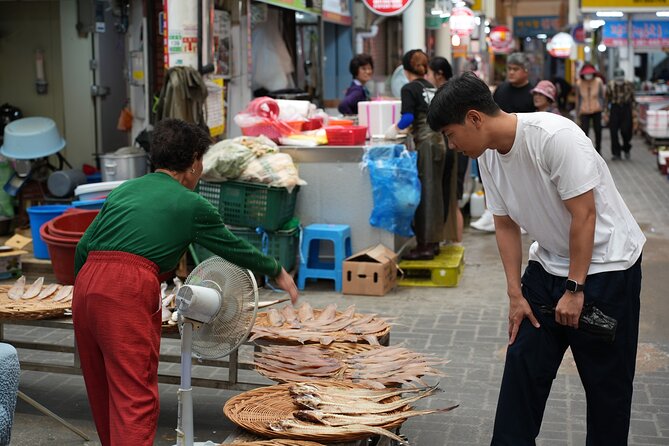
Book it if you want Yeosu seafood, Jeonju food, and Korean craft traditions in one organized trip. It is especially well suited to first-time visitors who want help with transport, ordering, local customs, and workshop arrangements. Food lovers will get the most from it, as will anyone drawn to hanbok, hanji, kimchi making, and painting.
Think twice if you need lots of free time, dislike shared meals, avoid seafood, or prefer to choose your own hotels. The price is easier to justify when lodging is confirmed as included and you value the many meals and classes. If those details suit you, this is a lively, unusually personal way to connect Seoul with Korea’s southern coast and Jeonju’s craft-centered culture.
FAQ
Where does the tour start?
It starts at 8 a.m. at Hangang-daero 23-gil near Yongsan Station in Seoul.
Where does the tour end?
The experience ends back at the meeting point, after returning to Seoul via Yongsan Station.
How long is the experience?
The tour lasts approximately four days.
How many people can join?
The maximum group size is nine travelers.
Is transportation included?
Yes. Private minivan transportation and public transportation KTX train tickets are included.
Are meals included?
Yes. The package includes four lunches, three dinners, and four breakfasts.
Is the sunset yacht tour included?
Yes. The yacht tour is included in the package.
Is soju at the red-tent pojangmacha included?
No. The soju night is listed as not included, so personal spending is required for that stop.
Are international flights included?
No. International flights are not included.
Can I get a full refund if I cancel?
Yes, if you cancel at least six full days before the experience start time. Cancellations two to six full days ahead receive a 50 percent refund, and cancellations less than two full days ahead are not refunded.
Just added around Seoul
- Gyeongbokgung palace,seoul with gigibebe hanbok rental★ 4.5 · 12 reviews
- Private tour guide service in Seoul, Korea★ 5.0 · 6 reviews
- Alpaca, Nami, Petite Fr, Italian Village, Garden of Morning Calm★ 3.5 · 5 reviews
- Gyeongju UNESCO Sites Tour by KTX train; The Museum Without walls★ 4.5 · 11 reviews
- Private day trip to Korean Folk Village & Dae Jang Geum Park★ 5.0 · 7 reviews
- Private tour Lotte World,Tower,Aquarium(All Tickets are included)★ 5.0 · 12 reviews
- Full Day Private Seoul Tour for foodies★ 5.0 · 3 reviews
- Seoul Private Custom Walking Tour with A Guide (Private Tour)★ 4.5 · 28 reviews
Food, compared.
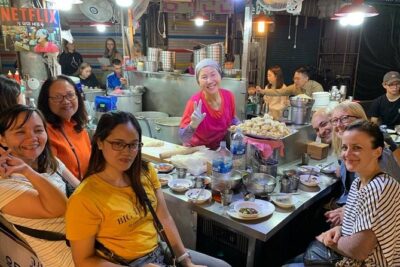
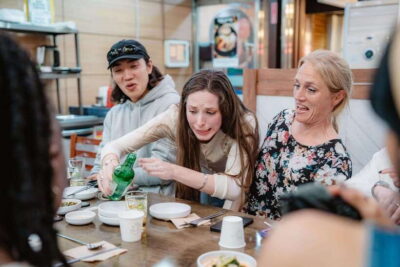
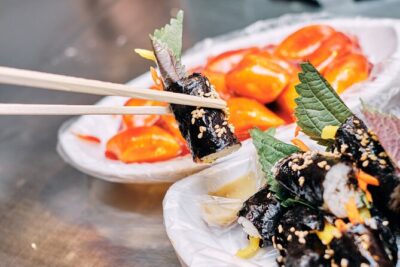
Downtown Seoul Guided Food & Market Tour with 8+ Local Tastings
Read our review →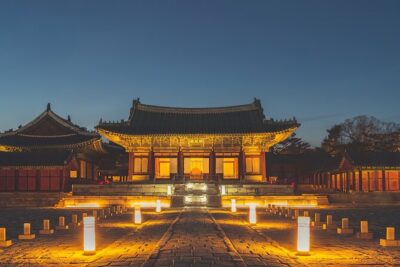
Seoul Night Palace & Market Food Tour with Vehicle
Read our review →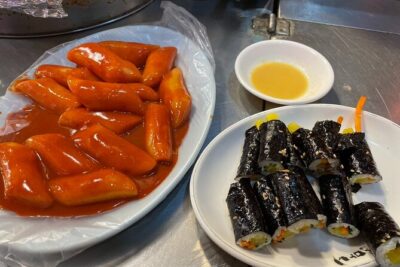
Seoul Fun Food Tour: 12 different food tastings
Read our review →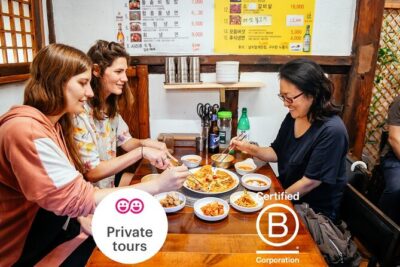
The Award-Winning PRIVATE Food Tour of Seoul: The 10 Tastings
Read our review →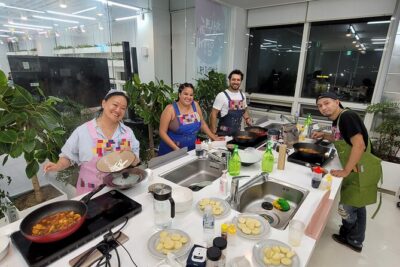
Busan Tailored Korean cooking class (Vegan OK)with market tour
Read our review →