
Reviewed · COOKING CLASSES
Busan: Small-Group Traditional Korean Food Cooking Class
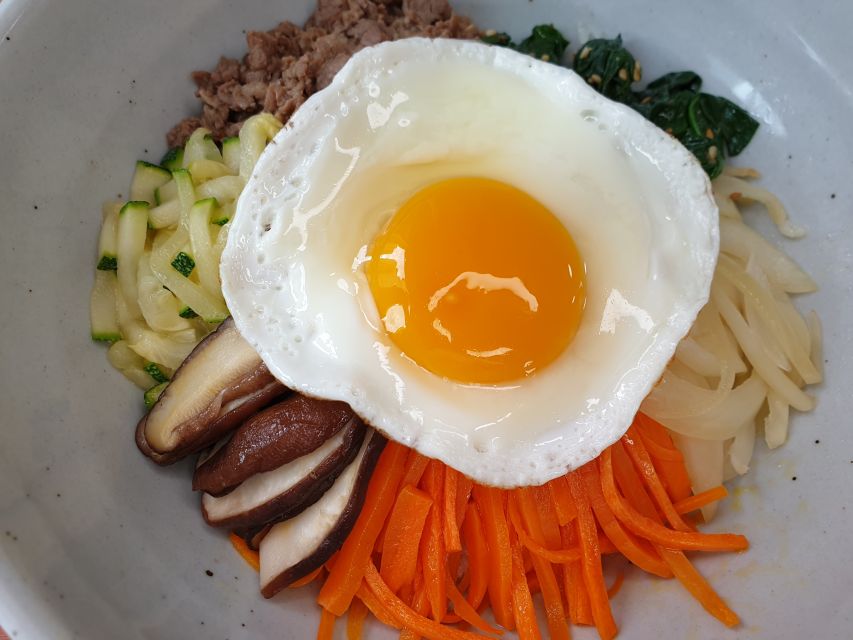
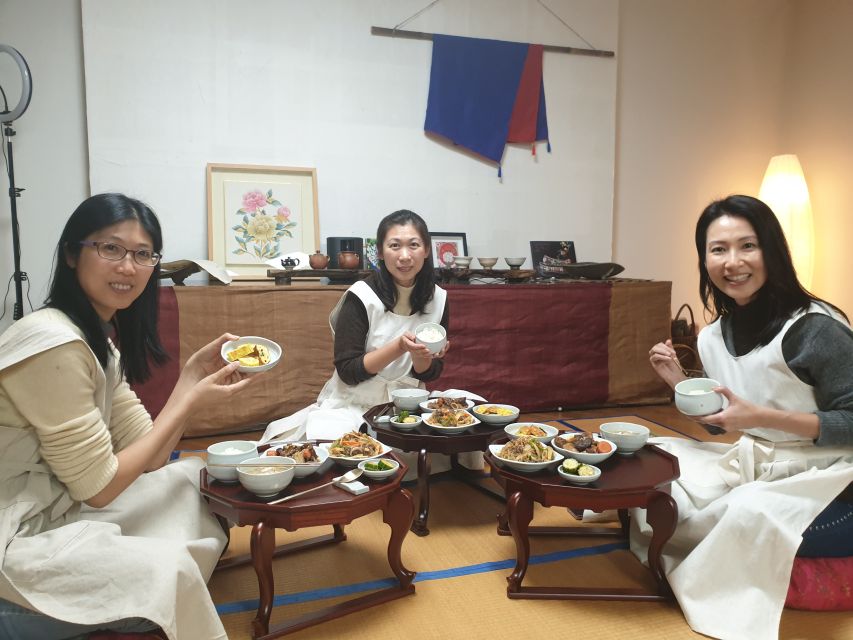
Busan’s best food lesson may happen in a high-rise apartment near Haeundae Beach, where you cook bibimbap, soup, and a Korean pancake before sitting down to eat from your own bapsang, a traditional personal dining table. The class is hands-on, friendly, and built around food you can make again at home.
I like the clear, step-by-step teaching and the chance to taste sauces before cooking with them. I also like the small group, capped at 10 people, which gives you room to ask questions. The main drawback is practical: the class costs $98 and does not include hotel pickup, so budget travelers may find it pricey.
Key points to know before booking
- Three dishes, not just bibimbap: Classes have included bibimbap, miyeok guk seaweed-beef soup, and buchu jeon vegetable fritters.
- Personal bapsang meal: You place your finished food on a traditional individual dining table and eat what you prepared.
- Friendly English instruction: Min is often the instructor, while one class was led by Kim. Both English and Korean are offered.
- Fresh seasonal ingredients: You taste Korean sauces and learn how they shape the flavor of each dish.
- A complete cultural finish: Tea, Korean dessert, recipes, a certificate, and a surprise gift are included.
- Easy Haeundae setting: The class is about 10 minutes on foot from Dongbaek Station and close to Marine City.
Cooking Korean food near Haeundae Beach
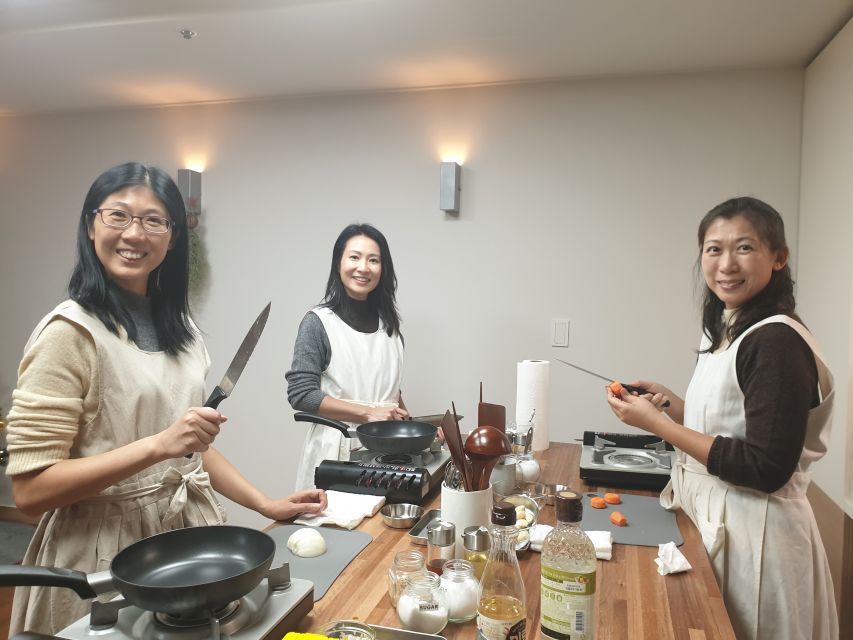
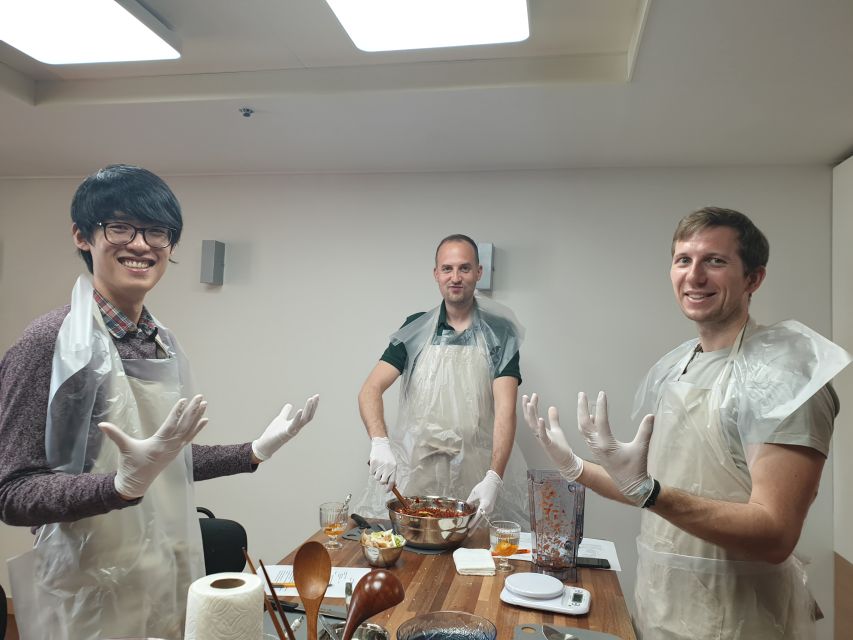
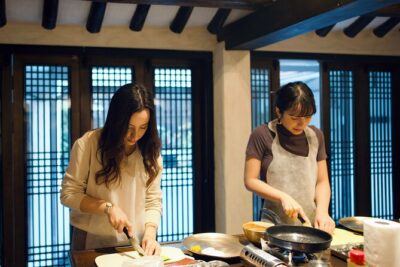
This is not a demonstration where you sit quietly and watch a chef do all the work. You arrive at the BAPSANG cooking studio near Haeundae, receive a welcome drink, and take part from the first explanation of the ingredients to the final meal.
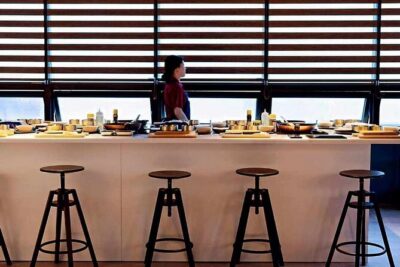
The setting is Flat 2406 at Hoabin Busan Haeundae, in Marine City. That address is useful to keep in front of you because this is an apartment-style location rather than a large street-front cooking school. From Dongbaek Station on Busan Metro Line 2, Exit 1, the walk takes about 10 minutes. The Daewoo Marina Apartment bus stop is about seven minutes away on foot.
I like this location for a simple reason: you can pair the class with time around Haeundae and Marine City. The class itself lasts three hours, so it fits neatly into a morning or afternoon plan. Just allow time to find the building and apartment, since high-rise addresses can take a little more attention than a shop with a bright sign.
The class is limited to a small group, with the stated maximum ranging from nine to 10 participants. That matters in a kitchen. You are not lost in a crowd, and the instructor can watch your progress, repeat a step, or answer a question about ingredients and substitutions.
A few more Busan trips to weigh up
- Korean cooking class in Haeundae, Busan
★ 5.0 · 92 reviews - Busan Tailored Korean cooking class (Vegan OK)with market tour
★ 5.0 · 66 reviews - Busan Local Food Cooking Class with Market Tour
★ 5.0 · 53 reviews
From welcome drink to tasting Korean sauces
The opening is gentle. You start with a welcome drink, then the instructor introduces the ingredients and explains how they are used in Korean home cooking. One of the most useful parts is the sauce tasting.
Korean cooking depends heavily on the balance between sauces, seasoning, vegetables, meat, broth, and rice. Tasting the sauces before they go into a dish helps you understand the food instead of simply copying a recipe. You get a sense of what is salty, sweet, spicy, fermented, or savory, and you can connect those flavors to the finished meal.
Min has been praised for explaining both the food and its cultural background in clear English. Several classes have also included practical conversation about Busan, with Min offering ideas for places to see after the lesson. Kim is another instructor named in the class information, and one session with Kim was described as a useful introduction to Korean cooking.
The tone appears warm and personal rather than formal. That suits a class built around a small dining table and homemade food. You will still need to follow instructions carefully, but you should not feel that every mistake is a crisis. The goal is to understand the method well enough to repeat it later.
Making bibimbap, soup, and Korean pancakes
Bibimbap is the main attraction. The name refers to mixed rice, and the dish brings together rice, vegetables, meat, and seasoning. It is colorful, practical, and a good introduction to Korean cooking because each ingredient has its own preparation before everything comes together.
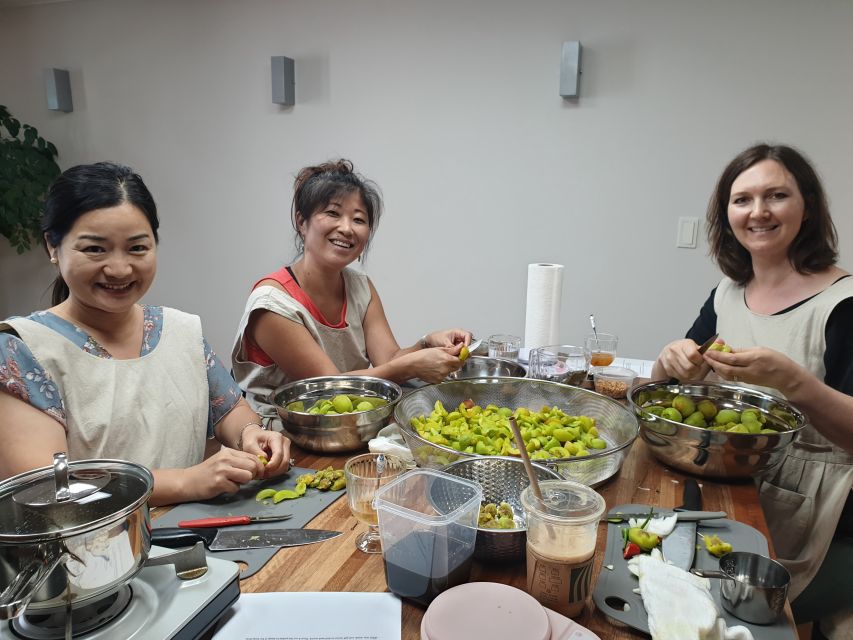
You can expect to work with various vegetables and meat, using fresh local seasonal ingredients. The precise menu can vary, so you should not treat the advertised bibimbap as a promise of the exact same three dishes every day. Past classes have included miyeok guk, a seaweed and beef soup, along with buchu jeon, a Korean vegetable fritter.
That combination makes sense for a three-hour lesson. Bibimbap teaches you how separate ingredients become one meal. Soup introduces broth and the role of seaweed in Korean cooking. The pancake gives you a different texture and a simple format that is easy to remember.
The instruction is designed for home cooks, not professionals. You follow each step in order, with the chef explaining what to do. A parent attending with a 12-year-old found the process manageable and enjoyable, which suggests the format works well for families with older children. Still, young children who dislike waiting or handling food may not get as much from a three-hour class.
The class includes utensils and an apron, so you do not need to arrive equipped for a kitchen. Ingredients, water, and the meal are also included. You should expect to be active, though the supplied information does not specify how much standing, chopping, or cooking each dish requires.
Eating from your own bapsang table
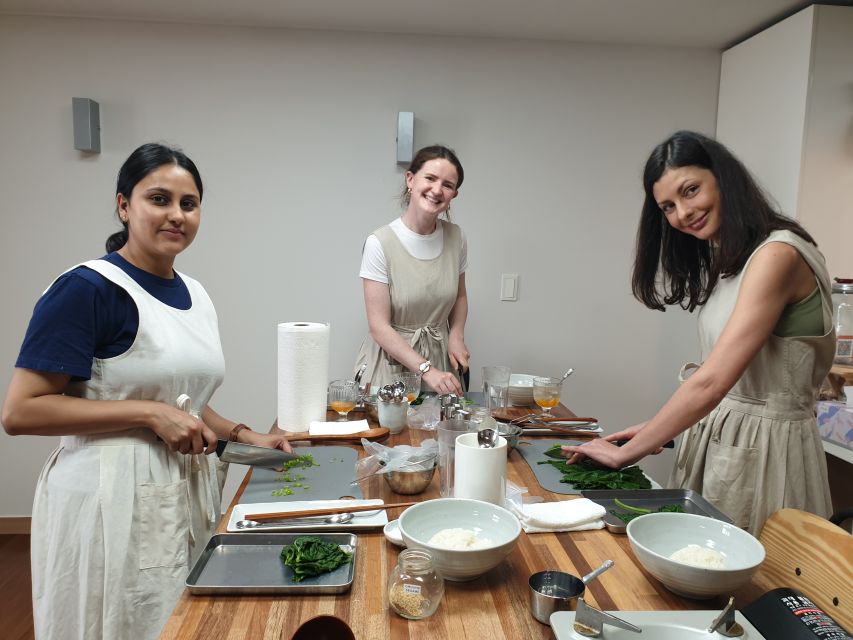
The meal at the end is more than a chance to check your work. You arrange the finished dishes on a bapsang, a traditional personal dining table, and sit down to eat what you prepared.
That presentation adds a useful piece of Korean dining culture. Food is not only placed in the middle for everyone to share. A personal table can make the meal feel organized and special, with each dish given its proper place.
You also get to judge your own cooking. Did the vegetables keep their texture? Did the sauce overpower the rice? Was the pancake crisp enough? Those small observations help the recipes stick in your mind.
The food has received consistently strong praise for its flavor, but you should keep expectations sensible. This is a lesson and meal in one, not a restaurant tasting menu. You are paying for instruction, ingredients, cultural context, and the chance to cook. The meal is the reward at the end, but the teaching is the main reason to book.
Same country, a completely different kind of day:
- Busan: Gyeongju Guided Day Trip to Three Kingdoms Capital
★ 4.8 · 1,925 reviews - Small Group Full Day Busan Tour (Max 6 Pax)
★ 5.0 · 1,464 reviews - From Busan: Gyeongju UNESCO World Heritage Guided Day Tour
★ 4.8 · 1,250 reviews - Busan Private Tour with licensed tour guide + private vehicle
★ 5.0 · 1,143 reviews
Tea, Korean dessert, and a practical souvenir
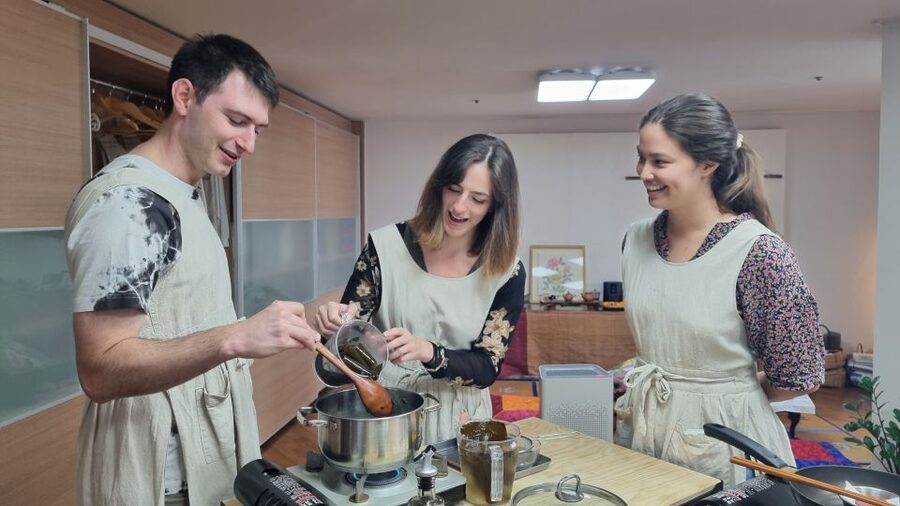
After the main meal, the class moves into a quieter finish with traditional Korean tea and dessert. It is a smart way to close the session. You have just eaten savory dishes, and the tea and sweet course give you time to talk with the instructor and other participants.
The dessert is not described in detail, so do not book this expecting a particular named sweet. What you can count on is a Korean dessert tasting as part of the experience. The tea course also helps show that Korean food culture is not limited to barbecue, fried chicken, and spicy dishes.
You leave with recipes, a certificate, and a surprise gift. The recipes are the most useful item for most people. They turn a pleasant holiday activity into something you can try in your own kitchen. The certificate and gift are small but welcome reminders, especially if you are collecting food experiences during a longer trip.
Is $98 good value for three hours?
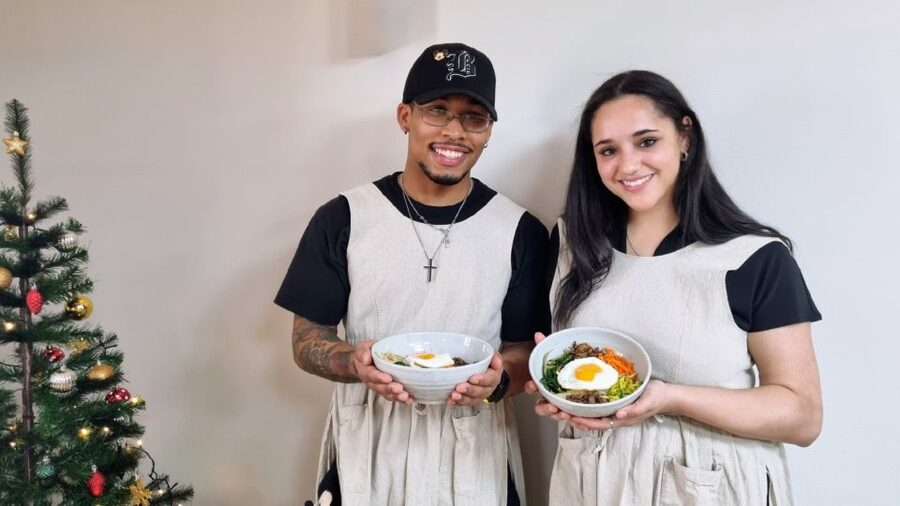
At $98 per person, this is not the cheapest way to eat Korean food in Busan. You can have a very good local meal for far less. The price makes more sense if you value the instruction, the ingredients, the small group, and the cultural setting.
The fee includes everything needed for the cooking session: ingredients, utensils, apron, water, the meal, dessert, tea, and recipes. You are also getting three hours of contact with an English-speaking instructor. If you would otherwise book a separate food tour and restaurant meal, the cooking class can be a reasonable use of part of your Busan budget.
The value is strongest for people who enjoy taking a skill home. Bibimbap is not an obscure dish that will be hard to recreate. The recipe and the understanding of Korean sauces can be useful long after your trip. If you only want to sample Korean food without cooking, though, this is probably not the best use of $98.
The class also creates a social experience without the size of a large tour. With no more than 10 participants, you have a chance to share the meal and compare your results. That is a real part of the value, although solo visitors should remember that the atmosphere depends partly on the mix of people in that particular session.
Who will enjoy this Busan cooking class?
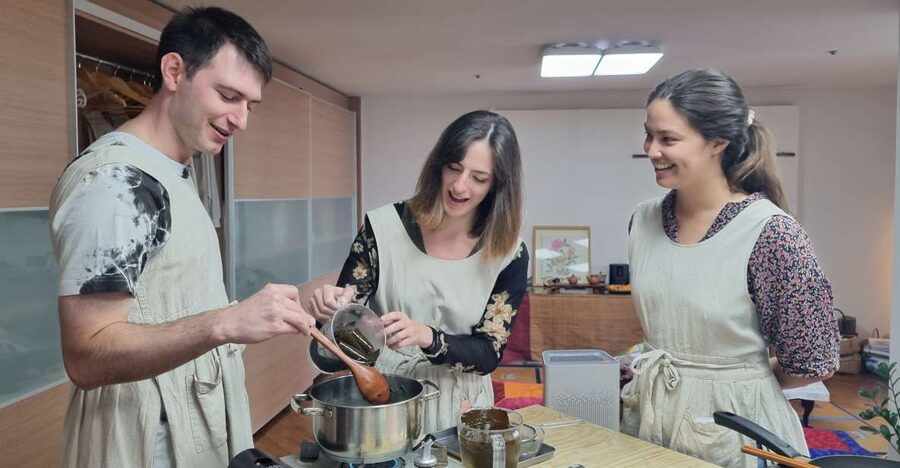
I would recommend it most strongly to:
- First-time visitors who want a clear introduction to Korean food
- Couples looking for a shared activity beyond sightseeing
- Families with older children, including children around the age of 12
- Solo visitors who enjoy meeting people around a table
- Home cooks who want recipes they can use after returning home
- Visitors staying near Haeundae, Marine City, or Dongbaek
You do not need advanced cooking skills. The class is built around easy instructions and guided preparation. An interest in food helps, but you do not need to know the difference between every Korean sauce before arriving.
It may be less suitable if you want a fast activity, dislike group classes, or prefer to spend three hours simply eating. It is also worth checking the timing against your beach plans. The class is close to Haeundae Beach, but the supplied details do not promise beach views or time built into the lesson for sightseeing.
Dietary needs and access
If you want a vegan meal, tell the provider when booking or contact them at least 24 hours before the class. That advance notice matters because the ingredients need to be prepared properly. Do not wait until you arrive and expect the standard menu to be changed on the spot.
The activity is listed as wheelchair accessible. The meeting point is in a high-rise building, but no further details are given about the exact route inside the building. If you use a wheelchair, it is sensible to confirm access arrangements before booking, especially if you need specific information about elevators or kitchen work surfaces.
Instruction is available in English and Korean. English-speaking visitors should find the class accessible, while Korean speakers can also take part comfortably. The teaching style described by attendees is clear and easy to follow, with background information added along the way rather than delivered as a long lecture.
Getting to Flat 2406 in Marine City
By subway, take Line 2, the green line, to Dongbaek Station. Use Exit 1 and walk roughly 10 minutes.
By bus, the Daewoo Marina Apartment stop is about seven minutes away on foot. Routes listed for that stop include 139, 307, and 1003 from Busan Train Station. The Dongbaek stop is farther away, about 15 minutes on foot, and is served by routes including 31, 38, 39, 40, 63, 100, 100-1, 115-1, 141, 181, and 200.
The exact meeting point is Flat 2406, Hoabin Busan Haeundae, 37 Marine City 3-ro, U 1(il)-dong, Haeundae, Busan. Save the address before leaving your hotel, and plan a few extra minutes for the building. Pickup and drop-off are not included.
Free cancellation is available up to 24 hours before the activity for a full refund. You can also reserve now and pay later, which helps if your Busan schedule is still changing.
Should you book it?
Book this class if you want to understand Korean food by making it, not just ordering it. The strongest reasons are the small group, clear English instruction, hands-on preparation, and the full meal served on a bapsang table. Min’s warm teaching style has made the class especially appealing, while Kim has also led a well-received session.
The price is the main question mark. At $98, it is a premium activity for Busan, and the meal alone would not justify the cost. The class becomes good value when you care about recipes, food culture, a personal instructor, and three unhurried hours near Haeundae.
I would skip it only if you have a tight schedule, want a cheaper food experience, or are not interested in cooking. For everyone else, this is a practical and tasty way to turn a Korean meal into a skill you can carry home.
FAQ
How long does the Busan Korean cooking class last?
The class lasts three hours. Check the available start times when booking.
What dishes will I cook?
Bibimbap is included. Previous classes have also prepared miyeok guk, a seaweed and beef soup, and buchu jeon, a Korean vegetable fritter. The exact menu may vary.
Is the cooking class taught in English?
Yes. Instruction is available in English and Korean. Min is named as an instructor in several class sessions, and Kim has also led a session.
Is a vegan meal available?
Yes, but you must request vegan ingredients when booking or contact the provider at least 24 hours in advance.
What is included in the $98 price?
The price includes cooking ingredients, utensils, an apron, water, the prepared meal, dessert, tea, and recipes to take home. A certificate and surprise gift are also provided.
How do I reach the meeting point?
The meeting point is Flat 2406, Hoabin Busan Haeundae, 37 Marine City 3-ro, Haeundae, Busan. Dongbaek Station on Line 2 is about a 10-minute walk away. The Daewoo Marina Apartment bus stop is about seven minutes away on foot.
More Workshops in Busan
- [BUSAN,GamcheonVillage] Private Korean Art Painting Class
★ 5.0 · 20 reviews - Korean Pottery Town Tour with the pottery class from Busan
★ 5.0 · 7 reviews - Busan Kkakdugi(Korean radish Kimchi) class with various options
★ 5.0 · 6 reviews - Busan private tour : K-pop dance class + tour
★ 5.0 · 6 reviews
More Food in Busan
- Busan history and market food tour with local chef
★ 5.0 · 58 reviews - Busan Private Night Tour – City Lights & Food
★ 5.0 · 22 reviews - Busan Night Food Market with Night View points
★ 5.0 · 12 reviews - Busan Food Market Tour Seafoods and Street Foods
★ 5.0 · 8 reviews
Just added around Busan
- Real Busan Walking Experience★ 5.0 · 27 reviews
- 7 Highlights Gyeongju City One Day Small Group Tour from Busan★ 5.0 · 24 reviews
- Full Day Private car tour to UNESCO Gyeongju&Yangdong village★ 5.0 · 5 reviews
- Suncheon and Yeosu Daily Private Tour with Pickup Service★ 5.0 · 3 reviews
- Visit Busan night market and enjoy the night view of Busan harbor★ 5.0 · 6 reviews
- Busan Highlights Shore Tour – Cruise Return Assured★ 4.5 · 34 reviews
- Suncheon one day tour from Seoul, Busan or Suncheon★ 5.0 · 3 reviews
- Busan Seafood Tour : Oyster village Tour with Oyster cuisines★ 5.0 · 3 reviews
Cooking Classes, compared.
Local Home Korean Cooking Class & Market Adventure in Seoul
Read our review →
Master Korean traditional cooking with a Kimchi chef
Read our review →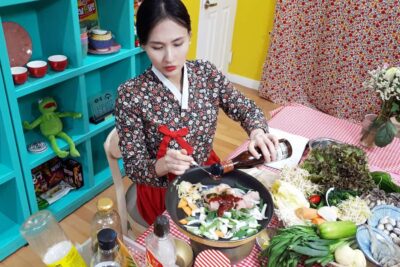
Korean Cooking Class at a Local Home and Market Tour
Read our review →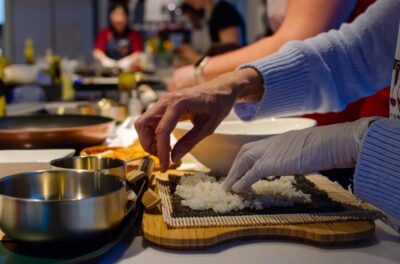

Korean Cooking Class with Grocery Shopping at Seoul Local Market
Read our review →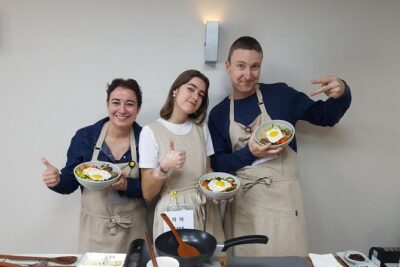
Royal Seoul Cooking Class in a 100-Year-Old Hanok
Read our review →Browse the lists this tour appears in