

Reviewed · COOKING CLASSES
Vegan Korean Food Cooking Class: Gimbap, Sundubu Jjigae, and more
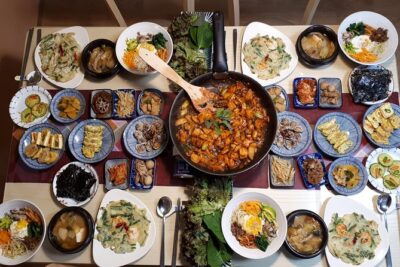
An all-vegan Korean meal is the real draw here. In a small Itaewon workshop, you make gimbap, sundubu jjigae, biji-jeon, and hwa-jeon, using tofu, soy pulp, seasonal vegetables, and edible flowers. Soomin leads the class with clear, step-by-step help and adds useful notes about Korean food customs.
I like two things in particular: the menu gives you a full meal rather than one demonstration dish, and the group is limited to four people, so you get plenty of hands-on time. The main consideration is access: the class is on the third floor with no elevator, and the $75 price is fair but not a bargain if you only want a quick cooking lesson.
Key points at a glance
- Four Korean dishes in one class: Make gimbap, sundubu jjigae, biji-jeon, and hwa-jeon rather than focusing on a single recipe.
- A genuinely small workshop: The maximum group size is four, with one-on-one sessions possible when no one else books.
- Soomin teaches food culture as well as technique: Expect explanations about ingredients, traditions, and practical vegan eating in Seoul.
- A useful class for plant-based diners: The menu is vegan, with vegetarian, reducetarian, Muslim-friendly, and gluten-free options available on request.
- A meal that looks as good as it tastes: Seasonal edible flowers finish the hwa-jeon, while gimbap adds color and careful presentation.
- Plan for stairs and a full appetite: The room is on the third floor, and the dishes make a substantial meal.
Four Korean dishes in two and a half hours

This class takes place in Itaewon, near World Food Street, at 11:00 in the morning. The whole session lasts about two and a half hours, which gives you enough time to prepare several dishes without turning the morning into a rushed assembly line.
The menu is smartly chosen. Gimbap teaches you how Korean ingredients are arranged and rolled. Sundubu jjigae shows how tofu can form the center of a hot, savory stew. Biji-jeon brings soy pulp into the picture, while hwa-jeon adds a sweet, decorative finish.
I appreciate that balance. You are not simply learning a vegan substitute for a meat dish. You are working with ingredients that have a real place in Korean cooking, especially tofu and soy products.
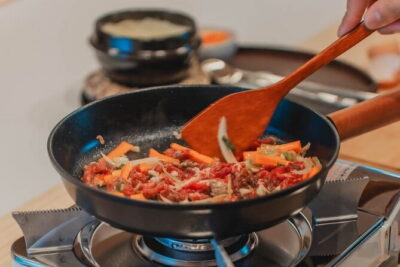
The food is prepared from scratch, with Soomin guiding you through the steps. You can expect to chop, assemble, shape, cook, and serve rather than sit back and watch. That makes the class useful after you leave Seoul because the methods are easier to remember when your hands have done the work.
A few more Seoul trips to weigh up
- Local Home Korean Cooking Class & Market Adventure in Seoul
★ 5.0 · 1,024 reviews - Master Korean traditional cooking with a Kimchi chef
★ 5.0 · 385 reviews - Seoul: Korean Cooking Class at a Local Home and Market Tour
★ 5.0 · 348 reviews
Rolling gimbap, the class’s most practical skill
Gimbap is one of the best dishes for a short cooking class because it combines preparation, presentation, and technique. You assemble the fillings, arrange them carefully, and roll everything into a neat cylinder before slicing it into pieces.
The process looks simple until you try to keep the fillings centered and the roll firm. That is where step-by-step guidance matters. Soomin explains the method clearly, which helps take the guesswork out of the rolling stage.
For you, the value is not just learning one recipe. Gimbap gives you a useful framework for combining rice, vegetables, tofu, and other fillings into a portable Korean meal. It also shows why Korean home cooking pays close attention to color and texture.
This is likely to be one of the more social parts of the workshop. Everyone can work at the same time, compare shapes, and adjust the technique with help from the instructor. In a group of four, you should have room to ask questions without waiting through a long line of participants.
Making sundubu jjigae from scratch
Sundubu jjigae is the warm centerpiece of the meal. The dish is known for its soft tofu and broth, and here you prepare a vegan version from the beginning rather than relying on a premade base.
That matters for anyone who wants to understand Korean flavor building. You learn how the ingredients come together in the pot, how tofu changes the feel of the dish, and how a few well-chosen components can produce a satisfying bowl.
The class places special focus on tofu, showing its flexibility across different dishes. In the gimbap, it can contribute substance and texture. In the stew, it becomes soft and comforting. The contrast makes the ingredient feel far less limited than many people expect.
I would pay close attention during this part if you plan to cook Korean food at home. Stews are forgiving in some ways, but small choices in seasoning and timing can change the result. Having Soomin explain the process as you cook is more useful than simply receiving a printed recipe.
Biji-jeon turns soy pulp into a savory pancake

Biji-jeon adds another side of Korean cooking. You prepare pancakes with soy pulp, then cook them until they hold together and develop a pleasing surface.
It is an appealing choice for a vegan class because it treats soy pulp as an ingredient worth using, not just a leftover. The dish also gives you another texture to place beside the soft tofu stew and the structured gimbap.
This section should appeal to home cooks who enjoy practical food. The technique is direct, and you can see how a humble base becomes part of a complete meal. It also broadens your understanding of Korean soy products beyond tofu alone.
The class is not presented as a lecture. Soomin explains the ingredients and answers questions while you work. That format is especially helpful if Korean cooking is new to you and you are unsure how familiar ingredients are normally handled.
Same country, a completely different kind of day:
- Best DMZ Tour Korea from Seoul (Red Suspension Bridge Optional)
★ 5.0 · 41,422 reviews - DMZ Tour: 3rd Tunnel, Option(Suspension Bridge, Boat) from Seoul
★ 5.0 · 21,373 reviews - DMZ tour south Korea from Seoul (NK experience hall, defector)
★ 5.0 · 20,599 reviews - Seoul: DMZ Tour with Optional Suspension Bridge
★ 4.8 · 5,277 reviews
Hwa-jeon and the edible-flower finish

The final dish, hwa-jeon, gives the class its most decorative moment. You shape glutinous rice dough, cook it, and finish it with seasonal edible flowers.
This is more than a pretty extra. It introduces the importance of appearance in Korean food, where a dish can be simple but still carefully arranged. The soft, chewy dough also gives you a texture that does not appear in the other recipes.
Seasonal flowers mean the finished dish may vary depending on what is available. That is part of its charm, but it also means you should not expect exactly the same decoration every time. The focus is on the method and presentation rather than a fixed design.
Hwa-jeon makes a fitting end to the session because it slows things down after the chopping and rolling. You get to shape something by hand, cook it, and finish the meal with a dish that feels special without requiring meat, dairy, or eggs.
A small class with a warm teaching style
The maximum group size is four. That is a major advantage for a cooking class because you are not hidden at the back of a demonstration room. Soomin can watch your technique, answer questions, and adjust the pace for the people at the table.
One-person bookings may become a private session if no one else has reserved the same time. That can be excellent for someone who wants focused instruction or has many questions about vegan food in Seoul. A private class may also feel more conversational, though the experience still follows the planned menu.
Soomin’s teaching style is a central part of the appeal. She explains ingredients, cooking steps, and Korean food traditions in plain terms. She also shares practical suggestions for finding vegan food in Seoul, which is valuable if plant-based dining is an important part of your trip.
I would choose this class over a larger, more polished food demonstration if you care about participation. You may not get a staged restaurant-style production, but you do get direct guidance and a better chance to understand what you are doing.
What the $75 price really includes

At $75 per person, this is not the cheapest way to eat lunch in Seoul. You can find a meal for far less. The question is what you are paying for, and here the price covers a two-and-a-half-hour lesson, ingredients for four dishes, instruction, cultural context, and a complete vegan meal.
The small group changes the value calculation. A larger class might offer a lower price, but you would likely receive less individual help. Here, the limited capacity means more personal attention and a better chance to practice each technique.
The menu also gives you good variety for the money. You are not paying for a single bowl of stew followed by a short demonstration. You work with rice, tofu, soy pulp, glutinous rice dough, and edible flowers, then sit down to enjoy the results.
The price makes the most sense for a vegan or vegetarian visitor who wants both dinner and a useful food experience. It is less compelling for someone who only wants to sample Korean cuisine or has no interest in cooking.
One practical tip comes directly from the nature of the meal: arrive hungry. The portions create a full lunch, and you may want a container for leftovers. No breakfast can make this class feel especially generous, though you should not count on leftovers as a guaranteed part of the booking.
Itaewon location and the practical details
The meeting point is in Itaewon-dong in Seoul’s Yongsan District, near public transportation and the area known as World Food Street. Itaewon is a sensible setting for a class aimed at international visitors and plant-based diners because the neighborhood is associated with many kinds of food.
You should allow time to find the exact meeting point and arrive ready for an 11:00 start. The activity ends where it begins, so you do not need to arrange a separate return point after lunch.
The room is on the third floor, and there is no elevator. This is the most important physical limitation to consider before booking. Service animals are allowed, but the stairs may be difficult for anyone with limited mobility.
The class is offered with a mobile ticket, which keeps check-in simple. Booking confirmation can take up to 48 hours and depends on availability, so do not leave it until the last minute if your Seoul schedule is tight. The experience is often reserved well ahead of time, with bookings averaging 41 days in advance.
Free cancellation is available if you cancel at least 24 hours before the local start time. Inside that window, refunds are not provided and changes are not accepted.
Who will get the most from this workshop
This is a strong choice for vegan visitors who have worried about finding a complete Korean meal they can eat. Korean food often includes hidden animal ingredients, so a class built entirely around vegan dishes gives you both a meal and more confidence about the ingredients.
Vegetarians and reducetarians can also enjoy it. The menu does not treat plant-based cooking as a compromise. Tofu, soy pulp, vegetables, rice, and glutinous rice dough each have a clear role.
The class is also suited to meat eaters who want a practical introduction to Korean cooking. You do not need to follow a vegan diet to appreciate good technique, and the dishes offer a useful look at Korean flavors without centering the meal on meat.
It may be less suitable for children or adults who dislike hands-on cooking, though the supplied information does not specify a minimum age. You should also think twice if stairs are a problem, if you need a larger group setting, or if $75 feels high for a meal-based activity.
How this class compares with eating at a restaurant
A restaurant gives you speed and convenience. You sit down, order, and taste dishes prepared by someone else. This workshop takes more time, but you leave with a better sense of how those dishes are made.
The difference is especially clear with gimbap and hwa-jeon. Their shapes and finishes are part of the experience, and you understand them better after assembling and cooking them yourself.
You also get direct answers to questions that a menu cannot explain. Soomin can discuss ingredients, cooking steps, and Korean traditions as they come up. That cultural context adds value for anyone who wants more than a photo of lunch.
The trade-off is that the class follows a set menu. You are not choosing from a long list of regional specialties, and the session is not designed as a broad survey of every kind of Korean food. Its strength is focus: four dishes, one instructor, and plenty of practical work.
My verdict on the vegan Korean cooking class
I would book this experience if you want a personal, useful food lesson rather than a quick tasting. The combination of four vegan dishes, a maximum of four people, and Soomin’s clear instruction gives you a solid introduction to Korean cooking.
The strongest reasons to reserve are the complete plant-based meal, the chance to cook tofu and soy pulp in several ways, and the cultural explanations woven into the work. The flower-topped hwa-jeon is a particularly nice touch, while the gimbap and sundubu jjigae are the most useful recipes to take home.
I would skip it if you are looking for a cheap lunch, dislike stairs, or prefer a large social event. For everyone else, especially vegans trying to eat well in Seoul, the $75 cost is justified by the time, food, and personal instruction. The 4.9 rating from 32 reviews and 97 percent recommendation fit the experience’s clear strengths, but the practical details still matter: book early, arrive hungry, and make sure the third-floor location works for you.
FAQ
Where does the vegan Korean cooking class take place?
The class takes place in Itaewon-dong in Seoul’s Yongsan District, near World Food Street Itaewon.
What time does the class start?
The start time is 11:00 am.
How long does the cooking class last?
The experience lasts approximately two hours and 30 minutes.
What dishes will I make?
You will prepare gimbap, sundubu jjigae, biji-jeon, and hwa-jeon. The class includes rolling gimbap, making sundubu jjigae from scratch, cooking soy pulp pancakes, and shaping glutinous rice dough with seasonal edible flowers.
Is the class fully vegan?
Yes. The experience is designed around vegan Korean cooking. It also lists vegetarian, reducetarian, and Muslim-friendly options, with gluten-free preparation available on request.
How many people can join the class?
The maximum group size is four people. A one-person booking may become a private session if no other participant books the same time.
Is the location accessible by elevator?
No. The class is on the third floor, and there is no elevator. Service animals are allowed, and the location is near public transportation.
More Food in Seoul
- Seoul Fun Food Tour: 12 different food tastings
★ 5.0 · 266 reviews - The Award-Winning PRIVATE Food Tour of Seoul: The 10 Tastings
★ 4.5 · 128 reviews - Afternoon E-bike tour and “Happy Hour” food and drinks
★ 5.0 · 46 reviews - Mangwon Market Food tour By Locals; Cheap Eats to Fancy Feast
★ 5.0 · 38 reviews
More Food & Drink in Seoul
- Seoul Street Food Market Tour
★ 5.0 · 1,226 reviews - Seoul: Night Market Food Tour with Local Guide
★ 4.9 · 943 reviews - Downtown Seoul Guided Food & Market Tour with 8+ Local Tastings
★ 5.0 · 580 reviews - Seoul Night Palace & Market Food Tour with Vehicle
★ 5.0 · 275 reviews
Just added around Seoul
- Gyeongbokgung palace,seoul with gigibebe hanbok rental★ 4.5 · 12 reviews
- Private tour guide service in Seoul, Korea★ 5.0 · 6 reviews
- Alpaca, Nami, Petite Fr, Italian Village, Garden of Morning Calm★ 3.5 · 5 reviews
- Gyeongju UNESCO Sites Tour by KTX train; The Museum Without walls★ 4.5 · 11 reviews
- Private day trip to Korean Folk Village & Dae Jang Geum Park★ 5.0 · 7 reviews
- Private tour Lotte World,Tower,Aquarium(All Tickets are included)★ 5.0 · 12 reviews
- Full Day Private Seoul Tour for foodies★ 5.0 · 3 reviews
- Seoul Private Custom Walking Tour with A Guide (Private Tour)★ 4.5 · 28 reviews
Cooking Classes, compared.
Local Home Korean Cooking Class & Market Adventure in Seoul
Read our review →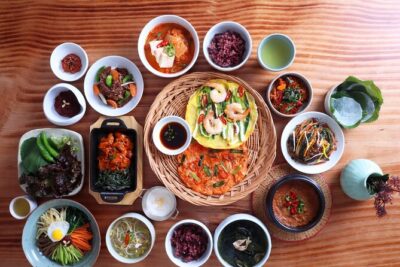
Master Korean traditional cooking with a Kimchi chef
Read our review →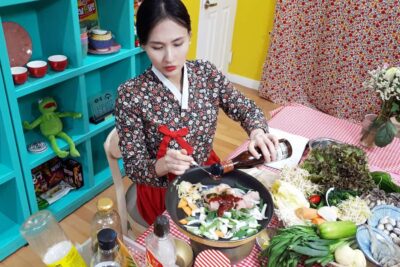
Korean Cooking Class at a Local Home and Market Tour
Read our review →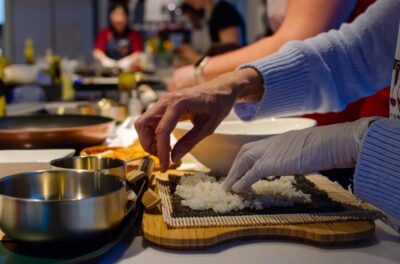
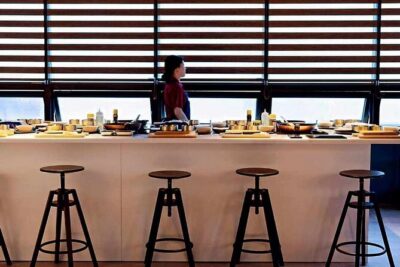
Korean Cooking Class with Grocery Shopping at Seoul Local Market
Read our review →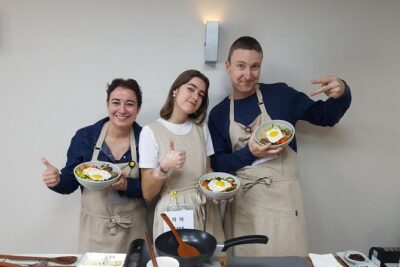
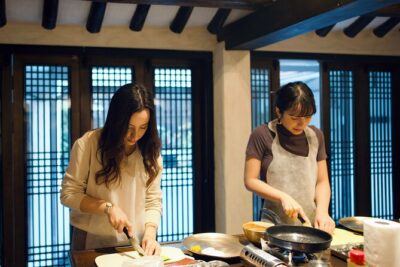
Royal Seoul Cooking Class in a 100-Year-Old Hanok
Read our review →Browse the lists this tour appears in