
Reviewed · COOKING CLASSES
Korean Cooking Class Full Meal with BBQ on an All in One Table
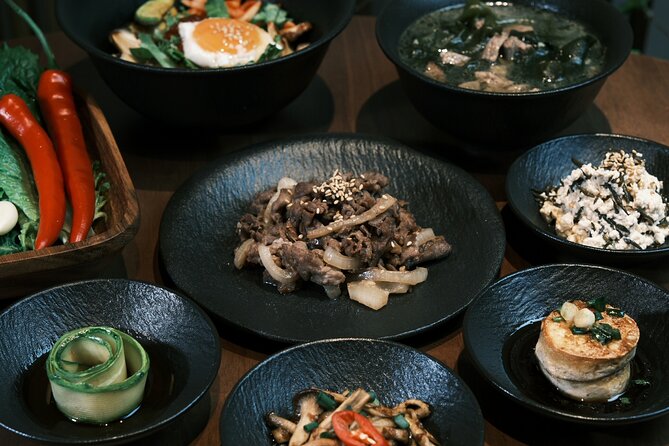
Korean food is built for the whole table, and this Seoul class lets you make that table yourself. In about three hours, you’ll prepare banchan, soup or stew, a main dish, and bibimbap, then sit down to eat with chef-served pork belly BBQ.
I like the small maximum of eight people, which should leave room for hands-on help. I also like the focus on seasonal vegetables and Korean pastes such as doenjang and gochujang, including some brought from the chef’s hometown. The one drawback is that this is a cooking class, not a market walk or food tour, so choose it for kitchen time rather than sightseeing.
Key points to know before booking
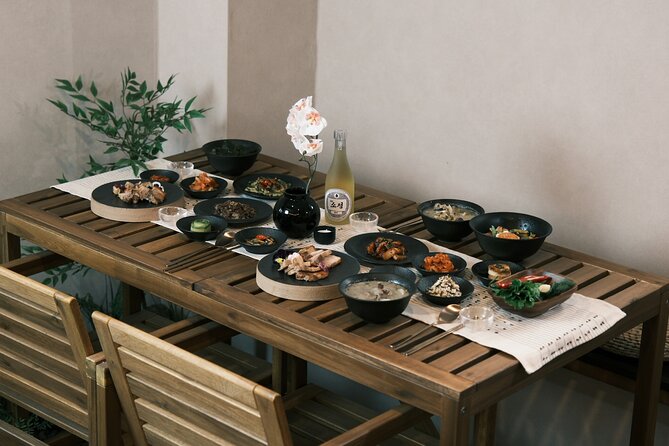
- A complete Korean table: Prepare four side dishes, bibimbap, soup or stew, a main dish, and dessert.
- Chef-served BBQ: You cook nearly everything yourself, but the pork belly BBQ is prepared and served by the chef.
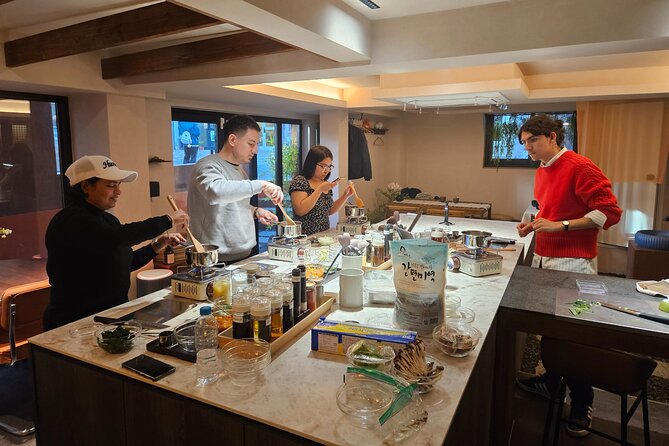
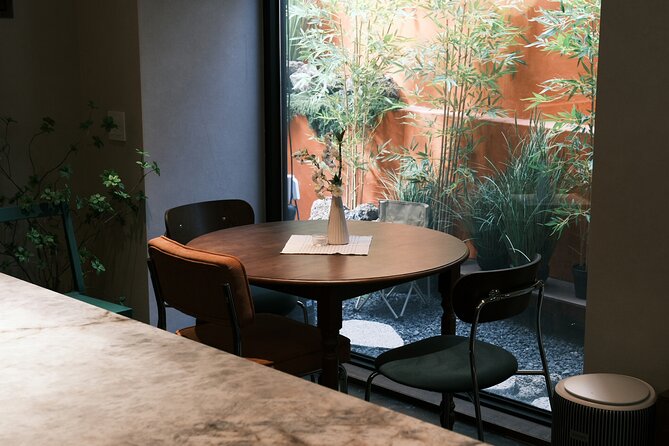
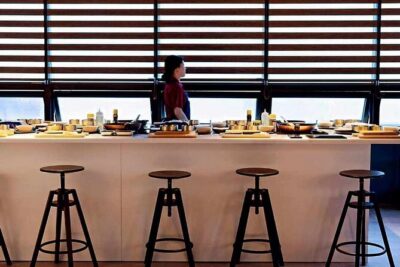
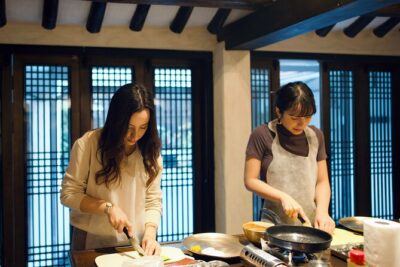
- Hanok-inspired setting: The class takes place at Soop Table in a calm studio with traditional Korean design touches.
- Small group format: The class accepts a maximum of eight people, making it easier to follow instructions and ask questions.
- Woody handles the class: The host contacts you about meal choices and timing after booking.
- Mapo location: Meet at Soop Table on Donggyo-ro 46-gil, near public transportation, and finish at the same address.
Why this class feels like a Korean meal, not a recipe lesson
Many cooking classes teach one signature dish and send you on your way. This one takes a broader view. You learn how Korean meals work as a group: several side dishes, a soup or stew, a main dish, rice-based bibimbap, and something sweet at the end.
That matters because Korean dining is not usually organized around one plated entrée. The table arrives with several tastes at once. Salty, fermented, spicy, fresh, warm, and cool elements balance one another. This class copies that pattern instead of treating Korean food as a single recipe.
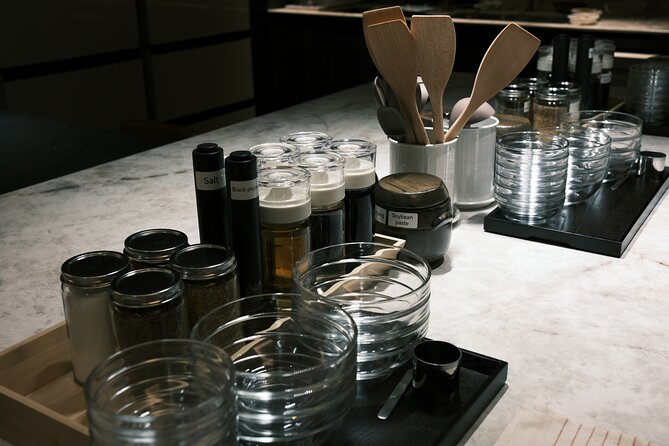
You will also learn about ingredients and sauces in their seasonal setting. Doenjang brings a fermented bean flavor, while gochujang adds heat and sweetness. The class uses fresh vegetables and seasonal produce, so the exact dishes may vary. That is a strength for anyone who wants a useful introduction to Korean home cooking rather than a fixed restaurant menu.
The class is also designed for you to eat what you make. You are not simply watching a chef prepare food in front of you. Aside from the BBQ, you cook each dish yourself, then plate and share the meal at one table.
A few more Seoul trips to weigh up
- Local Home Korean Cooking Class & Market Adventure in Seoul
★ 5.0 · 1,024 reviews - Master Korean traditional cooking with a Kimchi chef
★ 5.0 · 385 reviews - Seoul: Korean Cooking Class at a Local Home and Market Tour
★ 5.0 · 348 reviews
Entering Soop Table in Mapo
The meeting point is Soop Table: The Hansik Atelier at 34 Donggyo-ro 46-gil, Mapo-gu, Seoul. The venue is close to public transportation, which helps if you are staying in another part of Seoul. You should still allow enough time to find the building, since the activity begins at a specific studio rather than a major landmark.
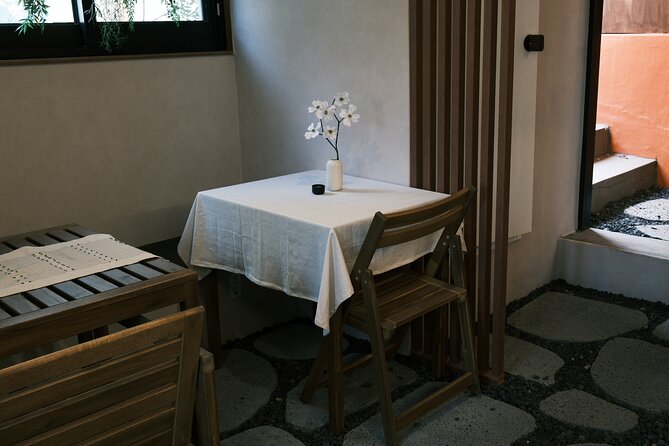
The interior takes its cue from traditional Hanok architecture. One booking account describes details such as a lava and slate walkway, along with a calm, carefully arranged atmosphere. That design is not the reason to book the class, but it adds a sense of place before you start chopping vegetables.
The setting also supports the class’s main idea: slow down, cook, and share a full meal. If you want a fast, noisy food stop, this will not be the right fit. If you enjoy a quiet room and a more focused activity, the studio should suit you well.
The group size is capped at eight. That is small enough to make questions practical, especially when you are learning unfamiliar sauces, cutting methods, and plating steps. It also means the class may feel more personal than a large demonstration.
A seasonal tea starts the three-hour session
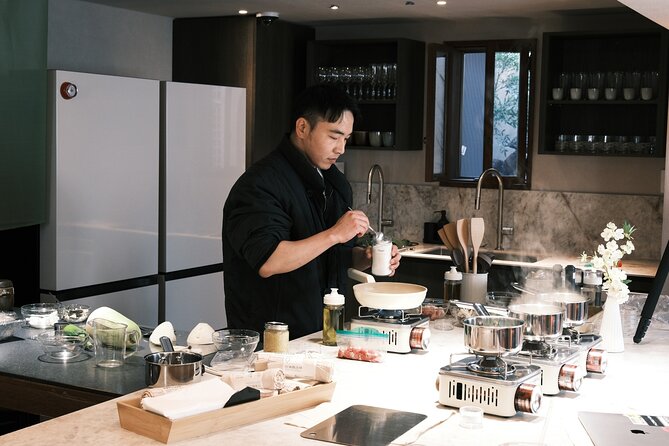
The class begins with a seasonal Korean welcome tea. This is a simple opening, but it sets the tone. You get an introduction to the Korean habit of connecting food with season and nature before moving into the cooking.
The tea also gives you a moment to settle in and meet the host and the rest of the group. Woody is the host named in the booking experience, and he reaches out after booking to confirm your dinner choices and timing. That contact is useful because the class includes a choice of main dish and soup or stew.
The schedule lasts about three hours, so the pace should leave time for both preparation and eating. You are not being rushed through a quick recipe before the next group arrives. Still, you are preparing a large meal, so expect to stay engaged rather than sit back for long stretches.
Four banchan teach the balance of the Korean table
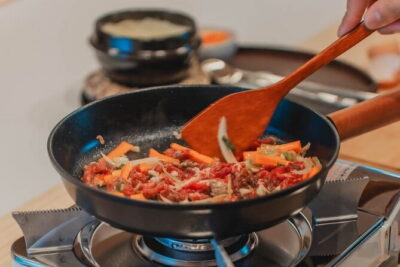
Next comes the side-dish work. You make four kinds of Korean banchan with fresh vegetables. These small dishes are central to the meal, not decorative extras.
Banchan teach you how Korean food gains variety from simple ingredients. One vegetable may be seasoned lightly, another may use a stronger fermented paste, and another may bring a different texture. Together, they create contrast across the table.
This is one of the most useful parts of the class for home cooks. A single main dish can be hard to recreate on its own, but a few vegetable sides can turn an ordinary meal into something that feels distinctly Korean. The class gives you practice with the sauces and seasoning ideas that make that possible.
The ingredients are tied to the season, and some fermented pastes come from the chef’s hometown. That detail gives the lesson a personal link to Korean food culture. You are not only handling generic pantry products. You are learning how everyday ingredients and regional connections shape a meal.
Because you prepare four side dishes, the session involves real work. You should expect chopping, mixing, seasoning, and arranging rather than a passive demonstration. If you want to learn only one dish, this broad menu may feel like too much. If you want to understand the full Korean table, it is a good use of your time.
Same country, a completely different kind of day:
- Best DMZ Tour Korea from Seoul (Red Suspension Bridge Optional)
★ 5.0 · 41,422 reviews - DMZ Tour: 3rd Tunnel, Option(Suspension Bridge, Boat) from Seoul
★ 5.0 · 21,373 reviews - DMZ tour south Korea from Seoul (NK experience hall, defector)
★ 5.0 · 20,599 reviews - Seoul: DMZ Tour with Optional Suspension Bridge
★ 4.8 · 5,277 reviews
Your choice of main dish and soup or stew
The class lets you choose one main dish and one soup or stew according to your taste. This makes the meal more flexible, especially if you already know that you prefer spicy food, milder flavors, or a warming soup.
The supplied details do not name the exact choices, so you should confirm the available options with Woody when he contacts you. That is an important practical step. Do not assume the menu will include a particular Korean dish simply because it is popular elsewhere in Seoul.
Cooking both a main dish and a soup or stew also shows how Korean meals are built. The soup contributes warmth and moisture, while the main dish gives the table a stronger center. Along with the banchan, these elements create a meal with several layers rather than one large serving.
I like this format because it gives you some control without turning the class into a private custom menu. You make a choice, then learn within the structure of the class. The possible downside is that your preferred option may depend on the day’s seasonal ingredients or the available menu choices.
Plating bibimbap in your own style
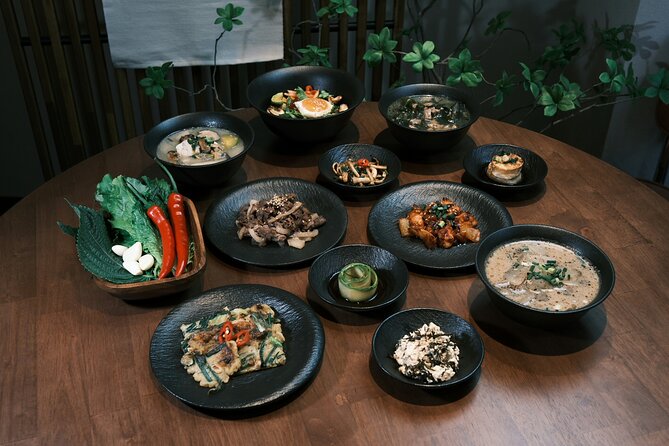
Bibimbap is the most visibly creative part of the class. You plate your own bowl, arranging the ingredients in your preferred style before mixing and eating it.
Presentation matters here. Korean cooking is not only about taste, and the class gives attention to how a full table and individual dishes look together. The arrangement of vegetables in bibimbap can make a simple bowl appear balanced and inviting.
You should expect guidance rather than a strict artistic test. The point is to learn how color, shape, and proportion work on the plate. If you care about food photography, this will likely be one of the most rewarding moments of the session.
There is also a nice lesson in the contrast between plating and eating. You first make the dish look orderly, then mix it together so the flavors combine. That small ritual helps explain why bibimbap is both visually appealing and practical.
Pork belly BBQ served by the chef
During the meal, the chef serves grilled pork belly BBQ. This is the one major part of the menu you do not cook yourself.
That choice makes sense. Grilling pork belly at the right point requires attention, heat control, and timing. By serving it directly, the chef can keep the focus on the dishes you are learning while adding a cooked element that rounds out the table.
The BBQ also gives you a chance to experience a familiar Korean meal pattern from the diner’s side. You can eat the meat with the banchan, soup, and other dishes you prepared. The class therefore combines instruction with a ready-to-eat feature, rather than asking you to cook every component from start to finish.
A taste of traditional Korean liquor is served with the meal. The details do not specify the type or amount, so you should treat it as a small cultural tasting rather than a drinks-focused activity. If you do not drink alcohol, check with the provider before booking so you understand the available arrangement.
Dessert brings the group back together
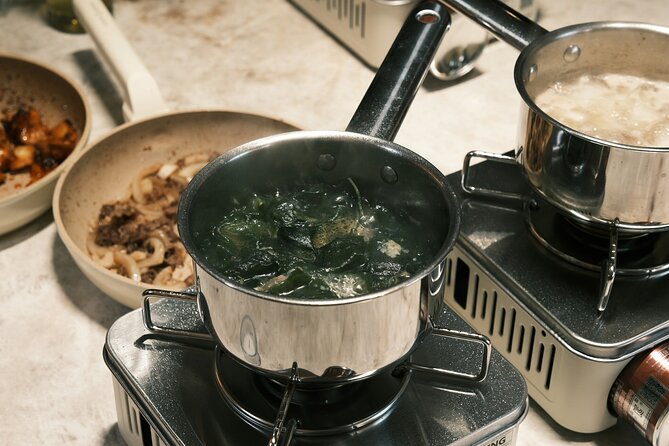
After the main meal, you make a popular Korean dessert together. The exact dessert is not specified, but the final cooking step keeps the session active after lunch or dinner.
This ending has a social purpose. Everyone has prepared separate components, then eaten from the same complete table. Making dessert together provides one last shared task before the class ends.
The dessert also gives you a look at a side of Korean food that can be missed when your attention stays on BBQ, noodles, or spicy stews. It rounds out the lesson without adding another large savory dish.
What the $89 price includes in practical terms
At $89 per person, this class costs more than simply ordering a Korean meal. The value comes from the amount of food, the instruction, the small group size, the studio setting, and the time spent preparing the meal.
You are not paying only for a tasting. You cook four banchan, bibimbap, a main dish, soup or stew, and dessert. The chef also serves pork belly BBQ and traditional liquor. For someone who wants a substantial meal plus practical cooking skills, that is a reasonable package.
The price is harder to justify if your main goal is sightseeing or a cheap lunch. The class takes around three hours, and much of that time is spent in the kitchen. It does not include a commercial market tour, and the provider is clear about that.
Instead, the host can suggest trusted local markets if you want to continue exploring Korean ingredients on your own. That is useful, but it is separate from the paid activity. I would book this for the teaching and the shared meal, not because it promises a wider neighborhood tour.
Who should book this Korean cooking class
I would recommend it to you if you enjoy learning by doing. The menu is broad, the meal is substantial, and the class gives you a clear sense of how Korean dishes fit together.
It is especially suitable for couples, food-focused visitors, and anyone who wants more than a restaurant meal. One booking was made by a couple seeking both new recipes and better presentation skills, which is exactly where this class has an advantage.
The small group also makes it a good choice if you prefer personal instruction. With no more than eight people, you have a better chance of following the details and getting help when a sauce or dish does not look right.
You may want to skip it if you dislike cooking, have very limited time, or specifically want a market visit. You should also check the menu choices with Woody if you have a particular dish in mind.
Booking details and cancellation advice
Confirmation is provided at booking, and the activity uses a mobile ticket. The class begins and ends at Soop Table in Mapo, near public transportation.
Free cancellation is available if you cancel at least 24 hours before the local start time. Changes or cancellations made within 24 hours are not accepted for a refund. The activity also requires a minimum number of participants, and poor weather can cause cancellation under the stated policy. In either case, you are offered another date or experience, or a full refund.
Should you book Soop Table?
Book this class if you want to understand Korean food as a shared meal rather than a list of famous dishes. The best parts are the full-table format, the four banchan, the seasonal ingredients, the Hanok-inspired studio, and the chance to plate your own bibimbap.
The strongest practical reason to choose it is the balance between instruction and eating. You do real cooking, but you also sit down to a generous meal with chef-served pork belly BBQ and a traditional liquor tasting.
Skip it if you want a food tour, a market excursion, or a quick restaurant-style activity. For everyone else, especially couples and curious home cooks, the $89 fee buys three focused hours of Korean cooking and a meal you had a hand in creating.
FAQ
Where does the Korean cooking class take place?
The class takes place at Soop Table: The Hansik Atelier, at 34 Donggyo-ro 46-gil, Mapo-gu, Seoul, South Korea.
How long does the activity last?
The class lasts approximately three hours.
Where does the activity finish?
The activity ends back at the Soop Table meeting point.
How many people can join the class?
The class has a maximum of eight participants.
Is the class near public transportation?
Yes. The meeting point is near public transportation.
What dishes will I prepare?
You will prepare four Korean side dishes, bibimbap, one main dish, one soup or stew, and a popular Korean dessert.
Do I cook the pork belly BBQ?
No. The chef serves the grilled pork belly BBQ. You prepare the other dishes yourself.
Is a drink included with the meal?
A taste of traditional Korean liquor is served during the meal.
Can I cancel for a full refund?
Yes, if you cancel at least 24 hours before the experience start time. Cancellations or changes made less than 24 hours before the start time are not refunded or accepted.
More Workshops in Seoul
- Yongpyong Ski Resort from Seoul with Optional Lesson and Packages
★ 5.0 · 217 reviews - Korean Cooking Class with Grocery Shopping at Seoul Local Market
★ 5.0 · 107 reviews - Royal Seoul Cooking Class in a 100-Year-Old Hanok
★ 5.0 · 81 reviews - Seoul : Taste of Korea, Authentic Home-Style Cooking Class
★ 5.0 · 64 reviews
Just added around Seoul
- Gyeongbokgung palace,seoul with gigibebe hanbok rental★ 4.5 · 12 reviews
- Private tour guide service in Seoul, Korea★ 5.0 · 6 reviews
- Alpaca, Nami, Petite Fr, Italian Village, Garden of Morning Calm★ 3.5 · 5 reviews
- Gyeongju UNESCO Sites Tour by KTX train; The Museum Without walls★ 4.5 · 11 reviews
- Private day trip to Korean Folk Village & Dae Jang Geum Park★ 5.0 · 7 reviews
- Private tour Lotte World,Tower,Aquarium(All Tickets are included)★ 5.0 · 12 reviews
- Full Day Private Seoul Tour for foodies★ 5.0 · 3 reviews
- Seoul Private Custom Walking Tour with A Guide (Private Tour)★ 4.5 · 28 reviews
Cooking Classes, compared.
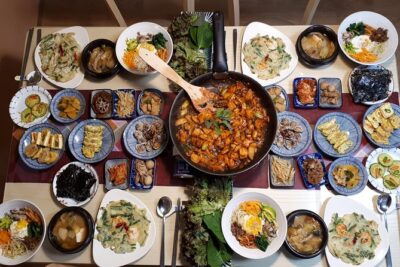
Local Home Korean Cooking Class & Market Adventure in Seoul
Read our review →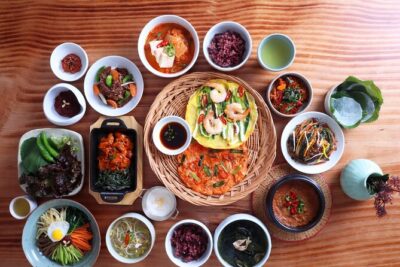
Master Korean traditional cooking with a Kimchi chef
Read our review →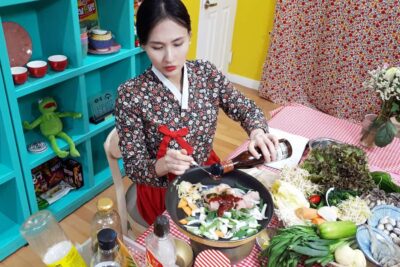
Korean Cooking Class at a Local Home and Market Tour
Read our review →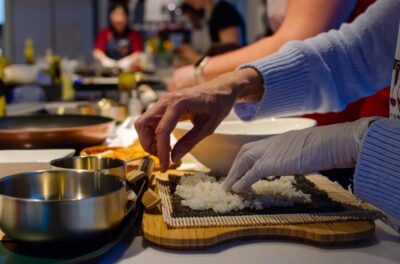
Korean Cooking Class with Grocery Shopping at Seoul Local Market
Read our review →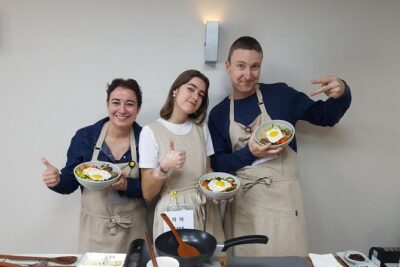
Royal Seoul Cooking Class in a 100-Year-Old Hanok
Read our review →Browse the lists this tour appears in