Reviewed · SEOUL TOURS
Traditional Korean Bookbinding Experience in Seoul, Hongdae
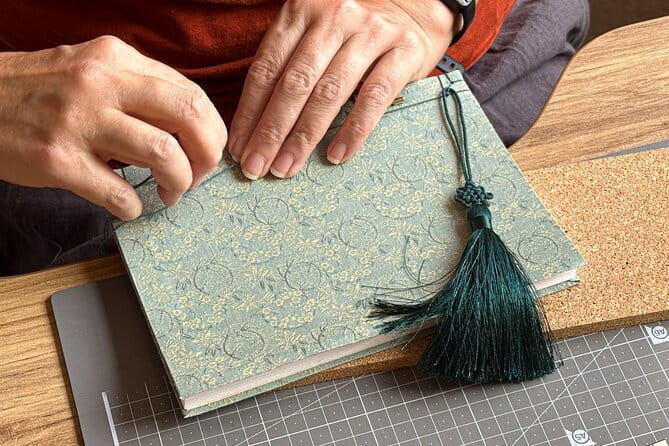
The most memorable part of this Seoul craft class is that you make something with a real connection to Korean history: a hand-bound notebook using Hanji, the traditional paper associated with the Annals of the Joseon Dynasty. You choose the silk cover, thread, and Norigae ornament, then leave with a finished book rather than a shop-bought souvenir.
I like the 22 silk cover choices, which let you make a notebook that feels personal instead of mass-produced. I also like the calm, useful format: a small group of no more than 12 people, a patient instructor, and a finished item packed for the trip home. The main drawback is that the class is only available to people aged 17 or older, and the two-hour session may feel short if you enjoy taking your time with detailed crafts.
Key points at a glance
- Hanji with a long Korean tradition: Learn about the handmade paper used for important Korean records and writing.
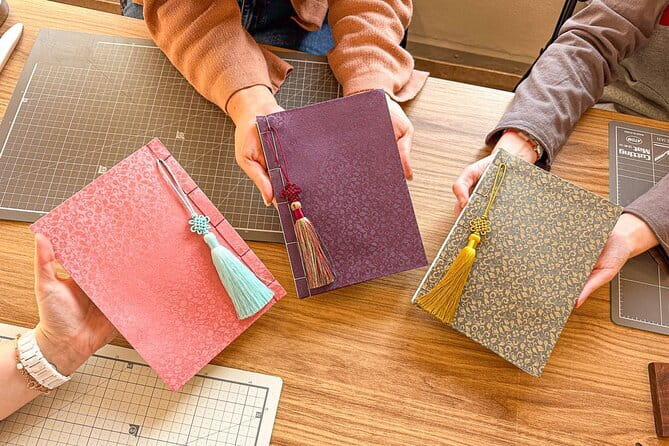
- Twenty-two silk covers: Pick a cover woven with a Korean traditional pattern.
- Personal thread and Norigae choices: Match colorful thread with a traditional Korean knot ornament.
- A finished notebook in two hours: The activity moves from material selection to binding, decoration, and packing.
- Small class size: The studio accepts a maximum of 12 participants, keeping the instruction fairly personal.
- A practical Seoul souvenir: You take home a useful notebook that also works as a scrapbook for your trip.
Why Hanji makes this more than a craft class
Hanji is the heart of the experience. This traditional Korean paper was used for writing, diaries, and notes by the Joseon royal family, Confucian scholars, and other Korean intellectuals. It was also used for the Annals of the Joseon Dynasty, which are listed on the UNESCO Memory of the World register.
That background gives the activity more weight than a standard notebook-making workshop. You are not simply assembling paper and a cover. You are learning why a particular material mattered in Korean life and record keeping.
The class also shares an old saying: silk lasts 500 years, while Hanji lasts 1,000 years. You should treat that as a traditional expression rather than a guarantee for your finished notebook, but it captures the point. These materials were valued for lasting power, and your notebook is meant to be a keepsake rather than a disposable pad.
I find that kind of souvenir especially useful in Seoul. It is small, easy to pack, and connected to a specific craft tradition. You can use it for trip notes, photographs, ticket stubs, sketches, or memories from Korea.
Other Seoul days worth booking alongside this:
- Best DMZ Tour Korea from Seoul (Red Suspension Bridge Optional)
★ 5.0 · 41,422 reviews - DMZ Tour: 3rd Tunnel, Option(Suspension Bridge, Boat) from Seoul
★ 5.0 · 21,373 reviews - DMZ tour south Korea from Seoul (NK experience hall, defector)
★ 5.0 · 20,599 reviews
Choosing your silk cover in Mapo-gu
The class begins at Danchoodan, at 100 Daeheung-ro, third floor, in Daeheung-dong, Mapo-gu. The experience is often associated with the Hongdae area, but check the exact address before setting out. The meeting point is in Seoul, near public transportation, and the class starts at 10:30 am.
Your first real decision is the cover. You choose from 22 silk options, each featuring a Korean traditional pattern. The range of colors and designs is one of the strongest parts of the class because it gives you control over the final look before any binding begins.
Take a moment with this choice. If you are making a notebook for yourself, think about whether you want something subtle, colorful, formal, or decorative. If you are making a gift, the silk pattern may be more important than the paper inside.
The cover is made from Korean silk, not plain card or modern fabric. That adds a soft, refined finish and gives the notebook a distinctly Korean appearance. The patterns also make the finished object feel more like a small piece of craftwork than an ordinary journal.
Selecting thread and a Norigae ornament
After choosing the silk, you select the thread color and a Norigae. Norigae are traditional Korean ornaments, often worn or displayed as decorative accessories. Here, one is tied to the finished notebook as the last detail.
This stage gives you another chance to make the book your own. The thread is functional, since it helps hold the notebook together, but it is also part of the design. A contrasting color can make the binding easy to notice, while a similar shade creates a quieter look.
The Norigae adds a distinctly Korean finishing touch. It is not just decoration added at random. It connects the notebook to traditional knot work and gives the finished piece a small hanging ornament.
You may find this part easier if you decide early whether you want the notebook to look polished and restrained or playful and colorful. There are enough choices to make the process personal, but not so many that the class should become confusing.
Learning the traditional Korean binding method
Once your materials are chosen, the instructor explains how to bind Hanji and silk using traditional Korean bookbinding. The method is the main reason to choose this activity over a general craft workshop.
You will not simply glue a cover onto a ready-made notebook. The class teaches how the paper and silk are joined through Korean binding methods. The work is hands-on, so you should expect to follow instructions carefully and complete each stage yourself.
The activity is suitable for most people, including those who do not consider themselves artistic. The supplied information does not call for previous craft experience, and the class is designed around guided instruction. Still, bookbinding involves small, precise steps. You may need to pay close attention when handling the thread and arranging the materials.
That careful pace is part of the appeal. A fast souvenir stop gives you an object. This class gives you an understanding of how the object is put together. You also have the satisfaction of seeing the notebook take shape through your own work.
The class lasts about two hours, so the schedule should feel manageable for most people. It is long enough to include the material choices, an explanation of Hanji, the binding, the decoration, and packing, without taking up an entire day of sightseeing.
Same country, a completely different kind of day:
- Seoul: DMZ Tour with Optional Suspension Bridge
★ 4.8 · 5,277 reviews - Signature DMZ Tour: Exclusive Defector Talk & Suspension Bridge
★ 5.0 · 4,459 reviews - Thrilling Korean DMZ 3rd Tunnel Tour from Seoul + Red Bridge Rush
★ 5.0 · 3,097 reviews - DMZ Past and Present: Korean Demilitarized Zone Tour from Seoul
★ 5.0 · 2,481 reviews
Decorating a notebook with Korean details

When the binding is complete, you add the Norigae knot. This is the final decorative stage and helps the notebook look finished rather than merely assembled.
The knot matters because traditional Korean knot work is a visual part of the souvenir. Even if you have never made one before, the instructor guides you through the process. The result gives the notebook a small point of movement and color.
You can think of this stage as the bridge between the practical and decorative sides of the class. The Hanji makes the notebook useful. The silk gives it character. The thread holds the structure together. The Norigae makes it unmistakably tied to Korean tradition.
The finished book can also serve as a scrapbook. One participant used the notebook for a Korean journey, which is a good idea if you like keeping physical memories rather than storing everything on your phone. The pages give you a place for notes and small paper souvenirs from the rest of your trip.
A small class with room for help
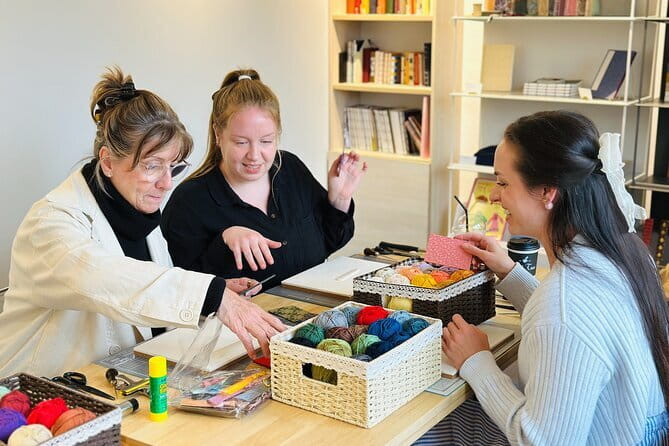
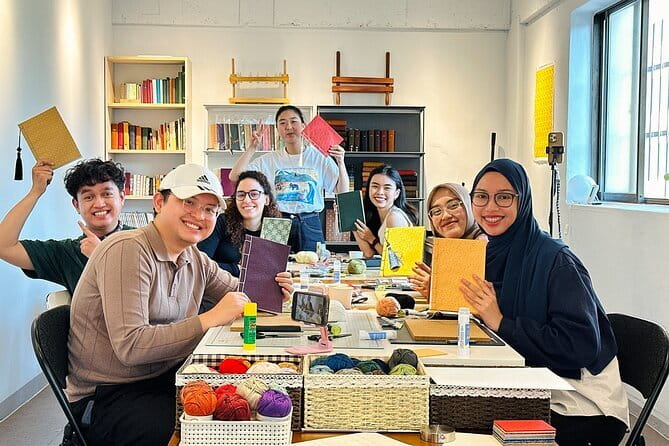
The maximum group size is 12 people. That is not a private lesson, but it is small enough that the instructor can demonstrate the steps and offer help when you need it.
The teaching style is described as patient and kind, with time for information about Hanji and Korean culture. That is important here because the experience has two parts: making the notebook and understanding why its materials and methods matter.
You should expect an educational activity with plenty of hands-on work, not a long lecture. The best part of the session is the balance between explanation and making. You learn enough context to appreciate the materials, then put that information to use.
The small group also suits solo visitors and couples who want a quieter break from sightseeing. It can work well for people who enjoy crafts, books, history, Korean culture, or creative souvenirs. The minimum age is 17, so families traveling with younger children will need to choose another activity.
Only the number of people included in the reservation can enter the studio. That rule is worth remembering if you are meeting friends in Seoul or hoping to bring someone along at the last minute.
Is $49 a fair price?
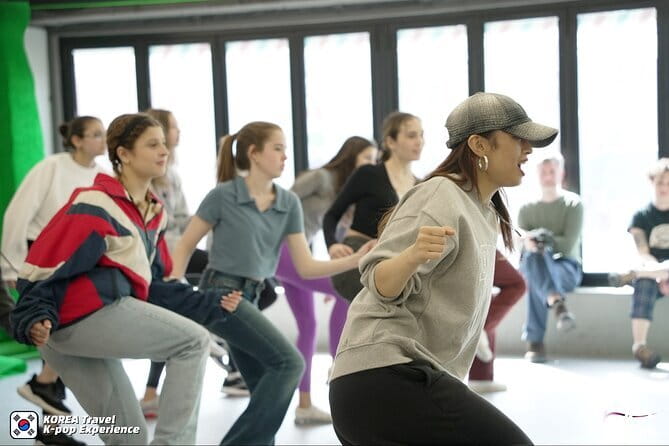
The cost is $49 per person. For about two hours, that is more than you would pay for a simple notebook in a Seoul stationery shop. The value comes from the combination of instruction, materials, cultural context, and the finished handmade item.
The price includes the binding tools and materials, along with a licensed guide. It does not include transportation in an air-conditioned vehicle, though this is a studio-based activity and the meeting point is near public transportation. You are paying for a focused class, not a sightseeing transfer.
I think the price makes the most sense if you place value on making your own souvenir. If you only want a traditional Korean notebook, you may find cheaper options in shops. If you want to understand the materials and create the book yourself, the fee is easier to justify.
The gift-ready package helps, too. You do not need to find wrapping materials or worry as much about protecting the notebook in your luggage. It is ready to take home or give to someone after the class.
What the class does especially well

The strongest feature is the finished notebook. The materials are attractive, and the process gives you a reason to care about the object. The experience also avoids the usual problem with souvenir activities, where the final product feels generic.
The instructor’s patient approach is another plus. You will be working with thread, paper, silk, and a knot, so a rushed lesson would be frustrating. The available feedback describes the session as nicely paced and educational, with a teacher who shares information about Hanji and Korean culture.
The activity also works well for book lovers. The historical connection to Joseon-era writing makes it more meaningful than a decorative paper craft. You can leave with a notebook that feels suited to journaling, collecting memories, or recording the rest of your Korean trip.
Finally, the class has a clear ending. You choose your materials, bind the notebook, decorate it, and pack it. There is no uncertainty about what you receive at the end.
Practical details before you book
The start time is 10:30 am, and the activity ends back at the same meeting point. Allow enough time to reach the studio in Daeheung-dong, and use the full address rather than relying only on the Hongdae label.
Your booking confirmation is normally sent at once. If you book within one day of the activity, confirmation arrives as soon as possible and depends on availability. The experience accepts service animals, is near public transportation, and most people can participate.
Free cancellation is available if you cancel at least 24 hours before the start time. Cancellations or changes made later are not accepted for a refund, and cut-off times use Seoul local time.
Because the class has a maximum of 12 people and only reserved participants may enter, book the correct number of places from the start. The minimum age is 17.
Who should book the Korean bookbinding class?
I would choose this for anyone who wants a slower, hands-on activity in Seoul. It suits you particularly well if you like stationery, traditional crafts, books, textile patterns, or souvenirs with a story behind them.
It is also a good choice after several days of temples, markets, and city streets. The two-hour format gives you a change of pace without taking over the day. You can finish with a useful object and still have time for other plans.
I would hesitate if you dislike detailed handwork or want a quick activity with no instruction. The finished notebook is the reward, but you have to take part in making it. Families with children under 17 should also skip this one because of the age rule.
Should you book it?
Book this class if you want to bring home something you made yourself and you care about the Korean meaning behind the materials. The Hanji, silk cover, colorful thread, and Norigae knot work together to create a souvenir that feels personal and tied to Seoul.
At $49, it is not the cheapest notebook experience, but it includes the materials, guidance, cultural explanation, and gift-ready packing. For a small group activity with a finished handmade keepsake, that is a reasonable value.
Skip it only if your schedule is tight, your party includes anyone under 17, or you would rather shop for a ready-made notebook. For book lovers and craft-minded visitors, this is one of the more useful ways to spend two quiet hours in Mapo-gu.
FAQ
Where does the Korean bookbinding class meet?
The class meets at Danchoodan, 100 Daeheung-ro, third floor, Daeheung-dong, Mapo-gu, Seoul, South Korea.
What time does the activity start?
The class starts at 10:30 am.
How long does the experience last?
The activity lasts approximately two hours and ends back at the meeting point.
What will I make?
You will make a traditional Korean notebook using Hanji paper, a silk cover, thread, and a Norigae knot ornament.
Can I choose the notebook design?
Yes. You can choose from 22 silk covers with Korean traditional patterns, then select the Norigae and thread color.
Is the activity suitable for children?
Reservations are available only to people aged 17 or older.
What is included in the $49 price?
The price includes the binding tools, materials, and a licensed guide. Transportation in an air-conditioned vehicle is not included.
Just added around Seoul
- Private tour guide service in Seoul, Korea★ 5.0 · 6 reviews
- Alpaca, Nami, Petite Fr, Italian Village, Garden of Morning Calm★ 3.5 · 5 reviews
- Gyeongbokgung palace,seoul with gigibebe hanbok rental★ 4.5 · 12 reviews
- Gyeongju UNESCO Sites Tour by KTX train; The Museum Without walls★ 4.5 · 11 reviews
- Private day trip to Korean Folk Village & Dae Jang Geum Park★ 5.0 · 7 reviews
- Private tour Lotte World,Tower,Aquarium(All Tickets are included)★ 5.0 · 12 reviews
- Full Day Private Seoul Tour for foodies★ 5.0 · 3 reviews
- Seoul Private Custom Walking Tour with A Guide (Private Tour)★ 4.5 · 28 reviews
Seoul Tours, compared.
Best DMZ Tour Korea from Seoul (Red Suspension Bridge Optional)
Read our review →
DMZ Tour: 3rd Tunnel, Option(Suspension Bridge, Boat) from Seoul
Read our review →
DMZ tour south Korea from Seoul (NK experience hall, defector)
Read our review →

Thrilling Korean DMZ 3rd Tunnel Tour from Seoul + Red Bridge Rush
Read our review →
DMZ Past and Present: Korean Demilitarized Zone Tour from Seoul
Read our review →
Ultimate Korea DMZ Tour from Seoul (Gondola & Suspension Bridge)
Read our review →