
Reviewed · COOKING CLASSES
Korean Cooking Class in Seoul with a Professional Chef
The best part of this Seoul experience is the move from Mangwon Market to a local kitchen. You may browse produce, taste a Korean snack, and see the ingredients before turning them into dishes such as bibimbap, bulgogi, or kimchi. It feels more personal than a restaurant meal because you learn how Korean food reaches the table at home.
I like the private format and the meal shared with your host. I also like the chance to cook from scratch with fresh ingredients, rather than simply watching a chef work. The main consideration is the price, $122 per person, which is a serious spend for a three-hour activity, and the menu can change with the season.
Key Points
- Meet Na Young in Mapo-gu: Begin near 247-111 Seogyo-dong, close to public transportation.
- Shop at Mangwon Market: Add a 30-minute guided visit for produce, snacks, and seasonal ingredients.
- Cook two Korean dishes: The exact menu varies, but may include bibimbap, bulgogi, kimchi, or another main and side dish.
- Eat in a Seoul home: Your meal comes with soup, kimchi, and a glass of soju.
- Private and flexible: Only your group takes part, with vegetarian, vegan, and gluten-free options available if requested.
- Plan for Korean house customs: Remove your shoes at the door, and use the indoor sandals provided.
From Mangwon Market to Na Young’s Kitchen
This experience gives you two ways to meet Korean food. The optional market visit shows you the ingredients in their everyday setting. The home class then shows how those ingredients are prepared and served.
You meet Na Young at the stated meeting point in Seogyo-dong, in Seoul’s Mapo-gu district. From there, the market option takes you to Mangwon Market, about a 10 to 12 minute walk from her home. The market portion lasts around 30 minutes.
That short visit is useful because Korean cooking depends heavily on freshness, season, texture, and balance. You may see local produce, prepared foods, spicy snacks, and ingredients that are less familiar if you normally eat Korean food only in restaurants. Na Young can explain what is seasonal and let you sample a traditional snack.
I would choose the market option if this is your first visit to Seoul or if you enjoy food shopping as much as cooking. It adds context without turning the outing into a long walking tour. If you mainly want to cook and eat, you may prefer the simpler home-based portion.
The market is also a practical place to ask questions. You can connect the vegetables and seasonings you see at the stalls with the dishes you later prepare. That connection is one of the strongest reasons to add the market visit.
A few more Seoul trips to weigh up
- Local Home Korean Cooking Class & Market Adventure in Seoul
★ 5.0 · 1,024 reviews - Master Korean traditional cooking with a Kimchi chef
★ 5.0 · 385 reviews - Seoul: Korean Cooking Class at a Local Home and Market Tour
★ 5.0 · 348 reviews
A One-Hour Hands-On Korean Cooking Class
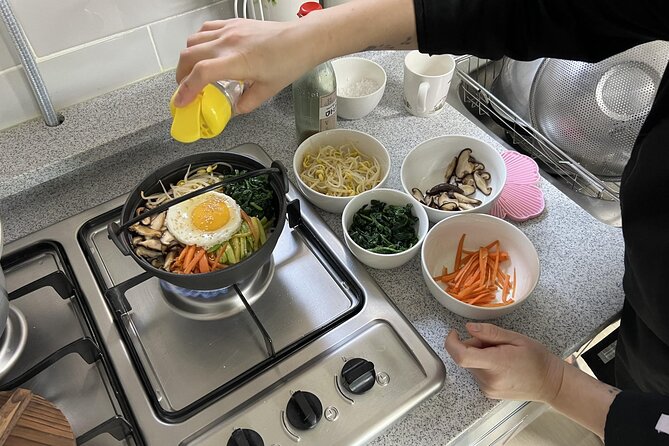
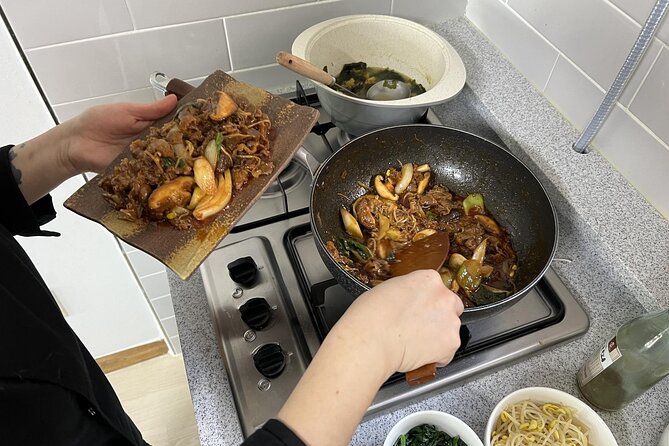
The cooking portion takes place in Na Young’s kitchen and lasts about one hour. You prepare two traditional Korean dishes from scratch, generally a main dish and a side dish. The exact menu depends on the day and the season.
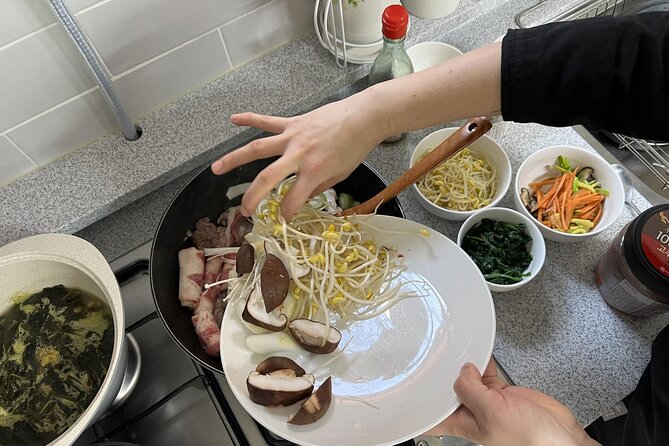
Possible dishes include bibimbap and bulgogi, two familiar Korean favorites, along with kimchi or other side dishes. Bibimbap introduces the idea of combining rice, vegetables, seasoning, and often meat into one balanced bowl. Bulgogi gives you a look at Korea’s sweet-savory marinated beef tradition. The actual menu is not fixed, so you should not book expecting a specific dish unless you confirm it in advance.
This is a practical class rather than a formal chef demonstration. You chop, mix, stir, and work with the ingredients yourself. That matters because Korean food often looks simple when it reaches the table, yet the flavor depends on small steps such as seasoning vegetables, preparing sauces, and combining textures.
The class is especially useful if you want to repeat the dishes at home. You see the process in a normal kitchen, with a host explaining techniques and ingredients as you work. The experience is not described as professional culinary training, so I would view it as a friendly introduction to Korean home cooking, not a qualification-based lesson.
One past participant described doing the chopping, mixing, and stirring while Jessie explained the techniques and ingredients. Another family found the cooking easy to enjoy alongside conversation with the host. These details suggest that the social side is just as important as the recipe.
What You Eat After Cooking
After the hands-on work, you sit down with your host and eat the food you helped prepare. The meal includes soup, kimchi, and a glass of traditional soju, in addition to the dishes made during class.
That shared meal is the heart of the experience. Korean dining is often built around several dishes placed together, rather than one large plate served alone. Soup and kimchi help you understand that a home meal is about variety and contrast: hot and cool, mild and spicy, crisp and soft.
Soju is included, but the information only specifies one glass. If you do not drink alcohol, request clarification about alternatives before booking. The supplied details confirm vegetarian, vegan, and gluten-free diets can be accommodated, but you must advise the host when you book.
I like this format because you are not rushed out after the final stir. You get time to eat, ask about Korean food and customs, and enjoy the result at the same table. Several of the strongest comments about the experience center on the host’s warmth, cooking ability, and conversation, not just the food itself.
Why the Host Matters
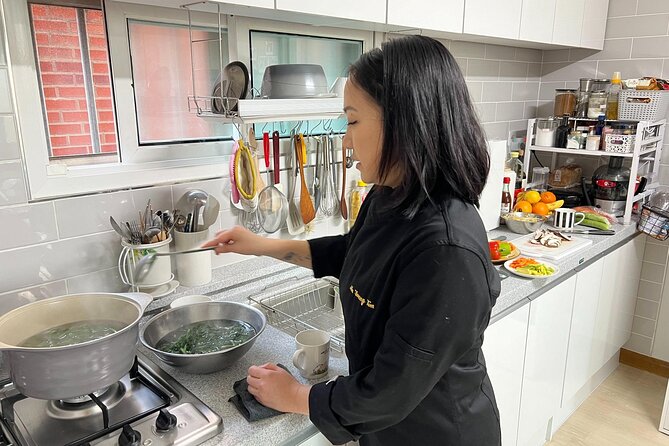
A home class depends on the person leading it. Na Young hosts this experience, and the setting gives her room to explain Korean ingredients and food traditions in a natural way.
The available feedback also refers to hosts named Jessie and Steven, so the assigned host may vary. Jessie is described as a gracious teacher and cook, while Steven combined food explanations with broader comments about Korean life and helped participants see places they might not have found alone.
You should treat the host’s personality as part of the value. This is not a large group class with a standard script. It is a private activity, so your group can ask questions, work at a comfortable pace, and focus on dishes or ingredients that interest you.
The private format is a strong choice for couples, families, and small groups who prefer conversation to a crowded classroom. It also helps if someone in your group has food restrictions. Still, Na Young can host only one child per experience, so families with more than one child should confirm arrangements before paying.
Same country, a completely different kind of day:
- Best DMZ Tour Korea from Seoul (Red Suspension Bridge Optional)
★ 5.0 · 41,422 reviews - DMZ Tour: 3rd Tunnel, Option(Suspension Bridge, Boat) from Seoul
★ 5.0 · 21,373 reviews - DMZ tour south Korea from Seoul (NK experience hall, defector)
★ 5.0 · 20,599 reviews - Seoul: DMZ Tour with Optional Suspension Bridge
★ 4.8 · 5,277 reviews
The Cultural Details That Make It Feel Local
The home setting adds small but meaningful customs. You must remove your shoes before entering Na Young’s home, as is customary in South Korea. She provides indoor sandals for use inside the house.
This is a minor detail, but it is worth knowing before you arrive. Wear socks if you prefer not to go barefoot, and avoid arriving with muddy or wet shoes. The activity takes place in a private home, so basic courtesy matters more here than it would in a commercial cooking studio.
You also get a look at how food, hospitality, and conversation fit together. The meal is not just a reward at the end of class. It gives you a chance to ask about ingredients, Korean cooking styles, and culinary traditions while sitting with the person who prepared the meal with you.
The market addition strengthens that local feel. You walk through an ordinary neighborhood market with your host, see what people buy, and sample a snack before cooking. That is a more grounded introduction to Seoul food culture than simply ordering a familiar dish in a restaurant.
Is $122 Per Person Good Value?
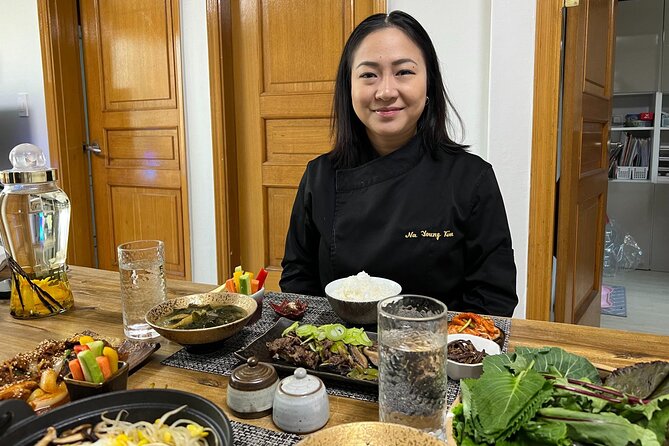
At $122 per person, this is not a bargain cooking lesson. You are paying for a private experience, a home-cooked meal, a host’s time, ingredients, one glass of soju, and the option of a guided market visit.
The value depends on what you want from your Seoul schedule. If you only want to learn a recipe, a cheaper group class may suit you better. If you want personal attention, a meal in a local home, market context, and conversation with a Korean host, the price becomes easier to justify.
The three-hour length includes more than the one-hour cooking session. The market option adds about 30 minutes, plus the walk between the market and the home, meal time, and conversation. Confirm exactly which portions are included in your selected booking, since the market tour is presented as an option.
I would consider this a good-value splurge for a short Seoul visit, especially if food is one of your main reasons for coming. It can replace a restaurant lunch while giving you a skill and a personal connection. For a larger family, the total cost rises quickly, so compare it with the value of a private group experience.
Timing, Meeting Point, and Practical Planning
The activity begins at 247-111 Seogyo-dong, Mapo-gu, Seoul. It is near public transportation, but hotel pickup and drop-off are not included. You need to make your own way to the meeting point.
Keep Na Young’s contact information handy. The instructions ask you to WhatsApp or call her if you need directions or are running late. This is particularly important for a home-based activity, where arriving at the wrong entrance could delay the whole group.
Confirmation is due within 48 hours of booking, subject to availability. Since the experience is usually booked about 52 days ahead, reserve early if your Seoul dates are fixed. A private home class has limited capacity, and waiting until the last minute may leave you without the preferred day.
The total duration is approximately three hours. I would avoid scheduling a tight appointment right afterward. The market, walk, cooking, meal, and conversation all form part of the experience, and you will enjoy it more if you are not watching the clock.
The activity ends back at the meeting point. Plan your next stop from there rather than assuming you will be near your hotel.
Dietary Needs and Menu Changes
The menu changes with the season, which is a good sign for a class built around fresh ingredients. It also means the dishes are not guaranteed. Ask ahead if you have your heart set on bibimbap, bulgogi, or kimchi.
Vegetarian, vegan, and gluten-free diets are available, but you must give notice when booking. Be specific about allergies and restrictions. The provided information does not spell out how cross-contact is handled, so people with serious allergies should ask the host directly before committing.
Because Korean food often uses fermented sauces, broths, and seasonings, ingredient questions are sensible even if you are familiar with Korean cuisine. Your host can tell you what is in the day’s menu and suggest suitable adjustments where possible.
The one-child limit also deserves attention. Na Young can host only one child per experience. Families should confirm that their group fits the stated arrangement before booking.
Cancellation and Booking Cautions
The supplied terms contain a conflict. One part says a 48-hour cancellation option is offered for this experience, while the formal cancellation policy says the activity is non-refundable and cannot be changed for any reason.
I would not assume you can cancel without a fee. Confirm the active terms at checkout or with the provider before payment, especially because the price is substantial and the experience is private.
Traveling Spoon provides the activity. Since confirmation depends on availability, give the provider time to respond and keep your meeting details accessible on the day.
Who Will Enjoy This Seoul Cooking Class?
I would recommend it most strongly to people who want a personal food experience rather than a restaurant meal. It suits couples, small groups, families within the child limit, and solo visitors who like meeting local hosts.
It is also a good fit if you want to learn by doing. You will not simply watch Na Young prepare everything. You take part in chopping, mixing, and stirring, then eat the result with soup and kimchi.
Food-focused visitors will get the most from the market option. The short walk and market visit add useful context, especially if Korean produce, snacks, and sauces are unfamiliar to you.
I would think twice if you need a fixed menu, dislike home visits, want a long professional cooking course, or have a very tight schedule. The menu changes, the class is relatively short, and the experience depends on enjoying conversation as well as cooking.
Should You Book It?
Book this class if you want to see Korean food from the kitchen side and you value a private meal with a local host. The best reasons are the home setting, hands-on preparation, Mangwon Market option, and chance to eat what you make.
At $122, it is a treat rather than an everyday activity. I would book it for a special day in Seoul, then confirm the menu, dietary arrangements, market inclusion, child limit, and cancellation terms before paying. If those details fit your plans, this is a thoughtful way to spend three hours in Mapo-gu and leave with more than another restaurant meal.
FAQ
Where does the Korean cooking class begin?
The meeting point is 247-111 Seogyo-dong, Mapo-gu, Seoul, South Korea. The location is near public transportation.
How long does the experience last?
The full activity lasts approximately three hours. The hands-on cooking class itself lasts about one hour, and the optional Mangwon Market visit takes about 30 minutes.
What dishes will I prepare?
You prepare two traditional Korean dishes, usually a main dish and a side dish. Depending on the day, the menu may include bibimbap, bulgogi, kimchi, or other seasonal dishes.
Is the Mangwon Market visit included?
The Mangwon Market visit is an optional addition. If selected, you receive a guided tour lasting about 30 minutes, with time to see local ingredients and sample a traditional Korean snack.
Is the cooking class private?
Yes. Only your group participates in the activity.
Can the class accommodate dietary restrictions?
Vegetarian, vegan, and gluten-free diets are available. You must advise the provider of your dietary requirements when booking.
Is hotel transportation provided?
No. Hotel pickup and drop-off are not included. The activity begins and ends at the stated meeting point.
Just added around Seoul
- Gyeongbokgung palace,seoul with gigibebe hanbok rental★ 4.5 · 12 reviews
- Private tour guide service in Seoul, Korea★ 5.0 · 6 reviews
- Alpaca, Nami, Petite Fr, Italian Village, Garden of Morning Calm★ 3.5 · 5 reviews
- Gyeongju UNESCO Sites Tour by KTX train; The Museum Without walls★ 4.5 · 11 reviews
- Private day trip to Korean Folk Village & Dae Jang Geum Park★ 5.0 · 7 reviews
- Private tour Lotte World,Tower,Aquarium(All Tickets are included)★ 5.0 · 12 reviews
- Full Day Private Seoul Tour for foodies★ 5.0 · 3 reviews
- Seoul Private Custom Walking Tour with A Guide (Private Tour)★ 4.5 · 28 reviews
Cooking Classes, compared.
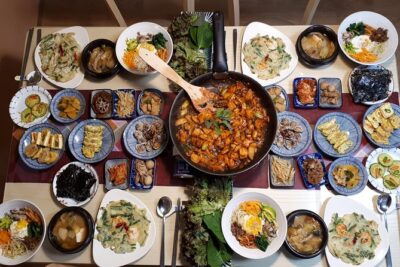
Local Home Korean Cooking Class & Market Adventure in Seoul
Read our review →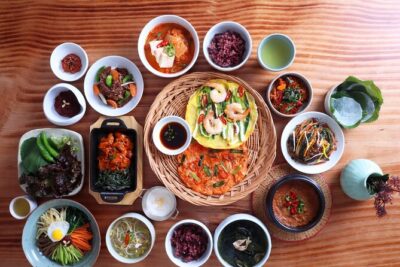
Master Korean traditional cooking with a Kimchi chef
Read our review →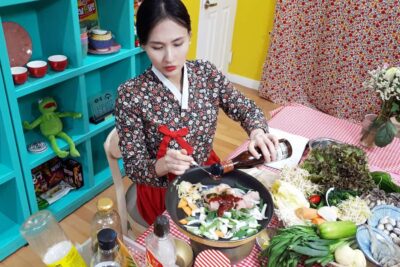
Korean Cooking Class at a Local Home and Market Tour
Read our review →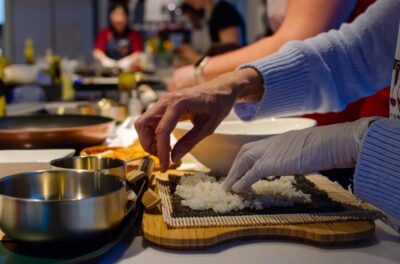

Korean Cooking Class with Grocery Shopping at Seoul Local Market
Read our review →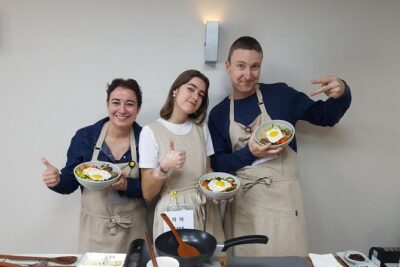
Royal Seoul Cooking Class in a 100-Year-Old Hanok
Read our review →Browse the lists this tour appears in