Reviewed · SEOUL TOURS
Traditional Gourmet
Seoul’s best food lesson may come between old wooden homes, a formal Korean lunch, and a freshly made street-food dessert. This three-hour walking tour pairs Bukchon Hanok Village with a traditional meal served in a Hanok, then adds tea and practical advice about eating well in Korea.
I like the way the tour joins food with place, rather than treating lunch as a stand-alone restaurant visit. I also like the personal help with Korean dining customs, food shopping, and menu choices, especially from guides such as Veronica, who leads guests through the food and cultural details in clear, friendly fashion.
The main thing to consider is the walking. You spend about 90 minutes in Bukchon before another historic house visit, and the route requires moderate fitness. The group can reach 12 people, so explanations may not always reach everyone equally well if the guide is speaking to people spread along the street.
Key points to know before booking
- Traditional lunch in a Hanok: Expect a sit-down Korean meal served in a traditional house, with several dishes and an introduction to Korean eating customs.
- Bukchon beyond the usual photo stop: The walk includes old homes, workshops, small shops, and stories about how this part of Seoul works today.
- A tea stop and street dessert: Depending on the exact route, the food portion can include freshly made street food and a traditional tea stop.
- Guidance from Veronica or another multilingual guide: The tour is designed to help you read the food scene and get useful recommendations despite the language barrier.
- A compact afternoon schedule: The tour starts at 1:00 pm, lasts about three hours, and returns to the meeting point in Anguk-dong.
- Small-group limits with a booking minimum: Groups may contain up to 12 people, but at least two people are required unless solo visitors contact the operator directly.
Why this Seoul food tour feels different
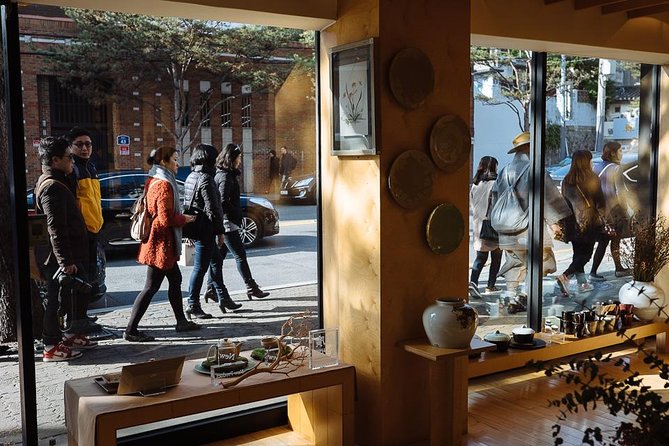
Many Seoul food tours focus on a market, a row of restaurants, or a list of tastings. This one takes a broader approach. You walk through one of the city’s best-known traditional neighborhoods, look at preserved homes, and then sit down for a proper Korean meal.
That matters because Korean food makes more sense when you understand how it fits into daily life. A table filled with several shared dishes is not simply a large lunch. It reflects Korean ideas about balance, side dishes, hospitality, and the value of eating together.
The guide also fills in the parts that are hard to pick up on your own. You can ask about etiquette, ingredients, fermentation, tea, and where to buy good food products. Veronica has been praised for explaining Korean food culture, history, and dining manners in a way that is easy to follow.
The tour costs $120 per person. That is not a bargain-priced lunch, but the fee covers a professional guide, lunch, coffee or tea, and roughly three hours of walking and interpretation. If you want only a meal, this costs more than booking a restaurant yourself. If you want context, translation help, and a meal you might not find on your own, the price is easier to justify.
Other Seoul days worth booking alongside this:
- Best DMZ Tour Korea from Seoul (Red Suspension Bridge Optional)
★ 5.0 · 41,422 reviews - DMZ Tour: 3rd Tunnel, Option(Suspension Bridge, Boat) from Seoul
★ 5.0 · 21,373 reviews - DMZ tour south Korea from Seoul (NK experience hall, defector)
★ 5.0 · 20,599 reviews
Starting in Anguk-dong at 1:00 pm
You meet at 164-6 Anguk-dong in Seoul’s Jongno District. The starting point is near public transportation, which is useful in a city where the subway and buses are often the simplest way to reach older neighborhoods.
There is no hotel pickup. You also arrange your own transportation to and from the attractions, though the activity ends where it begins. Build in a little extra time to find the meeting point, particularly if you are unfamiliar with Seoul’s street addresses.
The afternoon start works well for visitors who want a slower morning. You can see a palace, visit a market, or simply recover from a long-haul flight before meeting the guide. It also puts the main meal into the middle of the tour rather than at the very end.
The group limit is 12 people. That is small enough for questions and conversation, but not private. If everyone spreads out on the narrow streets of Bukchon, stay close to the guide so you do not miss the explanations.
Walking through Bukchon Hanok Village
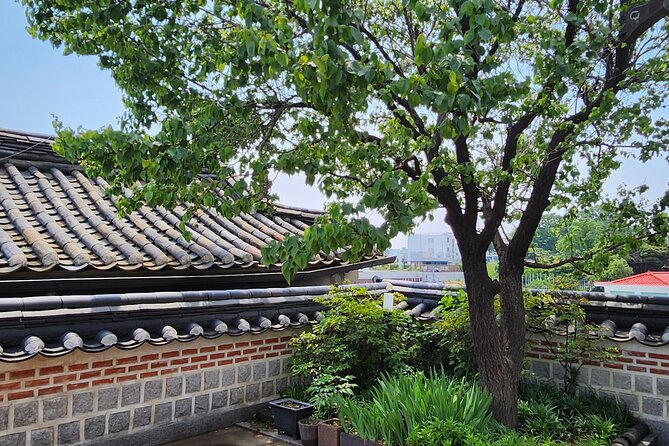
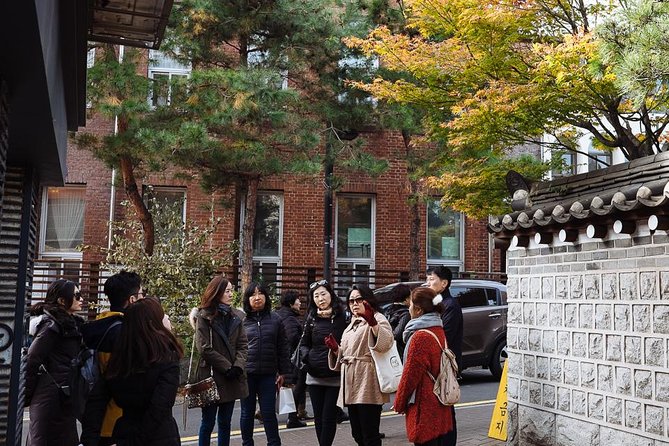
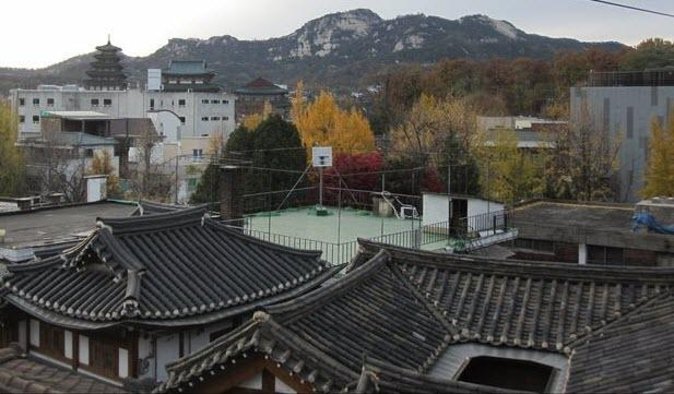
The first major portion lasts about 90 minutes. Bukchon is known for its traditional Korean houses, called Hanok, and for streets lined with workshops and shops.
This is more than a quick photograph in front of a pretty doorway. The guide gives the neighborhood meaning and helps you notice how the old homes, craft businesses, and modern Seoul fit together. For a first visit, that local framing is valuable because Bukchon can otherwise feel like a series of attractive lanes without much connection between them.
You should expect walking on a route that may include slopes and uneven surfaces. Comfortable shoes are a sensible choice, and moderate physical fitness is recommended. The tour operates in all weather, so rain protection, sun protection, or warm layers may be needed depending on the season.
Bukchon is also a lived-in neighborhood. Keep your voice down near homes and follow the guide’s lead on where to stop. The area is popular, and the pleasure comes from looking carefully rather than rushing from one photo point to the next.
House of Baek Inje and Seoul’s old homes
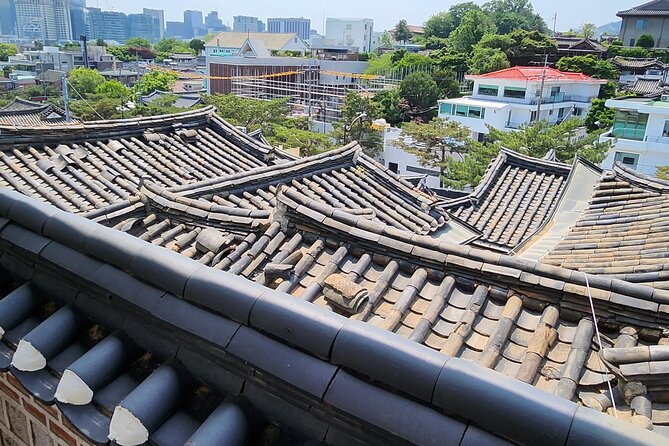
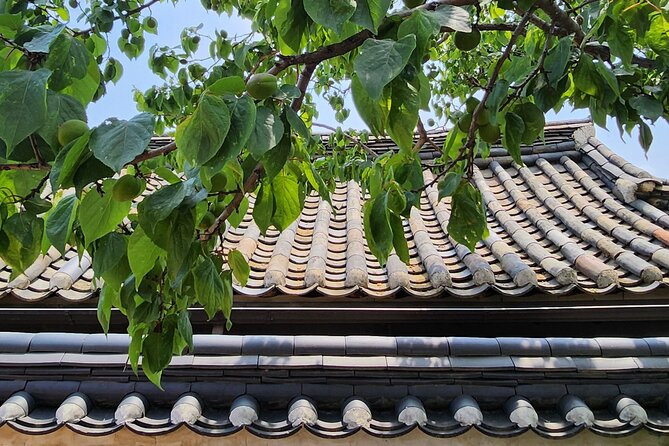
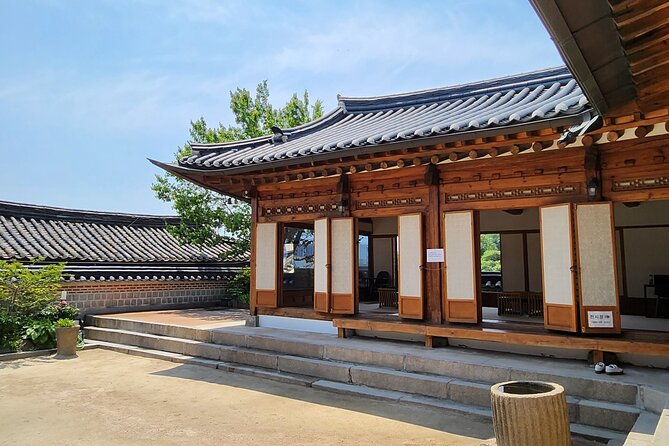
The route includes about 30 minutes at the House of Baek Inje. Built around 1900, this Hanok was made using the best building methods of its time and was associated with a powerful family.
Today, it is managed by the Seoul Metropolitan Government. That gives you a useful point of reference for understanding traditional Korean homes as more than decorative backdrops. The building offers a look at how an affluent household once used space, materials, and design.
The itinerary also includes another large Hanok mansion connected with Yun Bo-seon, Korea’s second president. It is described as the president’s birthplace and as an unusually well-preserved mansion in Seoul. His granddaughter-in-law still lives there, and the property is maintained as a significant traditional home.
The exact timing and access at this stop may depend on the route and conditions. Still, the visit adds substance to the walk. You are not just seeing old houses from the street. You are learning why certain homes matter and how traditional architecture survived within a fast-changing capital.
Same country, a completely different kind of day:
- Seoul: DMZ Tour with Optional Suspension Bridge
★ 4.8 · 5,277 reviews - Signature DMZ Tour: Exclusive Defector Talk & Suspension Bridge
★ 5.0 · 4,459 reviews - Thrilling Korean DMZ 3rd Tunnel Tour from Seoul + Red Bridge Rush
★ 5.0 · 3,097 reviews - DMZ Past and Present: Korean Demilitarized Zone Tour from Seoul
★ 5.0 · 2,481 reviews
A proper Korean lunch in a traditional house
Lunch is the heart of the tour. You sit down to traditional Korean dishes prepared in a Hanok, with multiple courses rather than one simple plate.
The meal is designed to introduce real Korean food, not just the familiar export favorites. You may receive a spread of dishes meant to be eaten together, with the guide explaining what you are seeing and how to approach it. The experience is especially helpful if you are unsure how side dishes, rice, soup, sauces, or shared plates fit together.
A particularly notable lunch has taken place in a Michelin restaurant. Because restaurant arrangements can vary, I would treat that as a possibility rather than a guaranteed feature. Even without that distinction, the key value is the meal’s traditional setting and the guide’s explanation of how the dishes relate to Korean food culture.
The lunch has also been described as an incredible array of dishes in a small restaurant serving traditional food. That points to the tour’s strongest feature: it gives you a structured introduction without reducing Korean cuisine to a tasting checklist.
Vegetarian food is available if you request it when booking. Do that early and clearly. The tour does not include alcoholic drinks, though they may be purchased separately, and extra food and drinks are also outside the price.
Tea, street dessert, and useful food advice
The food experience continues after lunch. The tour includes coffee and/or tea, and the route may finish with a traditional tea stop in a pleasant tea house.
That pause gives the afternoon a calmer rhythm. Tea is not just a final drink here. It offers another way to talk about Korean food habits, hospitality, and ingredients after you have had a substantial meal.
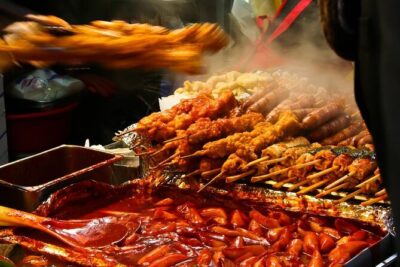
One account of the tour also includes a freshly made street-food dessert. This is a nice contrast to the formal lunch. You move from a multi-course meal in a traditional setting to something made right on the street, warm and immediate.
The amount of food may be considerable. One guest found the main meal and final tea stop very filling. Plan accordingly, especially if you have dinner reservations soon afterward. The tour is better suited to someone who wants lunch to be the main meal of the day, not someone looking for a light snack crawl.
The guide can also point you toward quality food products to buy in Seoul. That kind of advice can be more useful than another generic restaurant name. If you are interested in fermentation, ask about it directly. Veronica has discussed sharing fermentation recipes, which reflects the kind of practical food conversation this tour encourages.
The guide’s role in making Korean food easier
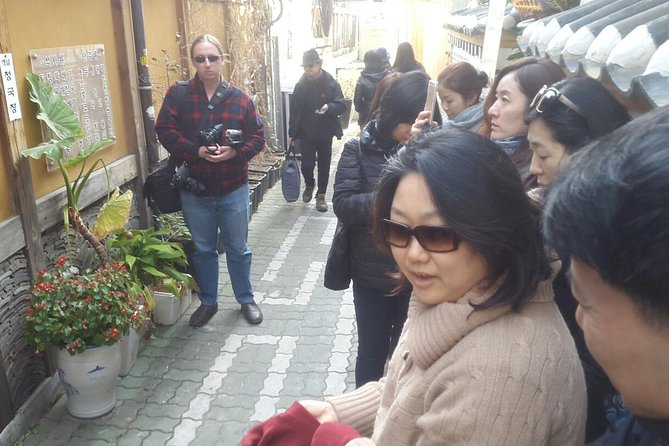
Food tours are only as good as the person explaining the food. Here, the guide is expected to handle the language gap, explain cultural details, and adapt recommendations to your interests.
Veronica receives especially strong praise for her food culture expertise and friendly manner. She has explained Korean history, eating etiquette, ingredients, and everyday food customs during the tour. Her role is not simply to lead you from one stop to the next.
The tour may also operate with a multilingual guide. That is helpful, but the exact language mix is not specified, so contact the operator if language support is important to you.
There is one practical group-tour weakness to keep in mind. On a walking route, people naturally fall behind to take photos or look into shops. One guest felt the guide sometimes explained things to only the people nearby rather than stopping for the entire group. Stay near the front and speak up if you cannot hear.
Who gets the best value from the $120 price
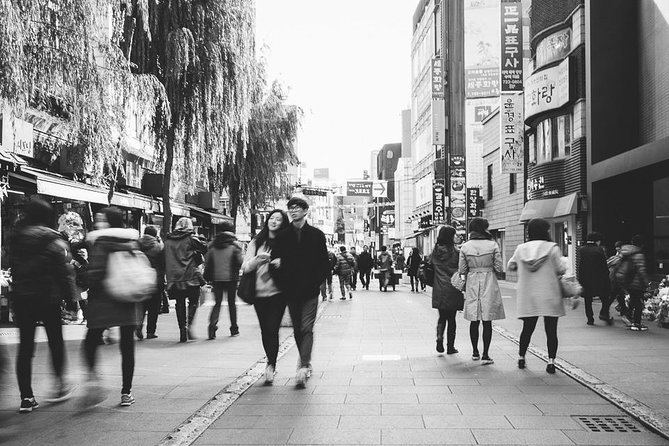
I see the strongest value for a first-time visitor who wants a cultural orientation through food. You get a guide, lunch, tea or coffee, historic neighborhoods, and help with questions that are difficult to answer through a menu translation app.
The tour also suits food enthusiasts who want more than Korean barbecue and fried chicken. The focus is on traditional dishes, food customs, and the meaning behind the meal. The extra advice about buying quality products and understanding fermentation can continue to help after the tour ends.
It is less suitable if you want a high-energy night market crawl, a large number of tiny tastings, or a private guide. The start is in the afternoon, the walk takes time, and lunch is a full sit-down meal. You also pay separately for transport, alcohol, and anything beyond the included food and drink.
The 100 percent recommendation rate and 4.9 rating from 19 reviews suggest a very strong response, though the sample is small. I would place the most weight on the repeated themes: the meal, the guide’s food and cultural explanations, the tea stop, and the unusual mix of history and dining.
Practical details that affect your day
Confirmation arrives when you book, and free cancellation is available until 24 hours before the local start time. Cancellations or changes made inside that window are not refunded or accepted.
The tour runs in all weather. Wear shoes you can comfortably walk in for three hours and dress for the forecast. Since much of the experience takes place outdoors, bad weather can affect comfort even though the tour still operates.
A minimum of two people is required. Solo visitors should contact the operator individually, since a normal booking may not meet the minimum. There is also a chance of cancellation after confirmation if too few people are booked, in which case an alternative or full refund is offered.
The tour uses mobile tickets, which keeps check-in simple. Keep the ticket accessible on your phone and arrive ready to walk.
Should you book Traditional Gourmet?
Book it if you want Seoul’s food culture explained at the table and on the street. The combination of Bukchon, old Hanok homes, a substantial traditional lunch, tea, and personal food advice gives you a useful first picture of Korean cuisine.
I would especially choose it early in a Seoul visit. The guide’s recommendations can shape the rest of your meals, and the etiquette tips may make later restaurant visits feel much easier.
Skip it if you want a cheap meal, a private outing, or a fast-moving tasting tour. At $120, the cost depends on how much you value the guide and the cultural setting. For a first-time visitor who wants an informed, satisfying introduction to Korean food, it is a strong choice.
FAQ
Where does the tour start?
It starts at 164-6 Anguk-dong in Seoul’s Jongno District.
What time does the tour begin?
The start time is 1:00 pm.
How long does the experience last?
The tour lasts approximately three hours.
Where does the tour end?
It ends back at the meeting point.
Is lunch included?
Yes. Lunch featuring traditional Korean dishes prepared in a Hanok is included.
Are tea or coffee included?
Yes. Coffee and/or tea are included.
Is vegetarian food available?
Yes. A vegetarian option is available, but you should advise the operator when booking.
Are alcoholic drinks included?
No. Alcoholic drinks are not included, though they may be available to purchase.
How many people can join the tour?
The maximum is 12 people per booking and the maximum group size is 12.
Can solo visitors book?
A minimum of two people is required for a booking. Solo visitors should contact the operator individually.
Is the tour available in bad weather?
Yes. It operates in all weather conditions, so dress appropriately and wear comfortable walking shoes.
Is transportation included?
No. Transportation to and from the attractions, as well as hotel pickup and drop-off, is not included.
Can I cancel for a full refund?
Yes. You can cancel at least 24 hours before the local start time for a full refund.
Just added around Seoul
- Seoul: Korean & English Language Exchange Global Party★ 5.0 · 28 reviews
- From Seoul: Yongpyong Ski Day Tour with Transportation★ 4.9 · 40 reviews
- You’re Invited to Our Home in Seoul: The Only Cooking Class!★ 5.0 · 8 reviews
- Your Personal Seoul Photographer!★ 4.1 · 15 reviews
- Unique Native Experience : Han River Picnic, Board game, BBQ★ 5.0 · 3 reviews
- From Seoul: Hwacheon Ice Fishing and Lighting Festival Tour★ 4.5 · 4 reviews
- Seoul: Gangneung BTS K-Pop & K-Drama Filming Locations Tour★ 4.6 · 14 reviews
- Seoul Private RV tour, explore real Korea from Past to Future★ 5.0 · 5 reviews
Seoul Tours, compared.
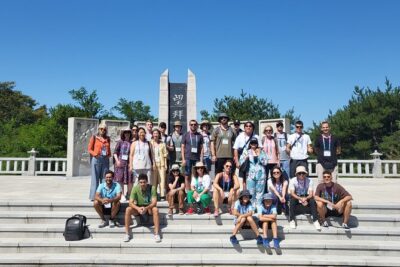
Best DMZ Tour Korea from Seoul (Red Suspension Bridge Optional)
Read our review →
DMZ Tour: 3rd Tunnel, Option(Suspension Bridge, Boat) from Seoul
Read our review →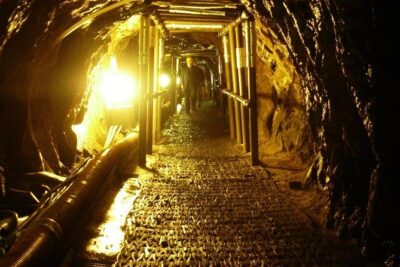
DMZ tour south Korea from Seoul (NK experience hall, defector)
Read our review →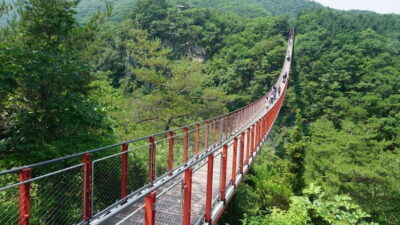

Thrilling Korean DMZ 3rd Tunnel Tour from Seoul + Red Bridge Rush
Read our review →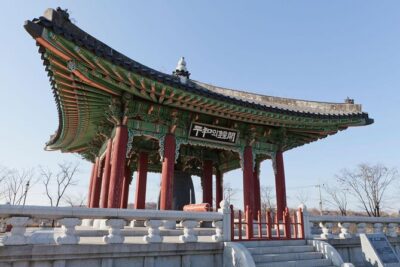
DMZ Past and Present: Korean Demilitarized Zone Tour from Seoul
Read our review →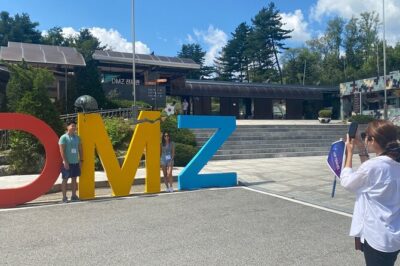
Ultimate Korea DMZ Tour from Seoul (Gondola & Suspension Bridge)
Read our review →