
Reviewed · HIKING & TREKKING
Korean Cemetery and Folklore Trek
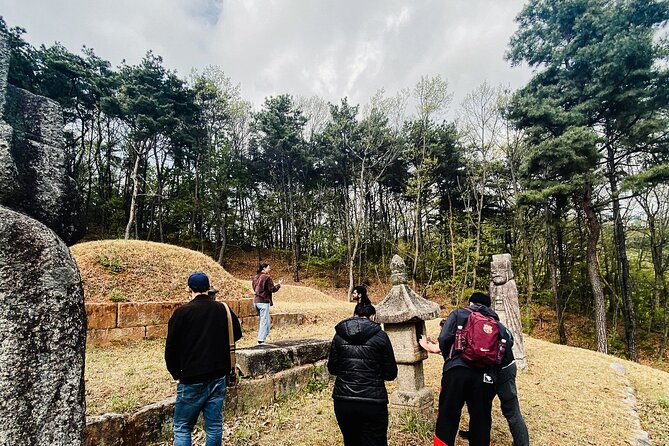
The most unusual part of this Seoul-area outing is also its point: you enter an active Korean cemetery in the mountains, a place most foreign visitors never see. The pace is quiet and respectful, with folklore and burial customs taking the place of the usual palace or market tour.
I like the included public bus fare and the tiny group size. A maximum of six people gives the guide room to answer real questions, while the four-hour format leaves time for a thoughtful walk without swallowing your whole day. The main drawback is timing: this is a seasonal tour, offered only from September through November, and it requires moderate physical fitness.
Key points about the cemetery trek
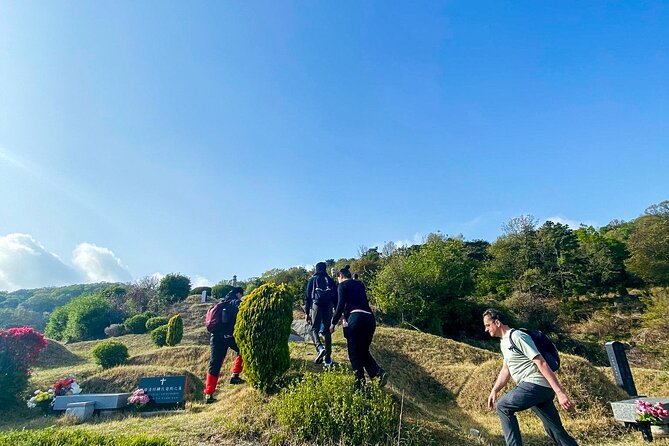
- Yongmi-ri Cemetery: Explore a working cemetery rather than a staged cultural attraction.
- Korean folklore: Hear legends and local traditions about burial, death, and the afterlife.
- Small group: The maximum group size is six people, allowing a more personal outing.
- Autumn-only schedule: The tour runs from September through November, making planning important.
- Included bus fare: Public transportation between the meeting point and cemetery is covered.
- Guide Shawn: When he leads the experience, he combines research with personal experience for a more intimate look at Korean customs.
Why this four-hour outing feels different from Seoul sightseeing
Seoul can fill your day with palaces, shopping streets, museums, cafés, and traffic. This experience offers a sharp change of pace. You leave the city’s familiar tourist circuit and head toward Yongmi-ri Cemetery, where the setting is peaceful and the subject matter is more reflective.
I like that the tour does not treat Korean culture as a costume show. You are visiting a real cemetery that remains in use. That distinction matters. The visit calls for care, quiet behavior, and attention to the guide, not the usual quick photograph and move-on routine.
The cemetery setting also gives the conversation a natural focus. Instead of hearing isolated facts about Korea, you learn how burial customs connect with stories about the dead and beliefs about what comes after life. The guide explains Korean folklore and traditions as you walk, so the physical place gives context to the discussion.
This is not a standard history walk with a long list of dates. The emphasis is on customs, legends, and local ways of understanding death. If you prefer travel experiences that show how people live and remember family members, this tour offers something that Seoul’s major sights cannot.
A few more South Korea trips to weigh up
- Seoul: Guided City Wall Sunset Hike with Korean Dinner
★ 4.9 · 227 reviews - Private Hiking tour to Bukhansan Peak(Baegundae: 836.5m) with Mountain Expert
★ 5.0 · 113 reviews - Fortress Night Hike & Snack at a Local Market
★ 5.0 · 112 reviews
Meeting at Samsong Station at 2:30 pm
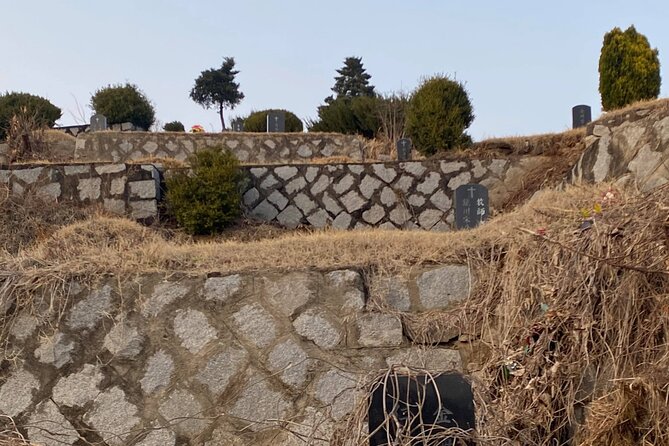
The tour begins at Samsong Station Exit 8 in Goyang-si at 2:30 pm. This is outside central Seoul, so you need to allow time to reach the meeting point. The exact travel plan from your lodging is not specified, but the activity is near public transportation, and the public bus fare connected with the tour is included.
That arrangement keeps the price down and gives the outing a local feel. You are not being driven in a private vehicle from a hotel, and private transportation is not included. For some people, that is part of the appeal. You move through the area using the same kind of public transport that residents use.
For others, the meeting point is the main practical hurdle. Check your route to Samsong Station before the day of the tour, and arrive with enough time to find Exit 8. The tour starts in the afternoon, which can work well if you spend the morning in Seoul, but you should not assume you can fit another long-distance excursion beforehand.
The activity ends back at the meeting point. That makes your return plan simple, though you will still need to arrange your own onward travel from Samsong Station.
Taking the bus toward Yongmi-ri Cemetery
Bus fare between the cemetery and the meeting point is included in the tour. This is a small detail with real value. Public transport costs are not large, but including them means you do not need to guess how much cash or transit credit you will need for the arranged part of the outing.
The bus ride also helps mark the change from city sightseeing to a quieter setting. The experience is not just an isolated stop at a cemetery. The transport forms part of the move away from Seoul’s crowded center and toward the mountain area around Yongmi-ri.
You should note the wording carefully: the tour includes public bus transportation, not private transportation. That means the experience may feel less polished than a private car tour, but it also keeps the cost reasonable and connects the outing to ordinary Korean travel.
Since the exact bus route and ride time are not provided, I would not build a tight evening reservation around the end of the tour. The stated duration is approximately four hours, but public transportation and outdoor conditions can affect the pace.
Walking through an active cemetery
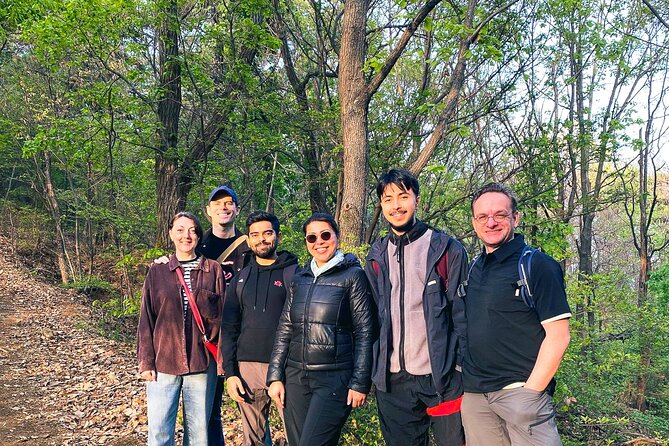
The main stop is Yongmi-ri Cemetery. Your guide leads a respectful tour and explains Korean folklore and traditions connected with the dead. This is the heart of the experience, so you should come ready to listen rather than expecting a conventional sightseeing stop with many formal displays.
An active cemetery deserves a different kind of conduct. Keep your voice low, follow the guide’s direction, and treat the graves and surrounding area with care. The value here comes from observing a living tradition, not from treating the cemetery as a curiosity.
The setting in the mountains adds to the sense of distance from Seoul. The tour description emphasizes peace and reflection, and that is a useful way to picture the outing. You will be walking outdoors in an area that feels removed from the city, while the guide explains customs that may not be visible during a typical Korean holiday.
The physical demand is described as moderate. You do not need to assume an extreme hike, but this is not a seated lecture or an easy bus ride with a short photo stop. Wear practical walking shoes and be prepared to spend much of the four hours outdoors. The tour requires good weather, so conditions can affect whether the outing runs.
Same country, a completely different kind of day:
- Best DMZ Tour Korea from Seoul (Red Suspension Bridge Optional)
★ 5.0 · 41,422 reviews - DMZ Tour: 3rd Tunnel, Option(Suspension Bridge, Boat) from Seoul
★ 5.0 · 21,373 reviews - DMZ tour south Korea from Seoul (NK experience hall, defector)
★ 5.0 · 20,599 reviews - DMZ Insider Tour: 3rd Tunnel, NK Defector Meet & Red Bridge
★ 4.9 · 15,214 reviews
Folklore, burial customs, and ideas about the afterlife
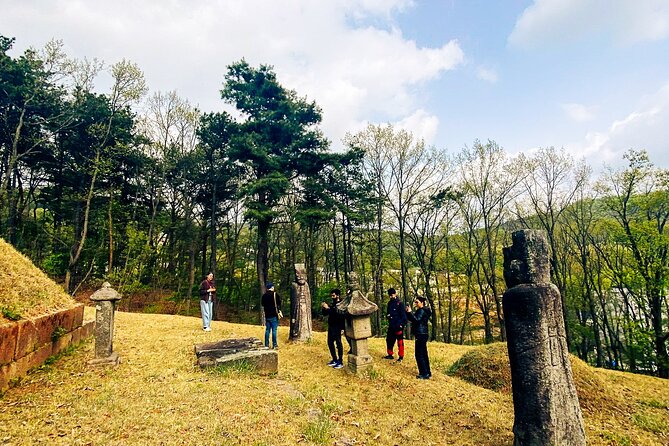
The guide’s subject matter gives this tour its strongest cultural value. You hear legends and folktales about Korean burial customs, along with local traditions concerning the afterlife. These stories help explain how people connect the dead with family, place, memory, and ritual.
I especially like the way the topic can move beyond simple etiquette. A palace tour may tell you how a royal building was used. Here, the guide can help you think about how ordinary families understand death and remembrance. That makes the experience personal in a way that many major attractions are not.
The content may also challenge visitors who expect Korean culture tours to focus only on food, clothing, temples, or royal history. This walk considers a more private part of life. It gives you a chance to ask about customs in a small setting, where the guide has time to explain rather than rush through a prepared speech.
The quality of the outing depends heavily on the guide. Shawn receives particular praise for combining extensive research with his own personal experience, creating an intimate account of Korean traditions and stories. If Shawn is leading your departure, you can expect the discussion to draw from both study and lived understanding. Guide assignments can change, so I would not treat his participation as guaranteed unless it is confirmed at booking.
Why a group of six makes a difference
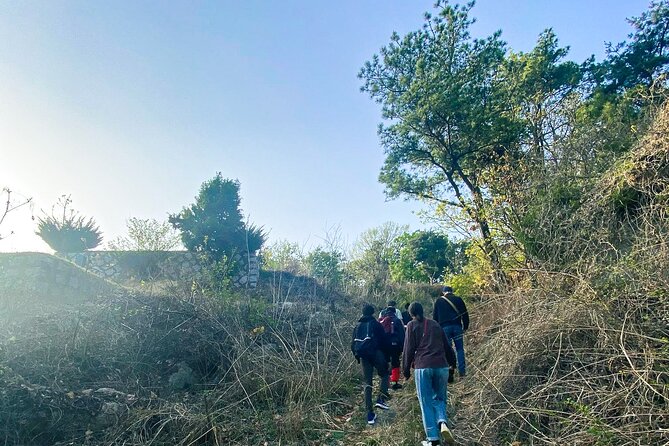
The maximum group size is six people. That is one of the best features of the tour because a cemetery walk works better when it remains calm and conversational.
With six or fewer people, you can ask about a legend, pause to clarify a custom, or raise a question about the meaning of a burial practice without trying to speak over a large crowd. The guide can also keep the group together more easily during the walk.
A small group does not guarantee that every subject will match your interests. If you want a lively social outing, this may feel subdued. The topic itself calls for thoughtfulness, and the mountain setting is designed more for quiet observation than entertainment.
Still, the format suits the subject. A large group would risk making an active cemetery feel like a spectacle. The small size helps preserve the respectful tone and gives the guide room to make the experience more personal.
The September through November timing
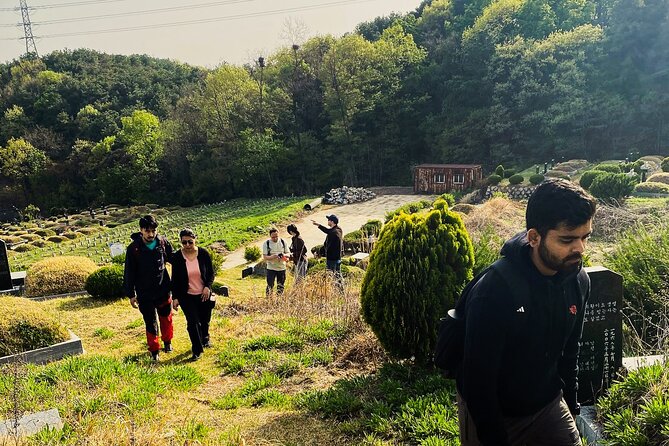
This is a strictly seasonal experience, running from September through November. That window is important for two reasons. First, you cannot simply add the tour to a winter or spring Seoul itinerary. Second, autumn is a fitting time for a walk centered on memory, changing seasons, and reflection.
The seasonal schedule also means you should book early if the dates fit your trip. The tour is booked an average of 73 days in advance, which suggests that planning ahead is wise, especially since the group holds only six people.
The stated start time is 2:30 pm. You get a quieter afternoon outing rather than an early morning departure. On a clear day, the timing may suit a morning in Seoul followed by the cemetery walk. However, the tour depends on good weather, so keep a little flexibility in your plans.
If poor weather cancels the activity, you are offered another date or a full refund. That protects you from losing the full booking cost, but it may not protect the rest of your schedule. If this is a key part of your trip, avoid placing it on the final afternoon.
Is the $66 price good value?
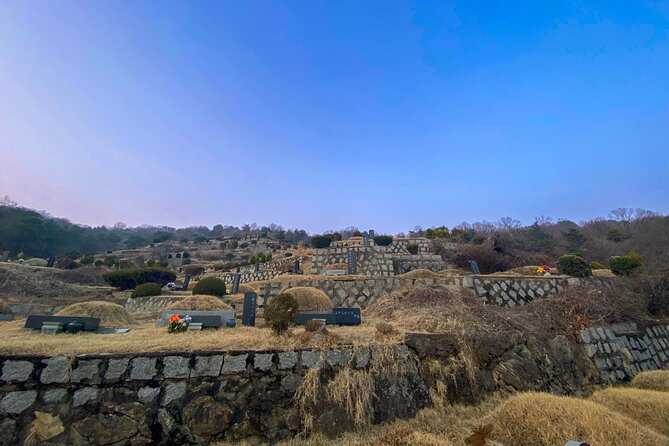
At $66 per person, the tour is not the cheapest way to spend an afternoon near Seoul. You are paying for a guide-led cultural experience, organized public transport, and access to a place that is not part of the standard sightseeing route.
The included bus fare helps, but it is not the main reason to book. The real value is the interpretation. Without a guide, a cemetery may look quiet and unfamiliar, but you would miss the legends, burial traditions, and explanations about the afterlife that give the place meaning.
The price makes the most sense if you value small-group access and cultural context. Six people or fewer is a strong format for a subject that benefits from questions and conversation. You are also getting roughly four hours, rather than a short stop added to a larger city tour.
The value is weaker if you want famous landmarks, dramatic sightseeing, or a flexible self-guided afternoon. There is no admission ticket charge, but the experience is not built around a collection of attractions. You are paying for the guide’s time and the chance to visit a setting that most tourists do not see.
Who should book this experience?
I would recommend this tour to you if you want to understand a less visible part of Korean culture. It suits people who enjoy folklore, customs, quiet walks, and conversations about how communities remember the dead.
It is also a good match for repeat visitors to Seoul. If you have already seen the main palaces and markets, this offers a different look at life in Korea. It can also work for first-time visitors who prefer one unusual cultural experience over another standard city attraction.
You should think twice if you dislike cemeteries, feel uncomfortable discussing death, or want a high-energy afternoon. The subject is serious, and the experience asks for respect. It may not be the right choice for young children or anyone who needs a very gentle, fully accessible walk, since the physical requirement is listed as moderate and no detailed accessibility information is provided.
Service animals are allowed. The tour is near public transportation, but private transportation is not included. A mobile ticket is provided, and confirmation arrives at booking.
Booking, cancellation, and weather advice
You can cancel up to 24 hours before the start time for a full refund. Changes or cancellations made less than 24 hours before the tour are not accepted for a refund, and the cut-off follows local time.
Weather deserves special attention. The activity requires good weather, so a cancellation caused by poor conditions results in either another date or a full refund. I would keep the afternoon and evening reasonably open, since the tour finishes back at the meeting point and the approximate duration is four hours.
Should you book the Korean Cemetery and Folklore Trek?
Book it if you want a thoughtful, small-scale experience that shows a side of Korea rarely placed on a first-time itinerary. The combination of an active cemetery, mountain quiet, Korean folklore, and a group capped at six gives the tour a clear purpose. Guide Shawn’s mix of research and personal experience is an added strength when he leads.
Skip it if you want major sights, easy transport from central Seoul, or a fast-moving tour with constant photo stops. For the right audience, $66 is fair because the guide’s interpretation is the product, not an admission ticket. Plan for autumn, meet at Samsong Station on time, wear suitable shoes, and approach the cemetery with the respect it deserves.
FAQ
Where does the Korean Cemetery and Folklore Trek begin?
It begins at Samsong Station Exit 8 in Goyang-si, South Korea.
What time does the tour start?
The scheduled start time is 2:30 pm.
Where does the activity end?
The tour ends back at the meeting point.
How long does the experience last?
The experience lasts approximately four hours.
Which cemetery does the tour visit?
The main stop is Yongmi-ri Cemetery.
Is transportation included?
Public bus fare between the cemetery and the meeting point is included. Private transportation is not included.
How large is the group?
The tour accepts a maximum of six people.
When does this seasonal tour operate?
It runs from September through November.
What happens if bad weather cancels the tour?
You are offered a different date or a full refund if poor weather causes cancellation.
Just added around South Korea
- Seoul: Korean & English Language Exchange Global Party★ 5.0 · 28 reviews
- From Seoul: Yongpyong Ski Day Tour with Transportation★ 4.9 · 40 reviews
- You’re Invited to Our Home in Seoul: The Only Cooking Class!★ 5.0 · 8 reviews
- Yeosu: Private Taxi Car Private Charter Tour★ 4.7 · 3 reviews
- Your Personal Seoul Photographer!★ 4.1 · 15 reviews
- Unique Native Experience : Han River Picnic, Board game, BBQ★ 5.0 · 3 reviews
- From Seoul: Hwacheon Ice Fishing and Lighting Festival Tour★ 4.5 · 4 reviews
- Everland Theme Park: Admission Ticket | Korea★ 4.5 · 3 reviews
Hiking & Trekking, compared.
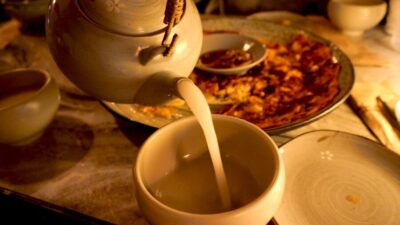
Guided City Wall Sunset Hike with Korean Dinner
Read our review →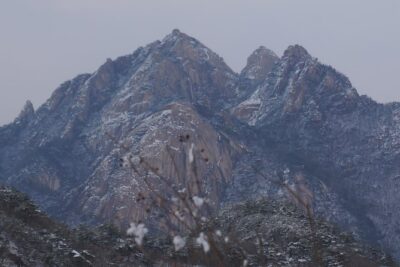
Private Hiking tour to Bukhansan Peak(Baegundae: 836.5m) with Mountain Expert
Read our review →
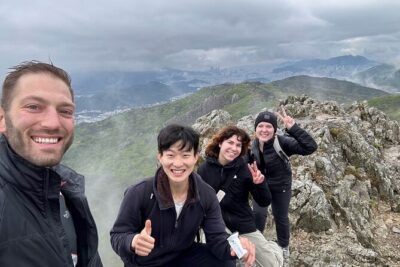
4-Hours Hiking and Tasting Rice Wine in the Mountain of Busan
Read our review →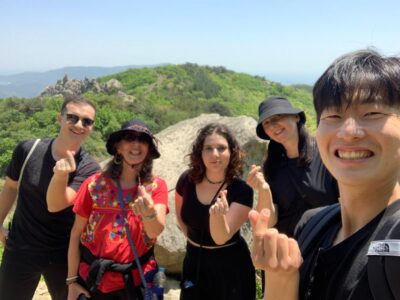
Hiking and Tasting Rice Wine in the Hidden Village
Read our review →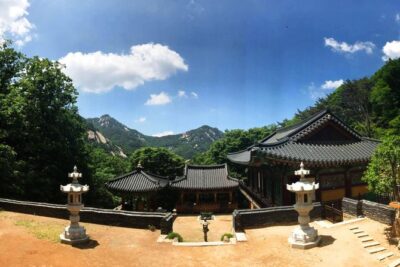
Seoul Mountain Hike: Temples, Folklore & Traditional Meal
Read our review →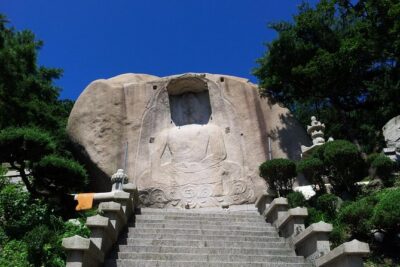
Private Hiking to Bukhansan & Korean Style Spa(Include Lunch)
Read our review →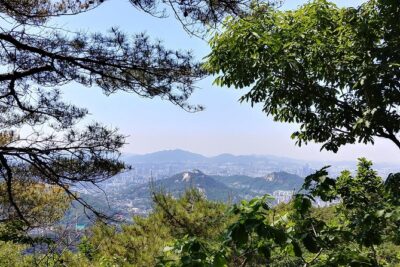
Browse the lists this tour appears in