
Reviewed · WINTER ACTIVITIES
Busan: Winter Healing Park and (Gyeongju/Daegu) One Day Tour
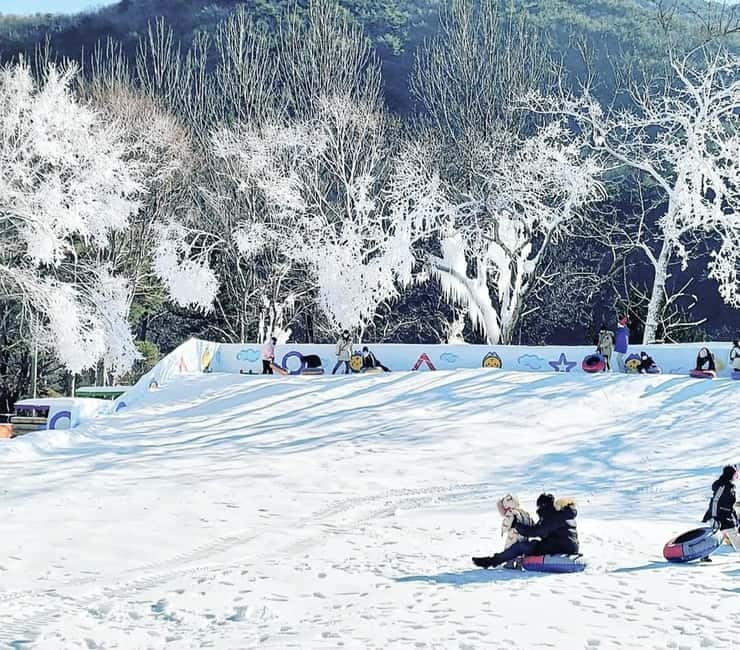
Kookmin Healing Park is the star of this long winter outing. Snow, frozen streams, sled rides, and optional canoeing give you a playful start before the tour turns to Gyeongju’s ancient sites or Daegu’s food and mountain scenery. I like the choice of two very different afternoon routes, and I like that admission and round-trip transport are included. The tradeoff is simple: 11 hours is a full day, and traffic or weather can change the plan.
I also like the human touch. Guides Amy, Sophie, and Lee have earned praise for clear explanations, thoughtful care, useful suggestions, and taking good photos. Bring cash for the canoe, though, and remember that the Daegu winter stop depends on ice conditions.
Key points to know before booking
- Snow first, history or food later: Kookmin Healing Park gives the day a lively winter opening before you choose Gyeongju or Daegu.
- Gyeongju route: Visit UNESCO-listed Bulguksa Temple, Gyochon Traditional Village, Hwangridan Street, and Woljeong Bridge.
- Daegu route: Eat your way through Seomun Market, then visit Songhae Park or Biseulsan Recreational Forest.
- Canoeing costs extra: The optional experience is paid in cash at the park, at KRW 30,000 for one to four seats or KRW 50,000 for five to eight.
- Guides add context: English, Chinese, and Korean staff lead the tour, with Amy, Sophie, and Lee among the guides praised for explanations and photos.
- Plan for a long day: The tour lasts 810 minutes, or about 11 hours, with the meeting point set by the option you choose.
Kookmin Healing Park gives the day its winter character
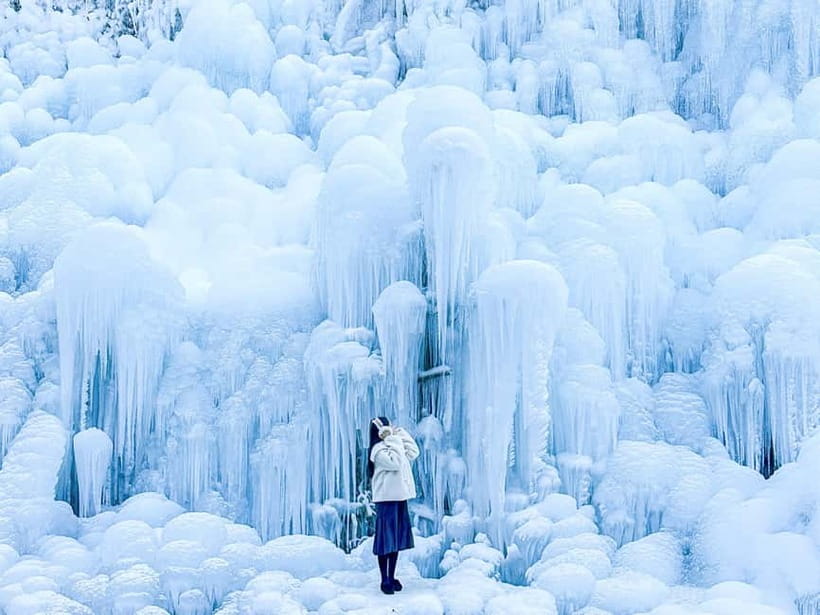
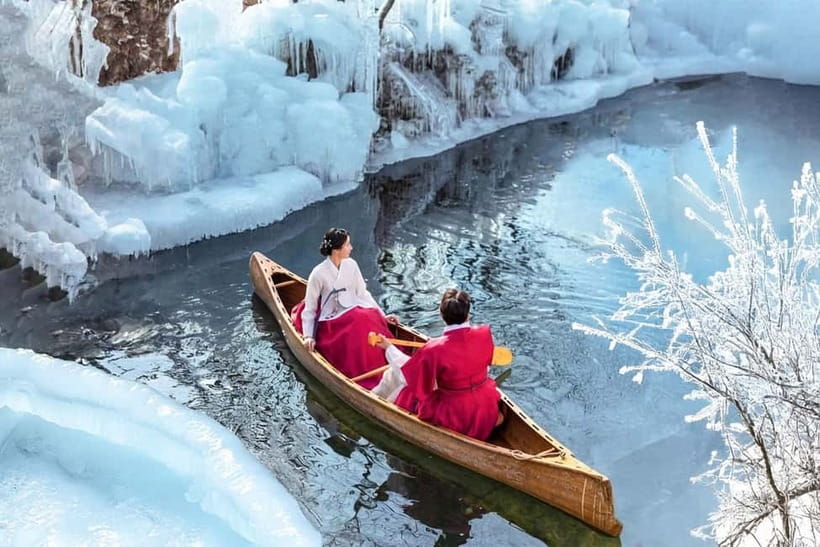
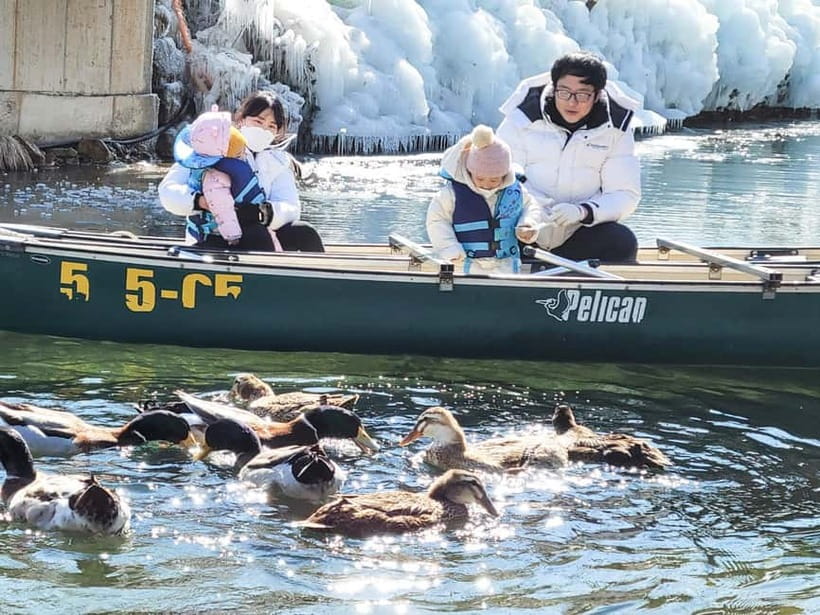
The tour begins with Kookmin Healing Park, where winter is not just something you look at through a bus window. You can walk beside icy scenery, ride a sled, and pay extra for a canoe trip through the cold-season setting.
The park’s appeal depends on the weather. On a good snow day, it feels playful and photogenic, with white ground, frozen water, and quiet paths. The canoe ride is the most distinctive add-on. It gives you a closer look at the icy surroundings and was a clear highlight for Kyla, who also praised guide Amy’s photos and practical recommendations.
The canoe fee is not part of the $65 tour price. You pay cash on site:
- One to four seats: KRW 30,000
- Five to eight seats: KRW 50,000
That price matters when you compare the tour with a standard sightseeing trip. If you want only the included park visit, sledding, and walks, the base cost remains easy to understand. If canoeing is the reason you are booking, carry enough Korean won and treat it as an extra part of the budget.
You should also dress for outdoor time. The tour information does not list a clothing rental service or indoor replacement activity, so your comfort will depend on how well you handle cold conditions. The park is the most weather-sensitive part of the day, but the whole schedule can shift with road and weather conditions.
A few more Busan trips to weigh up
- Busan: Gyeongju Guided Day Trip to Three Kingdoms Capital
★ 4.8 · 1,925 reviews - 1-Day Busan Shore Excursion – City Highlights for Cruise Guests
★ 4.5 · 36 reviews - 7 Highlights Gyeongju City One Day Small Group Tour from Busan
★ 5.0 · 24 reviews
The Gyeongju route connects major sights without a complicated transfer
Choose the Gyeongju option if you want a strong first look at Korea’s old capital and prefer monuments, traditional neighborhoods, and cafes to a market-focused afternoon.
The route includes Bulguksa Temple, Gyochon Traditional Village, Hwangridan Street, and Woljeong Bridge. Each stop offers a different view of Gyeongju, which keeps the day from feeling like four versions of the same attraction.
Bulguksa Temple and Korea’s artistic past
Bulguksa is the route’s major cultural stop. The temple is a representative relic of Gyeongju and was designated a UNESCO World Cultural Asset in 1995. Its importance is not only the age of the site, but also the way its buildings and stone work fit together.
You can expect your guide to explain the temple’s place in Korean history and point out artistic details that are easy to miss when you walk through alone. The supplied information highlights the beauty of the buildings and the skill shown in the stone relics, so this is a stop where a guide adds real value.
Bulguksa also gives the Gyeongju option a more serious center. After the snow activities, you move from recreation to architecture, belief, and national heritage. If you are interested in history, this is likely the most important stop of the day.
The limitation is time. This is an 11-hour group outing with several stops and a return to Busan, so you should not expect the slow pace of a private temple visit. Traffic can also affect how long you have at each place.
Gyochon Traditional Village and the Choi family story
Gyochon Traditional Village is centered on the Gyeongju Choi Clan. The family is known for maintaining its wealth over 12 generations and producing influential figures.
That detail gives the village a useful human angle. Instead of seeing old-style buildings as decoration, you get a story about family, social position, and the way wealth was preserved. I like this stop because it shifts attention away from grand monuments and toward a traditional community shaped by one notable clan.
You will want to pay attention to the guide here. A short walk through a historic village can otherwise become a quick photo stop. The tour’s English, Chinese, and Korean guiding makes the background easier to follow, especially if you are new to Korean history.
Same country, a completely different kind of day:
- Small Group Full Day Busan Tour (Max 6 Pax)
★ 5.0 · 1,464 reviews - From Busan: Gyeongju UNESCO World Heritage Guided Day Tour
★ 4.8 · 1,250 reviews - Busan Private Tour with licensed tour guide + private vehicle
★ 5.0 · 1,143 reviews - Busan: Coastal Treasures Beach Train, Culture Village & More
★ 4.7 · 832 reviews
Hwangridan Street for snacks and modern Gyeongju
Hwangridan Street brings the day into present-day Gyeongju. It is lined with street food and trendy cafes, so you can trade temple stone and village history for a more casual break.
This is a useful contrast. Gyeongju is not only an open-air history book. It also has places where you can browse, eat, and sit with a drink. You should budget for personal purchases here because meals and other expenses are not included.
The stop may suit you best if you want freedom rather than a formal tasting. The information does not promise a set meal or food tour, so think of Hwangridan Street as an opportunity to choose what appeals to you. If you need a full lunch, plan your spending and time carefully.
Woljeong Bridge at the end of the Gyeongju day
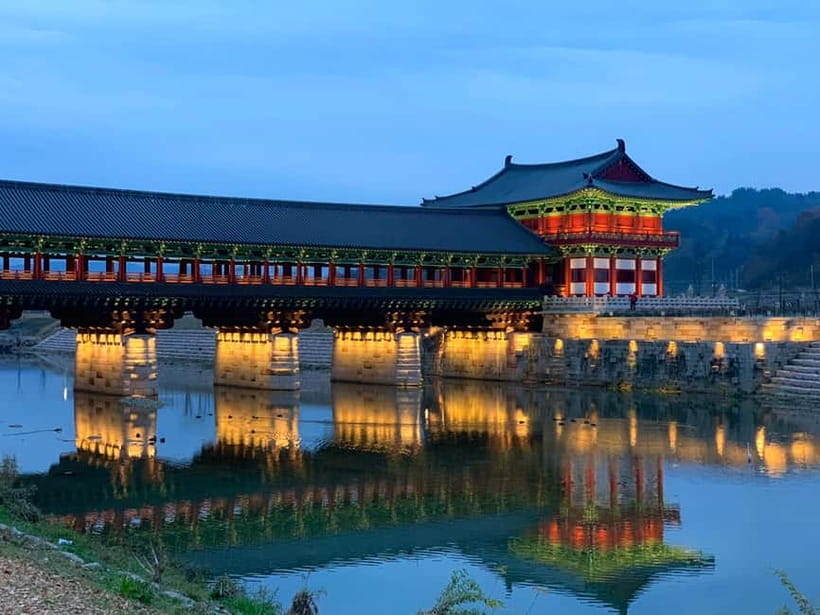
Woljeong Bridge provides a dramatic final view before the return to Busan. Its stone arches reflect old construction methods, and its long history makes it more than a simple crossing.
The bridge is especially useful as a final stop because it lets the Gyeongju route end with a clear visual landmark. You can take photos, look at the structure, and think back over the day’s mix of temple, village, food street, and winter scenery.
The exact order can change with traffic and operating conditions. The stated plan places Woljeong Bridge after Hwangridan Street, but you should follow the guide’s timing on the day rather than expect a fixed minute-by-minute schedule.
The Daegu route adds market food and a weather-dependent ice stop
Choose Daegu if food, local shopping, and winter scenery sound more appealing than a concentrated heritage itinerary. This option includes Seomun Market, lunch at your own expense, and either Songhae Park at Okyeon Reservoir or Biseulsan Recreational Forest.
Seomun Market is your flexible lunch stop
Seomun Market is the Daegu route’s main city stop. You can browse stalls, look for local goods and crafts, and choose your own food instead of following a set menu.
That freedom is helpful for different appetites and budgets. You can decide how much to spend and what to try, but you also need to manage your own time. Meals are not included, and the tour does not specify a restaurant reservation.
The market gives the Daegu option a more everyday feel than the Gyeongju route. You are not simply viewing a landmark. You are moving through a place built around food, commerce, and local life. Still, the visit is part of a packed day, so this is not the time for a long, unhurried meal.
Songhae Park or Biseulsan, depending on the ice
After the market, the group visits one winter nature site. The choice is between the ice wall at Songhae Park near Okyeon Reservoir and Biseulsan Recreational Forest, based on ice conditions.
That flexibility is practical. Frozen scenery is never fully guaranteed, and choosing the safer or more suitable site gives the operator a better chance of providing a worthwhile winter stop. It also means you should not book this route expecting one exact final destination.
At Songhae Park, the focus is an impressive ice wall and the frozen setting around it. At Biseulsan Recreational Forest, you can expect icy trails, a frozen stream, mountain air, and quiet winter views. The supplied details describe walking along frozen water and enjoying the cold-season scenery rather than a scheduled adventure activity.
This route is best for you if you enjoy nature but do not need a fixed postcard view. The conditions may produce a beautiful scene, or a more modest one. That uncertainty is the main drawback of choosing Daegu.
What the $65 price really covers
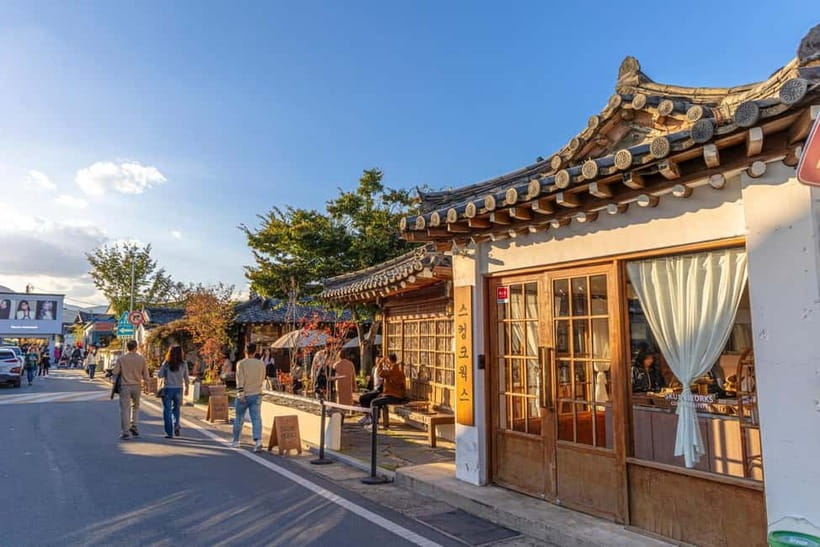
At $65 per person, the tour bundles a long-distance day from Busan with round-trip transportation, admission fees, and live guiding. For a visitor who wants to reach Gyeongju or Daegu without arranging separate transport, that is a useful package.
The value is strongest if you plan to visit several places in one day. Independent transport between Busan, Kookmin Healing Park, and the later stops could take more planning, especially when winter weather affects roads and ice conditions. You also get historical explanation at Bulguksa and Gyochon, or local orientation at the Daegu stops.
The price does not cover meals, insurance, personal purchases, or the optional canoe. You should also allow money for lunch on the Daegu route and food or drinks on Hwangridan Street. The base price is therefore not an all-inclusive day, but the main transport and entry costs are clear.
I would compare the two options by what you value most:
- Pick Gyeongju for major heritage sites and a more structured cultural day.
- Pick Daegu for market food, personal choice, and a flexible winter nature stop.
- Add the canoe only if you are happy to pay the separate cash fee.
A long day made easier by the guides
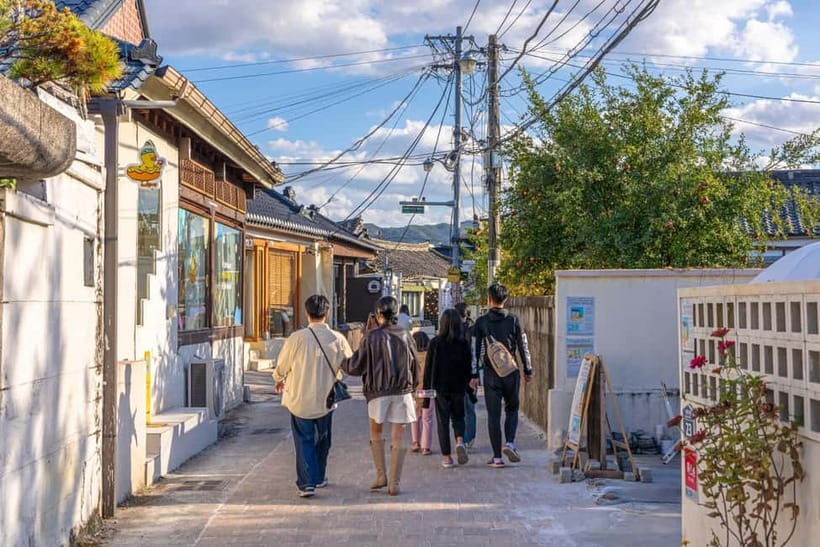
The tour runs for 810 minutes, or about 11 hours. That includes the journey from Busan, the winter park, several afternoon attractions, and the return trip.
An 11-hour schedule can feel tiring, particularly if you want leisurely meals or long visits at every stop. The benefit is reach. You can see places that would be harder to combine from Busan without a full day set aside.
Recent bookings identify Amy, Sophie, and Lee as guides who made a strong impression in different ways. Amy was praised for useful recommendations and photos, Sophie for being caring and attentive, and Lee for explaining the places clearly and taking good pictures. These qualities matter on a schedule with several stops. A guide who helps with photos and keeps the group moving can save you time and stress.
The tour offers English, Chinese, and Korean guiding. The exact meeting point depends on the option booked, so check that detail before the morning of departure. If you are bringing a baby stroller, tell the operator in advance. Infants are free but do not receive their own seat, an important point for families planning the ride.
Who should choose Gyeongju and who should choose Daegu
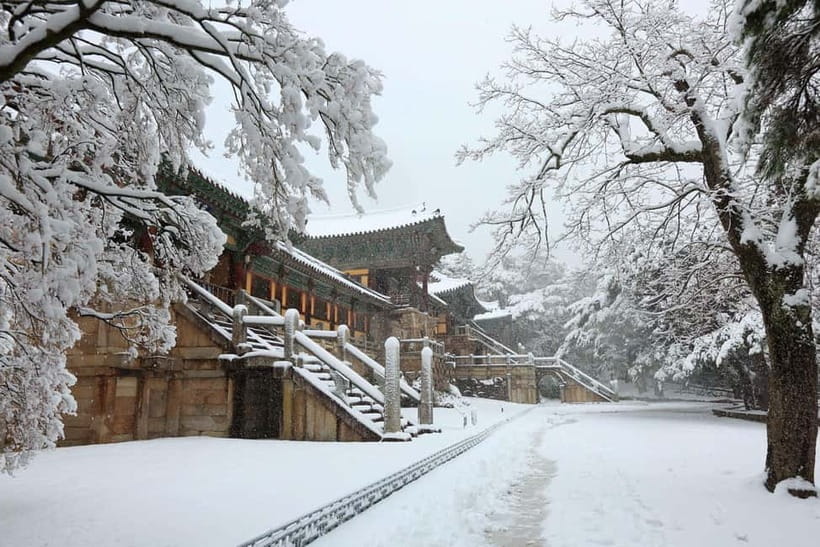
I would choose Gyeongju if this is your first time seeing the region and you want historical context. Bulguksa gives you a major cultural site, Gyochon adds a traditional village story, Hwangridan Street provides food and cafes, and Woljeong Bridge finishes the route with a memorable structure.
I would choose Daegu if you care more about food and seasonal scenery. Seomun Market gives you control over lunch, while the final stop changes according to ice conditions. That makes the route less predictable, but also more responsive to the actual winter weather.
Families and groups of friends may enjoy the park’s sledding and optional canoeing. History-focused visitors should favor Gyeongju. Anyone who dislikes cold outdoor activities should think carefully, since the winter park is central to both combinations.
The tour is less suitable if you want a slow, private schedule. You will spend much of the day on a group timetable, and the plan may change because of traffic or weather.
Small planning tips that matter
Bring cash in Korean won if you want to canoe. The canoe fee is paid on site, and card payment is not listed.
Set aside money for meals and personal expenses. The Daegu route specifically allows lunch at Seomun Market at your own cost, while Hwangridan Street offers food and cafes on the Gyeongju route.
Wear clothing suitable for a snowy outdoor visit. The information confirms winter snow, icy scenery, sledding, and frozen trails, so comfort outdoors will shape your day.
Keep your schedule flexible. Weather and traffic can alter the itinerary, and the Daegu final stop may switch between Songhae Park and Biseulsan Recreational Forest.
You can cancel up to 24 hours before departure for a full refund, and the reserve-now, pay-later policy lets you hold a place without paying on the day of booking.
Should you book this winter day trip?
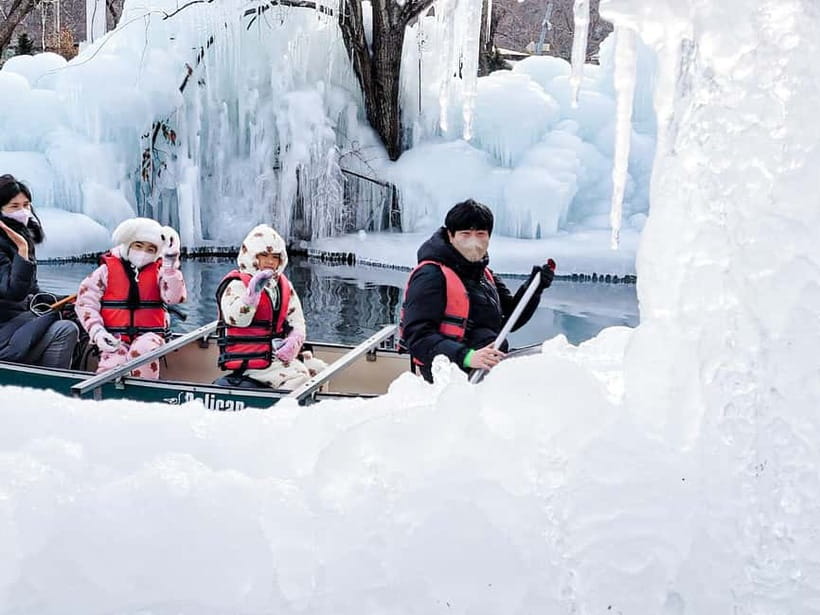
Book it if you want to cover a lot of ground from Busan, enjoy winter scenery, and prefer having transport and guiding arranged. At $65, the combination of round-trip travel and admission fees offers solid value, especially for the Gyeongju route.
Choose the Gyeongju version for the strongest cultural payoff. Choose Daegu if Seomun Market and a flexible ice stop sound more enjoyable than temples and historic buildings.
The main question is not the price. It is pace. If you can handle 11 hours, cold outdoor time, and changes caused by weather, this is a practical way to add a winter day beyond Busan. If you want long meals, extended temple visits, or complete control over the schedule, make other plans.
FAQ
How long does the tour last?
The tour lasts 810 minutes, which is about 11 hours.
Where does the tour depart from?
The meeting point may vary depending on the option you book. Check the meeting details for your selected route.
What languages are available?
Live guiding is available in English, Chinese, and Korean.
What does the $65 price include?
The price includes round-trip transportation from Busan, staff who speak English or Chinese, and admission fees.
Are meals included?
No. Meals are not included. On the Daegu route, you can buy lunch at Seomun Market at your own expense.
Is canoeing included at Kookmin Healing Park?
No. Canoeing is optional and costs extra. The fee is paid in cash on site.
How much does the canoe experience cost?
A canoe for one to four people costs KRW 30,000. A canoe for five to eight people costs KRW 50,000.
Which attractions are included on the Gyeongju route?
The Gyeongju route includes Bulguksa Temple, Gyochon Traditional Village, Hwangridan Street, and Woljeong Bridge after the visit to Kookmin Healing Park.
Which attractions are included on the Daegu route?
The Daegu route includes Seomun Market and either Songhae Park near Okyeon Reservoir or Biseulsan Recreational Forest, depending on ice conditions.
Can the itinerary change?
Yes. Traffic and weather can affect the itinerary. On the Daegu route, the final winter stop may change according to ice conditions.
Is an infant ticket required?
Infants are free of charge, but no seat is provided for an infant.
Can I bring a baby stroller?
You should inform the operator if you plan to bring a baby stroller.
What is the cancellation policy?
You can cancel up to 24 hours in advance for a full refund.
Can I reserve now and pay later?
Yes. You can reserve your place and pay nothing at the time of booking.
Just added around Busan
- Real Busan Walking Experience★ 5.0 · 27 reviews
- 7 Highlights Gyeongju City One Day Small Group Tour from Busan★ 5.0 · 24 reviews
- Full Day Private car tour to UNESCO Gyeongju&Yangdong village★ 5.0 · 5 reviews
- Suncheon and Yeosu Daily Private Tour with Pickup Service★ 5.0 · 3 reviews
- Visit Busan night market and enjoy the night view of Busan harbor★ 5.0 · 6 reviews
- Busan Highlights Shore Tour – Cruise Return Assured★ 4.5 · 34 reviews
- Suncheon one day tour from Seoul, Busan or Suncheon★ 5.0 · 3 reviews
- Busan Beomeosa Temple & Hongbeopsa Temple with temple lunch★ 5.0 · 11 reviews
Winter Activities, compared.
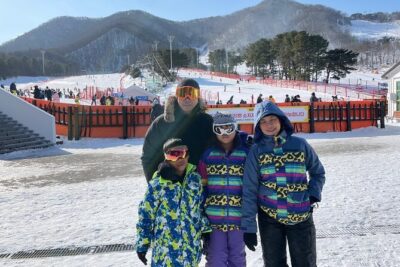
Jisan Ski Resort from Seoul by Shuttle(Opt Winter Skiing Package)
Read our review →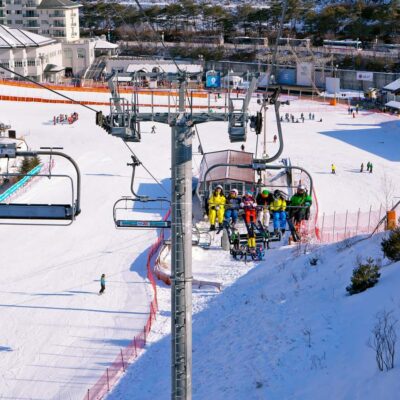
![[OFFICIAL] Eden Valley Resort Winter Ski Day Tour from Busan](https://kr.bestkoreatours.com/wp-content/uploads/official-eden-valley-resort-winter-ski-day-tour-from-busan-400x267.jpg)
[OFFICIAL] Eden Valley Resort Winter Ski Day Tour from Busan
Read our review →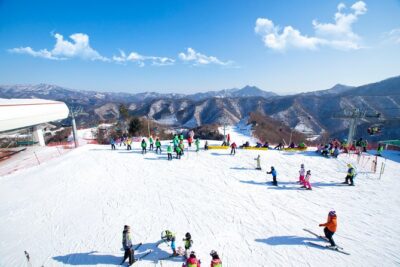
Elysian Gangchon Winter Ski + Eobi Ice Valley Day Tour fr Seoul
Read our review →
Vivaldi Park Winter Ski with Eobi Ice Valley Day Tour
Read our review →
Elysian Gangchon Winter Ski with Nami Island Day Tour from Seoul
Read our review →
Vivaldi Park Winter Ski with Eobi Ice Valley Day Tour from Seoul
Read our review →
Full-Day Winter Trip Ski Resort, Ice Valley, Namiseom
Read our review →Browse the lists this tour appears in