
Reviewed · 3-DAY EXPERIENCES
Essence Korea 3days Ptivate Tour(West/East)
Korea’s best stories often begin outside Seoul. This private three-day trip links Baekje and Silla capitals, seaside towns, royal tombs, folk villages, and Korean food stops that are hard to fit into a normal rail itinerary. You can choose the west, east, or a combined route, though the combined plan asks a lot from three days.
I like the personal vehicle and the room to adjust the day. Guides such as Johnny, Jun, and George have been praised for prompt service, clear explanations, local food choices, and custom planning. I also like that fuel, parking, admissions, and three lunches are covered. The catch is simple: the pace can be hectic, and accommodation is not included.
Key points to know before booking
- Three days reach far beyond Seoul: The route can connect Gongju, Jeonju, Yeosu, Gyeongju, Mokpo, Busan, and Andong.
- You choose the region: Take a west course, an east course, or ask to combine both if you are willing to spend more time on the road.
- Private touring changes the rhythm: Only your group joins, with pickup offered and some room for customization.
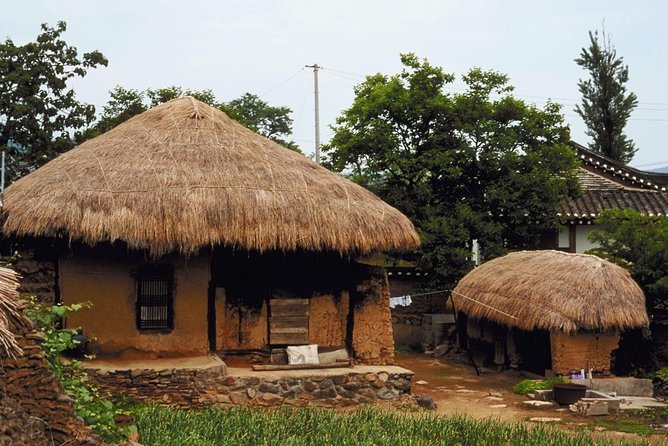
- History comes in layers: Gongju covers Baekje, Gyeongju covers Silla, and Andong preserves traditional village life.
- Food is part of the plan: Three lunches are included, and the route is designed around regional Korean cooking.
- Budget for your own hotel: Accommodation is excluded, so you arrange overnight stays, including the night in Jeonju if you follow the west route.
Why this tour reaches the Korea beyond Seoul
Many Korea itineraries stay in Seoul, perhaps adding a quick palace visit or a day trip to the Demilitarized Zone. This trip takes a different approach. It uses a private vehicle to connect places that sit far apart, giving you a look at old capitals, coastal cities, village traditions, and modern tourist districts in one broad sweep.
That range is the main reason to consider it. Gongju shows you the Baekje dynasty. Gyeongju opens the door to a thousand years of Silla rule. Jeonju brings hanok houses and street food. Andong offers a more traditional setting, while Yeosu, Mokpo, and Busan bring the sea into the picture.
You do not get a slow, leisurely stay in each city. You get a three-day sampler with a strong guide and a comfortable vehicle. That is a fair trade if your Korea visit is short and you want to see more than the capital.
The private format matters here. Public transport can take you between major cities, but this route includes fortresses, tombs, museums, folk villages, and coastal viewpoints in a tight sequence. A driver who knows the roads and a guide who can explain the sites save time and reduce the work of planning each transfer.
A few more Seoul trips to weigh up
- 3-Day Korea Western course by K-shuttle Tour from Seoul to Busan
★ 4.5 · 4 reviews - Jeju English Private Taxi Tour(1day, 2days, 3days & 1 to 12pax)
★ 5.0 · 118 reviews - 3 days Private Taxi Tour in Jeju Island
★ 5.0 · 6 reviews
Day one: Baekje history in Gongju and hanok streets in Jeonju
The west course begins in Gongju, once the capital of the Baekje dynasty about 1,400 years ago. The city gives you a useful first lesson in Korea’s early royal past, with a fortress, museum, and ancient tomb site all close enough to form a coherent visit.
Gongsanseong Fortress
Gongsanseong Fortress is an old defensive site above the city. Allow about 40 minutes here, enough to look over the area and get a sense of why this location mattered. An archery activity may also be available, adding a hands-on touch to what could otherwise be a quick photo stop.
The fortress is a good early stop because it provides scale. You are not just looking at objects in a museum. You can connect the royal capital to the surrounding terrain and imagine how a fortified city functioned.
Gongju National Museum
The Gongju National Museum fills in the details of Baekje royal life. Admission is free, and the planned visit lasts about 40 minutes. I would pay close attention to your guide here, since the value of the stop comes from understanding what the objects reveal about court life and the dynasty’s customs.
This is not a long museum session. If you enjoy archaeology, you may wish the schedule allowed more time. Still, it works well beside the fortress and tomb because each stop answers a different question about the old capital.
Same country, a completely different kind of day:
- Best DMZ Tour Korea from Seoul (Red Suspension Bridge Optional)
★ 5.0 · 41,422 reviews - DMZ Tour: 3rd Tunnel, Option(Suspension Bridge, Boat) from Seoul
★ 5.0 · 21,373 reviews - DMZ tour south Korea from Seoul (NK experience hall, defector)
★ 5.0 · 20,599 reviews - Seoul: DMZ Tour with Optional Suspension Bridge
★ 4.8 · 5,277 reviews
The Tomb of King Muryeong
The Muryeongwangneung Tomb of King Muryeong is a royal burial site with a small museum devoted to the king. The planned visit is about an hour, and admission is included.
This stop gives the Baekje section a human focus. Fortresses can feel broad and abstract, but a royal tomb brings the dynasty down to one ruler and one burial tradition. Take time to notice how the site is presented, then use the museum to connect the tomb with the royal world introduced earlier.
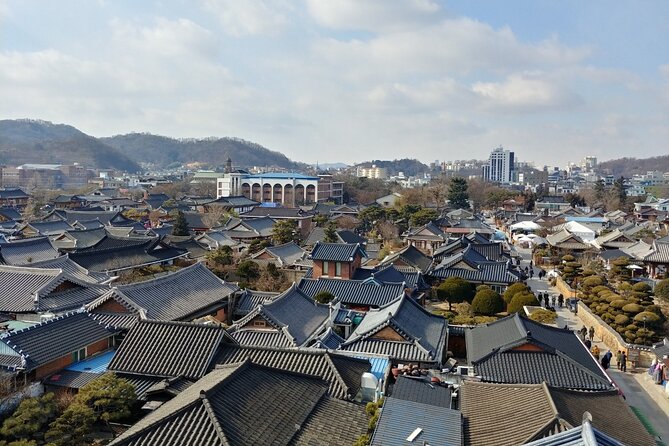
Jeonju Hanok Village
Jeonju is famous for its traditional hanok houses and local food. The village began during the period of Japanese occupation as a way to protect Korean society and housing traditions, and it is now one of the country’s best-known stops for street food.
You spend about an hour in the Hanok Village according to the schedule, then stay overnight in Jeonju on the west route. An hour is enough for a first walk, but it is not enough to sample everything or explore every lane. If food is a major reason you are choosing Jeonju, ask your guide how the meal plan fits with your free time.
Jeonju is one of the strongest parts of the west course because it combines history with daily life. You get old-style homes, a walkable setting, and regional food rather than another formal monument. The village can also feel busy, so keep your expectations realistic: this is a famous destination, not a quiet rural retreat.
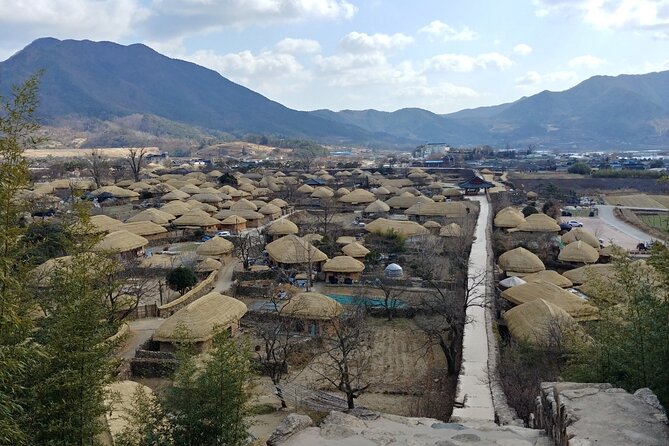
Andong Hahoe Folk Village
Andong Hahoe Folk Village appears under the east course and is scheduled for about 90 minutes with admission included. Andong is known for preserving traditional Korean culture, and Queen Elizabeth II visited the city in 1999 for a birthday celebration.
The village adds a different note to the day. Gongju is about dynastic power, while Hahoe focuses on community life and traditional customs. If you want the most culturally distinctive part of the route, this is a strong candidate.
The practical concern is geography. Gongju, Jeonju, and Andong belong to different route ideas, so confirm exactly which stops are included in your chosen west, east, or combined plan before you pay. The supplied schedule presents both regional courses together, and a combined trip may not include every listed stop in full.
Day two: Yeosu’s coast and Gyeongju’s royal tombs
Day two brings two different types of sightseeing. Yeosu and Odongdo offer ocean views and walking, while Gyeongju turns inland to the old Silla capital. The contrast is appealing, but it also shows why the itinerary can feel packed.
Yeosu and Odongdo
Yeosu is described as one of the major attractions on Korea’s west and south coast. You have about three hours to enjoy the ocean setting, city views, and fresh seafood. This is a good place to slow down for a proper lunch, particularly since regional food is one of the tour’s selling points.
Odongdo offers about an hour of walking and is known for camellia flowers. Admission is included. The island stop gives you movement after time in the vehicle, though the amount you see will depend on walking speed and the exact route your guide uses.
Yeosu works best for people who want scenery and food, not a long list of formal sights. The coastal portion is also one reason weather matters. The operator requires good weather and may offer another date or a full refund if poor conditions force cancellation.
Gyeongju, the former Silla capital
Gyeongju served as the capital of the Silla dynasty for about 1,000 years. The city itself has been designated a World Cultural Heritage area, and the itinerary gives you several ways to see why.
You have about three hours for the main Gyeongju visit. That is enough to get a strong introduction, but Gyeongju rewards a slower stay. If ancient Korea is your main interest, the east course may suit you better than the combined plan.
Daereungwon Tomb Complex
The Daereungwon Tomb Complex contains large royal tombs from the Silla period. The planned visit is about 40 minutes, with admission included.
The scale of the tomb mounds is the key here. You are walking through a broad royal burial area rather than entering a single ornate building. It is an easy stop to combine with the museum, and the short visit keeps the day moving.
Gyeongju National Museum
The Gyeongju National Museum focuses on the Silla dynasty and its 1,000 years of history. Admission is free, and the planned visit lasts about an hour.
I would use the museum as the interpretive center of the Gyeongju day. The tombs show the physical scale of Silla’s royal world, while the museum helps explain the objects and culture behind it. If your guide is Jun, expect the kind of site explanation that has earned particular praise, especially at places where a short label cannot tell the whole story.
Day two or three: temples and modern coastal Korea
Haedong Yonggungsa
Haedong Yonggungsa is a temple beside the East Sea, reached in the itinerary through the east course. The scheduled stop is about 50 minutes, and admission is free.
Its appeal is the setting. Many Korean temples are associated with mountains, while this one sits directly beside the sea. That combination makes it one of the most photogenic stops on the route, but allow for crowds and stairs at a popular temple site. The visit is brief, so you will get the main view rather than a long period for quiet reflection.
APEC Naru Park
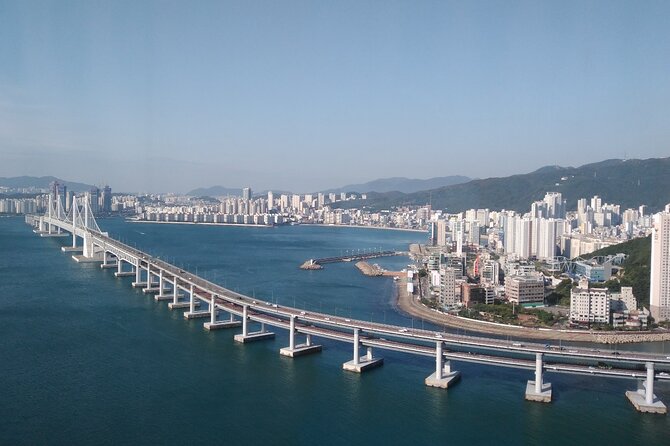
APEC Naru Park in Busan is connected with the 2005 APEC meeting and is valued for its scenic location. The itinerary allows about an hour.
This stop shifts the tour from ancient dynasties to modern South Korea. It also gives you a different view of Busan before the final cultural stop. If the last day is already long, ask whether the park is a priority for your group or a flexible photo stop.
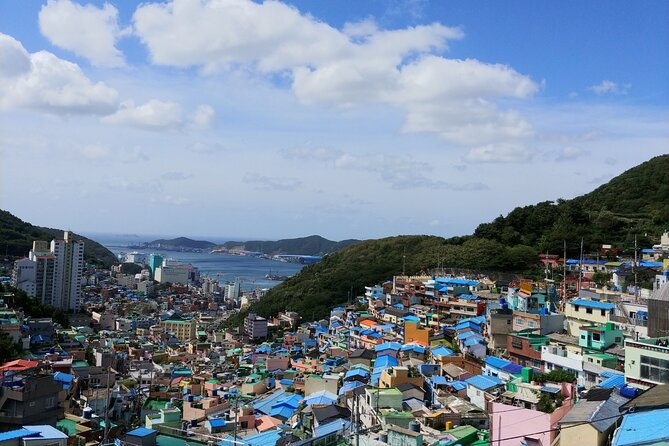
Busan Gamcheon Culture Village
Gamcheon Culture Village began as a place for refugees from across the country. It later became known for its distinctive culture and unusual hillside setting. The visit lasts about 40 minutes, and admission is free.
Forty minutes is enough to see the character of the village, but not enough for a long wandering visit. The short stop makes sense if you are ending in Busan and need a quick introduction. It will feel rushed if you want to examine galleries, small shops, and side streets at a relaxed pace.
Day three: Mokpo and the long road back
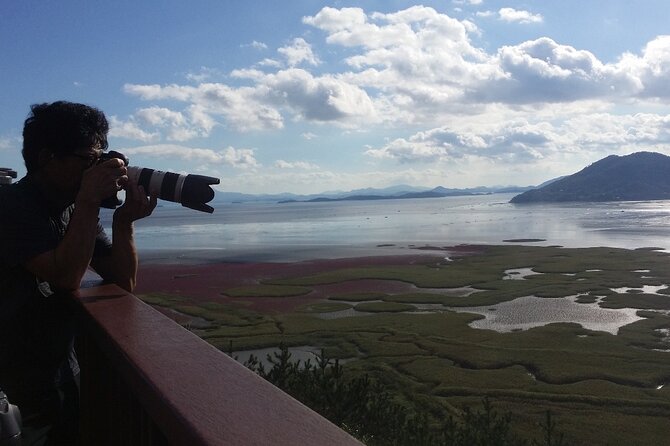
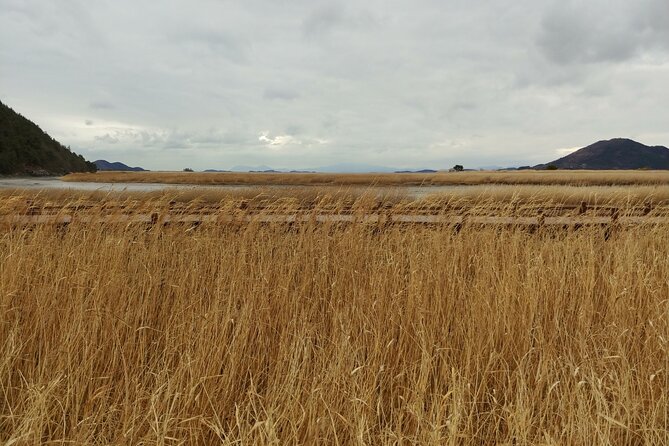
Mokpo sits at the western end of Korea and is included in the west course for its local food, scenery, and distinctive city views. The scheduled stop is about two hours, making it one of the more substantial visits on the final day.
Mokpo is valuable because it feels different from Seoul and from the more polished major sightseeing centers. You can focus on the food and the setting, then let your guide point out the city’s particular character. The trade-off is travel time. A large portion of the final day may be spent getting back toward Busan, especially on a combined east and west plan.
This is the itinerary’s clearest weakness. One strong assessment of the tour called the pace hectic and suggested that combining both sides would work better over six days. I agree with the basic point. Three days can show you a lot, but it cannot give every city the attention it deserves.
What $800 per person buys you
The price is $800 per person. That is a serious amount, but it covers fuel, parking, admission fees, and three lunches. A private vehicle and guide are also central to the experience, and the group discount option may improve the value for larger parties.
You must pay for accommodation separately. That matters because the west route includes an overnight stay in Jeonju, and the full cost is not visible until you add your hotel expenses.
I see the price as reasonable for a small private group that values time and convenience. You are paying to connect distant places without arranging multiple train tickets, taxis, reservations, and local transfers. The value drops if you prefer slow travel, already know Korea’s rail system, or would rather spend three full days in one region.
The strongest practical benefit is customization. George has been praised for shaping the route so a group could experience more cities and for choosing good local food stops. That kind of adjustment can make the cost worthwhile, especially if your group has a clear list of priorities.
Guides, vehicles, and the private format
Only your group takes part, and pickup is offered. The vehicle has been described as luxurious and comfortable, while drivers including Johnny and George have been praised for punctuality and a cheerful, helpful manner.
Those details matter more than they might on a short city tour. You will spend substantial time traveling between destinations, so vehicle comfort and reliable timing can shape your whole trip. A private arrangement also lets you ask for more time at a museum, shorten a stop, or focus more heavily on food and scenery, although the exact flexibility should be confirmed before departure.
Guide quality is especially important at Gongju and Gyeongju. The monuments are easier to appreciate when someone explains the Baekje and Silla periods, royal life, and the reason each site matters. Jun has been singled out for clear explanations of the places visited, making him a guide name worth noting when you communicate with the operator.
The tour is near public transportation, and most people can participate. Confirmation arrives at booking. You can cancel free of charge up to 24 hours before the start time for a full refund. Changes made inside that 24-hour window are not accepted, and poor weather can lead to a new date or full refund.
Who should book this three-day Korea tour
I would choose this experience if you want a broad first look at Korea outside Seoul and prefer a private vehicle to building a complicated route yourself. It suits families, couples, and small groups that care about comfort, regional food, and having a guide explain what they are seeing.
It also suits repeat visitors who have already covered Seoul and want a wider view of the country. The mix of royal capitals, folk traditions, coastal towns, and Busan gives you useful variety.
I would be cautious if you dislike long drives or want time for photography, shopping, or quiet exploration. The combined west and east option is ambitious. A west-only or east-only course should give you a more coherent trip, while a six-day plan would make more sense for anyone determined to cover both sides properly.
Should you book it?
Book it if your priority is breadth with private transport. You will see far more of Korea than a standard Seoul stay allows, and the included meals, admissions, parking, and fuel remove several small costs that can add up.
Before booking, ask for the exact course, daily driving plan, hotel arrangement, and guide assignment. If you receive Johnny, Jun, or George, the available feedback suggests a strong chance of prompt service, helpful explanations, and thoughtful local food choices. Still, do not mistake a packed route for a relaxed holiday.
Choose the west course for Gongju, Jeonju, Yeosu, and Mokpo. Choose the east course for Andong, Gyeongju, Haedong Yonggungsa, Busan, and the coastal stops. Combine both only if seeing many regions matters more to you than lingering in any one of them.
FAQ
What does the three-day private tour cost?
The price is $800 per person. Group discounts are available.
What is included in the price?
Fuel surcharge, parking fees, admission fees, and three lunches are included.
Is accommodation included?
No. You must arrange and pay for accommodation separately. The west course includes an overnight stay in Jeonju.
Can I choose the west or east course?
Yes. You can choose a west course, an east course, or ask to combine both courses.
Is this a private tour?
Yes. Only your group participates in the activity, and pickup is offered.
What is the cancellation policy?
You can cancel at least 24 hours before the experience start time for a full refund. Cancellations or changes made less than 24 hours before the start time are not accepted for a refund. If poor weather causes cancellation, you will be offered another date or a full refund.
Just added around Seoul
- Gyeongbokgung palace,seoul with gigibebe hanbok rental★ 4.5 · 12 reviews
- Private tour guide service in Seoul, Korea★ 5.0 · 6 reviews
- Alpaca, Nami, Petite Fr, Italian Village, Garden of Morning Calm★ 3.5 · 5 reviews
- Gyeongju UNESCO Sites Tour by KTX train; The Museum Without walls★ 4.5 · 11 reviews
- Private day trip to Korean Folk Village & Dae Jang Geum Park★ 5.0 · 7 reviews
- Private tour Lotte World,Tower,Aquarium(All Tickets are included)★ 5.0 · 12 reviews
- Private day tour Korea(Seoul trip) with Professional Photographer★ 5.0 · 6 reviews
- Full Day Private Seoul Tour for foodies★ 5.0 · 3 reviews
3-Day Experiences, compared.
Jeju English Private Taxi Tour(1day, 2days, 3days & 1 to 12pax)
Read our review →
3days Private Free Schedule Tour a lot of Experience Driver
Read our review →
All inclusive Jeju island English private taxi tour(1 to 3days)
Read our review →
3-Day Korea Western course by K-shuttle Tour from Seoul to Busan
Read our review →Browse the lists this tour appears in