Reviewed · SEOUL TOURS
Gwanghwamun Tour l 120 minutes to Understand Local Korean Society
Gwanghwamun is more than a grand plaza for palace photos. It is the place where Korea’s royal past, postwar politics, foreign ties, and daily social rules all meet. This two-hour walk with history major June uses the city center to explain how Koreans think about age, work, North Korea, Japan, America, and rapid change.
I like the tour’s clear link between history and ordinary life, especially the way Confucian ideas and post-Korean War capitalism are tied to modern habits. I also like the route’s variety: one morning takes you from a royal-era square to a North Korean studies college, with Bukchon’s old homes and Samcheongdong’s shops in between.
The main drawback is the pace. Two hours is a good length for staying focused, but it leaves little time for long stops or private sightseeing. A few uphill sections also require comfortable shoes, and the open-air route depends on good weather.
Key points about this Gwanghwamun walk
- June leads a small group of up to 20 people, using his background in history to connect sites with modern Korean society.
- The route covers five distinct places, from Gwanghwamun Square and the US Embassy area to Bukchon and the University of North Korean Studies.
- You learn about daily customs, including age hierarchy, coffee culture, Korean spa culture, and working life.
- The tour costs $14.10 per person, a modest price for two hours of guided history and social context.
- The walk ends at the Blue House, making it easy to continue sightseeing in central Jongno.
- The route is generally easy, though some uphill stretches call for sensible footwear.
Why Gwanghwamun is the right classroom
Many Seoul tours give you royal buildings, tiled roofs, and a few dates to remember. This one tries to answer a more useful question: how did Korea become the country you see today?
That question is best explored in Gwanghwamun. The area has been Seoul’s political and civic center for more than 600 years. Joseon kings governed from here. Modern demonstrations, government offices, embassies, schools, and public institutions still shape the same part of the city.
June’s role is to connect those layers. You are not simply told that Joseon society followed Confucian principles. You hear how those ideas still affect age rankings, speech, family roles, education, and workplace behavior. You are not simply shown a government building. You discuss how Korea’s relationships with America, Japan, and North Korea affect public opinion.
That makes this a useful first or second-day activity in Seoul. You will see more clearly why people bow, why age matters in introductions, why work culture can be demanding, and why modern cafes and saunas are more than tourist attractions.
The group size is capped at 20. That is large enough to have a little social energy, but small enough for questions if the guide manages the walk well. The tour has received a 5/5 rating from 29 posted ratings, with all listed participants recommending it. The strongest praise centers on June’s clear explanations, humor, kindness, and ability to answer questions beyond the planned route.
Other Seoul days worth booking alongside this:
- Best DMZ Tour Korea from Seoul (Red Suspension Bridge Optional)
★ 5.0 · 41,422 reviews - DMZ Tour: 3rd Tunnel, Option(Suspension Bridge, Boat) from Seoul
★ 5.0 · 21,373 reviews - DMZ tour south Korea from Seoul (NK experience hall, defector)
★ 5.0 · 20,599 reviews
Gwanghwamun Square and 600 years of power
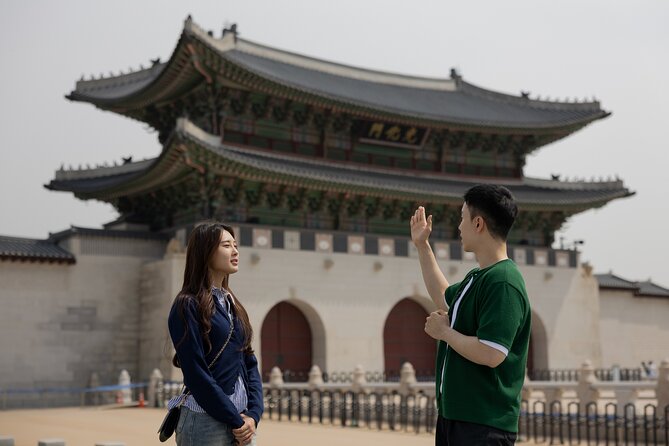
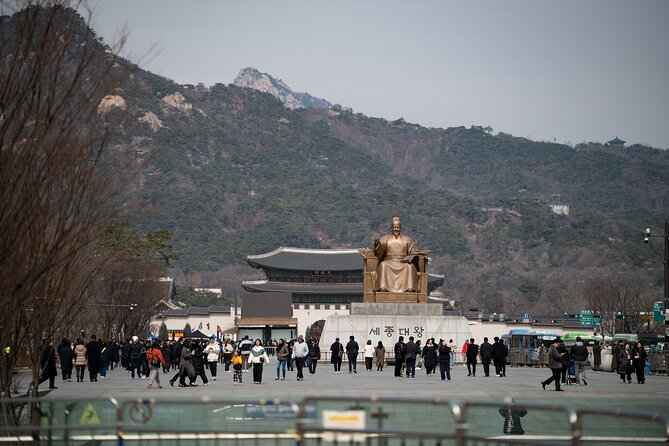
The walk begins at Gwanghwamun Square on Sejong-daero at 10:30 in the morning. This is a practical starting point because the square is central, easy to reach by public transport, and packed with political and historical meaning.
Allow about 15 minutes here. The formal space gives June a chance to set up the story of the Joseon Kingdom and explain why this location has mattered for so long. You begin with the older structure of Korean society before moving toward the modern state.
The value of this stop is not the amount of time spent looking at monuments. It is the framework. Joseon-era Confucian ideals help explain hierarchy, respect for elders, education, family duty, and social order. Those themes return later when the group discusses work and everyday behavior.
The square can also feel broad and exposed, depending on the weather. Your guide’s commentary matters here because the place itself does not automatically explain its connection to modern Korean life. Listen for the links between the old political center and the present-day capital.
The US Embassy and Korea’s complicated foreign ties
The next stop is the US Embassy and Consulate in the Republic of Korea, about 15 minutes away in the tour sequence. You look at the role of the United States in Korea, from the country’s establishment through the present.
This is a short stop, but the subject is large. Korea’s relationship with America is not a simple story of friendship or dependence. It connects to war, security, economic development, popular culture, and national identity. June also addresses how Koreans think about the United States, rather than giving you only an official diplomatic version.
This part will suit you if you want political context instead of a standard sightseeing circuit. It also gives the route a useful balance. The walk does not treat Korean society as an isolated product of ancient tradition. It shows how outside powers and postwar events helped shape the country.
You should not expect to enter the embassy or receive a long formal presentation at the building. The point is to view the area and use it as a prompt for discussion. Since the stop lasts around 15 minutes, questions are welcome, but the tour must keep moving.
Samcheongdong, shops, restaurants, and the cost of progress
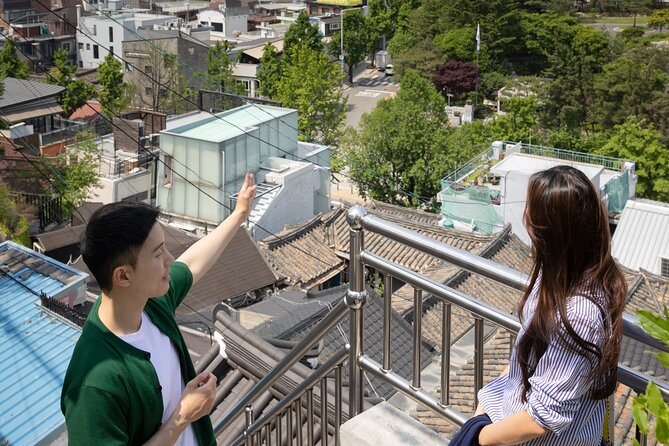
Samcheongdong-gil changes the mood. This is a retro-style street lined with shops and restaurants, and it helps show what modern development looks like at street level.
June uses the area to discuss Korea’s rapid growth and its side effects. You hear about working culture and the pressures created by a society that changed quickly from war-torn poverty to a major industrial and cultural power.
That connection is one of the tour’s best features. You are not parked in front of a memorial while someone recites facts. You are looking at a commercial neighborhood and asking what its businesses, design, and visitors reveal about Seoul. Growth brings opportunity, but it can also push up costs, alter local areas, and create tension between old communities and new commercial uses.
The scheduled time is about 15 minutes. That is enough for an introduction and a focused explanation, but not enough to browse every shop or stop for a meal. If you want to return for food or shopping, note the street and come back later. The tour is about interpretation, not a shopping break.
This is also where the walk begins to show how Korean society works in practice. Work is not presented as an abstract economic topic. It is tied to the way people spend time, manage status, and respond to fast change.
Same country, a completely different kind of day:
- Seoul: DMZ Tour with Optional Suspension Bridge
★ 4.8 · 5,277 reviews - Signature DMZ Tour: Exclusive Defector Talk & Suspension Bridge
★ 5.0 · 4,459 reviews - Thrilling Korean DMZ 3rd Tunnel Tour from Seoul + Red Bridge Rush
★ 5.0 · 3,097 reviews - DMZ Past and Present: Korean Demilitarized Zone Tour from Seoul
★ 5.0 · 2,481 reviews
Bukchon Hanok Village and the argument over preservation
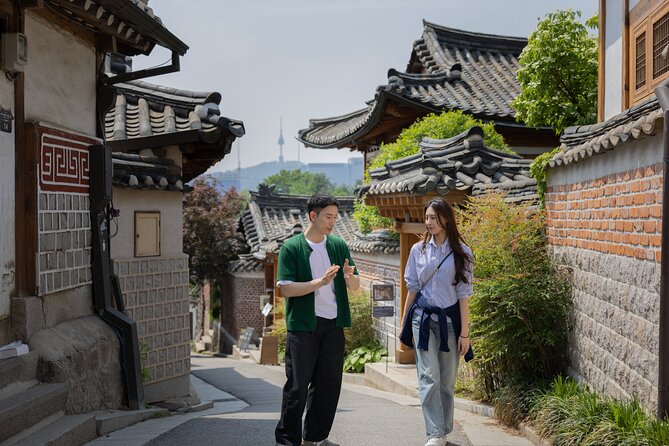
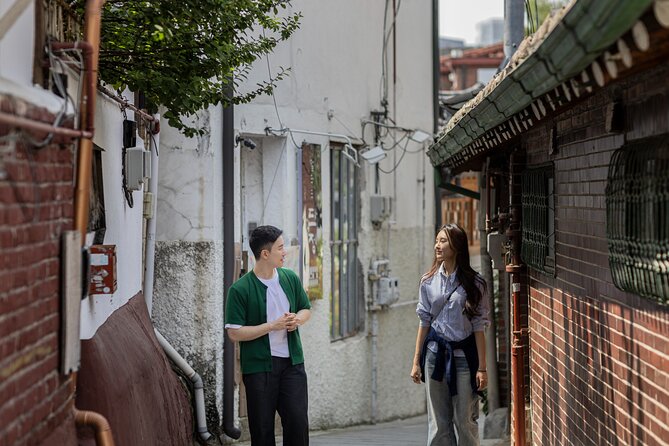
Bukchon Hanok Village receives about 25 minutes, the longest stop on the route. The area is known for traditional Korean homes, or hanok, and its lanes provide a direct look at the tension between preservation and development.
This is a valuable stop because Bukchon can be easy to misunderstand. At first glance, it looks like a photogenic old neighborhood. Yet a residential district is not a museum. People live there, businesses operate there, and the area must cope with the demands of Seoul’s property market and tourism.
June explains the conflict between protecting traditional buildings and allowing a modern city to change. That gives the hanok streets a practical meaning. You begin to ask who benefits from preservation, who bears the inconvenience, and how a city decides what should remain.
The village includes uphill sections, so wear shoes with a good grip. The walk is described as easy overall, but it is not completely flat. The lanes can also require care because the route moves through an active neighborhood rather than a closed attraction.
This stop is especially useful if your Seoul plans already include palaces and traditional architecture. Instead of only admiring the design, you consider how old housing fits into present-day life.
The University of North Korean Studies and a divided peninsula
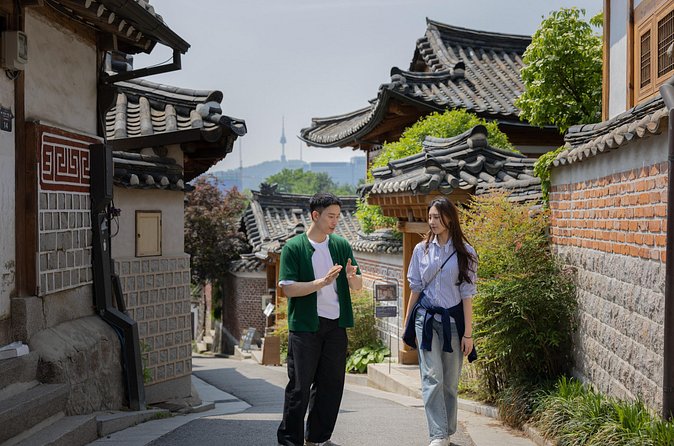
The final main stop is the University of North Korean Studies, described as the only college specializing solely in North Korea. The group spends about 20 minutes here before finishing in front of the Blue House.
For many people, this will be the most unusual part of the route. North Korea is often reduced to headlines, military news, or a dramatic border excursion. This stop gives you a chance to discuss the relationship in terms of Korean society and public attitudes.
June addresses how South Koreans think about North Korea. That subject is not fixed. It can involve family history, security concerns, political divisions, fatigue, curiosity, and changing views among younger generations. The college setting makes the topic feel connected to study and public debate rather than distant news coverage.
Do not expect access to a full campus program or a detailed academic lecture. The stop is part of a walking tour and lasts around 20 minutes. Its purpose is to give you a grounded introduction and help you understand why the North remains such a powerful issue in South Korea.
The route ends at Cheong Wa Dae, better known as the Blue House, at 1 Cheongwadae-ro. Finishing here is convenient. You can continue exploring Jongno, visit nearby sights, or use the ending point as a clear marker for your next plans.
From Joseon values to coffee shops and Korean spas
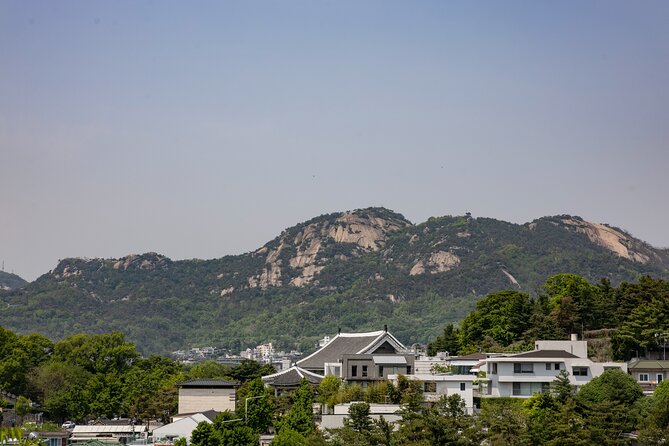
The tour’s most useful promise is its effort to connect major events with small social habits. You discuss Korean age hierarchy, for example, not as a strange custom for outsiders, but as part of a wider system shaped by Confucian ideas.
That context can make later experiences easier to read. You may notice how people ask one another’s age early in a conversation, how language changes according to status, or why seniority matters at work. June links these habits to history while keeping the explanation accessible.
The same approach applies to coffee culture and Korean spa culture. These subjects help balance the political material. Korea is not only palaces, war, and diplomacy. It is also cafes, social routines, shared relaxation, and modern urban habits.
The explanations are designed to be easy to follow. Several participants describe June as fluent, funny at times, and clear enough that the walk feels like a well-organized public lecture. That does not mean the tour is dry. The route keeps changing, and the guide leaves room for questions and conversation with other people in the group.
If you prefer a silent walk with only a few facts, this may feel too discussion-heavy. If you want to understand why the country works as it does, the mix is a strong point.
Is two hours enough for the subject?
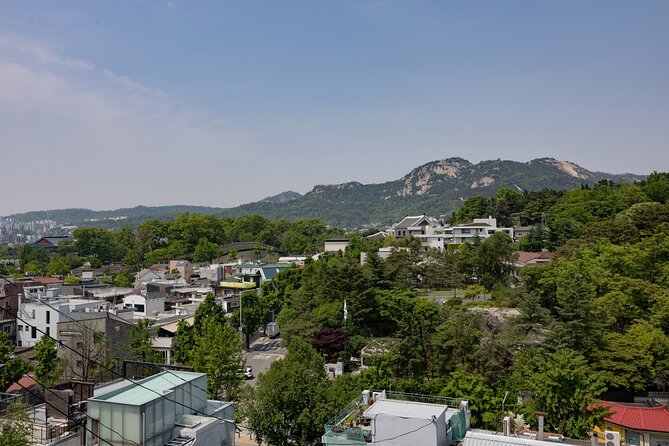
Two hours cannot explain every part of Korean history or society. It can, however, give you a useful map of the main forces at work.
The route spends roughly 15 minutes at Gwanghwamun Square, 15 minutes near the US Embassy, 15 minutes in Samcheongdong, 25 minutes in Bukchon, and 20 minutes at the University of North Korean Studies. The remaining time covers walking between stops, introductions, questions, and the transition to the Blue House.
This timing favors focus. You are less likely to lose interest than on a full-day lecture, and you still cover politics, history, architecture, work, foreign relations, and daily customs. One participant who joined several SeoulDude walks found the short format thoughtfully planned and easy to follow.
The trade-off is depth at each individual site. You will not have time to linger at every viewpoint, explore stores, or turn each location into a full museum visit. Think of the experience as a guided framework for Seoul, not a complete sightseeing day.
I would schedule it early in your Seoul stay. The ideas about age, status, work, North Korea, and preservation can help you interpret the rest of your trip. You may want to return to Bukchon or Samcheongdong afterward with more time.
Price, group size, and practical planning
At $14.10 per person, the tour offers good value if you want context rather than entry tickets. All listed stops are viewed from public areas, and no admission fees are included because none are needed for the route.
The real purchase is June’s time and explanation. A private guide would cost much more, while a large bus tour would make conversation harder. A maximum of 20 people keeps the price low without creating a very large crowd.
The start time is 10:30 am. Meet at Gwanghwamun Square, 172 Sejong-daero, Jongno District. The area is near public transportation, so it works well as a morning plan from many parts of central Seoul.
Bring comfortable walking shoes and check the forecast. The tour requires good weather, and poor conditions can lead to a new date or a full refund. You can cancel for a full refund up to 24 hours before the local start time. If the minimum group size is not met, the provider offers another date or experience, or a full refund.
Most people can take part, and the walk is generally easy. Still, the uphill parts in Bukchon and nearby streets may not suit anyone who needs a fully level route.
Who will get the most from this tour?
I would recommend it to first-time visitors who want more than a list of royal names and dates. It is also a good fit for returning visitors who have seen Seoul’s main sights but still feel unsure how history shapes present-day behavior.
The tour suits solo visitors, couples, and small groups. Its two-hour format leaves room for lunch and afternoon sightseeing, while the social pace gives solo participants a chance to talk with others.
It is particularly useful for people interested in:
- Korean politics and international relations
- Confucian values and age hierarchy
- The Korean War and postwar development
- North and South Korean relations
- Traditional neighborhoods under modern pressure
- Everyday culture, including work, cafes, and spas
You may want a different activity if your priority is palace interiors, food tasting, shopping, or extensive photography. The route passes places with those possibilities, but June’s focus is explanation. The experience is strongest when you come ready to ask why.
Should you book the Gwanghwamun Tour?
Book it if you want a short, affordable way to understand the forces behind modern South Korea. June brings together Joseon social values, postwar capitalism, foreign influence, North Korea, preservation, and daily customs in a route that feels varied rather than classroom-bound.
Skip it if you want a relaxed photo walk with little discussion. The tour is information-led, and the short schedule keeps the group moving. For most curious visitors, though, the $14.10 price and central route make this an easy choice, especially near the start of a Seoul trip.
FAQ
How long does the Gwanghwamun Tour last?
The tour lasts approximately two hours, with a 10:30 am start.
Where does the tour begin?
It begins at Gwanghwamun Square, 172 Sejong-daero, Jongno District, Seoul.
Where does the tour finish?
The walk finishes in front of the Blue House, also called Cheong Wa Dae, at 1 Cheongwadae-ro.
Is the walk difficult?
It is described as an easy walk, but a few parts go uphill. Comfortable shoes are recommended.
What is the maximum group size?
The tour accepts a maximum of 20 participants.
Can I cancel for a full refund?
Yes. You must cancel at least 24 hours before the experience start time for a full refund. Poor weather or failure to meet the minimum number of participants may also lead to an alternative date or a full refund.
Just added around Seoul
- Alpaca, Nami, Petite Fr, Italian Village, Garden of Morning Calm★ 3.5 · 5 reviews
- Gyeongbokgung palace,seoul with gigibebe hanbok rental★ 4.5 · 12 reviews
- Private tour guide service in Seoul, Korea★ 5.0 · 6 reviews
- Gyeongju UNESCO Sites Tour by KTX train; The Museum Without walls★ 4.5 · 11 reviews
- Private day trip to Korean Folk Village & Dae Jang Geum Park★ 5.0 · 7 reviews
- Private tour Lotte World,Tower,Aquarium(All Tickets are included)★ 5.0 · 12 reviews
- Full Day Private Seoul Tour for foodies★ 5.0 · 3 reviews
- Seoul Private Custom Walking Tour with A Guide (Private Tour)★ 4.5 · 28 reviews
Seoul Tours, compared.
Best DMZ Tour Korea from Seoul (Red Suspension Bridge Optional)
Read our review →
DMZ Tour: 3rd Tunnel, Option(Suspension Bridge, Boat) from Seoul
Read our review →
DMZ tour south Korea from Seoul (NK experience hall, defector)
Read our review →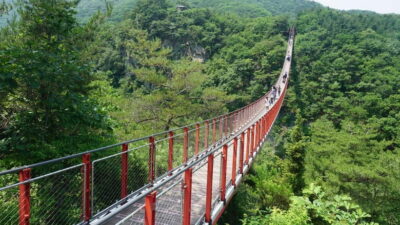
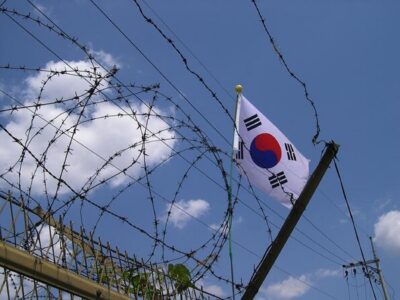
Thrilling Korean DMZ 3rd Tunnel Tour from Seoul + Red Bridge Rush
Read our review →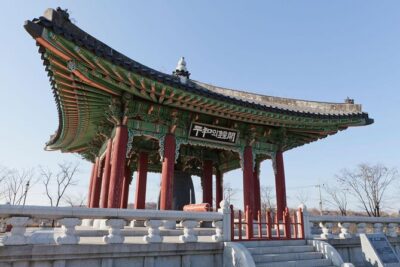
DMZ Past and Present: Korean Demilitarized Zone Tour from Seoul
Read our review →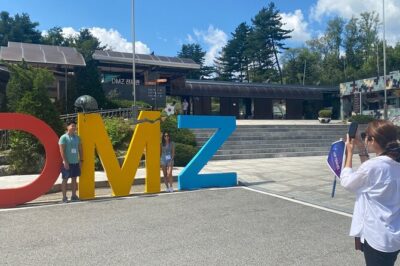
Ultimate Korea DMZ Tour from Seoul (Gondola & Suspension Bridge)
Read our review →