
Reviewed · COOKING CLASSES
Korea Cooking Class with 3 stars Michelin Chef & Content creators
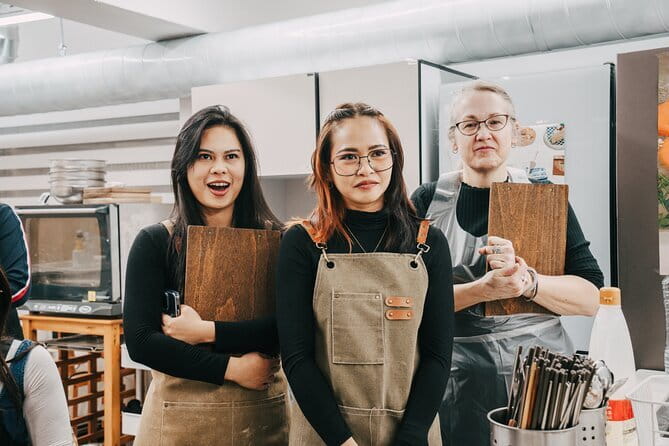
The star of this Seoul experience is the unusual pairing of a three-star Michelin chef and Koreanbong, a friendly content creator who keeps the room social and easygoing. In about two hours, you learn about Korean food, watch a professional demonstration, cook three dishes, and sit down to eat what you made.
I like the practical format: you get recipe papers, work in small groups of two to four, and have access to one of four large sinks. I also like the relaxed dinner afterward, with coffee, tea, alcohol, bottled water, and Korean cultural games included. The main thing to check is the market portion. The description mentions a local market visit, but the scheduled stops list Lotte World Tower and Mall and Lotte World, so confirm the exact plan before booking.
Key points to know before booking
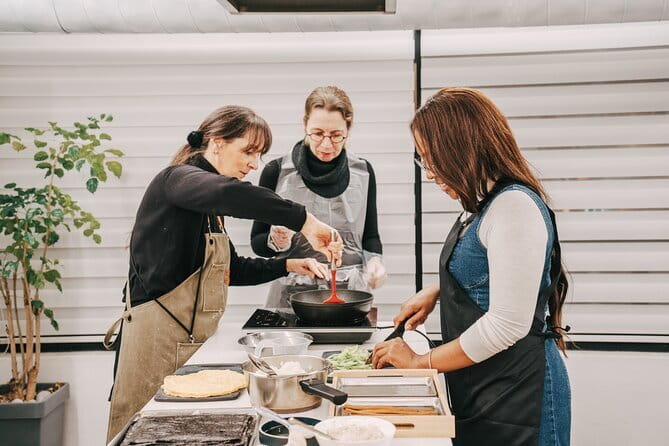
- Three-star Michelin instruction: A professional chef demonstrates the day’s cooking for about 30 minutes.
- Three Korean dishes: Each group prepares different menus, giving the class a shared-meal feel.
- Small cooking teams: Groups contain two to four people, with a maximum class size of 16.
- Koreanbong leads the social side: The content creator host helps create a warm, family-friendly setting.
- Dinner and drinks included: Eat your finished dishes with coffee, tea, alcohol, and bottled water.
- Evening location: Meet at 175 Ogeum-ro in Seoul’s Songpa District at 7 p.m., near public transportation.
Why this Seoul cooking class is different
Many cooking classes give you a recipe, a chopping board, and a quick meal. This one adds two distinct hosts with different jobs. The chef handles technique and demonstration, while Koreanbong handles conversation, introductions, and the cultural side of the evening.
That split matters. A Michelin-level chef can show you professional methods, but a highly polished kitchen lesson can sometimes feel stiff. Koreanbong’s role is meant to soften the mood and help people talk while they cook. If you are arriving alone in Seoul, that social touch may be just as useful as the recipe.
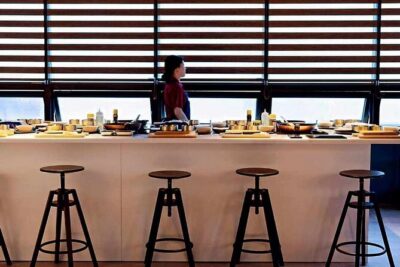
The class is held in a kitchen large enough for up to 16 people. That is not a tiny private lesson, but it is also not a massive demonstration where you watch from the back. Four large sinks serve four groups, and each group has two to four people. You should have a clear role in the cooking rather than simply standing around.
The format is especially suitable for people who want an activity, not just a meal. You are expected to take part, follow the chef’s demonstration, and prepare food with your group. Bring a willingness to share tasks, since each group cooks different dishes.
A few more Seoul trips to weigh up
- Local Home Korean Cooking Class & Market Adventure in Seoul
★ 5.0 · 1,024 reviews - Master Korean traditional cooking with a Kimchi chef
★ 5.0 · 385 reviews - Seoul: Korean Cooking Class at a Local Home and Market Tour
★ 5.0 · 348 reviews
The 7 p.m. start in Songpa
The meeting point is 175 Ogeum-ro in Songpa District, with a 7 p.m. start. The area is near public transportation, which is helpful because private transportation is not included. You will need to make your own way there and return to the same meeting point when the class ends.
The location is close to the Lotte World area, one of Seoul’s major entertainment districts. The scheduled stops identify Lotte World Tower and Mall and Lotte World. These names may help you orient yourself, but the core activity is the kitchen class, not a sightseeing tour of the tower or amusement park.
Give yourself enough time to find the meeting point. Evening appointments near a major attraction can be busy, and a cooking class works best when you arrive ready to listen rather than rushing in at the last minute. The exact venue details should be checked with the provider after booking, since confirmation is sent within 48 hours and depends on availability.
The class lasts about two hours. That makes it easy to fit into an evening in Seoul, though it also means the schedule is fairly focused. You will not have hours to linger over every cooking technique or wander through a market at length.
First session: Korean food in 15 minutes
The class begins with personal introductions. This is a small but useful step, especially when people arrive from different countries and may not know anyone else in the room.
After introductions, the hosts give a 15-minute presentation on Korean cuisine history. The presentation adds context to the dishes instead of treating them as isolated recipes. You learn why Korean food is organized around shared dishes and traditional ways of eating, at least in broad outline, before you begin cooking.
Do not expect a long lecture. Fifteen minutes is enough to set the scene without taking over the evening. I like this balance because the class remains hands-on. You get some cultural background, then move quickly to the food.
Korean cuisine is often built around contrast: cooked and fresh ingredients, soft and crisp textures, salty and spicy notes, and dishes shared across the table. The class description promises three typical Korean dishes, though the specific menus are not provided in advance. If you have allergies, strong dislikes, or dietary limits, ask about the menu before committing.
Second session: a 30-minute chef demonstration
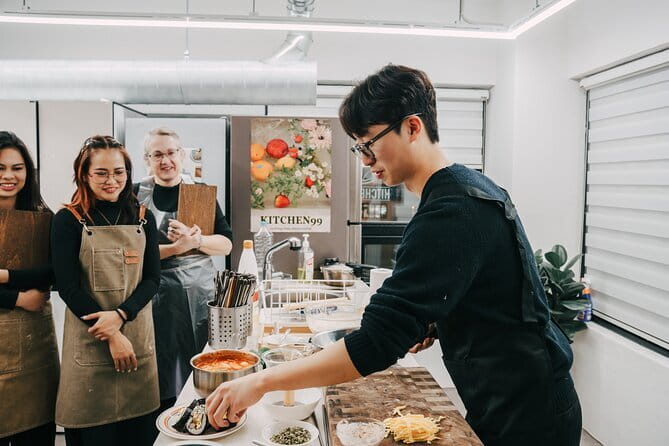
The three-star Michelin chef then gives a 30-minute cooking demonstration. This is the most technique-focused part of the class, so pay attention to the order of steps and not only the finished appearance.
A live demonstration is valuable because Korean cooking can depend on timing, cutting, heat, and texture. A recipe may tell you what to add, but a chef can show how the food should look during the process. That visual detail is often what makes a dish easier to repeat at home.
You do not have to rely on memory alone. Recipe papers are provided for each team, which is a practical feature. Keep the sheet nearby during the cooking period, and use it to note any adjustments or tips that are not obvious from the printed instructions.
The chef also shares cooking tips and practical methods. The description does not specify the dishes or the exact techniques, so I would not book this expecting a particular stew, pancake, noodle dish, or barbecue recipe. Think of the menu as part of the surprise unless the provider confirms it beforehand.
Same country, a completely different kind of day:
- Best DMZ Tour Korea from Seoul (Red Suspension Bridge Optional)
★ 5.0 · 41,422 reviews - DMZ Tour: 3rd Tunnel, Option(Suspension Bridge, Boat) from Seoul
★ 5.0 · 21,373 reviews - DMZ tour south Korea from Seoul (NK experience hall, defector)
★ 5.0 · 20,599 reviews - Seoul: DMZ Tour with Optional Suspension Bridge
★ 4.8 · 5,277 reviews
Third session: cooking in groups of two to four
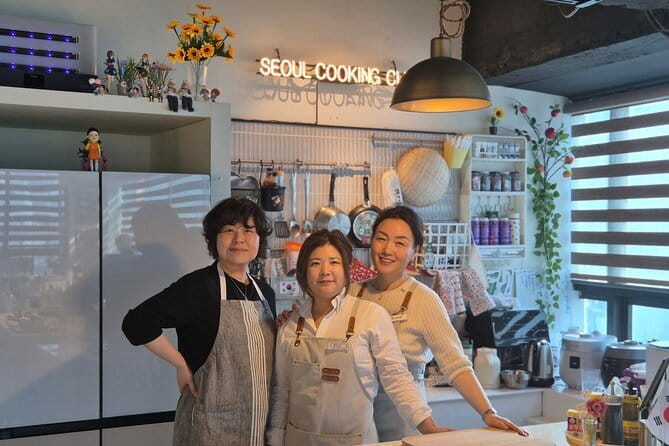
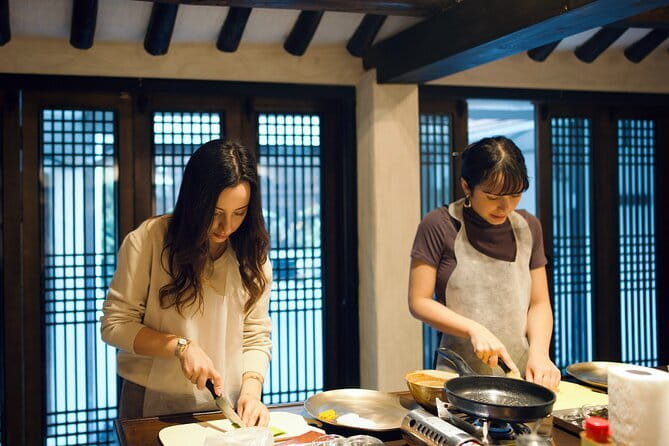
After the demonstration, you start cooking. Four large sinks serve four groups, and each group has a capacity of two to four people. The maximum class size is 16, so the setup is designed around four small teams.
Each group cooks different menus. That creates a nice reason to pay attention at dinner, since you may get to see and taste dishes beyond the one your own group prepared. It also gives the room a cooperative rhythm: separate teams work on different foods, then bring the results together for the meal.
Small groups are a real advantage here. You can divide tasks, ask questions, and stay involved. The tradeoff is that your experience may depend partly on how well your group shares the work. If you want a private lesson with one chef focused only on you, this is not that. It is a social class with shared equipment and shared responsibility.
The kitchen is described as family-friendly, which suggests an informal tone rather than a formal culinary school setting. Koreanbong’s communication skills are part of that design. You can expect introductions, conversation, and help keeping the room connected as people cook.
A good approach is to take an active role early. Volunteer for a task, follow the printed recipe, and ask the chef about steps that seem unclear. Since the class is only about two hours, there may not be time for every person to receive extended one-on-one coaching.
Fourth session: sit down for the meal
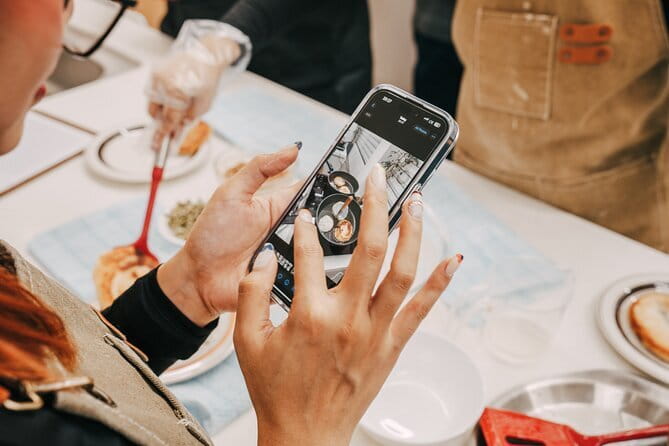
Once the cooking ends, the class moves directly into dining time. You eat dinner with the dishes prepared during the session, which gives the lesson a clear payoff.
This part is more than simply filling your stomach. You can compare the different group menus and see how the separate cooking stations come together as a Korean-style shared meal. The format also lets you talk with the other people in the room without trying to chop, stir, and listen at the same time.
Coffee and tea are included, along with alcoholic beverages and bottled water. The presence of alcohol may suit adults looking for a relaxed evening, but the available choices and serving details are not specified. If you do not drink, you still have nonalcoholic options.
The hosts also prepare special games or events during the dining period. These are intended to teach Korean cultural points as a bonus. The exact games are not listed, so expect a light cultural activity rather than a formal lesson or performance.
I like this ending because it turns the class into a shared evening instead of a quick cooking appointment. The strongest praise attached to the experience focuses on the warm welcome and professional approach. That fits the structure: a chef gives the technical instruction, while Koreanbong helps the meal feel more like a gathering.
The local market question
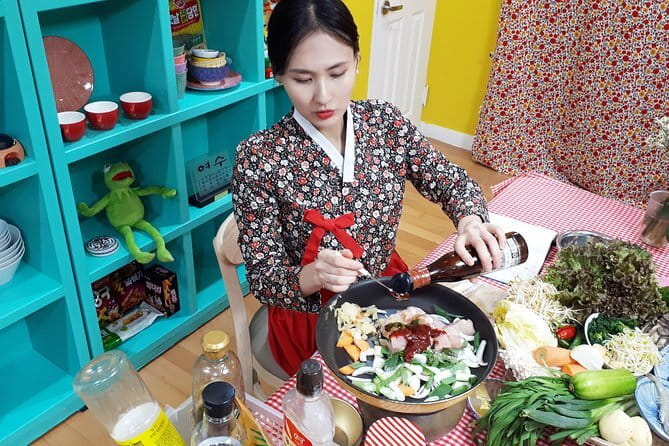
The experience description says that before the class, you visit a local market, choose unusual ingredients, and learn about traditional ways of life. That could be one of the most interesting parts for people who want to connect food with daily life in Seoul.
However, the scheduled stops shown for the activity are Lotte World Tower and Mall and Lotte World. The information does not clearly explain how those stops relate to the market visit, or whether the market is part of the same two-hour evening session.
This is worth clarifying before you pay. Ask the provider if the market visit is included on your date, how long it lasts, and where it takes place. Do not assume that the listed Lotte World stops mean you will tour those attractions, either. They may simply identify the area around the meeting point.
If the market visit is confirmed, allow for a broader experience that connects ingredients with Korean food culture. If it is not included, the class still offers the chef demonstration, cooking, dinner, and cultural games, but the experience is more kitchen-centered than market-centered.
Is $70.44 a fair price?
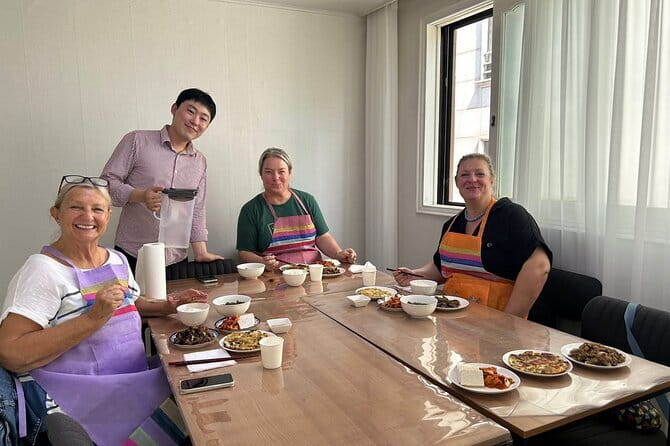
At $70.44 per person, this class is not the cheapest way to eat dinner in Seoul. You can find Korean meals for much less, and a restaurant will not require you to wash, chop, or cook.
The value comes from what is bundled into the price. You receive roughly two hours of instruction, a 30-minute demonstration by a three-star Michelin chef, ingredients for three dishes, dinner, recipe papers, cultural activities, and drinks. You also get the social benefit of a small-group activity led by two hosts.
I see the price as reasonable for someone who wants both a meal and a structured experience. It is less compelling if your only goal is to sample Korean food cheaply, or if you already cook Korean dishes confidently and do not care about the cultural side.
The class size helps the value. A maximum of 16 people, divided into groups of two to four, gives you a better chance to participate than a large auditorium-style event. Still, the experience is not private, and the menu is not specified. Those are the two main factors to weigh.
Who will enjoy this most?
I would recommend this class to several kinds of people:
- First-time visitors to Seoul who want an organized introduction to Korean food.
- Solo visitors and couples who enjoy meeting people through an activity.
- Food-focused travelers who want professional cooking instruction rather than only restaurant recommendations.
- Families and mixed-age groups looking for a friendly evening activity.
- Home cooks who appreciate printed recipes and practical chef tips.
- People staying near Songpa who want something close to the Lotte World area.
It may be less suitable for someone seeking a quiet private lesson, a fixed menu announced well in advance, or a full market tour. It is also not a good choice if your schedule may change, since the experience is non-refundable and cannot be amended after booking.
The minimum number of participants also matters. If the provider cancels because that minimum is not met, you are offered another date or experience, or a full refund. That protects you from losing the payment in that specific situation, but it does not make the booking flexible for a personal cancellation.
Practical planning for the evening
The meeting time is 7 p.m., and the activity returns to the meeting point at the end. Private transportation is not included, so plan your route using public transportation or your own arrangements.
Wear something comfortable for a kitchen setting. Specific clothing rules are not provided, so you should not assume that an apron, special shoes, or protective clothing will be supplied. The class includes bottled water, but bringing only what you need is sensible for a short evening activity.
The provider sends confirmation within 48 hours, subject to availability. Since the experience is often reserved about 24 days ahead, booking early may be wise if your Seoul dates are fixed. That advance booking pattern also suggests you should not leave this until the last night of your trip.
The class has a maximum of 16 participants and a 5 out of 5 rating based on 16 submitted ratings, with 100 percent recommending it. One especially positive response highlights the professional approach and the warm welcome. Those points match the experience’s strongest selling feature: it combines high-level cooking instruction with a friendly host rather than relying on the chef alone.
Should you book the Korean cooking class?
Book it if you want a hands-on Korean dinner with a professional chef, printed recipes, small cooking groups, and a social host. The chef demonstration gives the class real instructional value, while Koreanbong and the cultural games keep it from feeling like a technical workshop.
Before booking, confirm the market visit and the exact menu. The available details are clear about the four sessions, included drinks, meeting point, timing, and group size, but not about the three dishes or how the market fits into the evening.
For food lovers, first-time Seoul visitors, and anyone who likes learning by doing, the $70.44 price is sensible. Skip it if you want a private class, need flexible cancellation, or simply want the least expensive Korean meal you can find.
FAQ
Where does the cooking class meet?
The meeting point is 175 Ogeum-ro, Songpa District, Seoul, South Korea.
What time does the experience begin?
The class starts at 7 p.m.
How long does the activity last?
The experience lasts approximately two hours.
How many people can join the class?
The maximum group size is 16 participants.
How large are the cooking groups?
Each group has a capacity of two to four people. Four large sinks are available for four groups.
What food and drinks are included?
Dinner, coffee or tea, alcoholic beverages, and bottled water are included.
Is transportation included?
No. Private transportation is not included, although the meeting point is near public transportation.
Does the class include a market visit?
The experience description includes a local market visit to select ingredients, but the scheduled stops shown are Lotte World Tower and Mall and Lotte World. Confirm the exact market arrangement with the provider before booking.
What happens if the class is canceled because too few people book?
If the minimum number of participants is not met and the provider cancels the activity, you are offered a different date or experience, or a full refund.
Just added around Seoul
- Gyeongbokgung palace,seoul with gigibebe hanbok rental★ 4.5 · 12 reviews
- Private tour guide service in Seoul, Korea★ 5.0 · 6 reviews
- Alpaca, Nami, Petite Fr, Italian Village, Garden of Morning Calm★ 3.5 · 5 reviews
- Gyeongju UNESCO Sites Tour by KTX train; The Museum Without walls★ 4.5 · 11 reviews
- Private day trip to Korean Folk Village & Dae Jang Geum Park★ 5.0 · 7 reviews
- Private tour Lotte World,Tower,Aquarium(All Tickets are included)★ 5.0 · 12 reviews
- Full Day Private Seoul Tour for foodies★ 5.0 · 3 reviews
- Seoul Private Custom Walking Tour with A Guide (Private Tour)★ 4.5 · 28 reviews
Cooking Classes, compared.
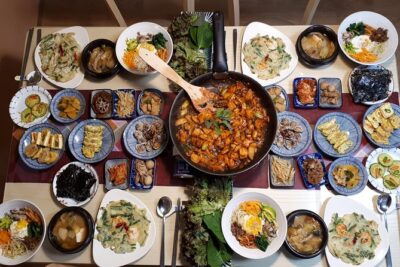
Local Home Korean Cooking Class & Market Adventure in Seoul
Read our review →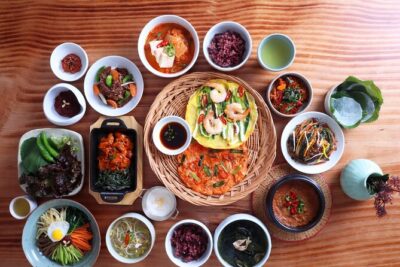
Master Korean traditional cooking with a Kimchi chef
Read our review →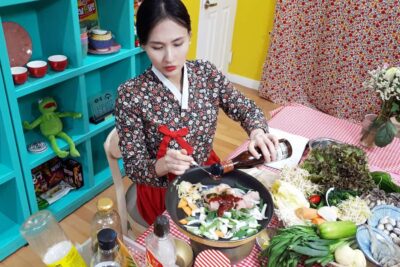
Korean Cooking Class at a Local Home and Market Tour
Read our review →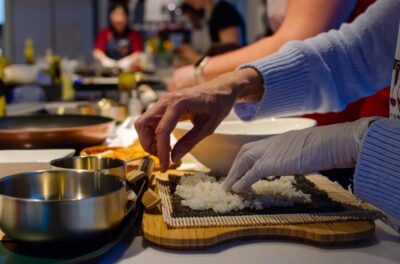
Korean Cooking Class with Grocery Shopping at Seoul Local Market
Read our review →
Royal Seoul Cooking Class in a 100-Year-Old Hanok
Read our review →Browse the lists this tour appears in