
Reviewed · WORKSHOPS
Makgeolli Brewing Class
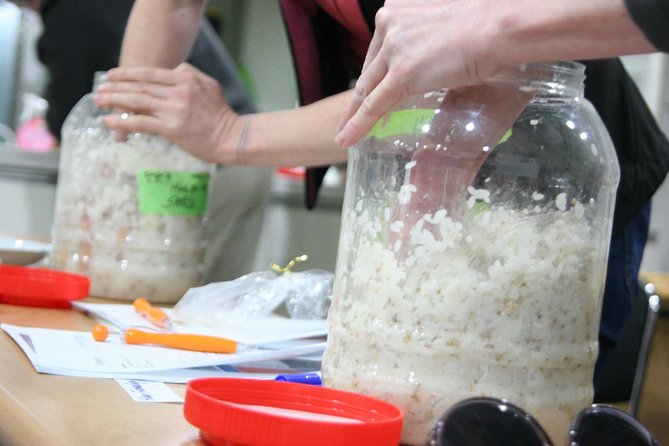
Makgeolli looks simple in the glass, milky, lightly fizzy, and often served in a metal bowl. Making it is another matter. This 2.5-hour workshop in Seoul’s Hyehwa neighborhood shows you how rice becomes Korea’s traditional rice wine, from washing the grains to filtering the finished brew.
I like two things here. First, you do real hands-on work rather than simply watching a demonstration. Second, the class connects the method to Korean drinking culture, with tastings of home-brewed makgeolli and other Korean alcohols. The main consideration is the price: at $75, it is not a quick tasting stop, so you will get the best value if you want to understand the process and try brewing at home.
The class is held at a working brewery, not a generic cooking studio. Instructors including Omar and Inji explain the process carefully, answer questions, and let you practice. The class has a maximum of 20 people, so the experience may feel social rather than private.
Key points at a glance
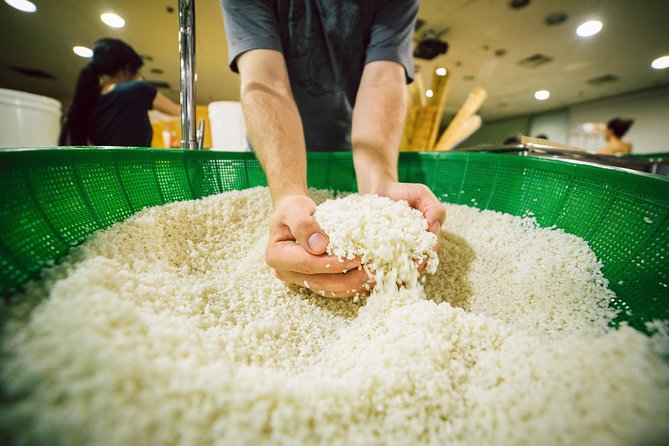
- Wash, ferment, and filter rice: Follow the main steps used to prepare makgeolli at home.
- Taste before you make: Sample home-brewed makgeolli and learn how Korean alcohol differs by style.
- Learn from working brewers: Instructors such as Omar and Inji bring hands-on industry experience to the lesson.
- Choose your takeaway: Leave with an ingredient kit for a future brew or a bottle of makgeolli.
- Visit the brewery shop: After class, you can look at alcoholic drinks selected from different parts of South Korea.
- Simple Hyehwa meeting point: Meet at 1:00 p.m. on the second floor of 229 Changgyeonggung-ro in Jongno District.
Why makgeolli makes a good Seoul class
Makgeolli is one of Korea’s most approachable traditional drinks. It is made from rice and has a soft, cloudy appearance, but its flavor depends on the fermentation method, the ingredients, and how the drink is filtered. A class gives you the missing piece that a bar visit cannot: a clear sense of how the drink is made.
That matters because makgeolli is not just a beverage to sample between sightseeing stops. It is part of Korean food culture, and learning the basic method helps you understand why bottles can taste so different. Some are sweet and gentle. Others are sharper, more sour, or more strongly fermented.
The class also gives you a useful activity for a Seoul afternoon. The start time is 1:00 p.m., and the experience lasts about two hours and 30 minutes. You can plan it between a morning visit to another part of Seoul and an evening meal, though you should allow extra time afterward if you want to browse the brewery shop.
A few more Seoul trips to weigh up
- Learn and Craft Makgeolli in a Traditional Brewery
★ 5.0 · 12 reviews
Arriving at the Hyehwa brewery
You meet at The Sool Company on the second floor of 229 Changgyeonggung-ro, in Seoul’s Jongno District. The location is near public transportation, which makes it easier to reach than a workshop far outside the central sightseeing areas.
Hyehwa is a useful setting for this type of activity. It is a neighborhood with a strong connection to Seoul’s arts and university life, and it feels different from the major palace and shopping districts. The class itself takes place in a functioning makgeolli brewery, so you are learning in a place where Korean alcohol is actually produced.
The meeting instructions are specific, but you should still leave enough time to find the building and reach the second floor. A mobile ticket is accepted, and booking confirmation is sent at the time of reservation.
The opening lesson: Korean alcohol and fermentation
The class begins with an introduction to Korean alcohol, known broadly as sool. You learn about different types and the fermentation techniques that give Korean drinks their character.
This opening section is important because it puts makgeolli in context. Without it, the practical work could feel like a recipe lesson. With it, you see that the same basic ingredients can produce very different results depending on how they are handled.
The instructors explain the process in plain, practical terms. Omar is noted for taking time with questions and explaining both how makgeolli is made and why it matters in Korean culture. Inji is praised for detailed instruction and giving the group plenty of chances to taste and try the steps directly.
The tone appears to be friendly and patient, but this is still a group class. With a maximum of 20 people, you should expect some shared instruction rather than constant one-on-one attention. The upside is that a group can make the tasting and hands-on parts more social.
Tasting home-brewed makgeolli
Before making your own batch, you taste home-brewed makgeolli. This is one of the strongest parts of the experience because it gives you a target for the practical lesson.
Pay attention to the texture as well as the taste. Makgeolli can feel creamy, lightly sparkling, sweet, tart, or rustic. The cloudy look is part of its appeal, but the filtering stage changes how much rice sediment remains in the final drink.
Tasting also helps you understand why the brewing steps matter. You are not just measuring ingredients for the sake of following a formula. You are seeing how rice, fermentation, and filtering affect what ends up in your cup.
The class includes alcohol tasting, so this is not the right choice if you want a completely alcohol-free activity. The supplied details do not state how many samples are served or whether nonalcoholic alternatives are available. Plan on an alcohol-focused afternoon.
Same country, a completely different kind of day:
- Best DMZ Tour Korea from Seoul (Red Suspension Bridge Optional)
★ 5.0 · 41,422 reviews - DMZ Tour: 3rd Tunnel, Option(Suspension Bridge, Boat) from Seoul
★ 5.0 · 21,373 reviews - DMZ tour south Korea from Seoul (NK experience hall, defector)
★ 5.0 · 20,599 reviews - Seoul: DMZ Tour with Optional Suspension Bridge
★ 4.8 · 5,277 reviews
Washing rice and building the brew
The practical portion starts with washing rice. This sounds basic, but it is a useful place to begin because it makes the process feel accessible. You do not need to arrive with brewing experience. The class takes you through the work in order.
From there, the instructors explain the fermentation stage. Fermentation is what gives Korean alcohol its flavor, strength, and character, and it is the part most likely to seem mysterious if you have only bought makgeolli in a shop.
You learn the techniques used to prepare the brew and get instructions you can use after returning home. The goal is not just to produce something during class. You leave with a working understanding of how to continue brewing on your own.
That distinction affects the value of the $75 price. If you want only a bottle of makgeolli, buying one will cost much less. If you want a guided lesson, tastings, and the chance to repeat the process at home, the fee makes more sense.
Filtering the finished makgeolli
The class takes you through the final filtering process. This is where the drink begins to look and feel more like the makgeolli served in Korea.
Filtering is also a good reminder that the finished drink is not a single fixed style. How much of the fermented rice remains can affect the texture and appearance. The instructor explains what you are doing, rather than asking you to perform a step without context.
The hands-on format is particularly useful here. You see the change from a rice-based mixture to a drink you can recognize. That kind of before-and-after moment is hard to get from a standard tasting session.
You should not expect to leave with a fully aged, long-fermented personal batch. The activity teaches the method and gives you the basic ingredients or a bottle to take home. The supplied details do not promise that a complete brew made during the class will be ready to drink at the end.
Choosing your takeaway
At the end, you can choose between an ingredient kit and a bottle of makgeolli. This is a practical touch, since the two choices suit different people.
Choose the ingredient kit if you want to repeat the lesson at home. It gives you the basic ingredients needed to recreate your own brew and makes the class more than a one-afternoon activity. You will need to be willing to follow through after your Seoul visit, and the supplied details do not specify the kit’s exact contents, size, or shelf life.
Choose the bottle if you prefer an immediate souvenir or do not want to manage a home fermentation project. It is the simpler option and removes the need to think about brewing after the class.
Because the exact choice is available at the end, you can decide based on your luggage, travel plans, and interest in making alcohol at home. If you are flying soon, check your own airline and destination rules before packing a bottle or ingredients.
Exploring Korean drinks after class
The activity ends back at the meeting point, but you can visit the shop afterward. It carries alcoholic drinks selected from across South Korea, giving you a chance to see how broad the country’s drinking culture is beyond makgeolli.
This is a useful extra for anyone who wants to keep tasting after the lesson. You can compare regional styles and look for a bottle to pair with Korean food later in your trip.
The shop visit is optional in practical terms, but it adds value to the outing. You are already in a brewery, and the shop lets you continue the subject without needing to find another alcohol store elsewhere in Seoul.
The details do not state that drinks purchased in the shop are included in the $75 fee. Treat the shop as a separate buying opportunity and budget accordingly.
How the instruction affects the experience
The strongest teaching feature is the balance between explanation and practice. The instructors cover history, alcohol tasting, and brewing steps, then give you time to try the process yourself.
Omar’s teaching style is described as patient and open to questions. That matters in a class involving fermentation, since small terms and steps can be confusing if the instructor rushes. Inji is also singled out for detailed explanations and plenty of tasting.
You should still keep expectations realistic. This is a short introductory workshop, not a professional brewing qualification. You will learn the basic method and leave with enough information to continue at home, but the class cannot cover every variable that affects fermentation in a two-and-a-half-hour session.
The maximum group size of 20 is reasonable for a lively workshop, though people who want private instruction may prefer a smaller class. The available rating is 5 out of 5 from 21 ratings, with 100 percent recommending it. That is a strong signal for satisfaction, especially around the teaching and hands-on format, but the sample is still small.
Is $75 a fair price?
At $75 per person, this is a mid-priced cultural activity for Seoul. You are paying more than the cost of a brewery visit or a bottle of makgeolli, but the fee includes instruction, tastings, practical work, and a takeaway choice.
The value is strongest for three kinds of people:
- You want an activity that teaches a real Korean food or drink tradition.
- You enjoy hands-on classes more than sightseeing talks.
- You plan to make makgeolli again at home.
The value is weaker if you are mainly looking for a casual drink. In that case, Seoul has plenty of less expensive ways to taste makgeolli, and you may not need a two-and-a-half-hour workshop.
The ingredient kit improves the value if you use it. It turns the class into a starting point for another brew rather than a single memory. If you choose the bottle instead, the class still offers a useful introduction, but the takeaway has less lasting value.
Who should book this class?
I would recommend this for curious food lovers, home brewers, couples, friends, and anyone who wants a break from Seoul’s palaces and shopping streets. It suits people who enjoy asking questions, handling ingredients, and learning why a familiar drink tastes the way it does.
It is also a good choice for repeat visitors to Seoul. If you have already seen the major sights, a local brewery class gives you a different way to spend an afternoon in Jongno District.
Families with children should check the alcohol arrangements before booking. The activity includes alcohol tasting, and the supplied details do not state a minimum age or provide a child-focused version.
You should also think about your schedule. The class begins at 1:00 p.m. and ends at the same location after roughly two hours and 30 minutes. It is not a drop-in activity, so plan around the fixed start time.
Booking, group size, and cancellation
Your confirmation arrives when you book, and the mobile ticket makes entry straightforward. The class is near public transportation, and the maximum group size is 20 people.
Free cancellation is available if you cancel at least 24 hours before the 1:00 p.m. start time. Cancellations or changes made less than 24 hours ahead are not refunded or accepted, and the cut-off follows Seoul local time.
The class requires a minimum number of participants. If the provider cancels because that minimum is not met, you can choose another date or experience, or receive a full refund.
Should you book the Makgeolli Brewing Class?
Book it if you want more than a taste. The best parts are the step-by-step work, the chance to compare home-brewed makgeolli, and the option to take ingredients home for another batch.
Skip it if your Seoul plans are tight, you do not drink alcohol, or you only want a quick beverage stop. At $75, this class earns its price through instruction and participation, not through the bottle alone.
For most food-focused visitors, I would put it on the shortlist. You leave with a better understanding of Korean rice wine, a bottle or brewing kit, and a practical memory of Seoul that does not come from simply looking at another landmark.
FAQ
Where does the makgeolli class take place?
The class takes place at The Sool Company, on the second floor of 229 Changgyeonggung-ro in Seoul’s Jongno District.
What time does the class start?
The class starts at 1:00 p.m.
How long does the experience last?
The experience lasts approximately two hours and 30 minutes.
How much does the class cost?
The listed price is $75 per person.
What will I learn during the class?
You will learn the basics of makgeolli brewing, including washing rice, fermentation techniques, and the final filtering process.
Is alcohol tasting included?
Yes. The class includes alcohol tasting and samples of home-brewed makgeolli.
What can I take home?
You can choose an ingredient kit for making your own brew or a bottle of makgeolli.
How many people can join the class?
The activity has a maximum of 20 participants.
Can I cancel for a refund?
Yes. You can cancel at least 24 hours before the start time for a full refund. Changes or cancellations made less than 24 hours before the start are not accepted or refunded.
Just added around Seoul
- Gyeongbokgung palace,seoul with gigibebe hanbok rental★ 4.5 · 12 reviews
- Private tour guide service in Seoul, Korea★ 5.0 · 6 reviews
- Alpaca, Nami, Petite Fr, Italian Village, Garden of Morning Calm★ 3.5 · 5 reviews
- Private day trip to Korean Folk Village & Dae Jang Geum Park★ 5.0 · 7 reviews
- Private tour Lotte World,Tower,Aquarium(All Tickets are included)★ 5.0 · 12 reviews
- Gyeongju UNESCO Sites Tour by KTX train; The Museum Without walls★ 4.5 · 11 reviews
- Full Day Private Seoul Tour for foodies★ 5.0 · 3 reviews
- Seoul Private Custom Walking Tour with A Guide (Private Tour)★ 4.5 · 28 reviews
Workshops, compared.
Local Home Korean Cooking Class & Market Adventure in Seoul
Read our review →
Korean Cooking Class at a Local Home and Market Tour
Read our review →
Yongpyong Ski Resort from Seoul with Optional Lesson and Packages
Read our review →
Korean Cooking Class with Grocery Shopping at Seoul Local Market
Read our review →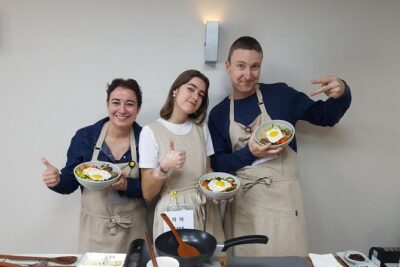
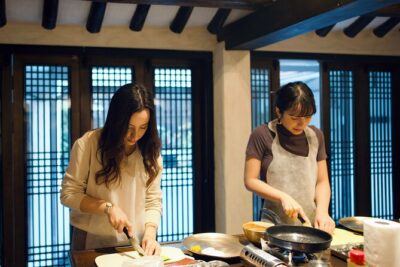
Royal Seoul Cooking Class in a 100-Year-Old Hanok
Read our review →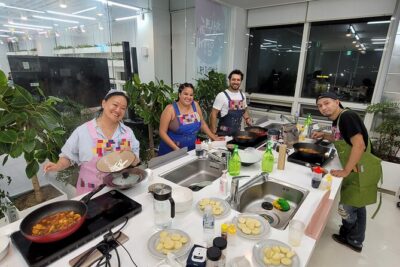
Busan Tailored Korean cooking class (Vegan OK)with market tour
Read our review →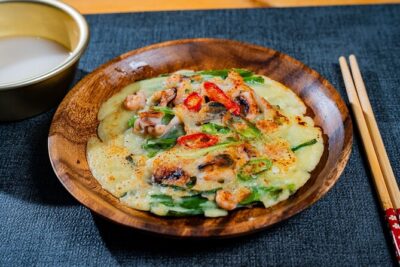
Taste of Korea, Authentic Home-Style Cooking Class
Read our review →Browse the lists this tour appears in