
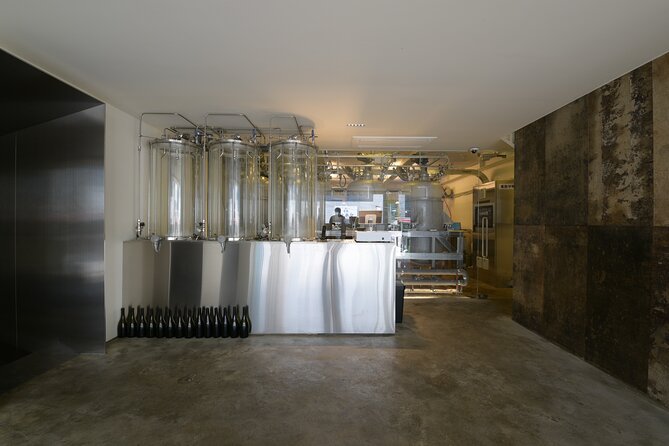
Reviewed · FOOD & DRINK
Rice Wine Tasting with Sommelier – Finest Makgeolli (& Soju)
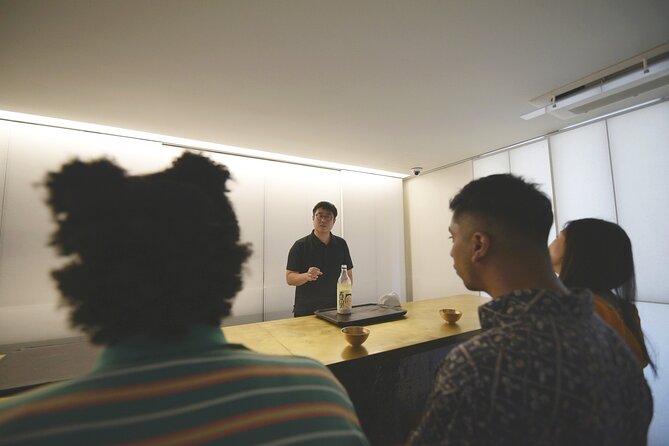
Korean rice wine is far more varied than the sweet, cloudy drink many people first encounter. In a small backroom at Sool Society, sommelier Jay and certified brewer Sam introduce you to rare makgeolli from local producers, explaining how fermentation, ingredients, and place shape each bottle.
I like the small group of no more than 10, which gives the tasting a personal feel, and I like the easy Hapjeong Station location inside a mall. The main thing to consider is the strict non-refundable policy, so you should book only when your Seoul schedule is firm.
Key points
- Rare makgeolli from across Korea: Taste bottles that are not commonly found in ordinary Seoul shops.
- Two hosts with different strengths: Jay brings sommelier training, while Sam is a certified Korean alcohol brewer.
- A useful introduction to Korean rice wine: Learn how unfiltered makgeolli is made and why its cloudy appearance matters.
- Small-group setting: The experience accepts a maximum of 10 people.
- Easy Hapjeong meeting point: Sool Society is in the basement level of Mecenatpolis, connected to Hapjeong Station.
- English-friendly experience: The host speaks perfect English, making the explanations accessible to international visitors.
Why Makgeolli Deserves More Than One Sip
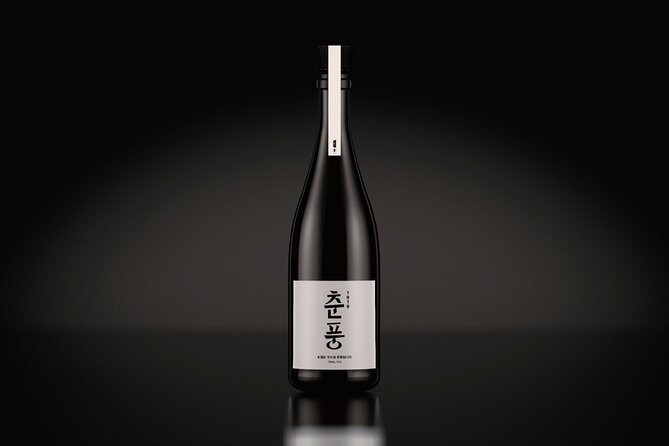
Many visitors know Korean soju because it appears on nearly every Korean restaurant table. Makgeolli deserves equal attention, but it is a different sort of drink.
Makgeolli is fermented rice wine. It is usually unfiltered, which gives it a milky or hazy appearance and a soft body. Its flavor can change greatly from one bottle to the next, so treating all makgeolli as one sweet, fizzy drink misses the point.
That variety is the heart of this tasting. Jay and Sam have explored hundreds of makgeollis made around Korea, including bottles from small local producers that rarely reach a wide audience. You are not simply trying a famous brand and moving on. You are being shown different styles and categories, with an explanation of what makes each one worth noticing.
I find this especially useful if you have already tried makgeolli in a restaurant and want to understand what was in your glass. The session gives you a framework for comparing bottles instead of relying only on sweetness or alcohol strength.
A few more Seoul trips to weigh up
- Seoul: Wine & Korean BBQ, Perfect Pairing Dinner in Sinchon
★ 5.0 · 6 reviews - Rice Wine Tasting with Sommelier – Finest Makgeolli (& Soju)
★ 5.0 · 3 reviews - 4-Hours Hiking and Tasting Rice Wine in the Mountain of Busan
★ 5.0 · 79 reviews
A Backroom Tasting at Sool Society
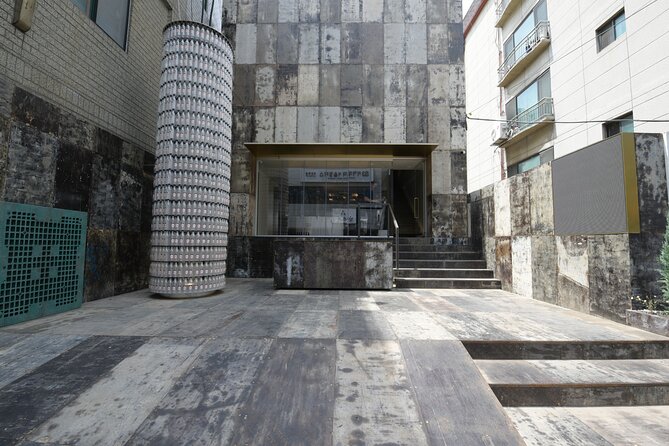
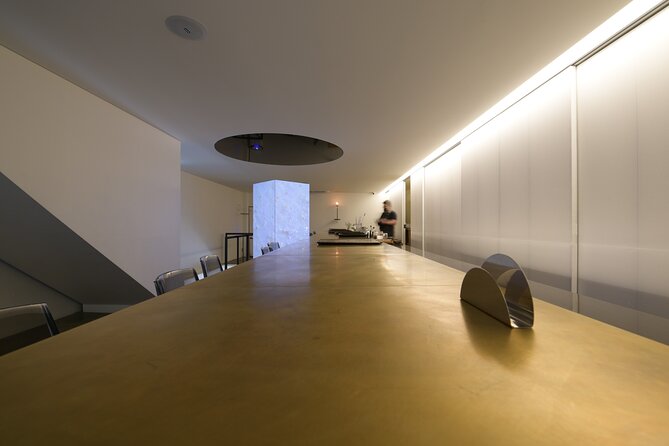
The setting is part of the appeal. Sool Society is a small specialty rice wine shop in the basement of Mecenatpolis, a mall connected to Hapjeong Station in Mapo-gu.
The tasting takes place in a backroom rather than a large sightseeing venue. That matters because the focus stays on the bottles and the conversation. You are not being moved through a busy attraction or asked to keep up with a large group.
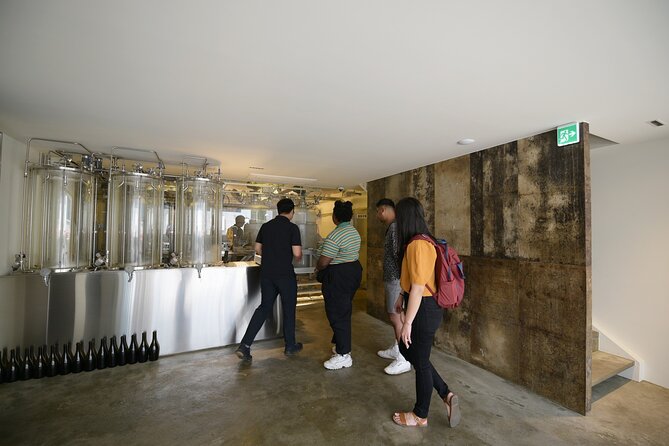
At the same time, the venue is not a grand traditional brewery. If you want an expansive production tour with tanks, rice fields, or a full meal, this is not that kind of experience. It is a focused tasting in a specialist shop.
The location is practical for an evening plan. The start time is 5:00 pm, and the session lasts about 1 hour and 20 minutes. Since it ends where it begins, you can continue with dinner or drinks in the Hapjeong area without arranging a separate return transfer.
Give yourself enough time to locate the basement shop inside the mall. The address is Sool Society, Mecenatpolis basement level 1, shop B139, at 45 Yanghwa-ro, Mapo-gu, Seoul.
Meeting Jay and Sam
The hosts are a major reason to choose this experience. Jay is a Korean liquor sommelier, and Sam is a certified Korean alcohol brewer. Their roles suggest two useful angles: one focused on tasting and comparison, the other on how Korean alcohol is produced.
Sam leads the tasting and explains the drinks in English. That is important for a subject with unfamiliar terms and techniques. Good translation is not only about changing Korean words into English. It also helps explain why the drink looks cloudy, how fermentation affects flavor, and why small producers matter.
The hosts also bring a personal connection to the subject. They have searched across Korea for interesting bottles rather than limiting the session to the most widely sold labels. That gives you access to a side of Korean drinking culture you may not find in a convenience store or standard barbecue restaurant.
The group limit of 10 keeps the format manageable. A group this size should allow you to hear the explanations clearly and ask questions without turning the tasting into a lecture. It also makes the experience a good choice for solo visitors who want a social activity without committing to a large tour.
What the 80-Minute Tasting Covers
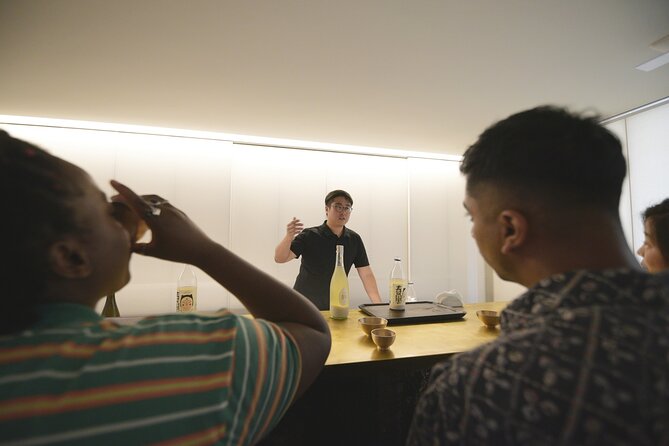
The exact bottle lineup can change, and no fixed number of pours is stated. What is clear is that the session is built around a selection of fine and rare makgeollis from different parts of Korea.
You can expect the tasting to cover several categories rather than one repeated style. That comparison is useful because makgeolli is not defined by a single taste. Some bottles may be lighter, sweeter, sharper, drier, or more textured than the one you know from a Korean restaurant.
The hosts explain the background behind the drinks as you taste. You learn about production, the drink’s place in Korean culture, and the role of smaller regional brewers. One of the strongest parts of the experience is this link between the glass and the people who make it.
I would pay attention to how each bottle changes as you taste it beside the others. Look at texture, aroma, sweetness, acidity, and the sense of fermentation. You do not need formal tasting experience. The point is to notice differences and leave with a better sense of what you like.
The session also helps correct a common misunderstanding. Makgeolli is often treated as a cheap, casual drink, but the range of regional styles and careful production can be much broader. This tasting presents the drink as a serious part of Korean alcohol culture without making the experience stiff or overly formal.
Same country, a completely different kind of day:
- Best DMZ Tour Korea from Seoul (Red Suspension Bridge Optional)
★ 5.0 · 41,422 reviews - DMZ Tour: 3rd Tunnel, Option(Suspension Bridge, Boat) from Seoul
★ 5.0 · 21,373 reviews - DMZ tour south Korea from Seoul (NK experience hall, defector)
★ 5.0 · 20,599 reviews - Seoul: DMZ Tour with Optional Suspension Bridge
★ 4.8 · 5,277 reviews
The Cultural Side Makes the Tasting Better
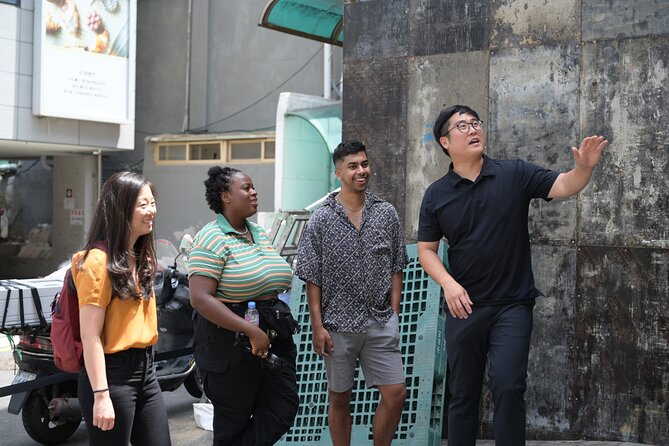
The best reason to book this is not simply the chance to drink unusual bottles. It is the explanation of how Korean alcohol fits into local culture.
The tasting connects makgeolli with Korea’s brewing traditions and with the small producers who continue to make distinctive versions. That context gives meaning to the differences in your glass. Instead of asking only if you like a particular flavor, you begin to understand why that bottle exists and what makes it different.
The experience also gives you a useful correction to the familiar green bottle of soju. Soju is only one part of Korean drinking culture. The session makes room for a wider picture, with makgeolli at the center.
The cultural discussion is particularly valuable for first-time visitors. You may have ordered makgeolli with Korean food, but you might not know how it is made or why it is unfiltered. By the end, you should have enough background to order it with greater confidence and recognize that one bottle may be very different from another.
Buying Bottles to Take Home
One practical benefit is the chance to purchase products from the shop after the tasting. This gives you a way to continue exploring Korean rice wine after your visit.
The option is useful if you find a style you enjoy and want to remember it. It also lets you buy something more distinctive than a standard souvenir. Small-producer bottles may be difficult to find outside Korea, so the shop can be a good place to choose a bottle while the hosts’ explanations are still fresh.
You should check your own airline and destination rules before buying alcohol to take home. The experience information confirms that purchases are possible, but it does not specify bottle sizes, packaging, shipping, or export arrangements.
I would also avoid planning a packed activity immediately afterward. The tasting lasts only 80 minutes, but browsing the shop and deciding what to buy may add a little time. The 5:00 pm start works well as the first stop in an evening centered on Korean food and drink.
How the $40.85 Price Measures Up
At $40.85 per person, this is not a bargain drink stop. It is also more than the cost of ordering one bottle of ordinary makgeolli at a restaurant.
The value depends on what you want from the evening. If your goal is simply to have a quick glass of rice wine, you can spend much less elsewhere. If you want access to uncommon bottles, clear English explanations, and guidance from a sommelier and certified brewer, the price is easier to justify.
You are paying for selection and interpretation. Without guidance, rare makgeolli can be difficult to compare, especially if labels and brewing terms are unfamiliar. Here, the hosts have already searched across Korea and selected examples meant to show the range of the category.
The small group also helps the value. A maximum of 10 people is a better fit for questions and conversation than a large, impersonal tasting room. For someone curious about Korean alcohol, the price is reasonable for a compact specialist session, particularly if you plan to buy a bottle afterward.
Who Will Enjoy This Most
I would recommend this to adults who enjoy food and drink experiences with a strong local connection. You do not need to be a wine expert. Curiosity is more important than a trained palate.
It suits you especially well if:
- You have tried makgeolli but know little about how it is made.
- You want to taste bottles from small Korean producers.
- You prefer a small group over a large city tour.
- You value clear English explanations.
- You are staying near Hongdae, Mapo, or another part of western Seoul.
- You want an early evening activity that ends at a convenient transit point.
It may be less suitable if you dislike fermented drinks, want a full brewery visit, or prefer a tasting built around food pairings. The available details focus on rice wine, education, and bottle comparison, not on a meal or a longer production tour.
Only adults are permitted. For 2024, participants must have been born in 2005 or earlier. That rule is worth checking against your age before booking.
Practical Tips for a Smooth Visit
Book ahead if this tasting fits your plans. It is booked, on average, about nine days in advance, and the group limit is only 10 people.
Use the station connection to your advantage, but do not assume the mall layout will be instantly clear. The meeting point is on basement level 1 at shop B139. Arriving early gives you time to find Sool Society without cutting into the tasting.
Keep the 5:00 pm start in mind when planning dinner. The activity ends back at the same meeting point after roughly 80 minutes, so an evening meal afterward is the natural pairing.
The mobile ticket makes entry simple. Confirmation is sent when you book, and the venue is near public transportation.
The cancellation terms require careful planning. This experience is non-refundable and cannot be changed after booking. If poor weather causes the operator to cancel, you are offered another date or a full refund, but a personal change of plans does not qualify for a refund.
The Separate Soju Option
The host also offers a different soju tasting at a small distillery with 400 years of family history. That is not the same activity as this makgeolli session.
If your main interest is soju, check the host’s profile for that separate option rather than assuming this tasting includes a full soju program. The experience described here is centered on makgeolli, with the chance to learn about Korean alcohol more broadly through the hosts.
This distinction matters because visitors often group all Korean alcohol together. The two tastings appear to offer different settings and subjects: a specialty shop session for makgeolli here, and a distillery visit for soju in the other experience.
Should You Book This Makgeolli Tasting?
Book it if you want more than a familiar bottle of Korean alcohol and you enjoy learning through comparison. The combination of rare regional makgeolli, an English-speaking host, a sommelier, a certified brewer, and a small Hapjeong setting gives the session a clear purpose.
I especially like it for a first Seoul visit when you want one activity that explains a part of Korean culture you might otherwise miss. It also works for returning visitors who have already seen the major sights and want a more specialized evening.
Skip it if you are looking for a long brewery tour, a full dinner, or a casual low-cost drink. At $40.85, the experience makes sense when you value access to unusual bottles and the story behind them.
For most adults curious about Korean food and drink, this is a focused and worthwhile 80 minutes. Just confirm your schedule before paying, arrive ready to find the basement shop, and leave room afterward to browse for a bottle to take home.
FAQ
Where does the makgeolli tasting take place?
It takes place at Sool Society, a specialty rice wine shop in Mecenatpolis basement level 1, shop B139, at 45 Yanghwa-ro in Seoul’s Mapo-gu district.
Is the meeting point connected to public transportation?
Yes. Sool Society is in a mall connected to Hapjeong Station, and the venue is near public transportation.
What time does the experience begin?
The tasting starts at 5:00 pm.
How long does the tasting last?
The experience lasts approximately 1 hour and 20 minutes.
How many people can join?
The activity has a maximum of 10 participants.
Who leads the tasting?
Jay is a Korean liquor sommelier, and Sam is a certified Korean alcohol brewer. Sam leads the tasting in English.
Are children allowed to attend?
No. Only adults are allowed. In 2024, participants must have been born in 2005 or earlier.
Can I cancel for a refund?
No. The experience is non-refundable and cannot be changed for any reason. If the operator cancels because of poor weather, you are offered a different date or a full refund.
Just added around Seoul
- Seoul: Korean & English Language Exchange Global Party★ 5.0 · 28 reviews
- From Seoul: Yongpyong Ski Day Tour with Transportation★ 4.9 · 40 reviews
- You’re Invited to Our Home in Seoul: The Only Cooking Class!★ 5.0 · 8 reviews
- Your Personal Seoul Photographer!★ 4.1 · 15 reviews
- From Seoul: Hwacheon Ice Fishing and Lighting Festival Tour★ 4.5 · 4 reviews
- Unique Native Experience : Han River Picnic, Board game, BBQ★ 5.0 · 3 reviews
- Seoul: Gangneung BTS K-Pop & K-Drama Filming Locations Tour★ 4.6 · 14 reviews
- Seoul Private RV tour, explore real Korea from Past to Future★ 5.0 · 5 reviews
Food & Drink, compared.
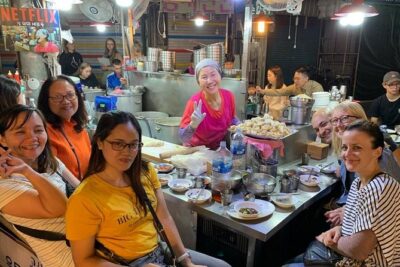
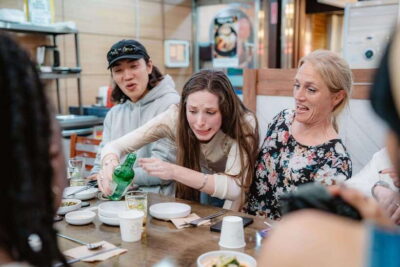
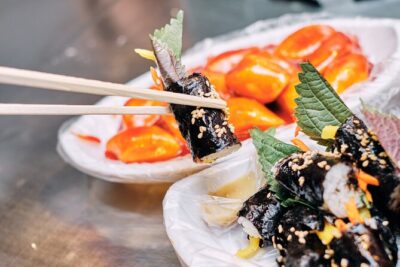
Downtown Seoul Guided Food & Market Tour with 8+ Local Tastings
Read our review →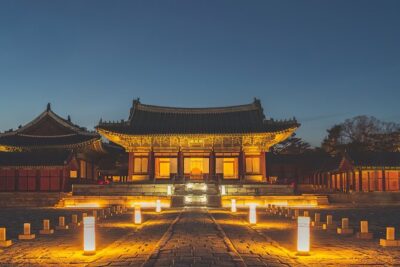
Seoul Night Palace & Market Food Tour with Vehicle
Read our review →
Seoul Fun Food Tour: 12 different food tastings
Read our review →
The Award-Winning PRIVATE Food Tour of Seoul: The 10 Tastings
Read our review →
Baseball Game Ticket with Dinner/Beer with the host
Read our review →Browse the lists this tour appears in