Reviewed · SEOUL TOURS
Savoring Authentic Korean Liquor and Cuisine
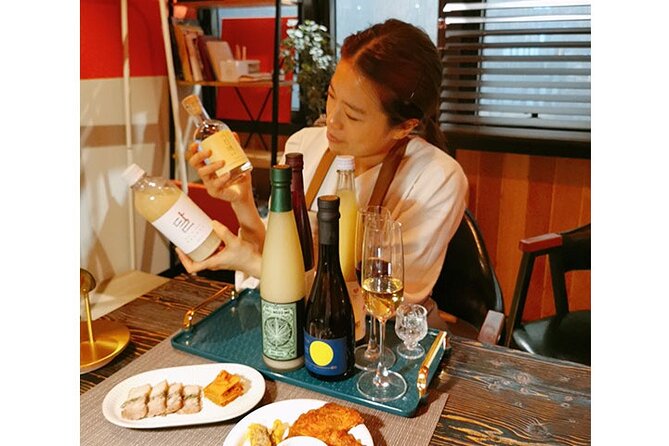
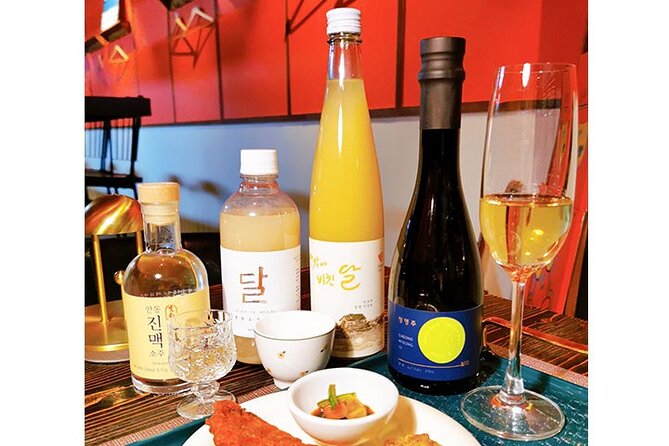
Korean drinking culture gets a proper introduction at Lodge Magok, where chef Hyesun serves three traditional liquor styles with homemade anju, the food eaten alongside a drink. This is not a tasting of familiar green-bottle soju. It focuses on small-batch Korean alcohol from local breweries across the country.
I like the small group size, capped at six, because it gives Hyesun room to explain the drinks and talk with you. I also like the food pairing: vegetable pancake, meat pancake, and kimchi bibim noodles give the alcohol a useful Korean context instead of treating each sample as an isolated sip.
The main consideration is the location. Lodge Magok is in Seoul’s Gangseo-gu, not in the central tourist core, so you should allow time to reach Magok-dong by public transportation. The tasting lasts about 90 minutes, and all alcohol is limited to people aged 18 and over.
Key Points
- Three distinct Korean liquor styles: Taste takju, cheongju, and distilled liquor in one sitting.
- Chef Hyesun leads the session: A world traveler and restaurant owner, Hyesun explains the drinks and their place in Korean food culture.
- Anju is part of the lesson: Expect Korean dishes such as vegetable pancake, meat pancake, and kimchi bibim noodles, depending on ingredient supply.
- Small-brewery selection: The lineup comes from local producers around Korea and may include bottles not sold in ordinary shops or restaurants.
- A compact 90-minute format: It fits neatly into a Seoul day, though the tasting is focused rather than leisurely.
- Maximum of six people: The intimate setting suits anyone who prefers conversation over a large organized group.
What Makes This Korean Liquor Tasting Different
The biggest appeal is the chance to taste Korean alcohol as a food culture, not simply as a shot or souvenir bottle. Many people know soju as the inexpensive spirit served in a green bottle. This experience points you toward a much wider world of traditional drinks made by small breweries.
Hyesun’s selection includes alcohol from different parts of Korea. That matters because the tasting is not built around one mass-market brand or one standardized flavor. You may notice differences in body, sweetness, acidity, aroma, and finish from one sample to the next.
The basic ingredients are simple: Korean rice, mineral water from a mountain, and naturally fermented yeast. The interest comes from how those ingredients are handled. Brewing methods, fermentation, and distillation can produce very different results from a short list of raw materials.
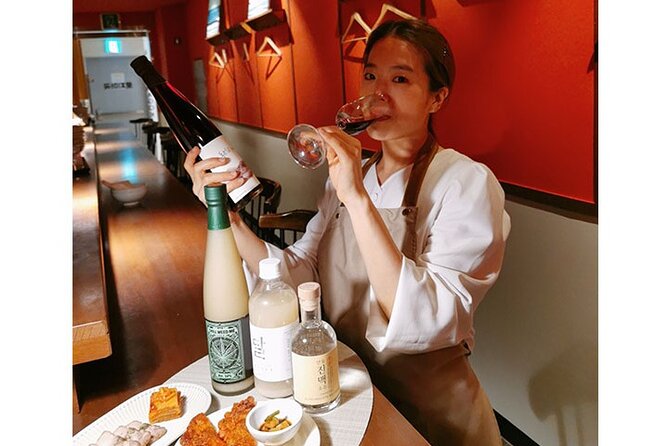
Hyesun also gives you the background needed to understand what is in your glass. The session covers the history of Korean traditional liquor and introduces three broad categories: takju, cheongju, and distilled liquor. You do not need prior knowledge, and the format should work well if you are trying Korean drinks for the first time.
Other Seoul days worth booking alongside this:
- Best DMZ Tour Korea from Seoul (Red Suspension Bridge Optional)
★ 5.0 · 41,422 reviews - DMZ Tour: 3rd Tunnel, Option(Suspension Bridge, Boat) from Seoul
★ 5.0 · 21,373 reviews - DMZ tour south Korea from Seoul (NK experience hall, defector)
★ 5.0 · 20,599 reviews
The Three Styles You Will Taste
The tasting is organized around three types of traditional liquor. This gives the session a clear arc and helps you compare texture and strength instead of sampling unrelated bottles.
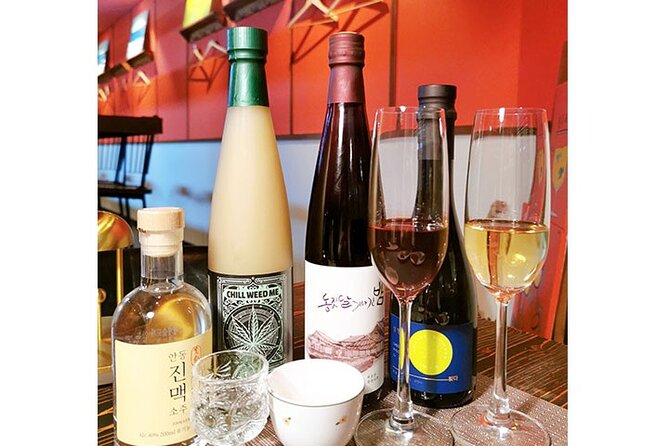
Takju is the cloudy style most closely associated with traditional makgeolli. It is generally known for its opaque appearance and soft, grain-based character, though the exact flavor depends on the brewery and recipe. Here, the point is to move beyond factory-made makgeolli and taste a more carefully selected version.
Cheongju is a clear rice wine. Compared with takju, it offers a cleaner appearance and a different mouthfeel. It can be an eye-opening category for anyone who assumes all Korean rice alcohol tastes like makgeolli.
The third category is distilled liquor. This is where the tasting makes the strongest contrast with standard table soju. Traditional distilled drinks can show more variety in aroma and finish, and the sample gives you a chance to consider Korean distilling as its own tradition rather than a copy of another country’s spirits.
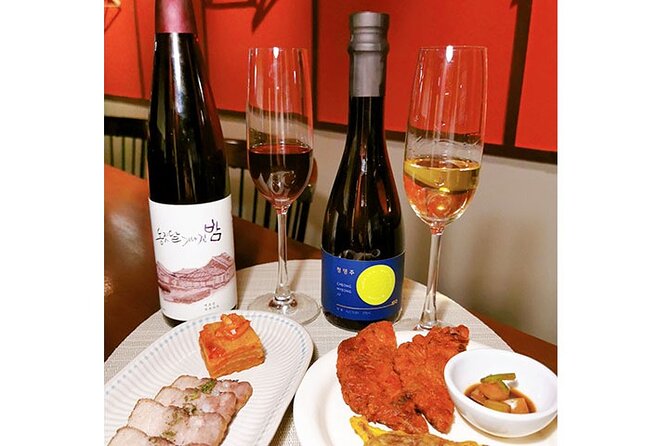
The exact bottles are not specified in advance, and that is part of the character of the session. Hyesun selects drinks from different local breweries, so the lineup may change. Ingredient availability also affects the food served with them.
Anju Turns the Tasting Into a Meal
Korean drinking is closely tied to food. A drink is often ordered with something savory to share, and that food is called anju. Lodge Magok builds the tasting around this idea instead of treating the dishes as a token snack.
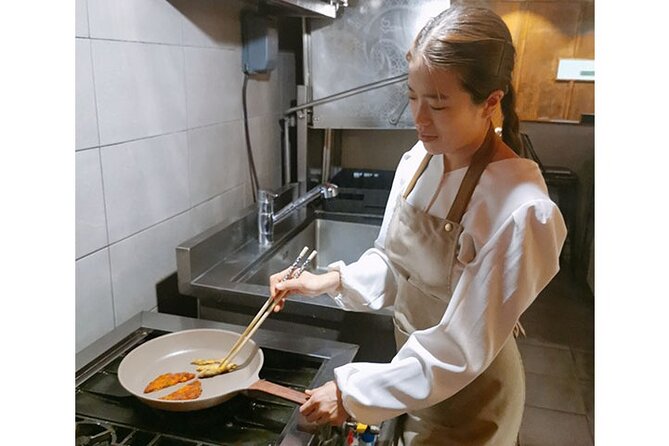
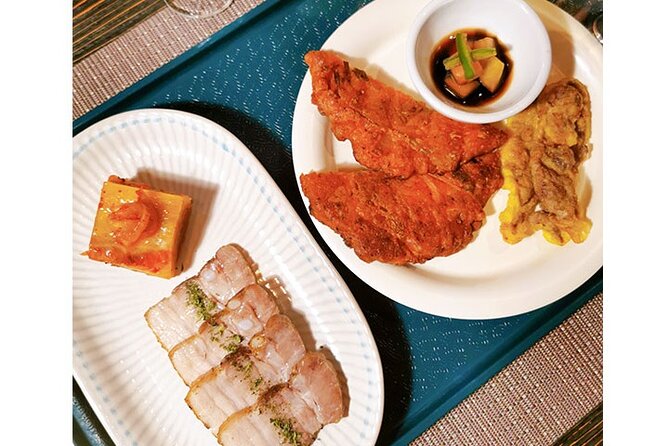
You may be served vegetable pancake, meat pancake, and kimchi bibim noodles. The exact selection can depend on supply and demand for ingredients, so you should not book this expecting a fixed menu. Still, the examples suggest a useful range of textures and flavors: crisp pancake, savory meat, and spicy noodles.
This pairing is one of the strongest reasons to choose the experience. Food changes how alcohol tastes, and alcohol changes how food tastes. A pancake can soften the effect of a stronger drink, while a spicy or savory dish can make a lighter rice wine seem more refreshing.
It also gives you a practical lesson in how to drink Korean liquor. You are not only learning names and production methods. You are seeing what Koreans eat with these drinks and how the flavors work together at the table.
If you have food allergies, contact Hyesun through WhatsApp after booking. The host specifically asks you to discuss allergies and other details before the appointment. That step is important because the dishes can change.
Meeting Chef Hyesun at Lodge Magok
The experience takes place at Lodge Magok, a restaurant in Magok-dong in Seoul’s Gangseo-gu district. The full address is 171 Jungang-ro, Naru Station Private Tower II, room 207, written in Korean as 로찌마곡, 나루역프라이빗타워Ⅱ 207호.
The activity begins and ends at the same location. It is near public transportation, but no specific station exit or route is provided, so check the address carefully before setting out. I would save the Korean name and address on your phone rather than rely only on an English map pin.
Hyesun is both the owner and chef. Her background as a world traveler shapes the social side of the session. The stated aim is not just to give a lecture, but to share travel stories and make the tasting feel like a meeting with a local host.
That personal format is a good match for you if you like asking questions. With no more than six people, the group should feel more like a table gathering than a bus tour. The tradeoff is that this is not a large, formal production with several rooms or a long museum-style presentation. It is a compact meeting centered on the table.
Same country, a completely different kind of day:
- Seoul: DMZ Tour with Optional Suspension Bridge
★ 4.8 · 5,277 reviews - Signature DMZ Tour: Exclusive Defector Talk & Suspension Bridge
★ 5.0 · 4,459 reviews - Thrilling Korean DMZ 3rd Tunnel Tour from Seoul + Red Bridge Rush
★ 5.0 · 3,097 reviews - DMZ Past and Present: Korean Demilitarized Zone Tour from Seoul
★ 5.0 · 2,481 reviews
How the 90 Minutes Are Likely to Unfold
The experience lasts about an hour and a half. The precise order is not laid out, but the format points to a simple progression.
First, Hyesun introduces Korean traditional liquor and explains what separates it from factory-made alcohol. You learn about the three main ingredients and the role of naturally fermented yeast. This opening gives you a framework for the tasting rather than asking you to judge unfamiliar drinks without context.
Next comes the flight of three styles: takju, cheongju, and distilled liquor. The strongest part of this section is comparison. You can consider how cloudy and clear rice drinks differ, then see how a distilled style changes the scale of aroma and strength.
The anju arrives as part of the tasting rather than as a separate meal. Hyesun pairs Korean dishes with the drinks, with possibilities including vegetable pancake, meat pancake, and kimchi bibim noodles. Since the menu can change, treat those dishes as examples rather than guarantees.
The final part is likely to be conversational. You can discuss your preferences, ask about local breweries, and share your own travel stories. The experience ends back at Lodge Magok, so you do not need to arrange a second pickup point.
Ninety minutes is enough for an introduction and three styles, but it is not a full evening of drinking. If you want a slow meal with several courses and extended conversation, this may feel brief. If you want a focused cultural activity that fits around sightseeing, the length works well.
Understanding the Small-Brewery Angle
One striking fact behind this experience is that Korea has more than 1,400 small traditional liquor breweries. That number helps explain why the host emphasizes local variation. Korean alcohol is not one uniform category, and a supermarket bottle cannot represent the full range.
The selection is described as coming from breweries around Korea, including drinks you may not find in ordinary shops or restaurants. That is valuable for visitors who want something difficult to track down on their own. It also means you should not expect to choose a particular famous brand or buy the exact same lineup every time.
The tasting gives you a way to notice regional and production differences without needing to visit several breweries. You can try a few expressions in one place and decide which styles appeal to you. Afterward, you will have better words for describing what you like, even if you do not become a Korean liquor expert in one sitting.
I appreciate that the experience does not reduce traditional liquor to a novelty. It connects ingredients, brewing, food, and social customs. That makes it more useful than a simple alcohol sampler.
Is $59 a Fair Price?
The price is $59 per person. For a 90-minute experience, that is not the cheapest drink in Seoul. You can find inexpensive beer, soju, and snacks elsewhere for much less.
The value comes from what the price includes beyond liquid in a glass. You receive an organized tasting of three categories, access to a host-chef who explains the drinks, and anju made for the pairing. The small group limit also matters. You are paying for attention and selection, not only for the ingredients.
I would consider the price fair if you already enjoy food-focused activities, unusual drinks, or personal introductions led by a local cook. It is less compelling if you simply want a quick taste of standard soju or a full dinner at the lowest possible cost.
The selection of bottles is especially important to the value. Because Hyesun chooses from local breweries and the lineup is not a standard store selection, the experience may show you products that are hard to locate alone. That is a practical benefit for curious drinkers.
Who Should Book This Experience
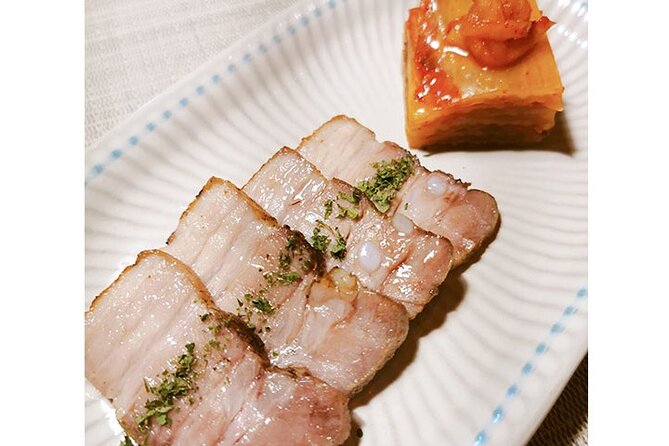
I would recommend it to adults who want a close look at Korean food and drink culture. It suits first-time visitors who have only tried ordinary soju, as well as people who already know makgeolli and want to compare traditional versions.
Food lovers will get the most from the anju pairings. The dishes are not an afterthought, and the menu examples offer a good mix of savory, spicy, crisp, and filling flavors.
The session also works for solo visitors and couples who prefer a small group. A maximum of six people leaves more room for questions than a large tasting room. The host’s interest in travel stories adds a social element, so you should be comfortable with conversation at the table.
It is not the best choice for anyone under 18, since alcohol is offered only to people aged 18 and over. It may also disappoint you if you need a guaranteed menu or want a major sightseeing stop in central Seoul. The experience is about drinks, food, and conversation at one address.
Practical Tips Before You Go
After your booking is automatically confirmed, send Hyesun a confirmation message through WhatsApp at +82 10 2661 7832. Use this contact to double-check the schedule and discuss food allergies or other details.
Give yourself extra time to reach Magok-dong. The meeting point is near public transportation, but the supplied directions do not list a specific route, so confirm your navigation before leaving.
Save both Lodge Magok and the Korean address, 로찌마곡. Room 207 is in Naru Station Private Tower II at 171 Jungang-ro. Since the activity returns to the meeting point, you can plan the rest of your day from there.
The experience offers mobile tickets, and confirmation is received at booking. Free cancellation is available if you cancel at least 24 hours before the local start time. Cancellations or changes made within 24 hours are not accepted for a refund.
Should You Book Savoring Authentic Korean Liquor and Cuisine?
Book it if you want to understand why Korean traditional liquor is more than green-bottle soju. The combination of three liquor styles, small-brewery selections, chef-led explanations, and anju makes the 90 minutes focused and worthwhile.
I would be especially keen to choose it early in a Seoul visit. You can use what you learn later when ordering makgeolli, cheongju, or other regional drinks with Korean food. Just plan for the trip to Gangseo-gu, accept that the menu and bottles may change, and remember that this is a tasting with conversation, not a full evening banquet.
FAQ
Where does the Korean liquor tasting take place?
It takes place at Lodge Magok in Seoul’s Gangseo-gu district, at 171 Jungang-ro, Naru Station Private Tower II, room 207. The Korean name is 로찌마곡.
How long does the experience last?
The tasting lasts approximately 1 hour and 30 minutes.
Which Korean liquors are included?
You will taste three traditional liquor styles: takju, cheongju, and distilled liquor.
What food is served with the drinks?
The anju may include vegetable pancake, meat pancake, and kimchi bibim noodles. The dishes can change based on ingredient supply and demand.
How many people can join?
The activity has a maximum of six people.
What is the minimum age for the alcohol tasting?
Alcoholic beverages are available only to people aged 18 and over.
Can I cancel for a full refund?
Yes. You can cancel up to 24 hours before the local start time for a full refund. Cancellations or changes made less than 24 hours before the start time are not accepted.
Just added around Seoul
- Seoul: Korean & English Language Exchange Global Party★ 5.0 · 28 reviews
- From Seoul: Yongpyong Ski Day Tour with Transportation★ 4.9 · 40 reviews
- You’re Invited to Our Home in Seoul: The Only Cooking Class!★ 5.0 · 8 reviews
- Your Personal Seoul Photographer!★ 4.1 · 15 reviews
- From Seoul: Hwacheon Ice Fishing and Lighting Festival Tour★ 4.5 · 4 reviews
- Unique Native Experience : Han River Picnic, Board game, BBQ★ 5.0 · 3 reviews
- Seoul: Gangneung BTS K-Pop & K-Drama Filming Locations Tour★ 4.6 · 14 reviews
- Seoul Private RV tour, explore real Korea from Past to Future★ 5.0 · 5 reviews
Seoul Tours, compared.
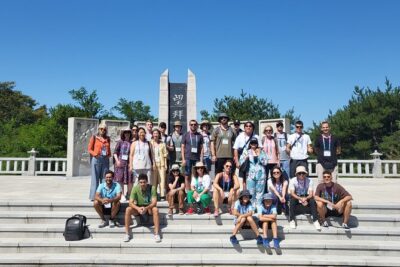
Best DMZ Tour Korea from Seoul (Red Suspension Bridge Optional)
Read our review →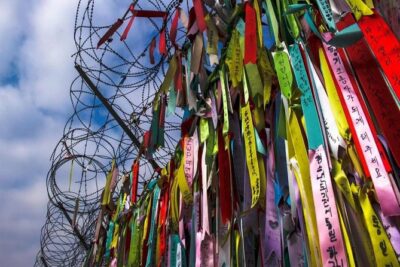
DMZ Tour: 3rd Tunnel, Option(Suspension Bridge, Boat) from Seoul
Read our review →
DMZ tour south Korea from Seoul (NK experience hall, defector)
Read our review →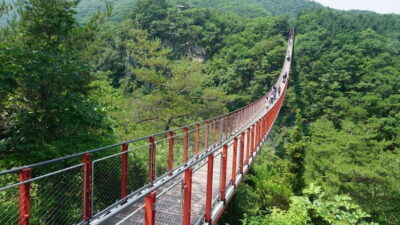
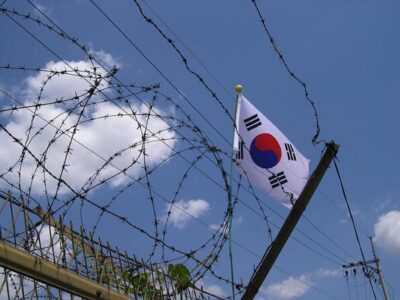
Thrilling Korean DMZ 3rd Tunnel Tour from Seoul + Red Bridge Rush
Read our review →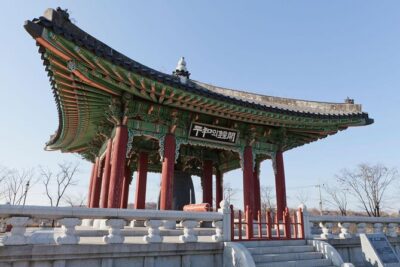
DMZ Past and Present: Korean Demilitarized Zone Tour from Seoul
Read our review →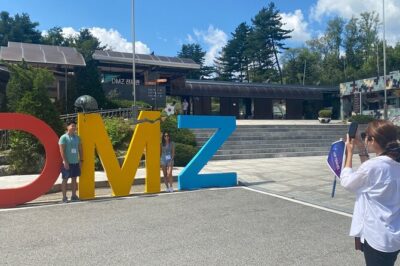
Ultimate Korea DMZ Tour from Seoul (Gondola & Suspension Bridge)
Read our review →