Reviewed · SEOUL TOURS
Seoul: Gangnam Tour on Youth and Society in South Korea
Gangnam is famous for polished towers, designer labels, K-pop glamour, and beauty clinics. This walking tour asks what that shine costs. Starting at Gangnam Station and ending near the Han River, you look at the social pressure behind South Korea’s economic success, from exam competition and plastic surgery to housing, marriage, work, and mental health.
I like two things right away. The streets become teaching material, so you are not just sitting through a lecture about Korean society. I also like the guide’s broad point of view. Guides such as Jessica and June use history, current life, humor, and personal experience to explain why modern Korea works as it does.
The main drawback is the subject matter. This is not a light sightseeing walk. Suicide, low birth rates, beauty pressure, and the strain placed on young people all come up. The walk is fairly easy, but you need to manage city heat, winter cold, and some subway steps.
Key points before you book

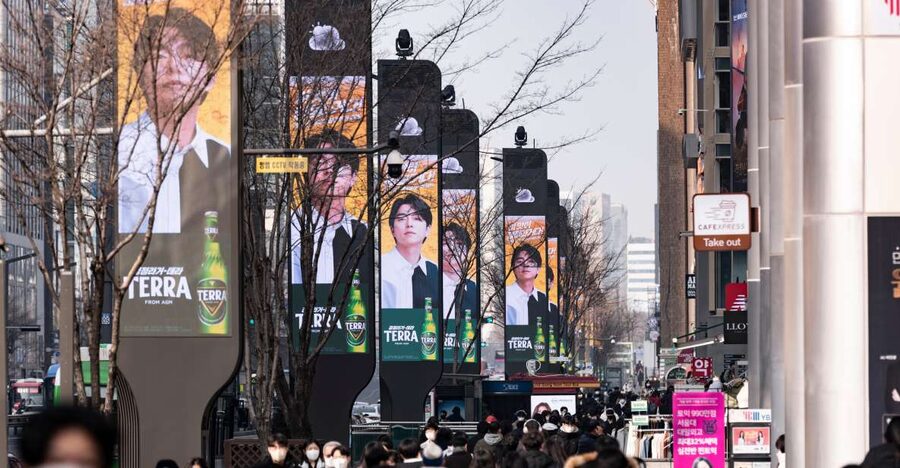
- Gangnam becomes a social document: Beauty ads, luxury stores, towers, and clinic signs help explain Korean ideals of success and appearance.
- Jessica and June bring different personal angles: The guides are local historians or culturally informed English-speaking hosts, and some have lived abroad.
- The tour goes beyond K-pop: Education, jobs, housing, dating, marriage, family expectations, and mental health are central themes.
- The route lasts 150 minutes: It begins at Gangnam Station Exit 11 and finishes at the Han River.
- You get time for questions: The tour includes conversation along the route, with one account describing about 30 minutes seated in chairs.
- The value is in context: At $33, you are paying for interpretation that can change how you read Seoul for the rest of your trip.
Starting at Gangnam Station Exit 11
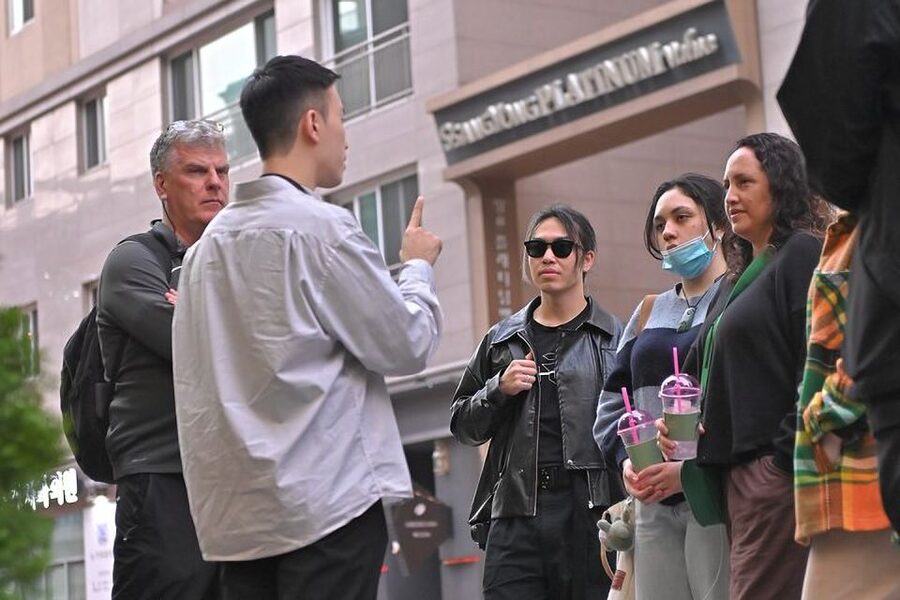
Meet at Gangnam Station, Exit 11, at the address 820-10, Yeoksam-dong, Gangnam-gu. The Korean address is 강남역 11번 출구. This is a practical starting point because Gangnam Station puts you right in the middle of the district’s commercial energy instead of easing you in through a quiet museum or historic gate.
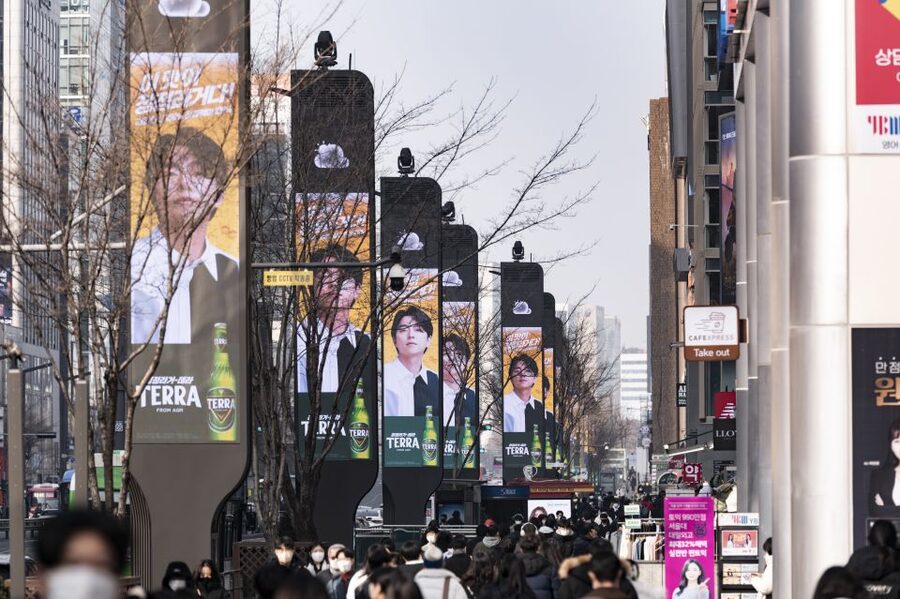
The first lesson is visual. You see high-rise buildings, commercial signs, beauty advertising, luxury brands, and plastic surgery clinics in close quarters. On your own, these sights can look like ordinary city decoration. With a guide, they become clues about what people are encouraged to buy, how they are expected to look, and what success is supposed to resemble.
Bring cash. A transportation charge of 2,000 KRW is not included, so you should allow for that extra cost. The meeting point is easy to reach by subway, but you should expect steps getting on and off the train. Wear shoes that are comfortable for a city walk rather than for a formal evening out.
Other Seoul days worth booking alongside this:
- Best DMZ Tour Korea from Seoul (Red Suspension Bridge Optional)
★ 5.0 · 41,422 reviews - DMZ Tour: 3rd Tunnel, Option(Suspension Bridge, Boat) from Seoul
★ 5.0 · 21,373 reviews - DMZ tour south Korea from Seoul (NK experience hall, defector)
★ 5.0 · 20,599 reviews
Reading Gangnam’s luxury signs
Gangnam is not presented simply as a wealthy district where you admire expensive buildings. The guide uses its wealth to explain why so many Koreans want to live there, and why that desire can create pressure.
You may pass advertisements for beauty products, luxury labels, clinics, and services aimed at people who want to improve their appearance or social position. The point is not that every Korean person follows these messages in the same way. The useful point is that the messages are hard to miss, and they show how commercial success, personal appearance, and status often meet in the same public space.
I appreciate this approach because it avoids treating Gangnam as a postcard. You still see the glossy side of Seoul, but you also ask who can afford it, who feels shut out, and what people give up while trying to reach it.
The guide also helps connect the district’s present-day image to Korea’s past. South Korea’s rapid economic growth did not happen in a vacuum. Historical change shaped family expectations, ideas about achievement, respect for education, and the wish for stability. That background gives the later conversations about youth and work more meaning.
Beauty standards and the plastic surgery boom
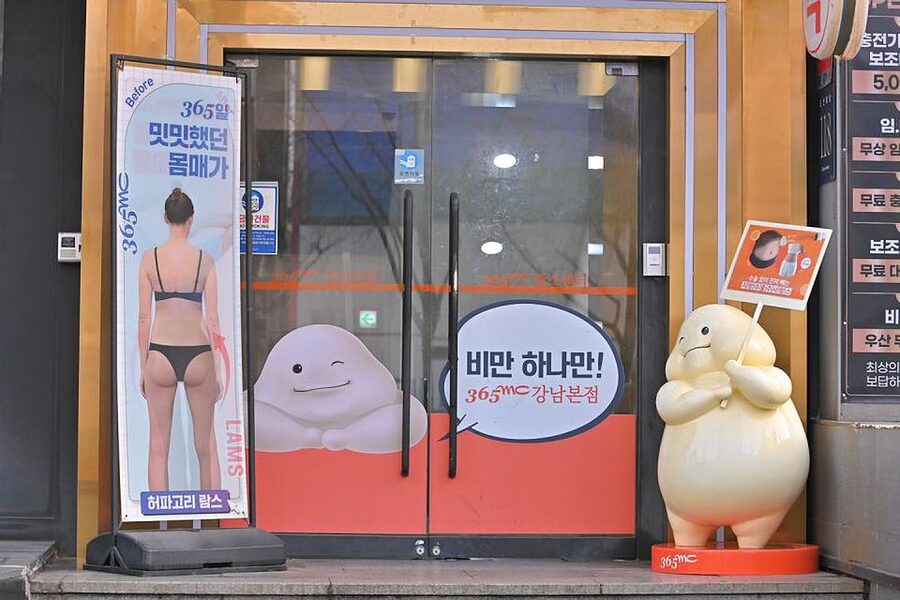
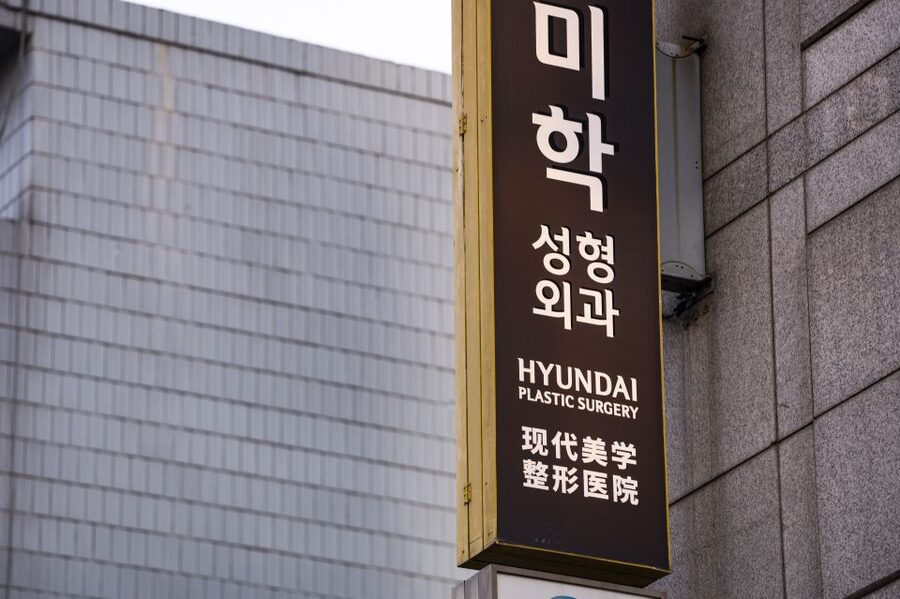
Plastic surgery is one of the clearest themes on the route. The signs and clinic fronts are not treated as oddities for foreign eyes. Instead, the guide explains how appearance can affect confidence, dating, employment, and social judgment.
You hear about Korean beauty standards and the pressure toward a polished, improved appearance. The discussion can include why people consider procedures, how friends and family may influence those choices, and how beauty advertising turns insecurity into business. The subject is sensitive, so a good guide needs to explain it without mocking people who choose surgery or reducing Korea to a stereotype.
Jessica’s style, according to the supplied guide information, is candid and humorous, while June and Jun are also described as clear, friendly, and open to questions. That matters here. A blunt subject can become uncomfortable if it is presented as a cheap joke. The best version of this tour uses humor to keep the group engaged while still respecting the people being discussed.
This section is especially useful if you have arrived in Seoul after seeing Korean dramas, pop videos, or social media focused on flawless faces and luxury lifestyles. The tour helps you separate entertainment from everyday social expectations. It also reminds you that beauty culture is not the whole of Korean life, even when the signs make it feel unavoidable.
Schools, exams, and the price of achievement
Education is another major part of the walk. You learn why parents and children can feel intense pressure to succeed, and how academic competition connects to later choices about work, income, housing, marriage, and family life.
The guide’s job is not just to say that Korean students study hard. You are shown how education fits into a wider system of expectations. A child’s results can seem tied to the family’s hopes, social standing, and future security. Parents may feel pressure to spend heavily on education, while young people can grow up believing that falling behind has serious consequences.
This is one of the tour’s strongest subjects because it helps explain several things you may notice elsewhere in Seoul. It gives context to the long hours associated with study and work, the concern about prestigious jobs, and the fear of making the wrong decision early in life.
I also like that the discussion does not stop with students. The pressure continues into adult life. Education influences employment, and employment affects the ability to buy a home, form a relationship, or raise children. The topics are connected, not separate stops on a checklist.
Same country, a completely different kind of day:
- Seoul: DMZ Tour with Optional Suspension Bridge
★ 4.8 · 5,277 reviews - Signature DMZ Tour: Exclusive Defector Talk & Suspension Bridge
★ 5.0 · 4,459 reviews - Thrilling Korean DMZ 3rd Tunnel Tour from Seoul + Red Bridge Rush
★ 5.0 · 3,097 reviews - DMZ Past and Present: Korean Demilitarized Zone Tour from Seoul
★ 5.0 · 2,481 reviews
Work, housing, dating, and marriage
As the walk continues, the conversation broadens to young professionals and the practical costs of adulthood. Housing, careers, dating, marriage, and family expectations all fit together.
Gangnam’s polished image makes a useful contrast with the worries facing people who work there. A successful business district may offer opportunity, but it can also sharpen competition. The guide explains why young Koreans may feel that they need the right education, the right job, the right appearance, and the right partner before they can feel secure.
The dating and marriage discussion is one of the more personal parts of the experience. You may hear about how friends introduce people, how social expectations shape relationships, and why marriage and children can feel less attainable to younger adults. The tour links this to South Korea’s low birth rate without treating the issue as a simple failure of personal choice.
That distinction is important. You are not asked to judge Korean families from the outside. Instead, you are encouraged to consider how long work hours, expensive housing, education costs, gender expectations, and beauty standards may affect private decisions.
The guides also leave room for comparison. Visitors from Japan, Europe, North America, and elsewhere may recognize familiar pressures, while still seeing Korean customs that feel distinct. Jessica’s experience living abroad is especially useful here because it lets her explain Korean life from both an insider and outside perspective.
Why discuss suicide and unhappiness?
The tour addresses South Korea’s high suicide rate and asks why a wealthy, successful country can also struggle with unhappiness. This is the darkest section, but it gives the rest of the experience its force.
The subject is handled as part of a wider conversation about pressure, isolation, expectations, aging, and the fear of falling short. The goal is not to shock you. It is to question the easy assumption that economic growth automatically produces contentment.
You should come ready for a serious conversation. If you want only cheerful stories about Seoul, this is the wrong tour. If you want to understand the gap between the country’s international image and the stress of daily life, this subject makes the walk far more useful than a standard district orientation.
The guides also explain why people remain in Korea, return after living abroad, or continue trying to succeed within a difficult system. That balance matters. South Korea is not presented as simply broken. The country offers safety, opportunity, strong infrastructure, family ties, cultural pride, and many reasons to stay. The tour works best when it shows both the costs and the benefits.
The final stretch toward the Han River
The route ends at the Han River, giving the tour a natural change of mood after the dense streets of Gangnam. The river is not just a scenic finish. It helps mark the shift from commercial signs and high-rise pressure to a broader view of Seoul.
The walk is mostly on flat ground, though city movement and subway access can include steps. One detailed account described the physical side as manageable, with a seated discussion of roughly 30 minutes. Still, the official guidance says the activity is not suitable for people over 70 or people with mobility impairments, so you should treat that restriction seriously even if parts of the route feel easy.
The walk can be hot and humid in summer. Water is a smart addition, and the provider supplies a portable handsfree fan during the summer season. In winter, hot packs are supplied. Those small touches do not transform the weather, but they show that the route has been planned with Seoul’s sharp seasonal changes in mind.
How the guides shape the experience
The guide is the key reason to book this rather than read a short article about Korean culture. Jessica is repeatedly described in the supplied information as funny, sharp, candid, and very clear in English. June and Jun are also identified as strong English-speaking guides with a historian’s interest in Korean society.
Names can vary by departure, so you should not assume Jessica will lead every date. The useful thing to look for is a guide who can handle difficult questions without turning the tour into a lecture.
The best parts appear to come from storytelling and personal examples. Instead of listing facts about housing or plastic surgery, the guide connects them to ordinary choices and social habits. That makes abstract issues easier to understand and helps you remember them when you later see another clinic sign or hear a conversation about education.
A portable microphone and wireless listening equipment have been used on some departures, which can help in noisy streets. The tour is conducted in English, and the supplied information describes the guides as easy to follow. Audio recording is not allowed, so plan to listen and take mental notes rather than record the talk.
Is $33 good value?
At $33 per person, this is a reasonable price for a 150-minute guided walk, especially if you value interpretation more than included attractions. You are not paying for admission to a landmark or a meal. You are paying for a local historian’s time, a carefully chosen route, and a way to understand sights you would otherwise pass without much thought.
The value rises if you take it early in your Seoul stay. Once you understand the links between education, appearance, work, housing, and family pressure, ordinary scenes around the city make more sense. You may look at advertising, office districts, cafés, and subway crowds with a more informed eye.
The value is lower if you want a conventional Gangnam sightseeing tour with shopping stops, photo opportunities, or a focus on famous pop culture sites. The optional Korean food session is not included, and no meal should be assumed as part of the $33 price.
Free cancellation up to 24 hours before the start and reserve-now, pay-later booking make it easier to fit the tour into a changing schedule. Those policies are useful, but the real reason to choose it is the subject matter.
Who should take this Gangnam walk?
I would recommend it to first-time Seoul visitors who want to understand daily life beyond palaces, markets, and K-pop. It also suits older teenagers and adults who are curious about education, relationships, beauty, careers, and mental health.
Families with teenagers may find the education and appearance sections especially useful, though the darker themes need to be a good fit for your group. It can also work well for visitors who have already spent time in Korea and want a clearer explanation of things they have noticed but could not interpret.
You should skip it if you dislike serious social discussion, have difficulty walking for 150 minutes, or want an attraction-heavy outing. It is also not suitable for people with mobility impairments or those over 70 under the stated activity guidance. Take water in warm weather, bring cash for the 2,000 KRW transportation fee, and wear comfortable shoes.
Should you book it?
Book this tour if you want Seoul to make more sense, not just look impressive. The route uses Gangnam’s clinics, signs, towers, and commercial streets to explain the pressures shaping Korean youth and society.
I would book it near the start of a Seoul stay, when possible. At $33, it offers strong value for a thoughtful 2.5-hour conversation, and the consistently high 4.9 rating from 466 bookings fits the experience described by the supplied information. Just come prepared for frank subjects and a walk that asks you to think as much as look.
FAQ
Where does the Gangnam tour meet?
Meet your guide at Gangnam Station, Exit 11. The English address is 820-10, Yeoksam-dong, Gangnam-gu, Seoul. The Korean address is 강남역 11번 출구.
How long does the tour last?
The walking tour lasts 150 minutes, or two and a half hours. The route ends at the Han River.
What language is the tour conducted in?
The live tour is conducted in English.
What does the $33 price include?
The price includes a local historian as your guide and the Gangnam walking tour. In summer, a portable handsfree fan is provided. In winter, hot packs are provided.
Is transportation included?
No. A transportation fee of 2,000 KRW is not included. Bring cash, as cash is listed among the things to bring.
Is the tour suitable for people with mobility issues or those over 70?
The activity is listed as unsuitable for people with mobility impairments and people over 70. The route includes some subway steps, although portions of the walk are on flat ground.
Just added around Seoul
- Gyeongbokgung palace,seoul with gigibebe hanbok rental★ 4.5 · 12 reviews
- Private tour guide service in Seoul, Korea★ 5.0 · 6 reviews
- Alpaca, Nami, Petite Fr, Italian Village, Garden of Morning Calm★ 3.5 · 5 reviews
- Gyeongju UNESCO Sites Tour by KTX train; The Museum Without walls★ 4.5 · 11 reviews
- Private day trip to Korean Folk Village & Dae Jang Geum Park★ 5.0 · 7 reviews
- Private tour Lotte World,Tower,Aquarium(All Tickets are included)★ 5.0 · 12 reviews
- Full Day Private Seoul Tour for foodies★ 5.0 · 3 reviews
- Seoul Private Custom Walking Tour with A Guide (Private Tour)★ 4.5 · 28 reviews
Seoul Tours, compared.
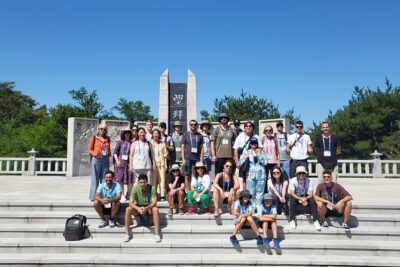
Best DMZ Tour Korea from Seoul (Red Suspension Bridge Optional)
Read our review →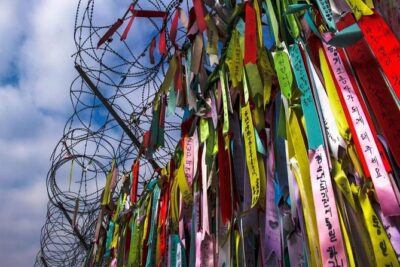
DMZ Tour: 3rd Tunnel, Option(Suspension Bridge, Boat) from Seoul
Read our review →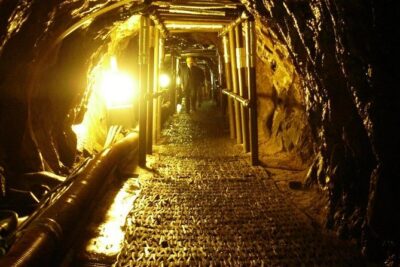
DMZ tour south Korea from Seoul (NK experience hall, defector)
Read our review →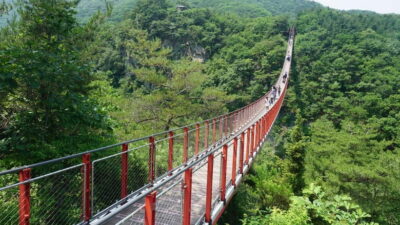

Thrilling Korean DMZ 3rd Tunnel Tour from Seoul + Red Bridge Rush
Read our review →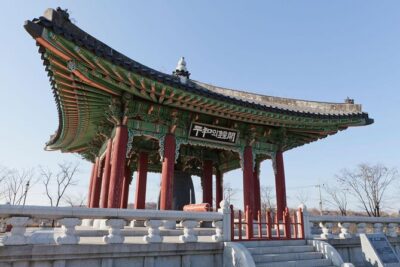
DMZ Past and Present: Korean Demilitarized Zone Tour from Seoul
Read our review →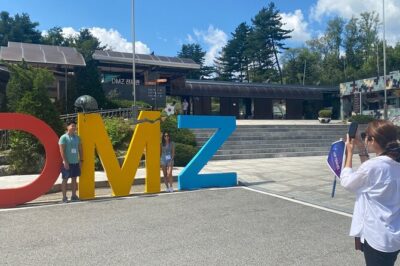
Ultimate Korea DMZ Tour from Seoul (Gondola & Suspension Bridge)
Read our review →