
Reviewed · MARKETS
Seoul: Noryangjin Fish Market Dinner
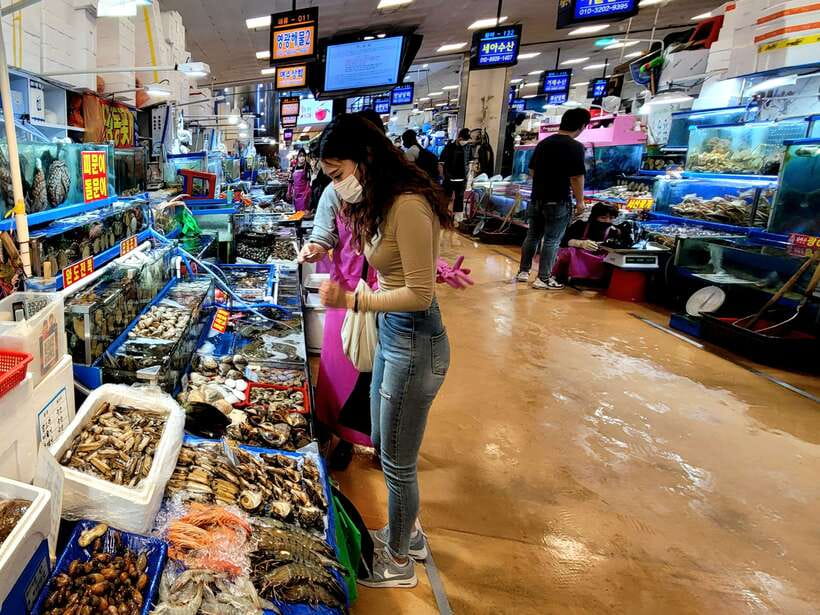
At Noryangjin Fish Market, dinner begins with a walk through rows of live and freshly landed seafood, not with a menu at a quiet table. Your guide chooses the catch, has it prepared in the market restaurant, and explains what you are eating. I like the hands-on market setting and the chance to try Korean seafood you might never order alone. I also like the small group, limited to nine people, which makes questions and shared tasting easier.
The main caution is simple: you need to enjoy seafood, and some dishes may push your comfort zone. Crab and lobster are not included, though one participant was able to pay extra for crab. At $116 per person for two hours, this is not a cheap dinner, but it can be good value if you want guidance, cooking arrangements, and cultural context rather than just a seafood meal.
Key points about the Noryangjin seafood dinner
- The market handles up to 300 tons of fishery products a day, giving you a close look at Seoul’s working seafood trade.
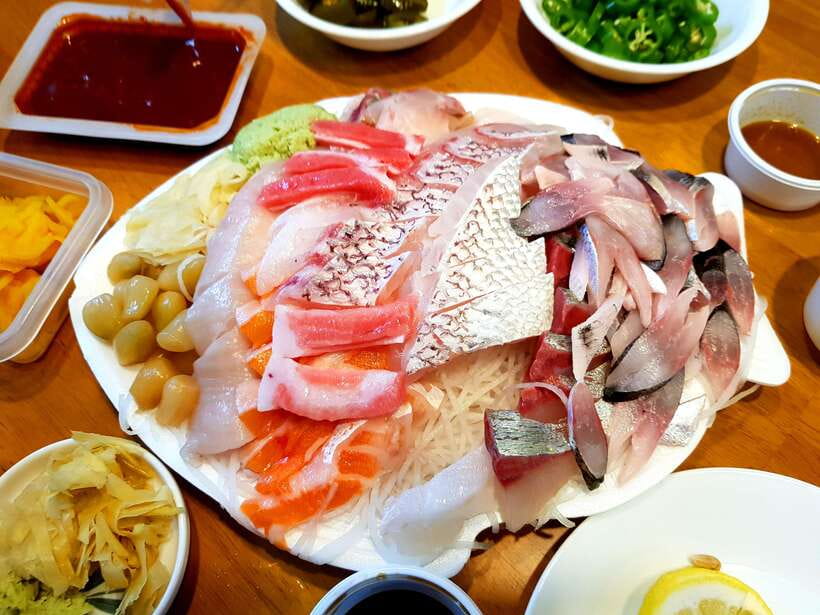
- Your English-speaking guide selects the seafood, then arranges for it to be cooked in the market restaurant.
- The meal focuses on seasonal seafood, with opportunities to try unfamiliar Korean specialties.
- Small groups are limited to nine people, a useful size for a guided food experience.
- Crab and lobster are excluded, although extra payment for crab may be possible.
- The meeting point is Noryangjin Station, Line 1, Exit 7, with the tour lasting about two hours.
Why Noryangjin Market makes a memorable dinner stop
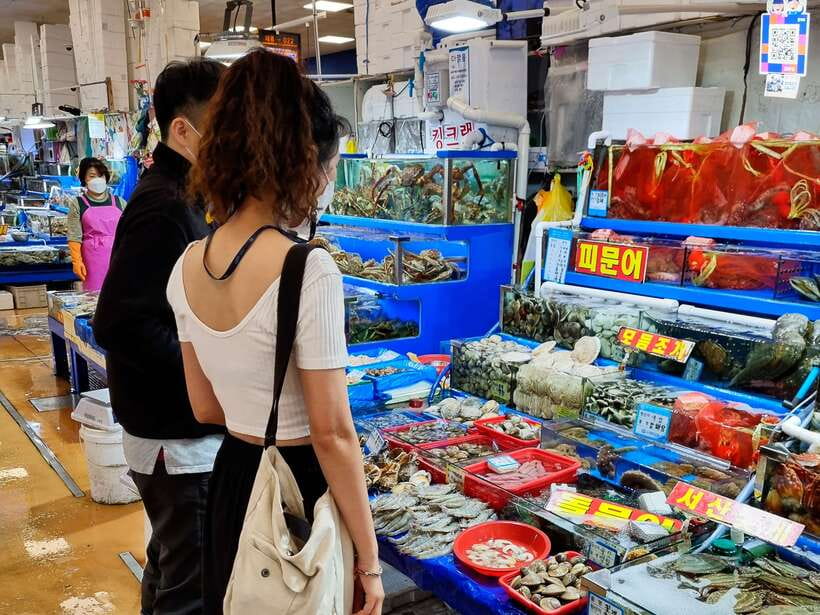
Noryangjin Fisheries Wholesale Market is more than a place to grab a prepared seafood dish. It is a major trading center for Seoul, handling almost half of the metropolitan area’s seafood volume and as much as 300 tons of fishery products in a day.
That scale gives the visit a sense of purpose. You are not simply entering a themed food hall designed for tourists. You are seeing where seafood is displayed, selected, sold, and sent to a nearby restaurant for cooking.
I like this setup because it gives dinner a clear story. You first see the seafood in its market setting, then learn how it becomes a meal. The guide bridges the gap between unfamiliar stalls and the final dishes on your table.
The market may feel intense if you are used to calm restaurants. There can be many choices, unfamiliar names, and seafood you have never considered eating. That is exactly where a guide earns the fee. Instead of guessing at a selection or pointing at something without knowing how it should be prepared, you have someone making the key choices with you.
A few more Seoul trips to weigh up
- Seoul: Guided City Wall Sunset Hike with Korean Dinner
★ 4.9 · 227 reviews - Seoul: Baseball Game Ticket with Dinner/Beer with the host
★ 5.0 · 94 reviews - Full Day- Essential Seoul City Tour & Gourmet Tour(including Lunch and Dinner)
★ 5.0 · 73 reviews
Meeting at Noryangjin Station, Line 1, Exit 7
The meeting point is Noryangjin Station on Line 1, Exit 7. You should allow enough time to find the correct exit, especially if you are not familiar with Seoul’s large subway stations.
The experience is built around the market, so the meeting point is practical rather than scenic. Once you meet the guide, the group can head toward the seafood stalls and begin the selection process.
The guide speaks English, which matters here. Seafood markets can be hard to navigate when you do not know the local terms, preparation styles, or price expectations. You are not just receiving translation. You are getting help with the basic decisions that shape the meal.
The group size is capped at nine participants. That is small enough for the guide to keep the group together and explain dishes without turning the evening into a crowded procession. It also means you may share the meal with other people, rather than having a private table for just your own party.
Choosing seafood from Seoul’s largest market
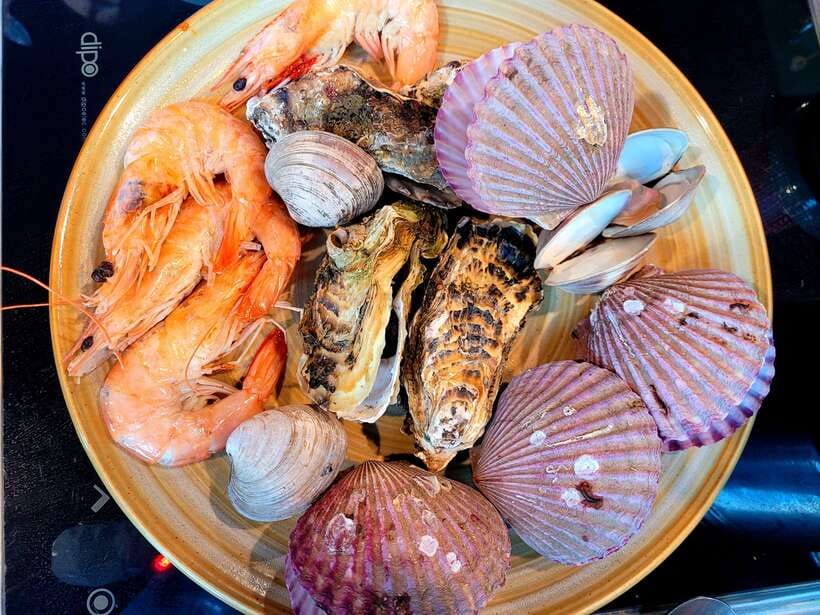
The selection is the heart of the experience. Your guide chooses the seafood, taking seasonal products into account and arranging for them to be cooked in the market restaurant.
This removes one of the biggest problems for first-time visitors. At a large seafood market, you may see dozens of creatures and cuts without knowing which are common, which are seasonal, or which are best suited to a particular preparation. Your guide helps turn that confusion into a meal.
You should expect a range of tastes and textures, not a single familiar fish dish. The available seafood can challenge your usual idea of dinner. One participant described trying live octopus for the first time, which gives you a sense of how far the experience may go.
That does not mean you are forced to eat anything. Still, the activity is designed around trying new foods. If you dislike seafood or prefer to stay with mild, cooked dishes, this may not be your best evening in Seoul.
I would also ask the guide early about allergies, dislikes, and personal limits. The supplied information does not promise special dietary arrangements, so you should not assume that every request can be handled.
From market stall to restaurant table
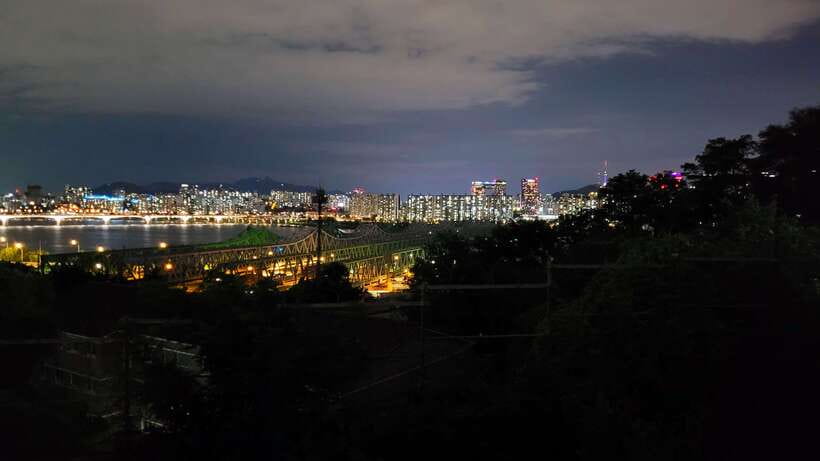
After the seafood is selected, it is taken to a restaurant in the market for cooking. This is an important part of the arrangement. You do not need to find a separate restaurant, explain the order, or work out how the cooking fee operates on your own.
The cooking fee is included, along with the seafood and guide. That makes the $116 price easier to judge. You are paying for more than raw ingredients. The cost covers the guide’s time, selection, help with ordering, and cooking arrangement, as well as the seafood itself.
Still, value depends on what you want. If your main goal is the largest possible dinner for the lowest price, an ordinary restaurant may cost less. If you want to understand the market and sample unfamiliar dishes with help, the package offers something a basic meal cannot.
The exact dishes depend on the seafood selected that day. That uncertainty is part of the appeal, but it also means you should not book expecting a fixed menu. The experience is about what is available and suitable at the market during your visit.
Same country, a completely different kind of day:
- Best DMZ Tour Korea from Seoul (Red Suspension Bridge Optional)
★ 5.0 · 41,422 reviews - DMZ Tour: 3rd Tunnel, Option(Suspension Bridge, Boat) from Seoul
★ 5.0 · 21,373 reviews - DMZ tour south Korea from Seoul (NK experience hall, defector)
★ 5.0 · 20,599 reviews - Seoul: DMZ Tour with Optional Suspension Bridge
★ 4.8 · 5,277 reviews
What the meal can teach you about Korean seafood culture
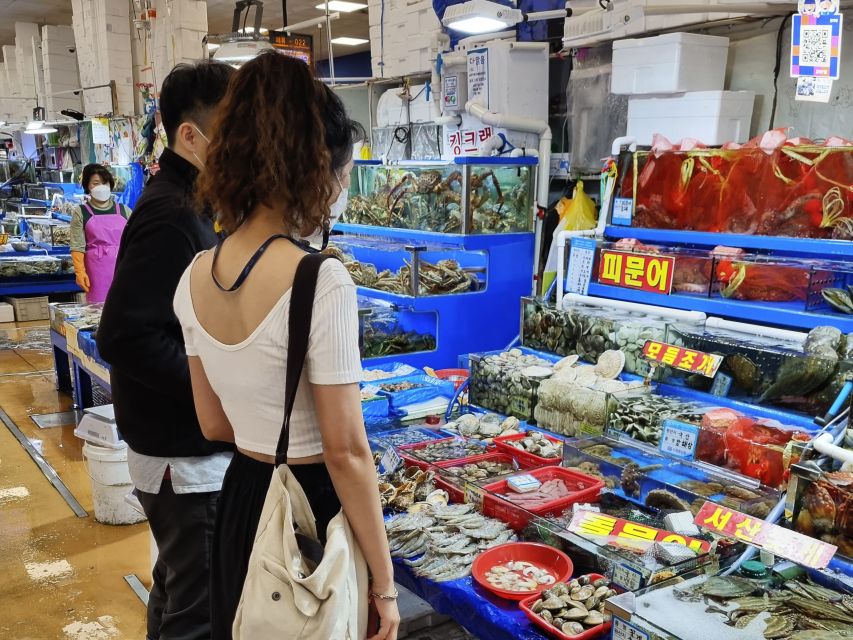
This dinner gives you a direct look at one part of Korean food culture: the importance of freshness, seasonality, and shared eating. The guide can explain not only what is on the table but also how it fits into Korean daily life.
That wider context has been one of the strongest parts of the experience. Guide Lee, mentioned by name in the supplied feedback, helped explain Korean seafood, Korean life, and even some Korean language. You should confirm who will lead your departure, since the guide may vary, but the format clearly allows room for those personal explanations.
The best moments are likely to come between dishes. You might learn why a certain seafood is selected, how people in Korea approach it, or what a new word means. Those details make the dinner more than a succession of tastes.
The food itself is the main attraction, but the cultural conversation can be just as useful. You leave with a better sense of how a Korean market works and how seafood moves from sale to preparation to table.
The unusual dishes are part of the point
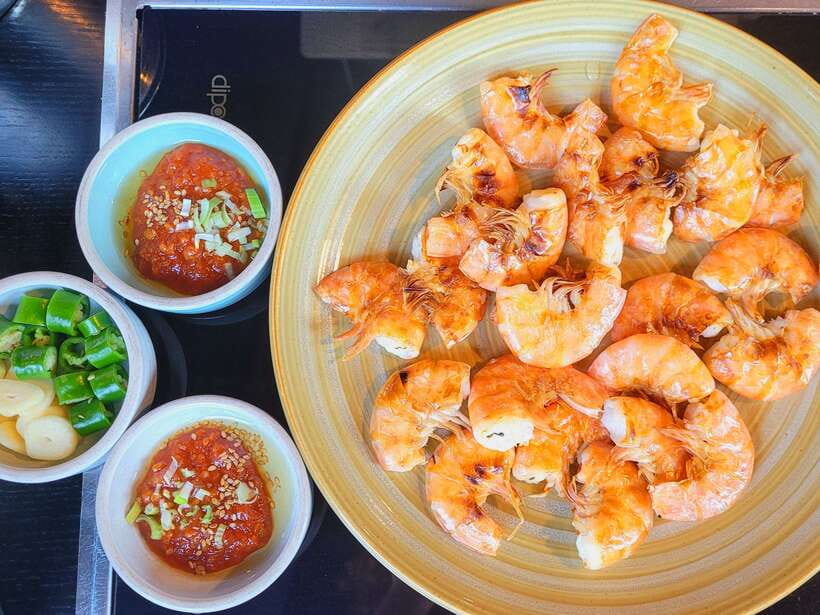
This is not a carefully controlled tasting of only familiar foods. The activity invites you to challenge yourself, and the meal may include textures or preparations that are new to you.
One person who had never expected to try live octopus did so during the experience. Another described the meal as including many seafood dishes they would not have known how to order without the guide. Those details point to the tour’s real strength: it helps you cross the gap between curiosity and action.
You should approach the meal with an open mind, but not with pressure to prove anything. It is fine to ask what a dish is, how it is eaten, and whether it is raw, cooked, or still moving. A good guide can make the moment less awkward and help you decide what you are comfortable trying.
Fish lovers are the clearest match. People who enjoy food markets, local ingredients, and unusual dishes should also find plenty to appreciate. Families with young children, cautious eaters, or anyone who avoids seafood may find the focus too narrow.
What is not included in the $116 price
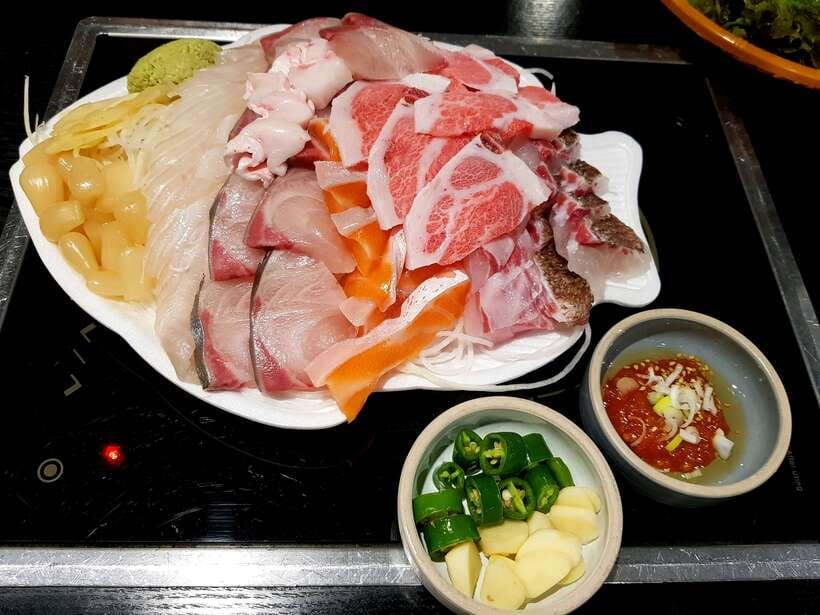
Seafood, cooking fees, and the guide are included. Crab and lobster are specifically excluded, so do not assume that premium shellfish is part of the meal.
One participant was able to pay extra for crab, but that does not create a guarantee for every departure. If crab or lobster is important to you, ask before booking or speak with the guide at the start of the tour.
The exclusion is worth noting because crab and lobster are often the first items people picture at a seafood market dinner. The experience is still built around a range of other seafood, but your expectations should match the stated package.
At $116 per person, the price is best understood as a guided food experience rather than a bargain seafood dinner. You are paying for access to local market know-how and for someone else to handle the selection and cooking process. That is useful in a market where language and unfamiliar products can make a simple meal surprisingly difficult.
Two hours is enough for a focused taste
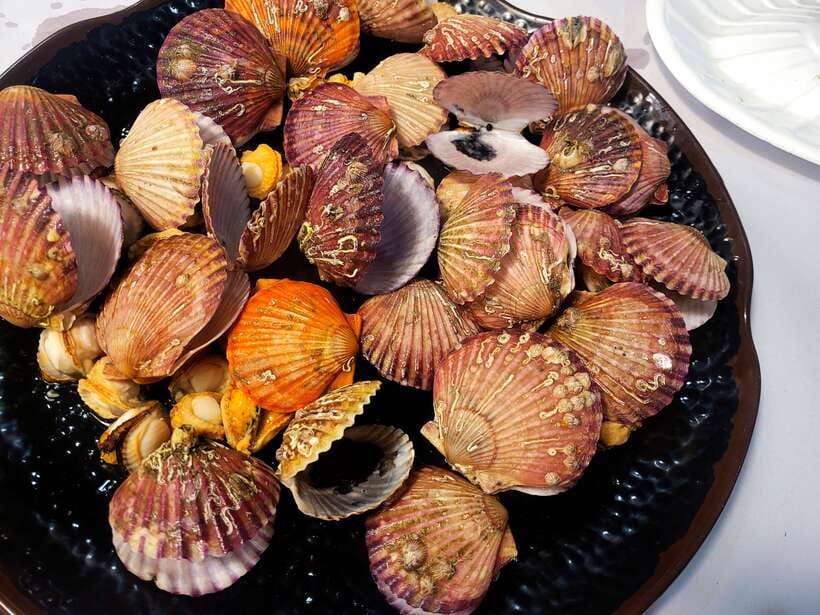
The tour lasts two hours. That gives you time to meet at the station, walk through the market, select seafood, and eat in the restaurant, but it is not a full evening of wandering.
I see the short duration as a benefit if you have a busy Seoul schedule. You can fit the dinner into an afternoon or evening without giving up half a day. It also keeps the activity focused on the market and meal rather than stretching the experience with filler.
The tradeoff is that you should not expect a long market exploration or a leisurely series of restaurant courses. The guide needs to keep the group moving through several stages within the two-hour window.
Starting times vary, so check availability for your date. The tour does not list transportation beyond the station meeting point, which means you should plan to reach Noryangjin Station on your own.
Why the small group matters at a seafood market
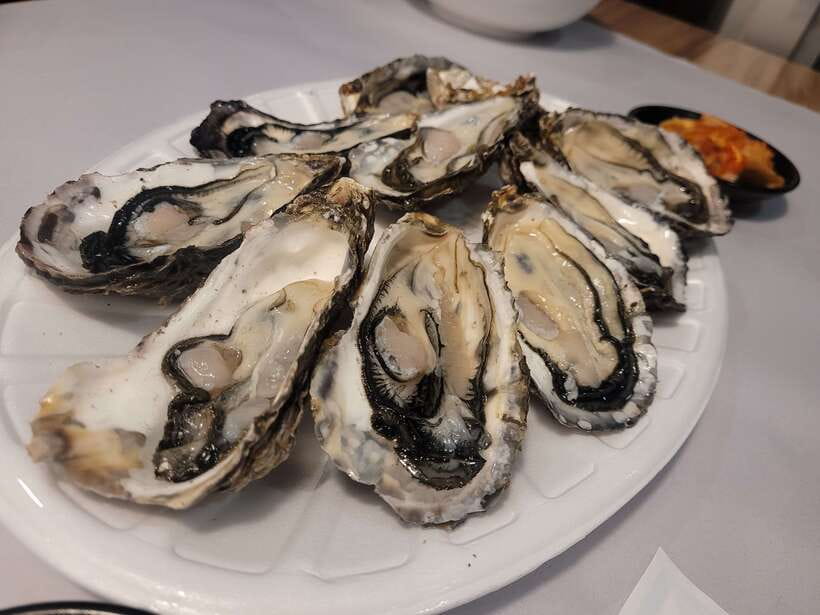
A group of up to nine people is a practical size for this kind of outing. At a market, the guide needs to point out products, keep everyone together, and make decisions without losing half the group in the crowd.
You also have a better chance to ask questions. If you are wondering how to eat something, why it was chosen, or what a Korean term means, a small group gives the guide more room to respond.
The group setting can affect the meal, too. Seafood is often best enjoyed as a shared experience, with everyone tasting several dishes rather than ordering one plate per person. You should be comfortable eating with other participants and sharing the table.
This is not a private culinary lesson. If you want a quiet dinner with only your own companions, book a restaurant instead. If you enjoy meeting people and comparing reactions to unfamiliar foods, the group format adds to the evening.
A few practical concerns before you book
The activity does not allow pets. The provider also states that it is not responsible for loss, illness, injury, accidents, or damage to people or property. That is standard caution for a market and food activity, but you should take it seriously.
Seafood allergies deserve special attention. The available information does not promise allergy-friendly substitutions or a separate menu. Contact the provider before booking if you have a serious allergy or need strict food controls.
You should also wear something comfortable for walking through a working market and eating a meal that may include unfamiliar textures. The information does not specify a dress code, so ordinary comfortable clothing is the sensible choice.
The tour offers free cancellation up to 24 hours before the start for a full refund. You can also reserve now and pay later, which helps if you are still arranging your Seoul schedule.
Who should book this Seoul seafood dinner?
I would recommend it most strongly to seafood lovers who want more than a standard restaurant meal. It is also a good fit if you are curious about Korean food but do not know how to order at a major market.
Book it if you want:
- Fresh, seasonal seafood selected with help
- A guided visit to Seoul’s largest fish market
- An English-speaking guide
- A small group rather than a large tour
- The chance to try dishes outside your usual comfort zone
- A dinner with some explanation of Korean culture and language
Think twice if you dislike seafood, need a guaranteed menu, or are mainly looking for crab or lobster. Those priorities do not match what is included.
Should you book the Noryangjin Fish Market Dinner?
Book this experience if you want your Seoul dinner to feel connected to the city’s food trade. The market setting, guide-selected seafood, and restaurant cooking create a clear sense of place that you will not get from ordering a familiar seafood dish elsewhere.
The strongest reason to go is the help. You can see something unusual, ask what it is, and have a guide make it approachable. Guide Lee’s ability to add language and cultural details shows how the evening can grow beyond food, though your guide will depend on the departure.
At $116, it is a considered purchase. I would call it worthwhile for adventurous seafood eaters who value guidance and context. I would skip it if you want a cheap meal, a private dinner, or guaranteed premium shellfish.
FAQ
Where does the Noryangjin Fish Market dinner meet?
The meeting point is Noryangjin Station on Line 1, Exit 7.
How long does the experience last?
The dinner and market visit last two hours.
What is the price per person?
The price is $116 per person.
Is an English-speaking guide included?
Yes. An English-speaking live tour guide is included.
How large is the group?
The experience is limited to nine participants.
What does the price include?
The price includes seafood, the cooking fee, and the guide.
Are crab and lobster included?
No. Crab and lobster are not included. Extra payment for crab may be possible, but this is not guaranteed in the stated package.
Can I cancel for a full refund?
Yes. You can cancel up to 24 hours in advance for a full refund.
Can I reserve now and pay later?
Yes. The activity allows you to reserve your place and pay later.
More Shopping Tours in Seoul
- Private DMZ Tour (No Shopping): 3rd Tunnel & Suspension Bridge
★ 5.0 · 607 reviews - Seoul: Korean Cooking Class at a Local Home and Market Tour
★ 5.0 · 348 reviews - Seoul Night Palace & Market Food Tour with Vehicle
★ 5.0 · 275 reviews - Cook 3 Authentic Korean Dishes with Local Market Tour
★ 5.0 · 231 reviews
More Markets in Seoul
- Seoul Street Food Market Tour
★ 5.0 · 1,226 reviews - Local Home Korean Cooking Class & Market Adventure in Seoul
★ 5.0 · 1,024 reviews - Seoul: Night Market Food Tour with Local Guide
★ 4.9 · 943 reviews - Downtown Seoul Guided Food & Market Tour with 8+ Local Tastings
★ 5.0 · 580 reviews
Just added around Seoul
- Private tour guide service in Seoul, Korea★ 5.0 · 6 reviews
- Alpaca, Nami, Petite Fr, Italian Village, Garden of Morning Calm★ 3.5 · 5 reviews
- Gyeongbokgung palace,seoul with gigibebe hanbok rental★ 4.5 · 12 reviews
- Gyeongju UNESCO Sites Tour by KTX train; The Museum Without walls★ 4.5 · 11 reviews
- Private day trip to Korean Folk Village & Dae Jang Geum Park★ 5.0 · 7 reviews
- Private tour Lotte World,Tower,Aquarium(All Tickets are included)★ 5.0 · 12 reviews
- Full Day Private Seoul Tour for foodies★ 5.0 · 3 reviews
- Seoul Private Custom Walking Tour with A Guide (Private Tour)★ 4.5 · 28 reviews
Markets, compared.
Local Home Korean Cooking Class & Market Adventure in Seoul
Read our review →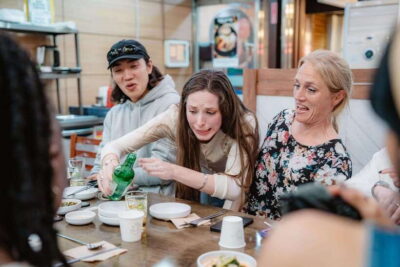
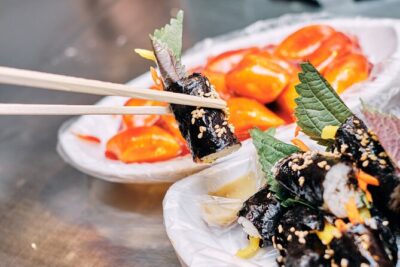
Downtown Seoul Guided Food & Market Tour with 8+ Local Tastings
Read our review →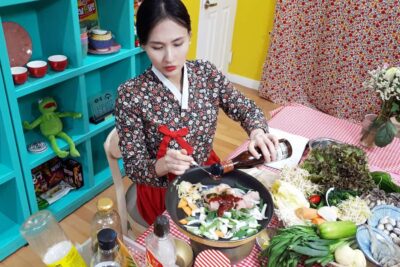
Korean Cooking Class at a Local Home and Market Tour
Read our review →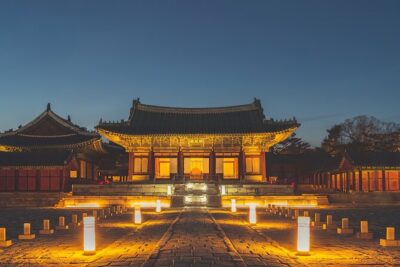
Seoul Night Palace & Market Food Tour with Vehicle
Read our review →
Cook 3 Authentic Korean Dishes with Local Market Tour
Read our review →
Korean Palace and Market Tour in Seoul Including Insadong and Gyeongbokgung Palace
Read our review →Browse the lists this tour appears in