Reviewed · SEOUL TOURS
Spiritual Adventure : Into Inwangsan and Korean Shamanism
On the slopes of Inwangsan, Seoul’s polished modern image gives way to candles, chants, offerings, talismans, and old stories. This private 2.5-hour walk with Ethan takes you to Guksadang and other sacred places, then introduces you to a living Korean practice that still exists alongside Confucianism, Buddhism, and city life.
I like the small private format, which gives you room to ask direct questions about love, health, work, ritual objects, and fortune telling. I also like the excellent city views earned by walking up the mountain. The main caution is physical: this is not a flat culture talk, and the route requires a moderate level of fitness.
Key points at a glance
- Visit Guksadang on Inwangsan: See one of Seoul’s important shamanic sites rather than only hearing about Korean spirituality in a museum.
- Meet a real Korean shaman: The session offers cultural context and may include fortune telling, questions, and a custom talisman.
- Walk uphill for Seoul views: The route adds exercise and a change of pace from the city streets.
- Learn from Ethan: His storytelling covers deities, rituals, talismans, legends, and the place of shamanism in present-day Korea.
- Private for your group: You can ask personal or detailed questions without a large tour crowd.
- Plan for weather and timing: The tour lasts about 2 hours 30 minutes, depends on suitable weather, and begins at Dongnimmun Station Exit 3.
Why Inwangsan is the right place for this subject
Korean shamanism can be hard to understand if you encounter it only as a list of gods or an explanation in a history book. Inwangsan gives the subject a physical setting. You walk toward shrines and ritual spaces while hearing how mountains, spirits, ancestors, and protective figures have shaped Korean belief.
The setting also helps explain why this tradition has not simply vanished under modern life. Seoul surrounds the mountain, yet the route leads into places where candles, offerings, chants, and ritual objects still carry meaning. You are not watching a staged historical performance. You are looking at a tradition that continues to exist in the present.
Ethan’s role matters here. He interprets what you see, explains why certain objects are used, and connects the old stories to daily life. The tour is less about memorizing names and more about understanding how people can hold several traditions at once.
You will hear about shamanism alongside Confucianism and Buddhism. That comparison is useful because Korean spiritual life does not fit neatly into one box. A person may respect family duties shaped by Confucian ideas, visit a Buddhist temple, and still consult a shaman for guidance or protection.
Other Seoul days worth booking alongside this:
- Best DMZ Tour Korea from Seoul (Red Suspension Bridge Optional)
★ 5.0 · 41,422 reviews - DMZ Tour: 3rd Tunnel, Option(Suspension Bridge, Boat) from Seoul
★ 5.0 · 21,373 reviews - DMZ tour south Korea from Seoul (NK experience hall, defector)
★ 5.0 · 20,599 reviews
Starting at Dongnimmun Station Exit 3
The meeting point is Dongnimmun Station Exit 3 in Seoul. You should arrive ready to walk, since public transportation is not included and the tour ends at Muakjae Station on 411 Moraenae-ro in Seodaemun-gu.
The route connects two subway-accessible points, which makes the start and finish practical for a Seoul sightseeing day. Still, check your route before leaving and allow time to find the correct exit. The provided information does not include hotel pickup or a standard transfer.
An air-conditioned vehicle is listed as optional, so do not assume that transport is part of the regular experience. The core tour is a walking visit, and the uphill section is one of its defining features.
Walking the sacred side of Inwangsan
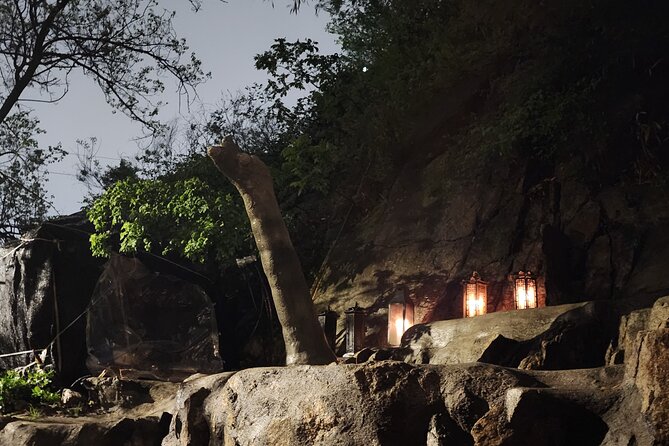
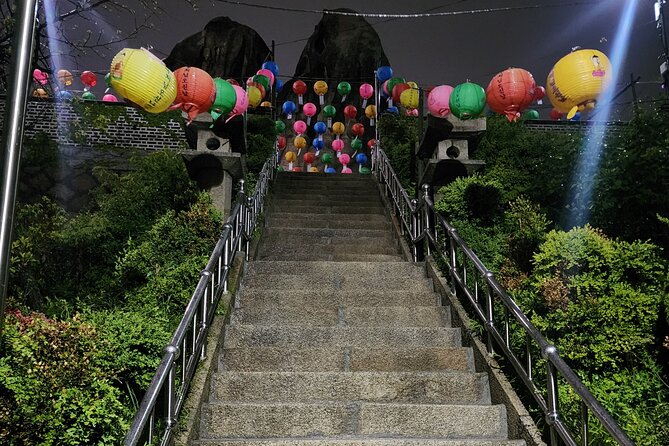
The walk up Inwangsan is where the tour earns its sense of place. You move away from the ordinary city rhythm and onto a mountain route linked with Korean spiritual practice. The climb is described as a good walk rather than a strenuous hike, but you should still wear comfortable shoes and expect uneven or uphill ground.
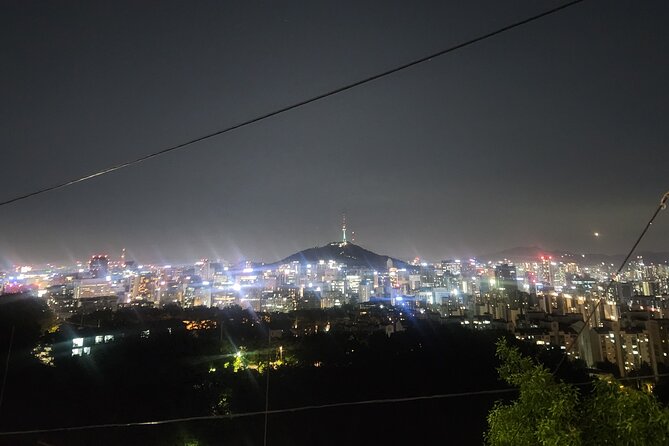
The physical effort has a payoff. From the mountain, you get broad views over Seoul, a welcome contrast to the enclosed ritual spaces. Bring a phone or camera if you want photos, since time is set aside for pictures during the experience.
The tour is not built around speed. Ethan explains the sites as you go, giving you time to ask questions and make sense of what you are seeing. That pace suits anyone who prefers cultural explanation over a quick checklist of landmarks.
The drawback is equally clear. If you want a relaxed, completely level activity, this is the wrong choice. A moderate fitness level is recommended, and weather can affect the operation.
Guksadang and the meaning of a sacred site
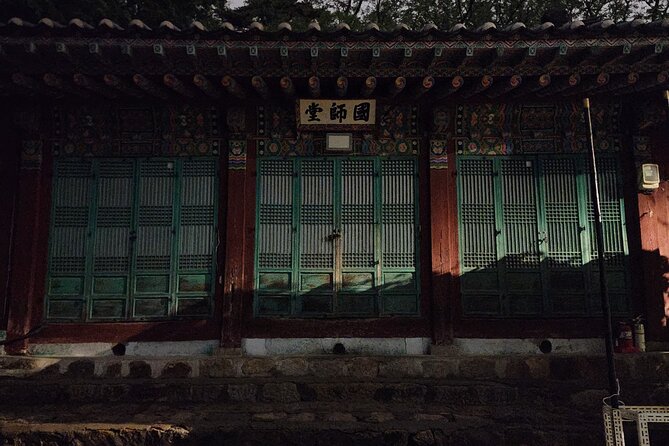
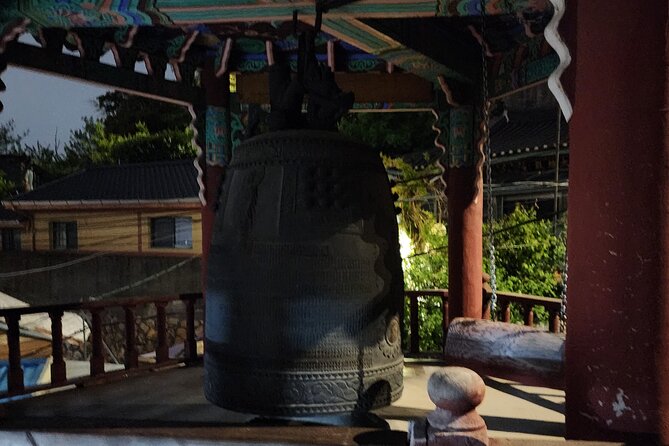
Guksadang is a major focus of the visit. Here, Ethan explains the role of the site and the wider ideas behind Korean shamanic practice. You learn about ritual spaces, the figures honored there, and the objects used to connect ordinary concerns with the spiritual world.
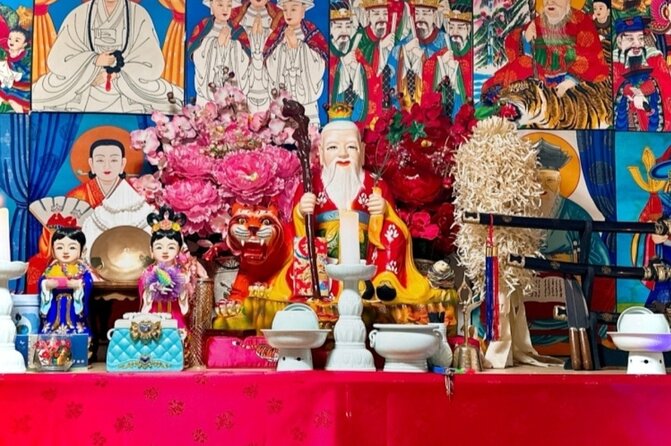
Ritual objects are not treated as decorations. Candles, offerings, talismans, and other items each have a purpose or message within the ceremony. The explanation helps you avoid the common mistake of seeing unfamiliar customs as exotic scenery.
You also hear legends connected with Inwangsan and the mountain’s spiritual importance. These stories add another layer to the walk. They show how folklore can shape a place even when the surrounding city has changed beyond recognition.
This is one of the strongest parts for first-time visitors to Korea. Palaces and markets show public history. Inwangsan offers a quieter look at beliefs that often remain less visible to outsiders.
Same country, a completely different kind of day:
- Seoul: DMZ Tour with Optional Suspension Bridge
★ 4.8 · 5,277 reviews - Signature DMZ Tour: Exclusive Defector Talk & Suspension Bridge
★ 5.0 · 4,459 reviews - Thrilling Korean DMZ 3rd Tunnel Tour from Seoul + Red Bridge Rush
★ 5.0 · 3,097 reviews - DMZ Past and Present: Korean Demilitarized Zone Tour from Seoul
★ 5.0 · 2,481 reviews
Meeting a shaman and seeing ritual practice
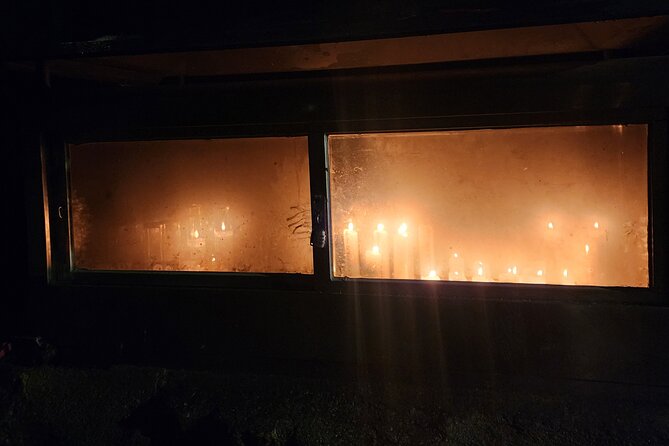
A rare part of the experience is meeting a Korean shaman. When the shaman is available, you may see or take part in a real fortune-reading session. The key point is that this is presented as cultural insight, not as a theatrical demonstration arranged for an audience.
You can ask personal questions about love, health, or career. That makes the encounter more direct than a general talk, though you should approach it with an open and respectful attitude. The value is not only in the prediction. It is in seeing how fortune telling fits into Korean life and how people use it to think about uncertainty and choice.
The tour also explains ceremonies involving candles, chants, and offerings. You may witness authentic ritual activity, but the exact encounter can vary. A shaman may be unavailable, as happened on one occasion when illness prevented the meeting. In that case, Ethan can still provide the cultural background, but you should not book this expecting a guaranteed private ceremony every time.
You may also purchase or request a custom talisman. Since the supplied details do not state the cost or design process, ask Ethan for current information before committing. Treat the talisman as part of the cultural experience rather than an obligation to spend more.
How Ethan shapes the experience
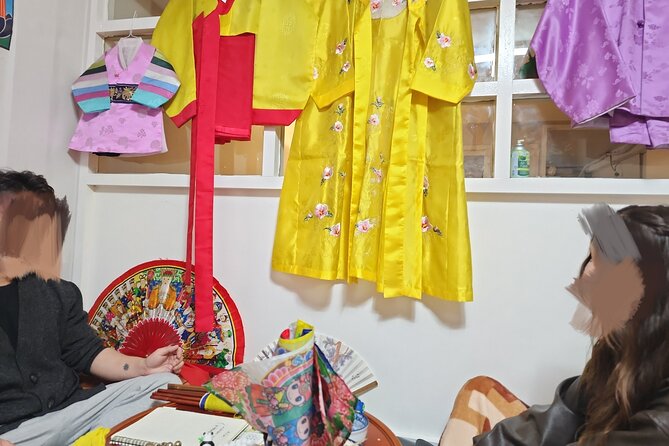
Ethan is central to the tour. His approach combines storytelling with explanation, so the walk does not become a string of unexplained ritual terms. He covers the history of shamanism, its modern role, and the way it overlaps with other Korean traditions.
His energy is another practical advantage. A mountain walk can feel slow if the guide simply recites facts. Here, the format leaves room for questions, humor, photos, and a final Q&A, which helps keep the two and a half hours from feeling heavy.
I would use the private format to ask specific questions. You can ask why a certain object appears at a shrine, how a deity is understood, or how people distinguish shamanism from Buddhism. You can also ask about the difference between a symbolic cultural explanation and a personal fortune reading.
The experience works best when you treat Ethan as an interpreter, not as someone who must prove or disprove the spiritual claims. He can explain how the practice functions. You decide how much personal belief you bring to it.
What the 2.5-hour schedule feels like
The tour is short enough to fit into a busy Seoul itinerary, yet long enough to include the walk, sacred sites, explanations, a possible shaman meeting, and questions. You should not expect a full-day mountain outing or an extended religious retreat.
The first part centers on the route and the setting. As you move uphill, Ethan introduces the foundations of Korean shamanism and points out the stories and customs tied to Inwangsan.
The middle section focuses on Guksadang and related ritual sites. This is where the meaning of talismans, offerings, deities, and ceremonies becomes more concrete.
The final portion allows for the fortune-telling session when available, along with photos and Q&A. The exact order may shift depending on the shaman’s schedule and conditions, so keep some flexibility.
Two and a half hours is a good length for this subject. One shorter than this might feel rushed, while a much longer session could become demanding for people new to the topic.
Is $28.20 a good value?
At $28.20 per person, the tour is priced below many private cultural activities in Seoul. The value comes from access and interpretation rather than from transportation, food, or a long list of paid attractions.
You are paying for a private experience, a guided mountain walk, a visit to a significant shamanic site, and the chance to meet a real practitioner. That combination is difficult to reproduce by simply taking the subway to Inwangsan and walking alone.
The price is especially fair if you care about folklore, religion, Korean customs, or less familiar sides of Seoul. A visitor who only wants major monuments may find a standard palace or city tour more immediately satisfying.
Remember that public transportation and bottled water are not included. Carry your own water, and factor in the subway or other transport needed to reach Dongnimmun Station and leave from Muakjae Station.
Who should book this experience?
I would recommend this tour to curious visitors who want more than the usual Seoul highlights. It suits people interested in Korean folklore, religious practice, ancestral customs, fortune telling, and the way old beliefs continue in a modern capital.
It also works well for repeat visitors who have already seen palaces, shopping streets, and major viewpoints. The mountain setting gives you a different view of Seoul, while the ritual focus adds subject matter that is rarely covered in ordinary sightseeing tours.
The private format is useful for couples, friends, and families who like to ask questions at their own pace. It is also a good choice if you want a thoughtful activity rather than a passive photo stop.
You may want to skip it if you dislike uphill walking, have very limited time, or want guaranteed access to a shaman. The meeting is a major attraction, but availability can change.
Practical advice before you go
Wear shoes suited to a moderate mountain walk. The information does not describe the trail in detail, so sensible footwear is a safer choice than sandals or fashion shoes.
Carry water because bottled water is not included. You may also want a light layer, since the experience takes place outdoors and depends on weather.
Keep your questions respectful and specific. Asking about the role of a talisman or the meaning of an offering will usually lead to a more useful conversation than treating the ceremony as a novelty.
Bring a phone for photos, but follow Ethan’s guidance around sacred areas and ceremonies. The tour includes time for pictures, but ritual spaces deserve the same care you would show in a temple or church.
The tour requires good weather. If poor conditions cause cancellation, you can receive a different date or a full refund. For your own plans, avoid placing a fixed appointment immediately afterward.
Should you book Spiritual Adventure Into Inwangsan?
Book it if you want a personal, question-friendly introduction to Korean shamanism with a mountain walk and city views included. The combination of Guksadang, living ritual practice, Ethan’s interpretation, and a possible fortune-reading session makes this far more distinctive than a standard Seoul sightseeing stop.
Go in with realistic expectations. The tour is not a guaranteed private ceremony, not a flat stroll, and not a simple prediction service. It is a cultural encounter that uses ritual, legend, and place to explain how Korean spiritual customs continue today.
At $28.20, it is a strong value for a private experience, especially for repeat visitors and anyone drawn to the less familiar side of Korean culture.
FAQ
Where does the tour begin?
The tour begins at Dongnimmun Station Exit 3 in Seoul, South Korea.
Where does the tour end?
The tour ends at Muakjae Station, at 411 Moraenae-ro in Seodaemun-gu, Seoul.
How long does the experience last?
The experience lasts approximately 2 hours and 30 minutes.
Is this a private tour?
Yes. Only your group participates in the activity.
Do I need to be physically fit?
A moderate level of physical fitness is recommended because the experience includes a walk uphill on Inwangsan.
Will I meet a Korean shaman?
The tour includes an opportunity to meet a real Korean shaman, but availability can vary. A shaman may be unavailable due to illness or other circumstances.
Can I receive a fortune reading?
When available, you may take part in a personal fortune-reading session and ask about subjects such as love, health, or career.
Is transportation included?
Public transportation is not included. An air-conditioned vehicle is listed as an optional feature.
Is bottled water provided?
No. Bottled water is not included, so you should bring your own.
Can I cancel for a full refund?
Yes, if you cancel at least 24 hours before the experience starts. Cancellations made less than 24 hours before the start time are not refunded. The experience may also be rescheduled or fully refunded if poor weather causes cancellation.
Just added around Seoul
- Gyeongbokgung palace,seoul with gigibebe hanbok rental★ 4.5 · 12 reviews
- Private tour guide service in Seoul, Korea★ 5.0 · 6 reviews
- Alpaca, Nami, Petite Fr, Italian Village, Garden of Morning Calm★ 3.5 · 5 reviews
- Gyeongju UNESCO Sites Tour by KTX train; The Museum Without walls★ 4.5 · 11 reviews
- Private day trip to Korean Folk Village & Dae Jang Geum Park★ 5.0 · 7 reviews
- Private tour Lotte World,Tower,Aquarium(All Tickets are included)★ 5.0 · 12 reviews
- Private day tour Korea(Seoul trip) with Professional Photographer★ 5.0 · 6 reviews
- Full Day Private Seoul Tour for foodies★ 5.0 · 3 reviews
Seoul Tours, compared.
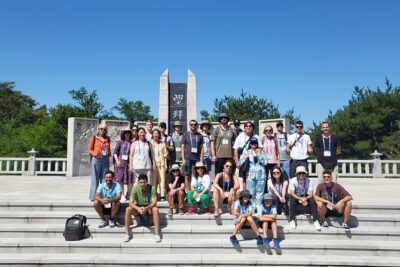
Best DMZ Tour Korea from Seoul (Red Suspension Bridge Optional)
Read our review →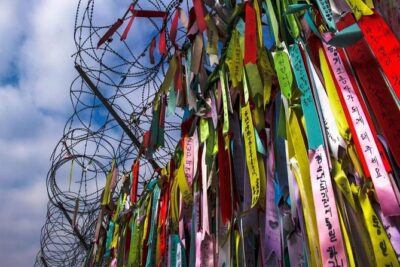
DMZ Tour: 3rd Tunnel, Option(Suspension Bridge, Boat) from Seoul
Read our review →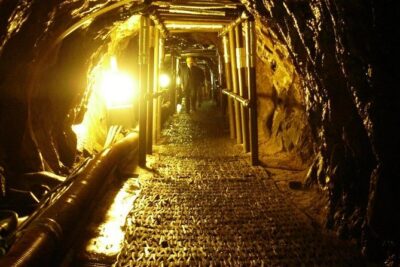
DMZ tour south Korea from Seoul (NK experience hall, defector)
Read our review →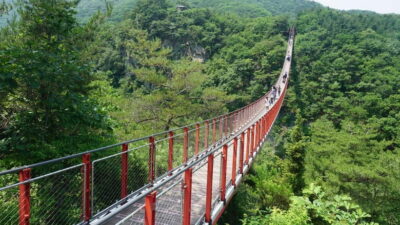

Thrilling Korean DMZ 3rd Tunnel Tour from Seoul + Red Bridge Rush
Read our review →
DMZ Past and Present: Korean Demilitarized Zone Tour from Seoul
Read our review →
Ultimate Korea DMZ Tour from Seoul (Gondola & Suspension Bridge)
Read our review →