
Reviewed · DMZ TOURS
From Seoul: Cheorwon DMZ and 2nd Tunnel Tour with Lunch
The Cheorwon DMZ gives you a different view of Korea’s border. Instead of the crowded Paju route, you travel north through rice fields and quiet country roads to a former North Korean town, an underground invasion tunnel, and a lookout facing the Military Demarcation Line. The day connects war history with present-day village life and open mountain scenery.
I like the small-group format and the fact that there are no shopping stops. I also like the thoughtful meals: a simple breakfast break on the way north, then a generous bibimbap lunch with vegetables, soup, and side dishes. The main consideration is the long road journey from Seoul and the steep, sometimes slippery walk inside the 2nd Tunnel.
Key points to know before you go
- Cheorwon offers a quieter DMZ route: You may share the sites with South Korean visitors rather than large international tour groups.
- The 2nd Tunnel is the physical highlight: Expect steep steps, low ceilings, and a walk through a former North Korean infiltration route.
- Your guide shapes the day: Guides including Sam, Andrew, Oliver, Thomas, and Mr Hong have been praised for clear English, humor, and personal insight into the division of Korea.
- Lunch is part of the value: The premium bibimbap meal includes fresh vegetables and Korean side dishes, with a plant-based option suitable for vegetarians.
- The final stop changes the mood: Hantangang Y-Bridge brings cliffs, volcanic rock, and river views after a serious day of military history.
- Bring your passport and walking shoes: Photography is restricted inside some military sites, and the tour can operate in rain or snow.
Why Cheorwon feels different from the usual DMZ trip
Many Seoul day trips to the DMZ focus on the familiar Paju area and the 3rd Tunnel. Cheorwon takes you farther east into Gangwon Province, where the border zone feels more rural and less packaged. The road out of Seoul passes rice fields, traditional Korean homes, and broad open farmland before the military presence becomes obvious.
That setting matters. You are not only looking at a border from a viewing platform. You are seeing a region that was once connected, then split by war, and later shaped by fences, guard posts, minefields, and military roads. The abandoned North Korean Workers’ Party Headquarters adds a stark reminder that Cheorwon was once governed from the north.
The route is promoted as a way to limit pressure on the best-known DMZ sites. I would not call it untouched, since the area is organized for visitors and access is tightly controlled. Still, it generally feels less crowded than the busiest Paju excursions, and the presence of South Korean visitors gives the day a more local tone.
Your guide is important here because the sites do not explain themselves fully. Guides such as Sam, Andrew, Oliver, Thomas, and Mr Hong have led this route, depending on the date and booking option. Their role is not just to point out a guard post. They explain how the Korean War shaped the modern border, why the DMZ remains active, and how the division still affects families and daily life.
More DMZ Tours in Seoul:
- Best DMZ Tour Korea from Seoul (Red Suspension Bridge Optional)
★ 5.0 · 41,422 reviews - DMZ Tour: 3rd Tunnel, Option(Suspension Bridge, Boat) from Seoul
★ 5.0 · 21,373 reviews - DMZ tour south Korea from Seoul (NK experience hall, defector)
★ 5.0 · 20,599 reviews
The road from Seoul and the first food stop
Allow about eight hours for the full outing, including roughly one hour heading north and around an hour and a half returning to Seoul. Traffic can change the schedule, so do not plan an important evening reservation too close to the expected end time.
Transport is by comfortable vehicle, with private and small-group choices available. A small group makes a real difference at the tunnel and observation points. You can hear the guide more clearly, ask questions without holding up a large crowd, and move through the sites at a steadier pace. The transport has been described as a clean, comfortable minivan, though the exact vehicle depends on the group size.
There is a short stop at a local rest area or market for breakfast and snacks. It is not a formal sit-down brunch, so think of it as a practical break after leaving Seoul. Guides may help choose local snacks, which adds a little Korean flavor before the day becomes more serious.
This stop also keeps the schedule comfortable. The DMZ sites are not set up for casual food shopping, and the military area is governed by fixed opening times and security rules. Eat something early, especially if you are prone to getting hungry during long drives.
Seeing the Cheorwon North Korean guard post
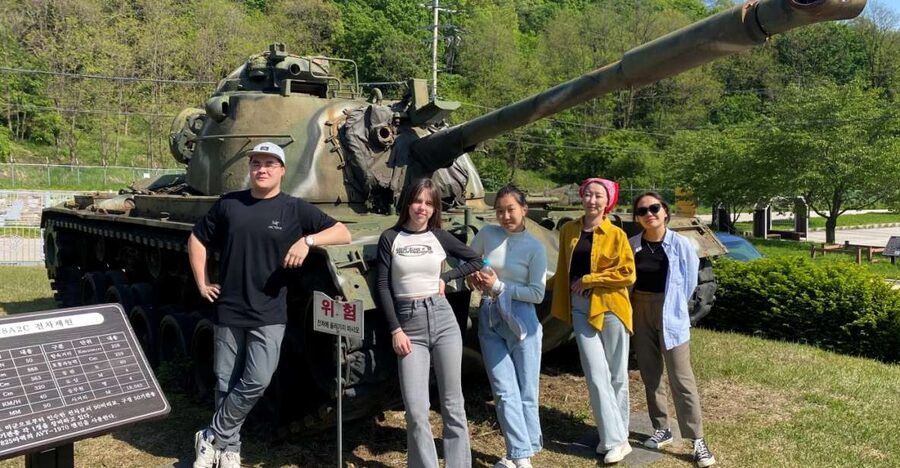
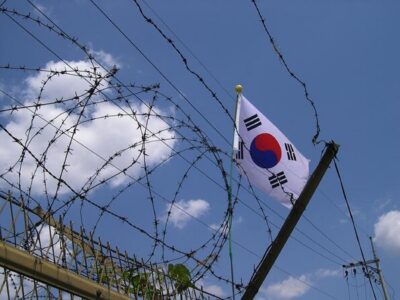
Near the DMZ, the tone changes quickly. The countryside remains open, but roads, barriers, uniforms, and military activity remind you that this is a working security zone, not a historical park. The Cheorwon route offers views toward a North Korean guard post, one of the details that makes this trip feel immediate.
You will receive instructions about where you may stand and what you may photograph. Bring your passport, since identification is required for access to the military area. Photography is not allowed inside certain sites, so listen carefully rather than assuming that a camera or phone is permitted.
Visibility depends on weather. On a clear day, the Peace Observatory gives you a better view toward the northern side, but haze, rain, or snow can reduce what you see. The tour still operates in poor weather unless conditions make the route impossible, so dress for the forecast and accept that the border view is never guaranteed.
Walking into the 2nd Tunnel
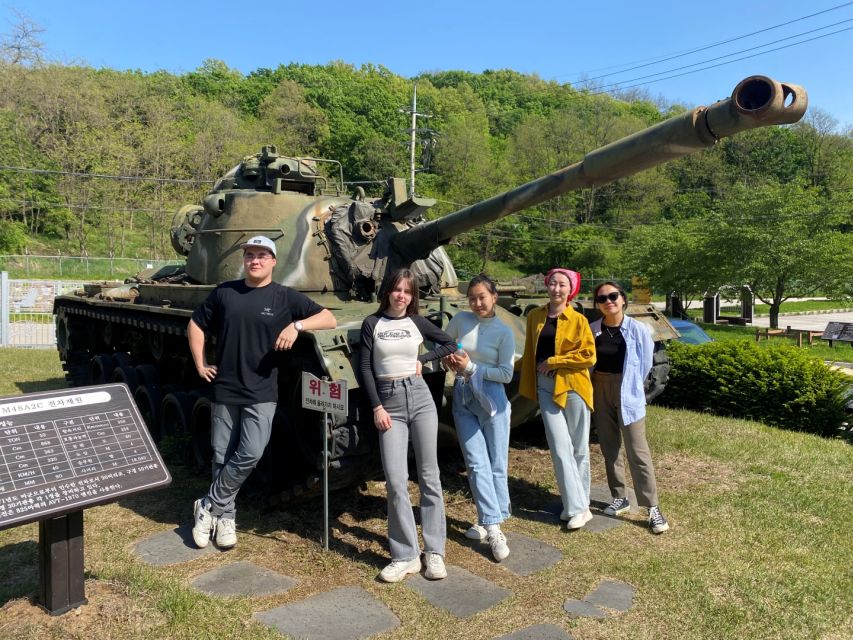
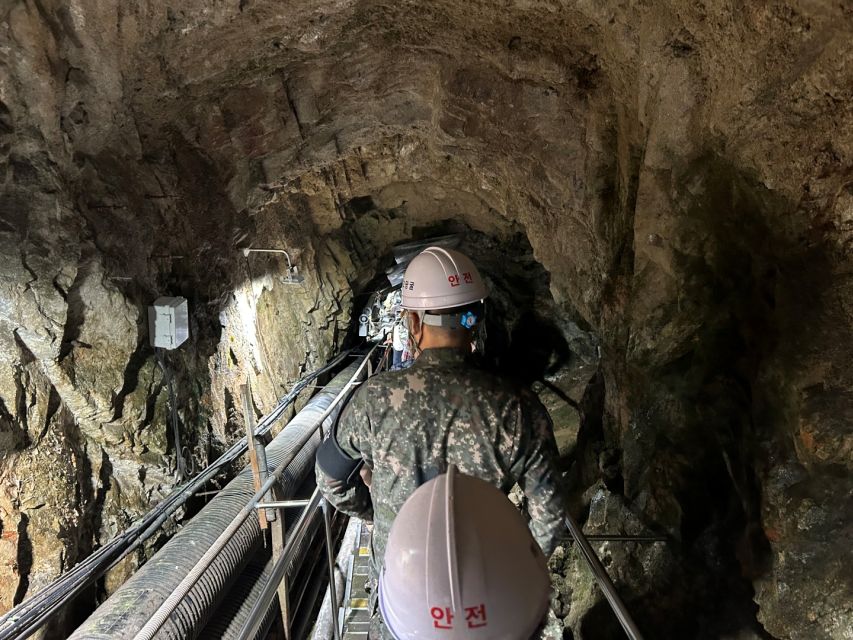
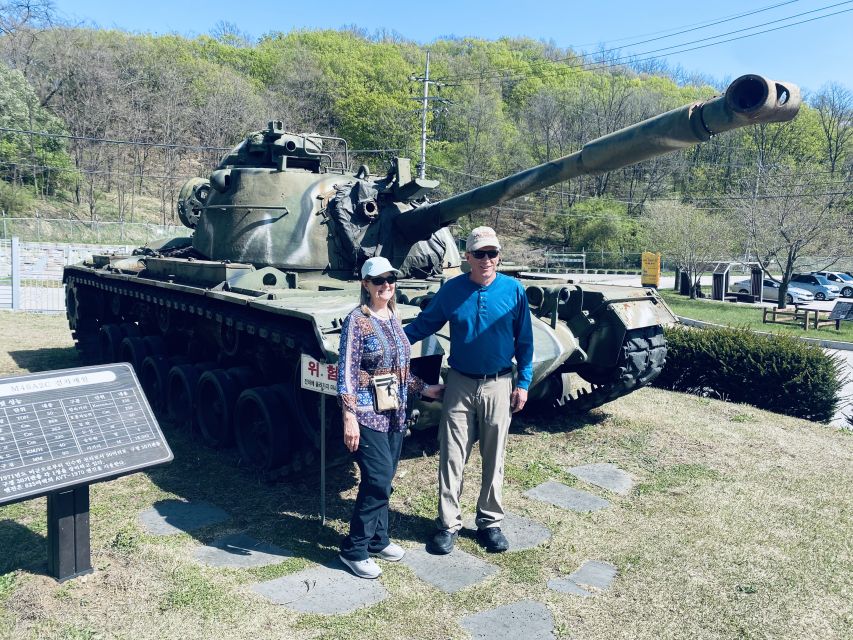
The 2nd Tunnel is the most memorable physical part of the day. Discovered in 1975, it was built as a concealed route for an attack from the north. The tunnel is described as one of the widest and closest to North Korea in the country.
There is an important distinction about the distances. The full tunnel extends for about 3.5 kilometers, but the visitor section is commonly described as roughly 500 meters. You do not walk the entire underground route. You walk far enough to understand its scale, construction, and purpose.
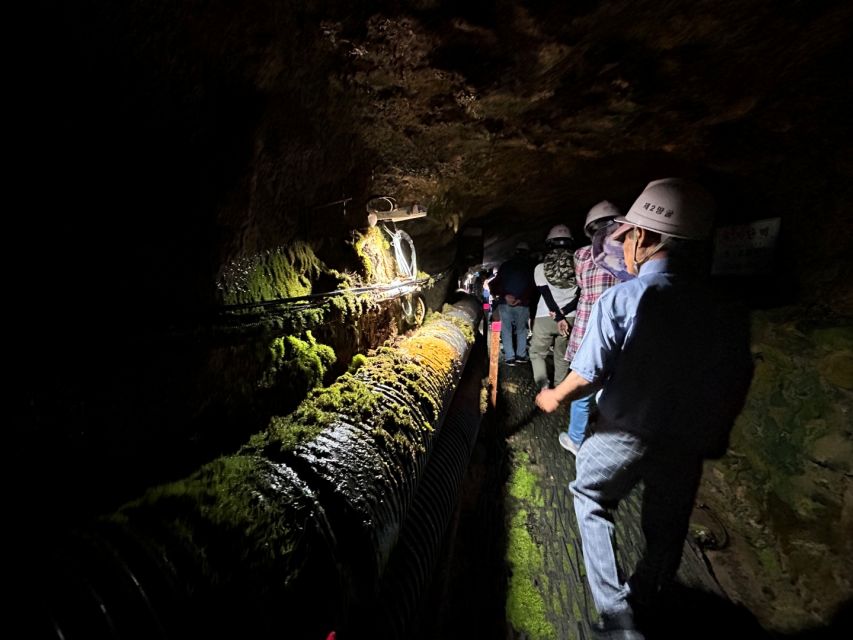
The route includes steep descents and climbs. Inside, the ceiling becomes low in places, so you may need to bend or duck. Winter visitors should take this warning seriously: moisture and cold can make the steps slippery. Good walking shoes are more useful here than stylish city footwear.
The tunnel is not a polished museum exhibit. Its narrow passages and rough surfaces make the military story physical. You can see how difficult the work must have been and how a passage cut through solid rock could have been used for a surprise advance. Your guide explains the construction and the stories linked to the workers and soldiers who discovered and secured it.
Photography rules are strict, especially inside military facilities. You may be able to photograph from permitted outdoor areas, but do not count on taking pictures throughout the tunnel. The experience is better if you focus on the space itself, since a phone screen does little to convey the low ceiling and enclosed air.
If you have mobility problems, balance concerns, or dislike confined spaces, this is the stop to consider carefully. The booking information describes some options as wheelchair accessible, yet the tunnel’s steep steps and uneven route make the overall experience unsuitable for wheelchair users. Confirm the exact arrangement before paying if accessibility is important to you.
A few more Seoul trips to weigh up
- Seoul City Private Full-Day Tour Including Lunch
★ 5.0 · 469 reviews - Premium Private DMZ Tour & (Suspension Bridge or N-Tower) include lunch
★ 5.0 · 348 reviews - Private DMZ Tour with North Korean Defector + N Korean Lunch
★ 5.0 · 122 reviews - Full Day- Essential Seoul City Tour & Gourmet Tour(including Lunch and Dinner)
★ 5.0 · 73 reviews
Cheorwon Peace Observatory and the DMZ Museum
The Peace Observatory gives you a more organized explanation of the border. An included monorail ticket takes you up to the viewing area, which saves energy after the tunnel and makes the stop easier to manage in a tight schedule.
From the observatory, your guide helps you understand the Military Demarcation Line and the wider DMZ. The view can include military structures, fields, and the northern side of the border, though conditions vary. You may also see signs of ongoing army activity. This is a live military area, so the visit is controlled and not entirely flexible.
The DMZ History Museum adds context that a lookout alone cannot provide. It helps explain how the border was created, why the Korean War still matters, and how the DMZ has become both a symbol of conflict and an unexpected refuge for wildlife. Cranes are an especially notable part of the regional story, and the route has sometimes included a stop connected with crane research.
Do not expect a large museum complex filled with entertainment. The value is in putting the sites in order. After hearing about the war on the drive, you can connect the tunnel, guard posts, observatory, and abandoned buildings into one story.
The Workers’ Party Headquarters ruins
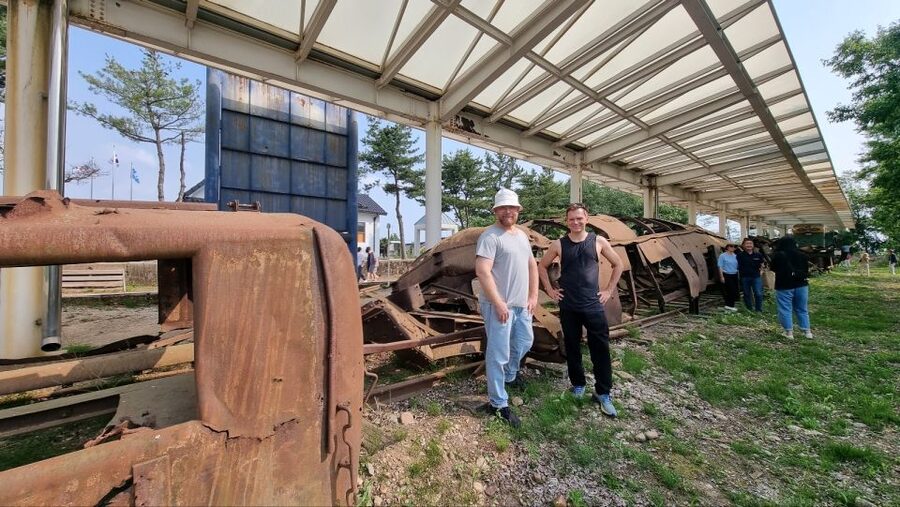
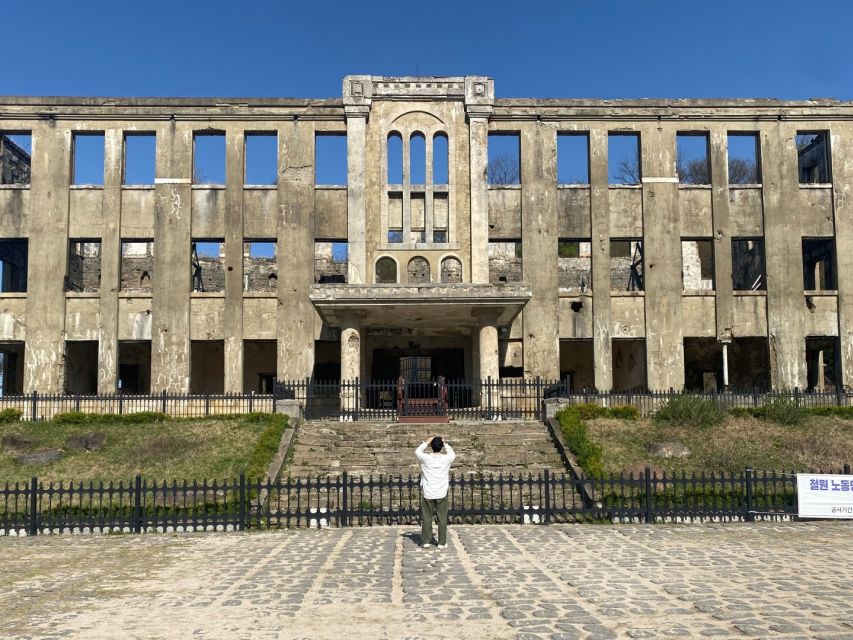
The ruined Korean Workers’ Party Headquarters is one of the strongest stops for understanding Cheorwon’s past. Its damaged concrete structure is a physical reminder that the town was once on the northern side of the division.
Compared with the observatory, this stop feels less controlled and more direct. You are looking at a building that survived war and political change, not a display created for visitors. The remains show how thoroughly conflict altered ordinary civic life.
This is also where Cheorwon differs from a quick border photo stop. You are not only seeing North Korea at a distance. You are seeing evidence that the political boundary shifted through inhabited places, leaving buildings and communities divided by force.
Bibimbap lunch in a local restaurant
Lunch is a real strength of this package. You sit down at a local restaurant in Cheorwon for a bibimbap set, usually accompanied by soup and several Korean side dishes. The meal features fresh vegetables and is suitable for vegetarians.
The portions have been described as generous, and the food gives you a welcome pause after the tunnel and observatory. Bibimbap is also a sensible choice for a mixed group because it is filling, familiar to many visitors, and easy to adapt around vegetables.
I would not choose this tour only for the meal, but the included lunch improves the value. Many day trips require you to find food during a tightly timed itinerary, often at a tourist stop. Here, the meal is part of the plan and helps the day feel connected to the local area.
The restaurant setting can be a pleasant surprise, with a more traditional feel than a highway food court. Exact dishes may vary, so anyone with dietary restrictions should confirm details before booking. The supplied information specifically identifies the bibimbap as vegetarian-friendly, but it does not promise a fully vegan meal.
Hantangang Y-Bridge and the change from war to nature
The final stop moves away from military history. At Hantangang Y-Bridge, you can reach an observation area with views of Korea’s longest Y-shaped suspension bridge, steep cliffs, volcanic rock formations, and the river below.
The bridge itself requires a separate admission fee if you want to cross it. Observation deck access is free, so you can still enjoy the views without adding the ticket cost. This distinction is useful because the bridge is a scenic finish, but it is not the reason to choose the tour.
You receive about 20 minutes here, enough for photographs and a quick look around. If you want a long walk across the bridge, this schedule may feel brief. One sensible approach is to treat the stop as a final scenic viewpoint rather than a full hiking visit.
I like the contrast. After several hours of guard posts, tunnels, and divided territory, the river gorge gives you room to breathe. It also shows that Cheorwon is more than a military destination. The region’s geology and rural scenery help round out the day.
Is $95 a fair price?
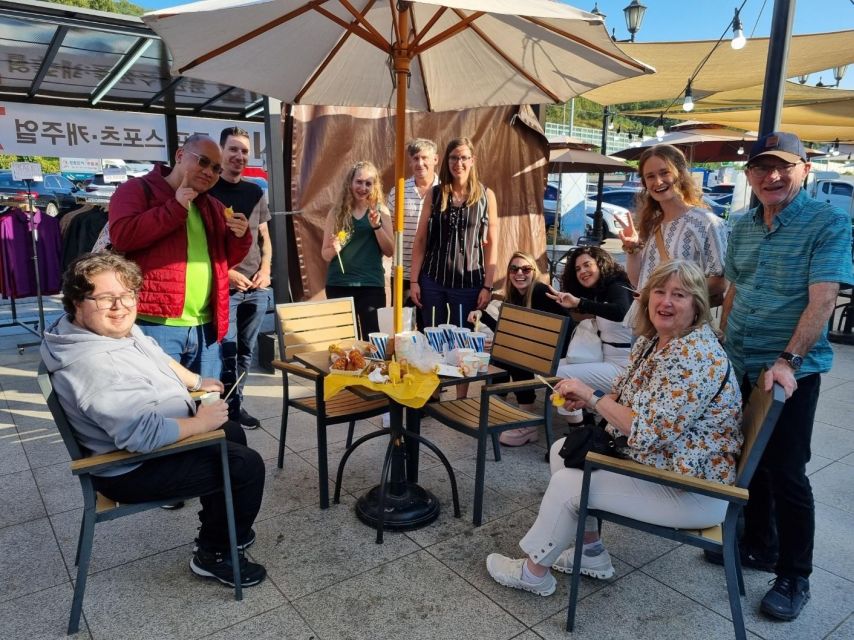
At $95 per person, the tour offers solid value if you want an organized visit from Seoul. The price includes transport, a licensed guide, entry fees, the Peace Observatory monorail, breakfast snacks, and a substantial bibimbap lunch. You are also paying for access arrangements in a military zone, where independent sightseeing would not be simple.
The value improves in a small group. A private option costs more in many tour settings, but it gives you hotel pickup and a more personal pace. Shared small groups keep the cost lower while preserving much of the benefit of a private outing.
There are two trade-offs. First, you spend several hours in the vehicle. Cheorwon is not a quick add-on from Seoul, and the return trip can stretch with traffic. Second, the Y-Bridge crossing is not included, so budget separately if you want to walk across it.
The tour has an overall rating of 4.9 from 116 ratings, and transport received a perfect score from 86 percent of ratings. I would read that as a sign that the basic operation is usually dependable, while remembering that military closures and vehicle problems can still happen. One past outing required a vehicle change, but the group was offered a refund or a new booking and continued the next day.
Who will enjoy this day trip most?
I would choose this tour if you want history explained in detail rather than a quick photo at the border. It suits first-time visitors to Korea who want to understand the Korean War, the division of the peninsula, and the ongoing role of the DMZ.
It is also a good pick if you prefer smaller groups, local food, and a route that avoids shopping stops. The combination of the 2nd Tunnel, Workers’ Party ruins, and observatory gives you more substance than a simple lookout visit.
You should think twice if you want a relaxed day with little walking. The road time is long, the tunnel has steep sections, and the schedule is shaped by military opening times. It is also not ideal for wheelchair users, despite accessibility language attached to some booking options.
The experience suits teenagers and adults who can handle the serious subject matter and physical route. Infants under 24 months can travel free while sitting on an adult’s lap, but the tunnel and long vehicle ride may still be tiring for very young children.
Practical advice for a smoother visit
Wear shoes with good grip. The tunnel can be slippery, particularly in winter, and you will climb and descend rather than stroll along a flat museum corridor.
Keep your passport with you and follow photography instructions. Military sites can change their rules, and a guide may ask you to put your phone or camera away inside restricted areas.
Allow flexibility at the end of the day. The advertised duration is eight hours, but traffic and security procedures can affect the return time. Pickup is available from Seoul hotels when that option is selected, and drop-off is listed in Myeong-dong, but the exact meeting arrangement depends on the booking choice.
The DMZ may close suddenly because of political or military events. If that happens, the tour switches to alternative attractions. Rain or snow does not automatically cancel the outing, so bring suitable outerwear instead of assuming that bad weather means a refund.
Should you book the Cheorwon DMZ tour?
Book it if you want the DMZ with more history, fewer shopping distractions, and a stronger sense of place. The 2nd Tunnel is the day’s central experience, while the observatory and Workers’ Party ruins give it political and human context. The included meal and small-group transport make $95 a reasonable price for a full day from Seoul.
Choose another outing if you mainly want the shortest route to a border photo, or if steep underground walking is not suitable for you. For everyone else, especially visitors who value guides such as Sam, Andrew, Oliver, Thomas, or Mr Hong for their stories and easy conversation, this is one of the more thoughtful ways to see Cheorwon.
FAQ
How long does the Cheorwon DMZ tour take?
The tour lasts about eight hours. The drive from Seoul takes roughly one hour in the morning and about one and a half hours on the return, although traffic can change the exact end time.
What is included in the $95 price?
The price includes round-trip transport, a licensed guide, entry fees, the Peace Observatory monorail ticket, breakfast snacks, and a premium bibimbap lunch.
Do I need to bring my passport?
Yes. You should bring your passport because the tour enters a controlled military area.
Can I take photographs inside the DMZ sites?
Photography is not allowed inside certain locations. Your guide will explain where photography is restricted, so follow the instructions at each stop.
Is the 2nd Tunnel difficult to walk through?
The tunnel includes steep descents and climbs, low sections where you may need to duck, and surfaces that can become slippery. Good walking shoes are recommended.
Is the Y-shaped suspension bridge ticket included?
No. The observation deck is free, but you must buy a separate ticket on site if you want to cross the bridge.
Does the tour include vegetarian food?
Yes. The bibimbap lunch is made with fresh vegetables and is described as suitable for vegetarians.
Can the tour be cancelled because of weather or political events?
The tour operates in rain or snow unless conditions make it impossible. The DMZ can close suddenly because of political events, in which case the itinerary changes to alternative attractions.
Just added around Seoul
- Gyeongbokgung palace,seoul with gigibebe hanbok rental★ 4.5 · 12 reviews
- Private tour guide service in Seoul, Korea★ 5.0 · 6 reviews
- Alpaca, Nami, Petite Fr, Italian Village, Garden of Morning Calm★ 3.5 · 5 reviews
- Gyeongju UNESCO Sites Tour by KTX train; The Museum Without walls★ 4.5 · 11 reviews
- Private day trip to Korean Folk Village & Dae Jang Geum Park★ 5.0 · 7 reviews
- Private tour Lotte World,Tower,Aquarium(All Tickets are included)★ 5.0 · 12 reviews
- Full Day Private Seoul Tour for foodies★ 5.0 · 3 reviews
- Seoul Private Custom Walking Tour with A Guide (Private Tour)★ 4.5 · 28 reviews
DMZ Tours, compared.
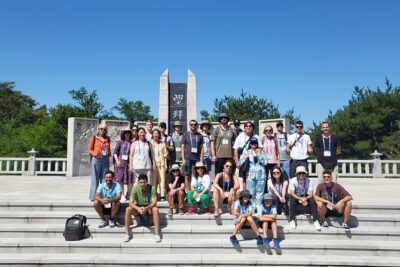
Best DMZ Tour Korea from Seoul (Red Suspension Bridge Optional)
Read our review →
DMZ Tour: 3rd Tunnel, Option(Suspension Bridge, Boat) from Seoul
Read our review →
DMZ tour south Korea from Seoul (NK experience hall, defector)
Read our review →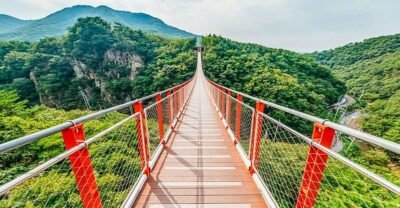
DMZ Insider Tour: 3rd Tunnel, NK Defector Meet & Red Bridge
Read our review →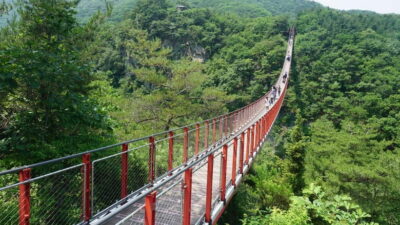
Thrilling Korean DMZ 3rd Tunnel Tour from Seoul + Red Bridge Rush
Read our review →
DMZ Past and Present: Korean Demilitarized Zone Tour from Seoul
Read our review →
Ultimate Korea DMZ Tour from Seoul (Gondola & Suspension Bridge)
Read our review →Browse the lists this tour appears in