
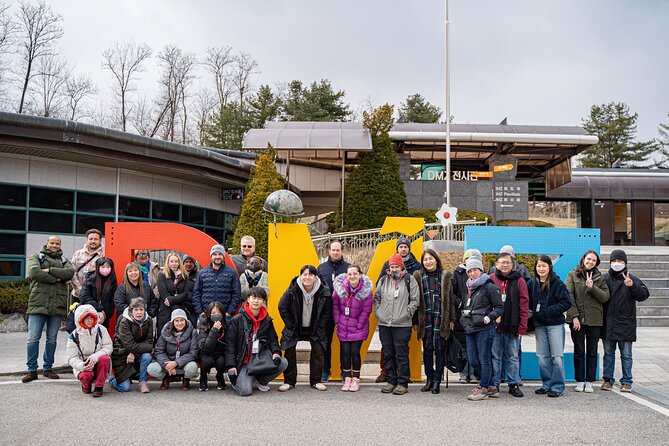
Reviewed · DMZ TOURS
Signature DMZ Tour: Exclusive Defector Talk & Suspension Bridge
The most affecting part of this DMZ tour is not the barbed wire or lookout tower. It is the conversation with a North Korean defector, whose account gives human meaning to a conflict that can otherwise feel distant and abstract. Guides such as Han Solo, Jackie, SP Hong, Molly, and JJ are known for lively explanations and strong command of the history.
I like the mix of major sights and personal storytelling. The Third Tunnel gives you a physical sense of the danger beneath the border, while Dora Observatory lets you look toward North Korea. The main caution is that this is a tightly controlled, large-group outing, and the optional bridge or an unexpected shopping stop can affect the day.
Key points to know before booking
- A defector interview adds a human voice: The Q&A is often held during the bus ride and is the feature that separates this tour from a basic DMZ sightseeing trip.
- The Third Tunnel is physically demanding: You walk down a steep, narrow passage and then climb back up. Comfortable shoes are essential.
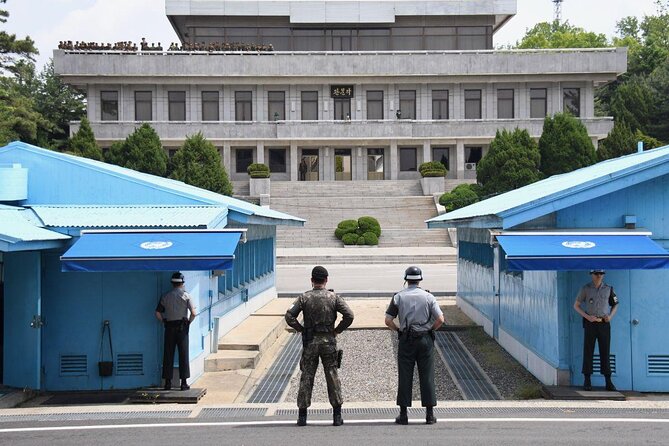
- Dora Observatory gives you a real border view: You may see Gaeseong, the industrial complex, and the so-called Propaganda Village, but photography restrictions apply.
- The DMZ can close without warning: Military training, official events, weather, traffic, and ticket limits can change the route.
- The suspension bridge is optional: Gamaksan Chulleong Bridge requires enough participants and may close in poor weather.
- Plan for a long morning: The tour begins at 7:30 am, lasts roughly seven to nine hours, and may include a shopping stop before returning to Seoul.
Why the defector talk changes the day
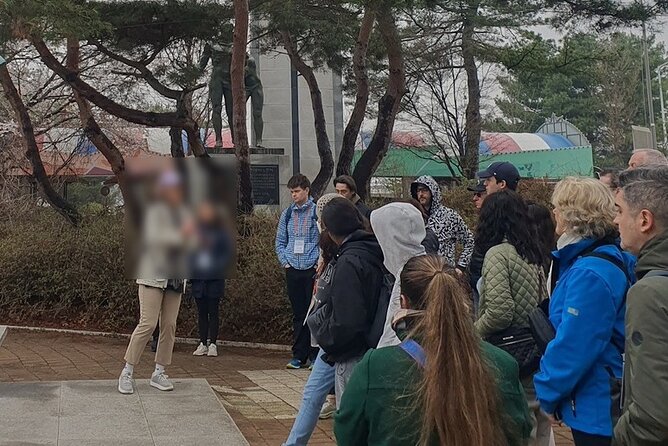
The DMZ can easily become a procession of military facts, observation decks, and souvenir stalls. The interview helps keep the subject connected to real lives.
The format can vary, but the defector talk is commonly held on the bus while you travel from Seoul toward the border. You may hear about life in North Korea, the decision to leave, and the escape itself. A question-and-answer session gives you a chance to ask about daily life and the lasting effects of division.
That personal account deserves respectful attention. You are not attending a stage show, and the subject matter is serious. Listen carefully, ask thoughtful questions, and remember that the person speaking is sharing a painful part of life rather than providing a political debate.
The guides do a good job of placing the talk in context. Han Solo is repeatedly praised for his humor and clear explanations, while Jackie has earned the nickname the Storyteller for making historical material easy to follow. SP Hong is also noted for keeping groups organized while explaining what you are seeing.
Guide quality matters here. The DMZ is not a place where you can simply wander off and work out the story for yourself. Military rules control where you go, when you go, and what you can photograph. A lively guide turns those limits into a coherent day instead of a string of checkpoints.
More DMZ Tours in Seoul:
- Best DMZ Tour Korea from Seoul (Red Suspension Bridge Optional)
★ 5.0 · 41,422 reviews - DMZ Tour: 3rd Tunnel, Option(Suspension Bridge, Boat) from Seoul
★ 5.0 · 21,373 reviews - DMZ tour south Korea from Seoul (NK experience hall, defector)
★ 5.0 · 20,599 reviews
Leaving Seoul at 7:30 am
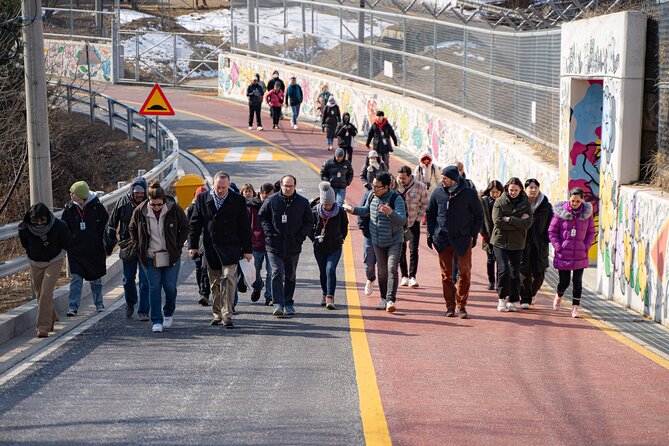
You meet at 92 Sejong-daero in Jung-gu, in central Seoul, at 7:30 am. The ride to the border area takes about an hour, depending on traffic and the number of groups heading north at the same time.
Transport is by air-conditioned vehicle. The standard coach is comfortable, though this is not a small private tour. The maximum group size is listed as 90 people, and some departures use a bus of around 40 passengers. That scale keeps the price low, but it also means you must watch the guide, follow timing instructions, and stay close to the group.
Do not cut the departure close. The operator states that late arrivals receive no changes or refunds, no matter the reason. Bring your original passport, not a photocopy. It is required at the military checkpoint, and there is no practical substitute for forgetting it.
The early start is useful. It gives the group a better chance of reaching the controlled sites before later delays build up. It also leaves some room for the trip back to Seoul, although the final return time can shift with traffic and military schedules.
Imjingak and the Freedom Bridge
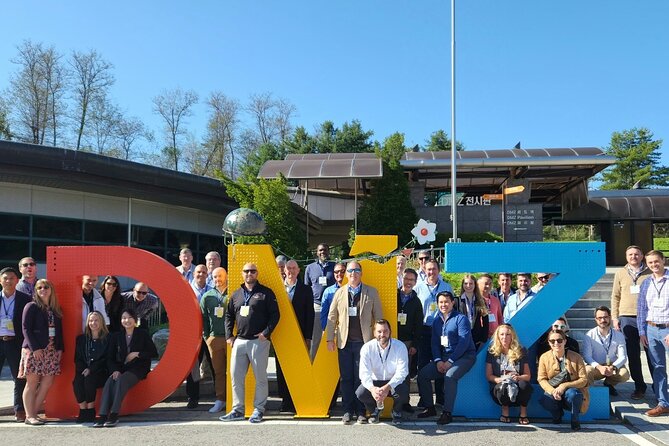
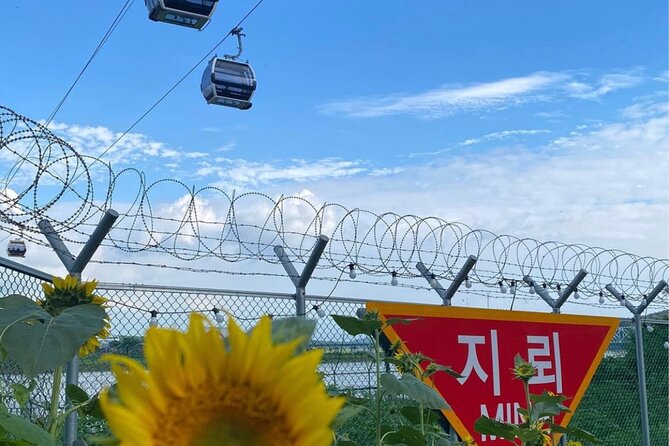
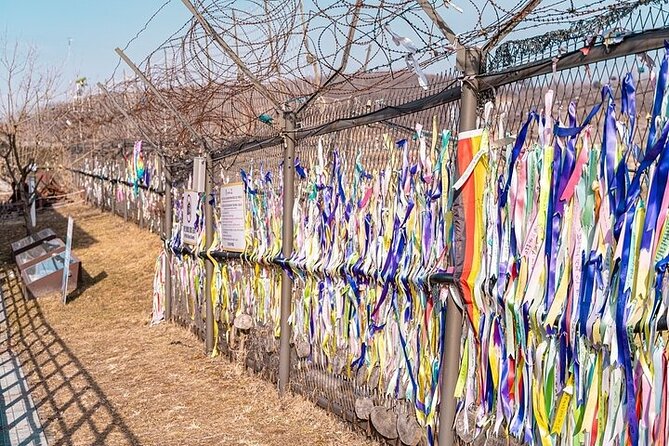
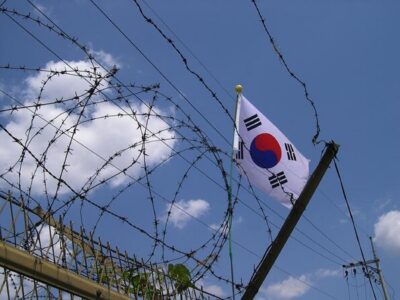
Imjingak Pyeonghwa-Nuri Park is the first major stop. It mixes a public park atmosphere with reminders of the Korean War and the division of the peninsula. You may see rides and open spaces near barbed wire, an odd pairing that shows how the DMZ has become both a place of mourning and a major sightseeing destination.
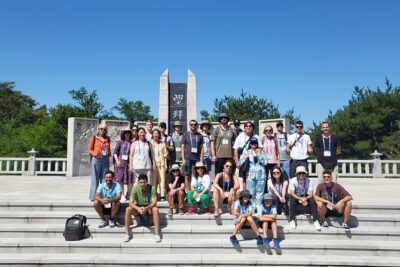
The Freedom Bridge is the important historical feature here. About 13,000 prisoners of war crossed it in 1953 as they returned to freedom. Knowing that before you look at the bridge helps you see it as more than a photo stop.
Allow yourself a little emotional distance from the theme-park elements. Imjingak is not a remote wilderness experience. It is a developed visitor area designed to explain, commemorate, and accommodate large numbers of people. That does not make it meaningless, but it does mean you should not expect a solitary encounter with the border.
The scheduled stop lasts about an hour. Keep track of the meeting time. The group cannot wait for someone who wanders toward every exhibit, and delays here can shorten later visits.
Entering the Third Tunnel
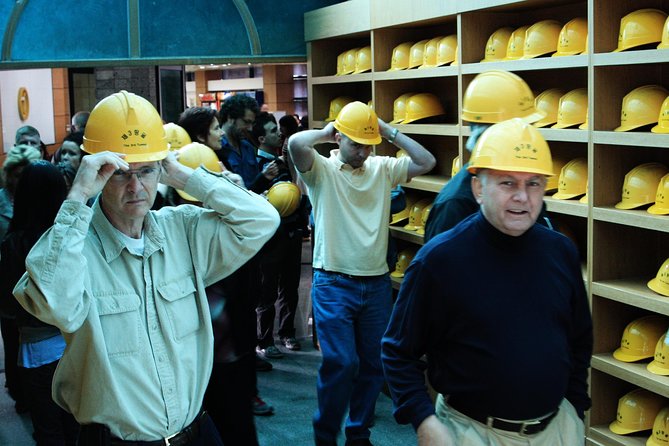
The Third Tunnel is the day’s most physical stop and, for many people, its most memorable. North Korean forces constructed the tunnel for a possible military movement south, and the passage extends 435 meters into South Korean territory.
You walk down into the tunnel, continue through part of it, and then return uphill. The route is narrow and the climb back can be surprisingly strenuous. One section is steep enough that you will feel it in your legs, especially after a full morning of walking.
The monorail may not be operating during your visit. If it is closed, you should expect to walk the route rather than rely on a ride. The tour specifically warns people with heart conditions or other serious medical concerns to avoid this part.
Wear sturdy, comfortable shoes. Sandals and smooth-soled footwear are poor choices. You may also find the passage uncomfortable if you dislike tight spaces or have limited stamina.
Photography is not allowed inside the tunnel. This rule is enforced because the site remains part of a military-controlled area. The restriction can be frustrating, but it also keeps the stop focused on what you are seeing rather than on collecting pictures.
A documentary and display area help explain the tunnel before or after the walk. Your guide’s explanation is especially useful here because the physical space alone does not tell you why the discovery mattered. You begin to understand the tunnel as a security threat, an engineering project, and a reminder that the Korean War never produced a peace treaty.
More Korea Suspension Bridge Tours in Seoul:
- Seoul: DMZ Tour with Optional Suspension Bridge
★ 4.8 · 5,277 reviews - Ultimate Korea DMZ Tour from Seoul (Gondola & Suspension Bridge)
★ 5.0 · 2,396 reviews - DMZ; NK Defector, 3rd Tunnel, Suspension Bridge,Hotel pickup
★ 4.9 · 2,055 reviews - DMZ Tour from Seoul – Optional Suspension Bridge Experience
★ 5.0 · 1,918 reviews
Looking north from Dora Observatory
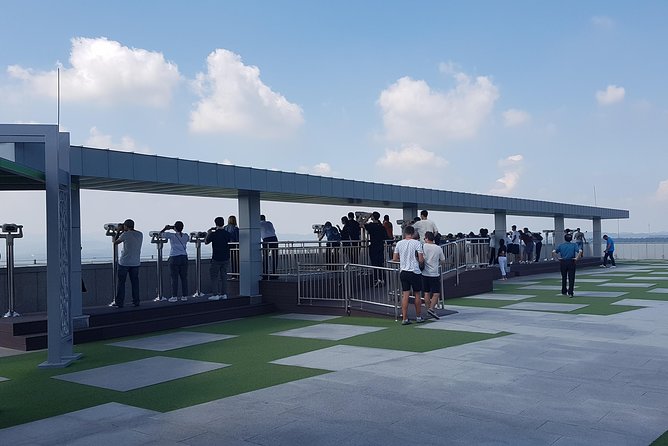
Dora Observatory offers the clearest visual encounter with North Korea on this route. From the viewing area, you may see Gaeseong City, the Gaeseong Industrial Complex, and the large settlement often called Propaganda Village.
The view depends on weather and visibility. On a clear day, it can be startling to look across the border and see roads, buildings, and farmland rather than an abstract line on a map. On a hazy day, the scene may be less dramatic, so keep your expectations realistic.
You cannot treat the observation deck like an ordinary city viewpoint. Photography restrictions apply, especially toward the North Korean side. Listen to the guide before raising your camera, and do not assume that a quick photograph is permitted because another person is taking one.
This stop can feel brief because the area operates under military rules. The schedule usually allows about an hour, but queues, security instructions, and traffic can affect how long you have at the actual viewpoint.
Bring binoculars only if you already own a compact pair and want a closer look. The tour information does not promise equipment at the observatory, so you should not count on a rental or guided viewing device.
The optional Gamaksan suspension bridge
The Gamaksan Chulleong Bridge is an optional addition rather than part of the core DMZ route. At 220 meters, it was once Korea’s longest suspension bridge and crosses above Silmari Valley.
This stop changes the character of the day. The DMZ sites are built around war, surveillance, and separation. The bridge brings in open views, a little height, and a more conventional outdoor attraction. If you want scenery after the serious border stops, it can be a pleasant counterpoint.
There are important conditions. The bridge option needs a minimum number of participants, so it may not run. Weather can close it, and a closure may mean extra time on the road without receiving the bridge visit you expected.
Some bookings can also involve a transfer to another bus or guide for the bridge portion. Language coordination and timing are worth confirming at the start of the day. If the bridge matters more to you than the DMZ itself, do not assume the add-on is guaranteed simply because you selected it while booking.
Lunch, shopping, and the return to Seoul
Lunch is not included, so bring money and be prepared for a quick meal. The food options around the controlled sites can be limited. A cafe meal may be simple, with choices such as a hot dog or ham sandwich, and the lunch break can feel short if people lose track of the schedule.
I suggest carrying a small snack and water. You will be walking at the tunnel, waiting at military sites, and spending much of the day away from Seoul. A little planning keeps a mediocre lunch from becoming a real problem.
The itinerary may include a civilian-area stop for bathrooms and souvenirs. Some departures also make an unadvertised or lightly explained visit to a jewelry or jade shop near Seoul. This is the clearest drawback in the schedule.
A shopping stop can feel like a sales detour, especially after a long day and a request to provide feedback. It may not interest you, and it can add time when you are ready to return to your hotel. Ask the guide early if a shopping stop is planned and be ready for the possibility.
The stated end point is the original meeting point, though some departures have offered a drop-off in the Hongdae area. Do not build a tight evening reservation around the advertised return time. The full outing normally runs seven to nine hours, and traffic or military controls can push that later.
What the $27 price really buys you
At $27 per person, this is a low-cost way to reach a place that is difficult to visit independently. The price includes a licensed English-speaking DMZ guide, the defector interview, entrance fees, taxes, and air-conditioned transport.
It does not include lunch, drinks, personal purchases, or any optional extras. The inexpensive price also reflects the group format. You are paying for access, transport, and coordination rather than a quiet, custom-paced tour.
For most first-time visitors to Seoul, I think the value is strong if you want the main controlled sites in one day. The Third Tunnel and Dora Observatory require organized transport and military access procedures. A tour removes much of that planning.
The value drops if you expect an uncrowded border experience, a long time at every exhibit, or a guaranteed suspension bridge visit. It also drops if shopping stops make you especially unhappy. The essential DMZ portion is worthwhile, but the day can feel less polished when buses, language groups, or military schedules change.
Military rules are part of the experience
The DMZ is not a normal attraction. The military can close it suddenly, with no advance notice. Training, official events, ticket limits, weather, and traffic can all change the route.
If access is blocked, the operator may substitute Tomorrow’s Whistle, Bunker Beat 131, Odusan Unification Tower, or the War Memorial of Korea. There is no refund when a military closure forces an alternative itinerary.
That policy may sound harsh, but it reflects the nature of the destination. Still, you should understand the tradeoff before paying. A DMZ booking is not a promise that every border site will operate on a particular day.
The tour is available to most people, but children must be accompanied by an adult. The Third Tunnel requires enough mobility for a steep walk, and comfortable shoes are not optional advice. Take the warning seriously if you have a heart condition or another serious medical issue.
Who will enjoy this tour most
I would choose this outing if you want a clear introduction to the Korean War, the division of the peninsula, and present-day life around the border. It suits first-time visitors who value a strong guide and prefer an organized day over figuring out military access alone.
It is also a good fit if personal testimony matters to you. The defector talk gives the day an emotional center that a standard bus tour may lack.
You may want another option if you dislike large groups, strict schedules, shopping stops, or uncertain plans. The optional bridge is not dependable enough to be the sole reason for booking, and the DMZ route itself can be adjusted without warning.
Practical tips for a smoother day
- Bring your original, valid passport and keep it accessible at checkpoints.
- Wear shoes suitable for a steep, narrow walk.
- Carry water and a snack because lunch is not included and meal choices may be basic.
- Do not plan photography inside the Third Tunnel or toward North Korea from the observatory.
- Stay close to the group and watch the meeting times at every stop.
- Treat the defector interview as a serious conversation, not a novelty.
- Leave room in your Seoul schedule for traffic, security delays, and possible itinerary changes.
- If you cannot attend, cancel at least 24 hours before the start time for a full refund. Late cancellations and changes are not accepted.
FAQ
Where does the DMZ tour begin?
The tour begins at 7:30 am at 92 Sejong-daero, Jung-gu, Seoul, and returns to the meeting point.
Is lunch included?
No. Lunch and personal expenses are not included, so bring money for food and drinks.
Do I need my passport?
Yes. You must bring your current, valid original passport on the day of the tour. A copy is not accepted.
Can I take photos in the Third Tunnel?
No. Photography is not allowed inside the Third Tunnel. Photography restrictions also apply at the Dora Observatory viewing area.
Is the Gamaksan suspension bridge guaranteed?
No. The bridge is an optional tour feature that requires a minimum number of participants and can close because of weather or other conditions.
What happens if the DMZ closes?
The operator may replace the DMZ visit with sites such as Tomorrow’s Whistle, Bunker Beat 131, Odusan Unification Tower, or the War Memorial of Korea. The operator states that sudden military closures do not qualify for a refund.
Should you book this DMZ tour?
Book it if you want the main DMZ sights, an English-speaking guide, and a direct conversation with a North Korean defector at a modest price. Han Solo, Jackie, SP Hong, Molly, and other guides have made a strong impression through humor, organization, and clear historical storytelling.
Go in knowing what you are buying. This is a large, timed coach tour in a military zone, not a relaxed private excursion. The Third Tunnel will test your legs, the view from Dora depends on weather, lunch may be forgettable, and a shopping stop may appear at the end.
Those limits are real, but the central experience remains powerful. Standing near the border, walking through a tunnel built for war, and hearing one person explain what division means can give your Seoul visit a seriousness that palace visits and shopping districts cannot. For most visitors with one free day and sensible expectations, this tour is a worthwhile choice.
Just added around Seoul
- Gyeongbokgung palace,seoul with gigibebe hanbok rental★ 4.5 · 12 reviews
- Private tour guide service in Seoul, Korea★ 5.0 · 6 reviews
- Alpaca, Nami, Petite Fr, Italian Village, Garden of Morning Calm★ 3.5 · 5 reviews
- Gyeongju UNESCO Sites Tour by KTX train; The Museum Without walls★ 4.5 · 11 reviews
- Private day trip to Korean Folk Village & Dae Jang Geum Park★ 5.0 · 7 reviews
- Private tour Lotte World,Tower,Aquarium(All Tickets are included)★ 5.0 · 12 reviews
- Full Day Private Seoul Tour for foodies★ 5.0 · 3 reviews
- Seoul Private Custom Walking Tour with A Guide (Private Tour)★ 4.5 · 28 reviews
DMZ Tours, compared.
Best DMZ Tour Korea from Seoul (Red Suspension Bridge Optional)
Read our review →
DMZ Tour: 3rd Tunnel, Option(Suspension Bridge, Boat) from Seoul
Read our review →
DMZ tour south Korea from Seoul (NK experience hall, defector)
Read our review →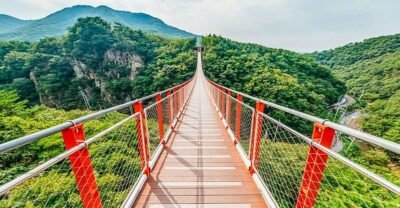
DMZ Insider Tour: 3rd Tunnel, NK Defector Meet & Red Bridge
Read our review →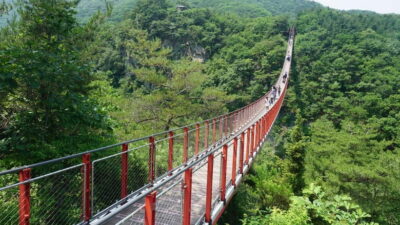
Thrilling Korean DMZ 3rd Tunnel Tour from Seoul + Red Bridge Rush
Read our review →
DMZ Past and Present: Korean Demilitarized Zone Tour from Seoul
Read our review →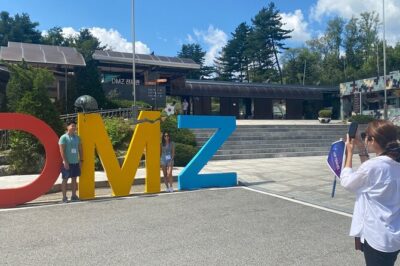
Ultimate Korea DMZ Tour from Seoul (Gondola & Suspension Bridge)
Read our review →Browse the lists this tour appears in