
Reviewed · DMZ TOURS
Seoul DMZ Tour with 3rd Tunnel and Red Suspension Bridge
The most striking part of this Seoul day trip is the Third Tunnel, a narrow passage built by North Korea and discovered by South Korea in 1978. You walk underground with a helmet, stoop beneath the low ceiling, and come away with a far clearer sense of how close the Korean War still feels.
I like the mix of places: Imjingak gives you the human story of divided families, while Dora Observatory offers a view toward North Korea. I also like that the route includes Gamaksan Chulleong Bridge, where mountain scenery meets the memory of the 1951 Battle of Solma-ri.
The catch is simple: this is not an easy sightseeing day. The tunnel has a steep return walk, and the suspension bridge requires a serious uphill climb. You will also need to bring snacks, since there is no formal lunch break.
Key points to know before you book
- The Third Tunnel is narrow and strenuous: It measures 2 meters high and wide, with a long sloping section and a low-ceiling section where you will walk hunched over.
- Dora Observatory depends on the weather: On a clear day, you may see Gaeseong, Songaksan, a Kim Il-sung statue, and a cooperative farm in North Korea.
- Gamaksan Bridge adds scenery and wartime meaning: The 150-meter suspension bridge crosses a mountain area tied to the Battle of Gloster Hill.
- Guides make a real difference: Winnie, Thomas, Kenny, Grace, Leo, Chloe, and Stella are among the guides praised for clear explanations, humor, patience, and good English.
- The $45 price covers a lot: Transport, admission tickets, and a professional guide are included, making this a strong value for a full day outside Seoul.
- You need your passport and sensible shoes: Military access can change without warning, and flip-flops, slippers, and heels are poor choices for this route.
Why this DMZ day trip is worth your time
The Demilitarized Zone is not a normal sightseeing stop. It is a heavily controlled border area shaped by war, separation, and the continuing division of the Korean Peninsula. A good visit should give you more than a quick photo near a fence, and this tour does that by joining memorial sites, an underground military passage, a viewing platform, and a mountain bridge.
You meet in the Myeong-dong area and travel by air-conditioned vehicle. The tour lasts about eight hours, generally running from around 9 a.m. until the late afternoon or early evening. That later start is useful if you do not want the very early departures offered by some DMZ trips.
The bus ride also gives the guide time to explain the Korean War and the current border situation. Guides use photos, videos, and stories to set up the stops, so the sites make more sense when you arrive. Names assigned to this tour include Winnie, often called Mama Winnie, Thomas, Kenny, Grace, Leo, Chloe, and Stella. The strongest feedback centers on guides who keep the day moving while making the subject understandable and human.
The group can be large, with a stated maximum of 500 people. That figure is worth noticing. The exact feel of your day depends on the departure, guide, and military access, so do not expect a small private outing. The tradeoff is a lower price and an efficient route through several major sites.
More DMZ Tours in Seoul:
- Best DMZ Tour Korea from Seoul (Red Suspension Bridge Optional)
★ 5.0 · 41,422 reviews - DMZ Tour: 3rd Tunnel, Option(Suspension Bridge, Boat) from Seoul
★ 5.0 · 21,373 reviews - DMZ tour south Korea from Seoul (NK experience hall, defector)
★ 5.0 · 20,599 reviews
Imjingak begins with the human cost
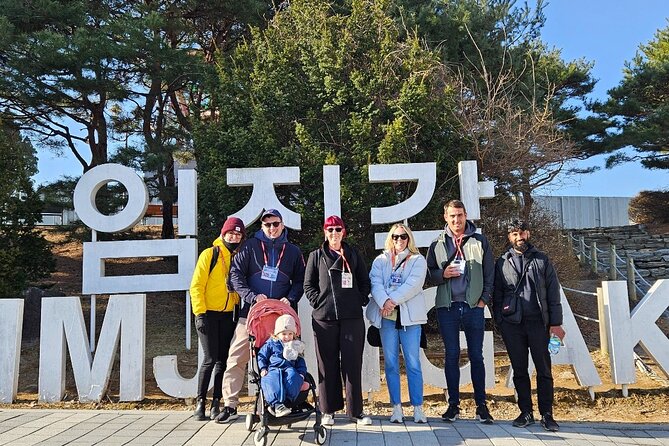
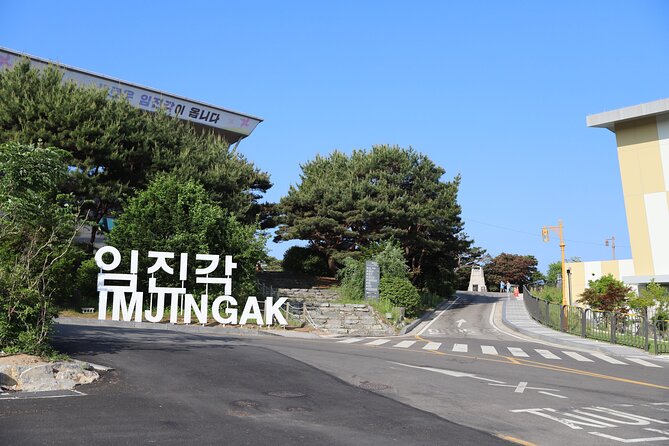
Your first main stop is Imjingak Pyeonghoa-Nuri Park, about 7 kilometers from the Military Demarcation Line. Imjingak was built in 1972 in hope that reunification would one day be possible. The three-story building is surrounded by memorials, Unification Park, and the North Korea Center.
This is a useful first stop because it puts faces and families ahead of military hardware. The park is closely tied to the Korean War and to people who fled the north or were separated from relatives there. You have about 30 minutes, enough to look around, use facilities, and possibly buy a snack or drink.
The pace here is fairly quick. If you like taking your time at memorials, you may feel rushed, but the short visit helps the bus stay on schedule. The stop also gives you a practical chance to prepare for the more demanding parts of the day.
Mangbaedan is nearby and receives about 15 minutes. It is a place where people with family in North Korea traditionally gather on New Year’s Day to remember relatives they cannot visit. That detail changes the meaning of the border. This is not only a line between governments. It is also a line cutting through families.
You may also see the Bridge of Freedom and Dokgae Bridge. Dokgae Bridge was destroyed during the Korean War and later rebuilt. These places are brief visits, but they help connect the war’s physical damage with the larger story of separation.
The Third Tunnel tests your legs
The Third Tunnel was discovered by South Korea in 1978. It stretches about 1,635 meters and is roughly 2 meters wide and 2 meters high. The passage was intended for military use, and it is estimated that about 30,000 soldiers could have moved through it in an hour.
You will not walk the full length. The visit takes about 40 minutes, including the descent and return. The tunnel begins with a steep section, then continues into a lower passage where the ceiling becomes uncomfortably low. At around 1.7 meters, even a person of average height may bump a helmet while walking bent forward.
This is the part of the tour that needs the clearest warning. The return climb can be tiring, especially after the downhill walk has already taken energy from your legs. One practical description puts the underground route at roughly 800 meters down, followed by a flatter section of about 180 meters where you stoop. The exact effort will depend on your pace and condition, but you should expect more than a casual stroll.
Wear shoes with a firm grip. Avoid sandals, flip-flops, slippers, and heels. A current passport is required on the day, and military rules apply throughout the DMZ area. Follow the guide’s instructions, since access and movement can change without prior notice.
The tunnel is valuable because it turns an abstract military threat into a physical experience. You can see the cramped conditions, feel the slope, and understand why the passage would have mattered in an attack. It is also an enclosed space, so anyone uncomfortable in narrow areas should think carefully before booking.
Dora Observatory looks across a guarded border
At Dora Observatory, you look toward North Korea from a designated viewing area. On a clear day, the view may include Gaeseong, Songaksan, a statue of Kim Il-sung, and the Geumamgol cooperative farm.
Weather matters a great deal here. Haze can reduce the view to a distant outline, while a clear day may let you see signs of ordinary life on the other side. You might even spot people working or living there, though that is never guaranteed.
The visit lasts about 30 minutes. The time is enough to understand the geography and take photographs, but it is not an extended observation session. Your guide’s explanation is important because the distant sites can be difficult to identify without context.
I like this stop because it shifts the tour from wartime remains to the present day. The Third Tunnel shows what military planning looked like decades ago. Dora Observatory asks you to consider the people and communities living within the divided country now.
The observatory is also the stop most affected by conditions beyond the tour operator’s control. Bring realistic expectations. You are visiting a working border zone, not a guaranteed scenic lookout.
More Korea Suspension Bridge Tours in Seoul:
- Seoul: DMZ Tour with Optional Suspension Bridge
★ 4.8 · 5,277 reviews - Signature DMZ Tour: Exclusive Defector Talk & Suspension Bridge
★ 5.0 · 4,459 reviews - Ultimate Korea DMZ Tour from Seoul (Gondola & Suspension Bridge)
★ 5.0 · 2,396 reviews - DMZ; NK Defector, 3rd Tunnel, Suspension Bridge,Hotel pickup
★ 4.9 · 2,055 reviews
Gamaksan Chulleong Bridge adds a mountain walk
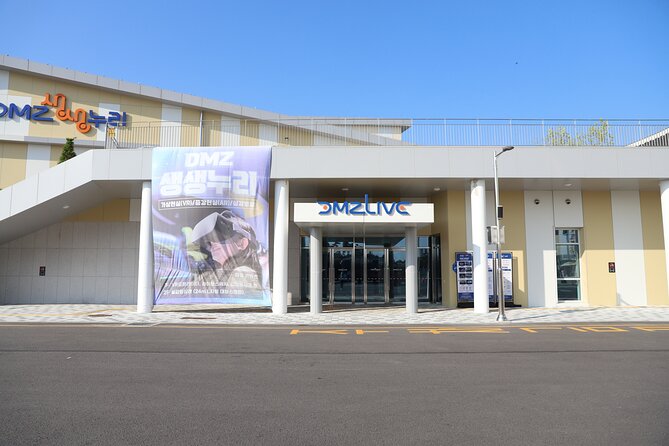
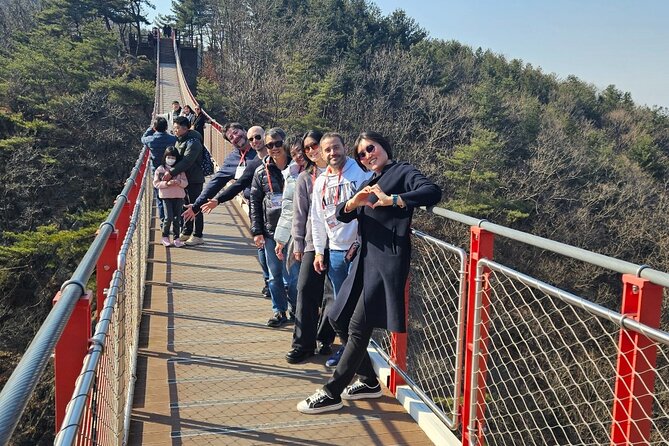
The final major stop is Gamaksan Chulleong Bridge, a 150-meter suspension bridge in Solma-ri. It is 1.5 meters wide and sits in the area of the 1951 Battle of Solma-ri, also known as the Battle of Gloster Hill.
The bridge itself is photogenic, but the wartime connection gives the stop weight. British troops fought and died in the battle while defending against North Korean forces. The site connects international involvement in the Korean War with the hills and valleys around you.
Getting there takes effort. The route from the road to the bridge includes a steep uphill climb, described by one account as roughly 400 steps. You should budget about an hour for the stop, including the climb, crossing, photographs, and the return walk.
The bridge is not a passive viewpoint. It moves slightly under foot, and the approach can be tiring after the tunnel. That is part of the appeal for an active visitor, but it may be too much for anyone with limited stamina or mobility.
The scenery offers a welcome change after the military sites. You get open air, mountain views, and a chance to stretch out. At the same time, the bridge should not be treated as a separate easy nature walk. It is the second physically demanding section of an already full day.
The guide shapes the experience
This tour covers serious material, and the guide’s delivery matters. The guides assigned to this experience have included Winnie, Thomas, Kenny, Grace, Leo, Chloe, and Stella. Their described strengths include clear English, humor, patience, historical detail, and help with photographs.
Winnie, also known as Mama Winnie, is particularly associated with lively explanations and a patient approach. Thomas is described as someone who makes history feel immediate while keeping groups on time. Kenny brings humor and an easy manner, while Grace has used photos and videos during the bus ride to explain the background before arrival.
You cannot choose a specific guide from the information provided, so book for the route rather than for one individual. Still, the repeated emphasis on guide quality is important. The border sites can feel confusing without explanation, and a good guide helps you connect Imjingak, the tunnel, the observatory, and the bridge into one clear story.
What the $45 price includes
At $45 per person, this is a strong-value full-day outing. The price includes an air-conditioned vehicle, admission tickets, and a professional tour guide. The Third Tunnel and Dora Observatory admissions are included, and you return to the Myeong-dong area at the end.
You are paying for transport to several sites that would be difficult to combine independently. The route reaches military-controlled areas, and the guide provides the background needed to understand them. For a visitor with only a few days in Seoul, that combination has practical value.
Meals and drinks are not included. There is no formal lunch break, though Imjingak and other stops provide chances to get snacks, coffee, or simple food. Bring something with you, especially because the tunnel and bridge require energy.
One logistical point deserves attention: the stated end point is in the Myeong-dong area, but the precise drop-off may not be the same as your original meeting point. One account reported being left near the station rather than directly at the earlier pickup place. Confirm the return arrangement with your guide if you need to reach a hotel or timed reservation.
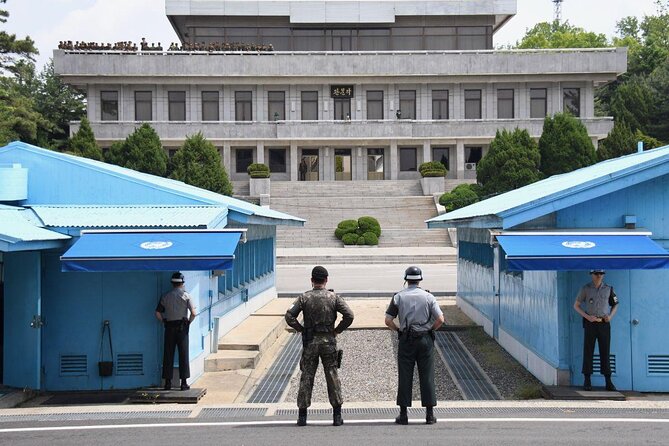
This tour does not include the Joint Security Area, or JSA. That is not a flaw, but it is an important distinction. If your main goal is the blue conference buildings or the closest possible JSA access, this is not that tour. Its focus is the Third Tunnel, Dora Observatory, Imjingak, and Gamaksan Bridge.
Practical planning for a demanding day
Bring your current passport. You cannot enter the DMZ sites without it, and military operations can cause cancellation or route changes without prior notice. If the minimum number of people is not met, the operator may offer another date or experience, or provide a full refund.
Wear comfortable walking shoes with good support. You will deal with stairs, slopes, uneven walking, a low ceiling, and a long day on your feet. One strenuous day can add more than 20,000 steps for some people, so do not pair this outing with another demanding activity.
Pack water and snacks. The tour information specifically recommends this, and the advice is sound. You may find food near the border, including local treats such as soy bean ice cream, but you should not count on a full meal at a convenient time.
The tour uses a mobile ticket, and confirmation is provided when you book. Free cancellation is available up to 24 hours before the start time. Within 24 hours, refunds and changes are not accepted.
Who should book this tour
I would choose this tour if you want a guided explanation of the Korean War and present-day division, rather than a quick border photo. It suits solo visitors, couples, families with older children, and anyone who wants several major DMZ sights in one organized day.
It also works well if you prefer a 9 a.m. departure over the very early starts used by some other tours. The schedule is busy, but it is not built around shopping stops. The tour specifically avoids ginseng centers, amethyst factories, and similar retail detours.
I would hesitate if you dislike confined spaces, steep climbs, or long days. The tunnel is not suitable for everyone, and the bridge approach may challenge older people or anyone who is mostly sedentary. The lack of a formal lunch stop is another reason to plan ahead.
Should you book the Seoul DMZ tour?
Book it if you want strong value, clear historical framing, and a route that combines memorials, an underground tunnel, a border viewpoint, and a mountain bridge. The $45 price covers transport, entry fees, and a guide, while the later morning start makes it easier to fit into a Seoul visit.
Skip it if the JSA is your priority, you need a relaxed pace, or you cannot manage steep walking and a low tunnel. For everyone else, this is a serious but rewarding day that shows the DMZ as both a military frontier and a place shaped by separated families.
FAQ
How long does the Seoul DMZ tour last?
The tour lasts approximately eight hours. The stated schedule generally begins around 9 a.m. and returns to the Myeong-dong area later in the day.
Where does the tour meet and end?
The meeting area is Myeong-dong in Jung District, Seoul, near Myeong-dong subway station. The tour also ends in the Myeong-dong area.
Is hotel pickup and drop-off included?
No. Hotel pickup and drop-off are not included. Pickup is arranged at the designated meeting point selected during booking.
Do I need to bring my passport?
Yes. A current valid passport is required on the day of travel because the tour enters a military-controlled border area.
Is lunch included?
No. Meals and drinks are not included, and there is no formal lunch break. Bring snacks and drinks, with opportunities to purchase refreshments during the route.
How difficult is the Third Tunnel?
The Third Tunnel requires a steep descent and return climb, followed by walking through a low-ceiling section where you must stoop. Moderate physical fitness is recommended.
Does the tour visit the Joint Security Area?
No. A visit to the Joint Security Area, or JSA, is not included. The route visits Imjingak, the Third Tunnel, Dora Observatory, and Gamaksan Chulleong Bridge.
Just added around Seoul
- Gyeongbokgung palace,seoul with gigibebe hanbok rental★ 4.5 · 12 reviews
- Private tour guide service in Seoul, Korea★ 5.0 · 6 reviews
- Alpaca, Nami, Petite Fr, Italian Village, Garden of Morning Calm★ 3.5 · 5 reviews
- Gyeongju UNESCO Sites Tour by KTX train; The Museum Without walls★ 4.5 · 11 reviews
- Private day trip to Korean Folk Village & Dae Jang Geum Park★ 5.0 · 7 reviews
- Private tour Lotte World,Tower,Aquarium(All Tickets are included)★ 5.0 · 12 reviews
- Full Day Private Seoul Tour for foodies★ 5.0 · 3 reviews
- Seoul Private Custom Walking Tour with A Guide (Private Tour)★ 4.5 · 28 reviews
DMZ Tours, compared.
Best DMZ Tour Korea from Seoul (Red Suspension Bridge Optional)
Read our review →
DMZ Tour: 3rd Tunnel, Option(Suspension Bridge, Boat) from Seoul
Read our review →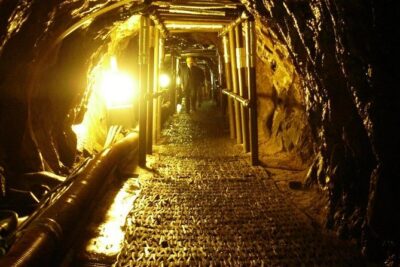
DMZ tour south Korea from Seoul (NK experience hall, defector)
Read our review →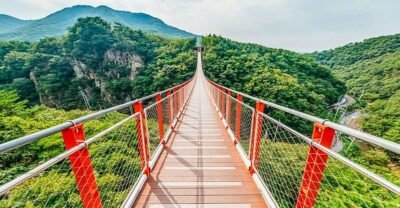
DMZ Insider Tour: 3rd Tunnel, NK Defector Meet & Red Bridge
Read our review →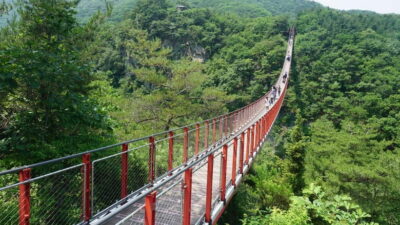
Thrilling Korean DMZ 3rd Tunnel Tour from Seoul + Red Bridge Rush
Read our review →
DMZ Past and Present: Korean Demilitarized Zone Tour from Seoul
Read our review →
Ultimate Korea DMZ Tour from Seoul (Gondola & Suspension Bridge)
Read our review →Browse the lists this tour appears in