
Reviewed · DMZ TOURS
DMZ Tour: 3rd Tunnel, Option(Suspension Bridge, Boat) from Seoul
The most striking part of this day is the sudden change from Seoul’s busy streets to a tightly controlled border zone where the Korean War still shapes daily life. You’ll walk into the Third Tunnel, look toward North Korea from Dora Observatory, and see memorial sites tied to families separated by the border.
I like the easy round-trip bus ride and the choice of an extra stop. I also like that the guides, including Julie, Jay, Charles, Simba, and Eddie, are praised for making difficult history clear and lively. The main drawback is physical: the tunnel has a steep return climb, and the day can feel rushed if you want long, quiet stops.
Key points to know before booking
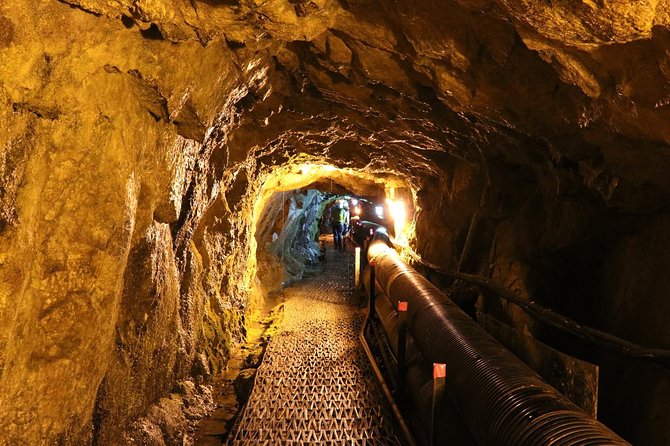
- The Third Tunnel is a real workout: It is about 1,635 meters long, with a low ceiling and a steep walk down and back up.
- Dora Observatory gives you a direct view toward North Korea: On a clear day, you may see Gaeseong Industrial Complex and Songhaksan Mountain.
- You choose an added experience: Pick the Gamaksan Chulleong Suspension Bridge, Majang Reservoir Suspension Bridge, or an Imjin River boat ride, depending on the selected option.
- The tour lasts about 6 to 9 hours: Traffic, weather, military activity, and the chosen add-on can affect the schedule.
- A passport is required: Border access includes an identification check, and the schedule can change with little notice.
- There are no forced shopping stops: That leaves more room for the actual DMZ experience, though lunch is not included.
Why this Seoul DMZ tour is worth your time
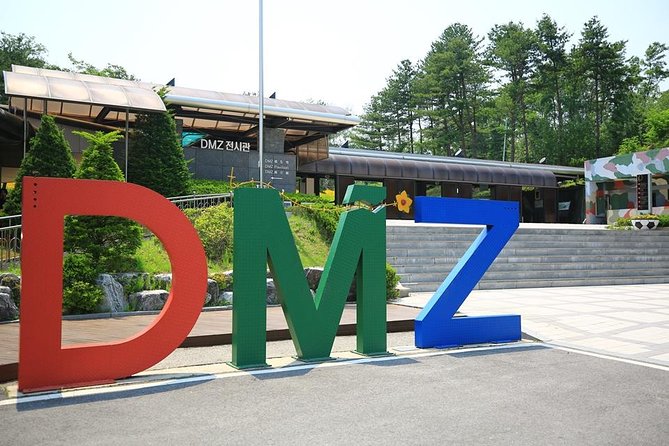
A DMZ visit is not a normal sightseeing trip. It is part history lesson, part border visit, and part countryside outing. You are close to one of the world’s most heavily guarded borders, but the experience is carefully managed, with military access rules and changing schedules.
This tour works well because it covers the main western-front sights in one day without asking you to arrange separate transport. You meet your guide at one of three designated points in Seoul, board an air-conditioned bus, and head north. Groups can reach 43 people, so this is not a private, one-on-one tour, but the bus format keeps the cost to about $35 per person.
That price is good value for a full day of transport, a licensed guide, and DMZ admission. You still need to budget for lunch and anything else not listed in the inclusions. The tour does not include travel insurance, and hotel pickup is only included for groups of 10 or more.
The guide makes a real difference here. Julie is frequently praised for her energy and clear explanations. Jay is known for a funny, engaging style, while Charles is especially strong at explaining the Korean War and giving practical advice about photos and souvenirs. Simba and Eddie are also noted for keeping the group informed without making the day feel like a dry classroom lecture.
More DMZ Tours in Seoul:
- Best DMZ Tour Korea from Seoul (Red Suspension Bridge Optional)
★ 5.0 · 41,422 reviews - DMZ tour south Korea from Seoul (NK experience hall, defector)
★ 5.0 · 20,599 reviews - Seoul: DMZ Tour with Optional Suspension Bridge
★ 4.8 · 5,277 reviews
Bridge of Freedom and Mangbaedan Altar
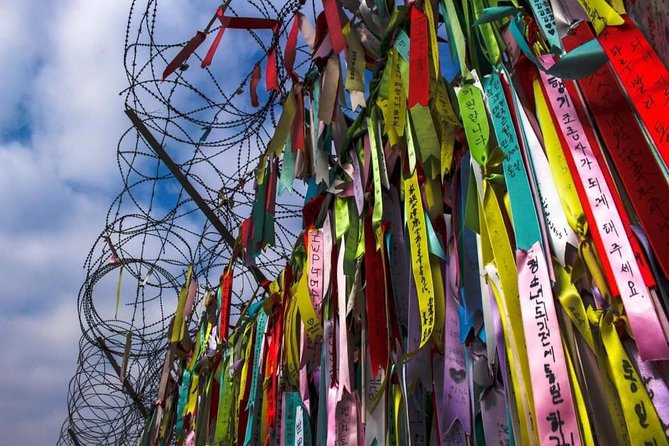
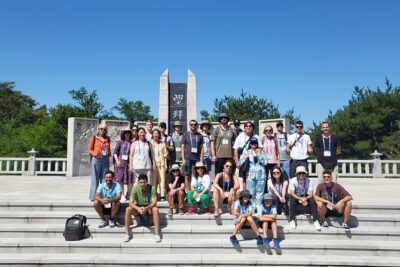
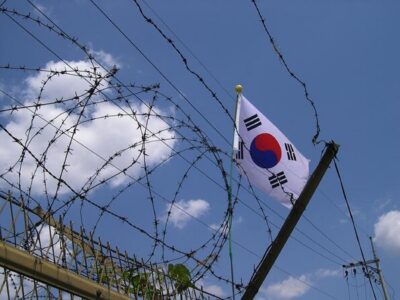
The first stop sets the emotional tone. Before entering the restricted DMZ area and completing the identification check, you visit the Bridge of Freedom and Mangbaedan Altar.
The Bridge of Freedom is linked to the return of prisoners of war and to the many Korean families separated by the conflict. Mangbaedan Altar is associated with people who cannot return to their ancestral homes in the North. These are not simply photo stops. They help explain why the DMZ remains personal and painful for many Korean families.
You get about 20 minutes here, so use it well. Listen closely to the guide, look at the memorial details, and take photographs where permitted. Border areas have strict rules, and the guide will tell you when cameras should be put away.
This short opening visit is valuable because it gives the later sights a human context. Without it, the tunnel and observatory can seem like isolated attractions. With it, the border feels connected to families, loss, and the unresolved nature of the Korean War.
Walking into the Third Tunnel
The Third Tunnel is the tour’s most physical stop and one of its most memorable. It was built as an invasion route from North Korea and is about 1,635 meters long. The passage is roughly 1.95 meters high and 2.1 meters wide.
You walk down into the tunnel, then turn around and climb back out. The ceiling is low enough that taller people may need to stoop, and several sections are steep. Even in cold weather, the enclosed tunnel can feel warm, damp, and tiring.
A moderate level of fitness is required. If uphill walking is difficult for you, this is the stop to consider carefully. One practical approach is to walk only a short way into the tunnel if the full route feels too demanding. You are not missing a decorated underground attraction. The interest comes from the engineering, the border story, and the knowledge that it was intended for military use.
Wear sturdy shoes and avoid carrying anything bulky. Give yourself room to move and watch your head. The walk is not long in sightseeing terms, but the incline makes it harder than the timing suggests. Some people find the return climb the toughest part of the day.
The tunnel visit is scheduled for about 40 minutes. That includes getting inside, walking through the permitted section, and returning. You will not wander freely through the entire tunnel, and you should not expect a long stop at the underground endpoint. The visit is brief by design, but it gives you a physical sense of the border that a museum display cannot provide.
Dora Observatory and the view into North Korea
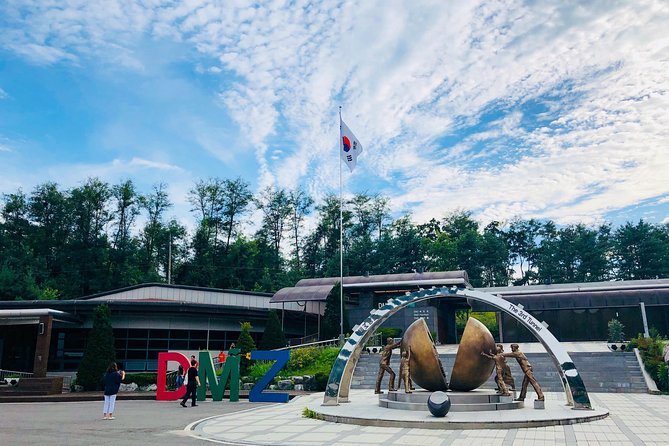
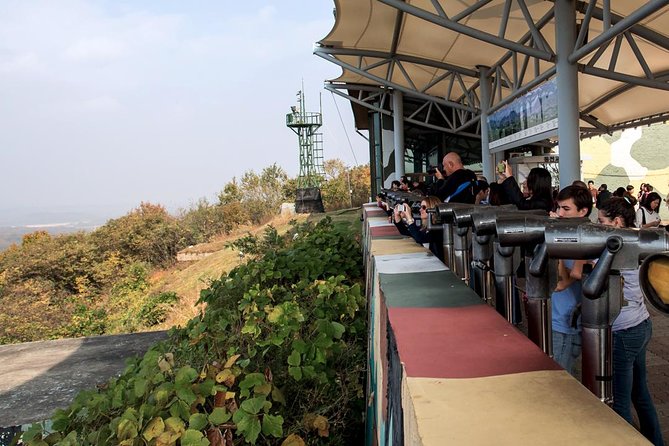
At Dora Observatory, you reach the northernmost point of the western front included in this route. From the viewing area, you can look across the border toward North Korean territory.
On a clear day, the view may include Gaeseong Industrial Complex and Songhaksan Mountain. Visibility matters here. Mist, haze, rain, or winter cloud can turn a dramatic panorama into a faint outline, so keep expectations realistic. The importance of the stop does not depend entirely on how much you can see, but clear weather makes it far more rewarding.
Your guide will explain the border markers, the visible settlements, and the significance of the western DMZ. This is also a place where photography rules matter. Follow the instructions about where you may point your camera and do not treat the observatory like an ordinary scenic overlook.
The stop lasts about 40 minutes. That gives you time to hear the explanation, study the view, and take approved photographs without needing to rush. Bring patience, especially if the weather is poor. You might see very little with your eyes, but the act of looking across the line remains powerful.
More Korea Suspension Bridge Tours in Seoul:
- Signature DMZ Tour: Exclusive Defector Talk & Suspension Bridge
★ 5.0 · 4,459 reviews - Ultimate Korea DMZ Tour from Seoul (Gondola & Suspension Bridge)
★ 5.0 · 2,396 reviews - DMZ; NK Defector, 3rd Tunnel, Suspension Bridge,Hotel pickup
★ 4.9 · 2,055 reviews - DMZ Tour from Seoul – Optional Suspension Bridge Experience
★ 5.0 · 1,918 reviews
Tongilchon and life near the border
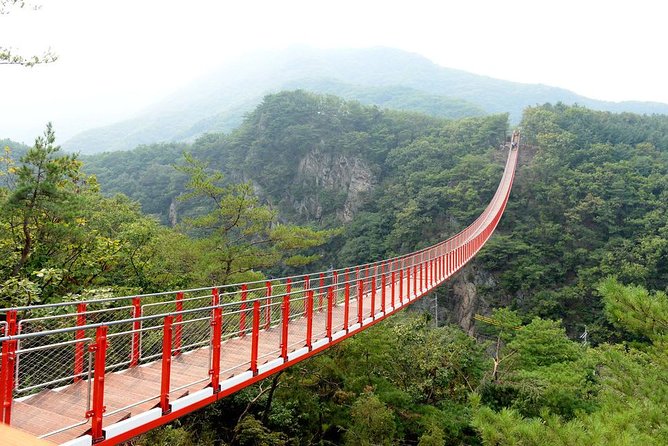
Tongilchon, also called Unification Village, offers a different perspective. This is a farming community where South Korean civilians live under special regulations because of its location near the DMZ.
The village helps correct a common misunderstanding. The border is not an empty strip of land with soldiers and observation posts only. People live and work nearby, but under conditions shaped by security rules. You get about 20 minutes, which is enough for a short orientation and a glimpse of this unusual community.
Do not expect a long independent walk through the village. This is a compact stop, and access can be affected by local or military conditions. Its value is in the contrast between ordinary farming life and the extraordinary restrictions of the surrounding area.
Choosing Gamaksan Chulleong Suspension Bridge
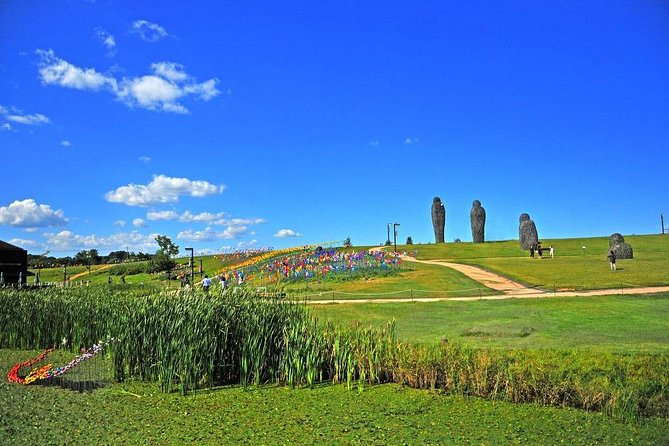
The Gamaksan Chulleong Suspension Bridge is the active add-on. The bridge is about 150 meters long, or roughly 500 feet, and reaching it requires a walk uphill for around 15 minutes.
This option suits you if you want fresh air, a little exercise, and a scenic break after the more solemn DMZ stops. The bridge also has military significance because the area was a battlefield during the Korean War. That combination of nature and conflict gives the stop more weight than a standard bridge photo opportunity.
Allow about an hour for this visit. The uphill approach is manageable for many people, but it is not flat or effortless. The bridge can also feel exposed in cold or windy weather. Wear shoes with a good grip, and bring an extra layer if you are visiting outside summer.
The appeal is the change of pace. After hours of history and security procedures, you get room to move and a wider outdoor view. If your priority is the core DMZ story and you dislike uphill walks, skip this option. If you want the most active choice, Gamaksan is likely the better pick.
Choosing Majang Reservoir Suspension Bridge
Majang Reservoir offers another bridge option, with a different setting and historical connection. Allied forces fought a fierce battle in this area in April 1951, and many soldiers were killed during the Korean War.
Like Gamaksan, the visit takes about an hour. It gives you a chance to walk outdoors while still connecting the scenery to the war story. The reservoir setting may feel calmer than the restricted DMZ zone, but the historical explanation keeps it from becoming just a nature stop.
Choose Majang if you prefer a reservoir setting or want a bridge walk linked directly to a major wartime battle. As with Gamaksan, you should be ready for some walking and should not treat the extra stop as a passive bus excursion.
The tour information presents these bridge visits as separate options. Check the exact selection at booking so you know which one is included in your departure. The title also mentions a boat option, so confirm that choice too if an Imjin River ride interests you.
Choosing the Imjin River boat ride
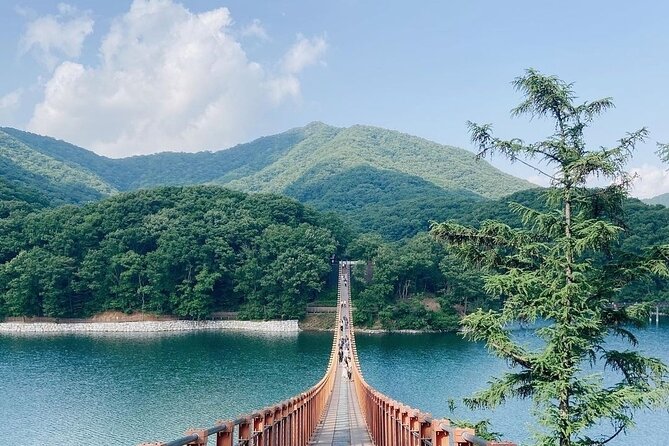
The Imjin River flows from North Korea into South Korea, and access to parts of it was restricted for decades after the Korean War. A boat ride here offers a quieter way to think about the border.
You spend about 40 minutes on the water. This is the least strenuous add-on and may appeal to you if the tunnel and bridge walks sound demanding. It also provides a change from military sites and observation areas, with the river acting as a natural reminder that the border cuts across an interconnected region.
Do not expect the same close-up border access as the tunnel or observatory. The boat ride is about setting and reflection rather than a dramatic military structure. Weather can affect the experience, and the tour requires good conditions.
Timing, transport, and group size
The total day lasts approximately 6 to 9 hours. That is a wide range, but it makes sense for a border excursion. Traffic between Seoul and the DMZ can change the schedule, and military training, weather, or access rules can alter the order or remove a stop.
You make your own way to one of three Seoul meeting points. Round-trip transport is provided in an air-conditioned bus, which is much simpler than trying to reach the DMZ by public transport. The vehicle is also useful after the tunnel and optional walking stops, when you will appreciate sitting down.
The maximum group size is 43 people. That keeps the price low, but it means you should stay close to the guide at checkpoints and listen for instructions. The strongest part of this format is the guide commentary, so sit where you can hear clearly if seating is open.
There are no forced shopping stops, an important advantage on a tightly timed day. You can focus on the history rather than being steered toward retail stops. Lunch is not included, so check how the day handles the meal and carry anything you need within the operator’s rules.
What to bring and who should book
Bring your current valid passport. You need it on the day for the identification check, and a photo or copy is not presented as an alternative.
Wear comfortable shoes for the tunnel and any bridge option. Bring water, dress for changing weather, and prepare for wind at exposed viewpoints and bridges. A phone or camera is useful, but border photography restrictions come first.
This tour is a strong fit if you have one day in Seoul and want the major DMZ sights without arranging transport yourself. It also suits people who like history explained in a lively, accessible way. Guides such as Julie, Jay, Charles, Simba, Eddie, Lucy, and Paul have been praised for humor, clear English, organization, and thoughtful answers.
It is less suitable if you need a slow pace, dislike group tours, or have trouble with steep walking. The Third Tunnel is the main concern. The bridge options add more walking, while the Imjin River boat ride is the gentler choice, provided conditions allow it.
The DMZ is an active security zone, not a fixed museum. Monday departures visit the Second Tunnel instead of the Third Tunnel, and military schedules can change the plan. The operator may alter the route because of traffic, weather, or training. That uncertainty is part of booking a border trip, so keep important evening plans flexible.
Should you book this DMZ tour?
I would book this tour if you want a practical, low-cost way to see the DMZ’s main western-front sights from Seoul. The combination of the Bridge of Freedom, Third Tunnel, Dora Observatory, and Tongilchon gives you a solid understanding of the area, while the optional bridge or boat stop lets you shape the day around your interests.
Choose Gamaksan or Majang if you want an outdoor walk. Choose the Imjin River boat if you prefer a calmer add-on. If your main goal is the essential DMZ visit, the base route is enough, but do not underestimate the tunnel climb.
At about $35, the tour offers strong value for transport, a licensed guide, and admission. Book at least 24 hours before departure if you want the option of a full refund if plans change. If poor weather or insufficient bookings cancel the tour, you are offered another date, another experience, or a full refund.
FAQ
How long does the DMZ tour from Seoul last?
The tour lasts approximately 6 to 9 hours. Traffic, weather, military training, border access, and the selected optional stop can affect the final schedule.
Is the Third Tunnel visited every day?
No. On Mondays, the tour visits the Second Tunnel instead of the Third Tunnel.
Do I need to bring my passport?
Yes. A current valid passport is required on the day of the tour for the identification check before entering the DMZ area.
Is lunch included?
No. Lunch is not included in the stated tour inclusions.
Which optional stops can I choose?
The available choices include the Gamaksan Chulleong Suspension Bridge, Majang Reservoir Suspension Bridge, and a boat ride on the Imjin River. Confirm the exact option selected for your departure.
Is hotel pickup included?
Hotel pickup is included for groups of 10 or more. Other participants make their own way to one of three designated meeting points in Seoul.
Just added around Seoul
- Private tour guide service in Seoul, Korea★ 5.0 · 6 reviews
- Alpaca, Nami, Petite Fr, Italian Village, Garden of Morning Calm★ 3.5 · 5 reviews
- Gyeongbokgung palace,seoul with gigibebe hanbok rental★ 4.5 · 12 reviews
- Gyeongju UNESCO Sites Tour by KTX train; The Museum Without walls★ 4.5 · 11 reviews
- Private day trip to Korean Folk Village & Dae Jang Geum Park★ 5.0 · 7 reviews
- Private tour Lotte World,Tower,Aquarium(All Tickets are included)★ 5.0 · 12 reviews
- Full Day Private Seoul Tour for foodies★ 5.0 · 3 reviews
- Seoul Private Custom Walking Tour with A Guide (Private Tour)★ 4.5 · 28 reviews
DMZ Tours, compared.
Best DMZ Tour Korea from Seoul (Red Suspension Bridge Optional)
Read our review →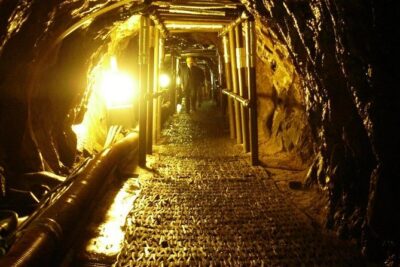
DMZ tour south Korea from Seoul (NK experience hall, defector)
Read our review →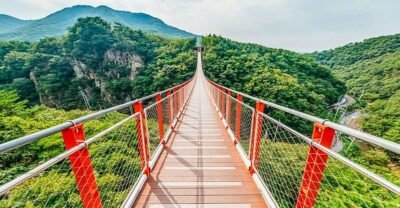
DMZ Insider Tour: 3rd Tunnel, NK Defector Meet & Red Bridge
Read our review →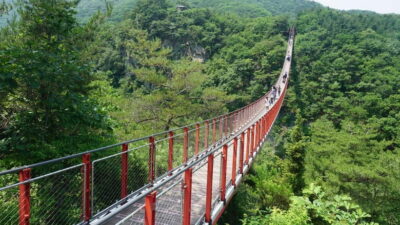
Thrilling Korean DMZ 3rd Tunnel Tour from Seoul + Red Bridge Rush
Read our review →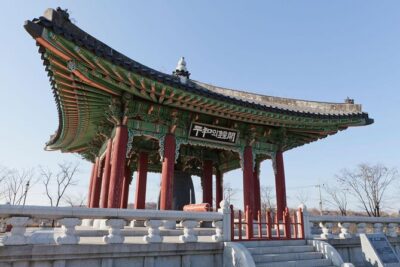
DMZ Past and Present: Korean Demilitarized Zone Tour from Seoul
Read our review →
Ultimate Korea DMZ Tour from Seoul (Gondola & Suspension Bridge)
Read our review →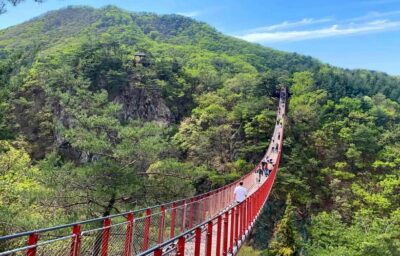
DMZ; NK Defector, 3rd Tunnel, Suspension Bridge,Hotel pickup
Read our review →Browse the lists this tour appears in