
Reviewed · DMZ TOURS
DMZ Highlights & Exclusive Defector Interview – True Human Story
The most meaningful part of this Seoul day trip is not simply looking across the border. It is the conversation with a North Korean defector, which gives the DMZ a human voice. You will also visit the Third Infiltration Tunnel, Dora Observatory, and Imjingak, the main sights most first-time visitors want to see.
I like the efficient route and the guides who bring energy to a serious subject. SP Hong is praised for clear English, humor, and a good balance of facts and warmth. I also like that the tour suits solo visitors and includes transport, admission fees, and the defector interview for $27. The drawback is the packed schedule: there is little time for lunch, and the tunnel involves a steep walk.
Key points to know before booking
- A defector interview gives the border a personal meaning: Expect a question-and-answer session with a North Korean who escaped from the country.
- SP Hong is a memorable guide when he leads the group: He is described as energetic, organized, funny, and strong on Korean history.
- The Third Tunnel is physical, not just visual: You walk 435 meters into a tunnel built by North Korea, with a demanding uphill return.
- Dora Observatory offers a direct view toward North Korea: On a clear day, binoculars help you see Gaeseong, the industrial complex, and Propaganda Village.
- The Gamaksan bridge is an optional course: It requires a 20 to 30 minute uphill walk and may cost slightly more or require a minimum number of participants.
- The border schedule can change without warning: The DMZ is an active military area, so bring your passport, arrive early, and accept that sites may close suddenly.
Why the defector interview changes the day
Many DMZ excursions follow the same road and visit the same military sights. The difference here is the chance to hear from someone who actually lived in North Korea and escaped. That session helps you connect the fences, watchtowers, tunnels, and political signs with everyday life, fear, family, and hope.
The format is an interview and question period rather than a private conversation. The guide translates, so the quality of the English explanation matters. Guides such as SP Hong have been praised for handling many questions while keeping the tone respectful. One particularly strong account describes the defector as passionate and open, with the guide translating carefully.
You should keep your expectations sensible. This is a group session, not a long one-to-one meeting. One negative experience found the question period too limited and the guide’s general talk too long. That is a fair warning for anyone seeking a detailed academic study of North Korea. You will gain a personal viewpoint, but the amount of time for follow-up questions can depend on the group and the day’s security schedule.
The interview is most valuable if you arrive with a few thoughtful questions. Ask about daily life, leaving North Korea, adjusting to South Korea, or hopes for reunification. Avoid treating the speaker as a curiosity. The subject is serious, and the human story deserves more attention than a quick photograph.
More DMZ Tours in Seoul:
- Best DMZ Tour Korea from Seoul (Red Suspension Bridge Optional)
★ 5.0 · 41,422 reviews - DMZ Tour: 3rd Tunnel, Option(Suspension Bridge, Boat) from Seoul
★ 5.0 · 21,373 reviews - DMZ tour south Korea from Seoul (NK experience hall, defector)
★ 5.0 · 20,599 reviews
The early start from central Seoul
You meet at 92 Sejong-daero in Jung District at 7:30 am. The group then transfers directly toward the DMZ in an air-conditioned vehicle. The ride from the meeting point is listed at about 50 minutes, though the full day can stretch from seven to nine hours depending on traffic and security checks.
I recommend arriving early rather than cutting it close. The operator does not offer changes or refunds if you miss departure, regardless of the reason. Since the tour can accommodate up to 90 people, finding the guide and getting everyone moving takes coordination.
You must bring your passport. The DMZ is a controlled military zone, and this is not an optional extra. Children must travel with an adult, and all participants should have moderate physical fitness.
The large group is the tradeoff for the low price. A group of this size can feel impersonal, especially at busy viewpoints, but it also keeps the $27 fare far below the cost of arranging private transport and admission on your own. Guides who are good at roll calls and meeting points make a real difference. Jackie has been praised for punctuality and for making sure the group stayed safe and looked after.
Imjingak Pyeonghoa-Nuri Park and the Freedom Bridge

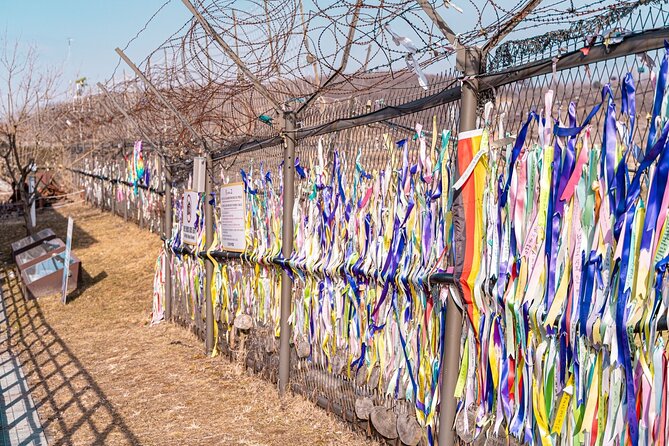
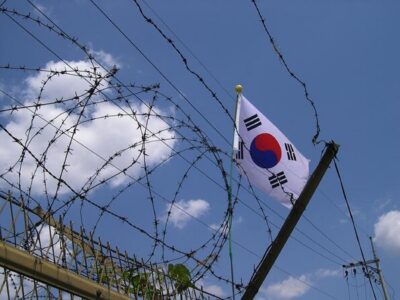
Your first major stop is Imjingak Pyeonghoa-Nuri Park, a place built around the wish for Korean reunification. It has an unusual mix of memorials, historical objects, restaurants, and even amusement rides. Barbed wire and colorful public spaces sit close together, which can feel strange at first.
The area’s key historical feature is the Freedom Bridge, associated with the return of about 13,000 prisoners of war after the Korean War. The nearby Mangbaedan Bridge crosses the Imjin River and is tied to the same story of people returning to freedom in 1953.
This stop gives you useful context before the more restricted parts of the tour. Look closely at the memorials and signs rather than treating Imjingak as a quick photo stop. The site shows how the division of Korea is remembered by families and by the wider public.
You will have about an hour here. That sounds generous, but the park has several features, and a large group may need to follow a fixed meeting time. The setting can also feel more developed and recreational than you expect from a place beside the border. That contrast is part of the point: life continues beside a divided frontier.
Entering the DMZ
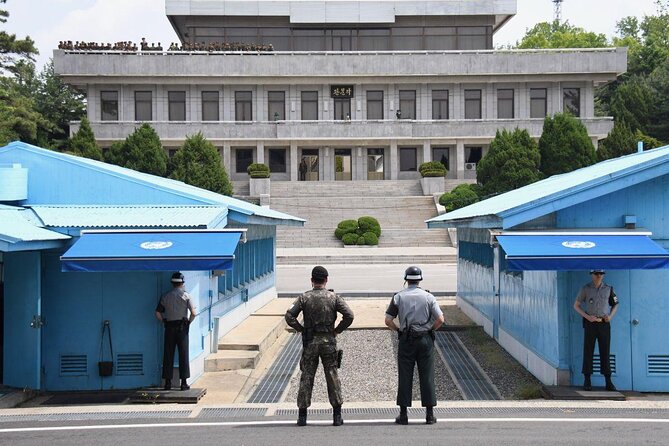
The tour then moves into the Korean Demilitarized Zone, a military demarcation area where military activity is restricted under the armistice arrangement. It is not simply a scenic boundary. Security rules shape the entire day, from where you can stop to how long you can remain at each site.
The DMZ visit itself is listed at about 40 minutes, but the wider experience includes the tunnel and observatory. Keep your passport handy and follow instructions from the guide. You may have to accept changes in order, waiting, or substitute stops if conditions shift.
This is also where the tour’s limits become clear. You are not free to wander wherever you wish, and the timetable is not fully in the operator’s hands. The zone can close suddenly without notice, with an alternative tour offered and no refund. If you need a guaranteed set itinerary, this may frustrate you. If you understand that the military setting comes first, the uncertainty feels more reasonable.
Same country, a completely different kind of day:
- Seoul: DMZ Tour with Optional Suspension Bridge
★ 4.8 · 5,277 reviews - Signature DMZ Tour: Exclusive Defector Talk & Suspension Bridge
★ 5.0 · 4,459 reviews - Thrilling Korean DMZ 3rd Tunnel Tour from Seoul + Red Bridge Rush
★ 5.0 · 3,097 reviews - DMZ Past and Present: Korean Demilitarized Zone Tour from Seoul
★ 5.0 · 2,481 reviews
The Third Infiltration Tunnel is the physical highlight
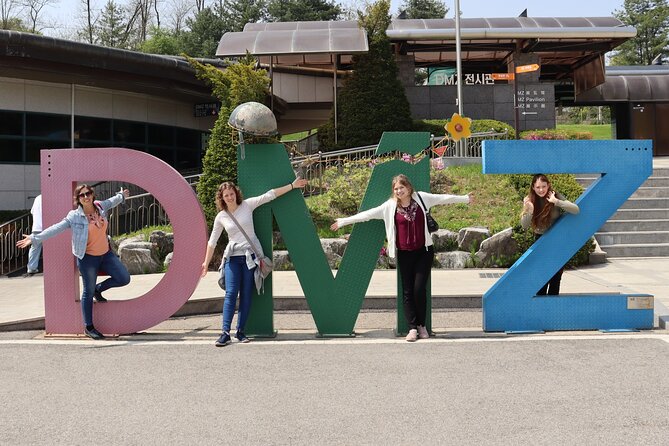
The Third Infiltration Tunnel is often the most memorable stop for people who want more than an observation deck. North Korea dug the tunnel, which extends 435 meters into South Korean territory. You can walk into it and watch a documentary before or around the visit, with displays adding basic explanation.
The route is physically demanding. You walk downhill into the tunnel, then face the uphill return. The tunnel is also low in places, so shorter visitors may find the walk easier. One useful piece of advice from the experience is simple: if you have mobility problems, this may not be the right activity.
Wear sneakers or other comfortable shoes. The tour description calls for moderate fitness, but the tunnel feels like more than a casual stroll. You should also avoid assuming that a full day at the DMZ means sitting on a bus between viewpoints. There is plenty of walking, standing, and moving through controlled spaces.
The tunnel makes military history tangible. A map or guide’s explanation can tell you that North Korea attempted to create routes under the border, but walking through one gives the fact physical weight. It is narrow, plain, and not designed for comfort. That is exactly why it works as a stop.
Dora Observatory and the view into North Korea
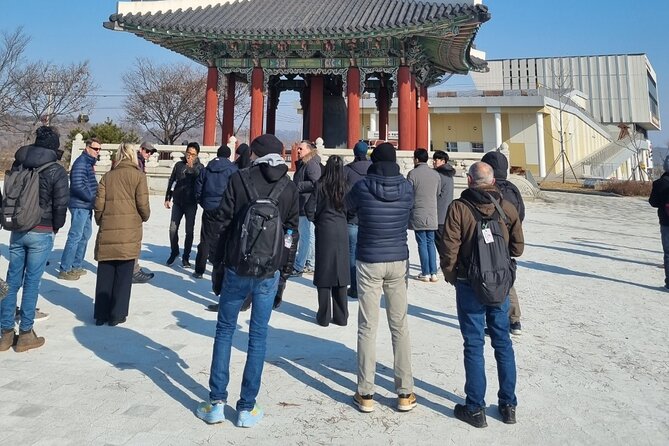
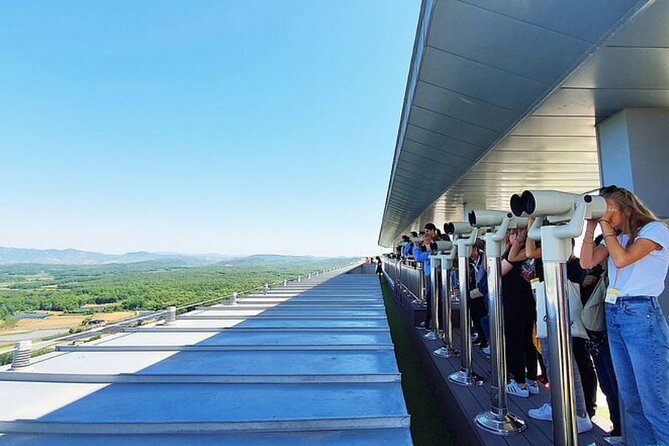
At Dora Observatory, you look north toward North Korea. On a clear day, the view can include Gaeseong City, the Gaeseong Industrial Complex, and a settlement often identified as Propaganda Village. Binoculars help, and visitors have found the ability to match the distant sights with the guide’s explanation especially useful.
Do not expect a dramatic city panorama every time. Weather and visibility matter, and the view is distant. Still, the observatory brings the political geography into focus. You are not just hearing about an invisible border. You are looking across it.
The stop usually lasts about an hour. Use the time to listen, look, and ask questions when the guide allows it. The observatory can be crowded, and access to the best viewing points may take patience in a large group.
A snowy or hazy day will change the experience. One account found the sight of North Korea on a snowy day especially serious and moving, while another valued the binocular view of the places being discussed. The mood can shift with the weather, but the observatory remains one of the tour’s essential stops.
Tongilchon and the agricultural side of the border
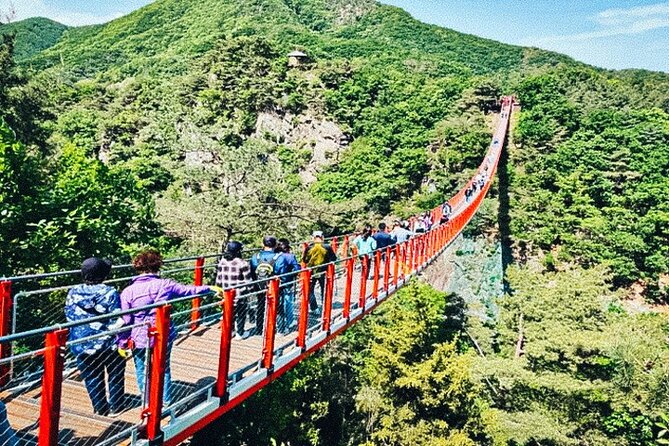
Tongilchon-gil, or Unification Village, is a short stop of about 10 minutes. It lies north of the Civilian Control Line and is known for local agricultural products such as Jangdan ginseng and Jangdan soybeans.
This is not a long village visit. Think of it as a brief look at civilian life in a tightly controlled border region, often with a chance to note local products. The short timing means you should not book this tour expecting a slow rural walk or an extended cultural program.
It does, however, add variety to the day. Imjingak presents public memory, the tunnel presents military threat, and Dora Observatory presents the distant present-day border. Tongilchon shows that farming and ordinary commerce still exist within this unusual setting.
The optional Gamaksan Suspension Bridge
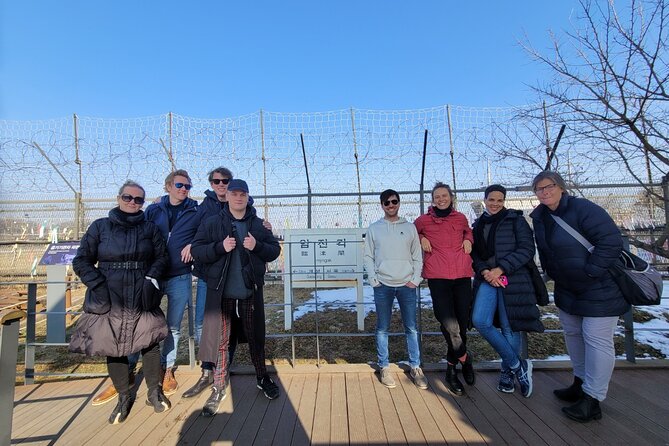
Some versions of the experience include Gamaksan Chulleong Bridge, a 220-meter suspension bridge over Silmari Valley. The bridge was opened in 2016 and is promoted for its views and the thrill of crossing it.
This is an optional course, not something every booking automatically includes. The defector-only version may not include it, while the Gamaksan option can cost slightly more. It also requires a minimum number of participants, so the operator may change the plan if that number is not reached.
The approach matters more than the bridge description suggests. You need to walk uphill for 20 to 30 minutes, so comfortable shoes are essential. The stop is listed at about an hour, but your actual time depends on the group and the day’s schedule.
There is some confusion to avoid when booking. Confirm that your selected package specifically names the Gamaksan course. If it does not, do not assume the bridge will be offered during the day. Some itineraries may include a different stop instead, and the bridge is not part of the basic defector-interview option.
Time, food, transport, and the $27 value
At $27 per person, this is a strong value if you want the main DMZ sights without arranging a vehicle, guide, and admission separately. The fare includes an English-speaking certified guide, the North Korean defector interview, fees and taxes, and air-conditioned transport.
Lunch is not included. The schedule can be tight enough that you may have little time for a proper meal, so bring snacks and water if allowed by the current site rules. The practical advice is not glamorous, but it can save you from spending the second half of the day hungry.
Hotel drop-off is not included. The tour returns to the meeting area, with drop-off at City Hall noted in the practical details. The itinerary also refers to Myeongdong and a City Hall Station drop-off, so listen carefully for the exact end point your guide gives you that day.
The 21-day advance booking pattern tells you something useful: this is an experience people often plan ahead for. It is wise to reserve early if your Seoul schedule is short. The free cancellation policy allows a full refund when you cancel at least 24 hours before the start time. Within 24 hours, refunds and changes are not accepted.
Who will enjoy this tour most
I would choose this tour if you want the major DMZ sights in one day and care about the personal story as much as the military facts. It works particularly well for first-time visitors to Seoul, solo visitors who want an organized day, and anyone who prefers a guide to explain what they are seeing.
It also suits people who enjoy a full schedule. The strongest guides, including SP Hong, add humor and energy without making the subject feel trivial. The best version of the day combines his explanations with your own attention at the memorials, tunnel, and observatory.
I would hesitate if you need a relaxed pace, a proper lunch break, or guaranteed access to every optional stop. The group can be large, the day can change because of security, and the tunnel and Gamaksan bridge require real walking.
Those with mobility limits should think carefully about the Third Tunnel and the suspension bridge approach. The operator asks for moderate fitness, but that phrase understates the uphill sections. Comfortable shoes are not a minor suggestion here.
Should you book the DMZ Highlights and Defector Interview tour?
Book it if you want an affordable, well-organized introduction to the DMZ with one feature other tours may not offer: a direct interview with a North Korean defector. The tunnel, observatory, and Imjingak make a solid route, while the human story gives the day its strongest meaning.
Before paying, check two things. Confirm whether your package includes Gamaksan Suspension Bridge, and plan for snacks, a passport, an early start, and plenty of walking. If you can accept schedule changes and a large group, this is a worthwhile use of one Seoul day. If your priority is slow, specialist-level historical study, look for a smaller and more focused experience instead.
FAQ
Where does the tour start?
You meet at 92 Sejong-daero in Jung District, Seoul. The stated start time is 7:30 am.
How long does the DMZ tour last?
The experience lasts approximately seven to nine hours. Traffic, site conditions, and military security can change the schedule.
Do I need to bring my passport?
Yes. Every participant must bring a passport because the DMZ is a controlled military area.
Is lunch included?
No. Lunch is not included, and the schedule may leave little time for a full meal. Bringing snacks is recommended.
Does the tour include the Gamaksan Suspension Bridge?
Not always. Gamaksan is an optional course and may cost slightly more. It also requires a minimum number of participants, so confirm that your selected package includes it.
How difficult is the Third Infiltration Tunnel?
The tunnel requires a downhill walk followed by an uphill return, and the route can be challenging. Moderate physical fitness and comfortable shoes are recommended.
What happens if the DMZ closes?
The DMZ can close suddenly without notice. An alternative tour will be provided, and no refund is offered for that closure.
Just added around Seoul
- Alpaca, Nami, Petite Fr, Italian Village, Garden of Morning Calm★ 3.5 · 5 reviews
- Gyeongbokgung palace,seoul with gigibebe hanbok rental★ 4.5 · 12 reviews
- Private tour guide service in Seoul, Korea★ 5.0 · 6 reviews
- Gyeongju UNESCO Sites Tour by KTX train; The Museum Without walls★ 4.5 · 11 reviews
- Private day trip to Korean Folk Village & Dae Jang Geum Park★ 5.0 · 7 reviews
- Private tour Lotte World,Tower,Aquarium(All Tickets are included)★ 5.0 · 12 reviews
- Full Day Private Seoul Tour for foodies★ 5.0 · 3 reviews
- Seoul Private Custom Walking Tour with A Guide (Private Tour)★ 4.5 · 28 reviews
DMZ Tours, compared.
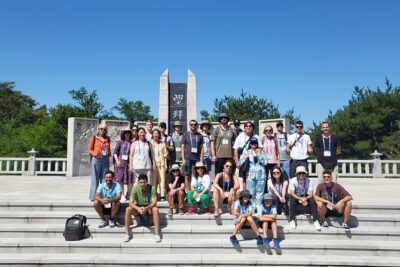
Best DMZ Tour Korea from Seoul (Red Suspension Bridge Optional)
Read our review →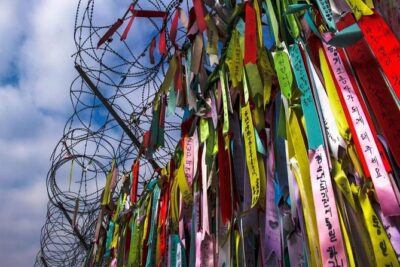
DMZ Tour: 3rd Tunnel, Option(Suspension Bridge, Boat) from Seoul
Read our review →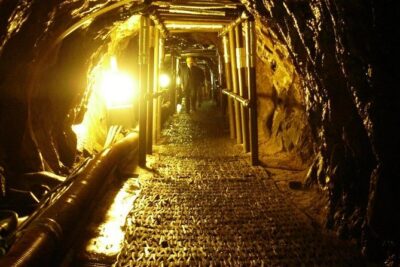
DMZ tour south Korea from Seoul (NK experience hall, defector)
Read our review →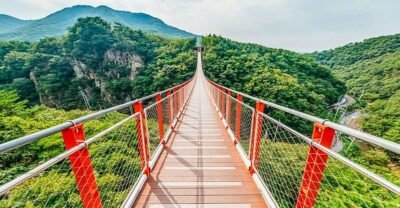
DMZ Insider Tour: 3rd Tunnel, NK Defector Meet & Red Bridge
Read our review →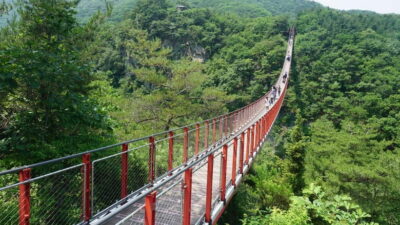
Thrilling Korean DMZ 3rd Tunnel Tour from Seoul + Red Bridge Rush
Read our review →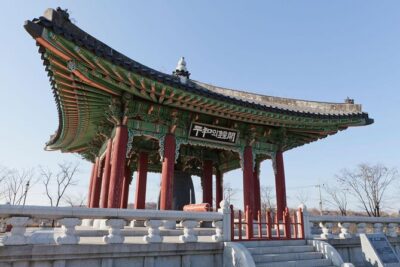
DMZ Past and Present: Korean Demilitarized Zone Tour from Seoul
Read our review →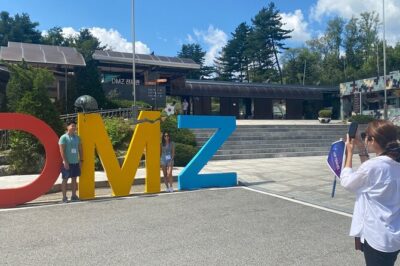
Ultimate Korea DMZ Tour from Seoul (Gondola & Suspension Bridge)
Read our review →Browse the lists this tour appears in