
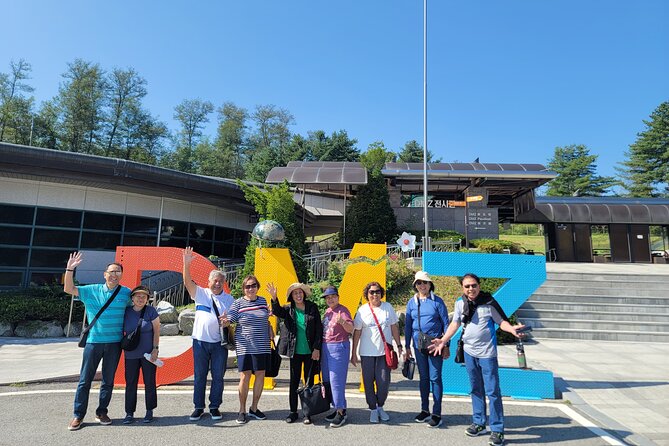
Reviewed · DMZ TOURS
Insightful DMZ Tour by Expert opt. Suspension Bridge with Pickup
The most striking part of this Seoul DMZ tour is the shift from busy city streets to a tightly controlled military zone where you can look across the border into North Korea. You’ll walk through the Third Tunnel, study the northern side through binoculars, and hear how separated Korean families still remember homes they cannot visit.
I like the strong historical guidance, especially from guides such as Joo-Ee, Vincent, Jung, Jake, and Jones. I also like the practical setup: round-trip transport, DMZ admission, a guide, and rented binoculars are included for $53.
The catch is simple: this is not an easy sightseeing day. The tunnel means a steep walk down and back up, followed by a low passage where you may need to bend or squat. The optional suspension bridge adds another climb, and the DMZ schedule can change with military rules or weather.
Key points to know before booking
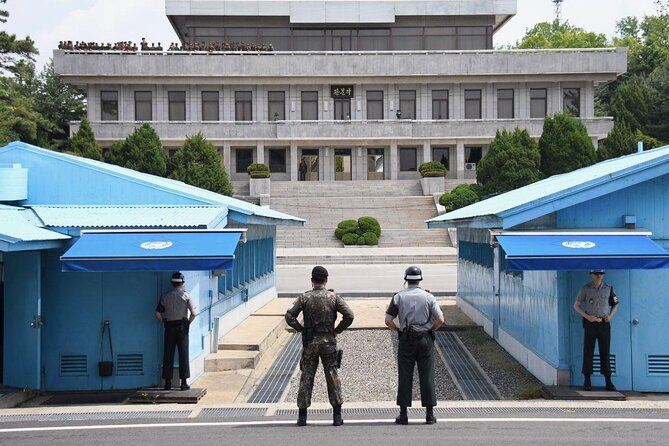
- The Third Tunnel is physically demanding: Expect a long downhill walk, a return climb, and a low ceiling near the end.
- North Korea viewing is part of the experience: Dora Observatory provides binoculars and views toward Gaeseong and the border area.
- Guides are a major strength: Joo-Ee, Vincent, Jung, Jake, Jones, and others are praised for clear English, history lessons, humor, and careful timing.
- The suspension bridge is optional: Gamaksan Chulleong Bridge adds forest scenery and a Korean War connection, but requires extra walking uphill.
- Transport keeps the day manageable: Pickup is available, and drop-offs include Hongdae, Myeongdong, Gwangjang Market, and Dongdaemun.
- Bring your passport and good shoes: You need a current passport for the military-controlled area, and comfortable footwear matters.
Why a DMZ tour is worth your Seoul time
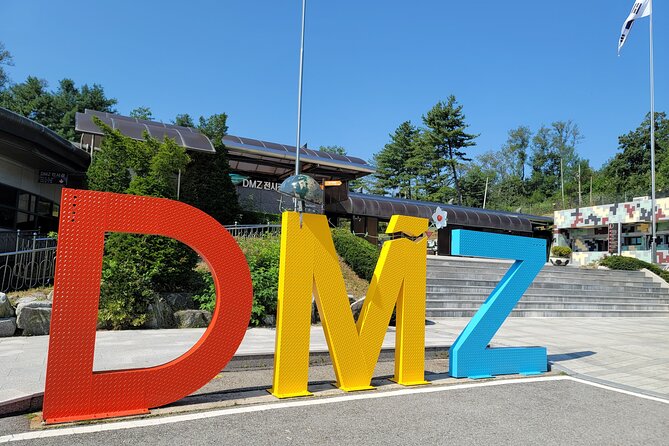
The Demilitarized Zone is not a place you casually reach by rental car. Access is controlled, paperwork and tickets are handled on site, and parts of the visit operate under military restrictions. That makes a guided trip the sensible way to go.
This tour gives you more than a distant lookout. You see evidence of the Korean War at Imjingak, walk into a tunnel built for a surprise attack, and visit places tied to divided families. The experience is part history lesson, part border visit, and part carefully managed outdoor excursion.
I especially value the human side of the day. At Mangbaedan, your guide explains how families separated by the Korean War come to remember their northern hometowns. That stop is small, only about 10 minutes, but it gives emotional meaning to the monuments and bridges around Imjingak Peace Park.
The tour receives a listed rating of 5 out of 5 from 674 reviews, with 100 percent recommendation. That matches the main strengths: clear guides, good organization, smooth transport, and useful historical explanation. Still, the high rating should not hide the physical effort involved.
More DMZ Tours in Seoul:
- Best DMZ Tour Korea from Seoul (Red Suspension Bridge Optional)
★ 5.0 · 41,422 reviews - DMZ Tour: 3rd Tunnel, Option(Suspension Bridge, Boat) from Seoul
★ 5.0 · 21,373 reviews - DMZ tour south Korea from Seoul (NK experience hall, defector)
★ 5.0 · 20,599 reviews
Leaving Seoul by air-conditioned vehicle
The experience lasts about six to 10 hours, depending on the exact program, traffic, military scheduling, and whether you add Gamaksan Suspension Bridge. Hotel pickup is available, but you need to check the tour message for your assigned pickup time.
The vehicle is air-conditioned, which matters on a long day with several stops. Pickup is a real convenience in Seoul, where finding the right departure point can eat up time. Hotel drop-off is not included, but the tour offers useful drop-off points in central districts.
You can finish near:
- Hongdae
- Myeongdong
- Gwangjang Market
- Dongdaemun
That arrangement lets you continue your evening without crossing Seoul again. Gwangjang Market is especially practical if you want Korean street food after the tour. The market offers more than 120 food choices and is known for its food stalls and lively local atmosphere. Food is not included in the tour price, so plan to pay separately.
Imjingak Peace Park and the first look at division
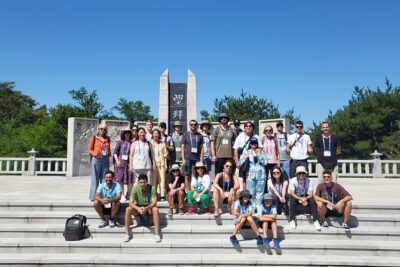
The first major stop is Imjingak Tourist Information Center, where the group handles tickets and prepares for the controlled part of the visit. You also have time to look around the peace park before boarding the government-run coach toward the DMZ.
Imjingak gathers several powerful reminders of the war in one place. You can see a derailed locomotive damaged during the Korean War, the Freedom Bridge, and the Bridge of No Return, where prisoners were exchanged. Your guide supplies the context, which is important because these structures can otherwise look like isolated monuments.
The park also connects the political story to ordinary people. Mangbaedan is where separated families come to remember relatives and ancestral homes in North Korea. It is not a long stop, but it slows the pace and keeps the tour from becoming only a collection of military facts.
You may also have time to look from an upper platform and explore small shops. One useful detail from the day is that the waiting time around Imjingak can be put to good use. There is a North Korea Experience shop near the viewing platform, and a shop near the Truman memorial sells North Korean currency and stamps. These are optional purchases, not part of the tour.
Entering the DMZ under military control
The DMZ portion lasts about two hours and includes several places that are difficult to visit independently. You travel by official coach within the Civilian Control Zone, where schedules and access are controlled by government and military procedures.
This is why you should not expect a relaxed, hop-on, hop-off day. The guide must keep everyone together and follow the approved timetable. One guide explained that the group has only a limited period in the military operation area, so careful meeting times are not fussiness. They are part of the rules.
The tour may include a stop at Tongilchon-gil, an actual village in the Civilian Control Zone. It serves as a brief rest and shopping stop before the group returns to Imjingak. The village gives you a glimpse of civilian life inside an area most visitors only associate with fences and soldiers.
Photography rules can also affect the day. At some points, you may not be allowed to take pictures, particularly where military security is involved. Listen closely to your guide rather than assuming every viewpoint is a photo stop.
More Korea Suspension Bridge Tours in Seoul:
- Seoul: DMZ Tour with Optional Suspension Bridge
★ 4.8 · 5,277 reviews - Signature DMZ Tour: Exclusive Defector Talk & Suspension Bridge
★ 5.0 · 4,459 reviews - Ultimate Korea DMZ Tour from Seoul (Gondola & Suspension Bridge)
★ 5.0 · 2,396 reviews - DMZ; NK Defector, 3rd Tunnel, Suspension Bridge,Hotel pickup
★ 4.9 · 2,055 reviews
Walking through the Third Tunnel
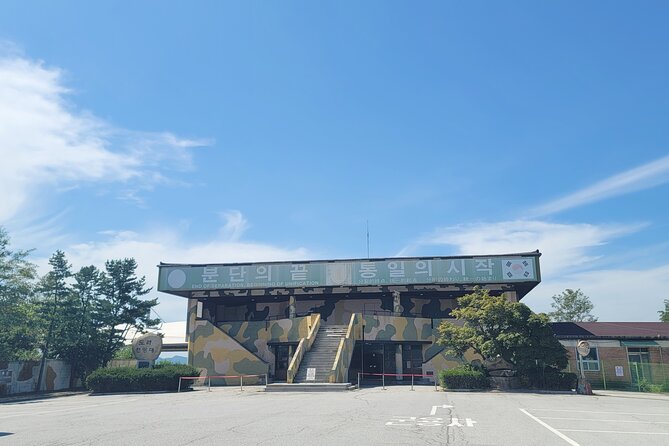
The Third Tunnel is the most demanding and memorable part of the visit. North Korea dug it after the Korean War, apparently as an infiltration route for a possible surprise attack. You walk down into the tunnel and continue toward the restricted point near the border.
The walk down is not the whole challenge. You must climb back up, and the return route feels much harder after an hour on your feet. Near the far end, the ceiling is roughly five feet high, so taller people may spend time bent forward or squatting.
I would not call this a casual family stroll. You need moderate physical fitness, stable shoes, and a willingness to move at a steady pace. Seniors and anyone with knee, hip, heart, or balance concerns should think carefully before booking.
The guides handle this part well by reminding you not to push beyond your limits. You can treat the tunnel as a worthwhile physical challenge, but it is not a place to prove anything. Take your time, keep one hand free if you need balance, and expect the uphill return to take effort.
The tunnel is valuable because it changes the scale of the conflict. A map or lecture tells you that North Korea built an underground route. Walking through a narrow section lets you feel the labor, secrecy, and fear behind that fact.
Seeing North Korea from Dora Observatory
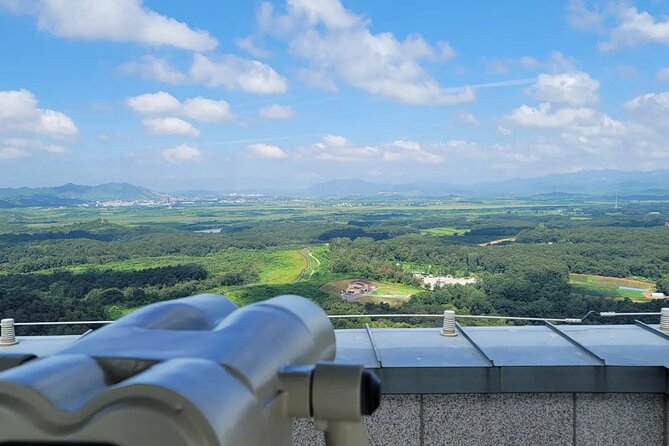
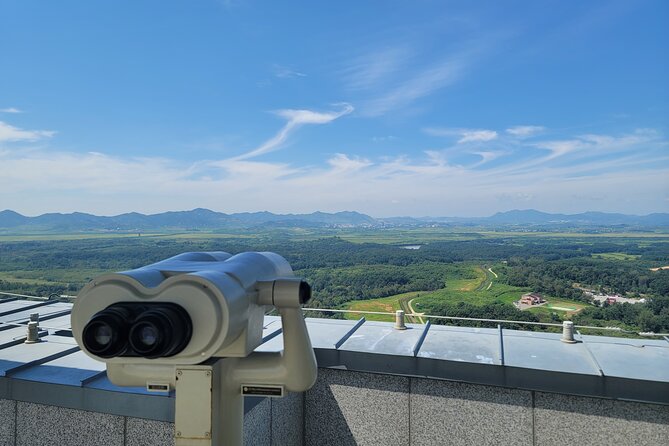
Dora Observatory provides one of the clearest visual moments of the day. From the viewing area, you can look toward North Korea with the naked eye, then use the supplied binoculars or monocular for a closer view.
The guide points out places such as Gaeseong, described as North Korea’s third-largest city, along with the surrounding border area. Depending on the weather and visibility, you may see buildings, fields, roads, or people moving on the northern side. The view is not guaranteed to be sharp, so keep expectations realistic.
The free binocular rental is a useful touch. You do not need to pack special equipment, and several guides make a point of bringing the binoculars to good viewing positions. Audio devices may also be supplied so you can hear explanations clearly when the group is spread out.
This is where a good guide matters most. The view alone can be hazy and distant. Joo-Ee, Vincent, Jung, Jake, Jones, and other guides are praised for explaining what you are seeing, answering questions, and connecting the view to Korea’s past and present political situation.
The Freedom Bridge and divided families
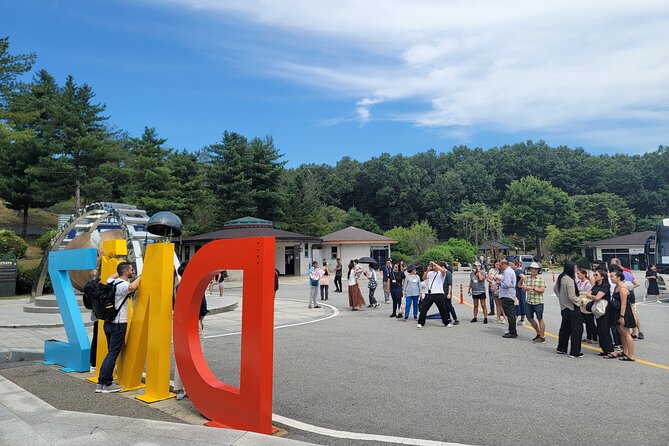
The Freedom Bridge sits within Imjingak Peace Park and was used in prisoner exchanges after the war. The visit is short, around five minutes, but it fits naturally with the nearby locomotive and Mangbaedan memorial.
The bridge is not a grand engineering sight. Its importance is what it represents. For many Korean families, the border is not an abstract line on a map. It divides parents from children, siblings from siblings, and families from their hometowns.
Your guide can help you understand why Imjingak was built as a place of remembrance and hope. This is one reason I prefer this kind of guided visit to simply driving to a lookout, taking a quick photograph, and leaving.
Adding Gamaksan Suspension Bridge
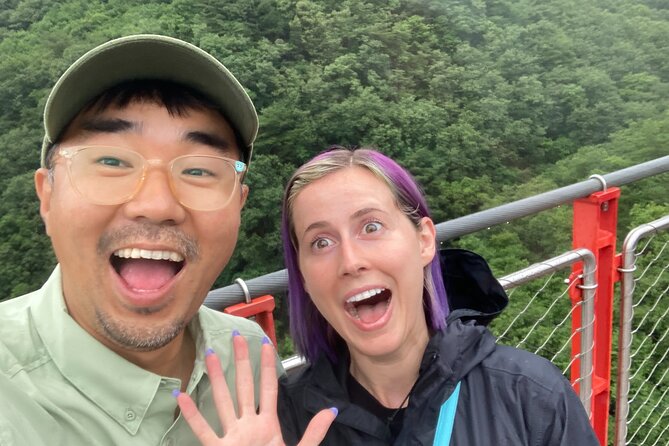
If you choose the DMZ plus Suspension Bridge option, the day continues to Gamaksan Chulleong Bridge at Mount Gamaksan. The bridge crosses a forested mountain setting connected to fierce Korean War battles.
The bridge itself is scenic, but getting there takes effort. You should expect an uphill walk and uneven exertion. One guide compared the climb to needing the sure-footedness of a mountain goat, which is a fair warning in plain language.
The reward is a change of mood. After the serious memorials, tunnel, and border views, you get open air, trees, and a broad mountain view. The bridge visit lasts about 50 minutes and works well for anyone who wants nature and a little adventure added to the historical tour.
Weather can interfere. A wet day may make the bridge unpleasant or prevent the stop altogether. At least one reported experience included a substitute observatory stop when heavy rain canceled the bridge, without a refund for that portion. If the bridge is the main reason you are booking, ask the operator in advance how weather-related changes are handled.
The general cancellation policy says that if the entire experience is canceled because of poor weather, you can receive another date or a full refund. That is different from a single optional stop being changed, so the distinction matters.
Guides, group size, and the feel of the day
The guide is the heart of this experience. The strongest pattern is clear English, careful organization, and lively historical explanation. Joo-Ee is praised for warmth, humor, and practical help. Vincent is noted for precise timing, good communication, and carrying binoculars to the best viewpoint. Jung is praised for using photographs to explain Korea, the war, and the DMZ.
Jake is described as especially personable, while Jones is remembered for making every stop more meaningful. These names indicate that the company uses several guides, so you cannot choose a particular person unless the operator confirms availability.
The maximum group size is 40. Actual group sizes can be smaller, with examples of 12, 17, and five people. A small group makes it easier to hear the guide, find a good position at the observatory, and move through the day without losing people.
You may receive an audio device, and the guide should give clear meeting times at each stop. That structure matters because official coaches and military schedules leave little room for wandering.
What $53 gets you
At $53 per person, the tour offers solid value if you want the DMZ without arranging transport, tickets, and access yourself. The price includes the experienced guide, DMZ entrance fee, air-conditioned vehicle, optional hotel pickup, binocular or monocular rental, and drop-off at several central Seoul locations.
It does not include personal expenses, food, or hotel drop-off. The food references in the program mean you may visit a market or stop where local dishes are available, not that a meal is built into the price.
The value is strongest for first-time visitors. You receive transport into a restricted area, a full explanation of the sites, and help navigating the official process. A self-guided approach would not offer the same access and would be difficult to arrange.
Who should book, and who should think twice
You should book this tour if you want a serious look at Korea’s division, prefer having history explained on the spot, and like a full day with several different stops. It suits solo visitors, couples, and families with older children who can manage sustained walking.
It is also a good fit if you want an easy evening afterward. Being dropped near Hongdae, Myeongdong, Gwangjang Market, or Dongdaemun makes it simple to eat, shop, or explore without returning to your hotel first.
Think twice if you dislike fixed schedules, military restrictions, or long vehicle rides. The day can feel structured rather than spontaneous. The Third Tunnel is hard, the bridge adds another climb, and cloudy or rainy weather may limit views.
Wear comfortable walking shoes, bring your passport, and carry water and a snack. Guides have recommended convenience-store food because breaks are available but not always arranged around a full meal. Soy ice cream is one optional treat worth watching for at the appropriate stop.
Final decision: a strong history day with real physical demands
I recommend this DMZ tour for most visitors who want to understand the border rather than simply photograph it. The combination of Imjingak, Mangbaedan, the Third Tunnel, Dora Observatory, and the Freedom Bridge gives the day emotional and political weight.
Choose the suspension bridge option if you want mountain scenery and can handle another climb. Skip it if your priority is the DMZ itself or if the tunnel already sounds like enough exercise.
Book it for the guide-led history, practical transport, and rare access to a controlled part of South Korea. Do not book it expecting a leisurely bus outing. At $53, it is a good deal for an organized border visit, provided you arrive with a passport, sturdy shoes, and realistic expectations about weather and military rules.
FAQ
How long does the DMZ tour last?
The experience lasts approximately six to 10 hours. The exact length can vary with traffic, military scheduling, weather, and whether you choose the optional suspension bridge.
Is hotel pickup available?
Yes. Hotel pickup is offered as an option. You should check the tour message for the specific pickup time.
Is hotel drop-off included?
No. Hotel drop-off is not included. Available Seoul drop-off points include Hongdae, Myeongdong, Gwangjang Market, and Dongdaemun.
Do I need my passport?
Yes. A current valid passport is required on the day of the experience.
How difficult is the Third Tunnel?
The tunnel requires a steep walk down and back up. The passage becomes low near the end, with a height of about five feet, so you may need to bend or squat. Moderate physical fitness is recommended.
Are binoculars provided?
Yes. Free binocular or monocular rental is included for viewing North Korea from Dora Observatory.
Is the Gamaksan Suspension Bridge included?
It is included only when you select the DMZ plus Suspension Bridge option. The bridge stop takes about 50 minutes and involves uphill walking.
What happens if bad weather cancels the experience?
If the entire experience is canceled because of poor weather, you can be offered another date or a full refund. A weather-related change to the optional bridge stop may be handled differently, so confirm the operator’s policy if that stop is important to you.
Can I cancel for a full refund?
Yes, if you cancel at least 24 hours before the experience start time. Cancellations or changes made less than 24 hours in advance are not accepted for a refund.
Just added around Seoul
- Alpaca, Nami, Petite Fr, Italian Village, Garden of Morning Calm★ 3.5 · 5 reviews
- Gyeongbokgung palace,seoul with gigibebe hanbok rental★ 4.5 · 12 reviews
- Private tour guide service in Seoul, Korea★ 5.0 · 6 reviews
- Gyeongju UNESCO Sites Tour by KTX train; The Museum Without walls★ 4.5 · 11 reviews
- Private day trip to Korean Folk Village & Dae Jang Geum Park★ 5.0 · 7 reviews
- Private tour Lotte World,Tower,Aquarium(All Tickets are included)★ 5.0 · 12 reviews
- Full Day Private Seoul Tour for foodies★ 5.0 · 3 reviews
- Seoul Private Custom Walking Tour with A Guide (Private Tour)★ 4.5 · 28 reviews
DMZ Tours, compared.
Best DMZ Tour Korea from Seoul (Red Suspension Bridge Optional)
Read our review →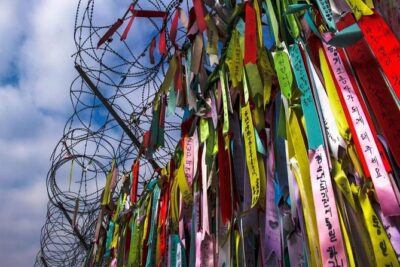
DMZ Tour: 3rd Tunnel, Option(Suspension Bridge, Boat) from Seoul
Read our review →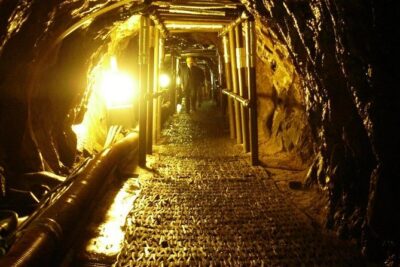
DMZ tour south Korea from Seoul (NK experience hall, defector)
Read our review →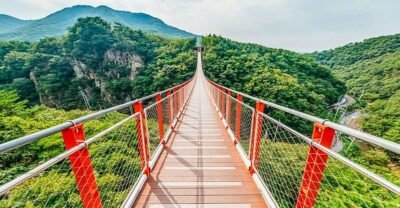
DMZ Insider Tour: 3rd Tunnel, NK Defector Meet & Red Bridge
Read our review →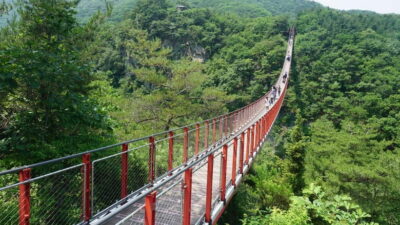
Thrilling Korean DMZ 3rd Tunnel Tour from Seoul + Red Bridge Rush
Read our review →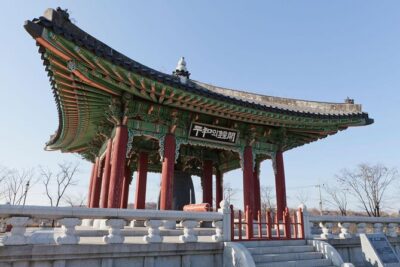
DMZ Past and Present: Korean Demilitarized Zone Tour from Seoul
Read our review →
Ultimate Korea DMZ Tour from Seoul (Gondola & Suspension Bridge)
Read our review →Browse the lists this tour appears in