
Reviewed · DMZ TOURS
Small-Group DMZ Tour w/ North Korea Experience Hall & Susp.Bridge
The most striking part of this day is how close the Third Tunnel and Dora Observatory bring you to the divided Korean Peninsula. You walk into a passage built for a military attack, then look across the border toward North Korea through powerful telescopes. This is not just a photo stop. The place carries a heavy human story.
I like the small maximum group of 16, which gives guides such as BK, Sookhee, Young, and Lua room to answer questions and keep an eye on everyone. I also like the mix of serious history and outdoor scenery, from the Freedom Bridge to the Gamaksan Suspension Bridge. The main caution is physical: the tunnel and bridge involve steep climbs, and the day can feel rushed.
Key points to know before booking
- The Third Tunnel requires real effort: You walk down and back up a narrow passage, with a climb that some people found demanding.
- Dora Observatory offers a direct view toward North Korea: On clear days, you may see the large flagpole at Kijŏng-dong.
- The North Korea Experience Hall adds human context: It is designed to explain daily life and realities beyond the usual military sights.
- The group is capped at 16 people: A small group can make it easier to ask questions and hear the guide.
- The route can change for security or weather: The Peace Gondola, Odusan Unification Observatory, or another bridge may replace closed sites.
- A valid passport is required: Bring the original passport on the day, not just a copy.
Why this DMZ day trip feels different
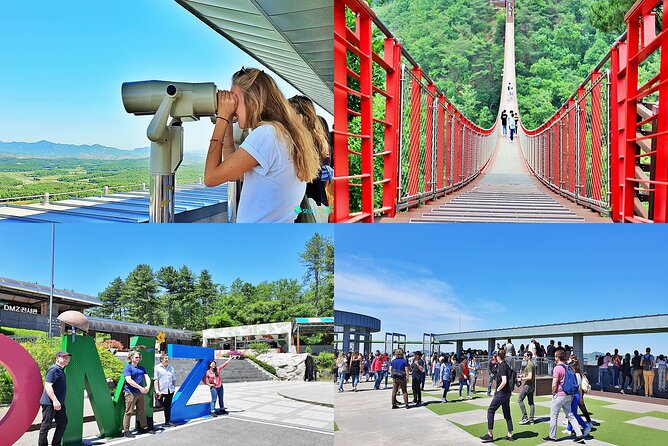
Many Seoul day trips give you a distant view of the border and a few standard monuments. This one builds a fuller picture. You see the emotional memorial sites at Imjingak, learn about the Korean War, enter an infiltration tunnel, look into North Korea, and finish at a mountain suspension bridge.
That range is the tour’s strongest feature. You are not left with only a military briefing or only a scenic outing. The day moves between memory, politics, geography, and physical places tied to the conflict.
The tour lasts about nine hours, with morning pickup and a return to City Hall at roughly 4:50 p.m. Transportation is by air-conditioned coach, and entrance fees are covered. At $65 per person, I consider it a fair price for a full day outside Seoul, especially since the route includes several admission sites and a guide.
The tradeoff is pace. There is a lot to cover, and military access can affect the schedule. You should expect a structured day rather than a slow, private exploration of each stop.
More DMZ Tours in Seoul:
- Best DMZ Tour Korea from Seoul (Red Suspension Bridge Optional)
★ 5.0 · 41,422 reviews - DMZ Tour: 3rd Tunnel, Option(Suspension Bridge, Boat) from Seoul
★ 5.0 · 21,373 reviews - DMZ tour south Korea from Seoul (NK experience hall, defector)
★ 5.0 · 20,599 reviews
Starting at Imjingak and the Freedom Bridge
The first major stop is Imjingak Pyeonghwa-Nuri Park, an important place for people separated from family members in North Korea. It was established as a place of comfort for refugees from the North after the Korean War, and its monuments give the tour an emotional starting point.
You can see the Freedom Bridge, the Soldiers’ Memorial, and old steam trains connected with the war. These objects make the division feel less like an abstract line on a map. The bridge carries particular weight because it was used by prisoners of war and returning soldiers.
The park also has a slightly unusual feel. Parts of it include entertainment facilities, so the setting can seem lighter than the subject suggests. That contrast may feel odd at first, but it is part of the modern Imjingak experience. The site serves as a memorial, public park, and visitor center all at once.
Your guide sets the historical frame here. Guides such as Young and BK have been praised for explaining the Korean War in clear, engaging terms, while Sookhee and Lua have been noted for keeping the group organized and informed. The quality of the day depends partly on your guide, since the same monuments can feel either flat or meaningful depending on the explanation.
You have about an hour and a half at Imjingak, including nearby stops. Keep your group’s meeting time in mind. The day runs on a military and transport schedule, not on the relaxed rhythm of a city park visit.
The North Korea Experience Hall and a closer look at life across the border
The North Korea Experience Hall is one of the newer parts of the route. Its purpose is educational rather than theatrical. It gives you a way to think about North Korea as a country where ordinary people live under a highly controlled system, rather than treating it only as a distant military threat.
This stop is especially useful if you have already seen the usual border photographs online. The hall offers background that can help you understand the people behind the political division. On some departures, a North Korean defector speaks with the group, an unexpected and deeply personal addition to the day.
That conversation can be one of the most affecting parts of the experience. It puts a human voice to subjects such as separation, escape, and life under the North Korean government. The defector talk is not described as guaranteed on every departure, so you should regard it as a possible extra rather than the central promise of the booking.
The visit lasts about 30 minutes. That is enough for an introduction, but not enough for a long museum visit. I would pay close attention to the guide here and save questions for the coach or later stops if time is tight.
Looking across the border at Dora Observatory
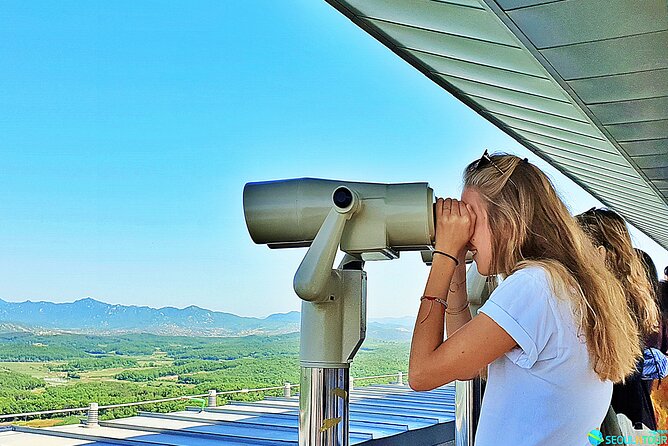
Dora Observatory sits on Mount Dora and is one of the few public places where you can look directly toward North Korea. Telescopes point across the border, allowing you to inspect the distant villages and surrounding territory.
On a clear day, the flagpole at Kijŏng-dong may be visible. The area is sometimes called a propaganda village because the buildings and monumental flagpole were designed to present a particular image of life in North Korea. From the observatory, however, distance and haze can make details hard to see.
This is where the weather matters most. A gray or rainy day can reduce the view to shapes and outlines. That does not make the stop pointless, but it changes the experience. You are still standing at a highly restricted frontier, even if the telescopes show less than you hoped.
A strong guide adds a great deal here. Roy, for example, was praised for pointing out vehicles and people in North Korea during the observatory visit. That kind of live explanation helps you use the telescope with purpose instead of simply scanning the horizon.
You usually have around 30 minutes at the observatory. The time is short, so move to the viewing area promptly and listen for instructions about photography and restricted zones.
Same country, a completely different kind of day:
- Seoul: DMZ Tour with Optional Suspension Bridge
★ 4.8 · 5,277 reviews - Signature DMZ Tour: Exclusive Defector Talk & Suspension Bridge
★ 5.0 · 4,459 reviews - Thrilling Korean DMZ 3rd Tunnel Tour from Seoul + Red Bridge Rush
★ 5.0 · 3,097 reviews - DMZ Past and Present: Korean Demilitarized Zone Tour from Seoul
★ 5.0 · 2,481 reviews
Walking into the Third Infiltration Tunnel
The Third Tunnel is the day’s most physical and memorable stop. North Korea built it in the 1970s as a route for sending troops into South Korea. It was discovered in 1978 and lies about 52 kilometers from Seoul.
You leave the coach and walk into the tunnel with your guide. The passage is narrow, and the route includes a long descent followed by a demanding climb back out. The walk is not technical, but it can be tiring, particularly for anyone with breathing, knee, or balance problems.
Comfortable shoes are essential. Bring water, and do not treat this as a quick stroll. Several people found the uphill return strenuous, with one practical estimate putting the combined climbs at roughly 400 meters. The official guidance calls for moderate physical fitness and does not recommend the stop for seniors with walking problems.
The tunnel itself is valuable because it turns military history into something physical. You can see the confined passage and imagine the scale of the work required to excavate it. You are not simply reading that North Korea planned an attack route. You are walking through part of one.
You should also expect limits. The tunnel is not a broad museum passage, and the route may feel cramped. It can be uncomfortable if you dislike enclosed spaces. If you need frequent breaks, tell your guide early rather than trying to keep up until you are exhausted.
The tunnel visit lasts about 50 minutes, including the walk. Wear layers, since conditions underground may feel different from the weather outside.
The DMZ Exhibition Hall and the meaning behind the border

The DMZ Exhibition Hall helps connect the physical sites with the wider story of the Korean War and the division that followed. Displays include old weapons, historical material, and a film explaining the background of Korea.
This is a useful pause after the tunnel. The tunnel shows the military side of the conflict, while the hall gives you time to absorb dates, events, and consequences. If your prior knowledge of the war is limited, the film and exhibits will help you understand why the DMZ exists and why it remains under such tight control.
The educational stops are where a good guide matters most. BK has been praised for explaining the war in detail while still keeping the mood approachable. Lua and Junie have also been described as organized and clear, with stories that help connect each location to the people affected by the division.
English quality may vary by departure and guide. Most feedback about guides is strongly positive, but one person found a guide difficult to understand because she spoke too quickly and mumbled. If you have trouble hearing, stand close to the guide and ask for a slower explanation. A small group makes that request easier.
Passing Unification Village
The coach passes Unification Village on the return route. This is not a long walking stop, but it gives the guide a chance to explain the hopes and practical difficulties surrounding reunification.
The village is a reminder that the DMZ is not only a military boundary. It affects families, farmers, soldiers, and communities on both sides. The idea of reunification carries real emotional weight in South Korea, but it also raises difficult questions about politics, cost, migration, and security.
You may not see much from the coach, so this part depends on the commentary. Treat it as a short context stop rather than a major attraction.
Gloucester Hill Memorial and Gamaksan Suspension Bridge
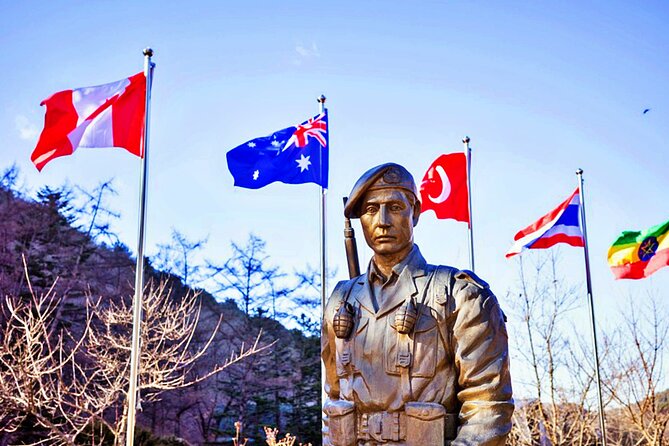
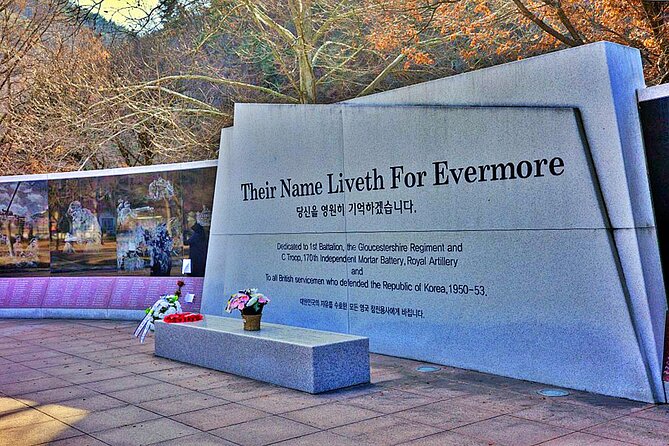
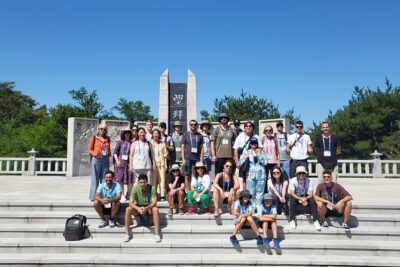
The last major section shifts from the DMZ itself to a Korean War battlefield and mountain setting. Gloucester Hill Memorial honors soldiers connected with the fighting there, giving the day another reminder that the border was created through violence and sacrifice.
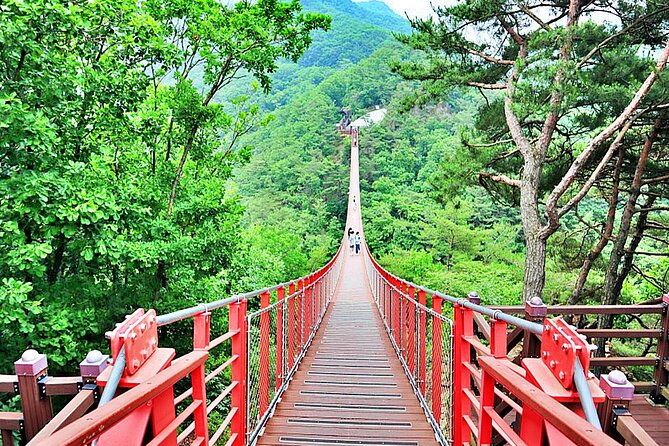
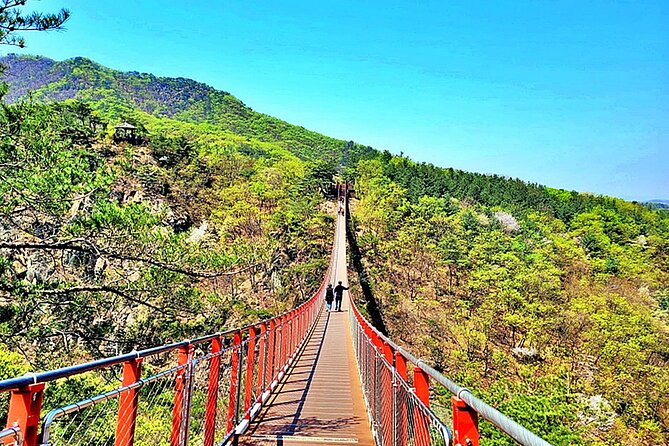
After the memorial, you visit Gamaksan Chulleong Bridge, also called Gloucester Heroes Suspension Bridge. Opened in 2016, it crosses a mountain valley and is described as South Korea’s longest mountain suspension bridge.
The bridge is a striking contrast to the earlier sites. After a day of military history and restricted viewpoints, you get open air, forested hills, and a more active finish. Some people also use the time to visit a waterfall and temple after crossing, though the schedule may not allow a long detour.
Do not assume the bridge is an easy final stroll. The approach includes inclines, and wet weather can make the path less comfortable. The tour guidance specifically warns that heavy rain, snow, military operations, or security controls can close the bridge.
If it is closed, the replacement may be the DMZ Peace Gondola, Odusan Unification Observatory, or Majang Lake Suspension Bridge. The exact substitute depends on conditions. This flexibility protects the day from being ruined by weather, but it also means you cannot treat every stop as guaranteed.
How the small group and guide affect the day
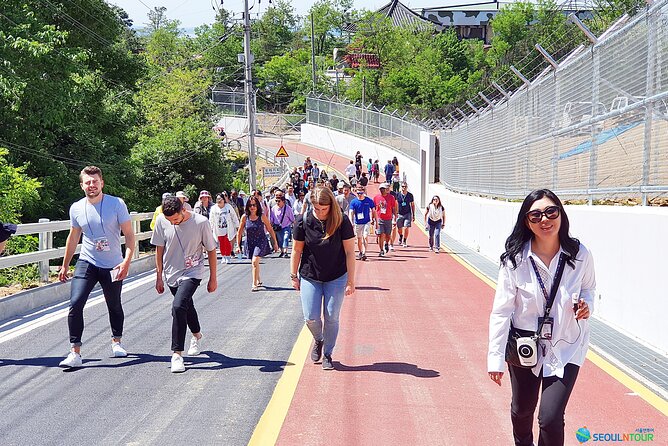
The coach holds no more than 16 people, which is a useful middle ground. You get the efficiency of organized transport without the scale of a large bus tour. A small group also helps at the tunnel entrance, observatory, and bridge, where keeping track of people can otherwise slow things down.
Guide performance is central. The strongest guides named in the feedback include BK, Sookhee, Young, Lua, Junie, Roy, Sadie, Seokhee, April, and Lisa. Their strengths include clear historical explanation, warmth, timing, help with photographs, and attention to people who need short breaks.
Young was particularly effective on a bitterly cold day, helping the group see the important sights without leaving people exposed longer than necessary. April brought energy to a wet day, while Sookhee was praised for making a group of seven feel almost like a private tour.
The experience is not a private tour, however. You will follow a set route and share the coach, stops, and guide’s attention. One person noted that a private tour would allow more time for questions and discussion. If you want long conversations at every site, a private option may suit you better.
Price, timing, and what to bring
At $65, the tour offers solid value for a full day. Your fee covers transportation, a professional guide, and entrance fees. You do not have to arrange separate transport to the DMZ, and the coach saves you from navigating a tightly controlled border region on your own.
Lunch and drinks are not included. Plan to carry water, and ask the operator or guide about the day’s meal arrangements if that matters to you. The supplied details do not promise a specific lunch stop, so do not build your schedule around a particular restaurant.
Pickup is available only at limited listed places, with City Hall Station serving as the stated start and end point. The tour begins on time, so arrive at your meeting point at least 10 minutes early. Airport and cruise-port pickup is not provided.
Bring:
- Your current passport, which is required on the day
- Comfortable walking shoes
- Water
- Weather-appropriate layers
- A little patience for schedule changes
The tour operates year-round, but Mondays, public holidays, military closures, and bad weather can produce a different route. On those days, the North Korea Experience Hall, Imjingak Park, DMZ Peace Gondola, Gloucester Hill Memorial Park, and the suspension bridge may replace the standard tunnel and observatory itinerary.
Who should book this experience?
You should book this tour if you want a serious look at the Korean Peninsula’s division but also appreciate a scenic outdoor stop. It suits first-time visitors to South Korea who want the major DMZ sights in one organized day.
It is also a good fit if you prefer explanation over independent wandering. The places themselves are powerful, but the meaning can be easy to miss without context. A guide who explains the war, the border, and the lives affected by division makes the day much more worthwhile.
You should think twice if steep walking is difficult, you dislike enclosed spaces, or you need a very relaxed pace. The Third Tunnel is the clearest concern. The suspension bridge also involves walking on inclines, and the group cannot wait indefinitely for every person.
Final verdict: a strong DMZ choice with one clear warning
I would book this tour for the combination of the Third Tunnel, Dora Observatory, North Korea Experience Hall, and Gamaksan Suspension Bridge. The route gives you both the solemn side of the DMZ and a more open mountain finish, while the small group keeps the day personal enough for questions.
The decision comes down to your mobility and expectations. Go if you can manage steep walking, carry your passport, and accept that military conditions may change the plan. Skip it, or choose a gentler alternative, if the tunnel climb would be a serious strain.
For most visitors with moderate fitness, $65 is a sensible price for nine hours of transport, access, and explanation. The DMZ is not a theme park and should not be treated like one. This tour works best when you approach it with curiosity, patience, and respect for the people whose lives remain shaped by the border.
FAQ
How long does the DMZ and suspension bridge tour last?
The tour lasts approximately nine hours. It begins in the morning and ends at City Hall in Seoul at around 4:50 p.m.
Where does the tour start and end?
The stated meeting point is City Hall Station in Seoul. The tour also ends at City Hall Station.
Is hotel pickup included?
Hotel pickup and drop-off are not included. Pickup is available only at limited places on the provided list, and airport or cruise-port pickup is not provided.
Do I need my passport?
Yes. You must bring a current valid passport on the day of travel. You do not need to send a passport copy in advance.
How difficult is the Third Tunnel?
The tunnel requires walking down and back up a narrow passage with steep sections. Comfortable shoes are required, and you should have moderate physical fitness. It is not recommended for seniors who have difficulty walking.
What happens if the tunnel or observatory is closed?
On Mondays, public holidays, or days when the Third Tunnel and Dora Observatory are closed because of military or weather conditions, the tour uses a special route. This can include the North Korea Experience Hall, Imjingak Pyeonghwa-Nuri Park, DMZ Peace Gondola, Gloucester Hill Memorial Park, and the Suspension Bridge.
What happens if the suspension bridge closes?
Heavy rain, snow, military operations, or security controls can close the bridge. The itinerary may then include Odusan Unification Observatory, Majang Lake Suspension Bridge, the DMZ Peace Gondola, or the War Memorial of Korea, depending on conditions.
Just added around Seoul
- Alpaca, Nami, Petite Fr, Italian Village, Garden of Morning Calm★ 3.5 · 5 reviews
- Gyeongbokgung palace,seoul with gigibebe hanbok rental★ 4.5 · 12 reviews
- Private tour guide service in Seoul, Korea★ 5.0 · 6 reviews
- Gyeongju UNESCO Sites Tour by KTX train; The Museum Without walls★ 4.5 · 11 reviews
- Private day trip to Korean Folk Village & Dae Jang Geum Park★ 5.0 · 7 reviews
- Private tour Lotte World,Tower,Aquarium(All Tickets are included)★ 5.0 · 12 reviews
- Full Day Private Seoul Tour for foodies★ 5.0 · 3 reviews
- Seoul Private Custom Walking Tour with A Guide (Private Tour)★ 4.5 · 28 reviews
DMZ Tours, compared.
Best DMZ Tour Korea from Seoul (Red Suspension Bridge Optional)
Read our review →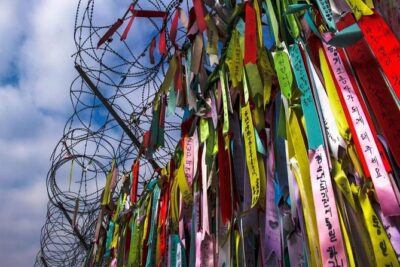
DMZ Tour: 3rd Tunnel, Option(Suspension Bridge, Boat) from Seoul
Read our review →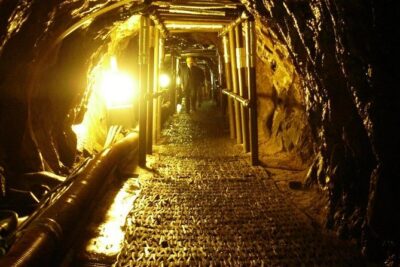
DMZ tour south Korea from Seoul (NK experience hall, defector)
Read our review →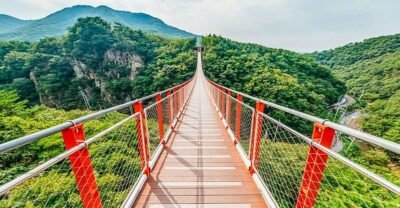
DMZ Insider Tour: 3rd Tunnel, NK Defector Meet & Red Bridge
Read our review →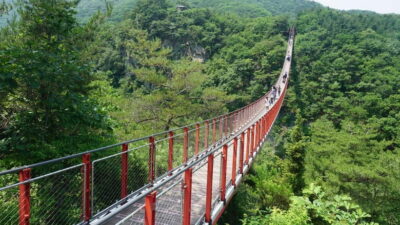
Thrilling Korean DMZ 3rd Tunnel Tour from Seoul + Red Bridge Rush
Read our review →
DMZ Past and Present: Korean Demilitarized Zone Tour from Seoul
Read our review →
Ultimate Korea DMZ Tour from Seoul (Gondola & Suspension Bridge)
Read our review →Browse the lists this tour appears in