
Reviewed · DMZ TOURS
DMZ Tour with Pistol Shooting Experience from Seoul
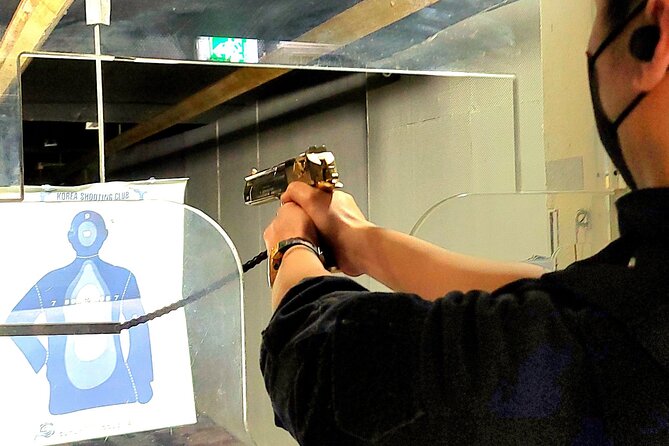
The most unusual part of this Seoul day trip comes at the end: after seeing the tense border zone, you return to the city for pistol target practice. That pairing gives you both Korea’s divided past and a hands-on activity, rather than another day spent only looking at monuments.
I like the efficient route through Imjingak, the Third Infiltration Tunnel, and Dora Observatory. I also like the price, about $35, which covers transport, a guide, and the shooting experience. The main drawback is that the DMZ is controlled by the military, so the schedule can change or the border portion can be canceled without notice.
Key points to know before booking
- The Third Infiltration Tunnel is the physical highlight: You enter a tunnel built for North Korean military movement beneath the demarcation line.
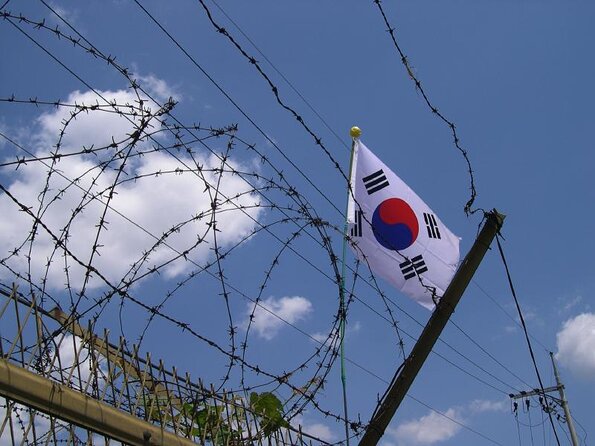
- Dora Observatory offers a rare view north: Binoculars provide views toward North Korea, including the propaganda village and, when conditions allow, Kaesong.
- The pistol session is in Myeongdong: It takes place after the DMZ visit and is included in the price.
- Your passport is essential: Soldiers check current passports before entry into the DMZ area.
- The day begins and ends at Myeongdong Station: Hotel pickup and drop-off are not included.
- The border rules are firm: Weather, military activity, government orders, traffic, and other conditions can alter the route.
Why this DMZ and shooting combination works
A DMZ visit can feel serious and restrained. You are seeing a live military boundary, not a museum display. This tour adds several places that help explain the division of Korea, then changes pace with target shooting back in Seoul.
That contrast will suit you if you want more than a standard sightseeing loop. The DMZ portion gives you historical context and striking views, while the shooting gallery offers a clear, practical activity at the end of the day.
The tour lasts about seven and a half hours. That is long enough to reach the border area from Seoul, pass through the required security checks, and return for the Myeongdong shooting session. It is not a flexible, wander-at-your-own-speed day. You move with the group and follow the timing set by the military access rules.
The price is a strong point. For roughly $35, you receive air-conditioned transportation, a professional guide, admission to the listed stops, and pistol shooting. Lunch, drinks, and hotel transportation cost extra, so the final value depends partly on how easily you can reach Myeongdong Station on your own.
More DMZ Tours in Seoul:
- Best DMZ Tour Korea from Seoul (Red Suspension Bridge Optional)
★ 5.0 · 41,422 reviews - DMZ Tour: 3rd Tunnel, Option(Suspension Bridge, Boat) from Seoul
★ 5.0 · 21,373 reviews - DMZ tour south Korea from Seoul (NK experience hall, defector)
★ 5.0 · 20,599 reviews
Starting at Imjingak Pyeonghoa-Nuri Park
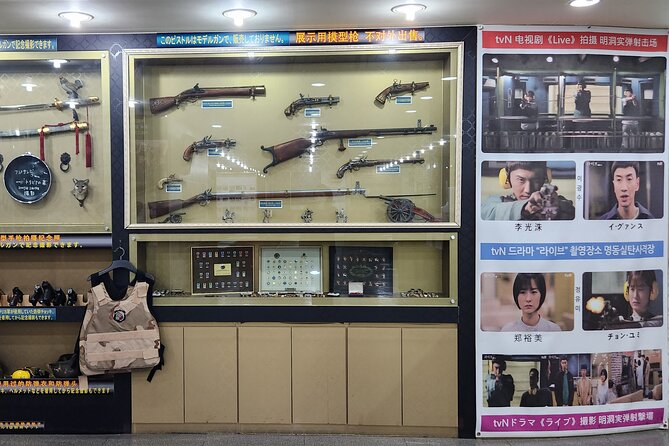
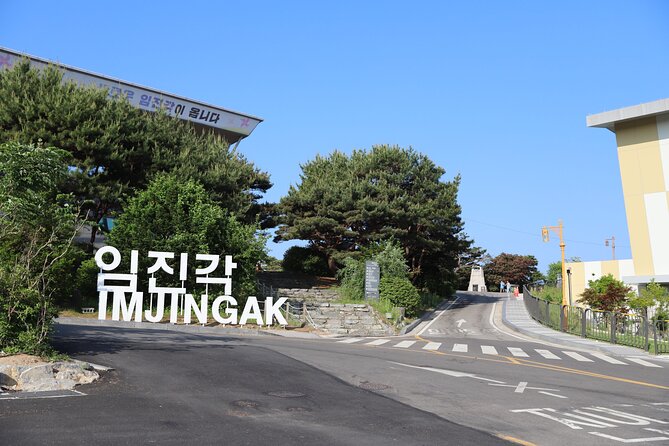
The first stop is Imjingak Pyeonghoa-Nuri Park, about 7 kilometers from the Military Demarcation Line. You have around 20 minutes here, with admission included.
Imjingak was built in 1972 in the hope that Korean unification would one day be possible. Its connection to the Korean War gives the stop emotional weight, but you should not expect a long guided visit. The short time is better for getting your bearings, taking in the setting, and seeing the memorial features before the group continues.
This is also a useful introduction to the tone of the day. The DMZ is not only about military hardware. It is tied to separated families, the war, and the continuing wish for a different future. Your guide can help connect the park to the later stops, especially the Freedom Bridge and Unification Village passed along the route.
Because the stop is brief, listen closely to the guide’s explanation. If you want time to read every panel or explore at a slow pace, this schedule may feel tight.
Passing the Freedom Bridge and Unification Village
The vehicle continues toward the restricted zone, passing the Freedom Bridge and Unification Village. These are part of the approach rather than long standalone stops, so you see them through the rhythm of the drive.
The Freedom Bridge carries strong meaning because it is linked to the movement of prisoners and returning soldiers after the Korean War. Unification Village gives you another reminder that people live and work close to one of the world’s most heavily guarded borders.
You travel in an air-conditioned vehicle, a practical benefit on a full-day outing. The road time also gives the guide a chance to explain the division of the peninsula. Guide quality matters here. Julie has been praised for an enthusiastic, informative approach, and Jinny has been described as helpful and well informed. English ability and group attention may vary, so keep your questions short and ask again if an explanation is unclear.
Learning the basics at the DMZ Theater and Exhibition Hall
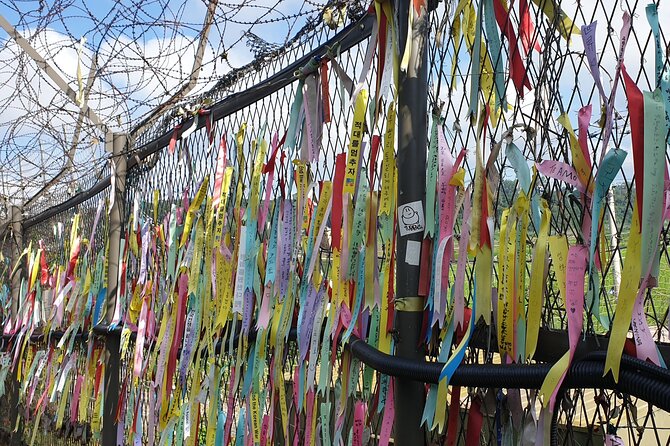
Before entering the main DMZ sites, you visit an exhibition hall with a short video and displays about the division of Korea. The visit lasts around 30 minutes and follows a passport check by soldiers.
This is one of the most useful parts of the tour for anyone who does not already know the basic story. The exhibits help explain why the tunnel exists, why access is restricted, and why the border remains politically sensitive.
You need to carry your current, valid passport on the day of travel. A photo, photocopy, or expired document is not enough according to the tour requirements. Keep it accessible, since the military check is a formal part of the route.
The exhibition hall will not replace a full museum visit. Its job is to give you enough background to understand the places you see next. That concise approach works well when paired with a guide who explains the details during the drive.
Same country, a completely different kind of day:
- Seoul: DMZ Tour with Optional Suspension Bridge
★ 4.8 · 5,277 reviews - Signature DMZ Tour: Exclusive Defector Talk & Suspension Bridge
★ 5.0 · 4,459 reviews - Thrilling Korean DMZ 3rd Tunnel Tour from Seoul + Red Bridge Rush
★ 5.0 · 3,097 reviews - DMZ Past and Present: Korean Demilitarized Zone Tour from Seoul
★ 5.0 · 2,481 reviews
Entering the Third Infiltration Tunnel
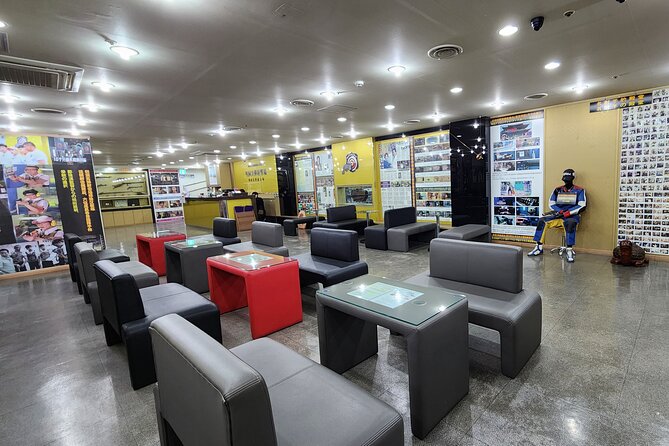
The Third Infiltration Tunnel is the most active part of the DMZ visit. South Korea discovered it in 1978. The tunnel measures about 1,635 meters long, 2 meters wide, and 2 meters high, and it sits roughly 52 kilometers from Seoul.
The tunnel was built to move soldiers beneath the demarcation line. Estimates suggest that as many as 30,000 soldiers could pass through it in an hour. Those figures make the site more than a dark passage underground. You can see how the tunnel’s size and position fit a military plan.
You have about 40 minutes here. The tour requires a moderate level of physical fitness, so take that warning seriously. The tunnel’s dimensions mean you should expect a confined setting and some physical effort. If you dislike enclosed spaces or have difficulty with moderate activity, this may be the hardest portion of the day.
You will not be wandering independently for hours. The visit follows the group schedule, and military rules shape what you can see. Still, this stop gives you a direct sense of the border’s hidden infrastructure in a way that a distant viewpoint cannot.
Looking north from Dora Observatory
At Dora Observatory, you have roughly 30 minutes to look across the border. Binoculars allow you to see into North Korea, including the propaganda village in the DMZ and, as visibility permits, areas around Kaesong.
The view can extend toward Gaeseong, Songaksan, the Kim Il-Sung statue, and the Geumamgol Cooperation Farm. Weather and air clarity will affect what you can make out, so do not treat every named feature as guaranteed on your visit.
The propaganda village is one of the striking details from this viewpoint. It represents the way both sides have used the border for public messaging. The observatory also lets you think about scale: the division is not an abstract line on a map. It is a nearby place that you can see with your own eyes.
You have enough time for a look and some photographs, but this is not a quiet, private viewpoint. You remain with the group and follow the site rules. Bring patience, especially if visibility is hazy or several people need a turn with the binoculars.
Stopping at Dorasan Train Station
Dorasan Train Station was built with the hope of connecting the two countries in the future. The station carries a sense of unfinished possibility, which makes it a fitting final DMZ stop.
Unlike the tunnel, the station points forward rather than backward. It reflects the idea that rail connections could one day link South Korea with the North and beyond. The visit is relatively compact, but it adds an important note to a day that can otherwise feel focused on conflict and military control.
You should see Dorasan as part of the larger story, not as a busy transport hub. Its value comes from what it represents and from the contrast between a modern station and the closed border beyond it.
Returning to Myeongdong for pistol practice
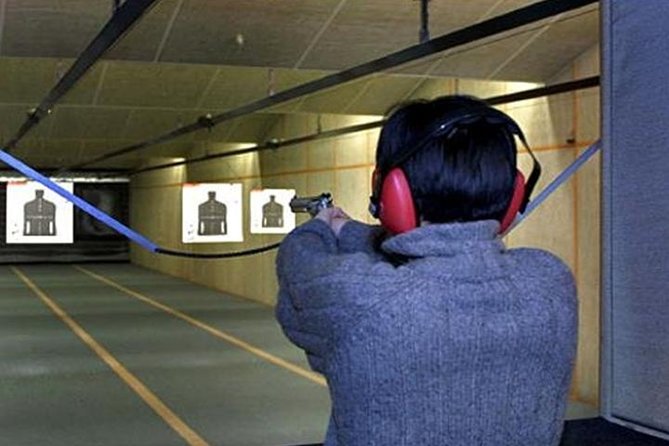
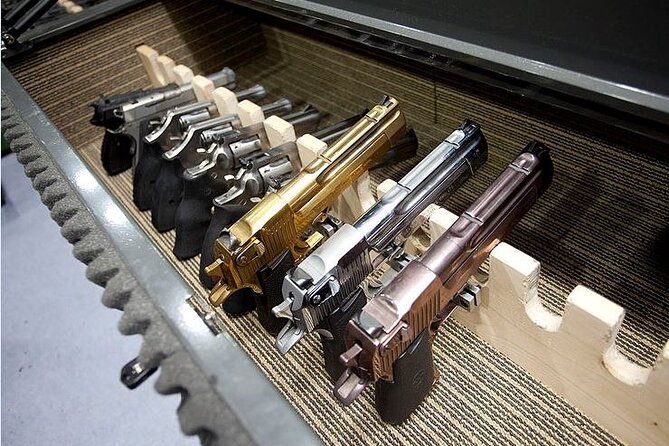
After the border visit, the vehicle returns to Seoul for a pistol shooting experience at Myeongdong Real Gun Shooting Range. About 20 minutes are set aside for target practice, and the activity is included.
Participants must be at least 14 years old. This age rule is important for families and mixed-age groups, since younger children cannot take part in the shooting session.
The activity changes the mood of the day. You move from military history and observation to a controlled target-practice setting. It is a good fit if you want an experience with some physical participation rather than ending the day after a series of talks and viewpoints.
The supplied details do not specify the number of rounds, firearm models, or exact shooting instruction, so do not book this expecting a particular weapon or lesson format. Treat it as an included pistol experience, with the range setting its own operating details.
Myeongdong is also convenient for continuing your evening after the tour. The official end point is back at Myeongdong Station, so you can arrange dinner or further sightseeing nearby without crossing Seoul again.
Guides, group size, and the pace of the day
The tour accepts up to 30 people. That is a manageable group size for a coach outing, but it is not a private tour. At the tunnel, observatory, and security points, you will need to stay aware of the group and return on time.
Guide quality can shape this experience more than usual. The best guides explain the Korean War, answer questions, and help you understand why each stop matters. Julie and Jinny are two guides associated with especially strong experiences, with praise for their enthusiasm, clear explanations, and help with language barriers.
There has also been an account of poor English and limited attention to the group. I would treat that as a real consideration rather than ignoring it. The guide’s role is important because several stops have short time limits and displays you may not have time to read alone.
The tour does not include shopping-center visits, which is good news if you want a focused day. It also means there is no built-in retail stop or extended break to pad out the schedule.
What to bring and how to prepare
Bring your valid passport. This is the one item you cannot overlook, since soldiers check it before entry into the DMZ.
Wear practical clothing and shoes suited to moderate physical activity. The tunnel is the main reason for this advice. You should also bring money or a payment method for lunch, drinks, and any food you want during the day, since these are not included.
You must provide the full names of everyone in your party when booking. The booking information also asks for your hotel name, address, and phone number, even though hotel pickup and drop-off are not included. Meet at Myeongdong Station, and plan your own way there.
A mobile ticket is provided. Confirmation arrives at booking, but the tour still depends on military permission, weather, traffic, and government conditions.
When the DMZ route changes
The DMZ operates under military control. The trip can be canceled without prior notice, and schedules can change because of storms, dense fog, heavy snow, roadworks, traffic, government orders, strikes, military training, or visits by senior officials.
If the main route cannot operate, the alternative may include Imjingak Park, Art Space BEAT 131, Odusan Unification Observatory, the War Memorial of Korea, and the pistol shooting experience. This alternative still offers Korean War and division-related sights, but it is not the same as entering the Third Tunnel or seeing North Korea from Dora Observatory.
The stated conditions also warn that itinerary changes caused by circumstances beyond the operator’s control may not qualify for a refund. Read that point carefully before booking. You can cancel for a full refund up to 24 hours before the start time, but cancellations within 24 hours are not refunded.
Is this $35 tour a good value?
For $35, the package gives you a lot: round-trip transport from central Seoul, a guide, admission to several DMZ sites, and pistol practice. Paying separately for transport and arranging access to the restricted area would be less simple, even if the tour is not designed for a private or slow-paced visit.
The value is strongest if you want a first DMZ visit and enjoy a compact schedule. It is less appealing if you want long periods at each stop, a guaranteed border itinerary, or a highly polished specialist guide.
I also like that the tour skips shopping centers. Your time is used for the DMZ and the shooting range rather than forced retail stops. Lunch is not included, though, and the listed itinerary does not promise a long meal break, so plan accordingly.
Who should book this experience?
I would recommend it to first-time Seoul visitors who want to see the DMZ without spending a large amount. It suits adults, families with children aged 14 or older, and anyone who likes pairing historical sites with an activity.
It is also useful for people who miss out on a Joint Security Area tour. The Third Tunnel and Dora Observatory still provide close contact with the divided border, though you should not assume this experience includes the JSA.
I would hesitate if you need a relaxed pace, guaranteed access to every stop, or personal assistance throughout the day. The border can close, the group can be full, and the guide experience can vary. Those are manageable risks for an informed booking, but they are not minor details.
FAQ
How long does the tour last?
The experience lasts approximately 7 hours and 30 minutes.
Where does the tour begin?
The meeting point is Myeongdong Station in Seoul.
Where does the tour end?
The tour returns to Myeongdong, with drop-off at Myeongdong Station.
Is hotel pickup included?
No. Hotel pickup and drop-off are not included.
Do I need my passport?
Yes. You must bring a current, valid passport on the day of the tour.
What is the minimum age?
The minimum age is 14 years old.
Is lunch included?
No. Lunch, food, and drinks are not included.
Is the pistol shooting included in the price?
Yes. The pistol shooting experience is included.
How physically demanding is the tour?
A moderate level of physical fitness is required, particularly for the visit to the Third Infiltration Tunnel.
Can the DMZ portion be canceled or changed?
Yes. Military operations, weather, traffic, government orders, and other conditions can lead to cancellations or itinerary changes. An alternative route may be offered.
Should you book it?
Book this tour if you want a low-cost, full-day introduction to the DMZ with the Third Infiltration Tunnel, Dora Observatory, Dorasan Train Station, and a pistol session in Myeongdong. The mix is unusual, the transport is simple, and the price is hard to fault.
Skip it if you need a guaranteed border visit or a slow, highly detailed tour. Bring your passport, expect a group schedule, prepare for moderate physical activity, and accept that military control can change the plan. With those limits in mind, this is a practical way to see the Korean border and finish with something more active than another museum stop.
Just added around Seoul
- Gyeongbokgung palace,seoul with gigibebe hanbok rental★ 4.5 · 12 reviews
- Private tour guide service in Seoul, Korea★ 5.0 · 6 reviews
- Alpaca, Nami, Petite Fr, Italian Village, Garden of Morning Calm★ 3.5 · 5 reviews
- Gyeongju UNESCO Sites Tour by KTX train; The Museum Without walls★ 4.5 · 11 reviews
- Private day trip to Korean Folk Village & Dae Jang Geum Park★ 5.0 · 7 reviews
- Private tour Lotte World,Tower,Aquarium(All Tickets are included)★ 5.0 · 12 reviews
- Full Day Private Seoul Tour for foodies★ 5.0 · 3 reviews
- Seoul Private Custom Walking Tour with A Guide (Private Tour)★ 4.5 · 28 reviews
DMZ Tours, compared.
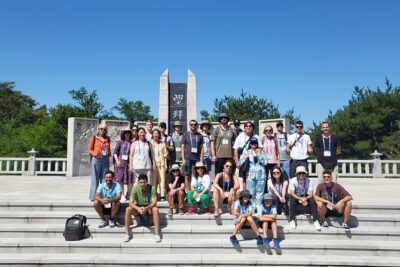
Best DMZ Tour Korea from Seoul (Red Suspension Bridge Optional)
Read our review →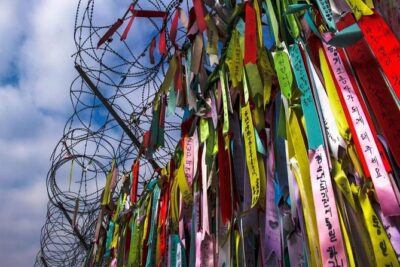
DMZ Tour: 3rd Tunnel, Option(Suspension Bridge, Boat) from Seoul
Read our review →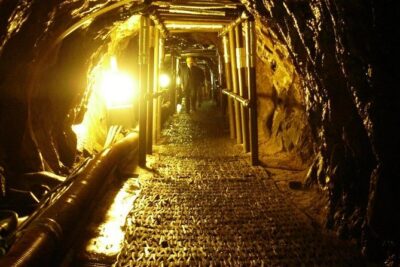
DMZ tour south Korea from Seoul (NK experience hall, defector)
Read our review →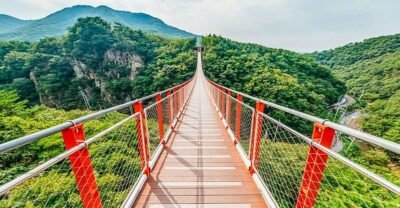
DMZ Insider Tour: 3rd Tunnel, NK Defector Meet & Red Bridge
Read our review →
Thrilling Korean DMZ 3rd Tunnel Tour from Seoul + Red Bridge Rush
Read our review →
DMZ Past and Present: Korean Demilitarized Zone Tour from Seoul
Read our review →
Ultimate Korea DMZ Tour from Seoul (Gondola & Suspension Bridge)
Read our review →Browse the lists this tour appears in