
Reviewed · DMZ TOURS
Best DMZ Tour Korea from Seoul (Red Suspension Bridge Optional)
The most striking part of this DMZ tour from Seoul is the shift from ordinary city life to a heavily guarded border where the Korean War still shapes daily reality. You will see the Third Tunnel, look toward North Korea from Dora Observatory, and walk sites tied to prisoners of war and divided families.
I like the comfortable round-trip transport and the fact that there is no forced shopping. I also like the strong museum component, since the DMZ can feel abstract until the exhibits, tunnel, and personal stories give it human weight. The main drawback is the early start, fixed military access, and the physical effort required in the tunnel.
Key points at a glance
- The Third Tunnel requires real effort: The route slopes sharply, and the return climb can leave you breathless.
- Dora Observatory puts North Korea within view: Binoculars can reveal Kijong-dong, Kaesong City, and the surrounding countryside.
- Imjingak and the Bridge of Freedom add emotional context: These are not just photo stops, but places linked to refugees and repatriated prisoners.
- Guides make a major difference: Guides including Ray, Emily, Lina, Jenny, Alex, Kelly, Diane, Gabby, Hana, and GoGo have been praised for clear explanations and personal stories.
- Optional bridges change the day: Gamaksan Red Suspension Bridge and Majang Lake add scenery and walking after the serious history stops.
- The $29.75 price is strong value: Admission and transport are included, but lunch and hotel drop-off are not.
Why this DMZ day trip matters
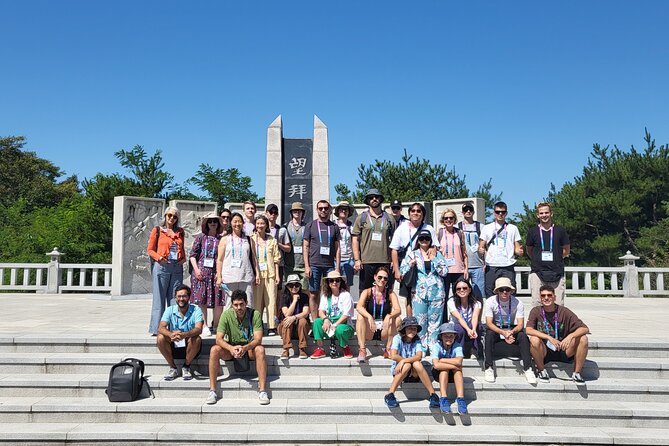
The Demilitarized Zone is not a normal sightseeing attraction. It is a 4-kilometer-wide buffer between North and South Korea, created after the 1953 armistice. Access is controlled, schedules can change because of military conditions, and some parts can close without much notice.
That uncertainty is part of the experience. You are not simply visiting a museum about a past conflict. You are going to a border that remains politically active, with soldiers, restrictions, and a divided country visible across the hills.
The day lasts about seven and a half hours, including transport and stops. That is long enough to cover the main sights without using your entire evening in Seoul. Pickup is offered at a main subway station near your hotel or in the downtown area, although the exact meeting point and time can vary by location.
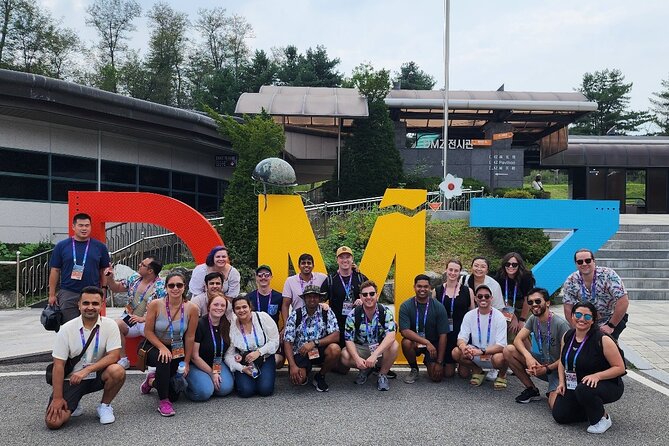
The advertised group limit is up to 200 people. That is a large possible group, so do not expect a private or intimate tour. The guide is the key to keeping the day organized, and the strongest feedback consistently points to guides who explain the history clearly, answer questions, and keep the pace moving.
More DMZ Tours in Seoul:
- DMZ Tour: 3rd Tunnel, Option(Suspension Bridge, Boat) from Seoul
★ 5.0 · 21,373 reviews - DMZ tour south Korea from Seoul (NK experience hall, defector)
★ 5.0 · 20,599 reviews - Seoul: DMZ Tour with Optional Suspension Bridge
★ 4.8 · 5,277 reviews
Imjingak Pyeonghwa-Nuri Park sets the tone
Imjingak Pyeonghwa-Nuri Park is a fitting first stop. It was created as a place of comfort for people displaced by the Korean War, and its setting gives you room to think before the day moves into restricted military territory.
The park includes the famous Iron Horse train, a symbol of the railway severed between North and South Korea. You also get views toward the Imjin River and the border area. The natural setting can feel peaceful, but the reason for the park’s existence is painful: millions of Korean families were separated by war and division.
You have about 30 minutes here. That is enough for photographs and a quick look around, but not enough for a slow museum visit or extended reflection. Listen closely to the guide before wandering off, since the group will continue on a set schedule.
The Bridge of Freedom gives the history a human scale
The Bridge of Freedom was used by 12,773 prisoners of war returning to South Korea in 1953. Walking across or beside this historic crossing gives the armistice a more personal shape than a date in a textbook.
This is one of the places where the tour’s emotional weight becomes clear. The bridge represents return, but it also reminds you how many people never returned home and how many families remain separated.
The stop lasts around 20 minutes. You will not have a long time to explore, but the short visit works because the site itself is direct and easy to understand. Bring a camera, but treat the place with some respect. This is a memorial connected to real suffering, not simply a scenic riverside viewpoint.
The DMZ Theater and Exhibition Hall explain the conflict
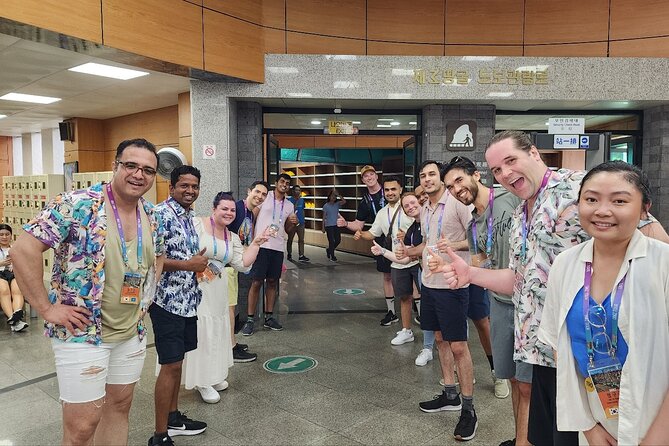
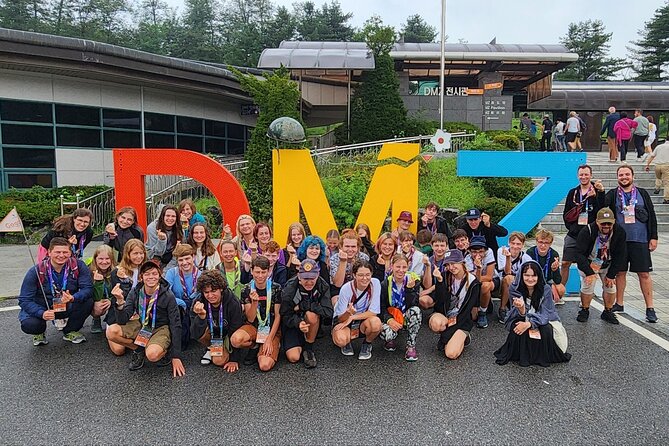
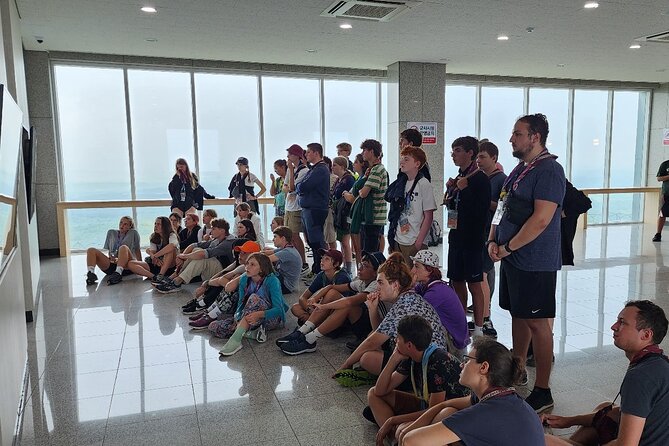
The DMZ stop includes the DMZ Theater and Exhibition Hall, with admission included. These displays present a South Korean explanation of the Korean War, the armistice, the border, and the continuing division of the peninsula.
This part is especially useful if you arrive with only a general idea of the Korean War. The exhibits help explain why the DMZ exists, how the border was formed, and why access rules are so strict.
You have about an hour for this section. A good guide adds important context here, and several guides have been praised for using photos, videos, and clear stories rather than delivering a dry lecture. Names that appear often in the tour’s feedback include Emily, Ray, Lina, Jenny, Alex, and Kelly. Your guide will depend on the date and language you select, but an English or Chinese guide is included.
The museum stops also provide a useful break from walking. If you visit in winter, the DMZ area can be very cold, so the indoor time matters. Bring warm clothing anyway. The border area is exposed, and you may wait outdoors between stops.
More Korea Suspension Bridge Tours in Seoul:
- Signature DMZ Tour: Exclusive Defector Talk & Suspension Bridge
★ 5.0 · 4,459 reviews - Ultimate Korea DMZ Tour from Seoul (Gondola & Suspension Bridge)
★ 5.0 · 2,396 reviews - DMZ; NK Defector, 3rd Tunnel, Suspension Bridge,Hotel pickup
★ 4.9 · 2,055 reviews - DMZ Tour from Seoul – Optional Suspension Bridge Experience
★ 5.0 · 1,918 reviews
The Third Tunnel is the physical highlight
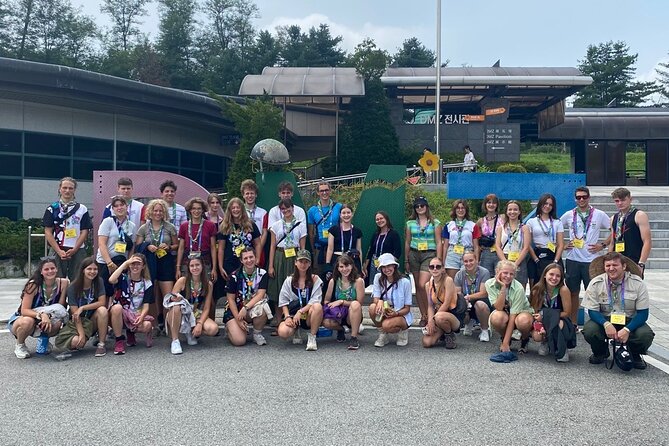
The Third Tunnel of Aggression was discovered in 1978. It was built by North Korea as part of an attempted route into the South, according to the South Korean interpretation presented at the site. The tunnel lies about 12 kilometers from Munsan and roughly 52 kilometers from Seoul.
You walk down into the tunnel, then turn around and climb back out. The route is steep enough to count as a workout, and the tunnel itself can feel cramped. The tour data gives this stop about an hour, including the visit and movement through the site.
This is the stop to think about carefully if you have limited mobility or dislike steep walking. Most people can take part, but the physical demand is real. One useful tip is to wear practical shoes and save energy for the return climb. The tunnel is not the place for flimsy footwear or a rushed pace.
Photography rules may apply in military-controlled areas, so follow the guide’s instructions. The reward is a rare physical connection to the conflict. You are not looking at a map showing a tunnel. You are walking through one.
Dora Observatory looks across the border
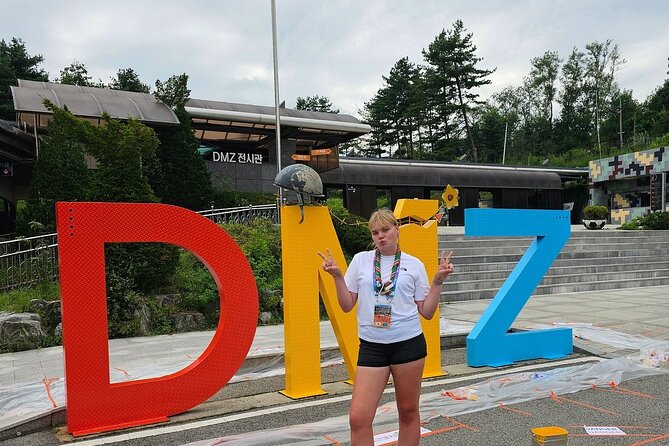
At Dora Observatory, you use high-powered binoculars on the third floor to look into North Korea. The view includes Kijong-dong, often called a propaganda village, and the distant city of Kaesong. On a clear day, you may also see roads, fields, and activity across the border.
The observatory is about an hour-long stop. It is one of the tour’s most memorable moments because the division becomes visible. You may see both Korean flags, distant buildings, and people moving through the countryside, though visibility depends on weather and military restrictions.
Keep your expectations sensible. This is not a close-up view of North Korea, and haze can reduce what you see. The binoculars help, but conditions still matter. The value lies in standing at a legal viewing point and understanding that a functioning country is just beyond the border.
The guide’s explanation is important here. Without context, you might see a few buildings and flags and move on. With a clear explanation, the scene connects to the war, propaganda, military geography, and the unresolved division of Korea.
Optional bridges add a lighter finish
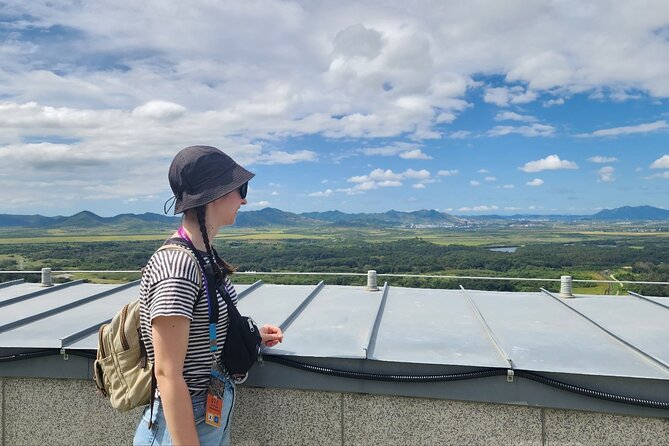
If you select the right option during checkout, you can add Gamaksan Chulleong Bridge. This red suspension bridge is also known as the Gloucester Heroes Bridge, honoring Korean War heroes. It is described as South Korea’s wobbliest towerless suspension bridge, so expect movement underfoot rather than a calm stroll.
The stop lasts about an hour and changes the mood of the day. After museums, memorials, and military history, the bridge offers a scenic outdoor walk and a little adrenaline. Choose it if you want more activity and photographs. Skip it if you prefer a shorter, strictly historical DMZ visit or dislike heights.
The Majang Lake Suspension Bridge is another optional choice. It stretches 220 meters across Majang Reservoir in Paju and takes about an hour. This is a scenic add-on rather than a DMZ sight, so it works best for you if you want a fuller day in the Paju area.
Do not assume both bridges are included in the basic DMZ option. The standard DMZ-only choice excludes Gamaksan Red Bridge, Majang Lake Bridge, and strawberry picking. Check the exact package before paying.
The JSA Museum and strawberry option
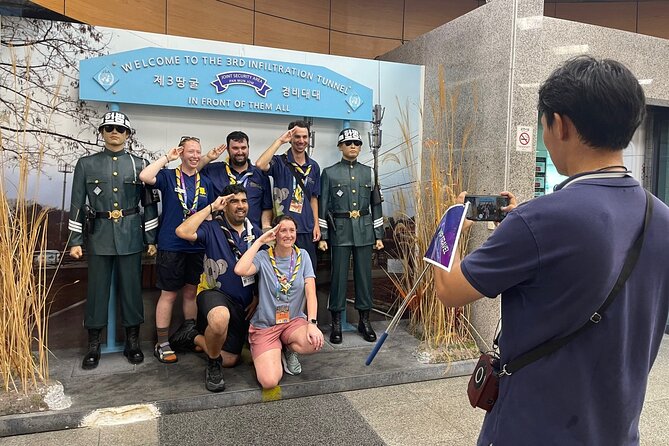
A JSA Museum stop at Tongilchon-gil may be available if selected. The museum covers Panmunjom, the Korean War, and relations between North and South Korea through exhibits and interpretive material. It lasts about 30 minutes.
This is a useful addition if you want more political and military background, but it is not the same as entering the Joint Security Area. The supplied information describes a museum visit, not access to Panmunjom itself. That distinction matters when comparing different DMZ tours.
Strawberry picking is also listed as an optional package choice. No further details are provided, so treat it as an add-on rather than a core part of the historical tour. If your main purpose is understanding the border, the basic DMZ route or a bridge option will likely fit better.
Transport, meals, and the real value of $29.75
At $29.75 per person, this is inexpensive for a full day trip with round-trip transport and admission to the listed museums, Third Tunnel, and Dora Observatory. You are paying for access and coordination as much as for sightseeing. Reaching the DMZ independently is less straightforward because of military controls and changing entry conditions.
The price does not include lunch. Plan to carry money and ask your guide about the day’s meal arrangements. One piece of feedback praised the restaurant used during the tour, but lunch is not part of the published inclusions, so do not expect a prepaid meal.
Hotel drop-off is not included. You return to Seoul by the tour’s transport, then finish at the stated downtown or subway-area arrangement. This leaves you time to eat or explore in the evening, but you should not expect to be delivered to your hotel door.
Pickup is offered from a main subway station near your hotel or from a downtown location. Read the meeting instructions carefully, since the time can change according to the pickup point. If you book through Agoda, Booking.com, or Expedia, the operator asks you to provide an email address or WhatsApp number so they can contact you.
Guides are the strongest part of the experience
The guide matters greatly on a tour about a complicated and emotional subject. The best guides turn a long day into a clear story, moving from refugees and prisoners of war to tunnels, military boundaries, and the view into North Korea.
English-language guides named in the feedback include Ray, Emily, Crystal, Kelly, Alex, Lina, Hana, Jenny, GoGo, Diane, Bella, and Gabby. The specific guide is not guaranteed, but the repeated praise has a common theme: clear English, good pacing, personal attention, and the ability to answer questions.
Some guides have shared family connections to the Korean War or the DMZ. That personal perspective can make the subject feel less distant, but it also means the tone may vary from one departure to another. Expect a serious day, though not necessarily a solemn lecture from start to finish. Several guides are described as warm, witty, and engaging.
The group can include up to 200 people, so stay close and listen for instructions. At the tunnel, observatory, and controlled military sites, delays from one person can affect everyone. A guide who manages time well is not just pleasant to have. It is essential.
What to bring and how to prepare
You must bring your passport on the tour day. A military ID card or Alien Registration Card can be used instead. Without the required identification, access to the DMZ may not be possible.
Wear comfortable shoes for the Third Tunnel and the bridge options. The tunnel includes a downhill walk followed by a demanding uphill return. If you select Gamaksan or Majang Lake, you will also add outdoor walking to an already active day.
Dress for the season. Winter conditions can be especially cold around the DMZ, and much of the day includes exposed outdoor stops. Warm layers will make the observation deck and memorial areas easier to enjoy.
Bring water and money for lunch. Since admission to the included museums is covered, you do not need to budget extra for those basic entries, but optional stops must be selected and paid for through the booking choice.
Finally, keep your schedule flexible. Military issues can change the tour time or access to a stop. This is a border zone, not a theme park, and final control belongs to the authorities.
Who should book this DMZ tour
I would choose this tour if you have one free day in Seoul and want the main DMZ sights without arranging transport yourself. It suits first-time visitors who want history explained in plain language, families with older children, and anyone curious about the division of Korea.
The tour can work for families. One account describes children aged 10 and 12 staying engaged through a well-paced day with photos, videos, and explanations. Still, the Third Tunnel may be tiring for younger children, and the emotional subject matter is best discussed with them beforehand.
This is less suitable if you want a private experience, a leisurely pace, or guaranteed access to every advertised stop. The group may be large, timing can shift, lunch is separate, and optional bridges are not part of the basic package.
The 99 percent recommendation rate and 4.9 rating from more than 41,000 ratings point to very strong overall satisfaction, but the practical limits remain. The tour earns its praise through organization and guiding, not luxury. You get a budget-friendly, information-heavy day with basic transport and a full schedule.
Should you book it?
Book this tour if you want the Third Tunnel, Dora Observatory, Imjingak, and the Bridge of Freedom in one organized day for a low price. The guide’s storytelling is likely to shape your experience, and the strongest guide feedback points to clear explanations and thoughtful personal stories.
Choose the red suspension bridge option if you want scenery and a little excitement after the serious border sites. Choose the basic DMZ option if history is your priority and you would rather return to Seoul with more energy.
I would not book it expecting a quiet small-group outing, a included lunch, hotel drop-off, or a guaranteed military schedule. I would book it as a practical introduction to the DMZ, provided you bring your passport, wear good shoes, and accept that the border sometimes makes its own rules.
FAQ
How long does the DMZ tour from Seoul last?
The tour lasts approximately 7 hours and 30 minutes, including transportation and visits to the listed sites.
What is included in the tour price?
The price includes an English or Chinese professional guide, pickup from a main subway station near your hotel or a downtown area, round-trip transportation, and admission to the included museums and core DMZ attractions.
Is lunch included?
No. Lunch is not included, so you should bring money and follow the guide’s instructions for the meal stop.
Is hotel drop-off included?
No. Pickup is offered, but hotel drop-off is not included.
Do I need to bring my passport?
Yes. You need a passport on the tour day. A Military ID Card or an Alien Registration Card can be used instead.
Are the red suspension bridge and Majang Lake included?
They are optional. The basic DMZ-only option does not include Gamaksan Red Suspension Bridge, Majang Lake Bridge, or strawberry picking. Select the appropriate option during checkout.
Can the tour schedule change?
Yes. The tour time or access to a DMZ stop can change because of military issues. The pickup time may also vary depending on your meeting location.
Just added around Seoul
- Gyeongbokgung palace,seoul with gigibebe hanbok rental★ 4.5 · 12 reviews
- Private tour guide service in Seoul, Korea★ 5.0 · 6 reviews
- Alpaca, Nami, Petite Fr, Italian Village, Garden of Morning Calm★ 3.5 · 5 reviews
- Gyeongju UNESCO Sites Tour by KTX train; The Museum Without walls★ 4.5 · 11 reviews
- Private day trip to Korean Folk Village & Dae Jang Geum Park★ 5.0 · 7 reviews
- Private tour Lotte World,Tower,Aquarium(All Tickets are included)★ 5.0 · 12 reviews
- Full Day Private Seoul Tour for foodies★ 5.0 · 3 reviews
- Seoul Private Custom Walking Tour with A Guide (Private Tour)★ 4.5 · 28 reviews
DMZ Tours, compared.
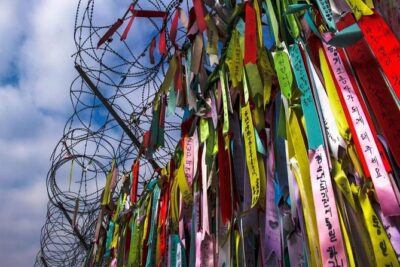
DMZ Tour: 3rd Tunnel, Option(Suspension Bridge, Boat) from Seoul
Read our review →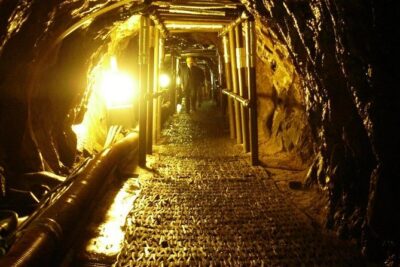
DMZ tour south Korea from Seoul (NK experience hall, defector)
Read our review →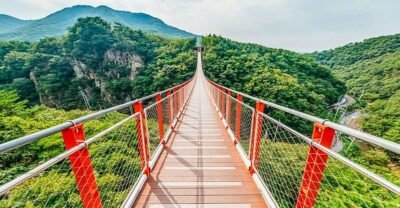
DMZ Insider Tour: 3rd Tunnel, NK Defector Meet & Red Bridge
Read our review →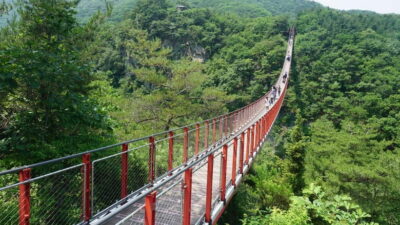
Thrilling Korean DMZ 3rd Tunnel Tour from Seoul + Red Bridge Rush
Read our review →
DMZ Past and Present: Korean Demilitarized Zone Tour from Seoul
Read our review →
Ultimate Korea DMZ Tour from Seoul (Gondola & Suspension Bridge)
Read our review →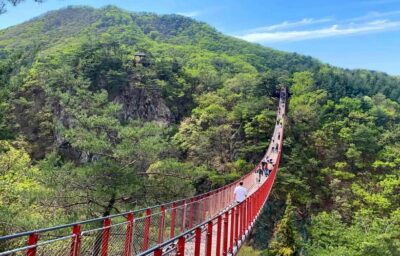
DMZ; NK Defector, 3rd Tunnel, Suspension Bridge,Hotel pickup
Read our review →Browse the lists this tour appears in