
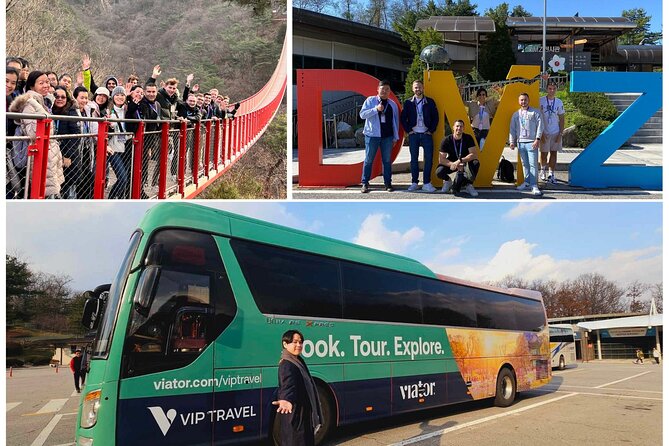
Reviewed · DMZ TOURS
DMZ Tour Seoul to North Korea’s 3rd Tunnel & Majang Lake Crossing
The most striking part of this day is the Third Tunnel, a cramped passage built secretly beneath the border and found in 1978. Later, at Dora Observatory, you can look across the boundary toward North Korea through a telescope. It is a rare day when a war tunnel and a view into one of the world’s most closed countries fit into the same schedule.
I like the way this tour links military history with personal stories at Imjingak Park, the Bridge of Freedom, and Mangbaedan. I also like the strong guiding. Nancy, Alex, Kelly, Moon, Crystal, and several other guides have earned praise for clear explanations, good timing, helpful photographs, and personal connections to Korea’s past.
The main drawback is the size and pace. The bus can carry up to 150 people, and the DMZ is controlled by the military, so opening times and the order of stops can change. The day also includes stairs, slopes, a long tunnel walk, and several quick visits. Bring your passport, wear sensible shoes, and expect a full day rather than a lazy outing.
Key points before you book
- The Third Tunnel is the physical highlight: You walk downhill into a narrow former infiltration route, with hard hats required and plenty of low ceilings.
- Dora Observatory gives you a direct view toward North Korea: Clear weather matters, and the telescope helps you see across the border.
- Imjingak makes the history personal: The Bridge of Freedom, Mangbaedan altar, peace bell, and damaged steam locomotive show how separation affected ordinary families.
- Majang Lake is an optional outdoor finish: The 262-meter suspension bridge crosses the reservoir 25 meters above the water.
- Your guide shapes the day: Guides named Nancy, Alex, Kelly, Moon, Crystal, Lina, Hana, Emily, and others are assigned according to the departure, with English or Chinese service available.
- The price is low for a long guided day: At $35 per person, the value is good if you want transport, admission, and historical interpretation in one package, but optional add-ons cost extra.
Why the DMZ still matters
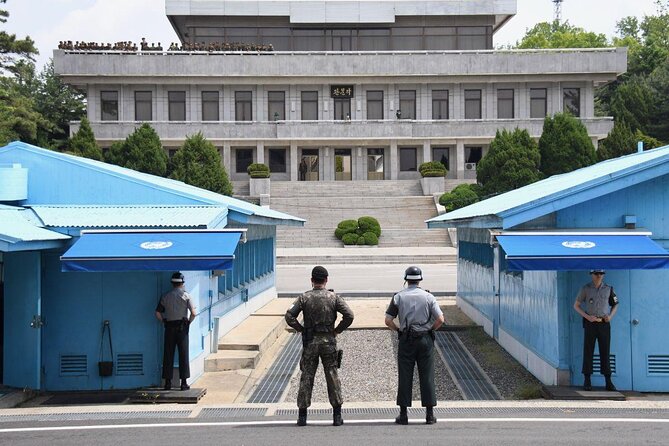
The Korean Demilitarized Zone is not simply a photo stop near a political boundary. It is a 4-kilometer-wide strip created after the 1953 armistice, dividing North and South Korea across the peninsula. There is still no peace treaty ending the Korean War, which gives the area an unusual mix of history, military control, family grief, and cautious hope.
This tour helps you see that story in pieces. You visit memorials in a public park, pass through a checkpoint, walk into a tunnel intended for an attack, and then look toward North Korea from a South Korean observatory. The sequence makes the subject easier to understand than a museum display alone.
I especially value the human side of the route. At Mangbaedan, families with relatives in North Korea remember them during major traditional holidays. At the Bridge of Freedom, thousands of prisoners of war returned to South Korea in 1953. These places are quiet, but they do more to explain the cost of division than a long military lecture.
More DMZ Tours in Seoul:
- Best DMZ Tour Korea from Seoul (Red Suspension Bridge Optional)
★ 5.0 · 41,422 reviews - DMZ Tour: 3rd Tunnel, Option(Suspension Bridge, Boat) from Seoul
★ 5.0 · 21,373 reviews - DMZ tour south Korea from Seoul (NK experience hall, defector)
★ 5.0 · 20,599 reviews
Meeting in Seoul and heading north
The day begins at one of three Seoul subway locations: Myeongdong Station Exit 9, City Hall Station Exit 6, or Hongik University Station Exit 3 in Hongdae. You should arrive 10 to 15 minutes early, especially at Myeongdong, where many buses may be gathering for separate excursions.
The exact pickup arrangement matters. Complimentary pickup is offered at a main subway station near your hotel or in the downtown area, but the tour does not include hotel drop-off. At the end of the day, you can get off at Myeongdong, Hongik University Station, or City Hall.
The ride toward the DMZ takes about an hour according to the planned schedule. This is useful time for your guide to explain the Korean War, the armistice, and the rules of the civilian-controlled area. Guides such as Alex and Moon have been especially well liked for making the history personal instead of simply reciting dates.
The group may be large, but a good guide keeps the day moving with clear meeting times. Kelly and Emily are praised for practical instructions as well as history, which matters here because military checkpoints and timed entries leave little room for wandering off.
Imjingak Park and the Bridge of Freedom
Your first major stop is Imjingak Resort, also called Imjingak Park. Created in 1972 to honor people separated by the Korean War, the park gathers memorials, monuments, and views toward the Imjin River in one place.
You usually have around 30 minutes here before moving to the Bridge of Freedom. That is enough for the main sights, but not enough to examine every memorial at a slow pace. Look for the Bell Tower, the 21-ton Peace Bell, and the general collection of monuments tied to reunification and remembrance.
The Bridge of Freedom is one of the most meaningful stops. It replaced a destroyed railroad bridge and became the route used by 12,773 returning prisoners of war in 1953. Today, it is a modest wooden span rather than a grand monument. That is part of its power. The bridge feels like a real crossing, not just a symbolic sign beside a parking area.
The schedule also includes Mangbaedan, a memorial altar near the DMZ. Families separated from relatives in the North use this place during traditional holidays. You may have only about 10 minutes, so listen closely to the guide before walking around. The stop is brief, but it gives the political division a family scale.
Nearby, the damaged steam locomotive at Jangdan Station recalls the Gyeongui railway, which once connected the peninsula before the Korean War halted its journey in 1950. The locomotive is preserved as a war memorial, its bullet damage making the history visible in a way a plaque cannot.
The optional Peace Gondola
The Paju Imjingak Peace Gondola may be offered as an optional part of the park visit. It crosses the Imjin River at a height of about 20 meters and gives you a different view of the river and the edge of the controlled zone.
The gondola can take about an hour, so you need to know how it fits into your chosen package and the day’s timing. If you skip it, you can use the time for Imjingak’s memorials and park sights. One practical advantage of skipping the gondola is that you will not miss the quieter parts of the peace park.
The gondola is best for you if you want a scenic break from military history. It is less essential if your main goals are the tunnel and observatory. Check during booking because optional features are not part of the basic DMZ-only price.
Same country, a completely different kind of day:
- Seoul: DMZ Tour with Optional Suspension Bridge
★ 4.8 · 5,277 reviews - Signature DMZ Tour: Exclusive Defector Talk & Suspension Bridge
★ 5.0 · 4,459 reviews - Thrilling Korean DMZ 3rd Tunnel Tour from Seoul + Red Bridge Rush
★ 5.0 · 3,097 reviews - DMZ Past and Present: Korean Demilitarized Zone Tour from Seoul
★ 5.0 · 2,481 reviews
Entering the civilian-controlled zone
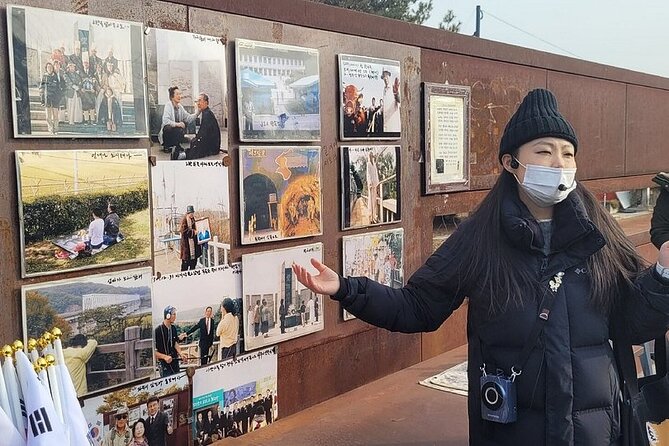
At the Imjingak Tourist Information Center, the guide collects clearance and tickets for the civilian-controlled part of the DMZ. The bus then reaches Unification Bridge, where soldiers inspect the vehicle and check identification.
Bring your passport. A military ID card or South Korea-issued identification is also accepted, but an ordinary assumption that your passport is not needed could cost you time or prevent entry. The checkpoint is a reminder that this is an active security zone, not a theme park built around old war stories.
The bus crosses the Imjin River after the checkpoint. The water and surrounding area have remained relatively undisturbed since the armistice, allowing birds and wildlife to flourish. The ride offers a quiet contrast to the political weight of the place. Keep your eyes outside, since the river crossing may be one of the few stretches without a formal stop.
Walking the Third Tunnel
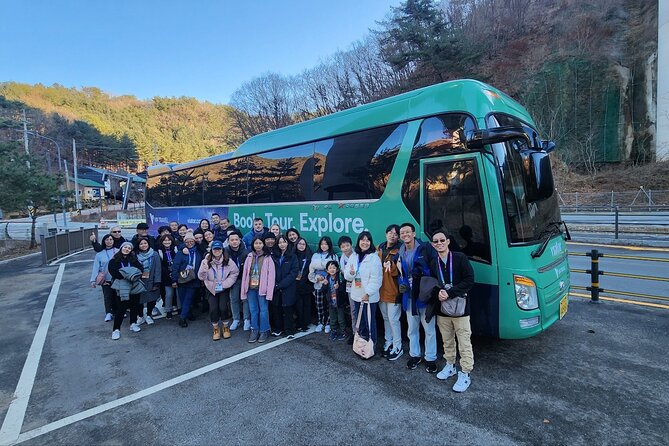
The Third Tunnel of Aggression is the day’s most physical stop. It is one of several tunnels discovered beneath the border, and it was uncovered in 1978. The passage extends about 1,635 meters in total, with the route used by this tour taking you into the underground section for roughly an hour.
You walk down a sloping path into the tunnel, then continue through a low, narrow corridor. Hard hats are provided, and you should fasten yours securely. Anyone over 6 feet tall should expect to bump a helmet or two if they forget to keep their head lowered.
The tunnel is not suitable for treating your phone camera as the main event. The point is to feel the scale and difficulty of the route. Its low ceiling, hard surfaces, and steady incline make the alleged military purpose far more tangible than a model in a visitor center.
The return climb is the tiring part. The tour requires physical stamina, with inclines and stairs at several stops. You might manage the route at a steady pace, but this is not a good choice if you need a flat, easy walk or dislike confined spaces.
Your guide will give instructions before you enter and help keep the group together. Lina has been praised for leading people through the tunnel even on hot, humid days. That kind of attention matters because the conditions underground and the pace outside can be demanding.
Looking into North Korea at Dora Observatory
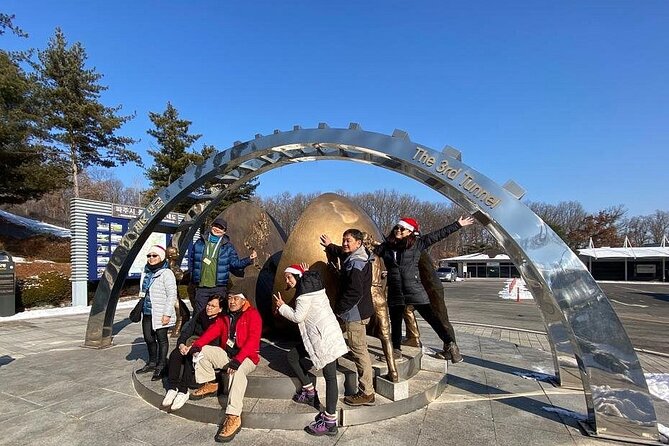
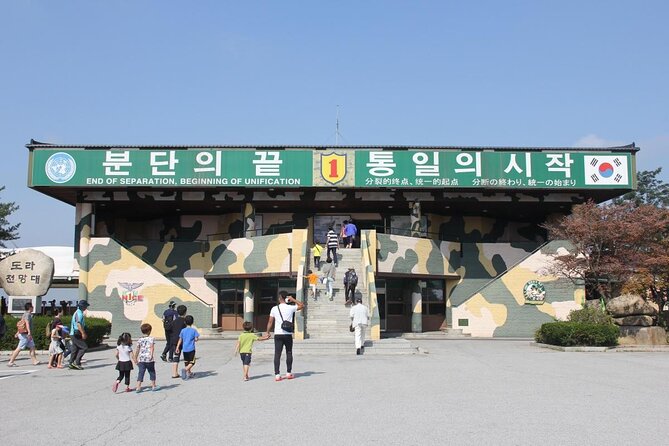
After the tunnel, the route heads to Dora Observatory on Dorasan. The building was established in 1986 and refurbished in 2018. From here, you get one of the closest public views of North Korea available from South Korea.
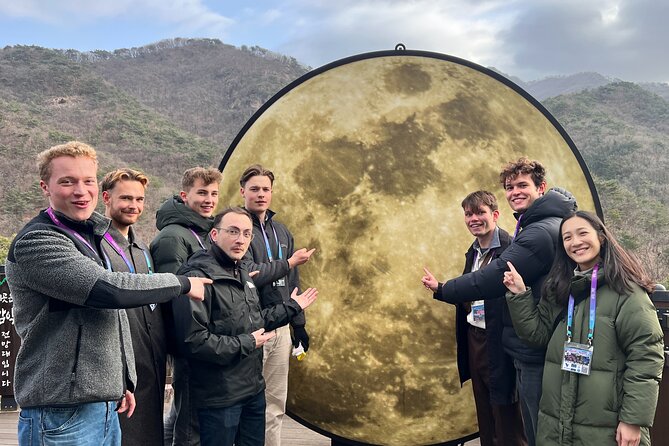
The telescope is the key feature. On a clear day, you can look across the border and see parts of North Korea. The view will not feel like a normal sightseeing panorama. You are looking at a nearby but politically distant country, and visibility depends on weather and conditions.
Fog can change the order of the day. One useful strength of this kind of organized tour is that the guide and driver can adjust the sequence if the observatory is obscured early in the morning. A previous departure reversed the itinerary so the group reached the tower after the air cleared.
Allow about 40 minutes at Dora Observatory. Your guide will explain what you are looking at and where the boundary lies. You can also buy North Korean products at the observatory, though the tour price does not cover personal purchases.
This is often the emotional peak of the day. The tunnel shows how conflict was planned underground. The observatory shows the country beyond the conflict. I would not promise a dramatic view on every departure, but the act of standing at the telescope is worthwhile even when haze limits the detail.
Tongilchon village and the country stop
Tongilchon-gil, or Tongilchon Jangdankong Maeul, is a short stop near the Civilian Control Line. The village is associated with Jangdan soybeans grown in soil near the DMZ. You may find local products and food here, including the prized beans mentioned by the guide.
Expect around 20 minutes. This is not a full market visit or a long meal break. It is a chance to see the agricultural and everyday side of the border area, and perhaps buy a regional product.
Lunch is not included in the $35 price. One departure included a meal in Freedom Village, described as delicious and authentic, but you should not assume lunch is part of this package. Bring money for food and shopping, and ask your guide how much time is available.
Time can feel short here. Forty-five minutes, when provided for a village stop, may not be enough for lunch, facilities, a garden, and a shop. Treat it as a brief local stop rather than the culinary center of the day.
Ending at Majang Lake
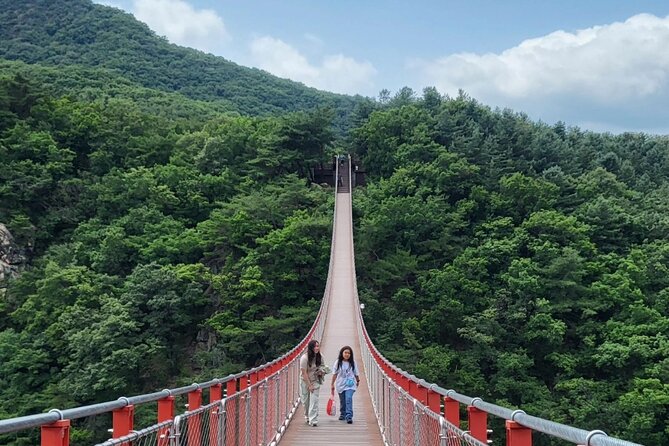
The Majang Lake crossing is an optional add-on and one of the tour’s more scenic changes of mood. The 262-meter suspension bridge opened in 2020 and crosses the reservoir about 25 meters above the water.
After the serious subject matter of the DMZ, the bridge gives you an hour to walk, take photographs, and enjoy open air. The crossing is likely to appeal most if you want a little nature and movement after the tunnel. It also makes the day feel broader than a military-history excursion.
The bridge is not included in the basic DMZ-only option. You must select it during checkout if you want it. The same applies to the Gamaksan Red Suspension Bridge and strawberry picking, which are listed as separate optional features.
Do not confuse Majang Lake with the red suspension bridge. They are different add-ons. If you want the more active finish, check the exact package name and included stops before paying.
Guides, group size, and the pace of the day
The tour offers English or Chinese guiding, and the guide assigned to you will vary. Nancy is known for energetic delivery and clear directions. Alex is particularly good at adding personal family stories and taking photographs. Kelly keeps a brisk but manageable pace, while Moon combines warmth with patient answers.
Crystal, Lina, Hana, Emily, K, Ray, Gogo, and others have also been praised for making the history easy to follow. The common thread is not a particular speaking style. It is the practical help: where to go, when to return, how to use free time, and what you are seeing.
The maximum group size is 150, which is large. You will not get a quiet private tour, and several buses may gather at the same Seoul meeting point. Still, the itinerary is built around coach transport and controlled entry, so a group tour is a sensible way to manage the border formalities.
The schedule lasts about eight hours, including travel. Some departures finish early or feel rushed if military exercises cause an early closing. The order of stops can change because the DMZ is controlled by security rules, not by tourist convenience.
What to bring and how to prepare
Wear comfortable shoes with good support. You will handle slopes, stairs, and the Third Tunnel’s uneven, confined route. A jacket is sensible even if Seoul feels warm, and bring a hat or light rain layer if the forecast calls for it.
Pack your passport in an easy-to-reach place. You will need it at the military checkpoint, and forgetting it can spoil the central purpose of the day.
Bring money for lunch and purchases. The tour covers listed admissions and transport, but lunch is not included, and personal shopping at Tongilchon or Dora Observatory is extra.
Keep your expectations flexible. Fog may block North Korea from view. Military exercises may shorten a stop. A strong guide such as Nancy, Alex, Hana, or Kelly can adjust the schedule, but no guide can override the authorities controlling access.
Is $35 good value?
At $35 per person, this is a strong value for an eight-hour day from Seoul. You receive coach transport, a professional English or Chinese guide, entry to the main DMZ attractions, and help with the civilian-controlled access process. Doing the route independently would require more planning and would not necessarily give you the same historical context.
The low price comes with trade-offs. The group can be very large, hotel drop-off is not included, lunch costs extra, and the optional gondola, Majang Lake bridge, Gamaksan bridge, and strawberry picking may require a higher-priced package.
I would choose the basic tour if the Third Tunnel, Bridge of Freedom, and Dora Observatory are your priorities. Add Majang Lake if you want a scenic walk at the end. The add-on is less useful if you prefer more time at Imjingak’s memorials or want to avoid a packed schedule.
Who should book this DMZ tour?
I recommend it if you are visiting Seoul for the first time and want a clear introduction to the Korean War and the continuing division of the peninsula. It also suits anyone who prefers a guide to explain sensitive history rather than trying to piece it together from signs.
Families with older children may enjoy the tunnel and telescope, though the physical effort and serious subject matter deserve a warning. People interested in photography should appreciate Dora Observatory and Majang Lake, but bring patience because the best view of North Korea depends on weather.
I would hesitate if you want a slow, private day or dislike large groups. The military schedule can also frustrate anyone who needs fixed timings. Still, the combination of personal memorials, a real tunnel, a border checkpoint, and a view toward North Korea gives this tour more substance than a simple bus ride to a lookout.
FAQ
How long does the DMZ tour last?
The experience lasts approximately eight hours, including transportation between Seoul and the DMZ area.
Where can I meet the tour bus in Seoul?
Meeting points include Myeongdong Subway Station Exit 9, Seoul City Hall Subway Station Exit 6, and Hongik University Station Exit 3 in Hongdae.
How early should I arrive at the meeting point?
You should arrive 10 to 15 minutes early. This is especially useful at busy meeting points where several buses may gather.
Is hotel pickup included?
Complimentary pickup is included from a main subway station near your hotel or from a downtown area. The exact pickup arrangement depends on the location.
Is hotel drop-off included?
No. At the end of the tour, you can get off at Myeongdong, Hongik University Station, or City Hall.
Do I need my passport?
Yes. You must bring your passport, military ID card, or South Korea-issued identification for the Unification Bridge checkpoint. A passport is the most practical choice for most international visitors.
Is lunch included?
No. Lunch is not included in the tour price. Bring money for food and any purchases at local stops.
Can I see North Korea?
At Dora Observatory, you can look toward North Korea through a telescope. Visibility depends on conditions such as fog and weather.
Is the Majang Lake bridge included?
Majang Lake is optional and must be selected during checkout. The basic DMZ-only option does not include it.
Is the Third Tunnel physically demanding?
Yes. The route includes a downhill walk, a confined tunnel, inclines, stairs, and a return climb. Comfortable shoes and a secure hard hat are important.
What language is the tour offered in?
Professional guiding is available in English or Chinese.
How large can the group be?
The tour can have a maximum of 150 people.
Can I cancel for a refund?
You can cancel at least 24 hours before the start time for a full refund. Cancellations or changes made less than 24 hours before the start time are not accepted for a refund.
Should you book it?
Book this tour if you want the main DMZ sights in one organized day at a modest price. The Third Tunnel and Dora Observatory are the strongest reasons to go, while Imjingak’s memorials give the visit emotional weight. A guide such as Alex, Nancy, Kelly, or Moon can make the difference between a list of stops and a day you actually understand.
Choose the Majang Lake option if you want a scenic finish and do not mind a long day. Skip the add-ons if you prefer to keep the focus on the border itself. Pack your passport, shoes, jacket, and lunch money, then accept that military rules may rearrange the plan. With those expectations, this is a worthwhile and unusually direct look at Korea’s divided past and uncertain future.
Just added around Seoul
- Gyeongbokgung palace,seoul with gigibebe hanbok rental★ 4.5 · 12 reviews
- Private tour guide service in Seoul, Korea★ 5.0 · 6 reviews
- Alpaca, Nami, Petite Fr, Italian Village, Garden of Morning Calm★ 3.5 · 5 reviews
- Private day trip to Korean Folk Village & Dae Jang Geum Park★ 5.0 · 7 reviews
- Private tour Lotte World,Tower,Aquarium(All Tickets are included)★ 5.0 · 12 reviews
- Gyeongju UNESCO Sites Tour by KTX train; The Museum Without walls★ 4.5 · 11 reviews
- Full Day Private Seoul Tour for foodies★ 5.0 · 3 reviews
- Seoul Private Custom Walking Tour with A Guide (Private Tour)★ 4.5 · 28 reviews
DMZ Tours, compared.
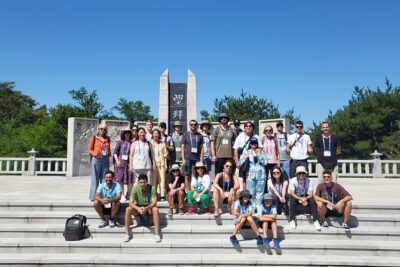
Best DMZ Tour Korea from Seoul (Red Suspension Bridge Optional)
Read our review →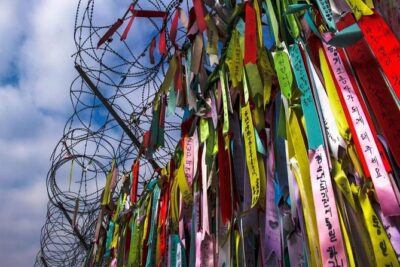
DMZ Tour: 3rd Tunnel, Option(Suspension Bridge, Boat) from Seoul
Read our review →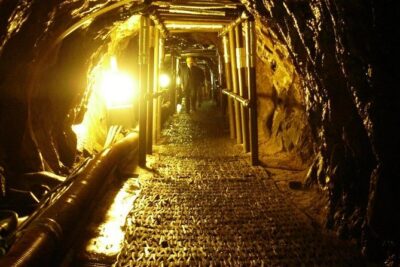
DMZ tour south Korea from Seoul (NK experience hall, defector)
Read our review →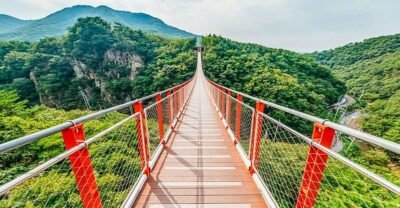
DMZ Insider Tour: 3rd Tunnel, NK Defector Meet & Red Bridge
Read our review →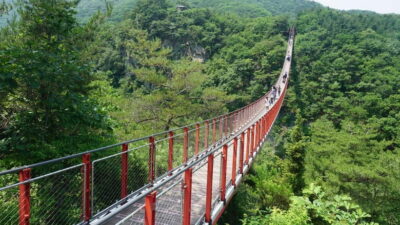
Thrilling Korean DMZ 3rd Tunnel Tour from Seoul + Red Bridge Rush
Read our review →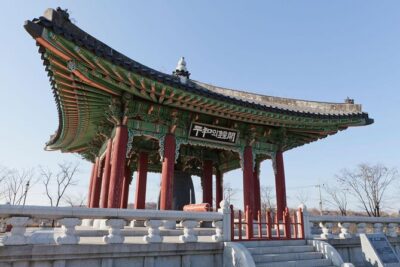
DMZ Past and Present: Korean Demilitarized Zone Tour from Seoul
Read our review →
Ultimate Korea DMZ Tour from Seoul (Gondola & Suspension Bridge)
Read our review →Browse the lists this tour appears in